Mom's Best Recipes
Recipe

Kimchi Soup

A cozy, spicy-tangy bowl with kimchi, tofu, and a savory broth that tastes like you cooked all day.

Author By Matt Campbell
4.8
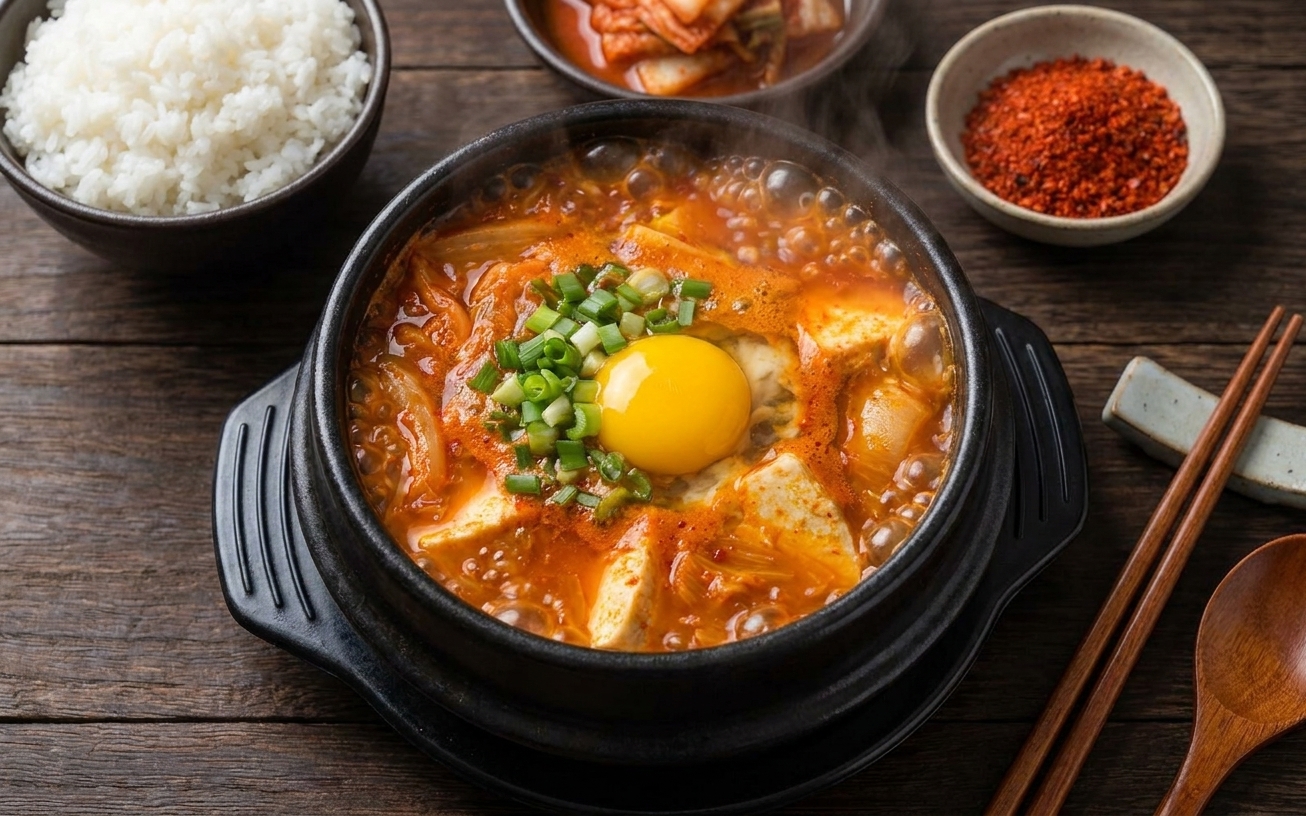
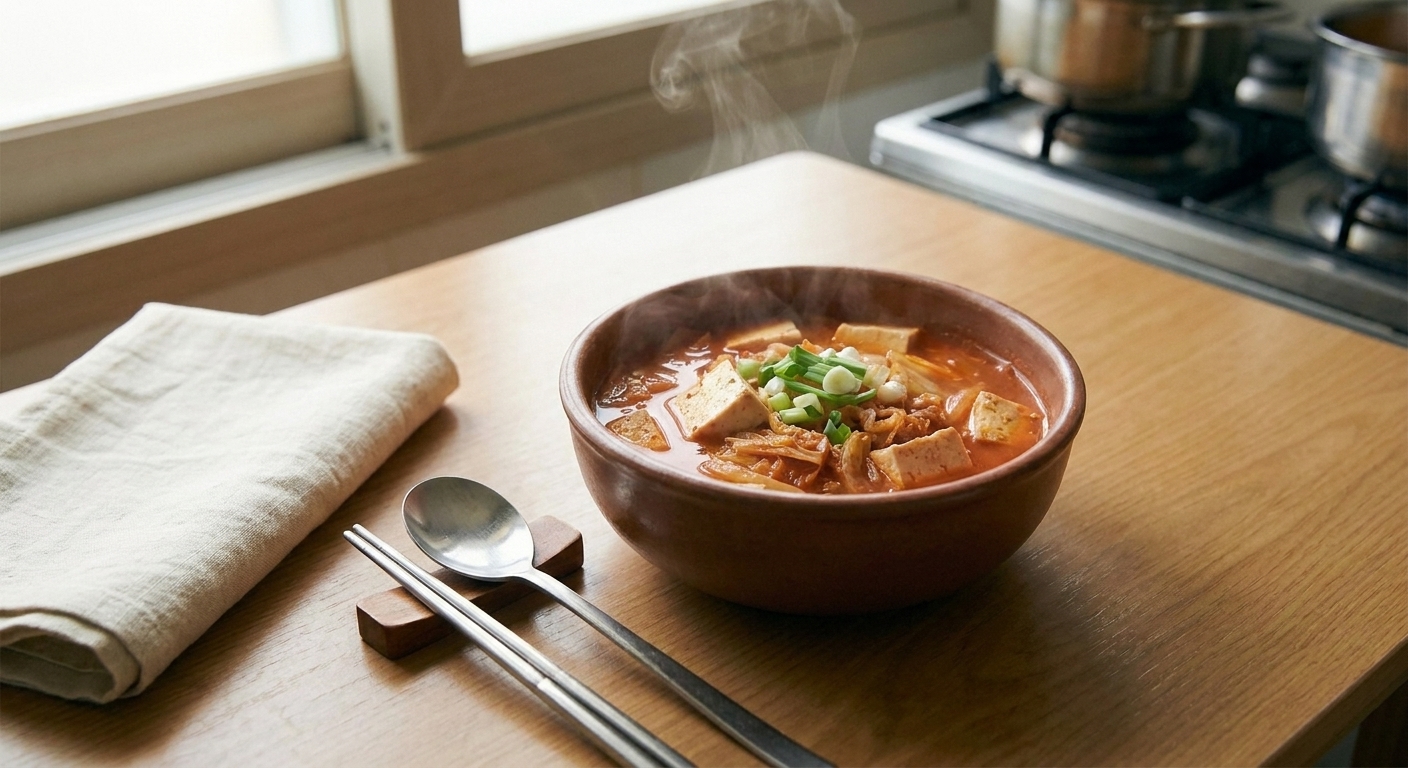
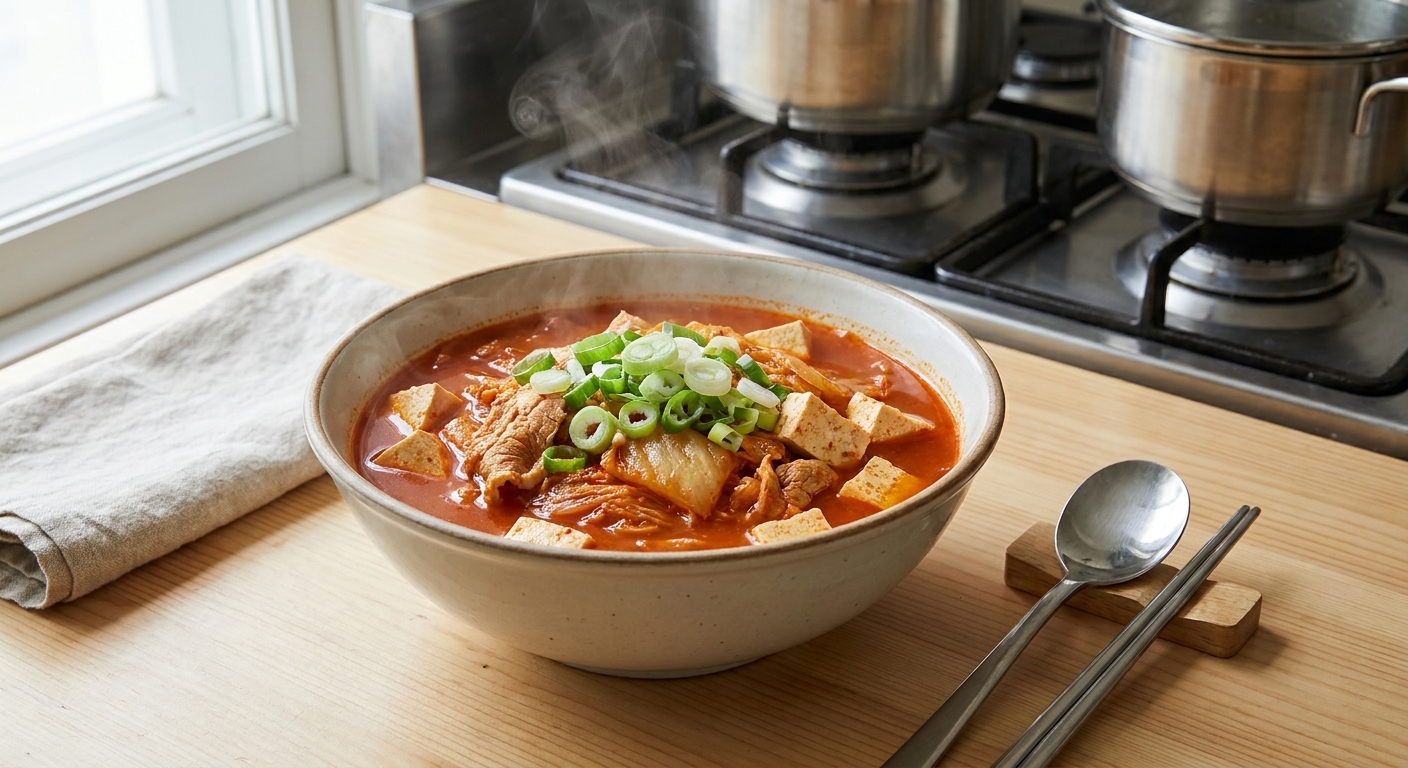
A steaming bowl of kimchi soup with tofu cubes, sliced green onions, and a glossy red broth on a simple kitchen table

Kimchi soup is my answer to those nights when you want something cozy, a little spicy, and definitely not boring. It’s tangy from fermented kimchi, savory from a quick pork and aromatics base, and finished with tofu that soaks up all that red, peppery broth like it was born for it.

This version keeps the ingredients accessible and the steps low drama. If you can chop an onion and stir a pot, you can pull off a bowl that tastes like you did way more than you actually did.

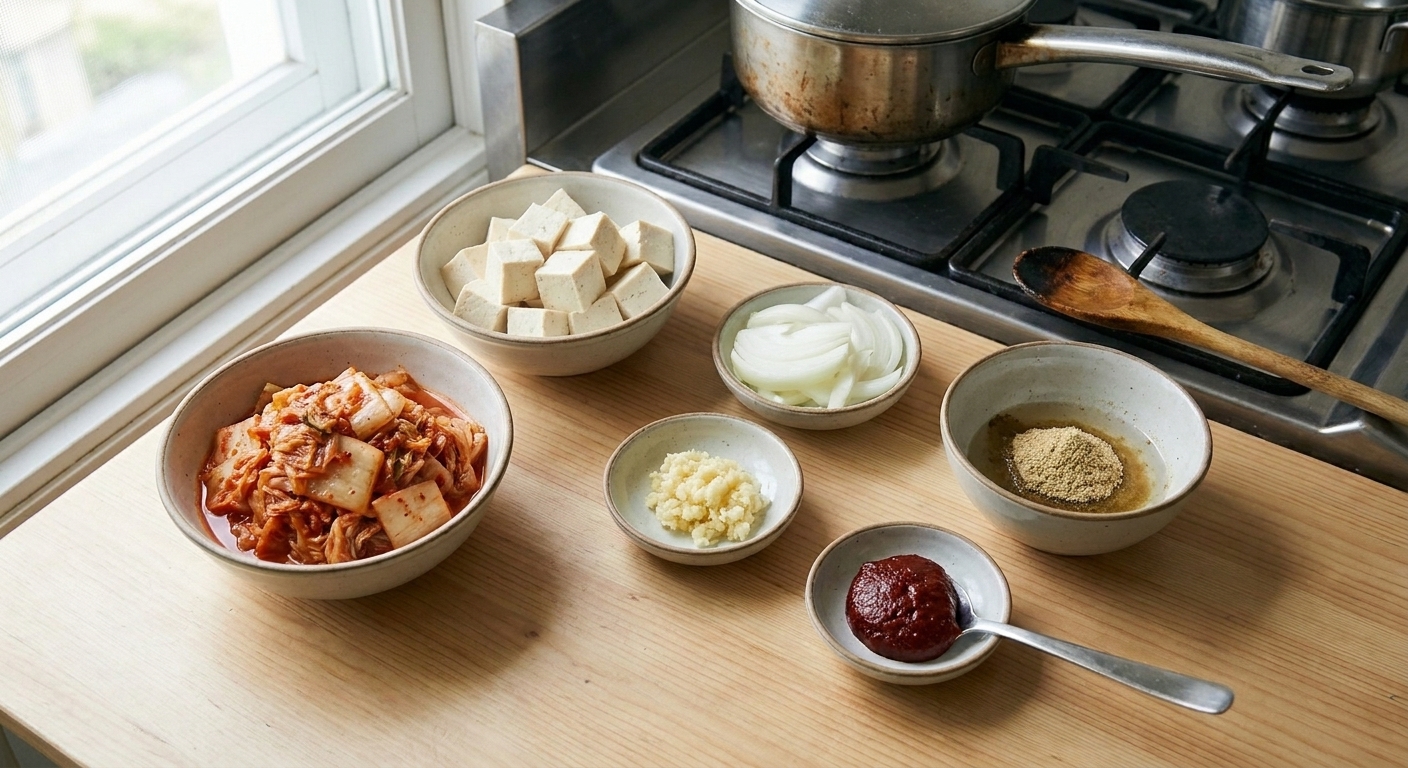
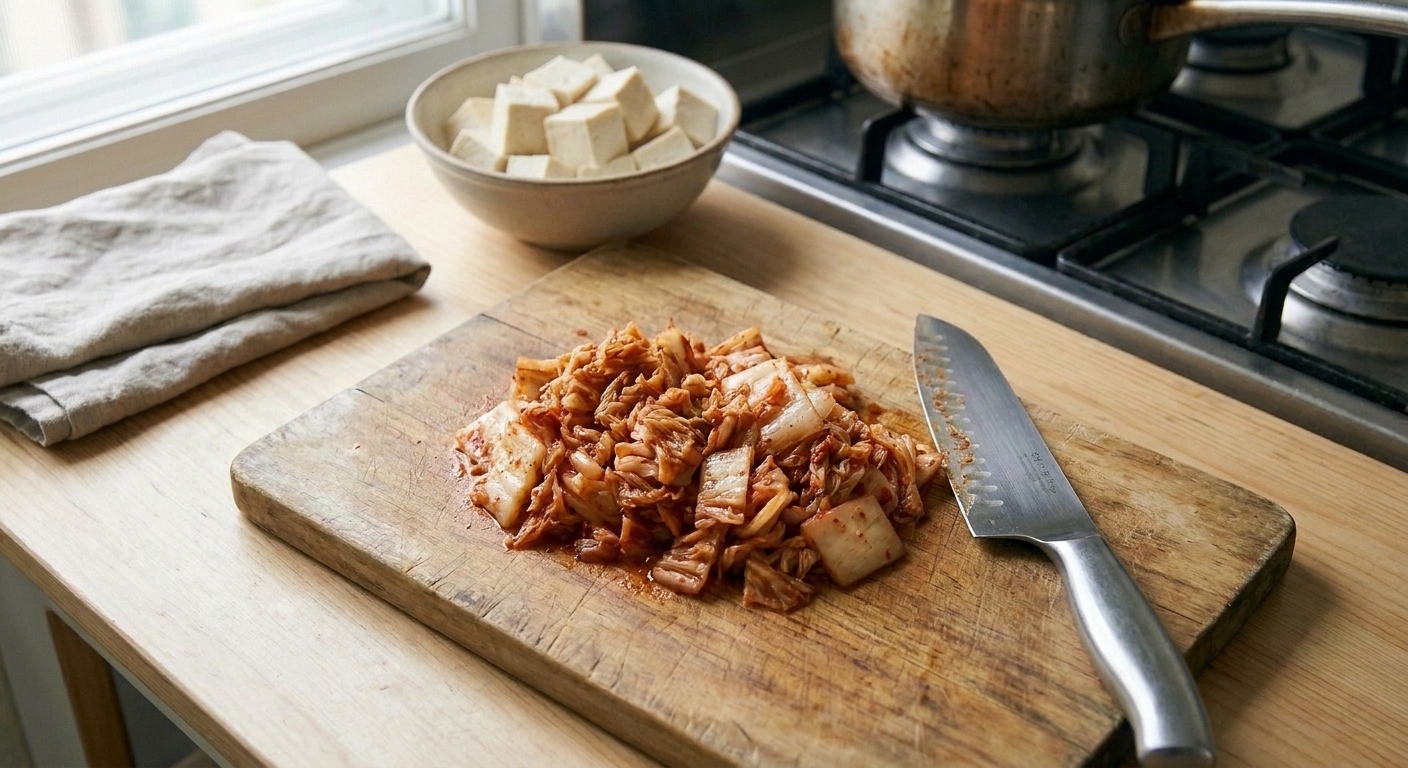
Bowls of chopped kimchi, cubed tofu, sliced onion, minced garlic, gochujang, and broth ingredients arranged on a tidy kitchen counter

Why It Works

  • Big flavor fast: sautéed kimchi and a touch of gochujang deepen the broth in minutes.
  • Balanced heat: spicy, tangy, and savory, with an easy dial up or down depending on your kimchi.
  • Weeknight flexible: use pork, chicken, or mushrooms, and swap in whatever veggies you have.
  • Leftovers get better: the broth turns even more flavorful after a night in the fridge.

Pairs Well With

Storage Tips

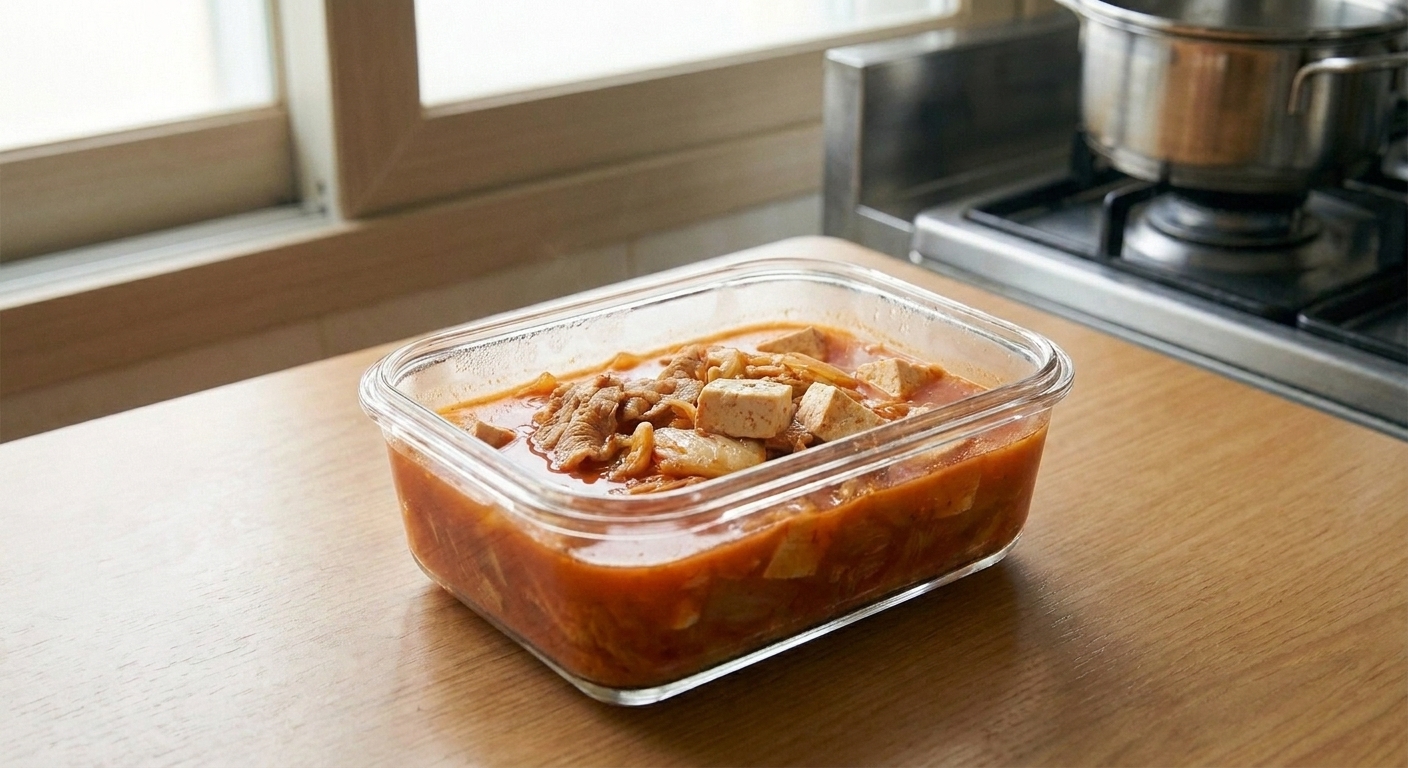
Refrigerate: Cool soup to room temp, then store in an airtight container for up to 4 days.

Reheat: Warm gently on the stovetop over medium-low heat until steaming. If the broth tastes a little intense after chilling, add a splash of water or broth to loosen it up.

Freeze (best if you can): Freeze for up to 2 months. Tofu can change texture after freezing, so if you are picky about tofu, freeze the broth base and add fresh tofu when reheating. Also note that kimchi soups can taste a bit more sour after freezing. A little extra broth and a pinch of sugar can bring it back into balance.

A glass meal prep container filled with leftover kimchi soup and tofu, sealed and sitting on a kitchen counter

Common Questions

Is kimchi soup the same as kimchi jjigae?

They are close cousins, but not exactly the same thing. Kimchi jjigae is part of the Korean stew category and is often served bubbling hot (frequently in a stone pot). It commonly includes pork or tuna and can be made with anchovy-kelp stock for a deeper, more savory base. This kimchi soup is a lighter, soupier take with a clean, brothy vibe, but it still delivers that classic tangy, spicy kimchi comfort.

How spicy is it?

It depends on your kimchi and your gochujang brand. Start with the amounts listed, then taste the broth before serving. If you want more heat, add a little extra gochujang or a pinch of gochugaru. If you want it milder, start with 1 tablespoon gochujang and add a touch more broth.

What kind of kimchi should I use?

Use well-fermented napa cabbage kimchi (baechu kimchi) for the best flavor. If your kimchi is newer and still mild, let it simmer a few extra minutes. If you still want more tang, you can add 1 to 2 teaspoons rice vinegar as a modern, preference-based boost. (Not traditional, just helpful in a pinch.) If your kimchi is very salty, you may need less soy sauce.

Can I make it vegetarian?

Yes. Use vegetable broth, swap pork for mushrooms, and make sure your kimchi is vegetarian (some contain fish sauce or shrimp).

Why does my soup taste flat?

Usually it needs one of these: more kimchi, a spoon of kimchi juice, a pinch of salt, or a tiny bit of sugar to round out the sour. Taste, adjust, repeat. That is the whole game.

Can I use a more traditional broth?

Absolutely. If you have it, swap the broth for anchovy-kelp stock (dashima and dried anchovy). It adds that deeper, savory Korean soup-shop flavor without extra work.

I started making kimchi soup when I realized my fridge kimchi always hit that perfect “too sour to snack on, absolutely ideal for cooking” stage right when I needed an easy dinner. Now it’s my go-to reset meal. One pot, a little chopping, and suddenly the kitchen smells like something serious is happening. It’s the kind of soup that forgives you for eyeballing the broth, rewards you for tasting as you go, and makes plain rice feel like a full plan.