Mom's Best Recipes
Recipe

Lavender Syrup

A quick, floral simple syrup that tastes fresh and balanced, perfect for lattes, lemonade, cocktails, and dessert drizzles.

Author By Matt Campbell
4.8
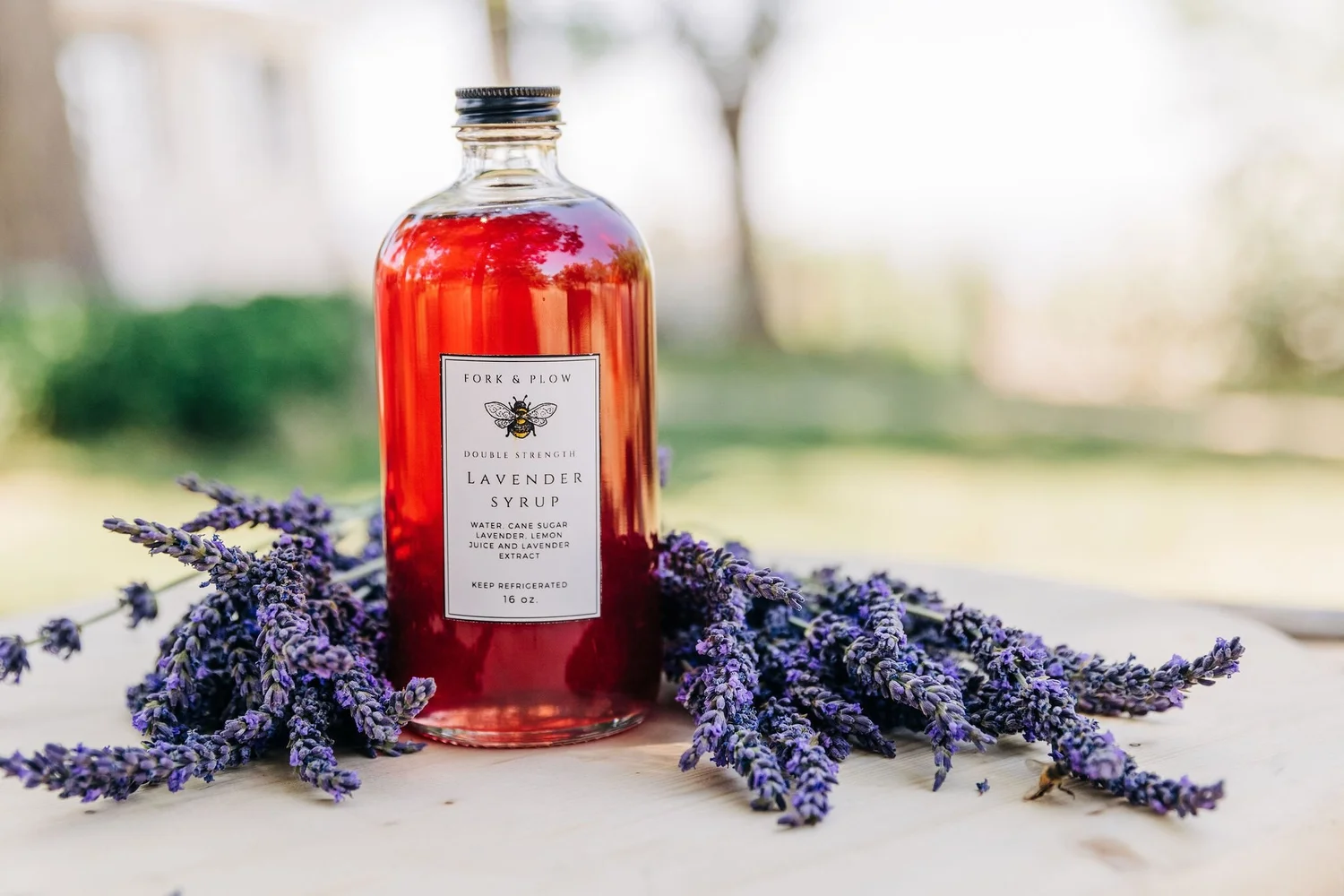
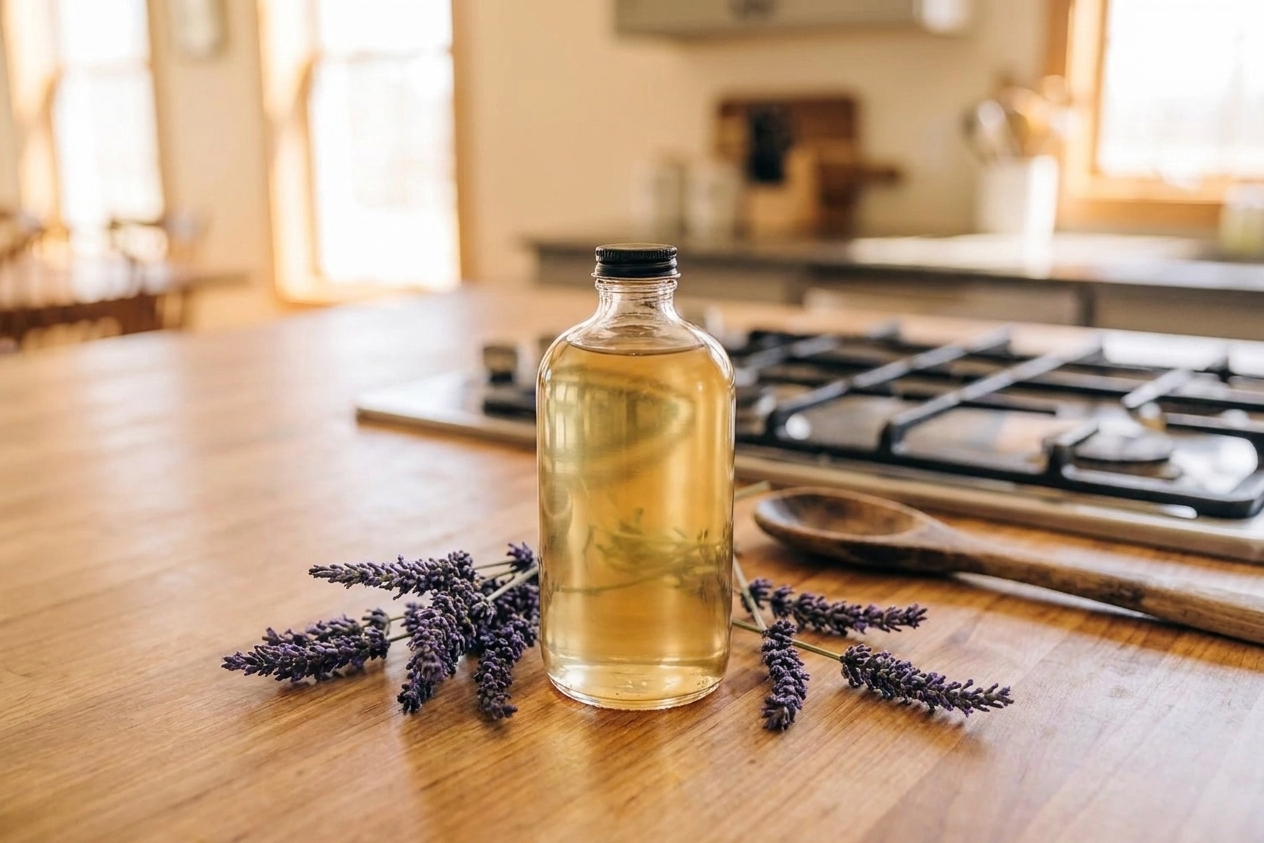
A small glass bottle of pale golden lavender syrup on a light kitchen counter with a few fresh lavender sprigs nearby, soft natural window light

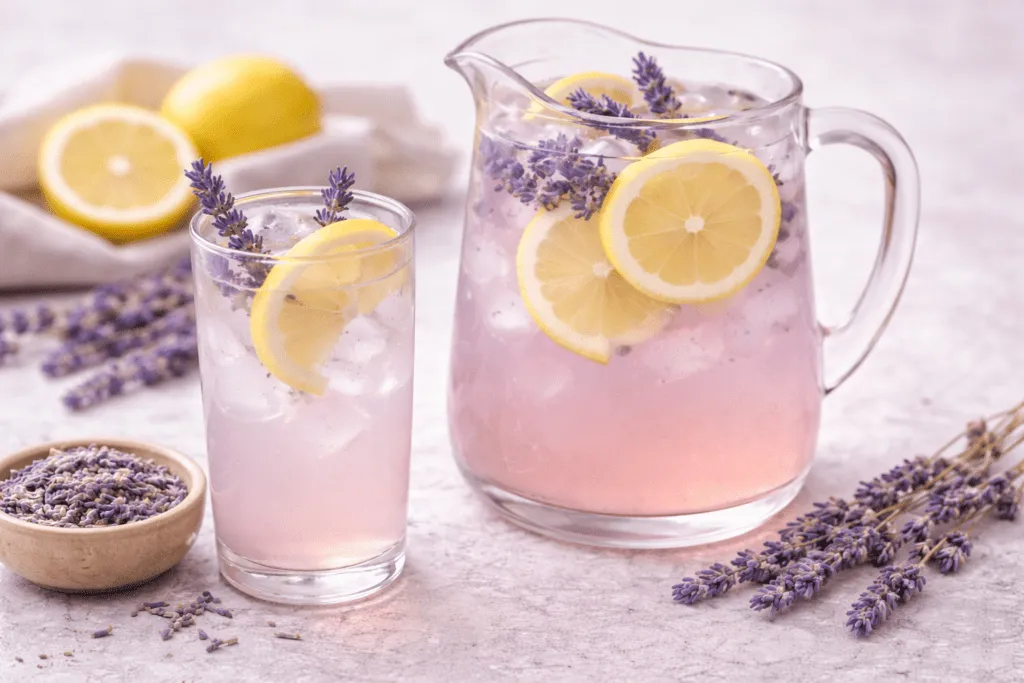
Lavender syrup is one of those tiny kitchen upgrades that makes your regular Tuesday drink feel like it has a theme and a budget. You know the vibe. A splash in iced tea, a swirl in a latte, a little lemonade moment, and suddenly you are hosting yourself.

This version is floral but not perfume-y, which is the line lavender can sometimes sprint past if you steep it too long. We keep it simple, keep it quick, and build in a couple of small tricks so you get that clean, herby, almost citrusy lavender aroma without any bitterness.

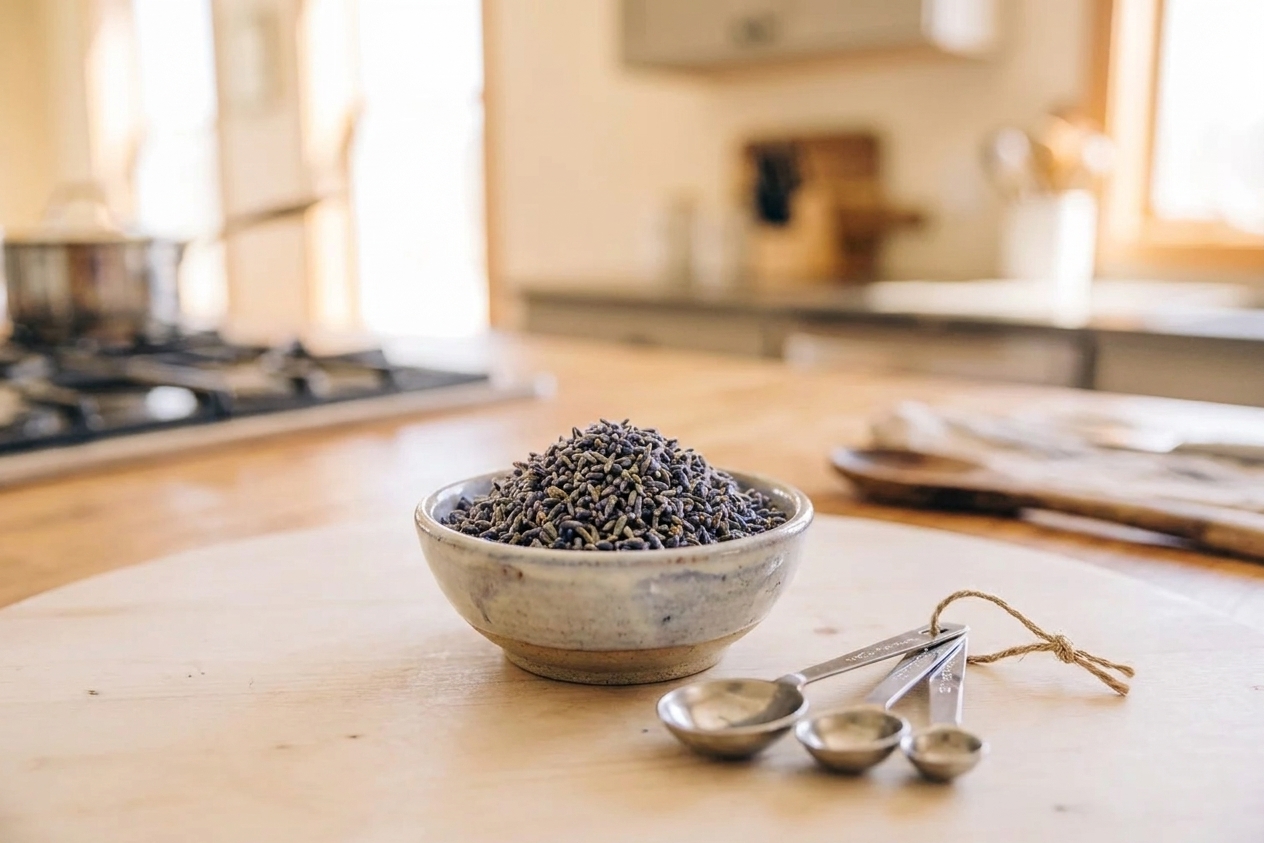
A small ceramic bowl filled with dried culinary lavender buds on a clean kitchen counter with measuring spoons nearby, bright natural light

Why It Works

  • Balanced flavor: a short steep gives you floral notes without the soapy, medicinal edge.
  • Flexible sweetness: use classic 1:1 for everyday drinks or go richer for cocktails and coffee.
  • Clear, clean syrup: straining twice (fine mesh plus optional coffee filter) keeps grit out of your glass.
  • Fast: done in about 15 minutes, plus cooling time.

Pairs Well With

Storage Tips

Let the syrup cool completely, then pour into a very clean glass jar or bottle with a tight lid.

  • Refrigerator: about 1 to 2 weeks for a standard 1:1 syrup (sometimes a bit longer with very clean handling).
  • Longer life tip: a richer syrup (2:1 sugar to water) can keep up to about 1 month refrigerated.
  • Freezer: up to 3 months. Freeze in an ice cube tray, then store cubes in a freezer bag and thaw as needed.
  • Signs it has spoiled: new cloudiness, off smell, fizzy bubbles, or any visible mold. When in doubt, toss it.
A sealed glass bottle of homemade syrup on a refrigerator shelf beside a small jar of lemon slices, casual home kitchen scene

Common Questions

What kind of lavender should I use?

Use culinary lavender (often labeled as English lavender or Lavandula angustifolia). Avoid craft lavender or anything treated with non food safe sprays.

Why does lavender syrup taste bitter or soapy?

Usually it is over-steeping or simply using more lavender than you need. Lavender strength varies by brand and freshness, so treat the times here like a starting point. Keep the steep short, start with 1 tablespoon dried buds per cup of water, and taste at 5 minutes. You can always steep longer, but you cannot un-steep.

Can I use fresh lavender?

Yes. Use about 2 to 3 tablespoons fresh flowers for this batch (roughly triple the volume of dried). Give it a quick rinse and pat dry. Flavor can vary a lot with fresh, so start checking at 3 to 5 minutes of steeping.

Do I need food coloring?

Nope. The syrup is usually pale gold or lightly greenish depending on the lavender. If you want a purple drink, let the lavender be the aroma and use something like a tiny splash of blueberry juice or butterfly pea tea in the beverage, not the syrup.

How do I use lavender syrup in coffee?

Start with 1 to 2 teaspoons in an iced latte or hot latte, then adjust. Lavender can dominate quickly, especially in smaller drinks.

Can I can this syrup for pantry storage?

I do not recommend water bath canning for this recipe as written. For safe shelf stable canning you need a tested recipe with verified sugar concentration and processing times. This one is meant for the refrigerator or freezer.

I started making lavender syrup because I kept ordering lavender lemonades and lavender lattes out and thinking, I can absolutely do this at home. Then I made my first batch and steeped it like tea I forgot about, and it tasted like I was drinking a candle. Lesson learned. Now I treat lavender like a powerful spice, not a handful herb. Quick steep, taste as you go, and suddenly it is bright, calming, and weirdly addictive in the best way.