Mom's Best Recipes
Recipe

Malaysian Nasi Lemak

Fragrant coconut rice with a punchy sambal and the classic crunchy, salty, fresh toppings.

Author By Matt Campbell
4.8
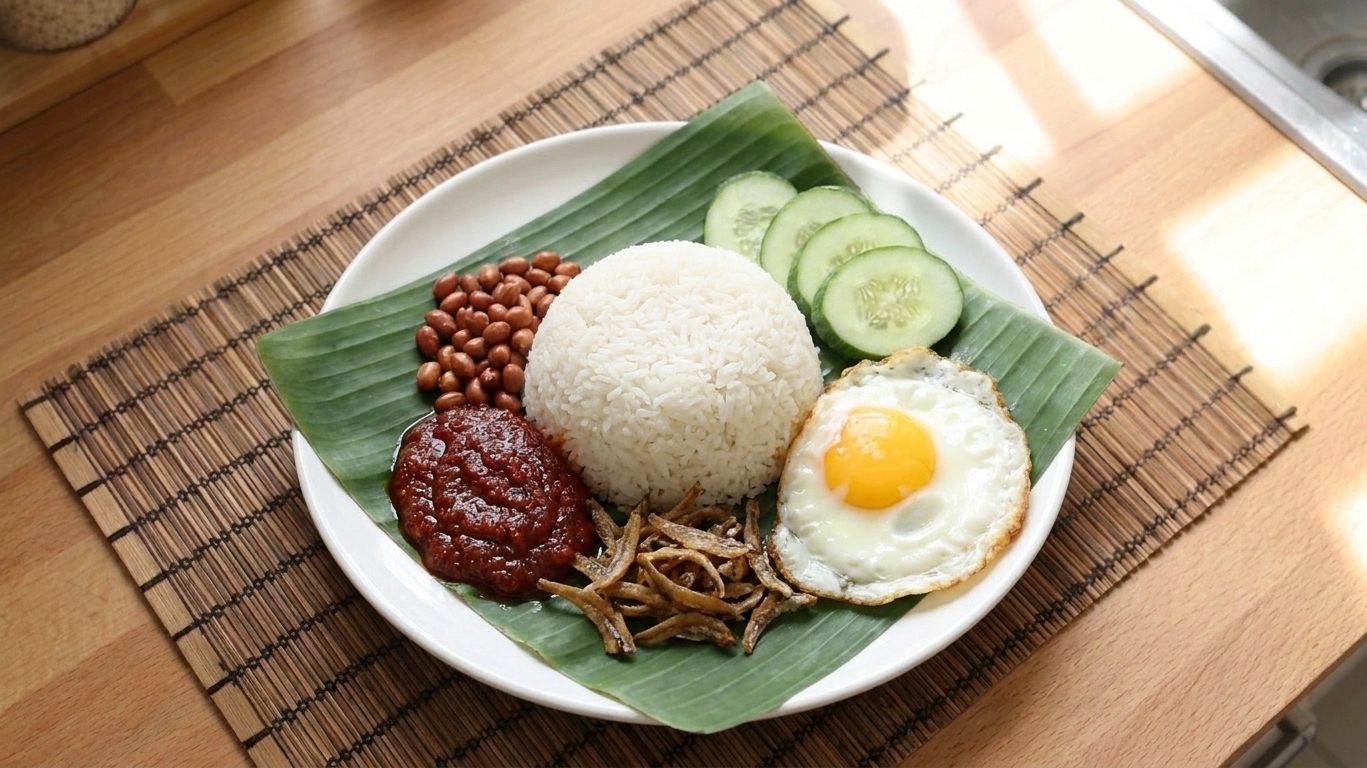
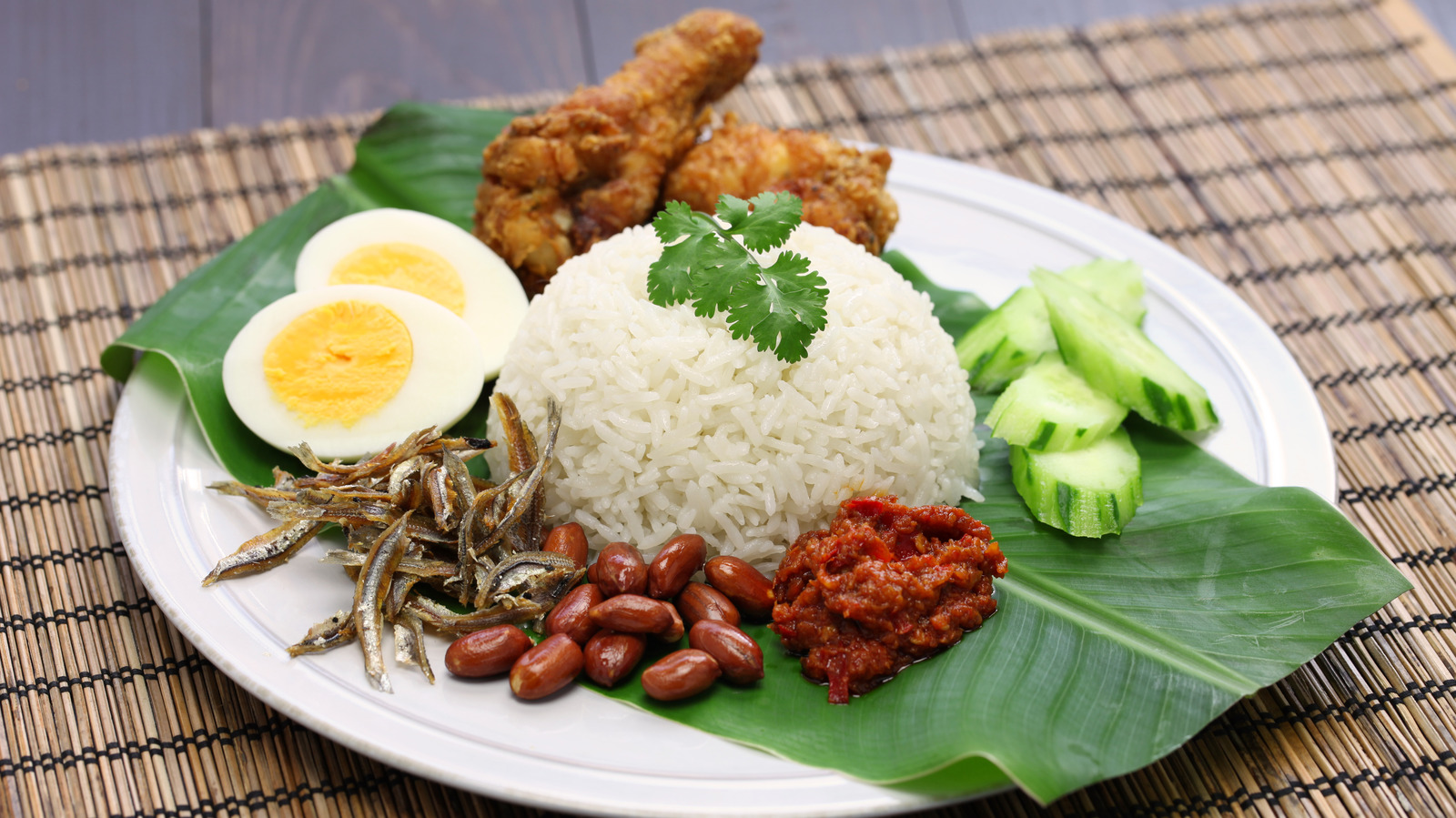
A plated Malaysian nasi lemak meal with coconut rice wrapped in banana leaf, sambal on the side, crispy anchovies and peanuts, sliced cucumber, and a halved boiled egg on a dark plate on a warm kitchen table

Nasi lemak is one of those dishes that feels like a whole vibe on a plate: creamy, fragrant coconut rice, sambal that wakes everything up, and a little pile of crunchy, salty toppings that make every bite different. It is comfort food with crisp edges and bright heat, which is basically my entire personality in a bowl.

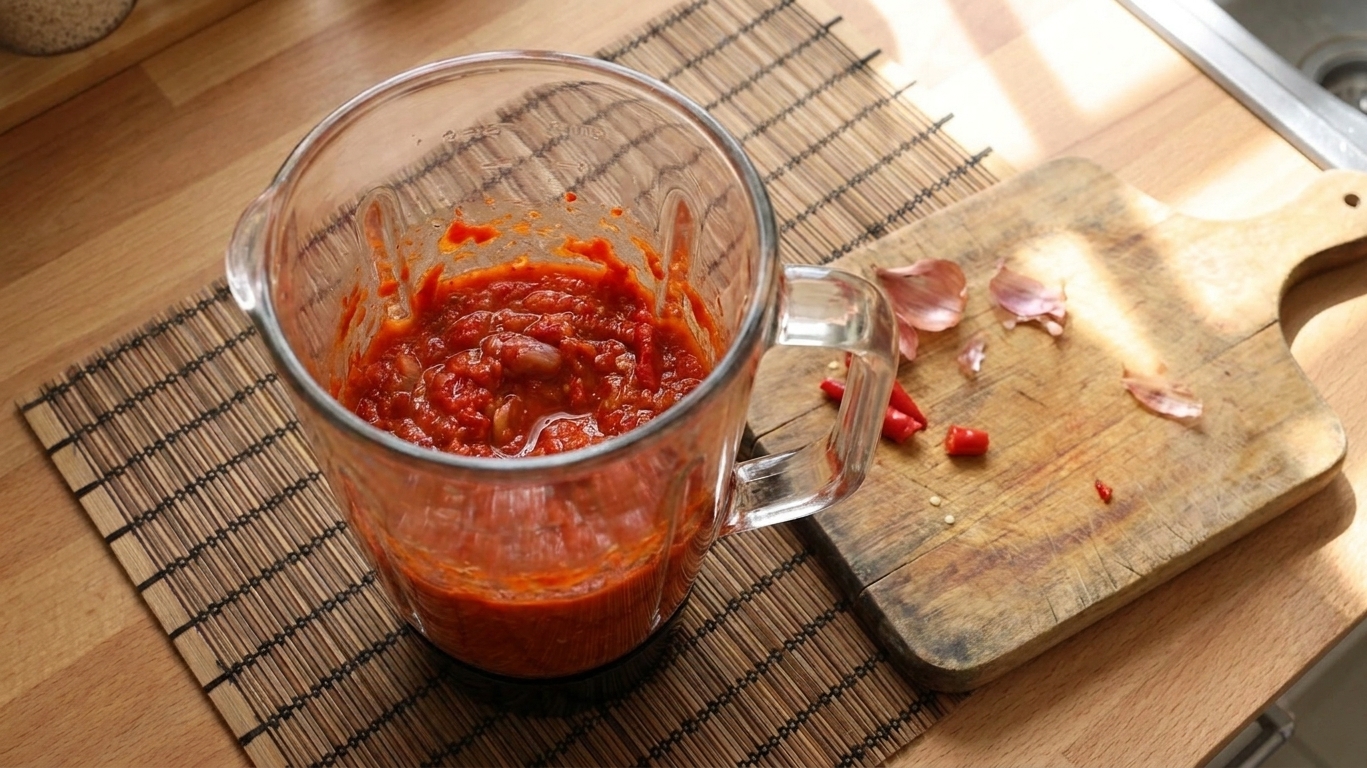
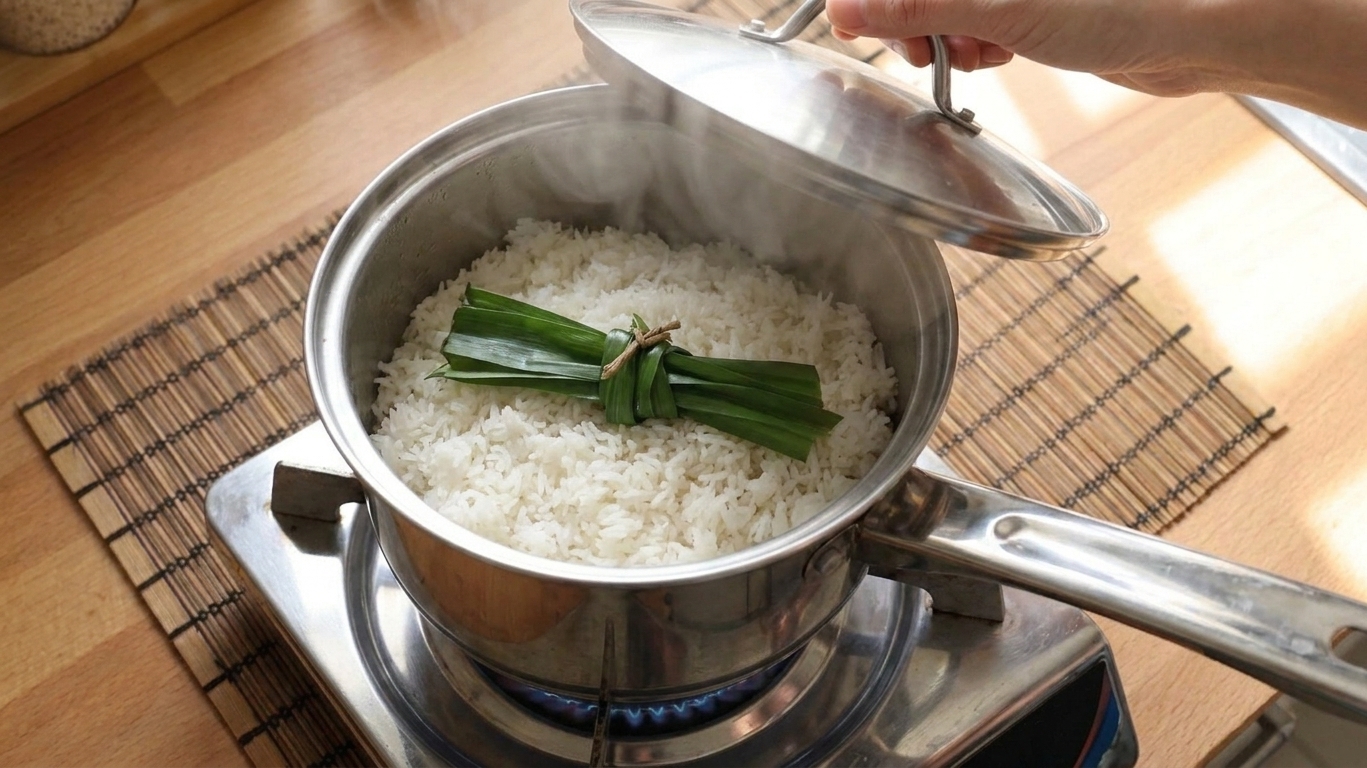
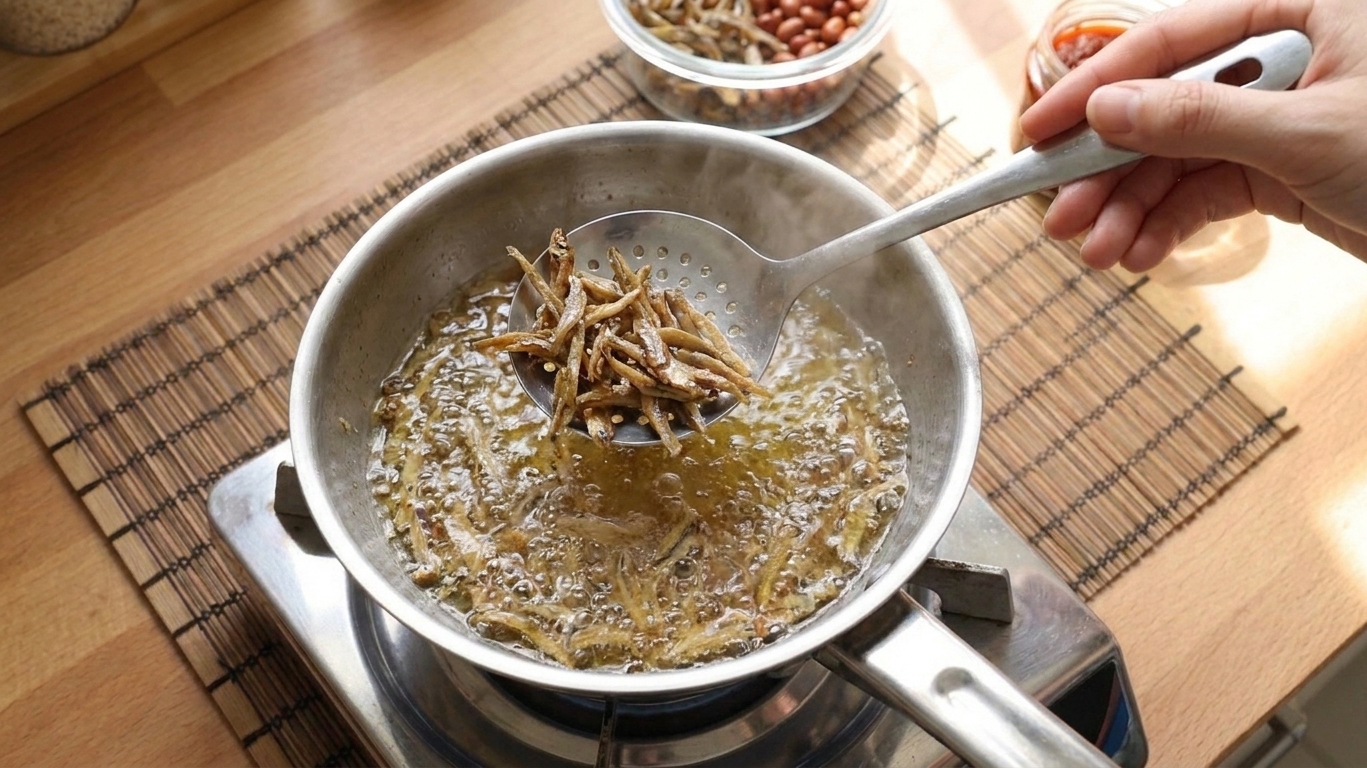
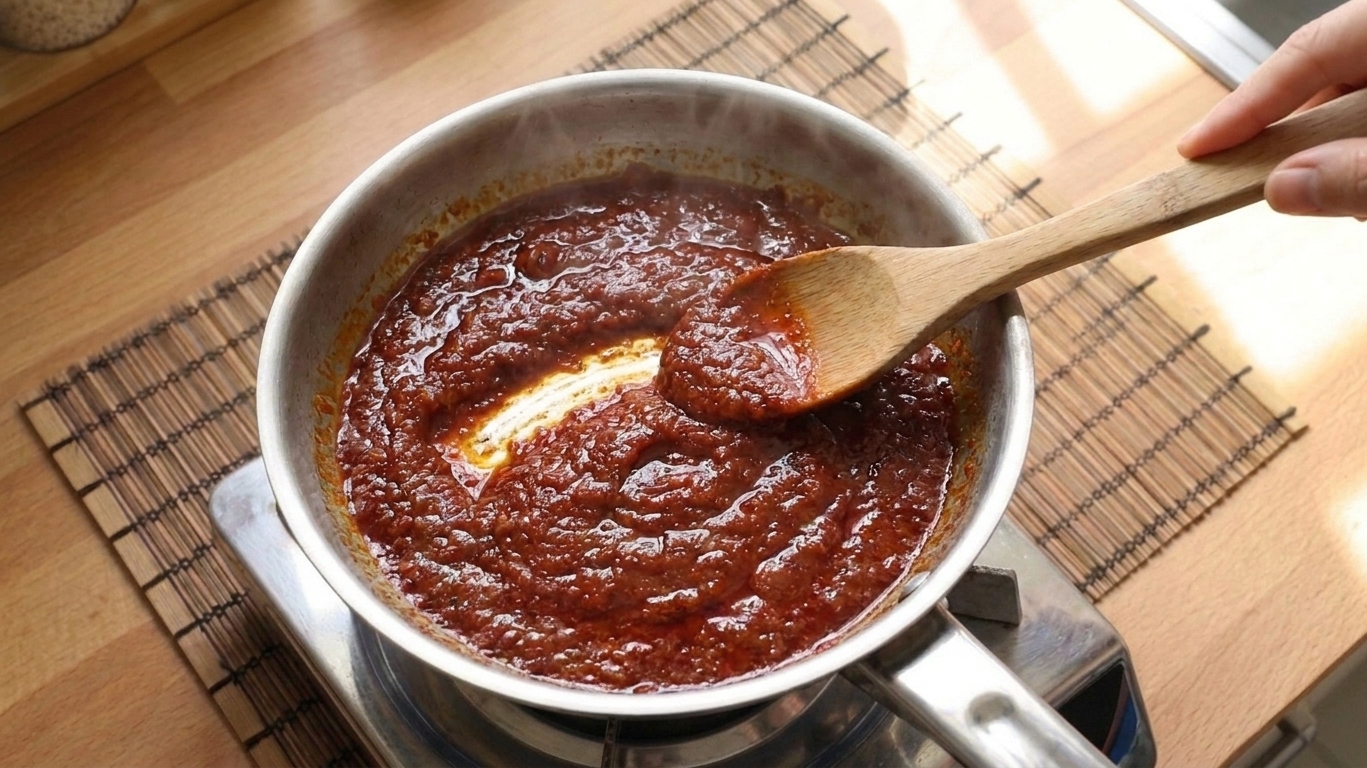
This is a home-kitchen version that keeps ingredients approachable without sanding off what makes nasi lemak special. We are making coconut rice (easy), a deeply savory sambal (also easy, just a quick simmer), then finishing with cucumber, eggs, roasted peanuts, and crispy anchovies. Traditionally, sambal nasi lemak often gets its depth from belacan (shrimp paste). I am using fish sauce here as a convenient shortcut, with an optional belacan note if you want to go more classic. If you have banana leaf, use it. If you do not, your plate will still be very happy.
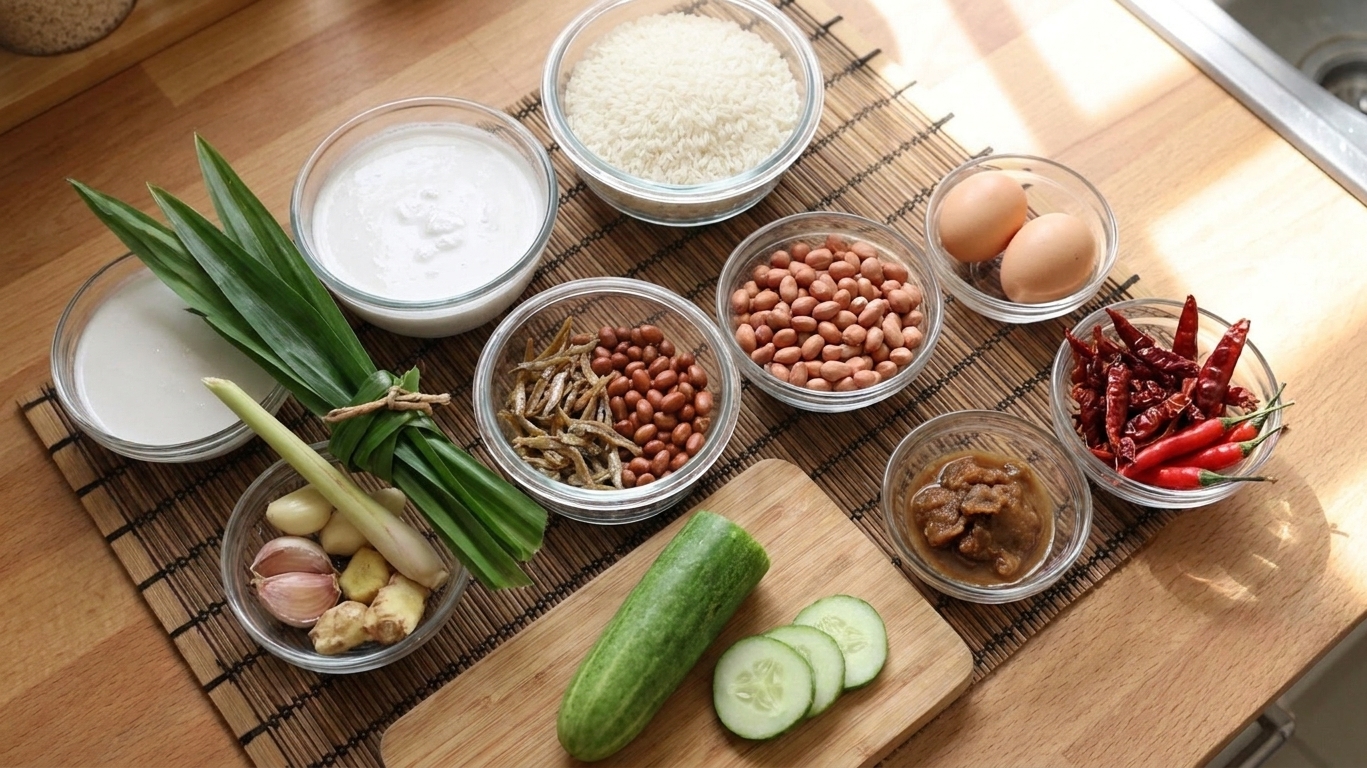
All ingredients for nasi lemak arranged on a clean kitchen counter, including jasmine rice, coconut milk, pandan leaves, aromatics, dried anchovies, peanuts, eggs, cucumber, tamarind, and chilies in small bowls

Why It Works

  • Coconut rice that actually tastes like coconut: a balanced mix of coconut milk and water keeps it fragrant, not greasy.
  • Sambal with real depth: we build it from a quick chili paste, then simmer with tamarind and palm sugar (or brown sugar) until it turns glossy and addictive.
  • Texture party: crunchy peanuts and anchovies, cool cucumber, and creamy egg keep the plate interesting bite after bite.
  • Flexible heat: you control the spice level by choosing mild or hot chilies and adjusting the sambal at the end.

Pairs Well With

Storage Tips

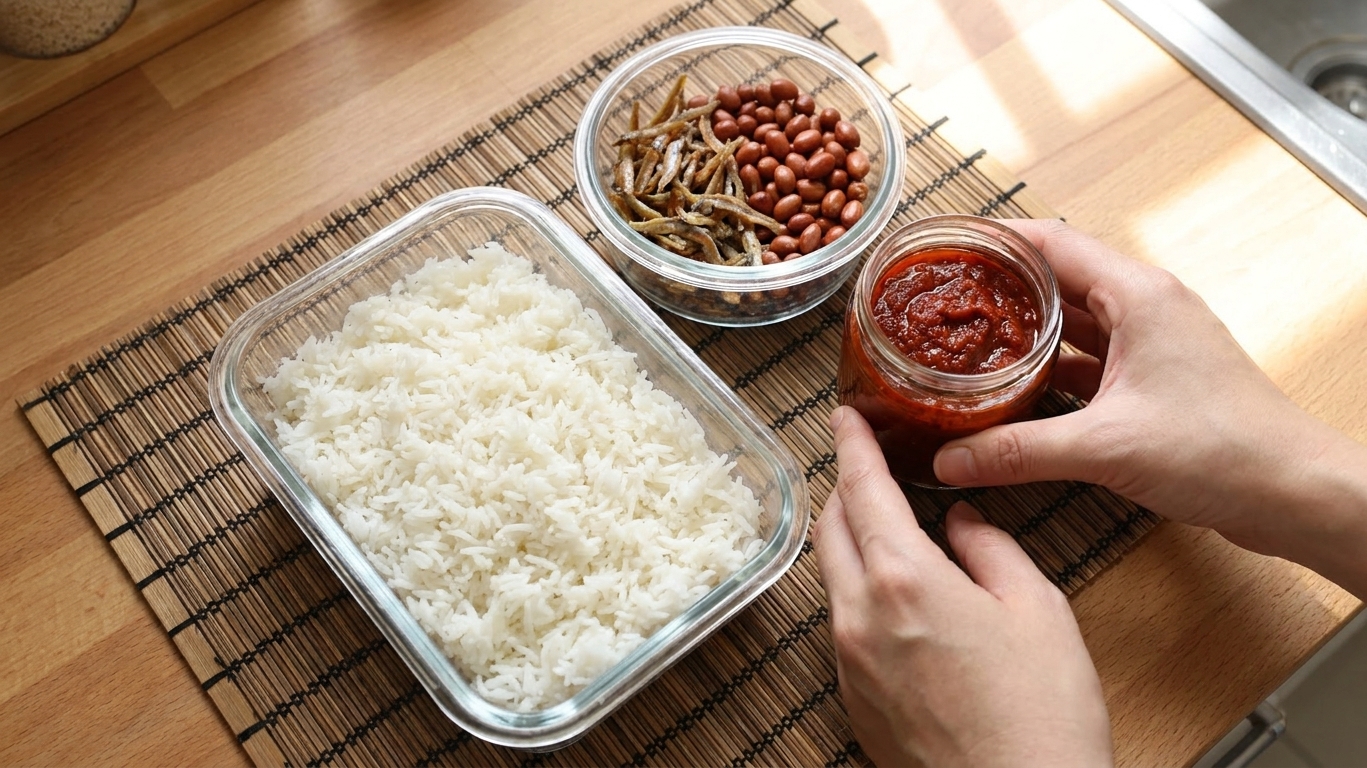
Store components separately if you can. Nasi lemak is at its best when the crunchy things stay crunchy.

  • Coconut rice: Cool quickly, refrigerate airtight for up to 4 days. Reheat with a splash of water, covered, in the microwave or steamer until hot and fluffy.
  • Sambal: Refrigerate in a jar up to 7 days. It often tastes better the next day. For longer storage, freeze up to 2 months.
  • Crispy anchovies and peanuts: Store at room temp in an airtight container 2 to 3 days. If they soften, toast briefly in a dry skillet to revive.
  • Eggs: Unpeeled hard-boiled eggs keep well in the fridge up to 7 days. Peeled eggs are best within 3 to 4 days. Fried eggs are best made fresh.
  • Cucumber: Slice fresh when serving for best crunch.
Meal prep containers holding separate components of nasi lemak, including coconut rice, sambal in a small jar, and a container of anchovies and peanuts on a kitchen counter

Common Questions

Is nasi lemak always spicy?

Often, yes, because sambal is part of the core experience. But the heat level varies a lot, and plenty of people make it mild. Use more mild red chilies and fewer bird's eye chilies (or skip them), and you will keep the flavor while dialing down the fire.

What is the traditional ingredient for sambal nasi lemak?

Many classic versions use belacan (toasted shrimp paste) for that deep, funky, savory backbone. This home version uses fish sauce as an easier shortcut (and it is still delicious). If you have belacan, add a small piece (about 1/2 to 1 tsp, toasted first) when you blend the chili paste, then simmer as written and adjust salt at the end.

What can I use if I cannot find pandan leaves?

Pandan adds a sweet, grassy aroma. If you cannot find it, skip it and add a strip of lemon zest or a small piece of smashed ginger to the rice for a little extra fragrance. It will not be identical, but it will still be delicious.

Can I make this without anchovies?

Yes. The anchovies bring salty crunch, but you can replace them with crispy fried shallots, toasted nori strips, or even a crunchy chili crisp situation. It will be less traditional, still very snackable.

What can I use instead of fish sauce?

Fish sauce adds salt and savory depth, but it is not the same thing as belacan. If you want a non-fishy option, use soy sauce for salt and umami (or try vegan fish sauce). Taste at the end and add a pinch of salt if needed.

What protein goes with nasi lemak?

At home, I love it with fried chicken, rendang, or simple pan-seared shrimp. If you want an easy add-on, cook chicken thighs with a little soy sauce, garlic, and sugar until glossy, then serve on the side.

My sambal tastes too sharp or too sweet. How do I fix it?

If it is too sharp, add a bit more sugar and simmer 2 to 3 minutes. If it is too sweet, add more tamarind (or a squeeze of lime) and a pinch of salt. Sambal is a taste-as-you-go sauce, and it rewards you for doing exactly that.

The first time I tried nasi lemak, I remember thinking: who decided rice could taste this good and why did nobody tell me sooner? It is humble food that eats like a celebration. When I started testing it at home, I learned fast that the magic is not one big complicated trick. It is the small things: rinsing the rice until the water runs mostly clear, letting the sambal simmer until it turns glossy, and making sure the crunchy toppings stay crunchy. Also, I will admit it. I always taste test the sambal with a spoon and then somehow need three more spoons. Totally normal.