Mom's Best Recipes
Recipe

Mango Sago

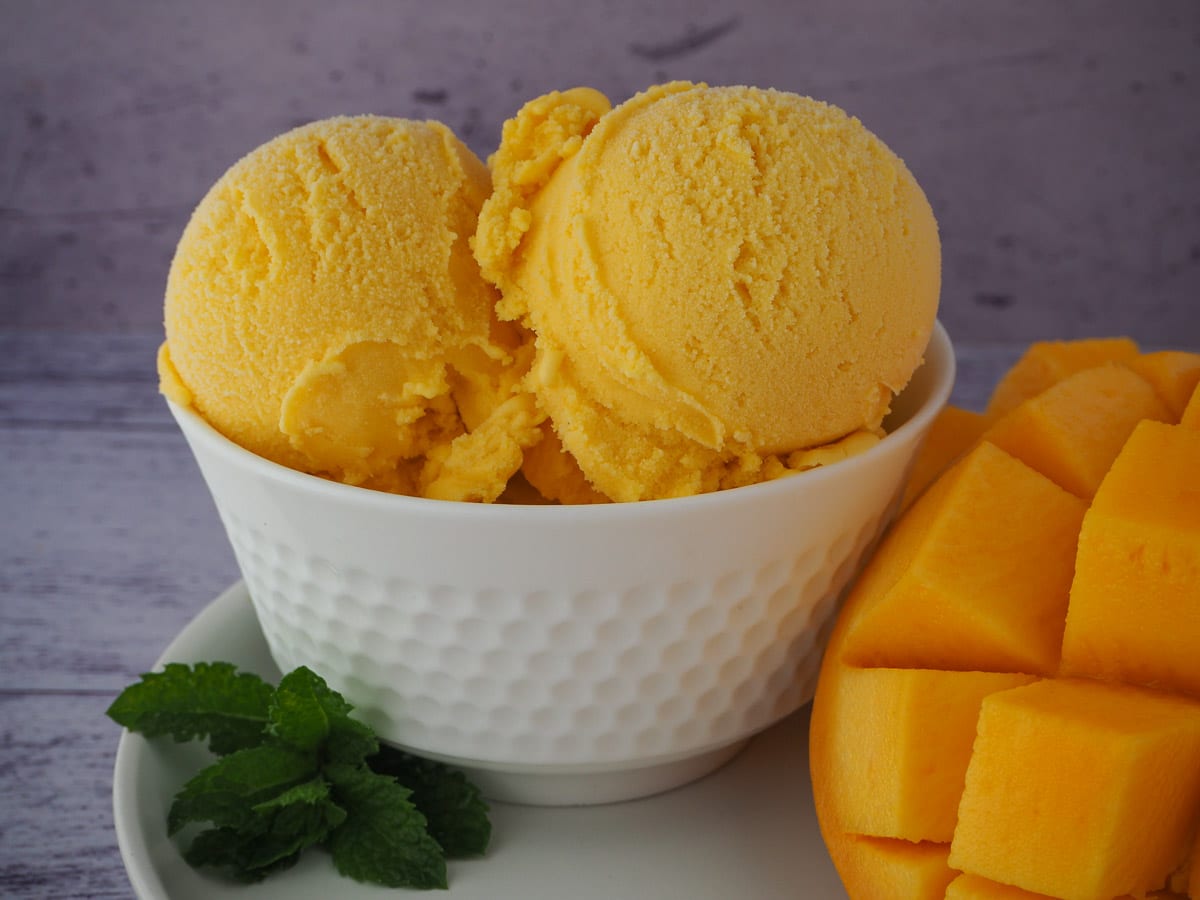
A cool, creamy mango dessert with chewy pearls and coconut milk that tastes like sunshine in a bowl.

Author By Matt Campbell
4.8
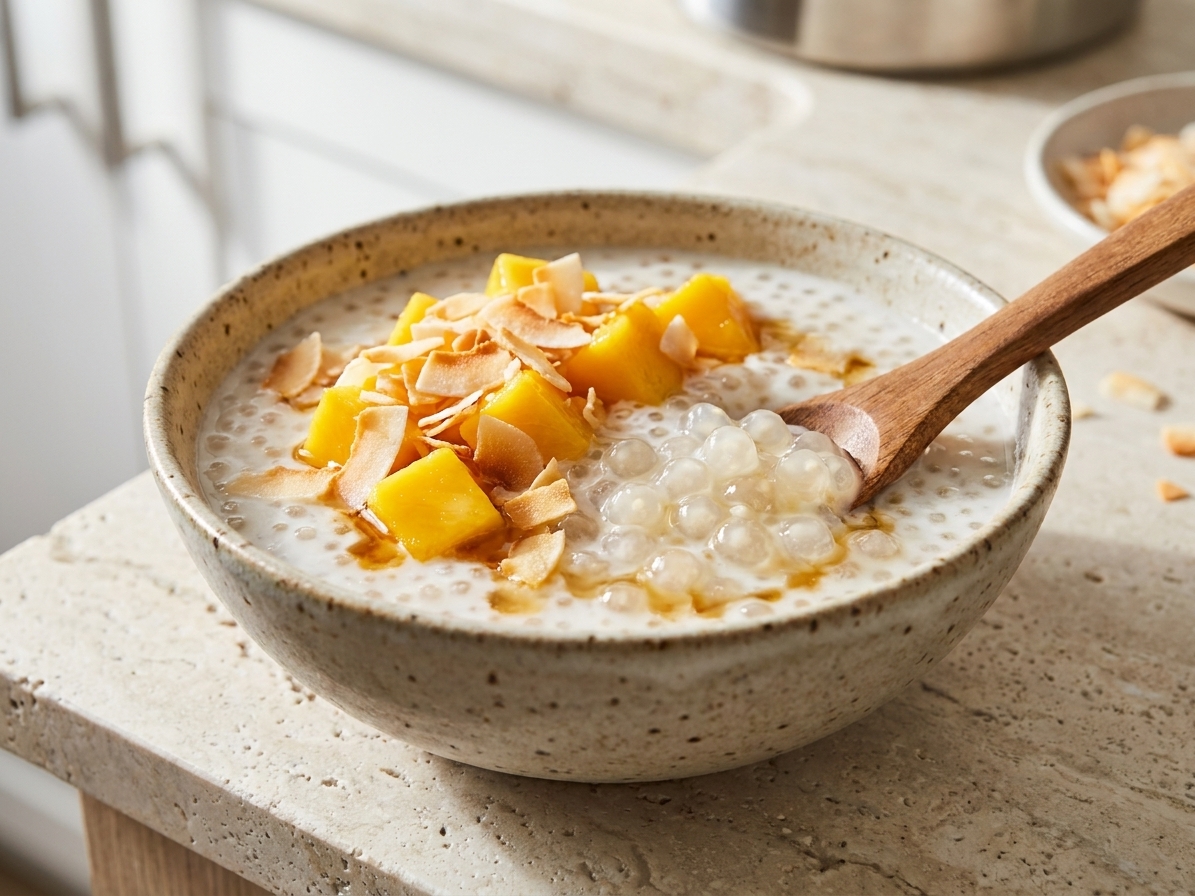
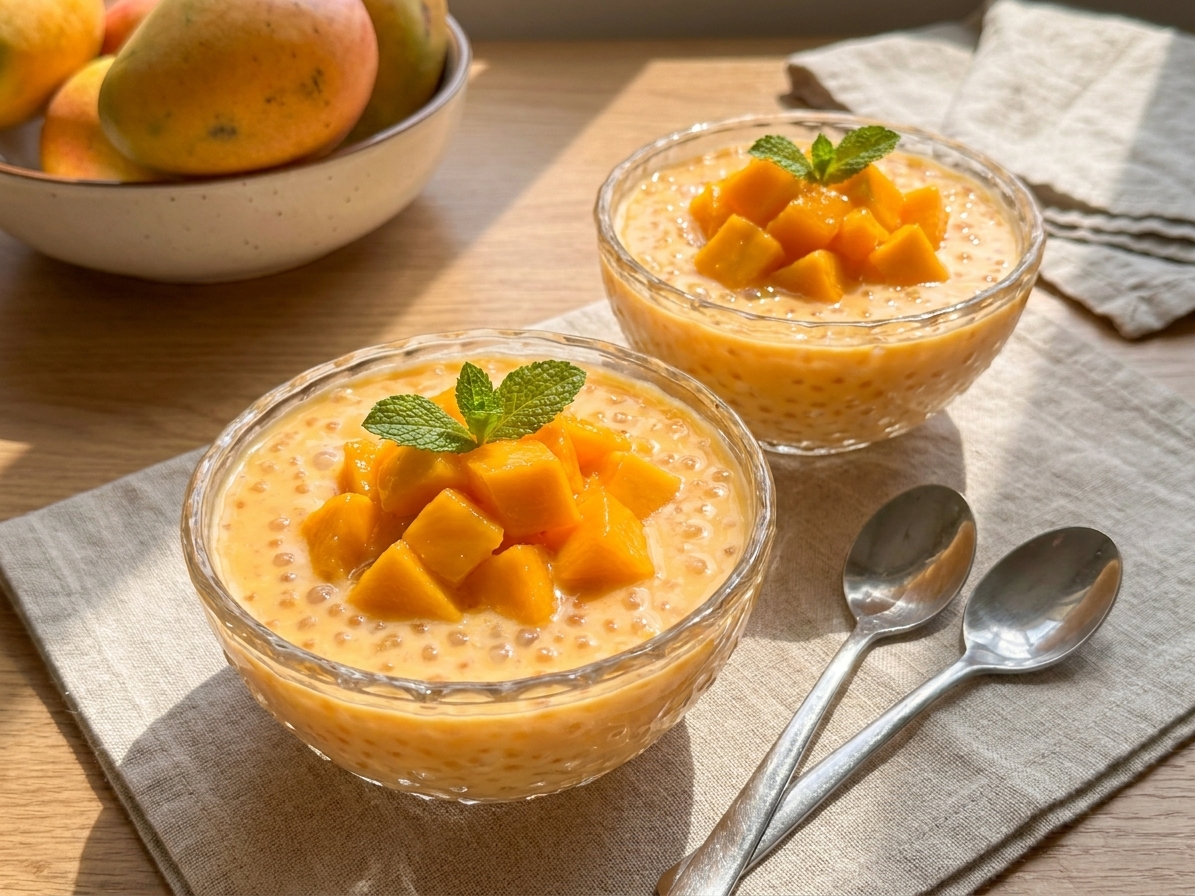
A glass bowl of creamy mango sago topped with fresh mango cubes and a few tapioca pearls, set on a light kitchen table with soft natural light

Mango sago is one of those desserts that feels fancy in the way a perfectly ripe peach feels fancy. You did not do much, but the payoff is huge. It is creamy, fruity, lightly sweet, and full of those bouncy little pearls that make every bite interesting.

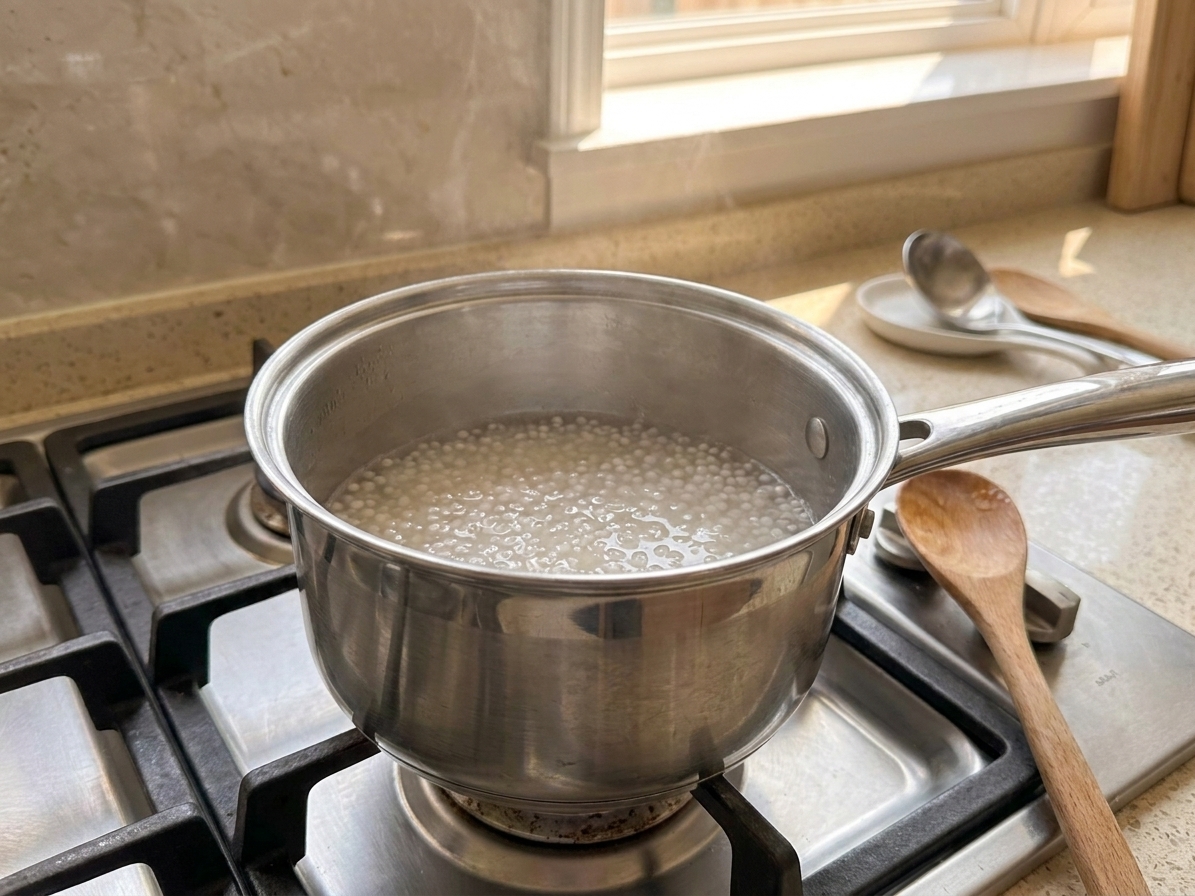
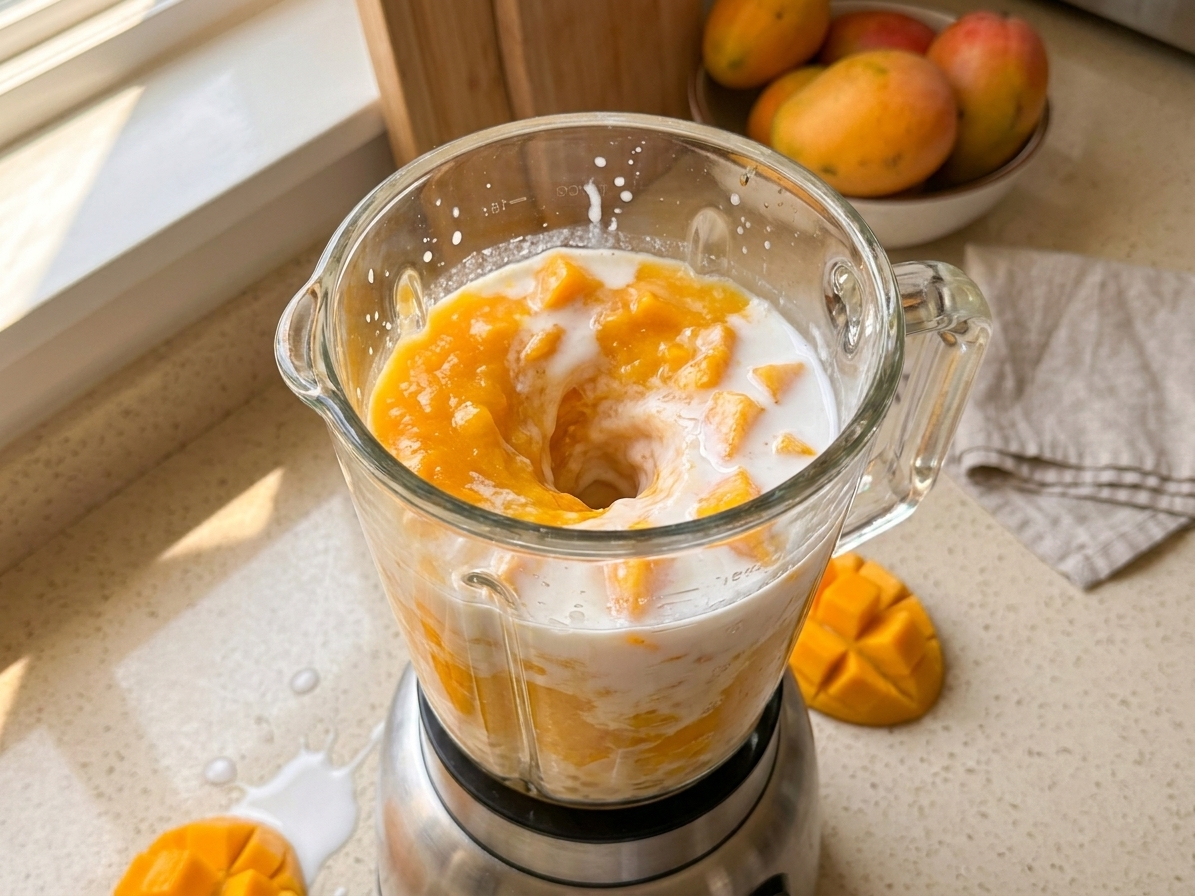
This version keeps things home-kitchen friendly: easy-to-find ingredients, a quick simmer for the pearls, and a quick blend for the mango base. Chill it, spoon it, and try not to “taste test” half of it before it ever makes it to the table. Tasting as you go is encouraged. Self control is optional.

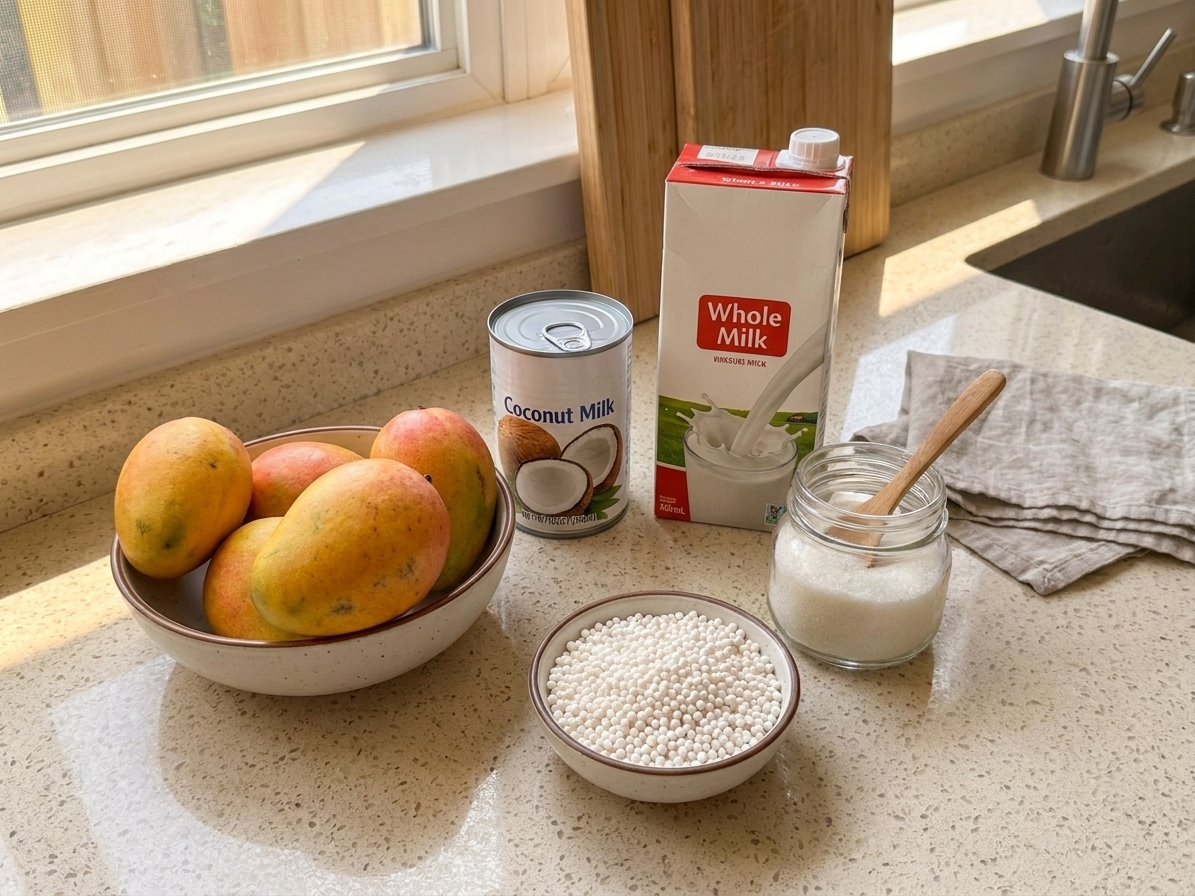
Fresh mangoes, a can of coconut milk, a carton of milk, sugar, and small tapioca pearls arranged on a clean kitchen counter in consistent natural light

Why It Works

  • Big mango flavor without being heavy: blending mango into the base gives you that silky, tropical punch.
  • Perfect chewy texture: cooking the pearls correctly keeps them bouncy, not chalky.
  • Make-ahead friendly: it actually improves after a few hours in the fridge.
  • Easy to adjust sweetness: different mangoes vary a lot, so you can sweeten to taste.

Pairs Well With

Storage Tips

Refrigerate: Store mango sago in an airtight container for up to 3 days. The pearls will continue to absorb liquid as it sits, so it may thicken.

To loosen: Stir in a splash of cold milk or coconut milk until it is creamy again.

Keep toppings separate: If you are adding extra mango cubes or other fruit, store them separately and top right before serving for the freshest texture.

Freezing: Not recommended. The dairy and coconut can separate and the pearls tend to turn weirdly grainy after thawing.

Common Questions

What is sago, exactly?

True sago is a starch made from palm. In many US grocery stores, what you will most commonly find labeled for this kind of dessert is small tapioca pearls (made from cassava). They are not the same ingredient, but in mango sago they play the same role: bouncy, chewy pearls that make every bite fun.

Do I need small pearls?

Yes, small tapioca pearls (sometimes called small pearl tapioca) are the easiest match for this recipe. If you only have large pearls or “boba,” you can still do it, but the cook time will be longer and the texture will be a little different. Avoid “instant” pearls unless the package says they work for boiling, since they can go from firm to mush fast.

Why are my pearls still white in the middle?

They just need more time. Pearl cook time varies a lot by brand and size, so use the timing here as a starting point and check your package directions too. Keep simmering gently, stirring often, until most pearls look translucent with maybe a tiny dot in the center. Then let them sit off the heat, covered, to finish hydrating. If they are still opaque after resting, simmer a few minutes more and rest again.

How do I stop sago from clumping?

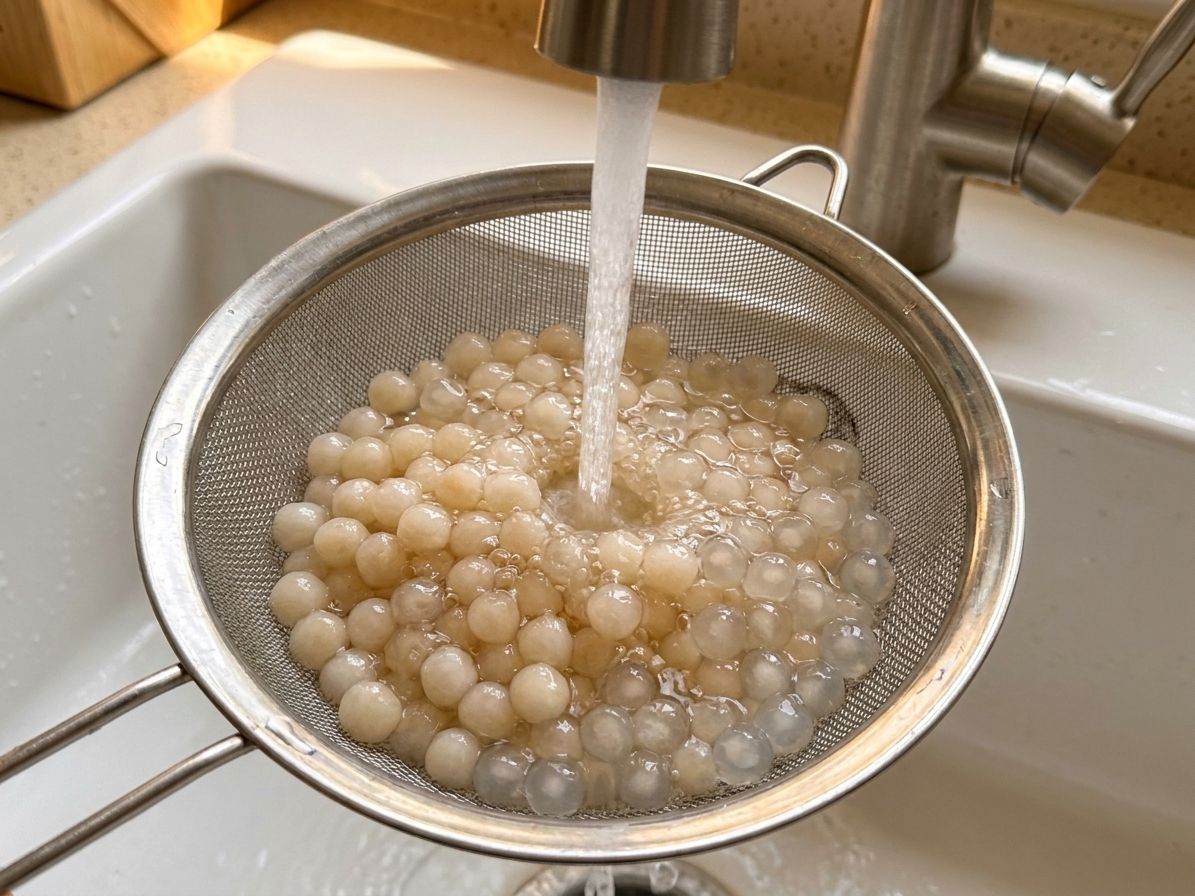
Use plenty of water, stir frequently during cooking, and rinse well with cold water after draining. That rinse is the anti-clump move.

Can I use frozen mango?

Yes. Thaw first, or blend from frozen and then let the mixture sit a few minutes to melt. Taste and adjust sweetness since frozen mango can be a little less fragrant than peak-season fresh.

Can I make it dairy-free?

Absolutely. Use all coconut milk plus a little water, or swap the regular milk for any unsweetened plant milk you like. It is still creamy and bright.

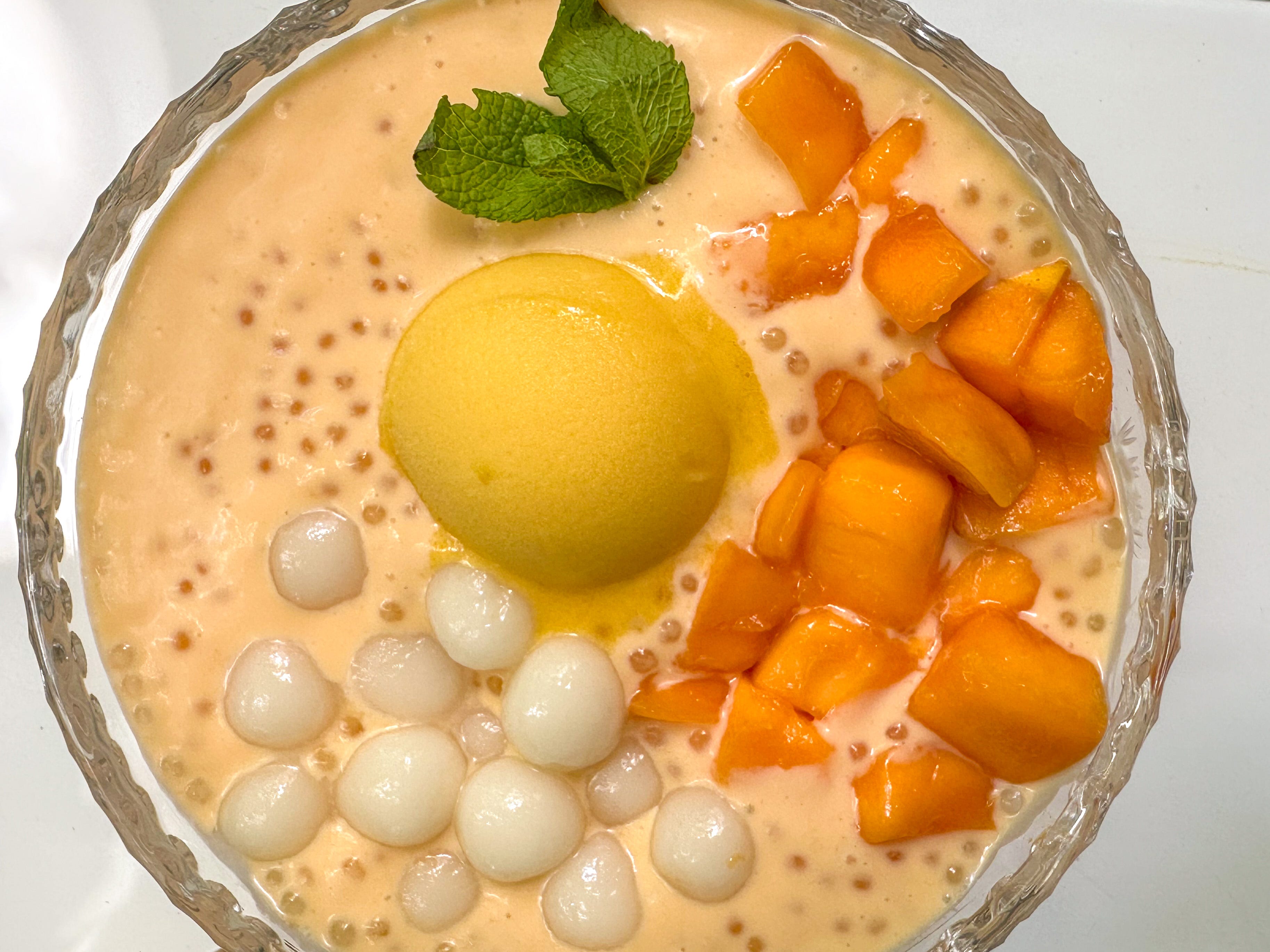
I love desserts that feel like you cheated a little. Mango sago is exactly that. It is basically a blender, a pot of simmering pearls, and a bowl of something cold and creamy that disappears fast. The first time I made it at home, I kept “checking the sweetness” and suddenly half the batch was gone. Now I portion it into little cups right away, partly for serving and partly for damage control.