Mom's Best Recipes
Recipe

Old Fashioned Chocolate Fudge

Classic stovetop fudge that sets smooth, rich, and sliceable with a glossy top and a melt-in-your-mouth bite.

Author By Matt Campbell
4.8
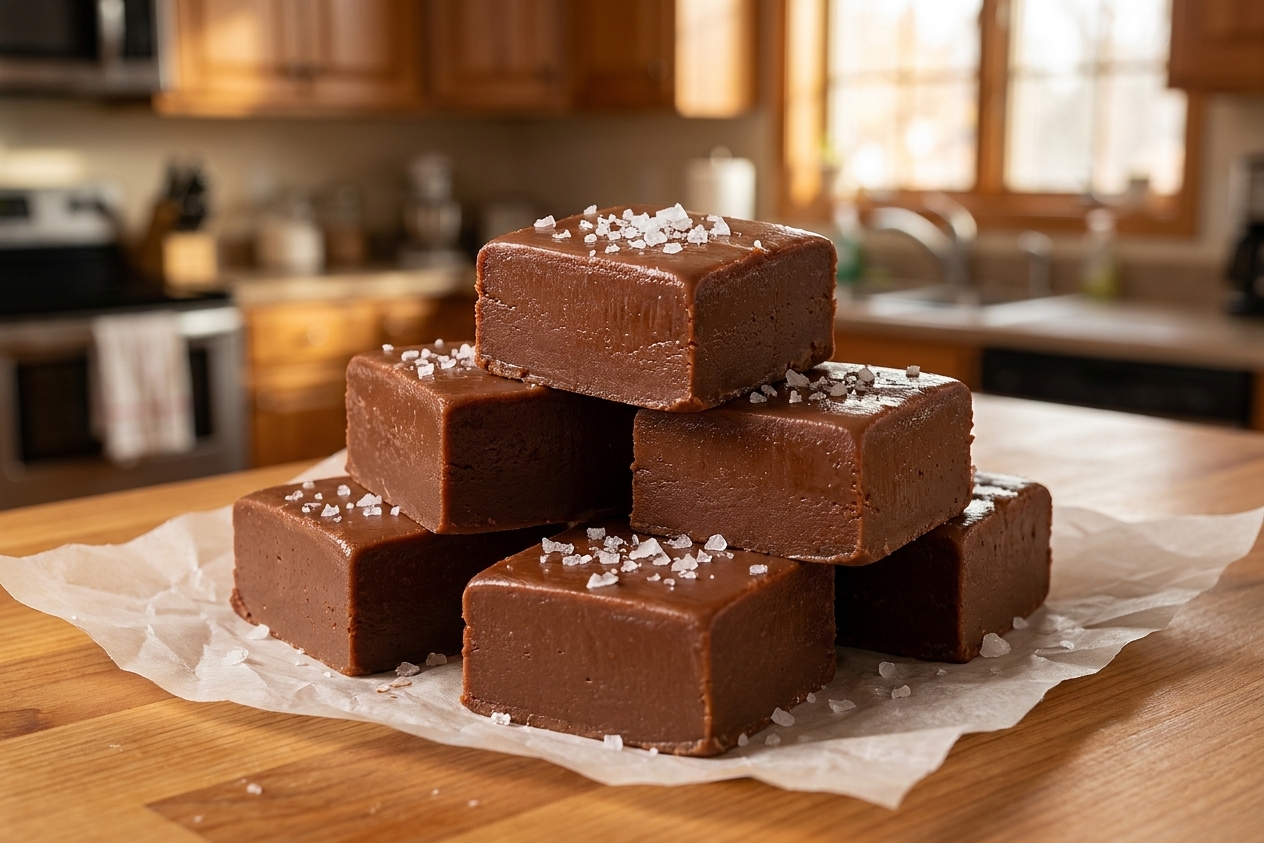
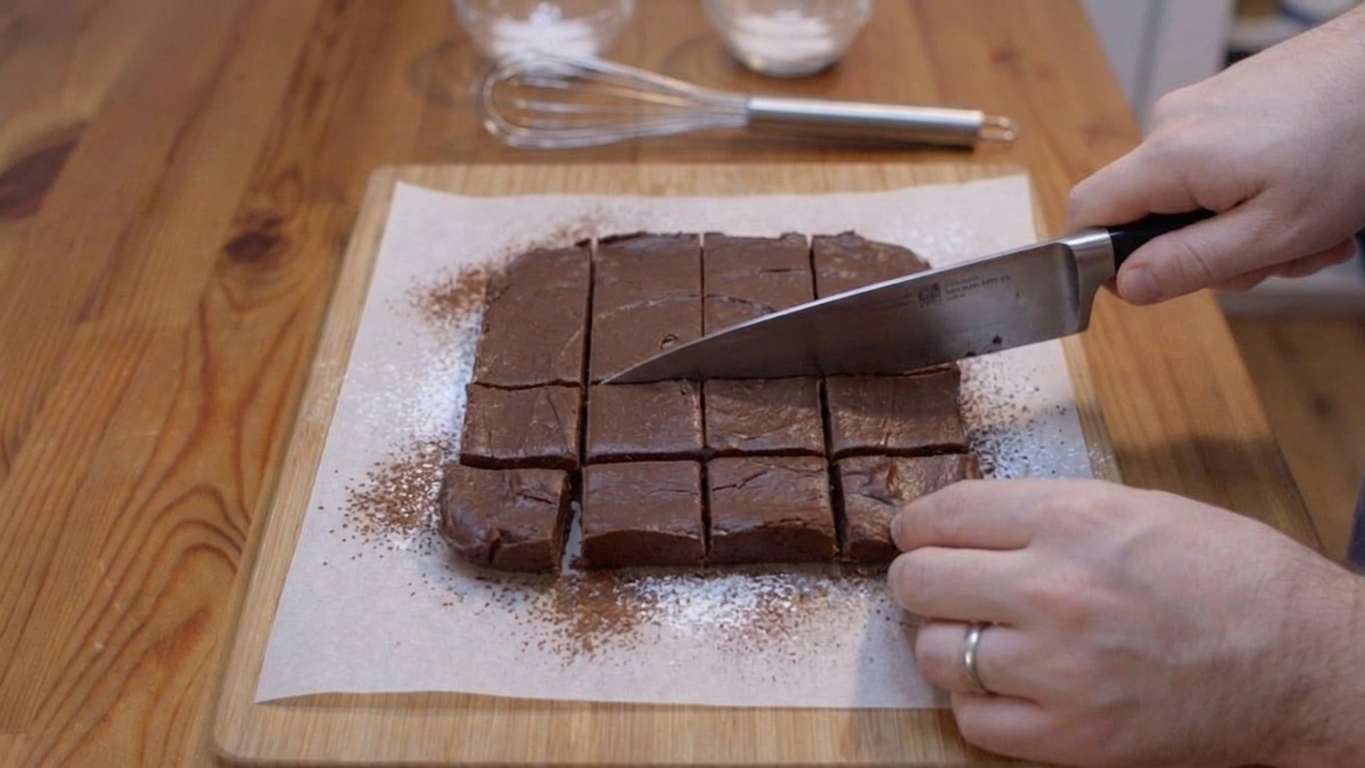
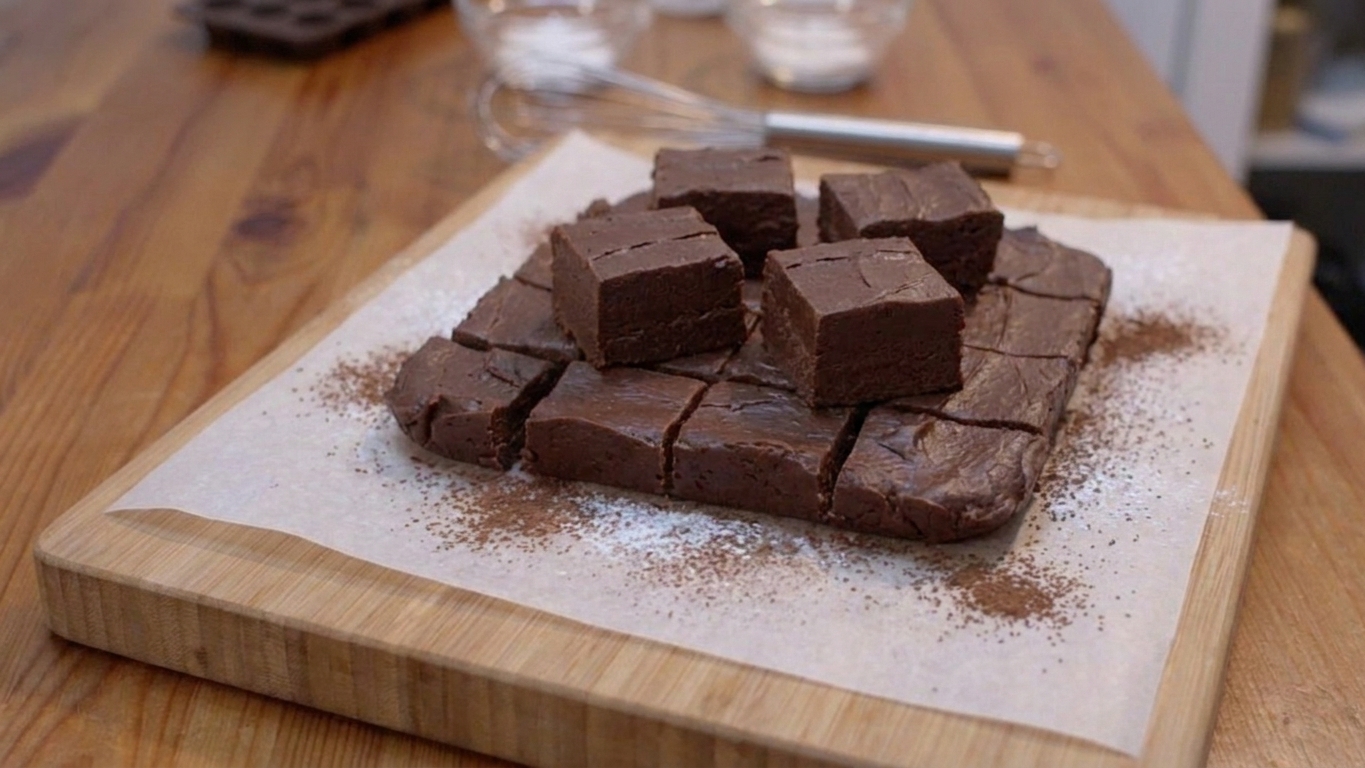
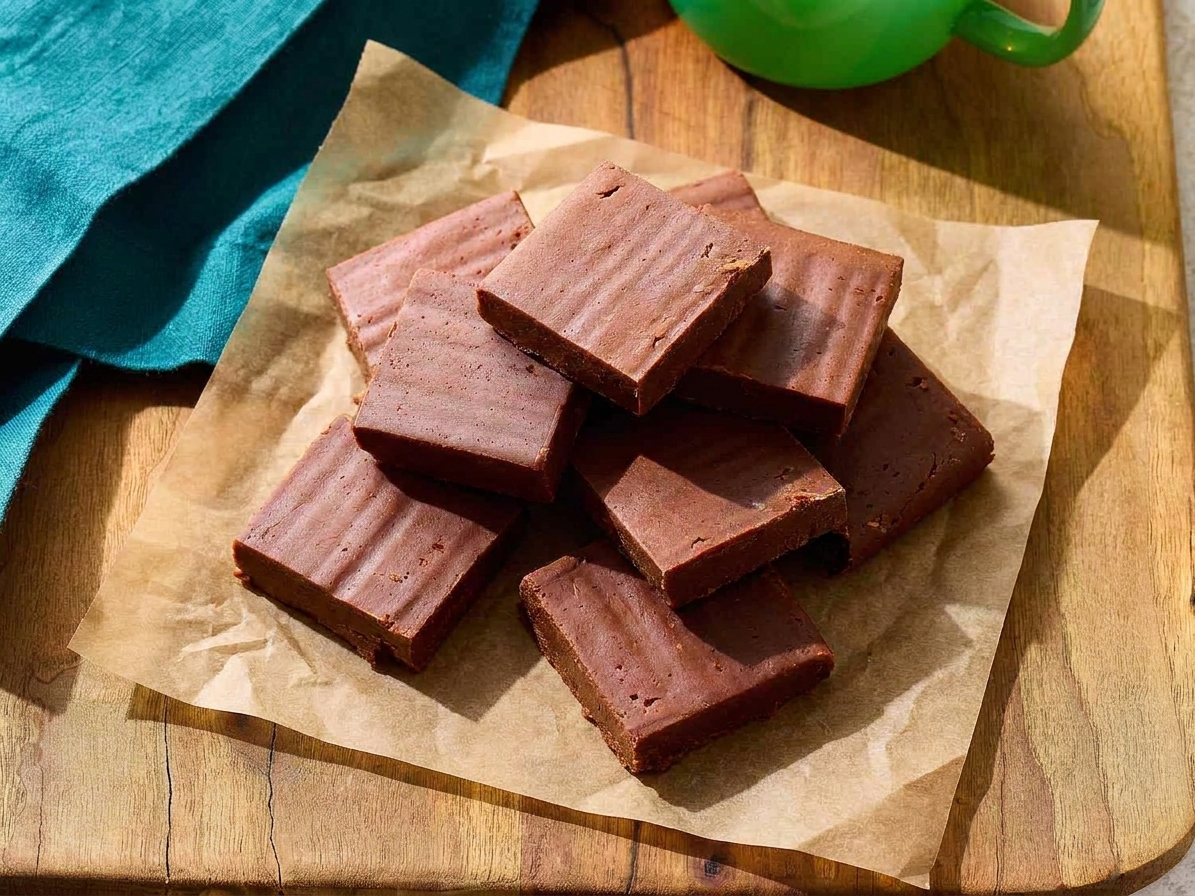
Neat squares of old fashioned chocolate fudge stacked on parchment on a wooden cutting board, with a few crumbs nearby on a warm kitchen counter

Old fashioned fudge is one of those recipes that feels like a tiny kitchen flex, but it is really just a candy thermometer, a heavy pot, and a little patience. The vibe is simple: cocoa-forward chocolate, a creamy bite, and clean slices that do not crumble into sadness the second you pick one up.

Quick heads up for the purists: this is an old school stovetop method with one small modern helper, marshmallow creme, to make the texture extra smooth and the set more reliable. You still cook to soft-ball stage and beat it like the classics, you just get a little insurance along the way.

If you have ever had fudge turn grainy or refuse to set, do not worry. I baked those mistakes into the instructions so you do not have to.
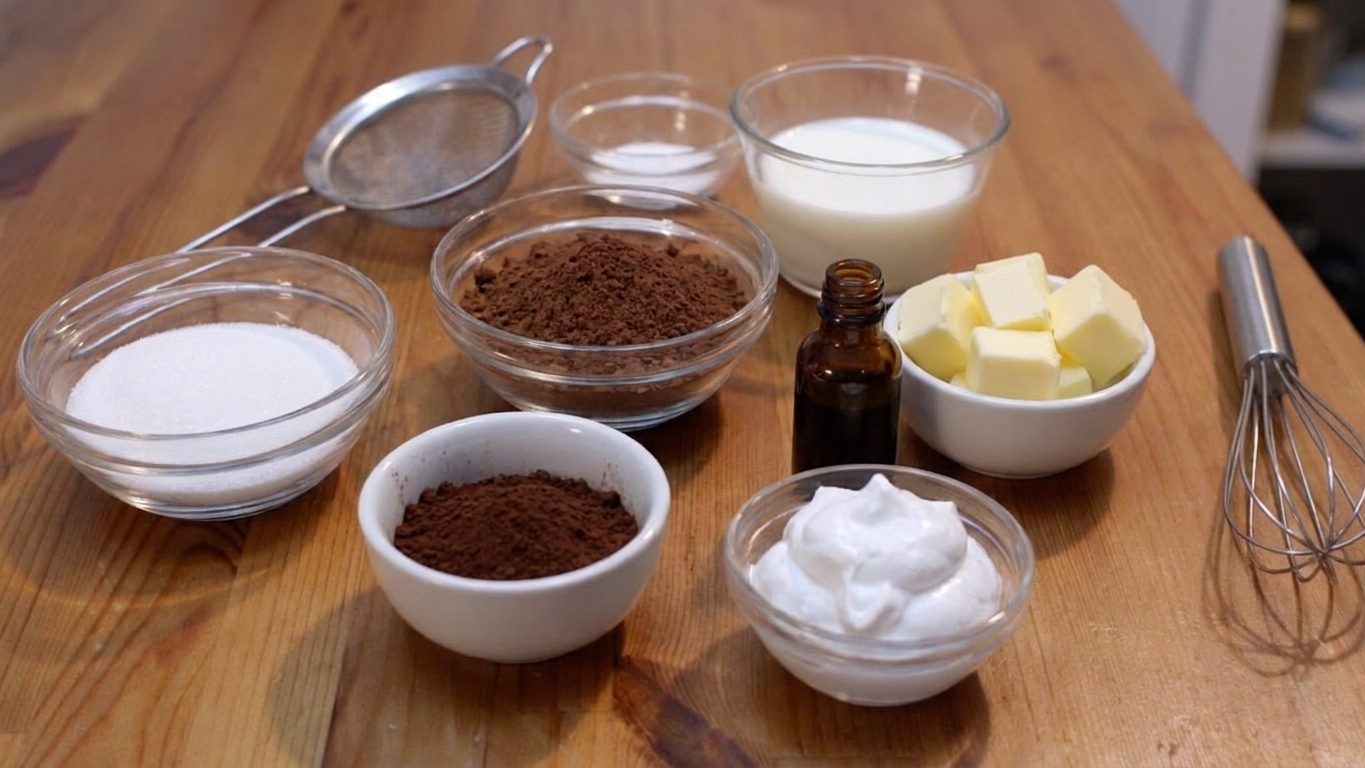
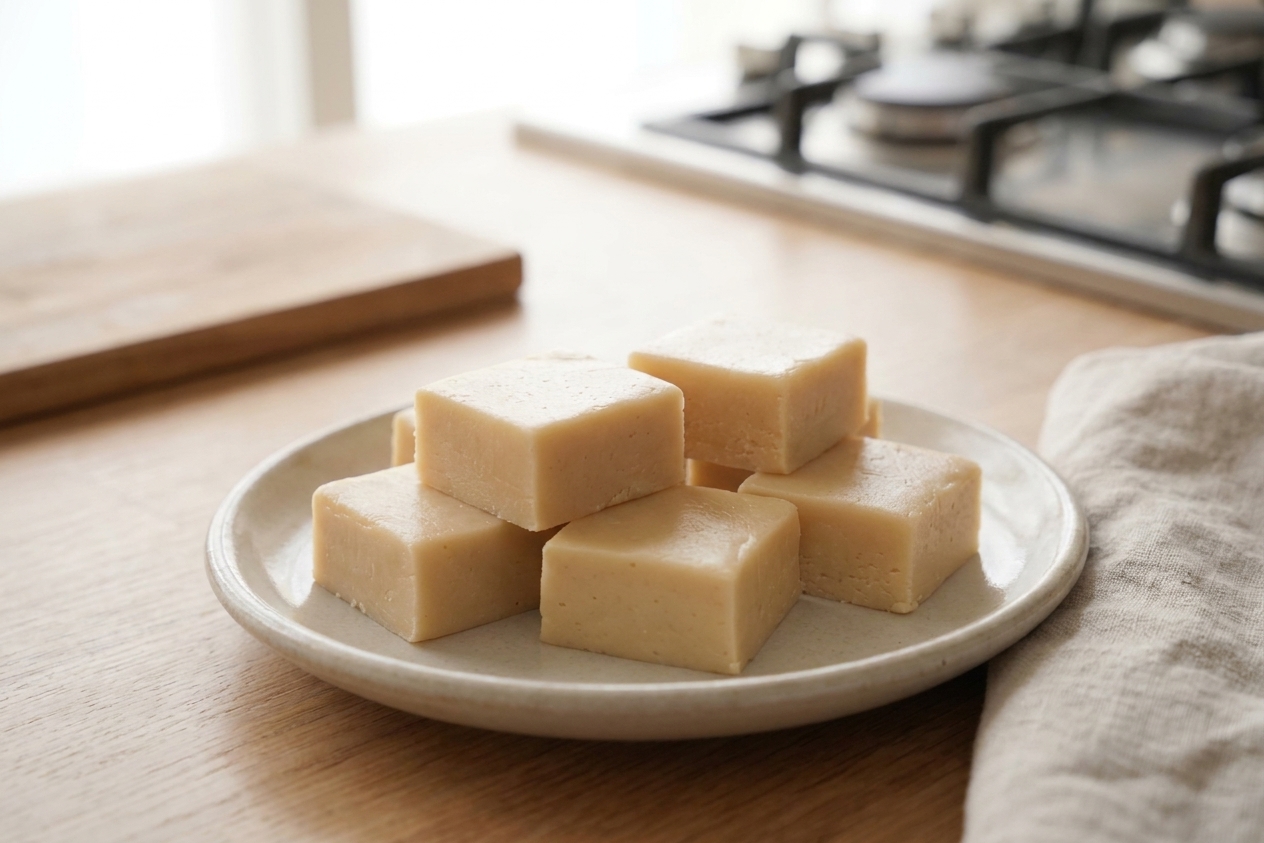
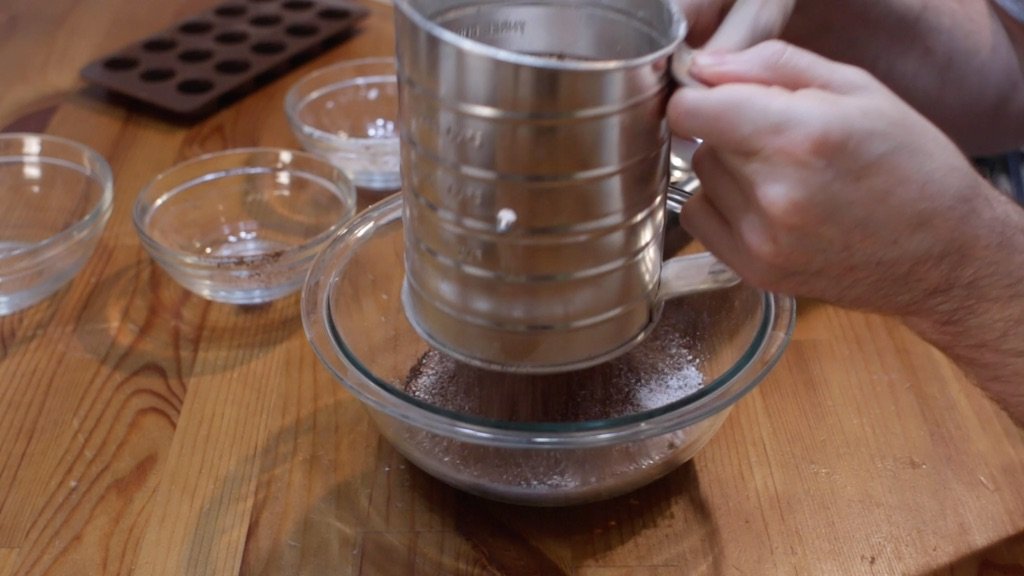
Bowls of granulated sugar, cocoa powder, whole milk, butter, vanilla, and a small bowl of marshmallow creme arranged on a light kitchen counter

Why It Works

  • Classic texture without shortcuts: Cooking to the right temperature gives you that true old school fudge bite, creamy and sliceable instead of soft frosting.
  • Cocoa and butter do the heavy lifting: Deep chocolate flavor with a buttery finish, no fancy chocolate required.
  • Marshmallow creme adds insurance: It smooths the texture and makes the set more reliable while still tasting like traditional stovetop fudge.
  • Clear cues if you hate thermometers: I still recommend one, but you will get visual and timing signs too.
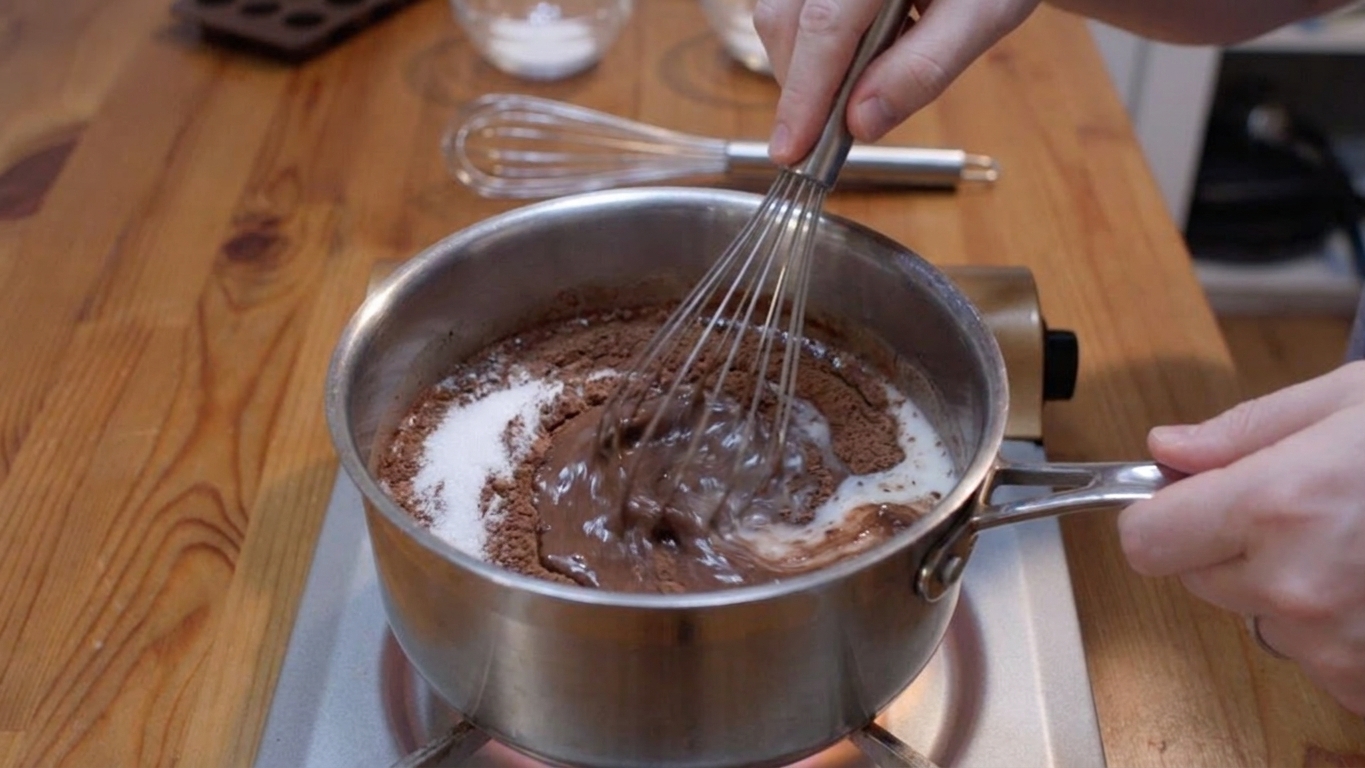
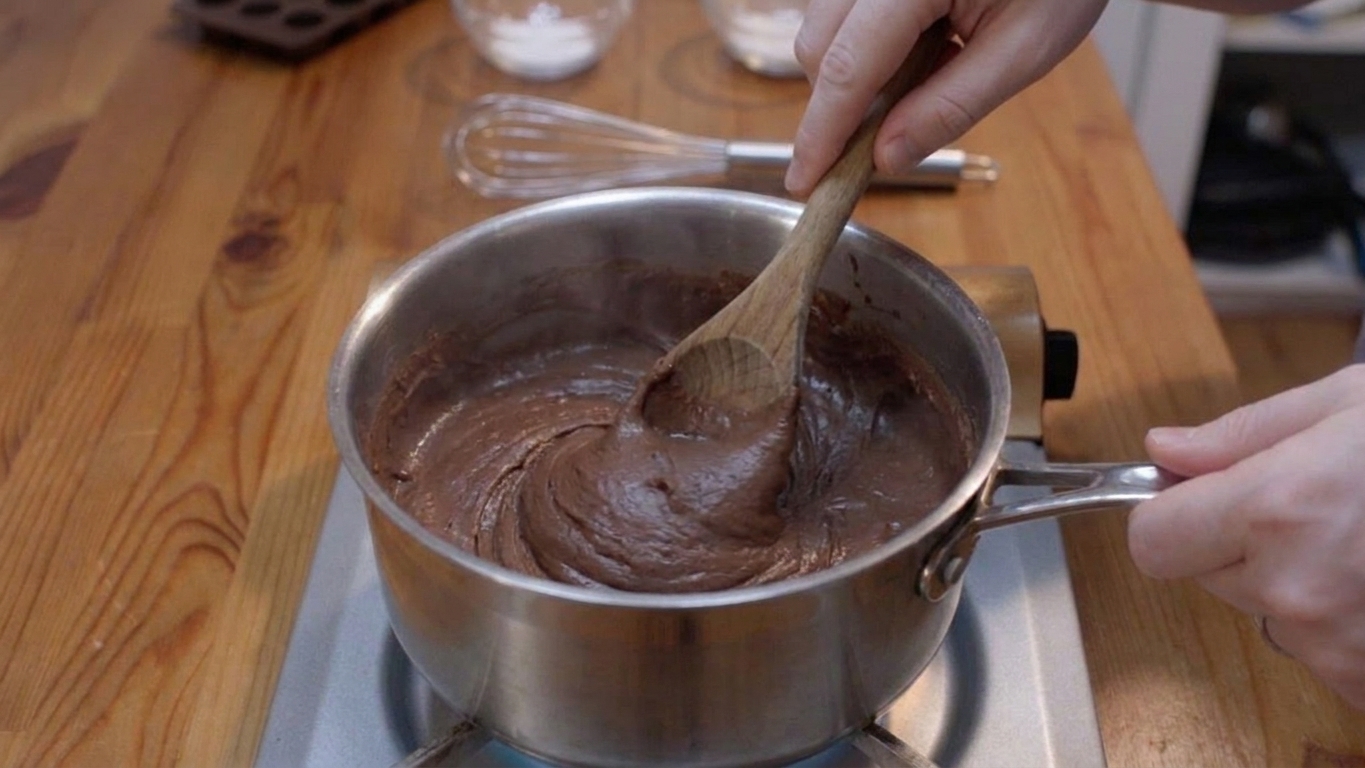
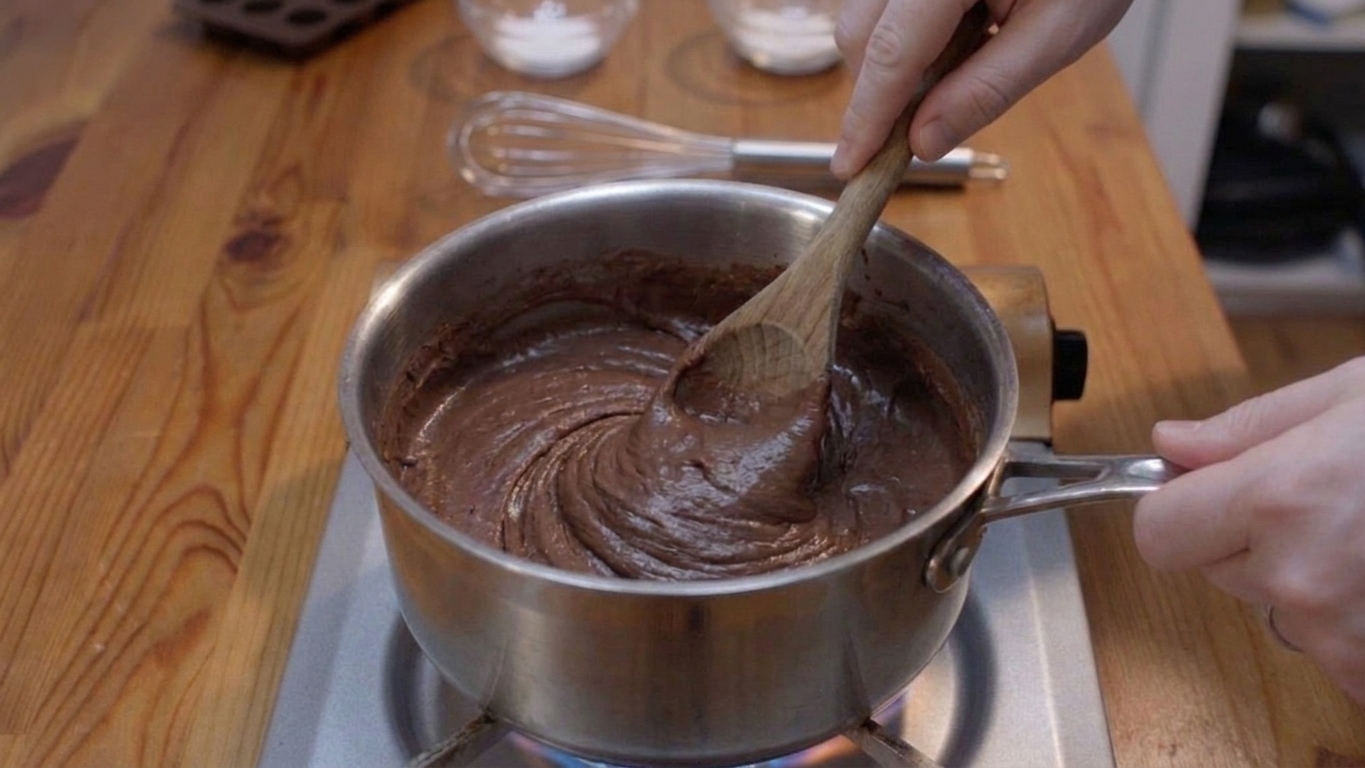
A hand stirring a thickening chocolate fudge mixture in a stainless steel saucepan on a stovetop with a wooden spoon

Pairs Well With

Storage Tips

How to Store Fudge

  • Room temperature: Store in an airtight container with parchment between layers for up to 1 week. Keep it in a cool, dry spot away from the stove and sunlight.
  • Refrigerator (optional): If your kitchen runs warm, refrigerate for up to 2 weeks. Wrap tightly to prevent drying and odor pickup. Let pieces sit at room temp 10 to 15 minutes before serving for the best texture.
  • Freezer: Wrap the whole slab or individual squares tightly in plastic wrap, then foil, then a freezer bag. Freeze for up to 3 months. Thaw overnight in the fridge or a few hours at room temp, still wrapped.
  • Gifting tip: Cut clean squares, then wrap in parchment and pack snugly so they do not rattle around and chip.

Common Questions

Common Questions

What temperature is “soft-ball stage” for old fashioned fudge?

Soft-ball stage is typically 234°F to 240°F at sea level. For this recipe, aim for 236°F. If you live at higher altitude, you may need to reduce the target temp slightly. A common rule of thumb is about 2°F lower per 1,000 feet, but the most reliable method is to test your local boiling point: boil plain water, note the temperature it boils at, then subtract the same difference from 236°F.

Can I make this without a candy thermometer?

Yes, but it is a little more vibes-based. After the mixture boils steadily for several minutes, drop a small spoonful into a glass of cold water. If it forms a soft ball you can pick up that flattens between your fingers, you are there.

Why is my fudge grainy?

Most grainy fudge comes from sugar crystals. The big fixes: do not stir during the boil (stirring can seed crystals), brush down the sides of the pot with water early on, and let the cooked syrup cool to about 110°F before beating. Beating too early can trigger graininess. Also, when you pour it into the pan, do not scrape the sides of the saucepan.

Why did my fudge not set?

Usually it was cooked to too low a temperature or not boiled long enough. It can also happen if measurements were off. If it is still soft after several hours, chill it. If it is basically sauce, you can reheat it gently, bring it back to temperature, cool, then beat again.

Can I add nuts?

Absolutely. Fold in 1 cup toasted chopped pecans or walnuts right before you spread the fudge into the pan.

Does humidity matter for fudge?

It can. Super humid days can make candy a little more finicky. If you can, make fudge on a drier day, or be extra careful about hitting temperature and letting it cool undisturbed before beating.

Fudge is one of the first candy projects that made me respect timing in a new way. You can be doing everything right, then one extra minute on the heat turns it from creamy squares into something that could patch a driveway. Now I treat old fashioned fudge like a chill kitchen hang: pot on the stove, thermometer clipped, no distractions, and a reward at the end that tastes like someone’s holiday tin from 1998 in the best way.