Mom's Best Recipes
Recipe

Mexican Pozole Rojo

Tender pork and hominy in a smoky red chile broth with all the crunchy, zippy toppings.

Author By Matt Campbell
4.8
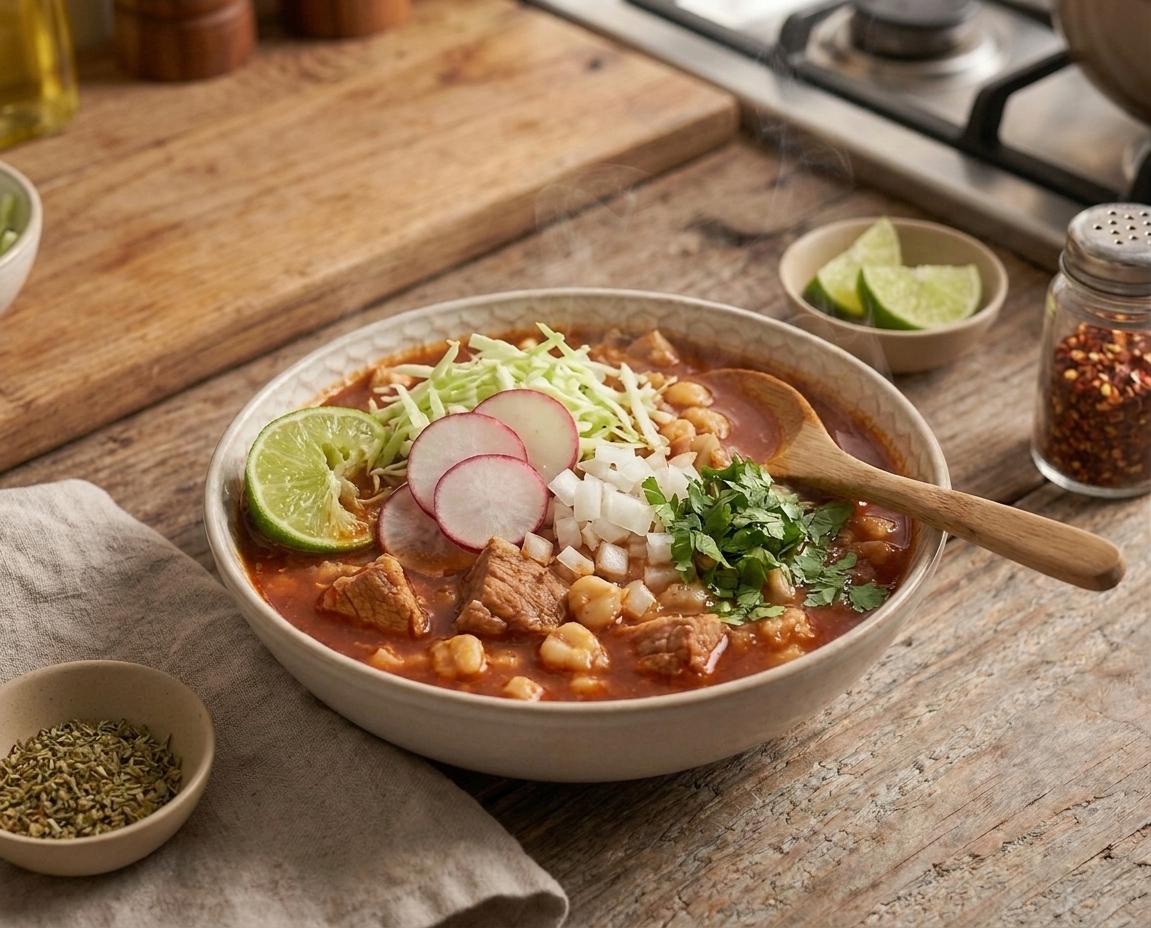
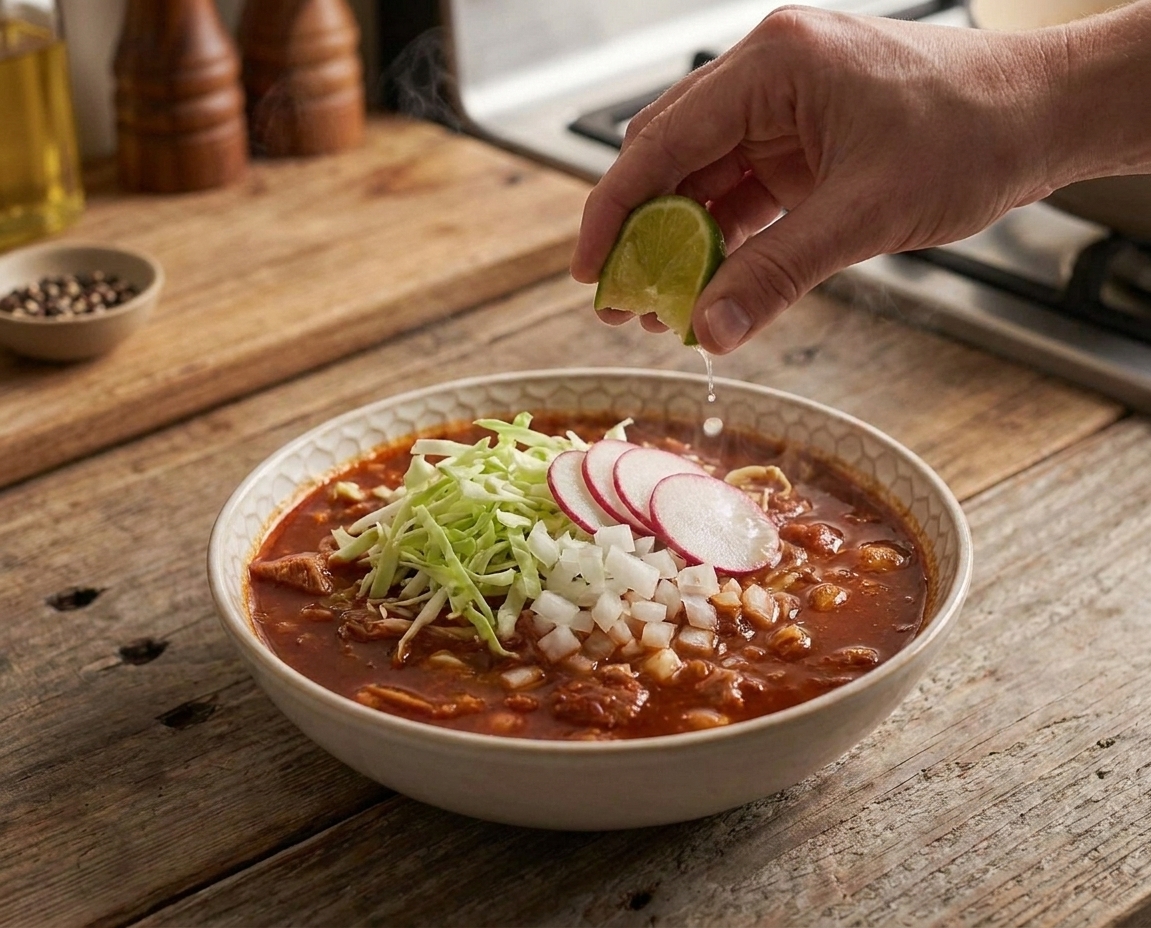
A steaming bowl of pozole rojo with pork and hominy, topped with shredded cabbage, sliced radishes, onion, cilantro, and lime wedges on a warm-toned kitchen table

Pozole is one of those meals that makes the whole house smell like you have your life together. It is a big, cozy pot of hominy simmered in a chile-rich broth, finished with a loud pile of crunchy toppings that you get to customize bowl by bowl. It is comfort food with personality.

This version is pozole rojo, the red one, usually built on dried chiles and a broth that tastes deep and toasty without being fussy. We are going for tender pork, bouncy hominy, and a broth that is bright enough to wake you up but cozy enough to eat in sweatpants.

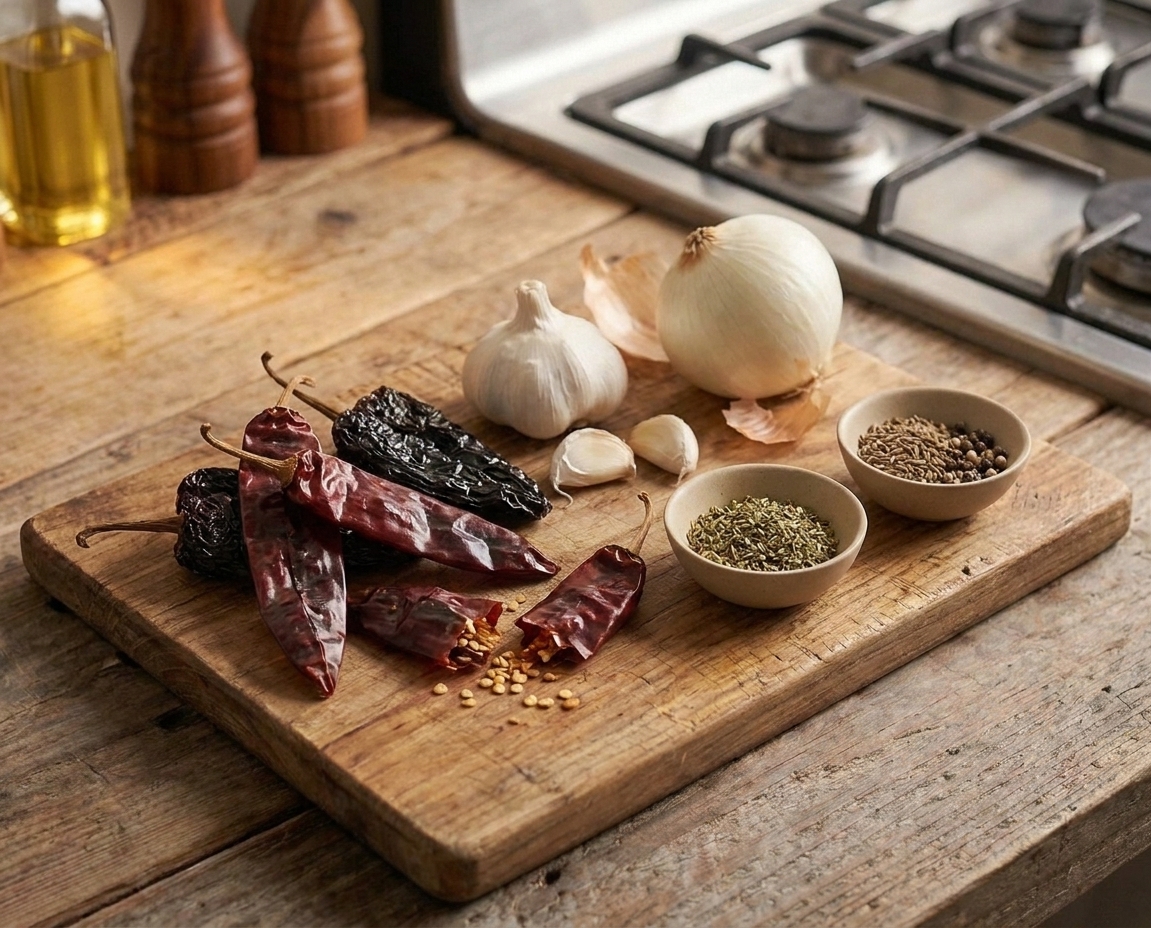
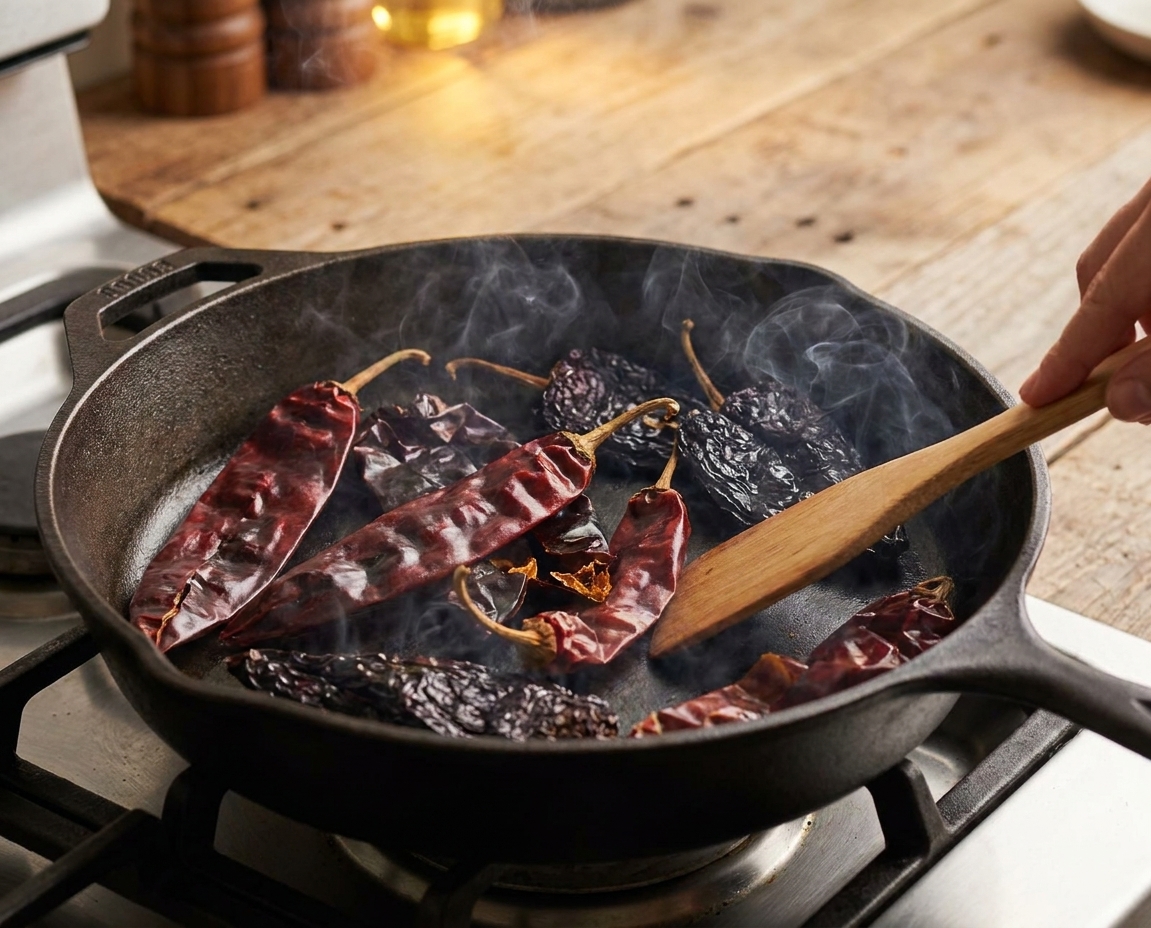
Dried guajillo and ancho chiles on a wooden cutting board beside garlic, onion, and spices on a kitchen counter

Why It Works

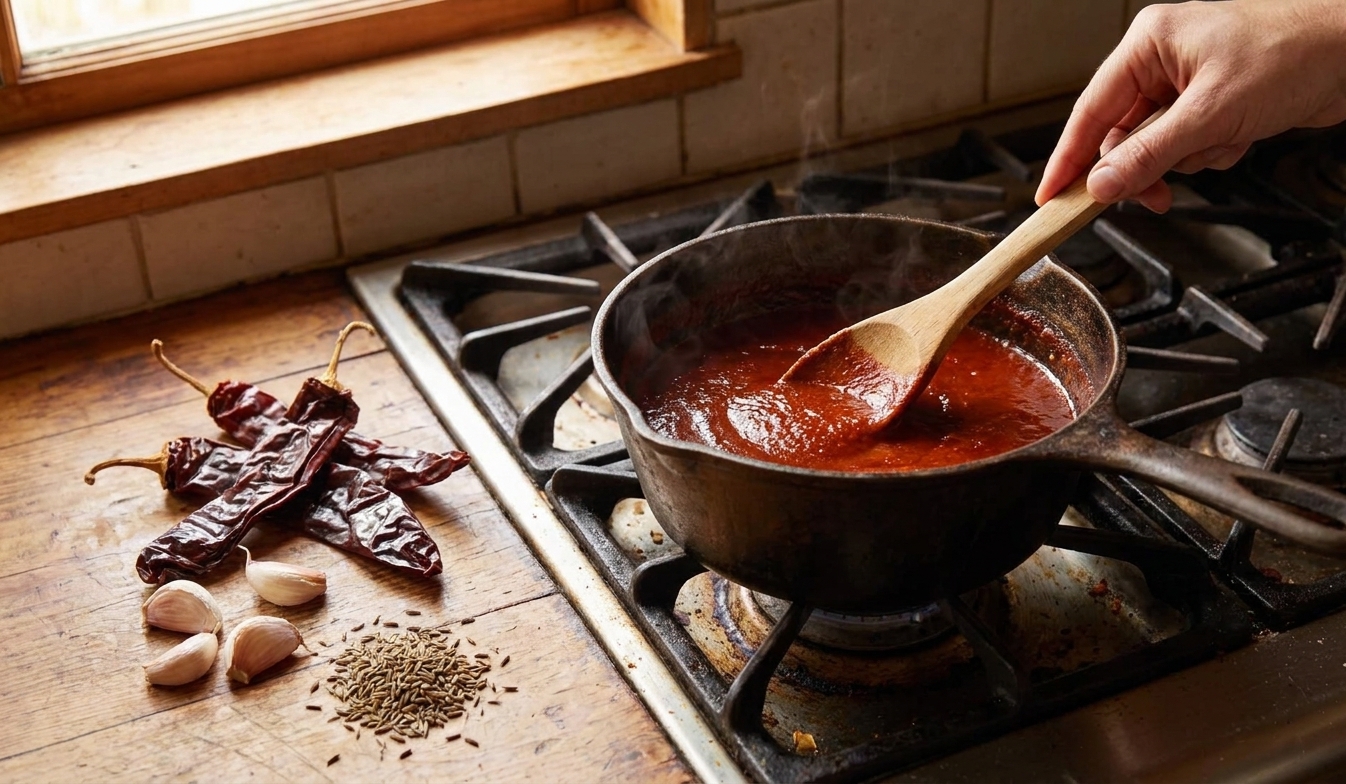
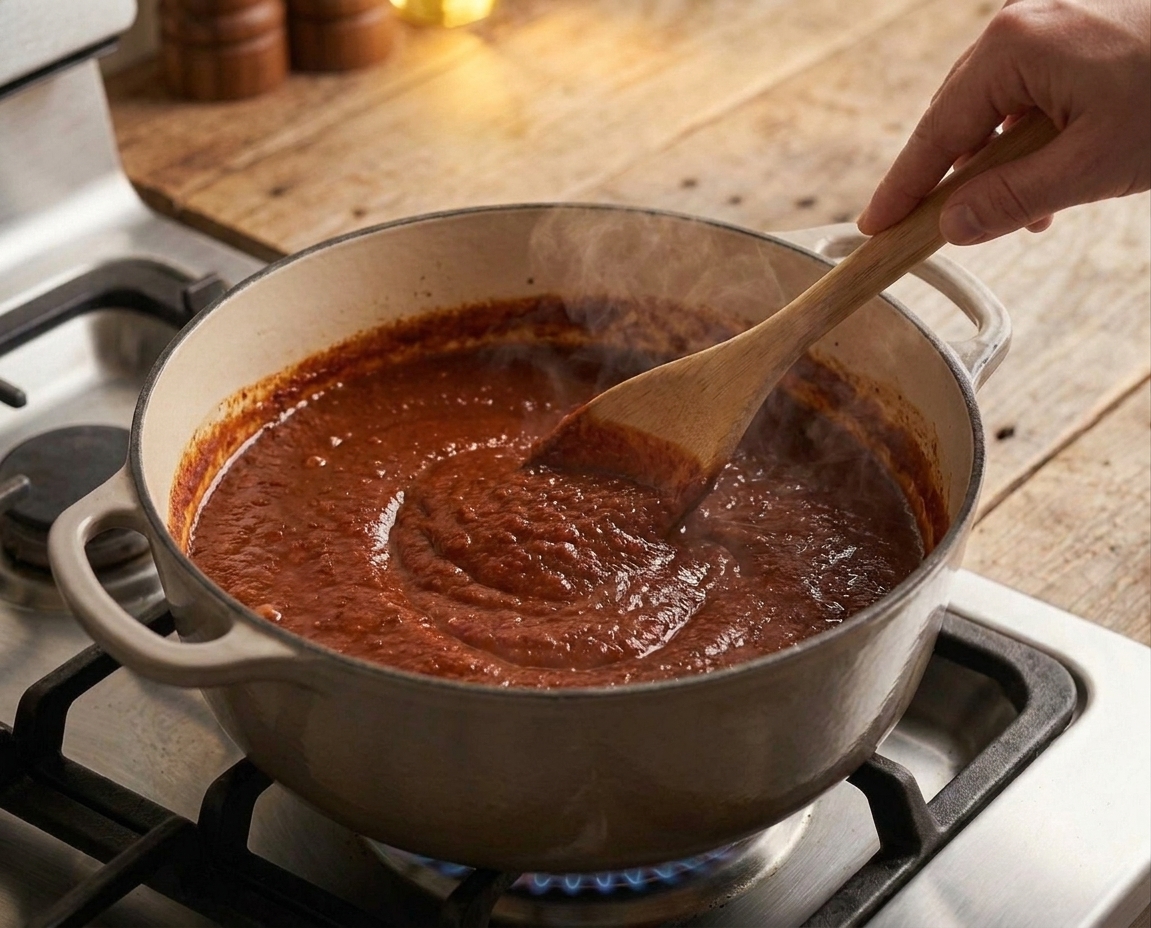
  • Big flavor, doable method: Toasted and soaked dried chiles blend into a smooth sauce that tastes like it simmered all day, even if you are moving at weeknight speed.
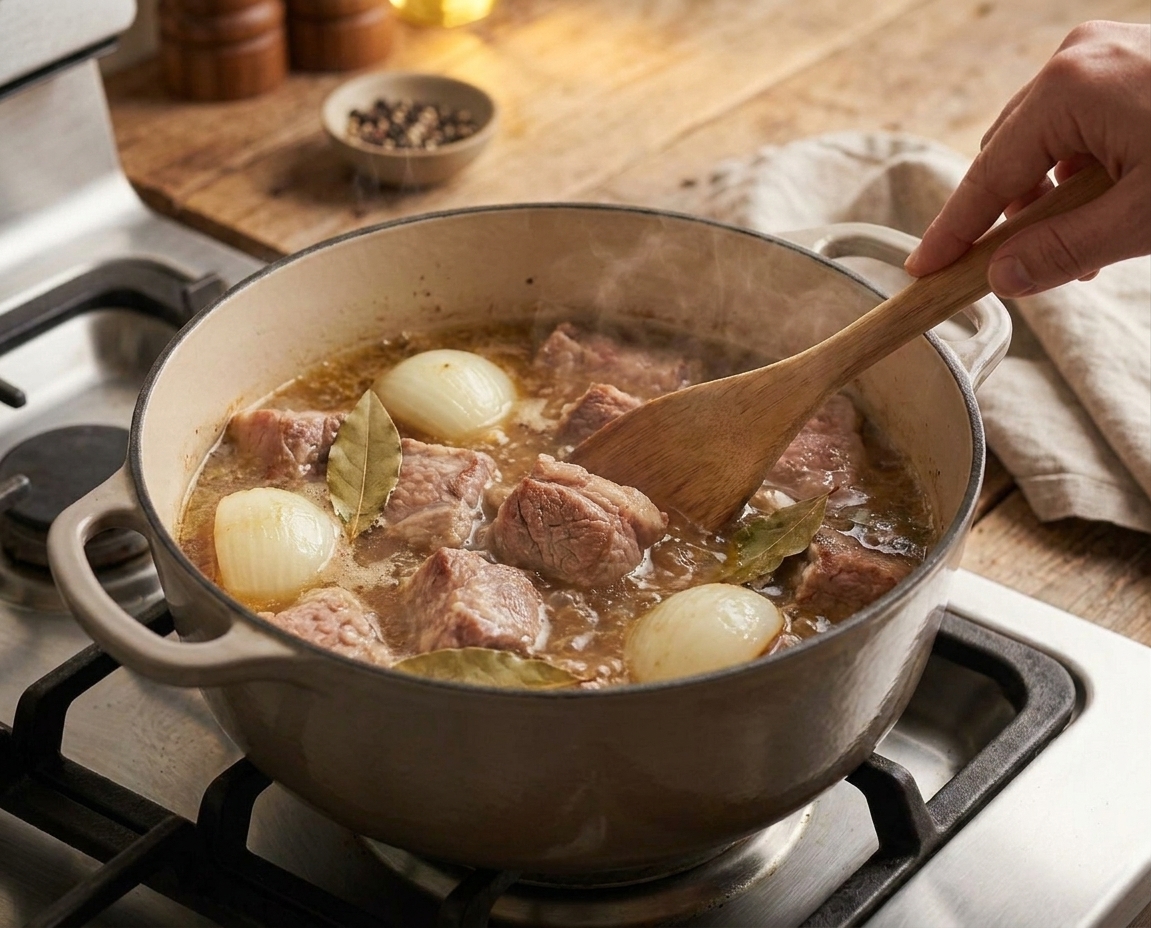
  • Two-layer broth: You build a simple pork broth first, then enrich it with the chile puree for depth and color.
  • Texture party: Hominy stays pleasantly chewy, pork goes tender, and the toppings bring crunch, acid, and freshness so every bite feels new.
  • Make-ahead friendly: Like many soups and stews, pozole gets even better after a night in the fridge.

Pairs Well With

Storage Tips

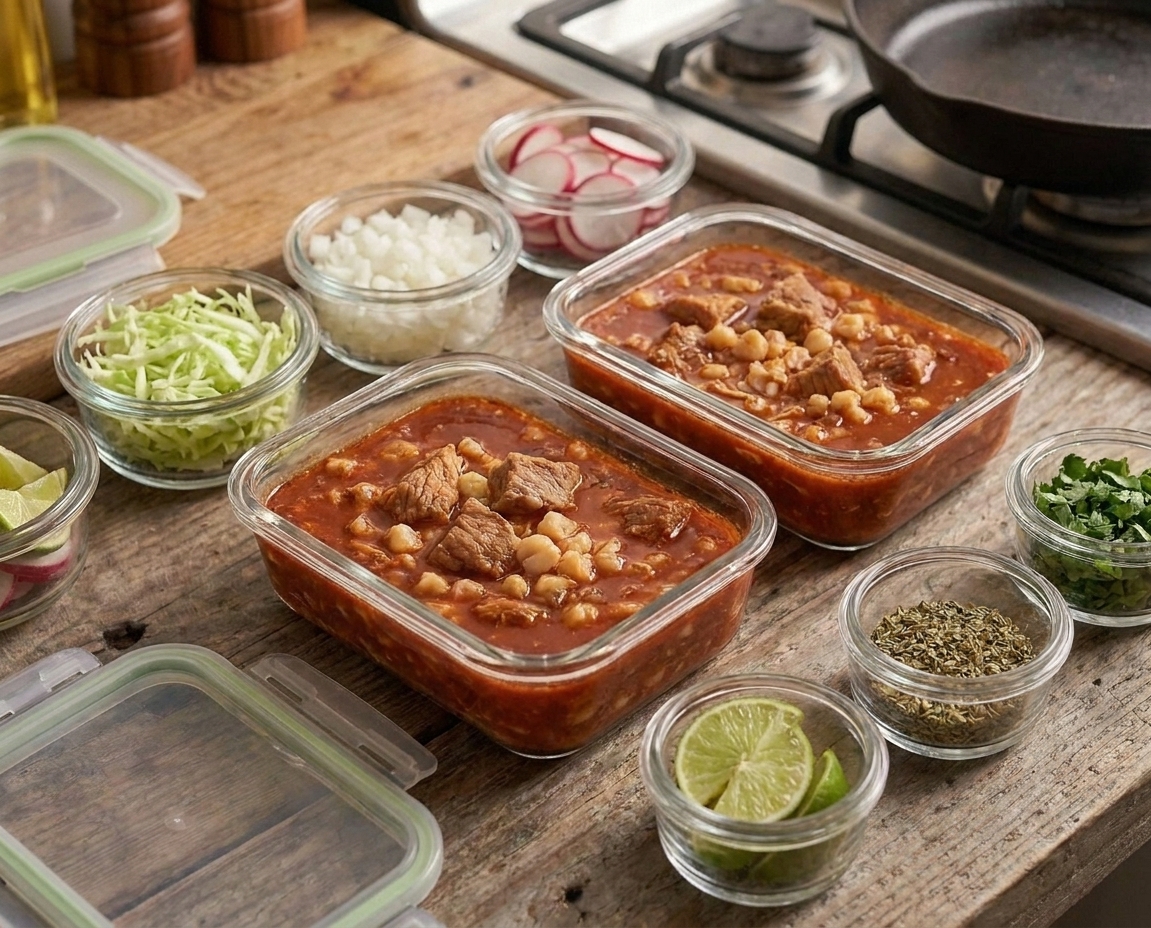
Refrigerate: Cool pozole quickly, then store in airtight containers for up to 3 to 4 days. Keep toppings separate so they stay crisp.

Freeze: Pozole freezes well for up to 3 months. Freeze the stew base only, not the cabbage or radishes. Thaw overnight in the fridge before reheating.

Reheat: Warm gently on the stove over medium-low, stirring occasionally. If it thickens, loosen with a splash of broth or water. Taste again and refresh with lime and a pinch of salt.

Two glass meal prep containers filled with pozole rojo, cooled and ready for the refrigerator, with toppings in small separate containers

Common Questions

What is the difference between pozole rojo, verde, and blanco?

Rojo uses dried red chiles for a deep, reddish broth. Verde is built with tomatillos and green chiles and tastes brighter and tangier. Blanco is the simplest, often a clear or lightly seasoned broth where toppings do a lot of the heavy lifting.

Do I have to use pork?

No. Chicken thighs work great and cook faster. You can also do a mixed pot with pork shoulder plus a couple bone-in chicken thighs for extra richness. If you want vegetarian, use vegetable broth and add hearty beans or sautéed mushrooms for depth.

Is hominy the same as corn?

Hominy is corn that has been treated (nixtamalized), which changes the texture and flavor. It is chewy, slightly nutty, and basically the whole point of pozole.

Can I use dried hominy instead of canned?

Yes, but it is a different project. Dried hominy needs a long soak and a longer simmer (often 2 to 3 hours) until it blooms and turns tender. This recipe is written for canned hominy so you can get to the good part faster.

Can I make pozole in a slow cooker or Instant Pot?

Yes. For a slow cooker, cook pork with onion, garlic, and broth until tender, then stir in the blended chile sauce and hominy and heat through. For Instant Pot, pressure cook pork first, then add sauce and hominy and simmer on sauté for a few minutes.

How spicy is this?

Guajillo and ancho are more about flavor than heat. If you want it spicier, add a chile de árbol or two, or finish bowls with hot sauce.

Do I need to skim the fat?

Totally up to you. A little fat makes the broth taste richer. If you want it cleaner, skim the surface during simmering, or chill the broth and lift off the solidified fat before reheating.
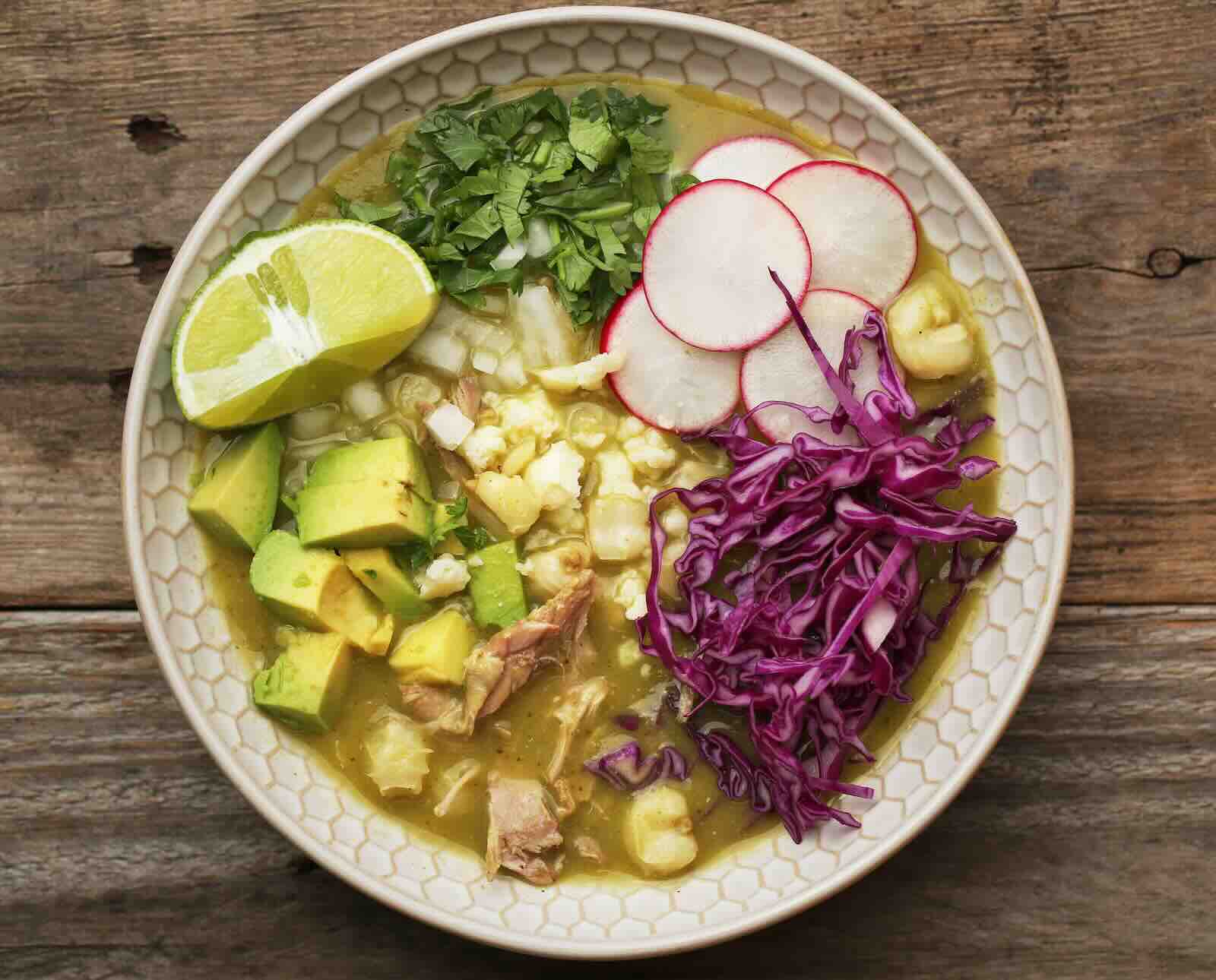

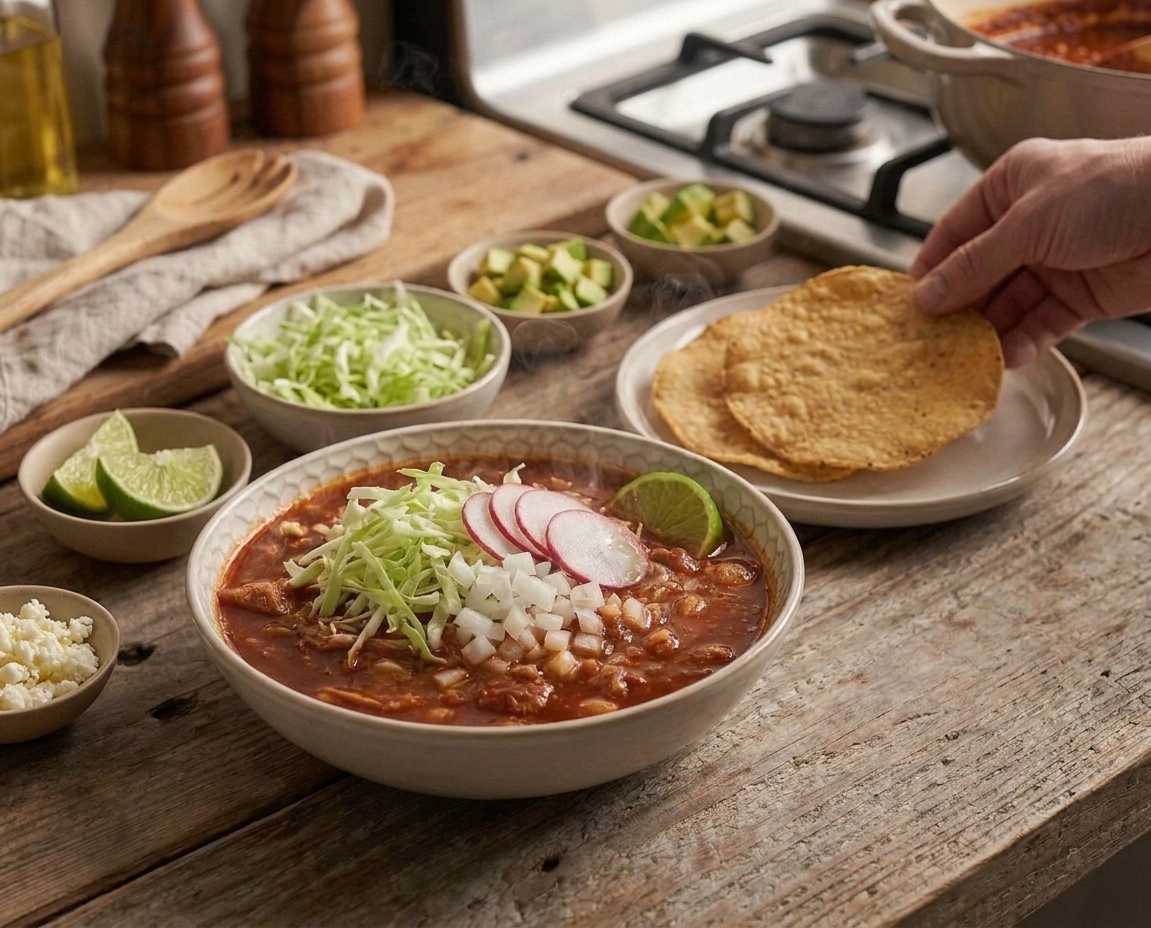
A small spread of pozole toppings including shredded cabbage, sliced radishes, diced onion, chopped cilantro, dried oregano, and lime wedges on a kitchen counter

I love recipes that let you be a little chaotic in the best way, and pozole is exactly that. The pot is calm and steady, but the toppings are where you get to freestyle. Some days I want it extra limey and crunchy. Other days I go heavy on oregano and warm tortillas on the side and call it dinner and a hug.

It also hits that sweet spot of practical cooking I have always chased. A few affordable ingredients, one big pot, and suddenly you have multiple meals that actually feel exciting to reheat. If my future restaurant ever has a “staff meal that turned into a menu item” story, this bowl is a strong contender.