Mom's Best Recipes
Recipe

Neapolitan Pizza Dough

Soft, stretchy, and built for puffy edges, this classic dough uses a low-yeast fermentation so the flavor gets big while the process stays calm.

Author By Matt Campbell
4.8
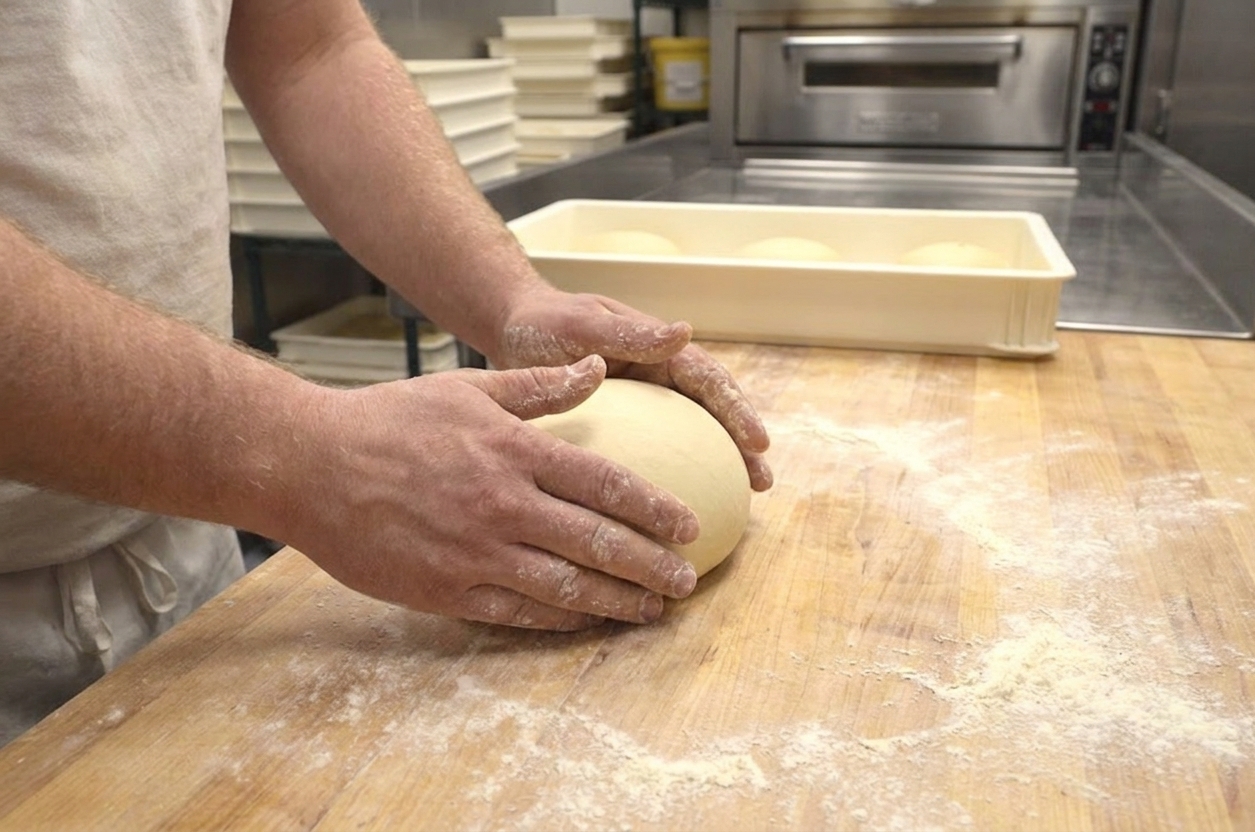
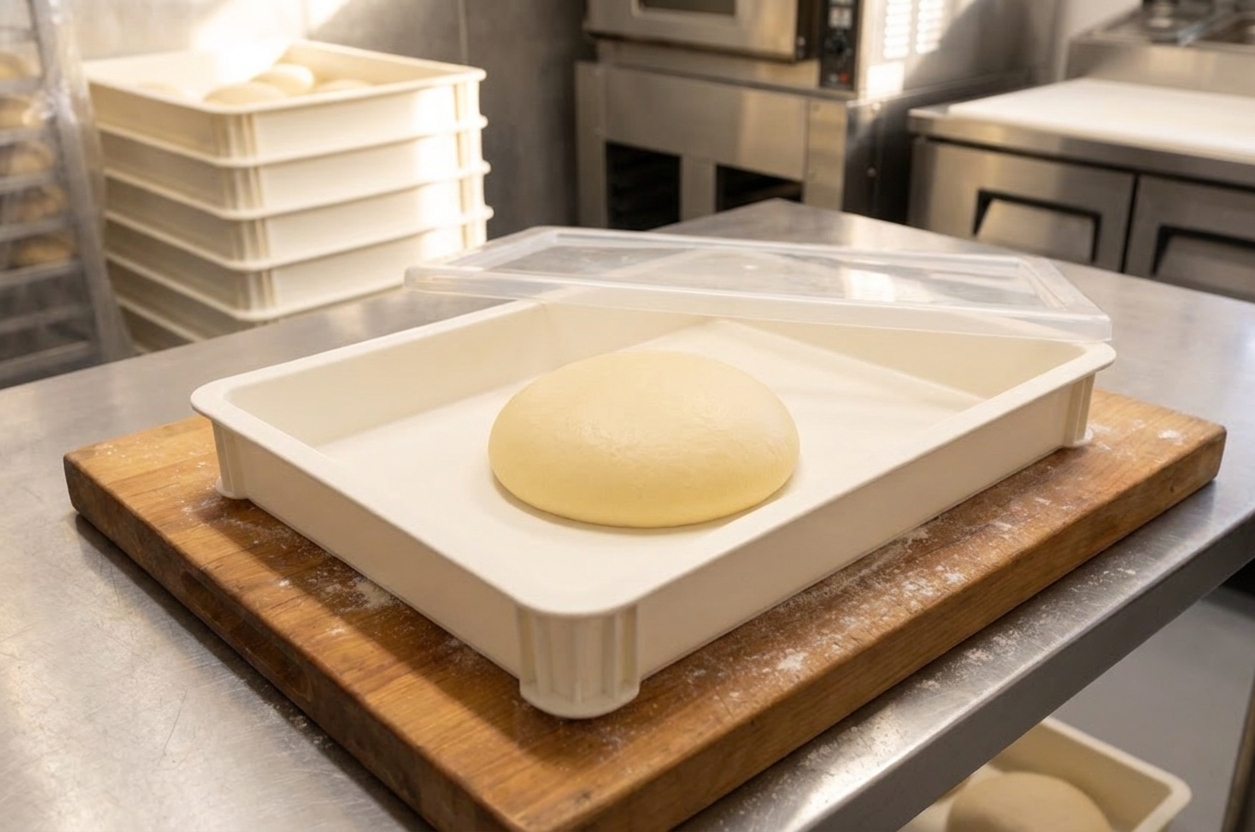
A single smooth Neapolitan pizza dough ball resting in a covered dough tray on a flour-dusted kitchen counter with warm natural light

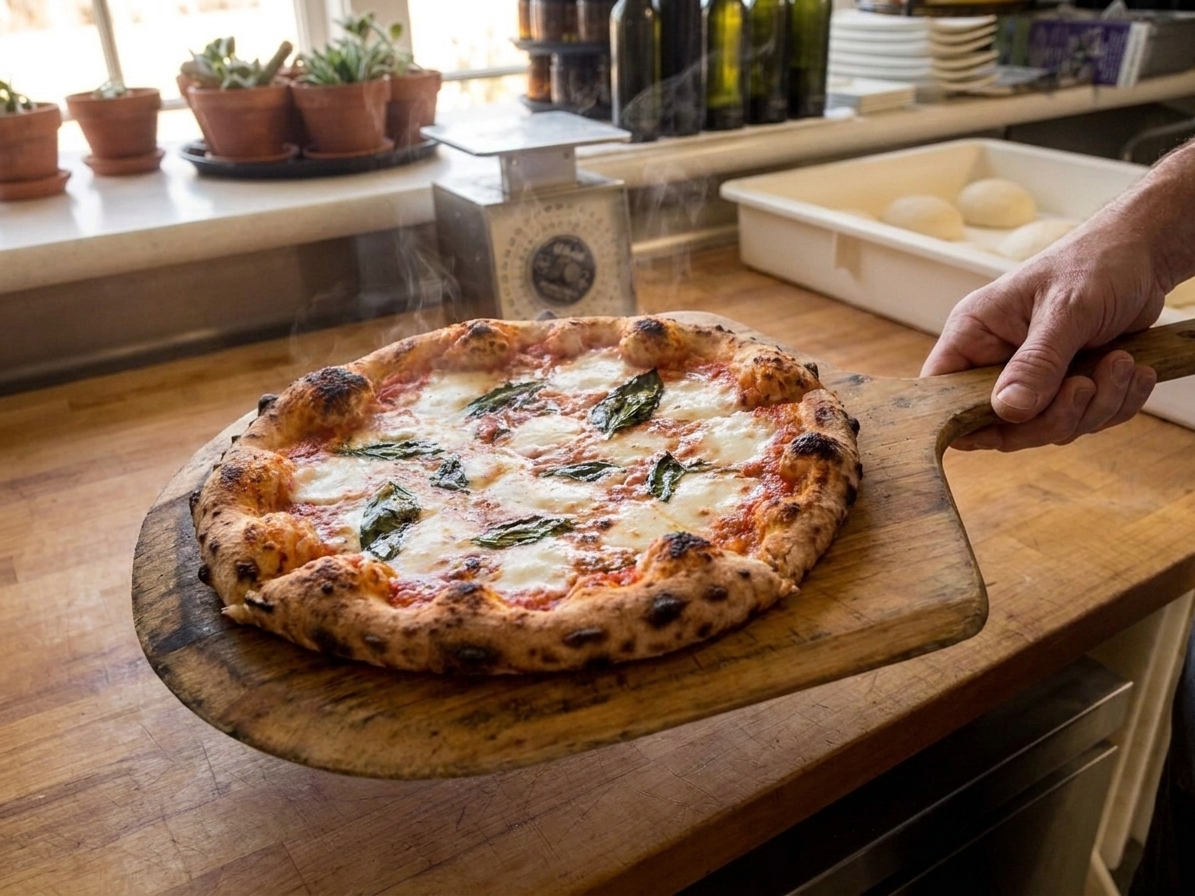
Neapolitan pizza dough is the kind of thing that looks intimidating until you realize it is basically four ingredients, a little patience, and one important habit: pay attention to the smell and feel of your dough the way you pay attention to a sauce. When it is right, it is soft like a pillow, stretches without tearing, and bakes up with that airy rim that makes you want to eat the crust first (no judgment, I do it too).

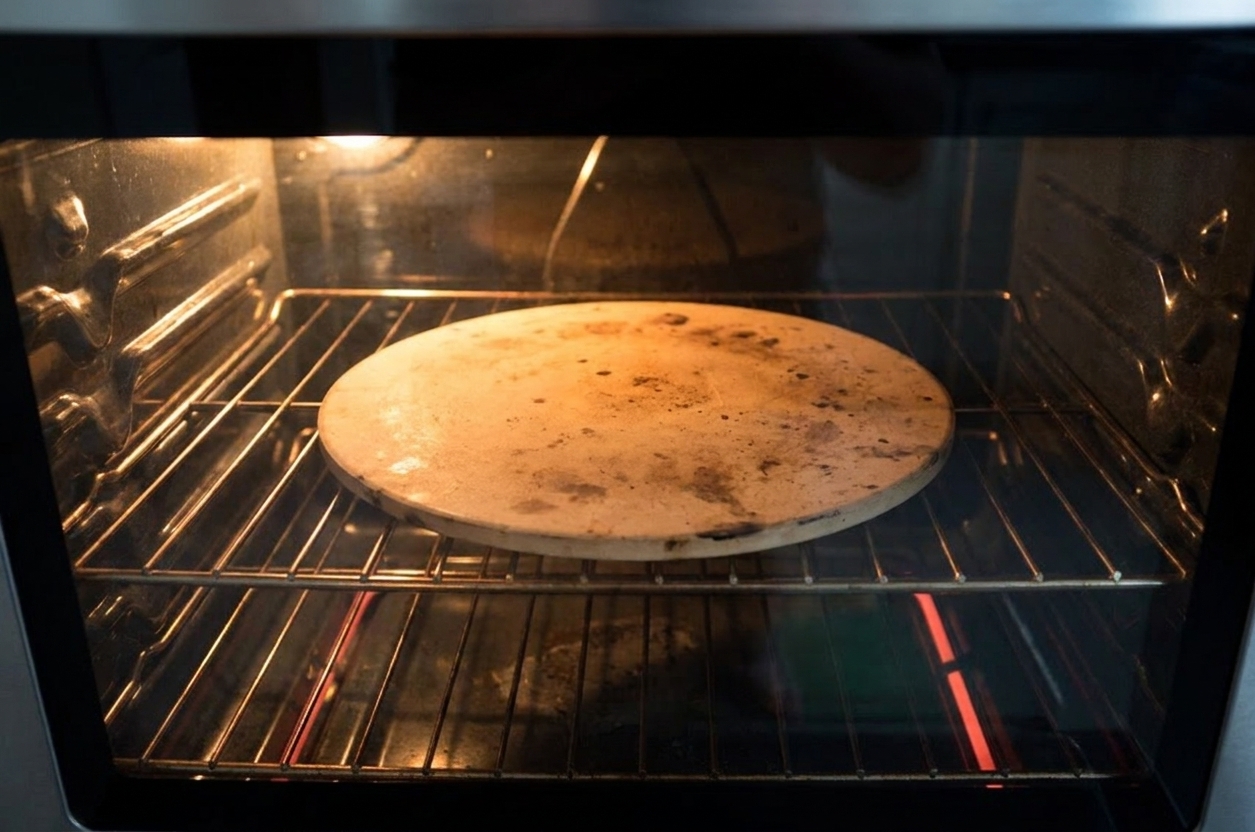
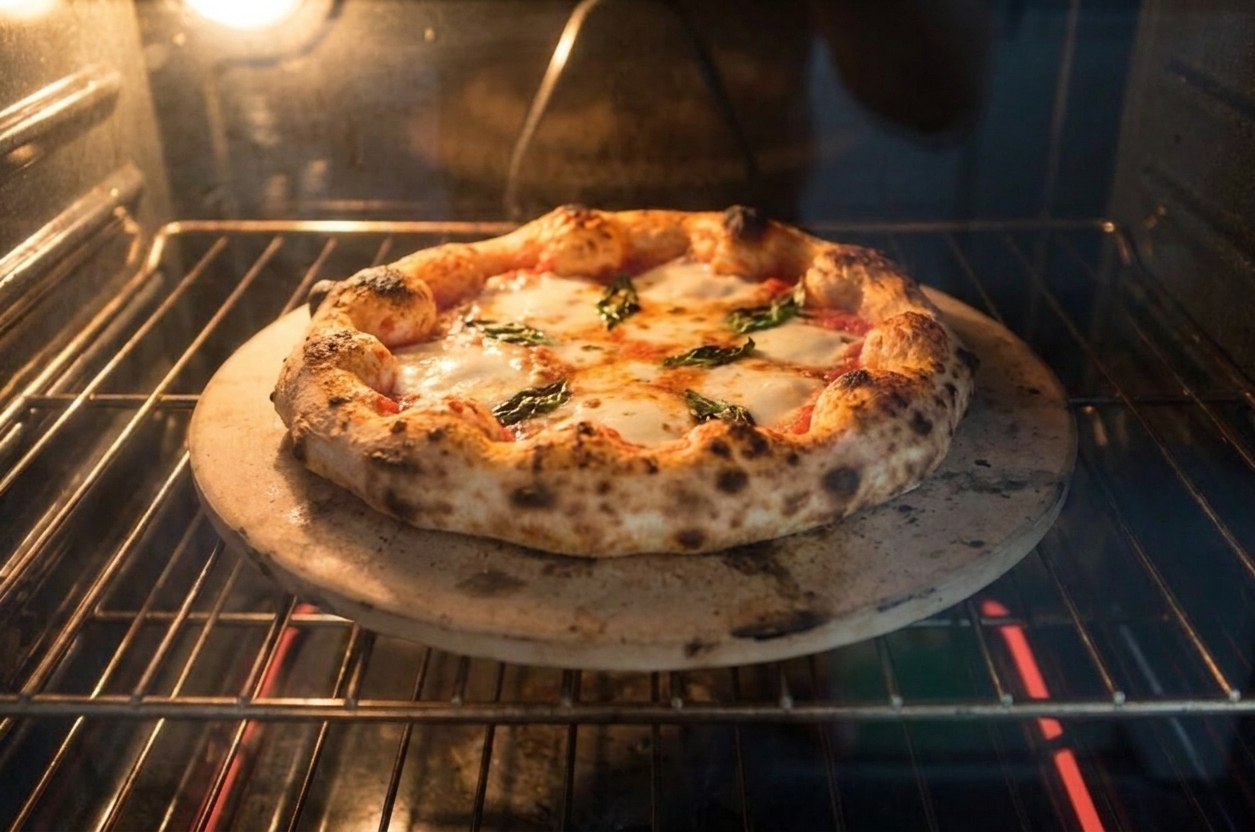
This version is home-oven friendly. If you have a pizza stone or steel and can get your oven screaming hot, you are in business. If you also have an outdoor pizza oven, even better. Either way, we are going for a dough that is easy to handle, ferments well, and gives you a thin center with a puffy, lightly blistered edge.
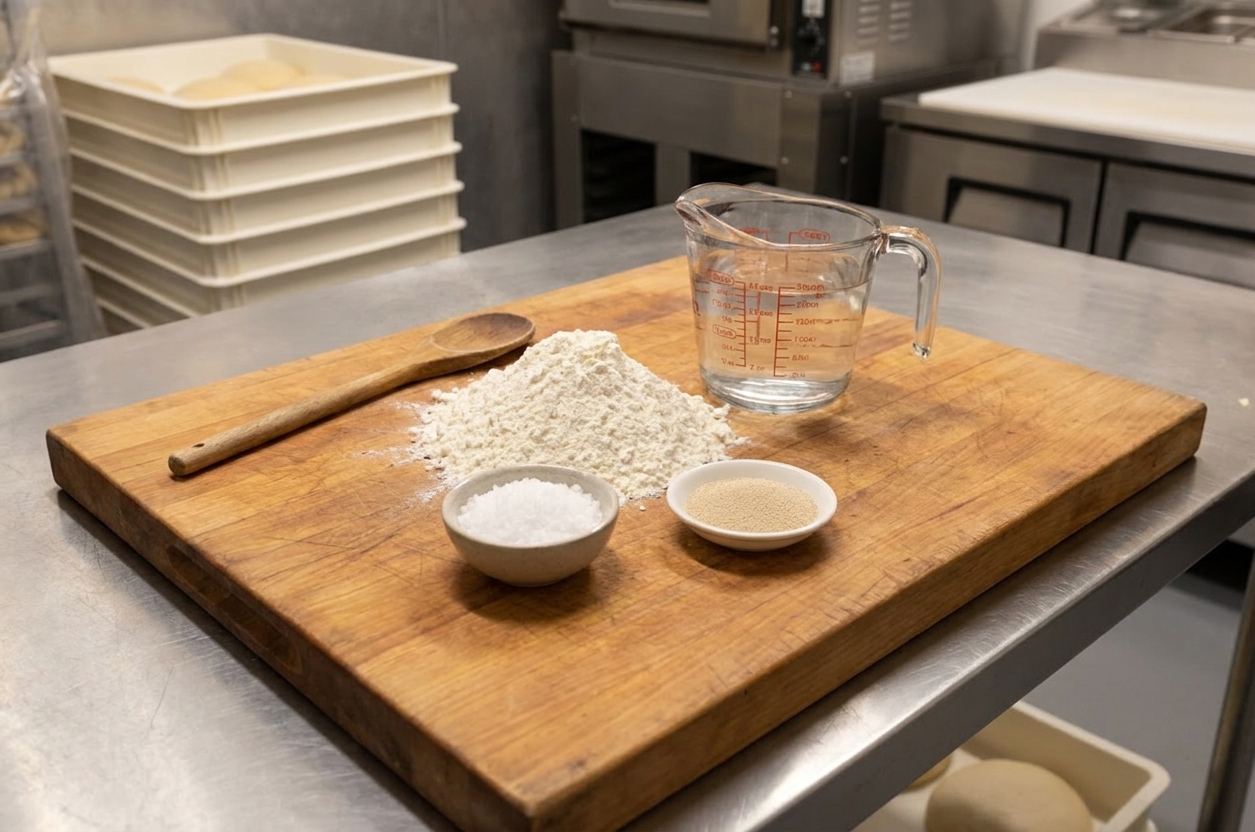
Flour, salt, yeast, and a measuring jug of water arranged on a wooden cutting board on a clean kitchen counter, ready to make pizza dough

Why It Works

  • Stretchy dough that does not fight you. A short rest after mixing plus proper fermentation makes shaping easier and prevents tearing.
  • Flavor without drama. Low yeast and a longer rise build that subtle, wheaty, slightly tangy dough flavor.
  • Puffy cornicione. Gentle handling and keeping the rim thicker traps gas where you want it: in the crust.
  • Works in a home oven or pizza oven. Same dough, different bake times. We adjust the heat, not the formula.

Pairs Well With

Storage Tips

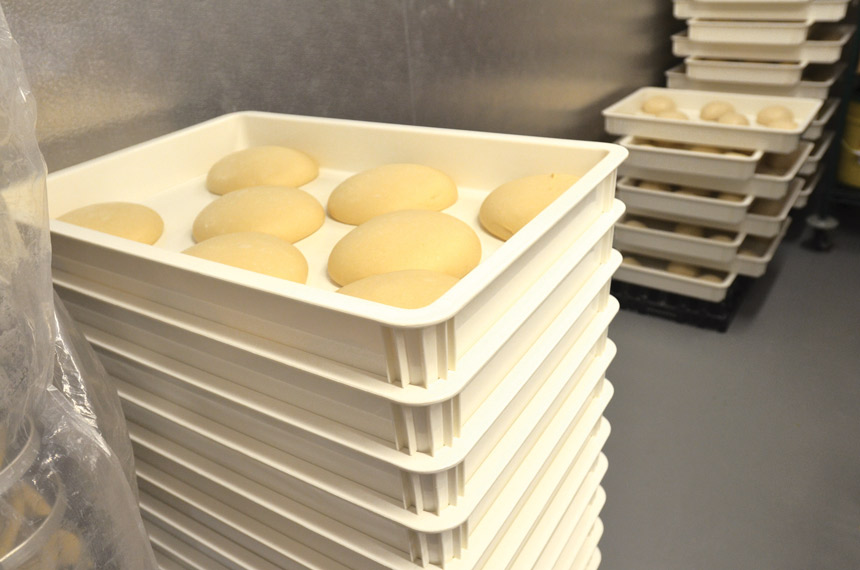
Refrigerate dough balls: After balling, place in lightly oiled containers, cover, and refrigerate up to 48 hours. For best stretch, bring to room temp 2 to 3 hours before baking.

Freeze dough balls: Lightly oil, seal airtight, and freeze up to 2 months. Thaw overnight in the fridge, then rest at room temp until puffy and relaxed.

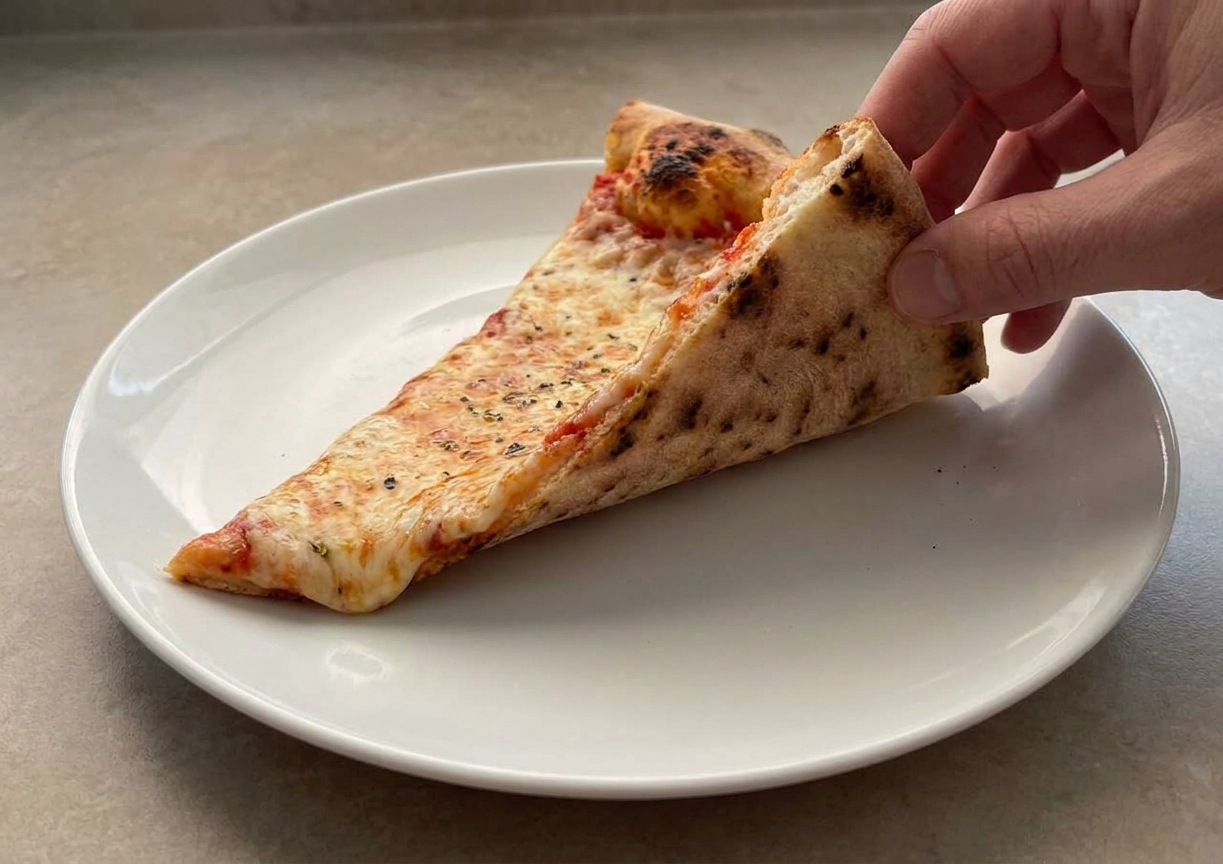
Already baked pizza: Cool completely, wrap slices, and refrigerate up to 4 days. Reheat on a hot skillet for a crisp bottom, then finish under the broiler for melty toppings.

Two covered plastic dough containers holding risen pizza dough balls on a kitchen counter, showing how to store dough

Common Questions

What flour should I use for Neapolitan dough?

Traditionally it is Italian 00 flour (often labeled for pizza). At home, you can absolutely use bread flour for extra strength, especially if your oven is not hitting true pizza-oven temps. If you use 00 and your dough feels a little delicate, add a slightly longer rest before stretching.

Do I need sugar or olive oil in the dough?

No. Classic Neapolitan dough is just flour, water, salt, and yeast. Oil can make it easier to handle but it changes the texture and browning. If you want classic, skip it.

Why is my dough tearing when I stretch it?

Usually one of three things: it is too cold (needs more room-temp time), it is under-fermented (not relaxed yet), or you used a flour that is too weak. Give it time, and if needed, switch to bread flour or a stronger 00.

How do I get puffy edges?

Two rules: do not degas the rim and do not roll it. Press the center out, leave a 3/4-inch border, and stretch over your knuckles. When topping, keep sauce and cheese off the rim.

Can I make this same dough with sourdough starter?

You can, but it becomes a different formula because starter adds both flour and water. If you want the sourdough version, treat it as its own recipe. This one is built for reliable results with yeast.

I was supposed to go the culinary degree route, but I ended up chasing the hands-on version of learning. Dough was one of the first things that humbled me in a good way. You cannot force it. If you do, it bites back, usually by snapping into a tiny sad circle while you whisper, “please just stretch.” Neapolitan dough taught me the fun kind of discipline: measure, mix, wait, and then trust your hands. The first time I pulled a pie with a real puffy rim and those little char freckles, I did not even care that the circle was slightly lopsided. It tasted like I knew what I was doing. That is the magic.