Mom's Best Recipes
Recipe

Nice Mashed Potatoes

Fluffy, buttery mashed potatoes with a gentle tang, crisp salt, and a method that avoids gluey mash.

Author By Matt Campbell
4.8
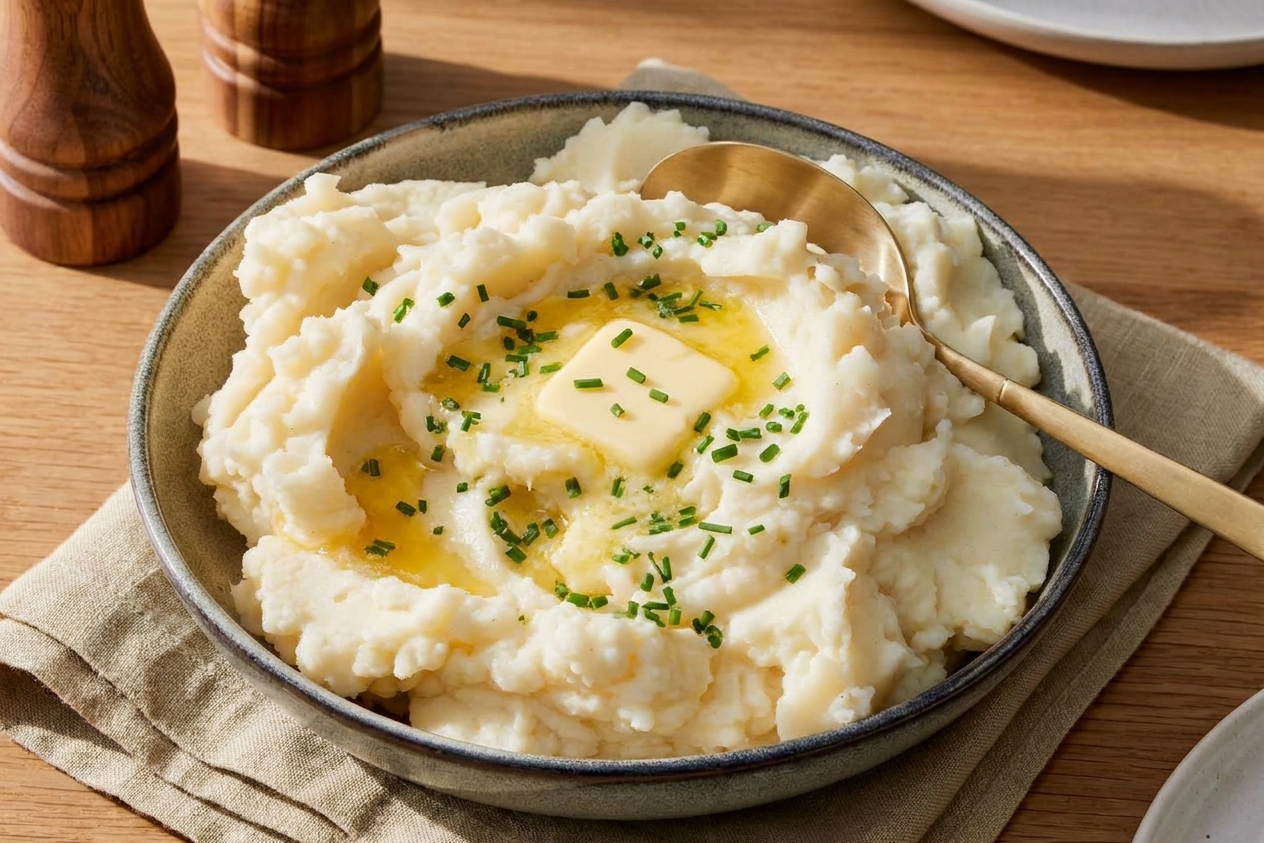
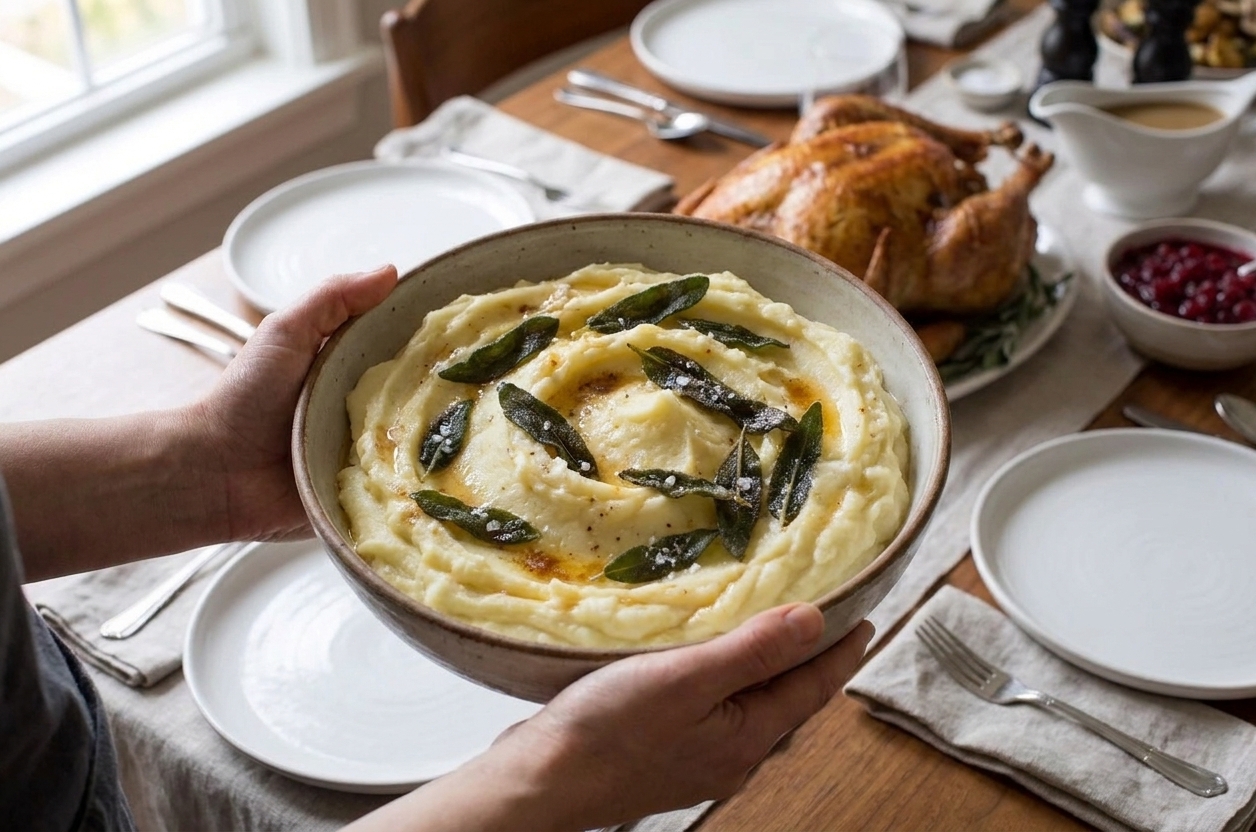
A large ceramic bowl of creamy mashed potatoes with a swirl of melted butter on top, flaky salt, and chopped chives on a wooden table with soft natural kitchen light

Let’s be honest: mashed potatoes do not need to be complicated. They just need to be nice. Like, you take a bite and immediately start plotting what else you can spoon them onto. These deliver that vibe: fluffy but rich, deeply seasoned, and not even a little bit gluey.

My big rules are simple: start with the right potato, salt the water like you mean it, and warm your dairy so it blends in smoothly without cooling everything down. From there, you can keep it classic or go slightly chaotic in the best way with roasted garlic, extra butter, or a splash of buttermilk for tang.
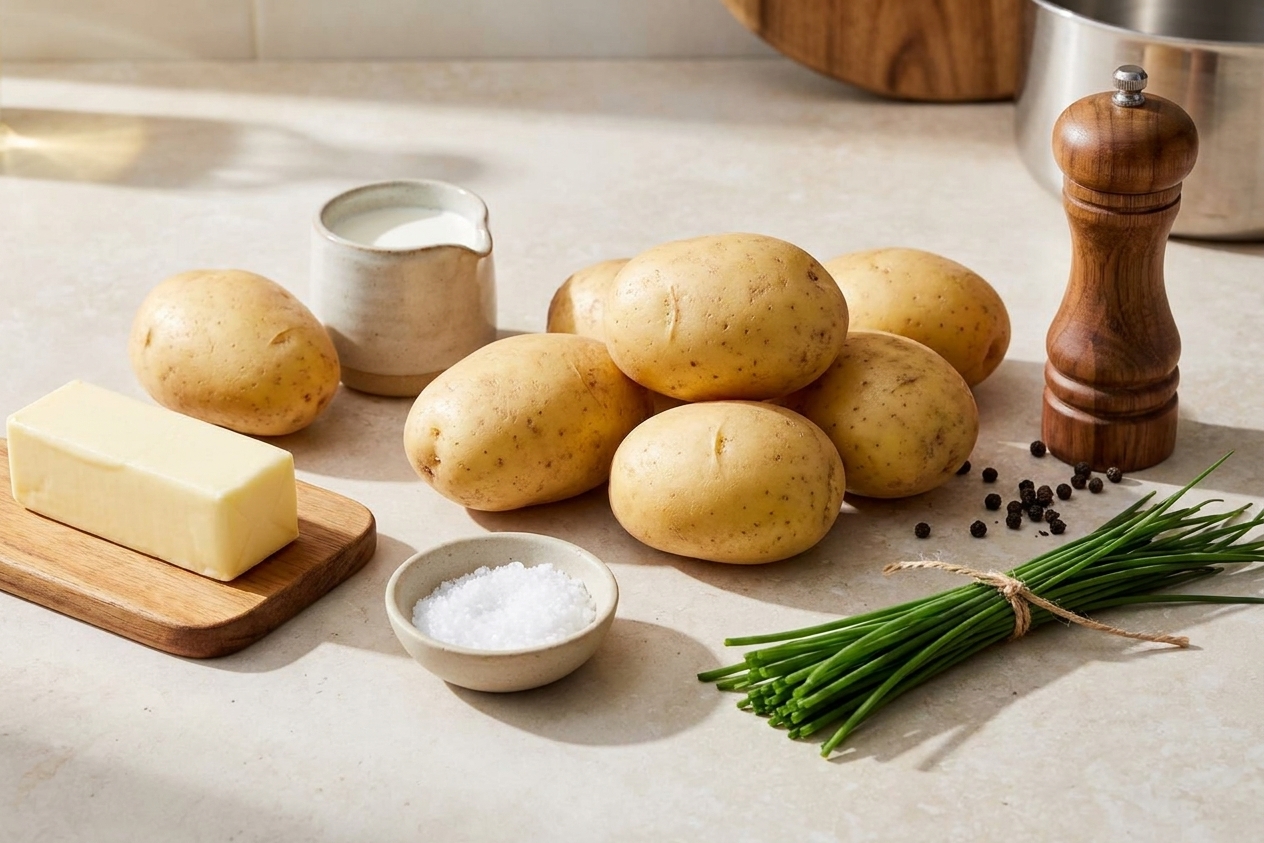
Whole Yukon Gold potatoes, a stick of butter, a small pitcher of cream, kosher salt, black pepper, and fresh chives arranged on a bright kitchen counter

Why It Works

  • Fluffy texture, not paste: We avoid overworking the potatoes and use a masher or ricer instead of a blender.
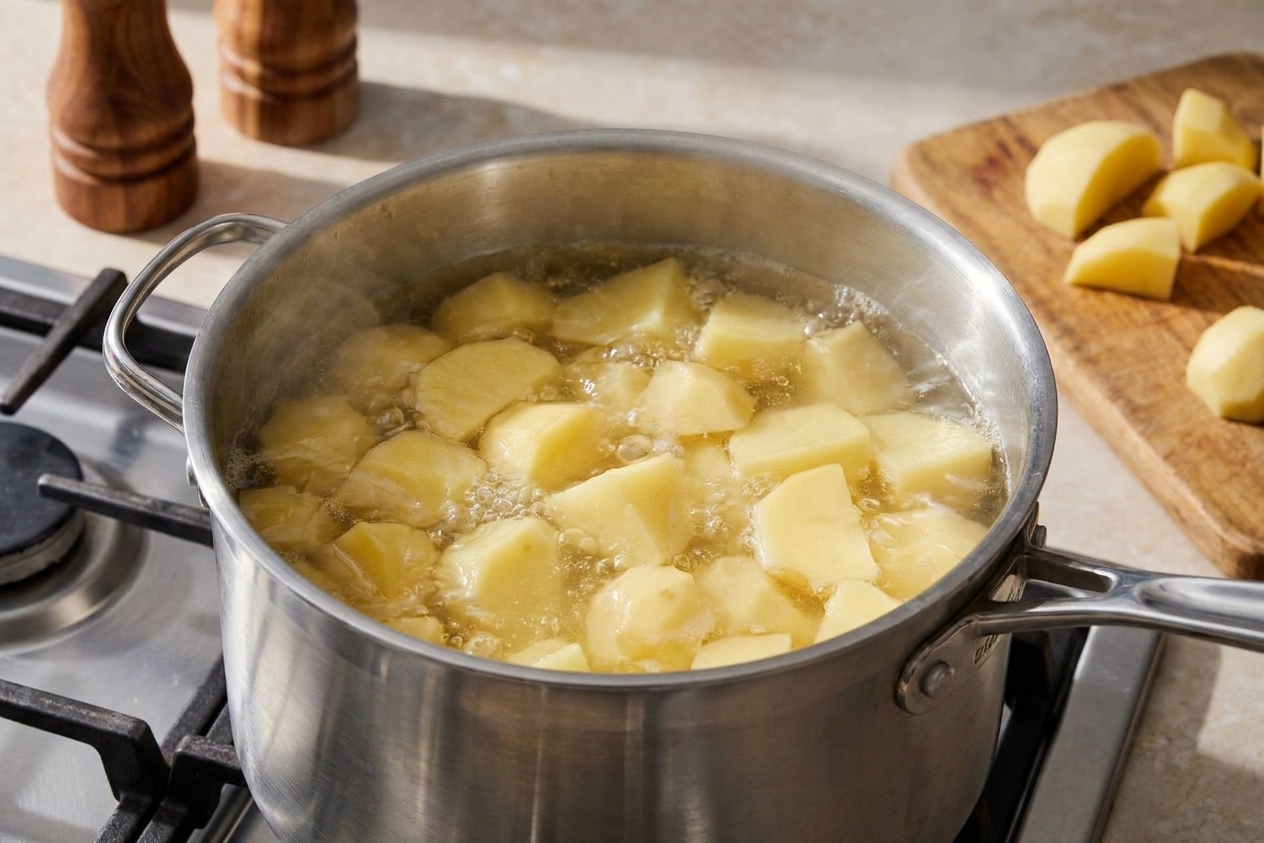
  • Big potato flavor: Starting potatoes in cold, salted water cooks them evenly and seasons them all the way through.
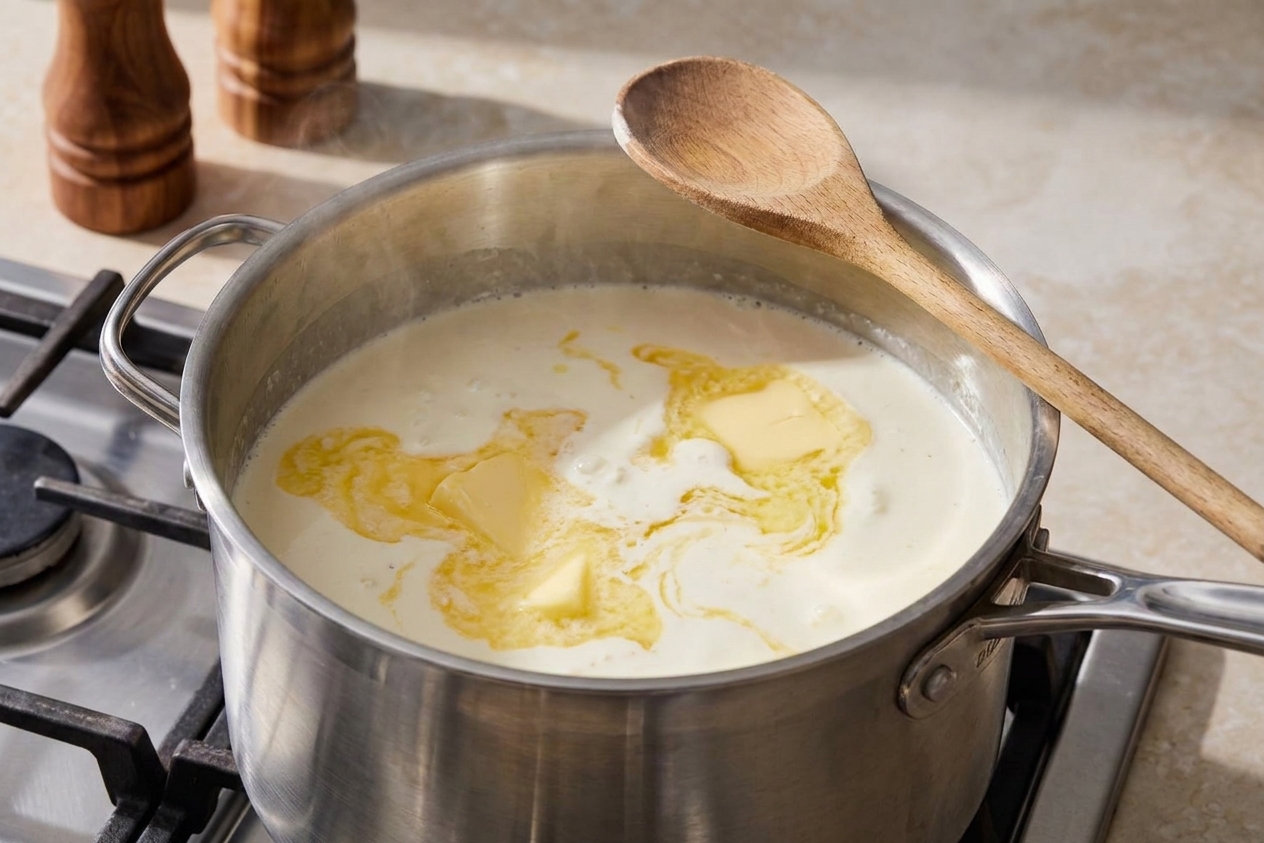
  • Ultra creamy without being runny: Warmed butter and cream blend fast and stay silky.
  • Seasoning that pops: Salt, pepper, and a little sour cream or buttermilk gives that “wait, why are these so good?” finish.

Pairs Well With

Storage Tips

Fridge: Cool leftovers quickly, then store in an airtight container for up to 4 days.

Freezer: Mashed potatoes freeze surprisingly well, especially when they have enough fat (butter, cream, sour cream). Pack into freezer-safe containers (press plastic wrap against the surface to prevent freezer burn) and freeze up to 2 months. When you reheat, expect to add a splash of warm milk or cream to bring back the silky texture.

Reheat (best methods):

  • Stovetop: Add to a pot with a splash of milk or cream. Warm on low, stirring gently. Add a knob of butter at the end.
  • Microwave: Cover and heat in 45 second bursts, stirring between. Add a splash of dairy if they look thick.
  • Oven (for a crowd): Spread in a buttered baking dish, dot with butter, cover with foil, and warm at 350°F until hot (usually 30 to 45 minutes). Stir once halfway if you can.

One more thing: When reheating, stir just enough to get them creamy again. Vigorously whipping can push them toward gummy.

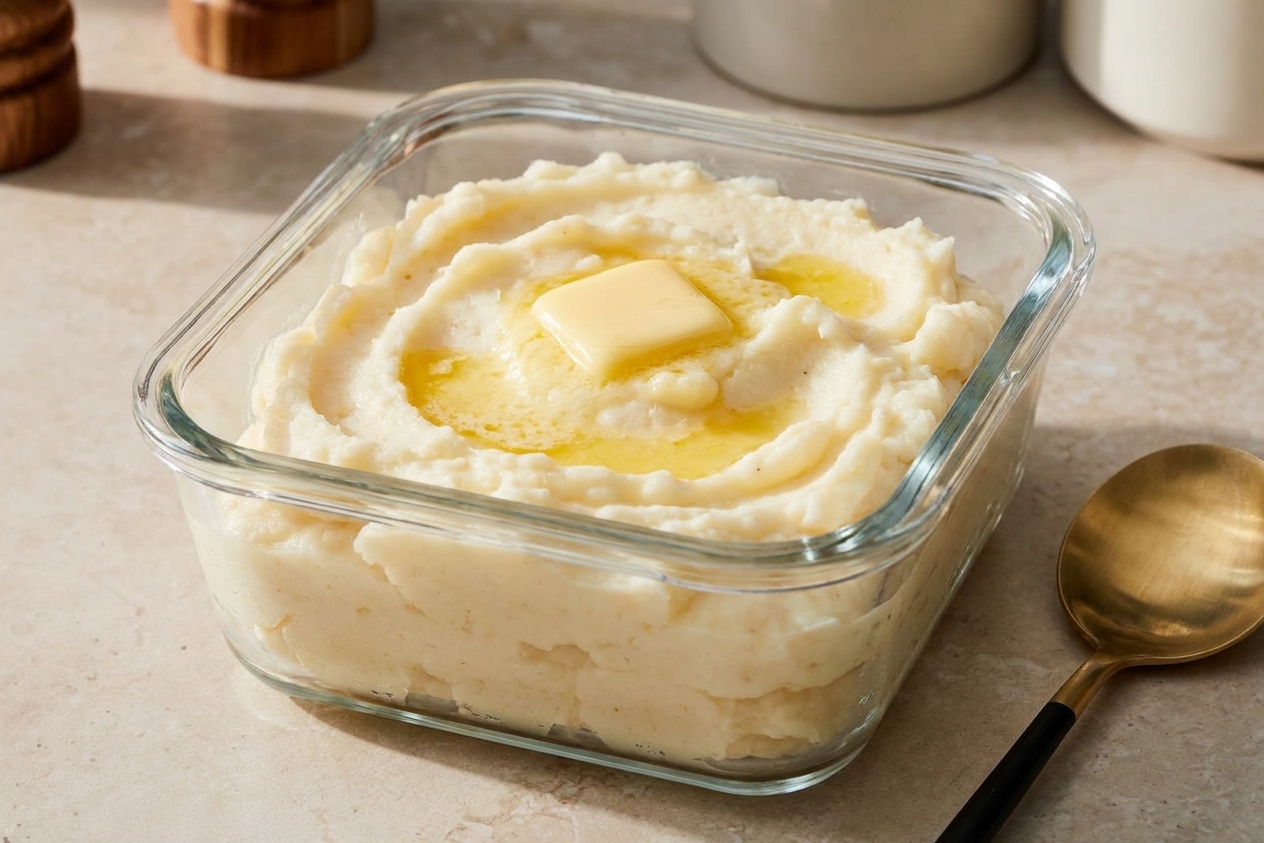
An airtight glass container filled with mashed potatoes, with a small pat of butter on top, sitting on a kitchen counter next to a spoon

Common Questions

What potatoes make the nicest mashed potatoes?

Yukon Golds are my favorite for that naturally buttery, creamy texture. Russets are fluffier and lighter, and they can taste a bit drier if you do not give them enough butter and warm dairy. If you want the best of both worlds, do half Yukon Gold, half Russet.

Why did my mashed potatoes turn gluey?

Usually it is one of these: you used a food processor or blender, you overmixed, or you used waxy potatoes and worked them too hard. Potatoes have a lot of starch, and aggressive mixing turns that starch into a sticky paste. Mash gently and stop as soon as they are as smooth as you want them.

Should I peel the potatoes?

For classic “nice” mashed potatoes, yes, peel them. If you like a rustic vibe, you can leave thin skins on Yukon Golds, but expect a more textured mash.

Can I make mashed potatoes ahead of time?

Yep. Make them up to 2 days ahead. Reheat low and slow with a splash of cream and a little butter. If you are feeding a crowd, spread them in a buttered baking dish, dot with butter, cover with foil, and warm at 350°F for 30 to 45 minutes (stir once halfway if you can).

How do I fix bland mashed potatoes fast?

Add more salt first, then a little butter. If they still taste flat, add sour cream or buttermilk for tang, or a tiny pinch of garlic powder and onion powder for roundness.

I used to think “good mashed potatoes” meant adding more stuff. More cream, more cheese, more everything. Then I started paying attention to the boring parts: salting the water, draining well, and warming the dairy so it blends in smoothly instead of cooling the whole bowl into sadness. Now these are my default, the kind I make on a random Tuesday and still feel like I did something special.