Mom's Best Recipes
Recipe

Nice Mashed Potatoes

Creamy, fluffy, buttery mashed potatoes with crisp-edged flavor tricks and zero drama. Great for weeknights and holiday tables.

Author By Matt Campbell
4.9
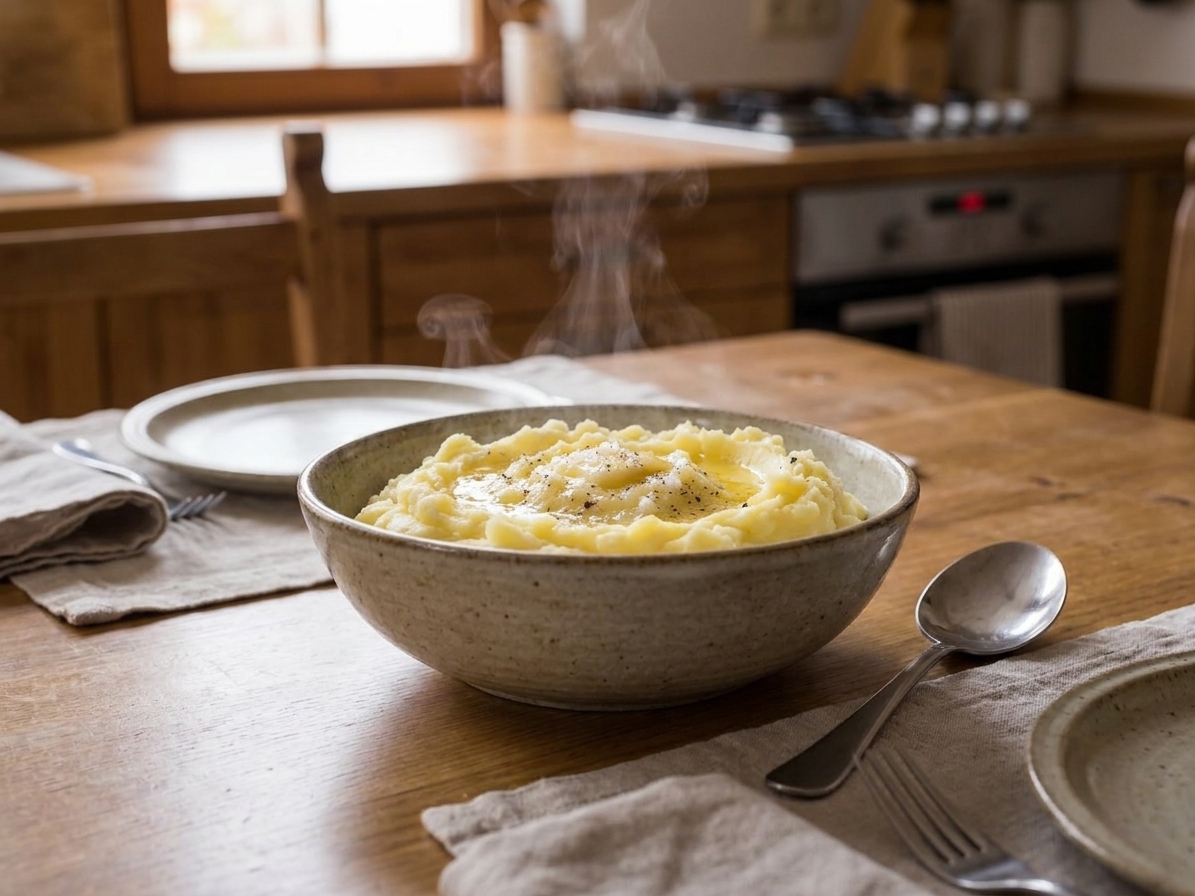
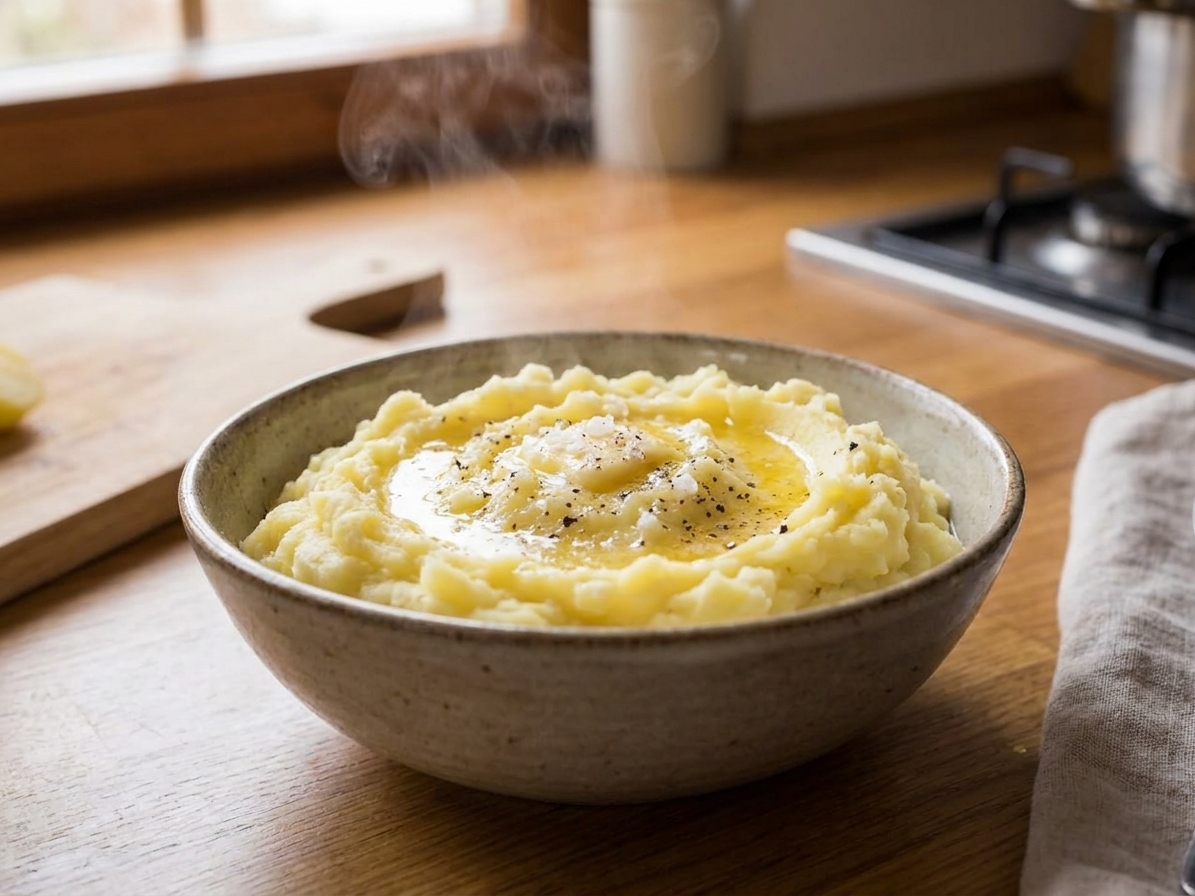
A bowl of creamy mashed potatoes with a melted butter pool on top, sprinkled with flaky salt and cracked pepper, on a warm kitchen table with soft natural light

There are mashed potatoes, and then there are nice mashed potatoes. The kind that look innocent, then you take a bite and immediately start negotiating for seconds. These are creamy but still fluffy, seasoned like you mean it, and finished with enough butter to make you pause mid-stir and whisper, “Yep, that’s the one.”

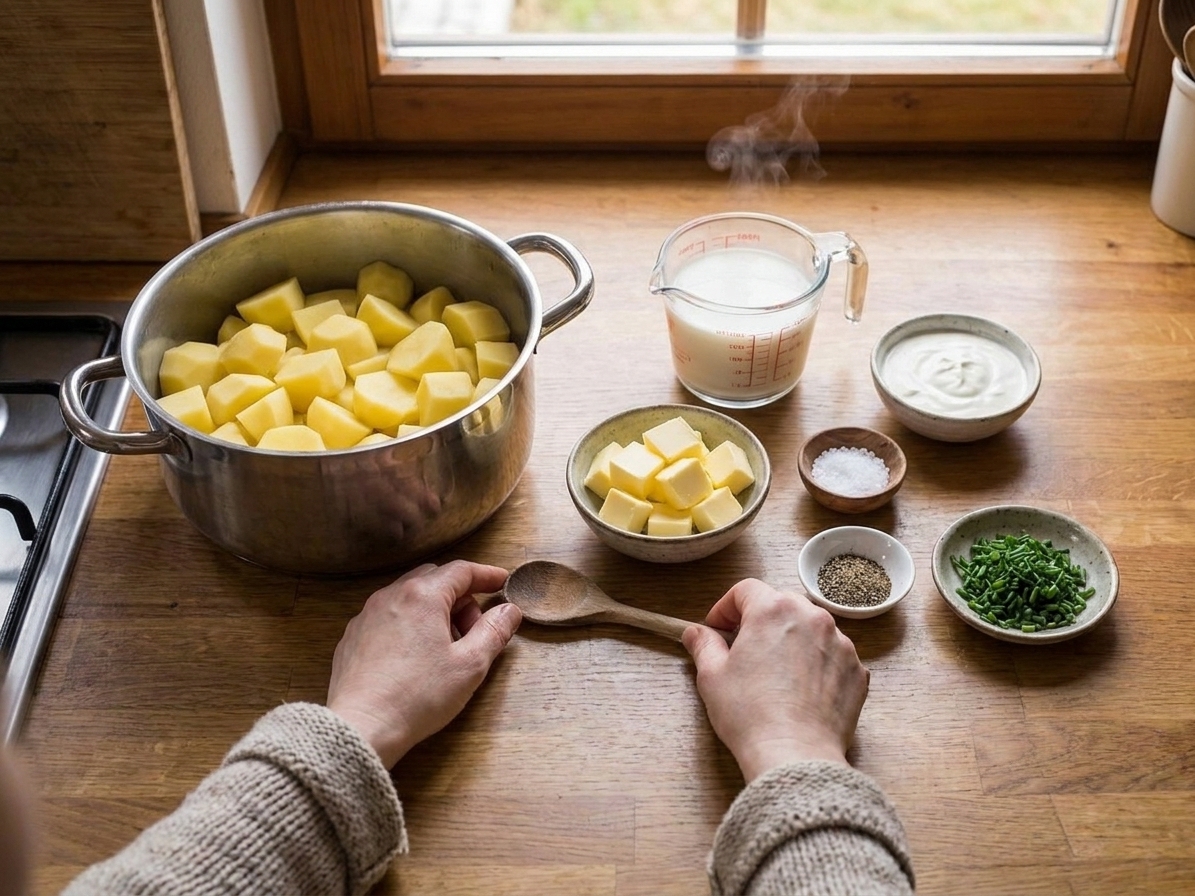
The method is simple, but it’s built on a few tiny choices that matter. Start in cold water so the potatoes cook evenly. Dry them out in the pot so they don't taste watery. Warm the dairy so everything stays silky. And please, for the love of cozy carbs, don't whip them into submission.

Whole Yukon Gold potatoes, butter, salt, and a small pitcher of milk on a clean kitchen counter with warm lighting

Why It Works

  • Fluffy, not gluey: We mash gently and avoid overmixing, which is the fastest path to gummy potatoes.
  • Big flavor with basic ingredients: Butter, warm milk, and optional sour cream bring richness without needing anything fancy.
  • No watery potatoes: A quick dry-out in the hot pot turns steam into your secret weapon.
  • Make-ahead friendly: These reheat beautifully with a little extra dairy and a gentle warm-up.
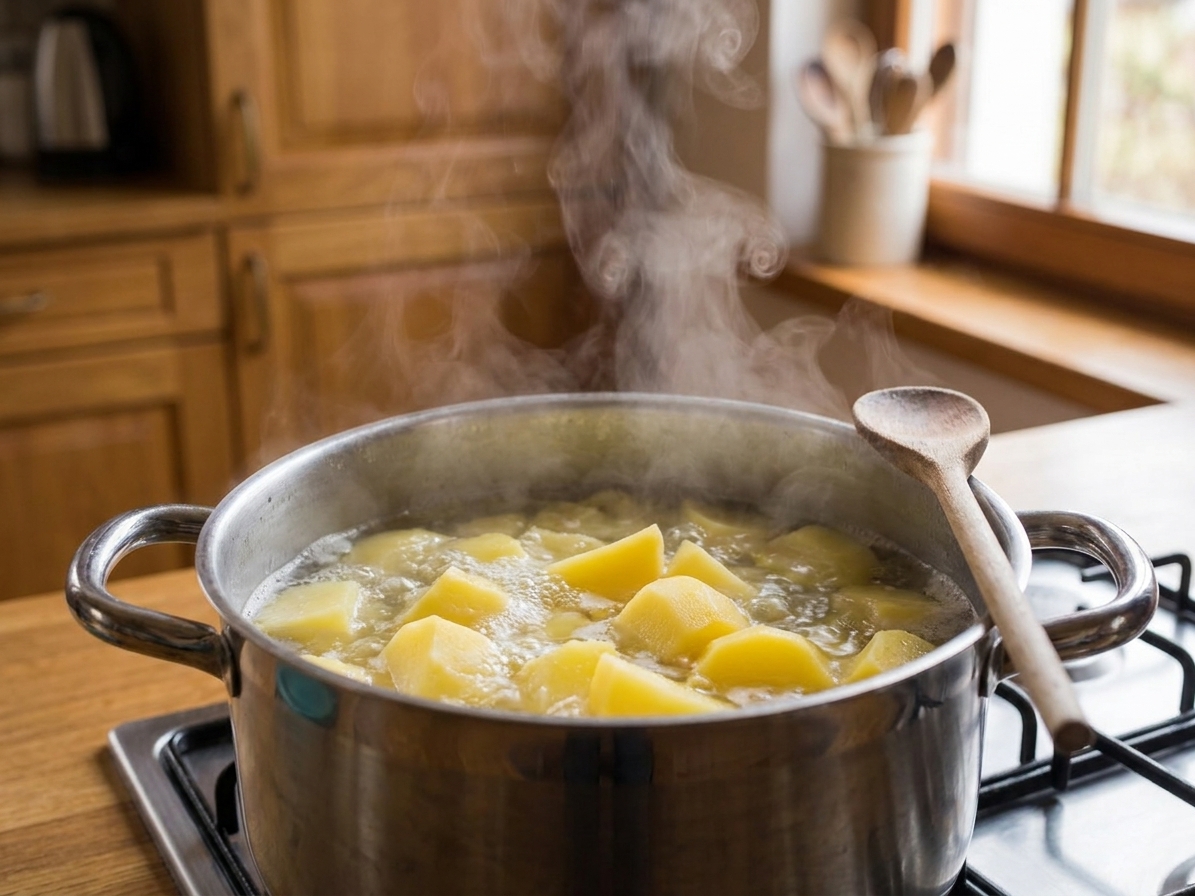
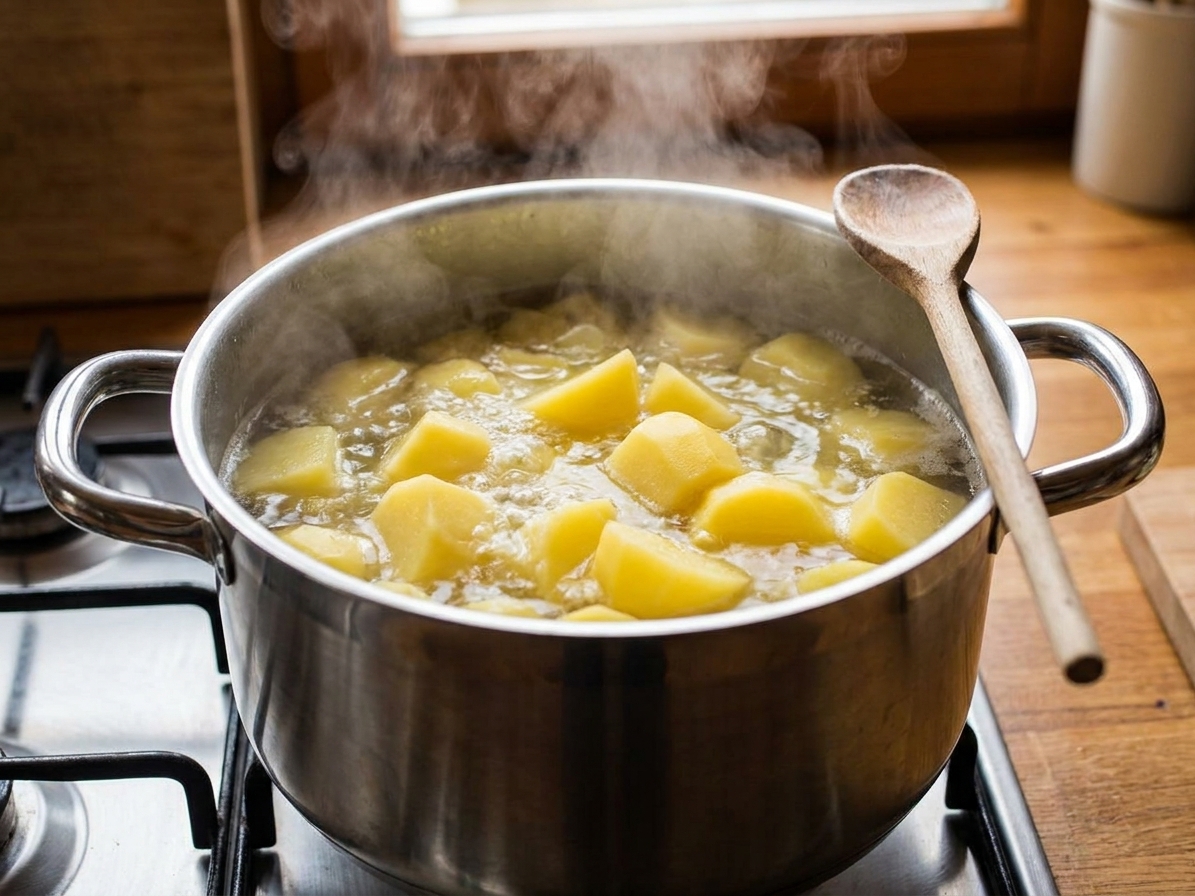
Peeled potato chunks simmering in a large pot of salted water on a stovetop, steam rising in a home kitchen

Pairs Well With

Storage Tips

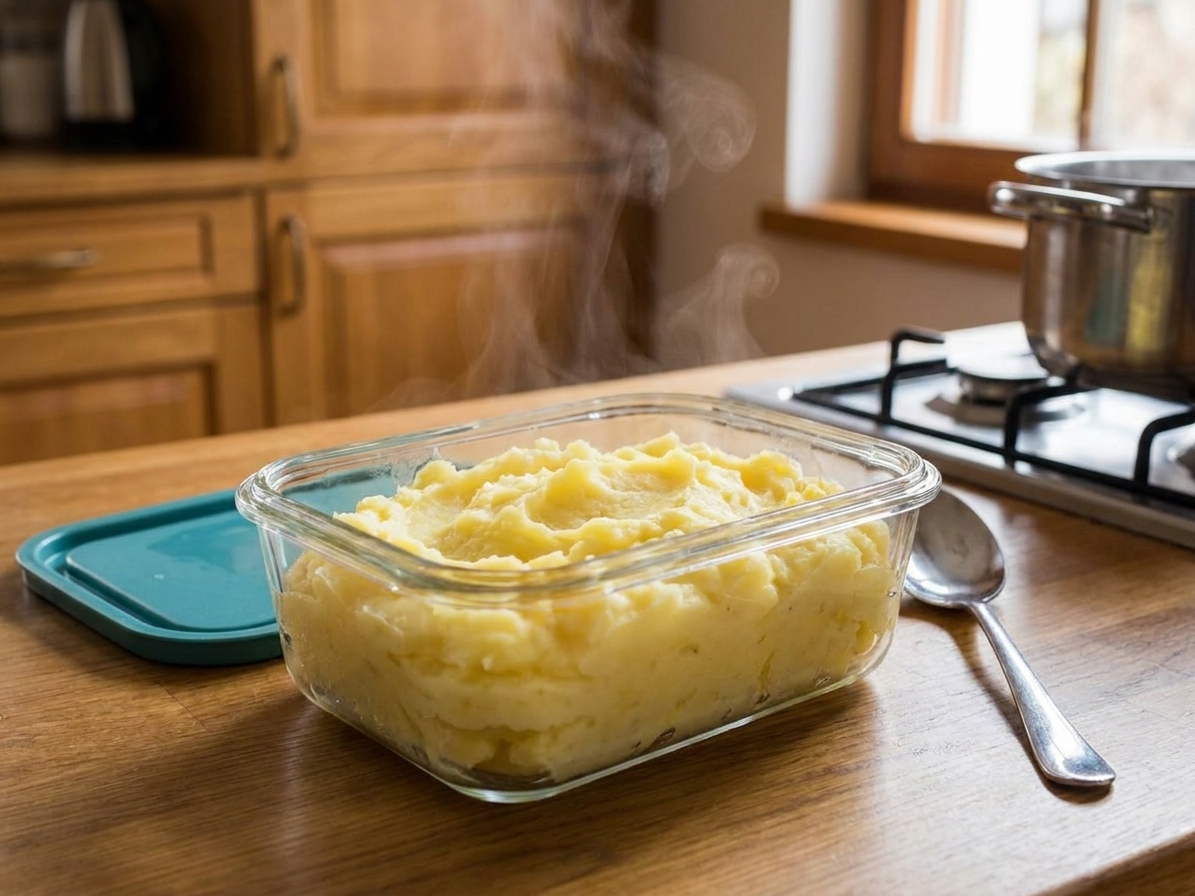
Refrigerate: Cool leftovers quickly, then store in an airtight container for up to 4 days.

Freeze: Mashed potatoes can be frozen up to 2 months. They freeze best when there's plenty of butter and dairy in the mix. Portion into freezer bags, press flat, and freeze. Thaw overnight in the fridge for best texture.

Reheat (best methods):

  • Stovetop: Add potatoes to a pot with a splash of milk. Warm on low, folding gently. Finish with a pat of butter.
  • Microwave: Cover and heat in short bursts, folding between, plus a splash of milk or broth.
  • Oven: Spread into a baking dish, dot with butter, cover with foil, and warm at 350°F until hot. Stir in a splash of warm milk at the end if needed.
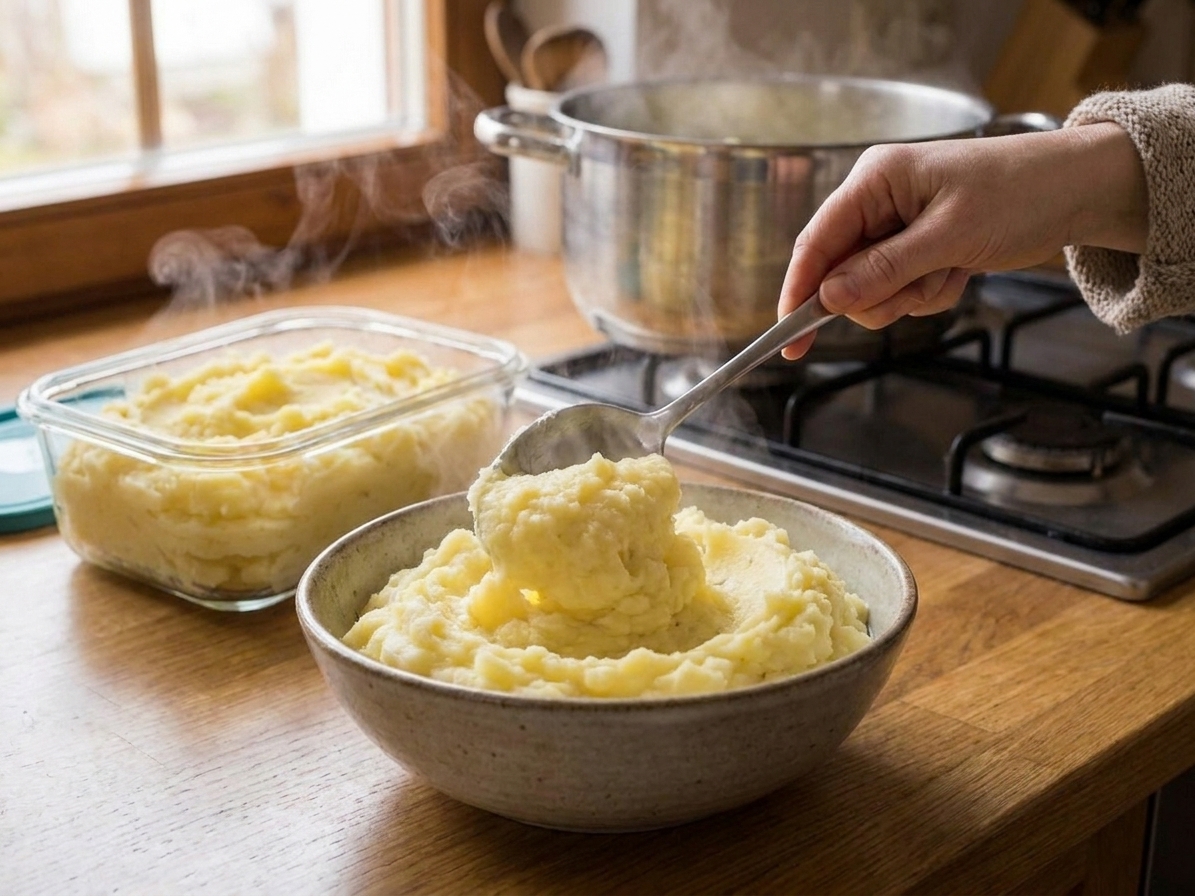
A glass food storage container filled with mashed potatoes and a spoon beside it on a kitchen counter

Common Questions

What potatoes make the nicest mashed potatoes?

Yukon Gold are my favorite for “nice” mash because they are naturally buttery and creamy. Russets are fluffier and lighter (and a bit more forgiving if you accidentally overwork them). A 50-50 mix gives you the best of both worlds.

How do I keep mashed potatoes from getting gluey?

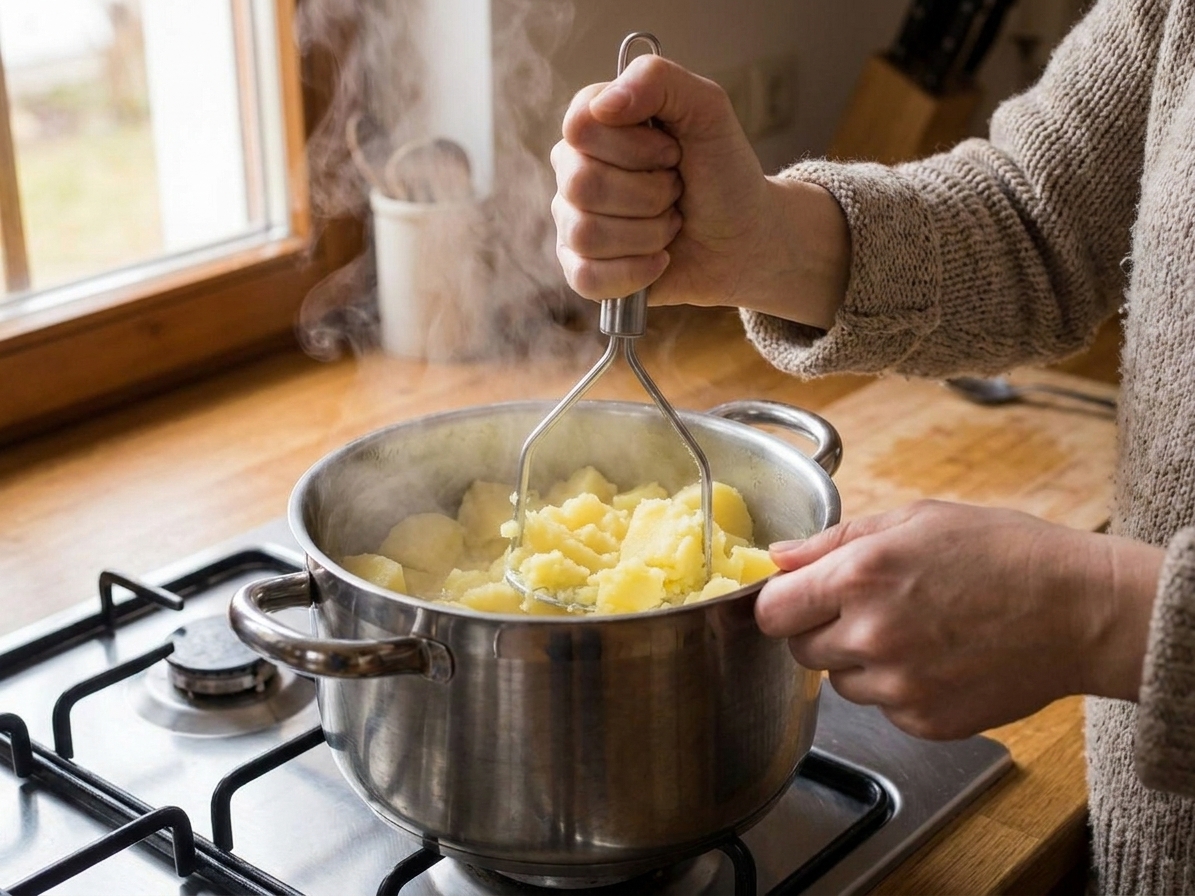
Two big rules: don't overmix, and avoid high-speed blending. A potato masher or ricer is perfect. Also, add warm dairy so you don't have to stir forever to smooth things out.

Do I have to peel the potatoes?

Nope. For a rustic vibe, leave some or all of the skins on. If you want holiday-level smooth, peel them.

Why start potatoes in cold water?

It helps them cook evenly from the inside out. Dropping potatoes into boiling water can leave you with mushy outsides and firm centers.

Can I make these ahead for a big dinner?

Yes. Make them up to 2 days ahead, refrigerate, then reheat gently with a splash of milk and a little extra butter. For serving, keep warm in a slow cooker on low or in a covered dish in a low oven.

Hands using a potato masher in a pot of drained potatoes on a stovetop, with steam rising

I used to think mashed potatoes were just a side you checked off the list. Then I started paying attention to the small stuff: salting the water until it tastes pleasantly salty, like well-seasoned soup, drying the potatoes in the hot pot, warming the milk. Suddenly the bowl disappeared first at dinner, and I realized mashed potatoes are not a supporting actor. When they are done right, they are the whole mood.