Mom's Best Recipes
Recipe

Old-Fashioned Cake Donuts

Crisp on the outside, tender in the middle, and glazed while warm for that classic donut shop bite.

Author By Matt Campbell
4.8
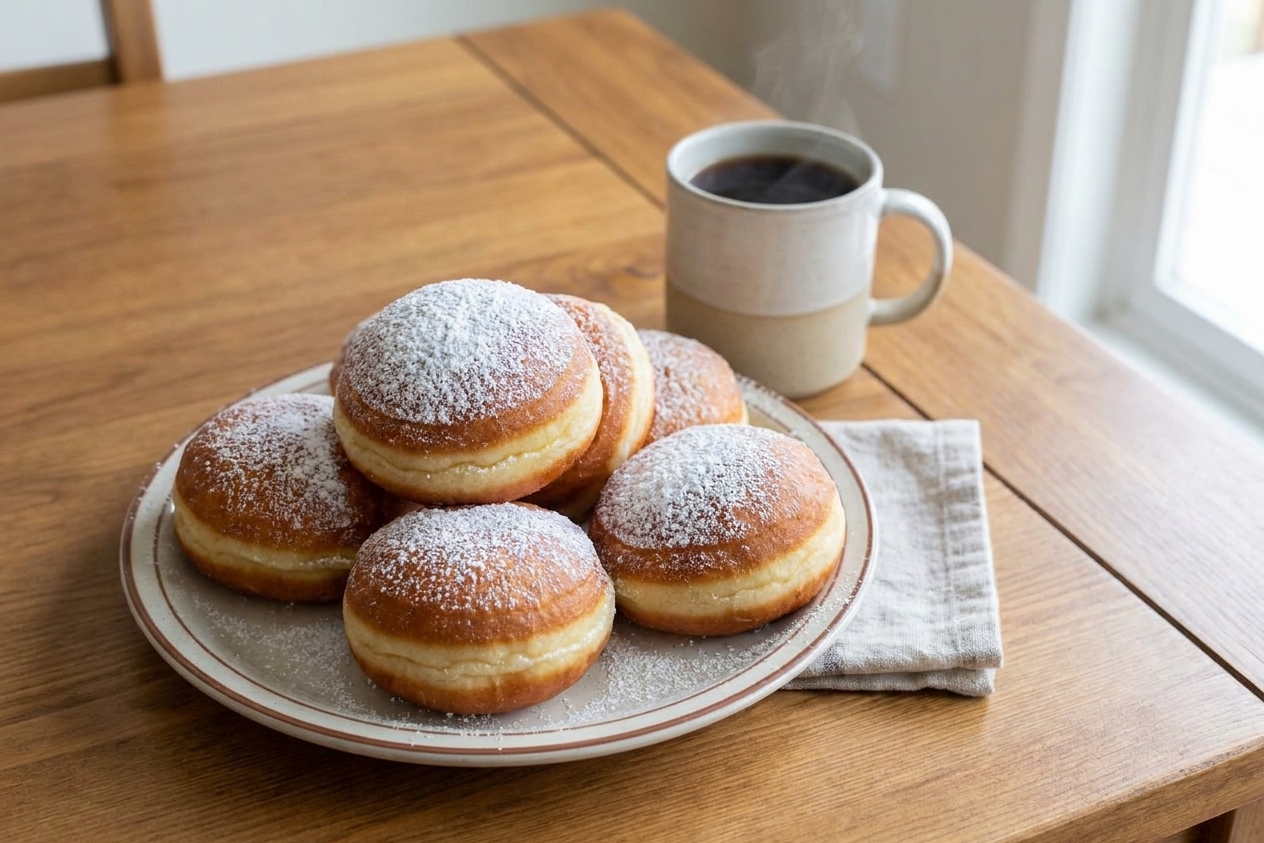
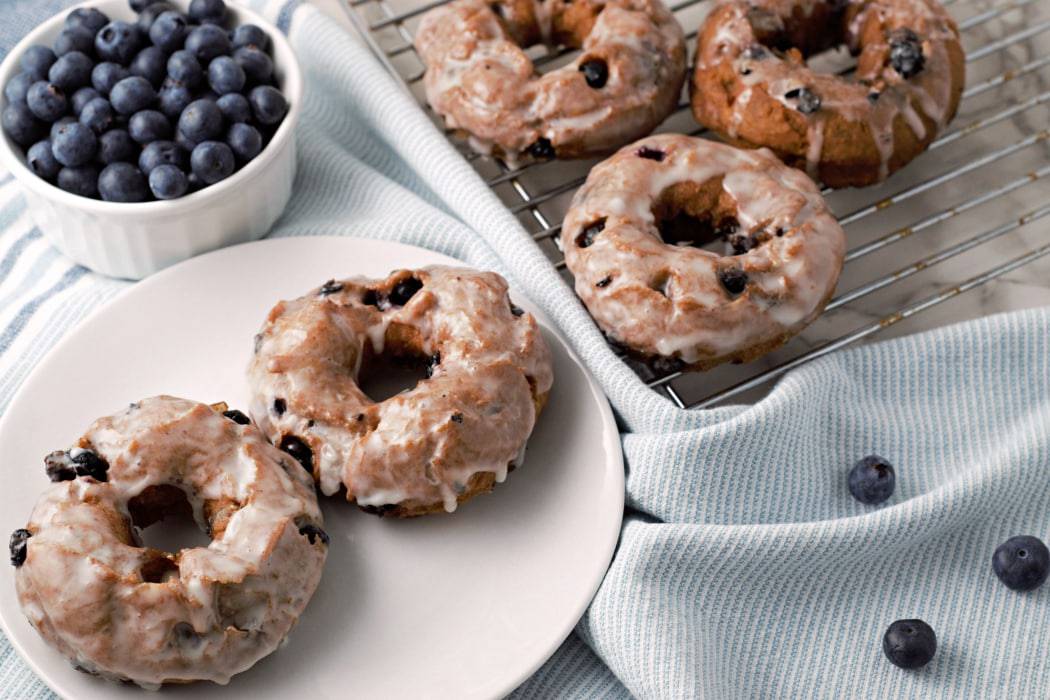
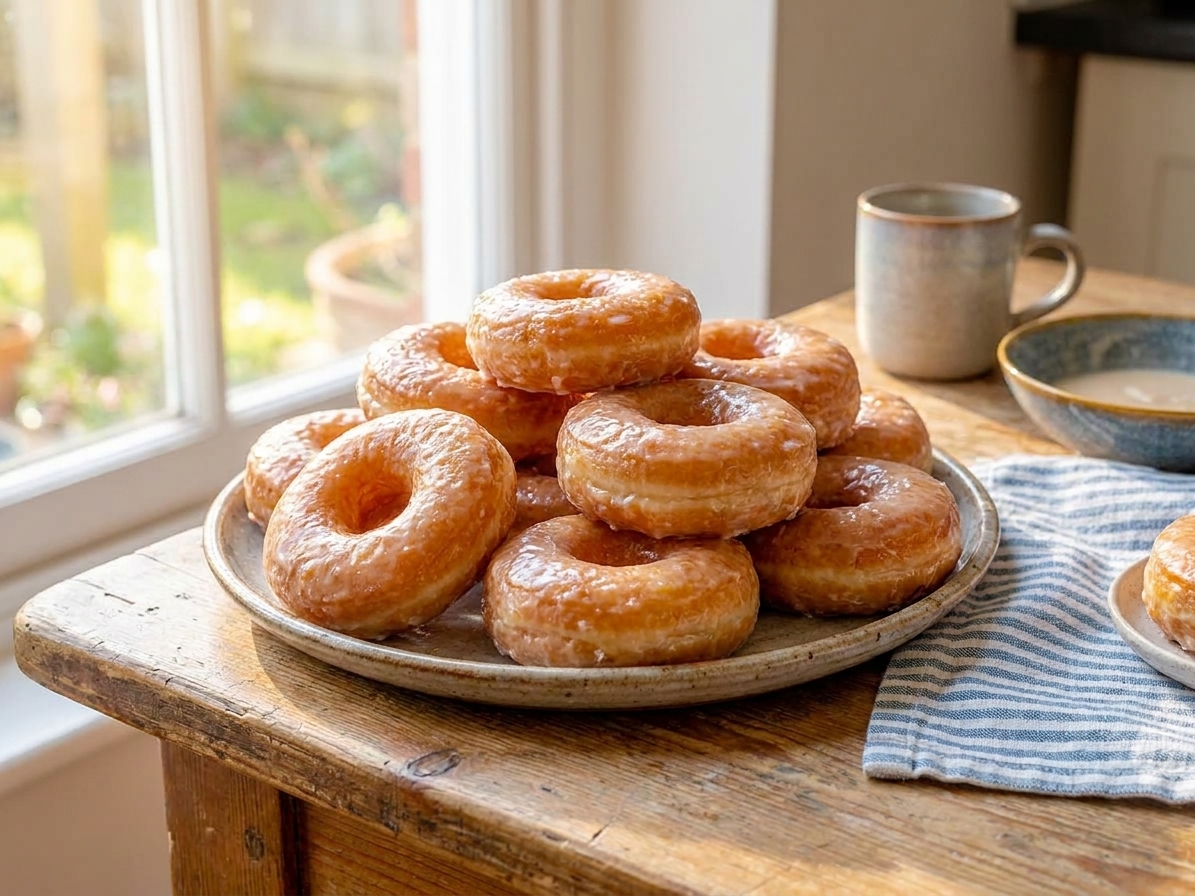
A plate of golden old-fashioned cake donuts with a shiny vanilla glaze on a wooden kitchen table in soft morning light

When I say cake donut, I mean the kind with the craggy edges that catch glaze like little flavor pockets. The kind that smells like a corner donut shop at 8 a.m., except you are in your own kitchen wearing whatever you slept in. These are old-fashioned cake donuts, so there is no yeast and no waiting for dough to rise. Just a quick mix, a short chill, and a fast fry that gives you that crisp outside and soft, tender middle.

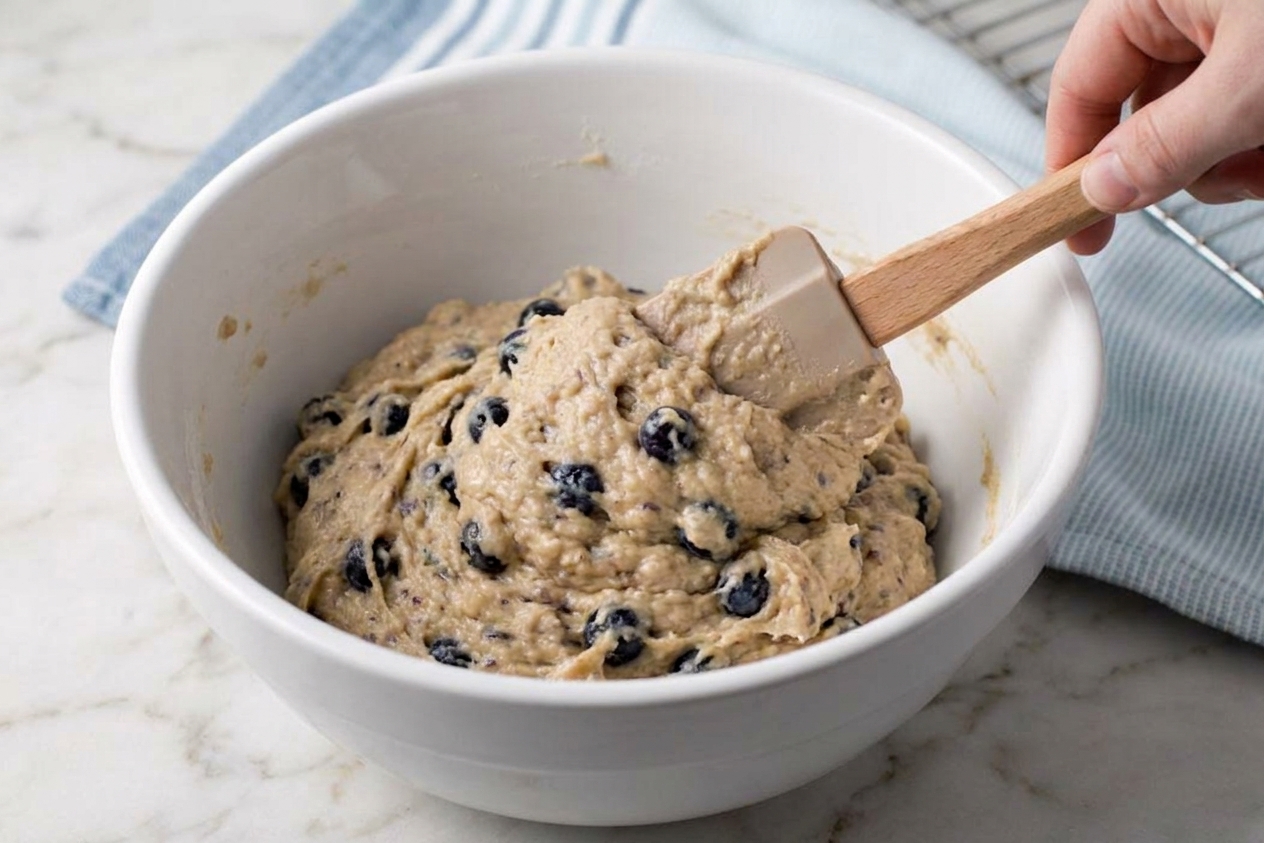
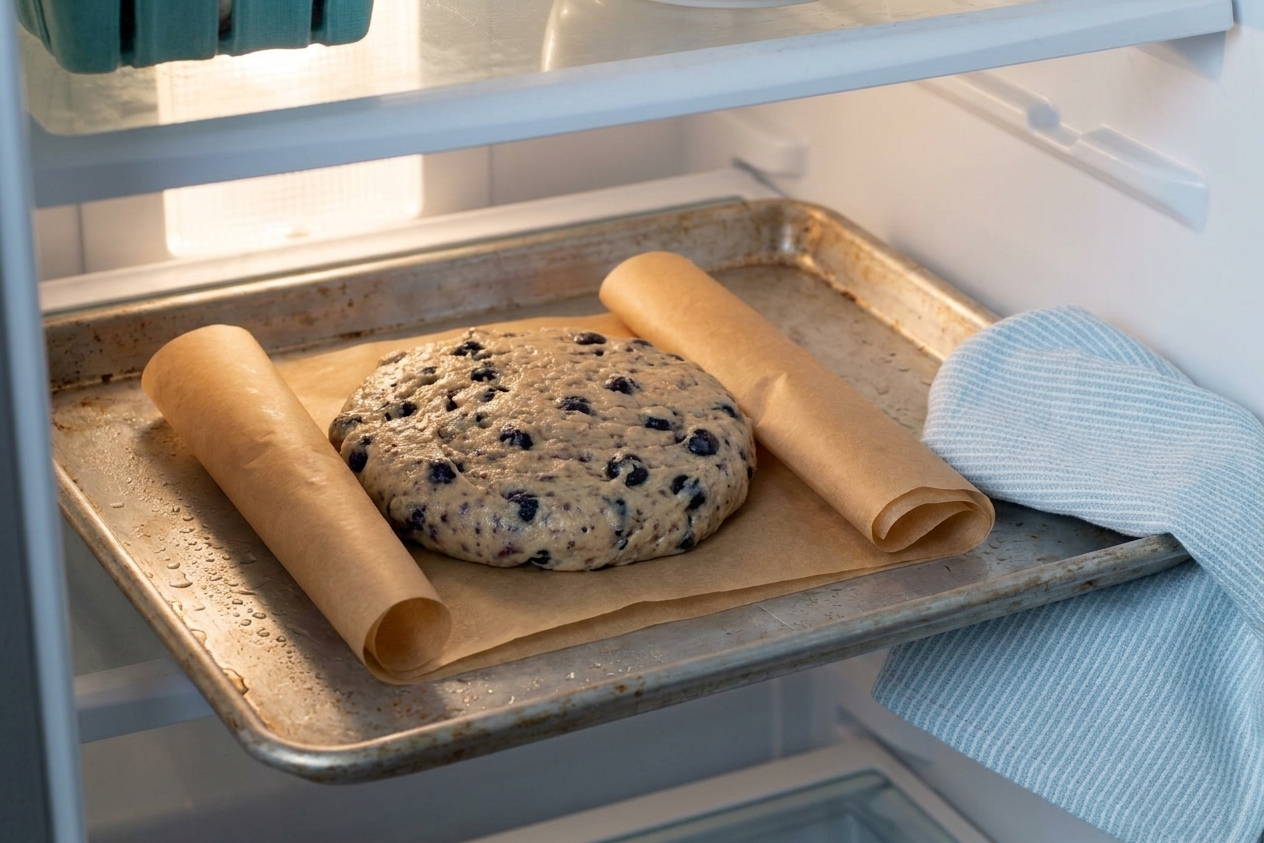
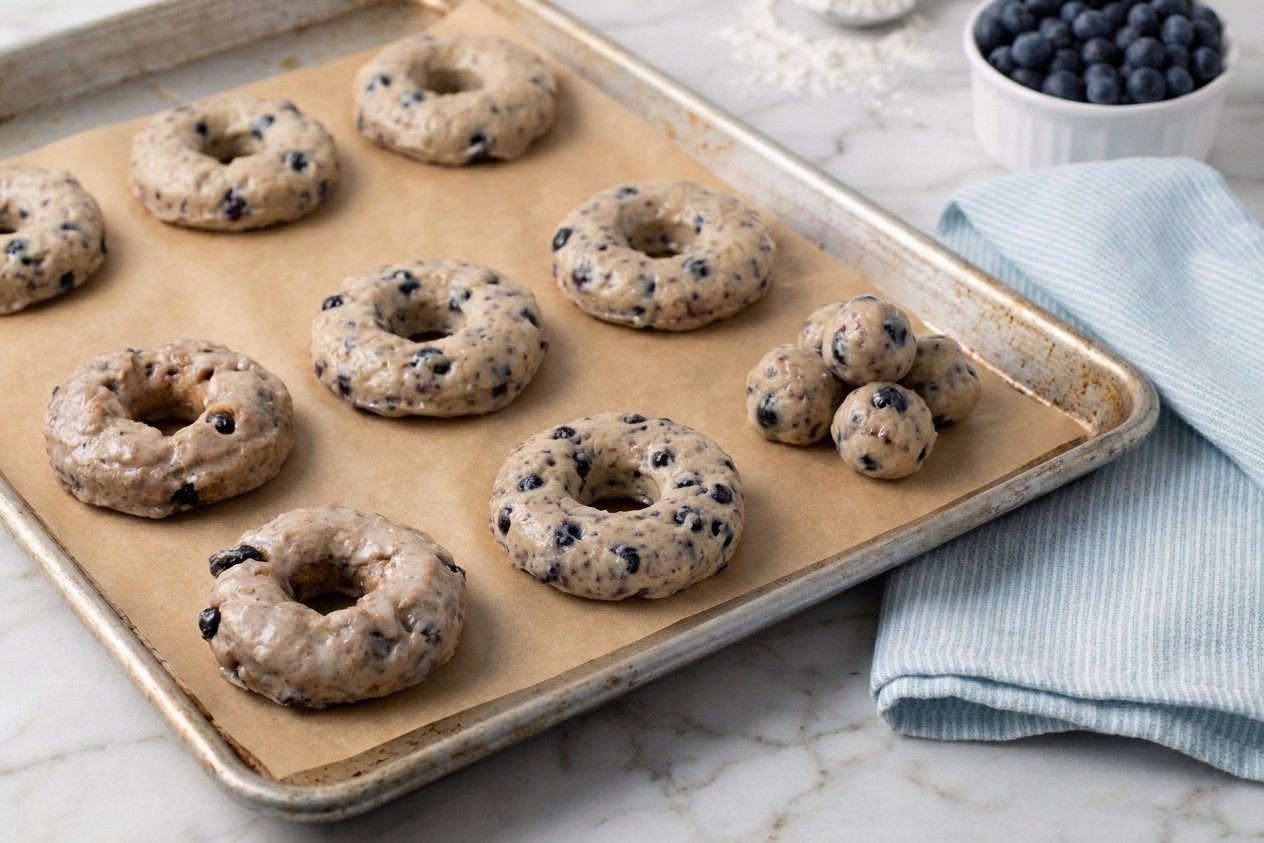
One quick expectation check: this is a soft, sticky dough, not a pourable batter. You will chill it so it behaves, roll it, cut it, and then let hot oil do its thing.

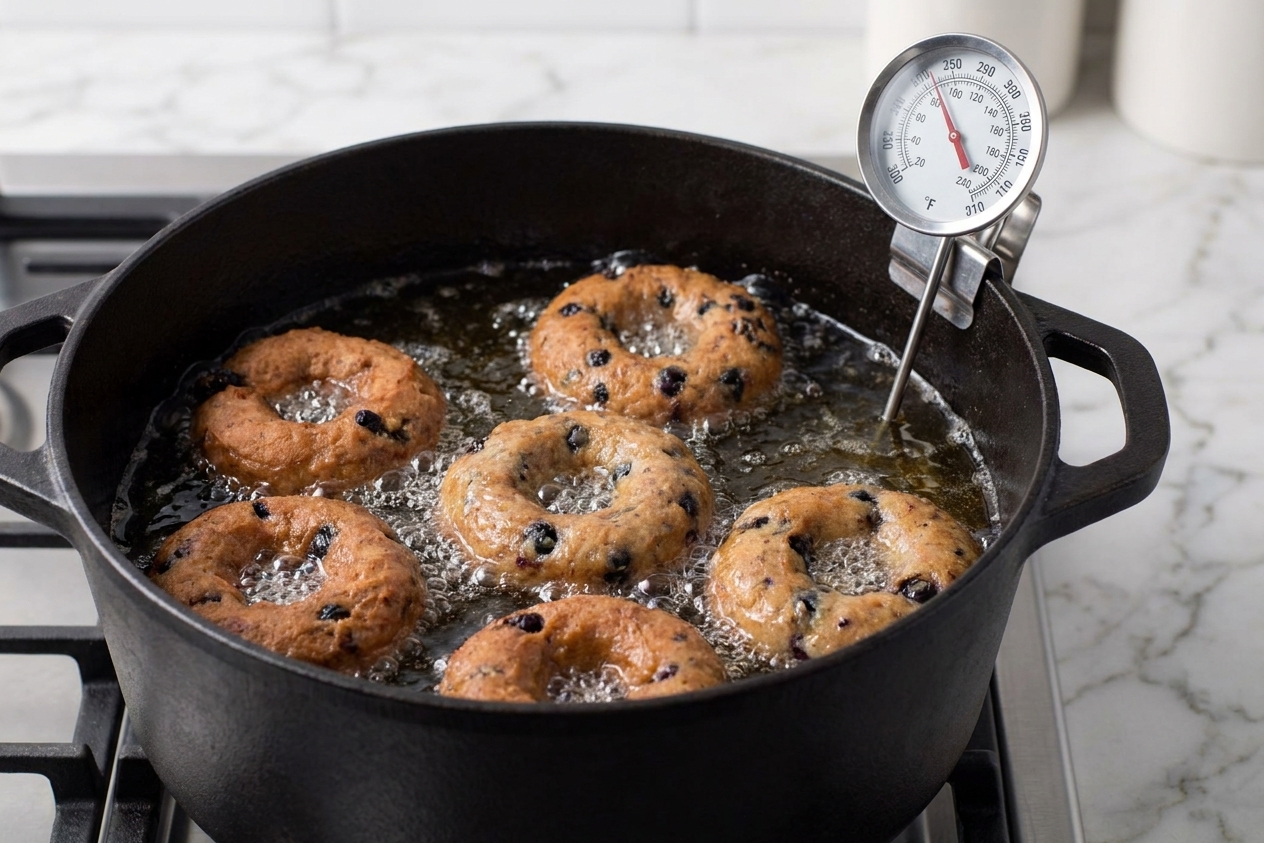
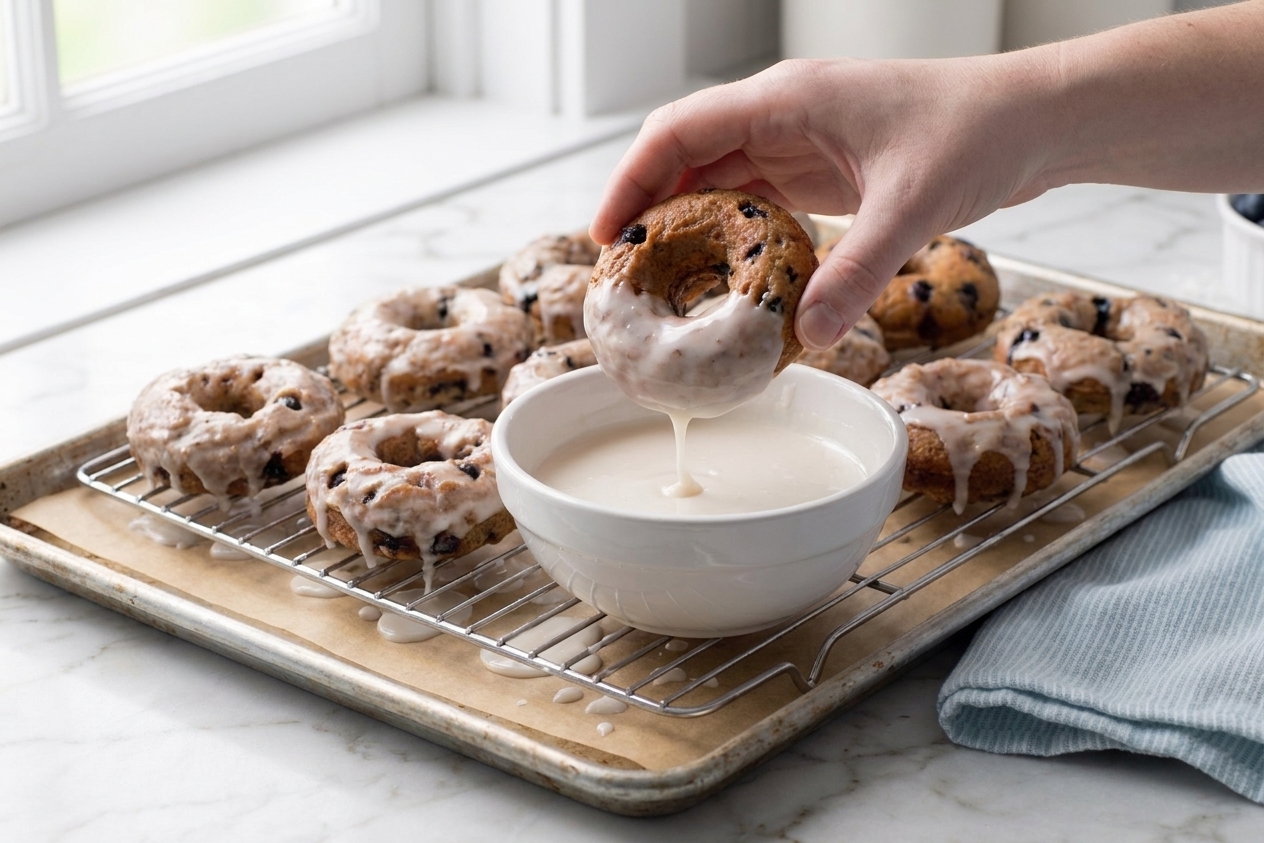
I’ll walk you through the two things that matter most: keeping the dough cold (so the donuts hold their shape and fry up light) and keeping your oil steady (so you do not end up with donuts that are brown outside and raw inside). Then we glaze them while they are still warm, because that is how you get the shiny set and the “one more bite” situation.
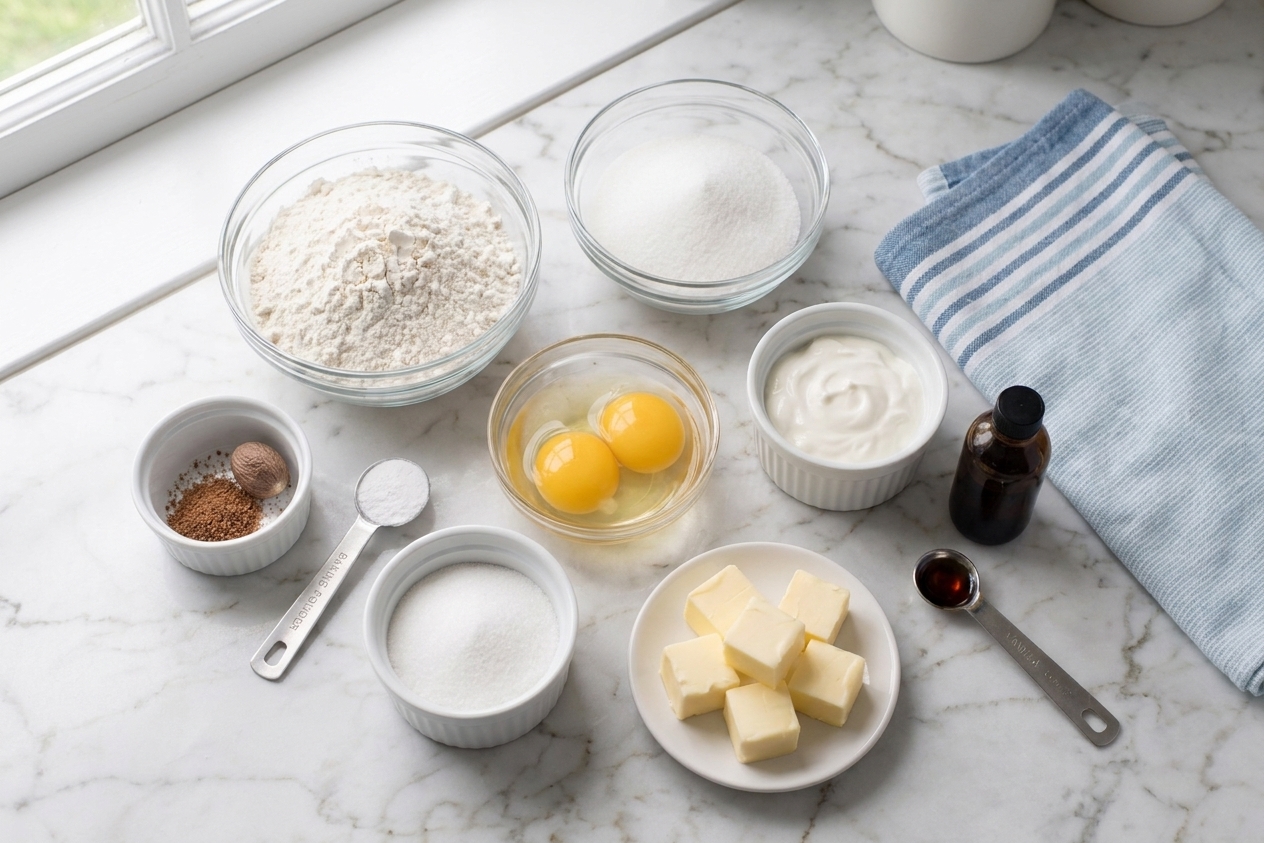
Measured ingredients for cake donuts including flour, sugar, nutmeg, eggs, sour cream, butter, baking powder, and vanilla arranged on a kitchen counter

Why It Works

  • Classic texture: a tender, cake-like crumb with crisp, craggy edges from the quick fry.
  • No yeast needed: baking powder does the lift, so you are eating donuts today, not tomorrow.
  • Big flavor with basic ingredients: a little nutmeg and vanilla gives that true donut-shop vibe.
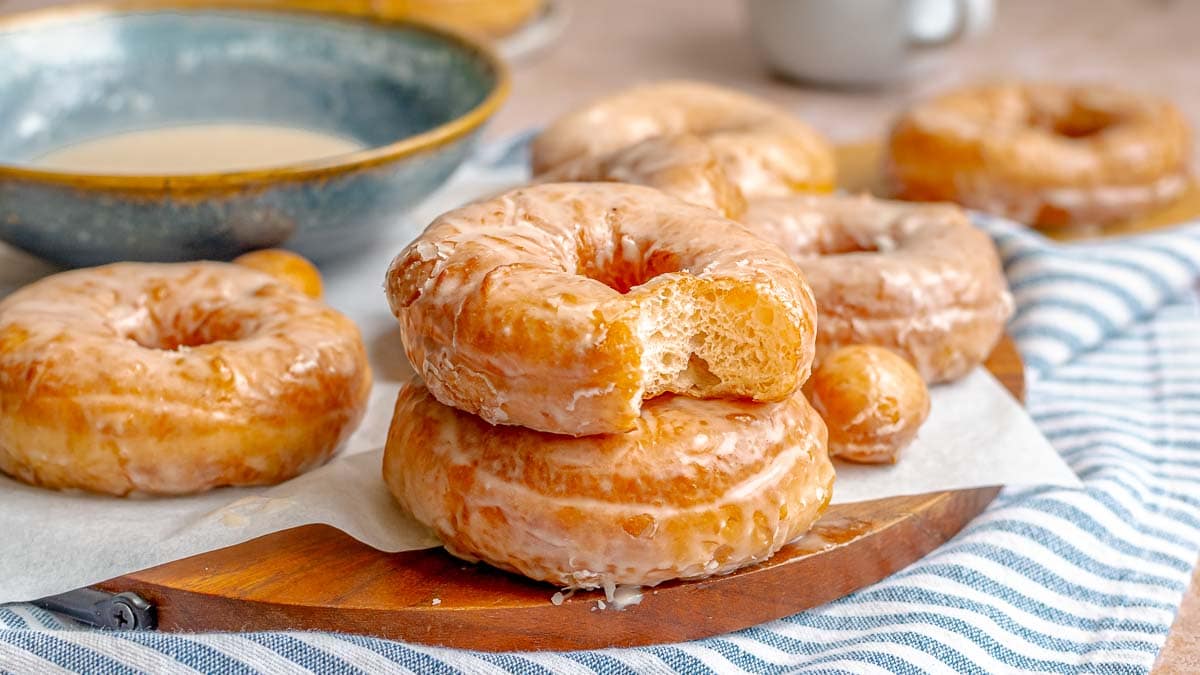
  • Glaze that behaves: dunk, drip, set. It goes on smooth and dries with a light crackle.

Pairs Well With

Storage Tips

Cake donuts are at their best the day they are fried, but you can absolutely save extras.

Room temperature

Store in an airtight container for up to 2 days. If glazed, place parchment between layers so they do not stick.

Freezer

Freeze unglazed donuts on a sheet pan until firm, then transfer to a freezer bag for up to 2 months. Thaw at room temp, then glaze fresh.

Reheating

Warm unglazed donuts in a 300°F oven for 5 to 7 minutes. Avoid the microwave if you want to keep the outside from going soft.

Common Questions

Can I bake these instead of frying?

You can, but they will not have the same crisp edges and classic old-fashioned texture. If you want to bake, use a donut pan and bake at 350°F for 10 to 14 minutes, or until the donuts spring back when lightly pressed and the edges are just turning golden. Then glaze.

If you want a richer baked version, you can optionally add 2 tablespoons melted butter to the wet ingredients when you whisk them together.

What oil is best for frying cake donuts?

Use a neutral oil with a higher smoke point like canola, vegetable, peanut, or avocado oil. Avoid olive oil here. Save it for salad dressing where it belongs.

How much oil do I need?

You want 2 to 3 inches of oil in your pot, which is usually about 2 quarts in a medium Dutch oven. The exact amount depends on your pot width.

What temperature should the oil be?

Aim for 350°F. If it drops below 330°F, the donuts can absorb oil and feel heavy. If it climbs above 365°F, the outside browns too fast before the center cooks through.

Why do my donuts come out dense?

Usually one of three things: the dough was overmixed, it warmed up too much before frying, or the oil temperature was too low. Mix just until combined, chill the cut donuts, and keep oil near 350°F.

Can I make the dough ahead of time?

Yes. Wrap the dough tightly and refrigerate for up to 24 hours. Let it sit at room temp for 5 minutes so it is rollable, then cut and fry.

Do I need a donut cutter?

Nope. Use a 3-inch round cutter and a 1-inch cutter for the hole, or improvise with a drinking glass and the cap from a bottle. Imperfect shapes still taste like donuts.

How do I know they are done?

They are ready when they float, turn deep golden with those signature cracked ridges, and feel set when you gently tap one with tongs. If you are unsure, split one: you should not see a wet line in the center.

Any frying safety tips?

Yes. Make sure the oil level stays at least 2 inches below the rim of the pot, fry in small batches, and do not walk away while the oil is heating.

The first time I tried to make cake donuts at home, I treated the dough like biscuit dough, which is to say I manhandled it like it owed me money. The result tasted fine, but the texture was… let’s call it aggressively sturdy. Once I started treating donut dough like a delicate little diva, everything clicked. Keep it cold, mix it gently, fry it fast, glaze it warm. Now these are my go-to “I want something cozy and impressive” move, especially when I have exactly one free morning and a serious craving for crisp edges.