Mom's Best Recipes
Recipe

Old-Fashioned Vanilla Custard

A silky stovetop custard that tastes like vanilla ice cream’s cozier cousin, with simple steps and a no-stress method that keeps it smooth.

Author By Matt Campbell
4.8
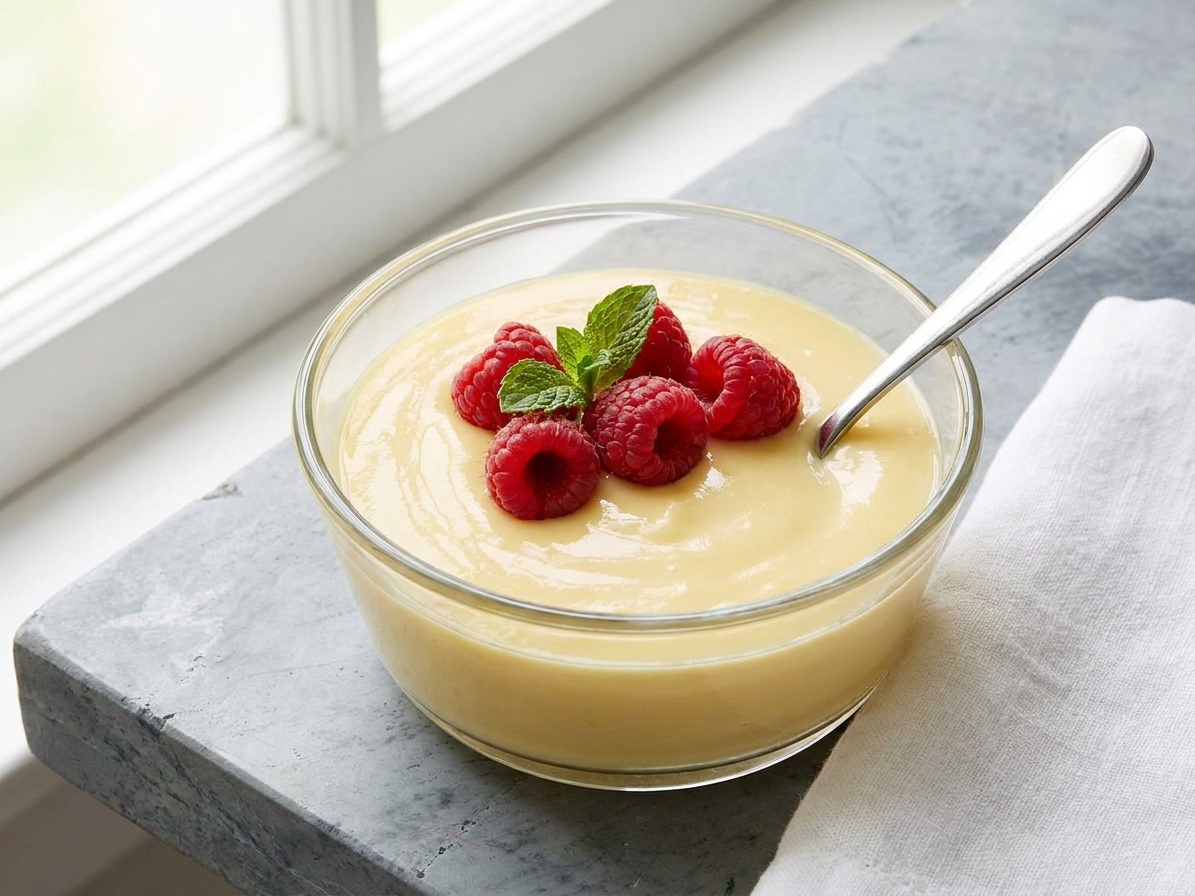
A small glass bowl of glossy vanilla custard topped with a few fresh raspberries on a light stone countertop with soft window light

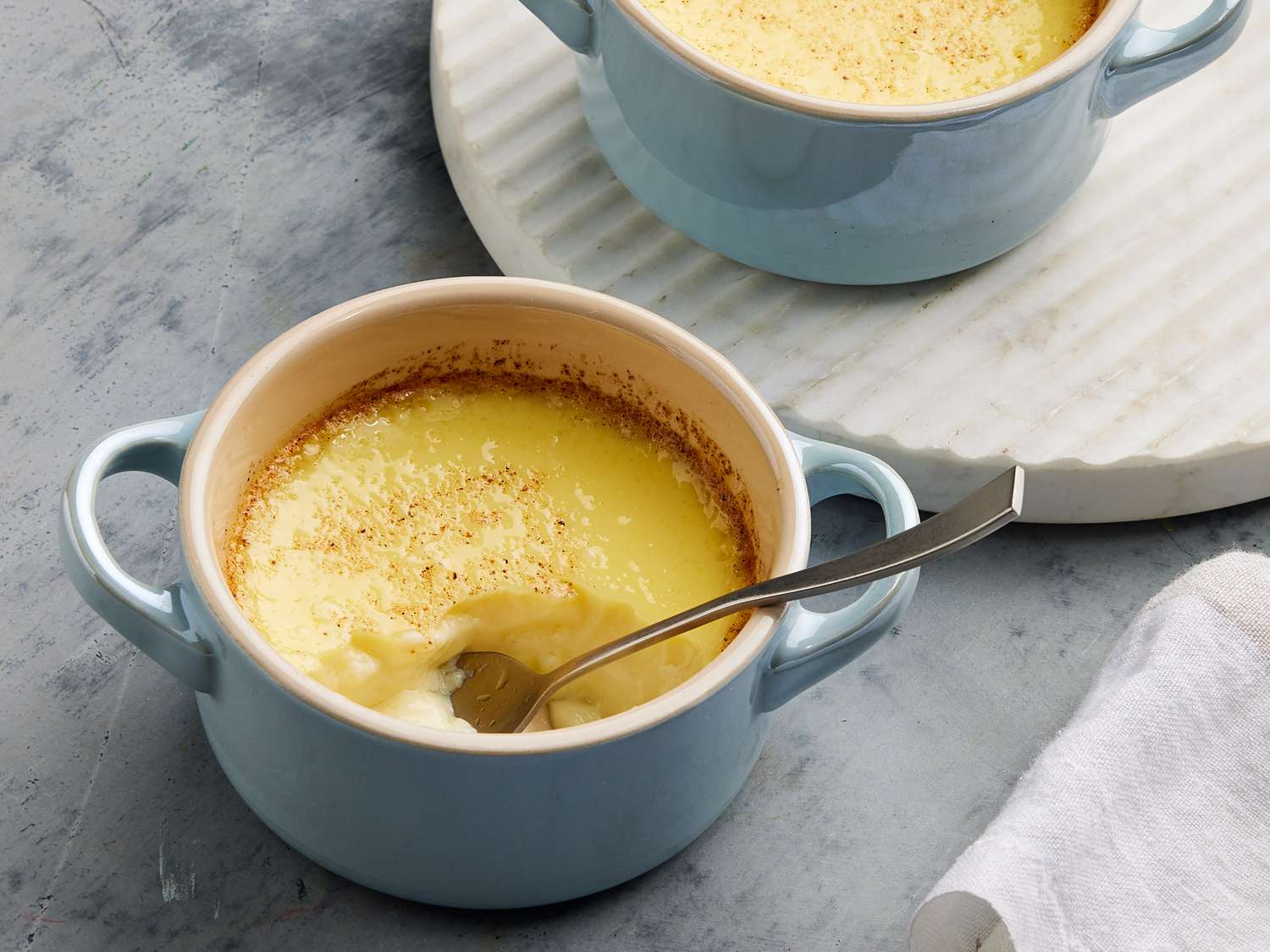
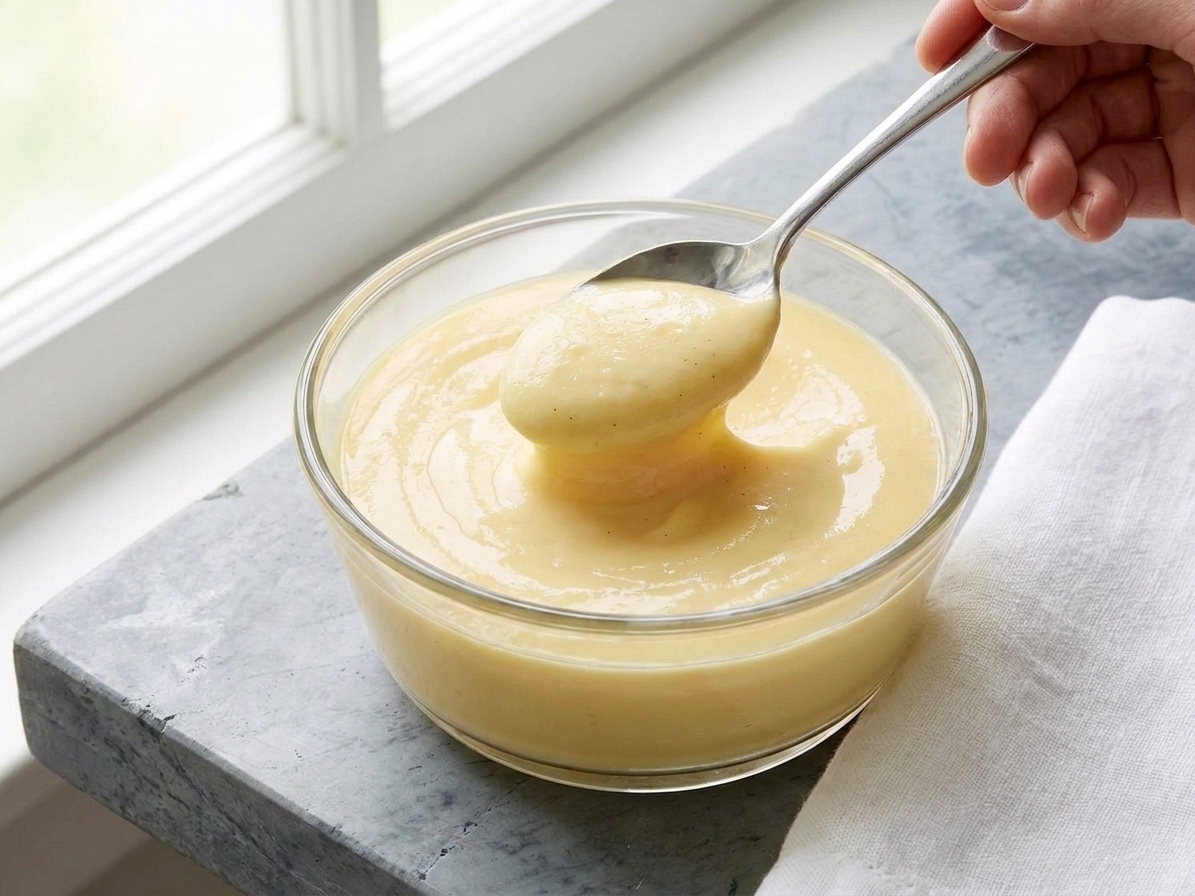
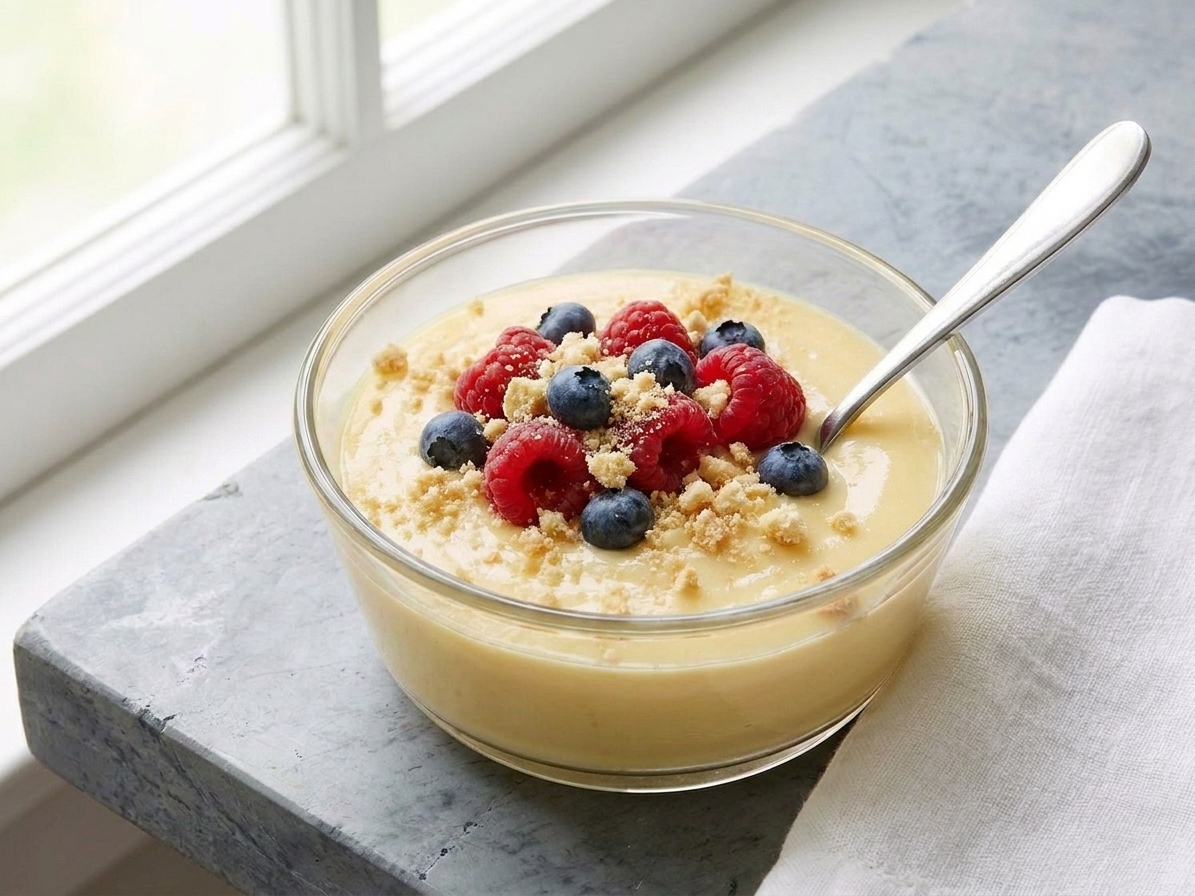
Custard is one of those desserts that feels fancy until you realize it is basically: milk, eggs, sugar, heat, and a little patience. This version is my go-to stovetop vanilla custard, thickened with eggs plus a little cornstarch for stability. It is the kind you can spoon warm over berries, chill into that spoonable set, or eat straight from the bowl while you pretend you are just “tasting for quality control.”

The vibe here is relaxed but attentive. Custard is not hard, it is just honest. If you blast the heat, it will tell on you by turning grainy or scrambling. If you treat it gently, you get that silky, spoon-coating texture that makes you pause mid-bite like, okay, wow.

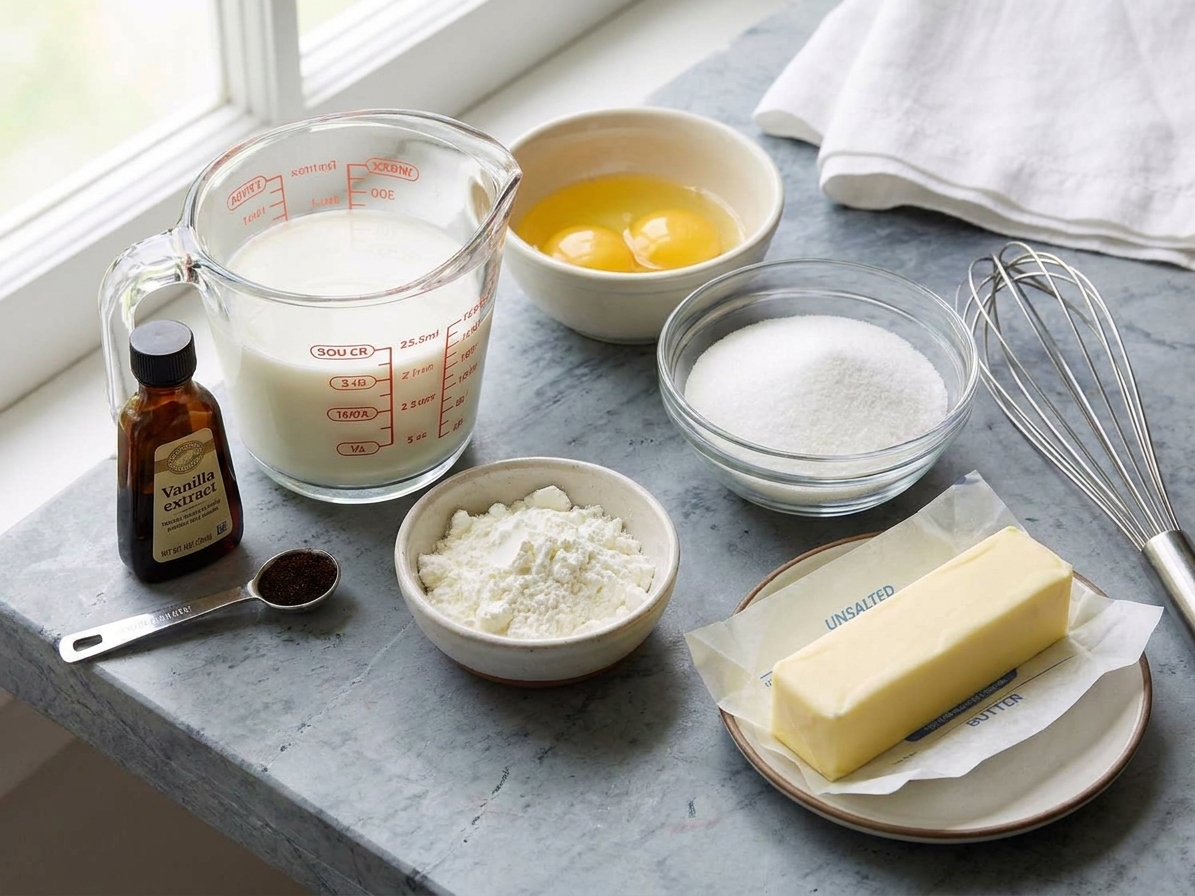
Whole eggs, egg yolks, sugar, milk, cornstarch, butter, and vanilla arranged on a clean kitchen counter in natural light

Why It Works

  • Silky texture, no drama: A low-and-slow cook plus constant whisking keeps the eggs from scrambling.
  • Bright vanilla flavor: Vanilla and a tiny pinch of salt make the flavor pop instead of tasting flat or overly sweet.
  • Firm and spoonable when chilled: A little cornstarch helps the custard set up nicely for parfaits, trifles, and pie layers.
  • Easy to fix: If it gets a few lumps, you can strain it and move on like nothing happened.

Pairs Well With

Storage Tips

How to Store Custard

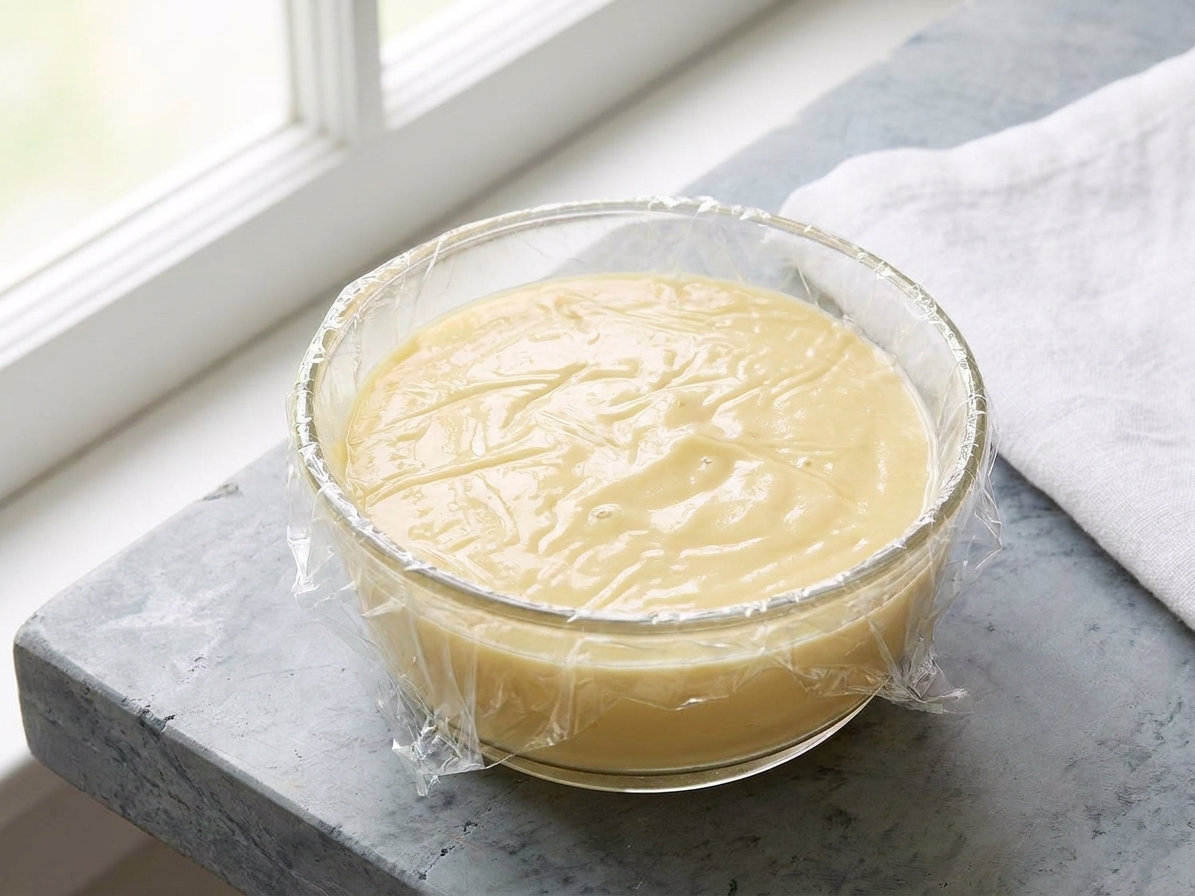
Refrigerator: Cool promptly, then transfer custard to a bowl or container and press plastic wrap directly onto the surface (this prevents a skin). Keep refrigerated and enjoy within 2 to 3 days.

To serve later: Custard thickens as it chills. Whisk briefly to loosen. If it is very firm, whisk in a splash of cold milk, 1 teaspoon at a time, until creamy again.

Freezing: I do not recommend freezing traditional egg custard. It often turns watery or grainy when thawed.

A bowl of vanilla custard with plastic wrap pressed directly onto the surface on a kitchen counter, ready for refrigeration

Common Questions

Common Custard Questions

What is the difference between custard and pudding?

Custard is thickened primarily with eggs (sometimes with a little starch for insurance). Pudding is usually thickened mostly with starch like cornstarch. This recipe is a comfy middle ground: egg-rich for flavor, plus a little cornstarch so it sets up nicely and stays smooth.

Why did my custard turn lumpy?

Usually it is one of three things: the heat was too high, the whisking was not constant (especially in the corners), or the bottom started to scorch. This cold-start method does not require tempering, so lumps are rarely a tempering issue here. Good news: you can strain it through a fine-mesh sieve and it will still taste great.

How do I know when custard is done?

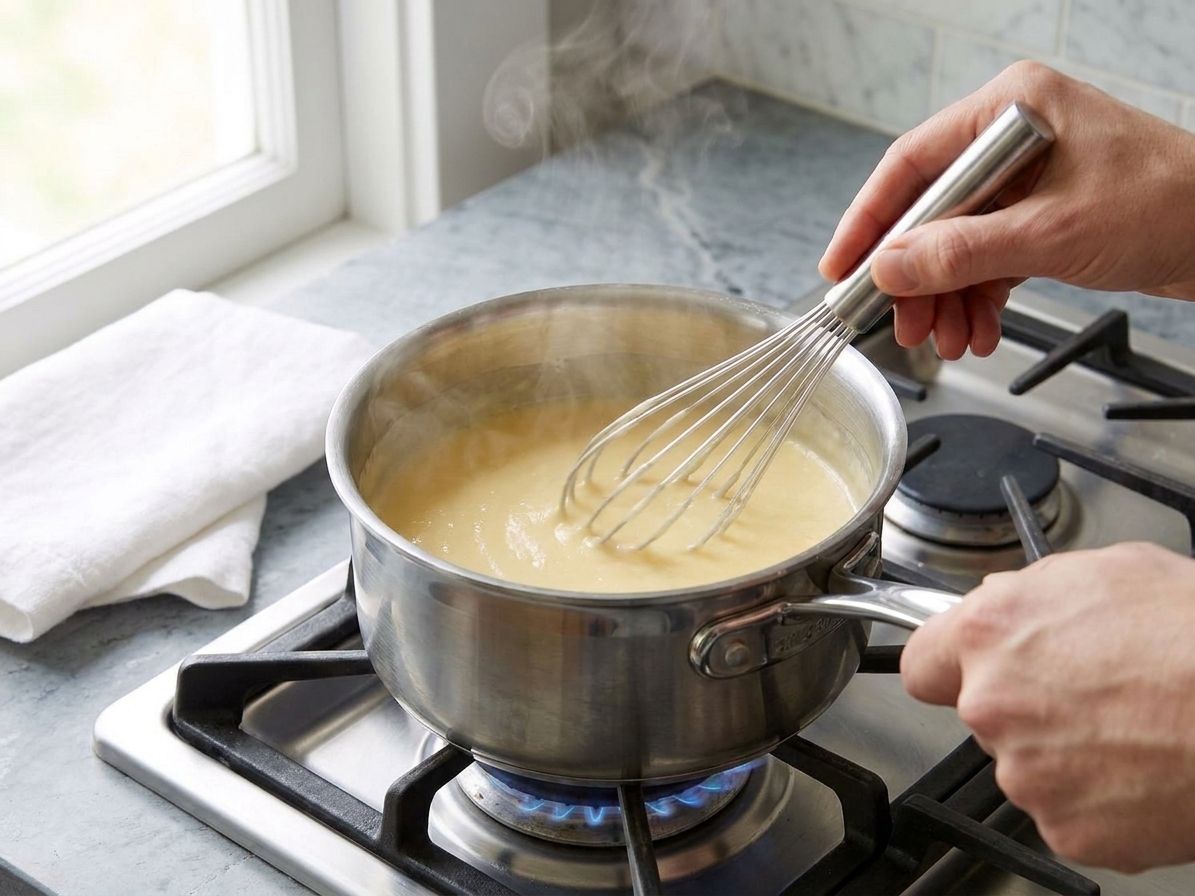
With cornstarch in the mix, do not stop at the “coats a spoon” stage alone. You want to see the first slow bubbles (usually around the edges first), then keep whisking for 30 to 60 seconds. That brief bubbling activates the cornstarch and keeps the yolks from thinning it later. If you use a thermometer, aim for a gentle simmer, typically around 200°F to 212°F, then hold it there briefly while whisking.

Can I use half-and-half or cream?

Yes. Swapping some milk for half-and-half makes it richer and a little more forgiving. I would keep at least some milk in the mix so it does not feel heavy.

My custard tastes eggy. How do I fix that?

Eggy flavor can come from overcooking or cooking too hot. Next time, stay medium-low and stop as soon as it reaches that gentle bubbling window. For this batch, serve it well-chilled with fruit, a little whipped cream, or a crisp cookie to balance it.

I used to think custard was one of those “chef-only” things, like laminated dough or perfectly behaved soufflés. Then I started chasing practical skills, the kind you can actually use on a random Tuesday, and custard became a quiet flex in my kitchen. It taught me heat control, patience, and that whisking for a few extra minutes is basically a love language. Now it is my go-to move when I want dessert that feels like a hug but still tastes sharp and intentional, especially with a little extra salt and a real hit of vanilla.