Common Custard Questions
What is the difference between custard and pudding?
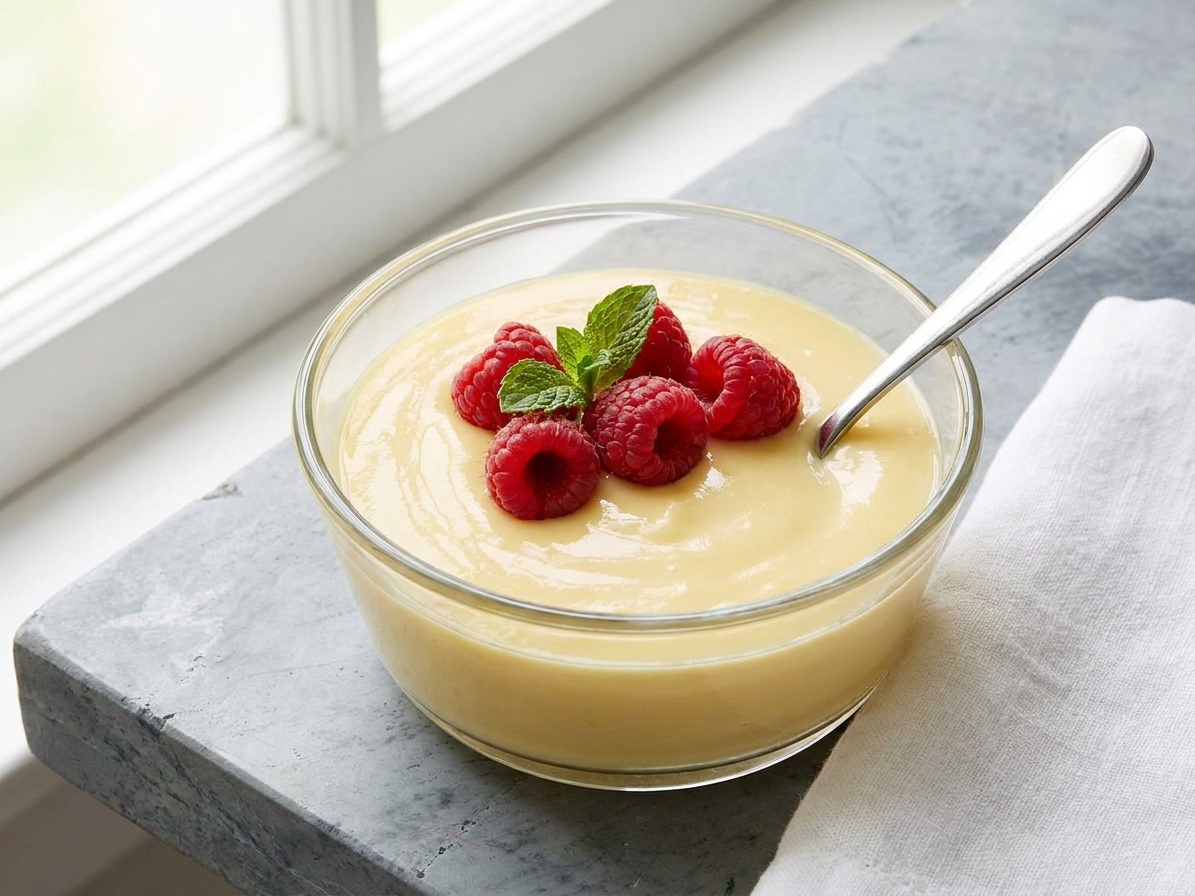
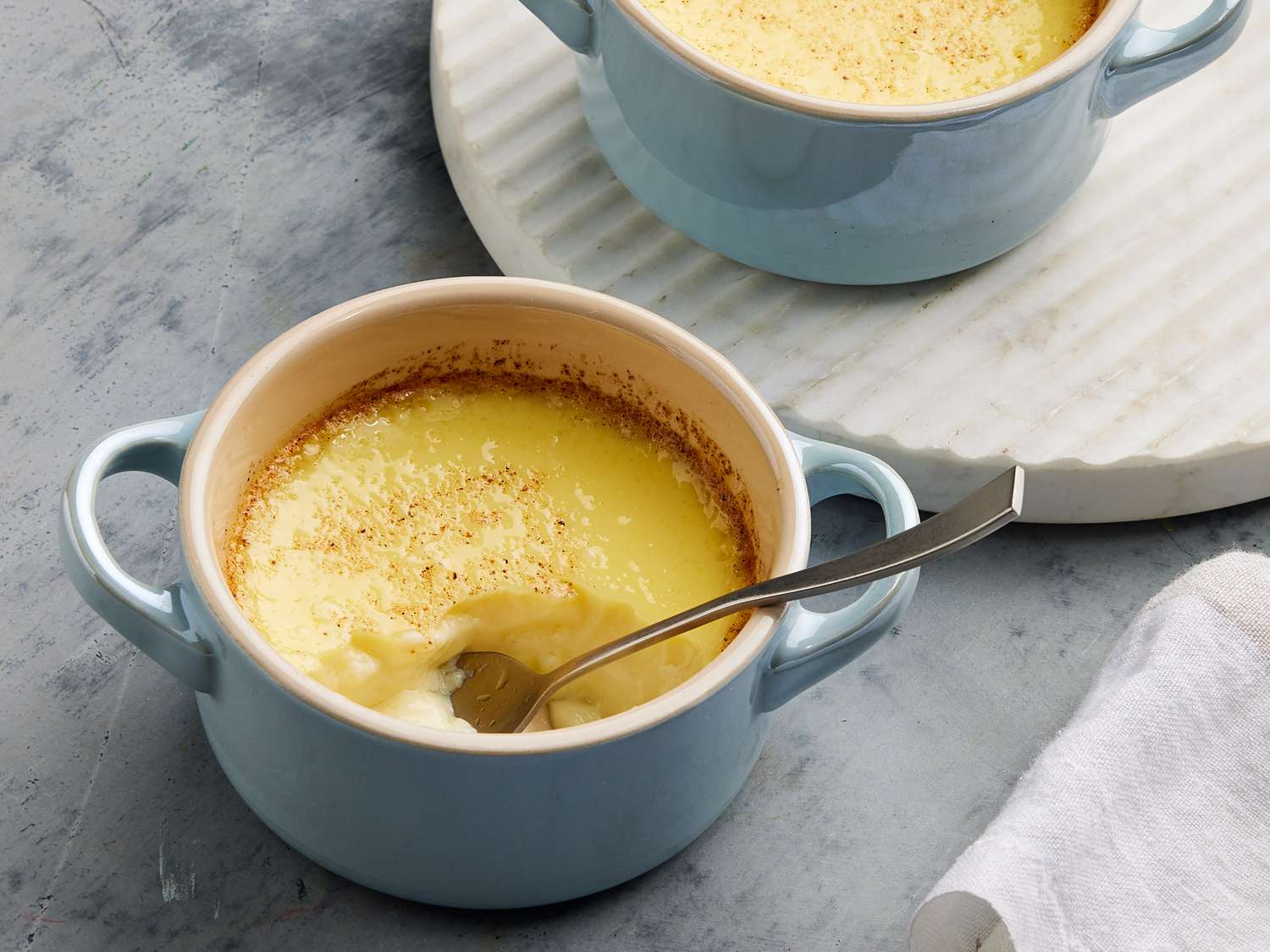
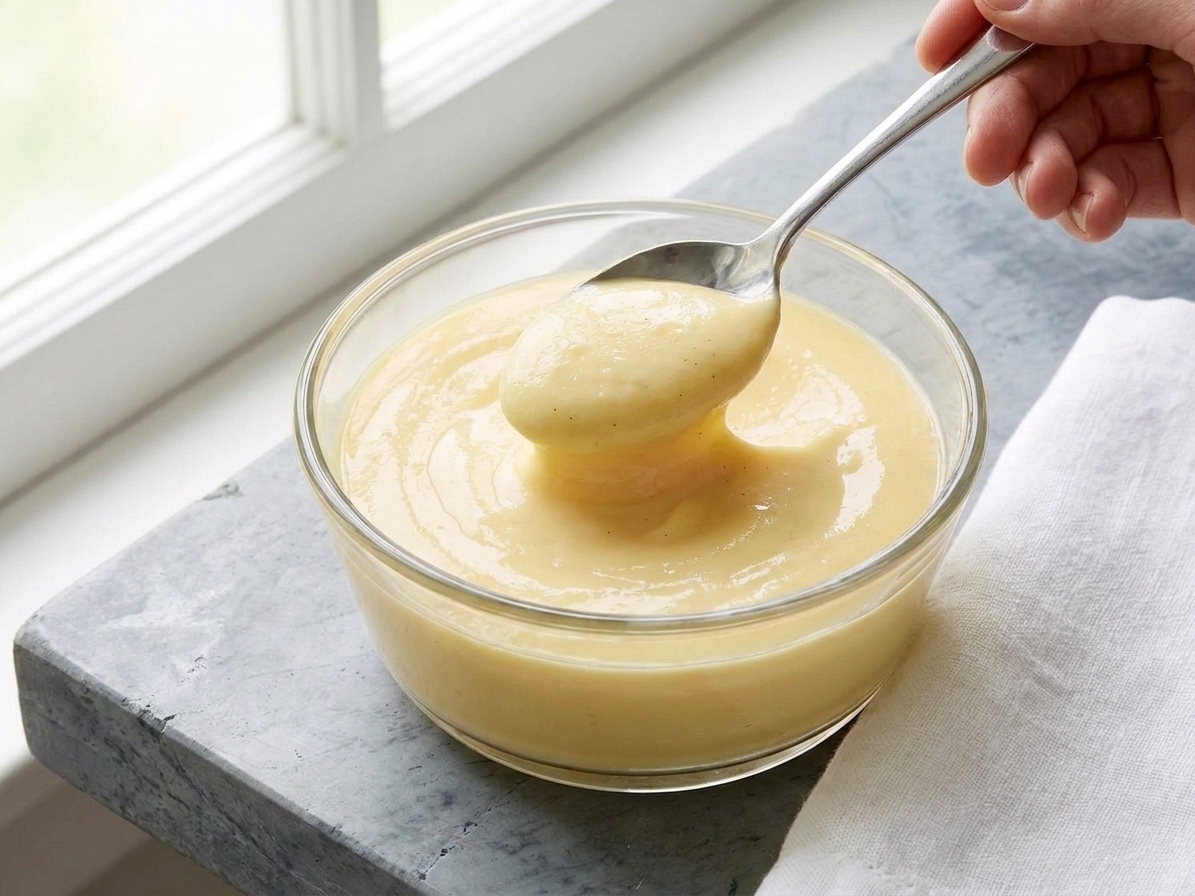
Custard is thickened primarily with eggs (sometimes with a little starch for insurance). Pudding is usually thickened mostly with starch like cornstarch. This recipe is a comfy middle ground: egg-rich for flavor, plus a little cornstarch so it sets up nicely and stays smooth.
Why did my custard turn lumpy?
Usually it is one of three things: the heat was too high, the whisking was not constant (especially in the corners), or the bottom started to scorch. This cold-start method does not require tempering, so lumps are rarely a tempering issue here. Good news: you can strain it through a fine-mesh sieve and it will still taste great.
How do I know when custard is done?
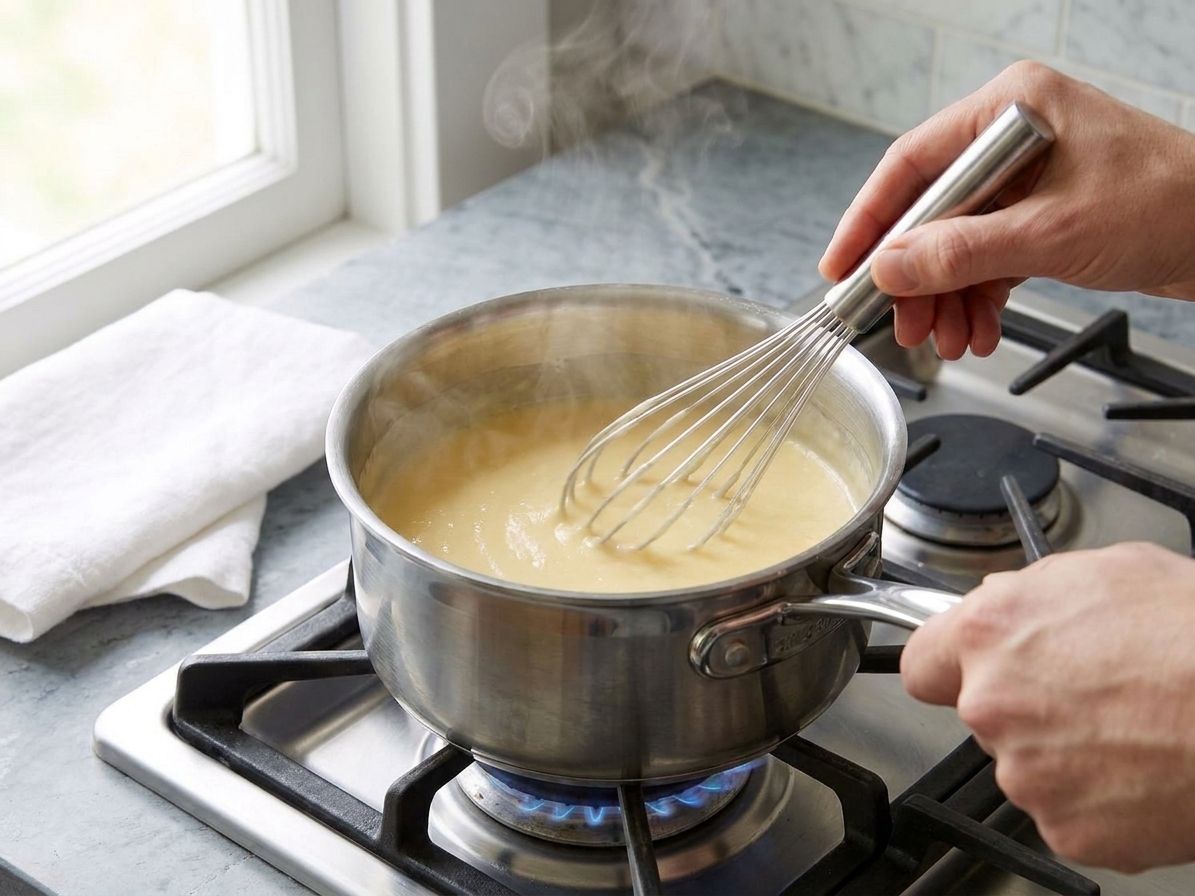
With cornstarch in the mix, do not stop at the “coats a spoon” stage alone. You want to see the first slow bubbles (usually around the edges first), then keep whisking for 30 to 60 seconds. That brief bubbling activates the cornstarch and keeps the yolks from thinning it later. If you use a thermometer, aim for a gentle simmer, typically around 200°F to 212°F, then hold it there briefly while whisking.
Can I use half-and-half or cream?
Yes. Swapping some milk for half-and-half makes it richer and a little more forgiving. I would keep at least some milk in the mix so it does not feel heavy.
My custard tastes eggy. How do I fix that?
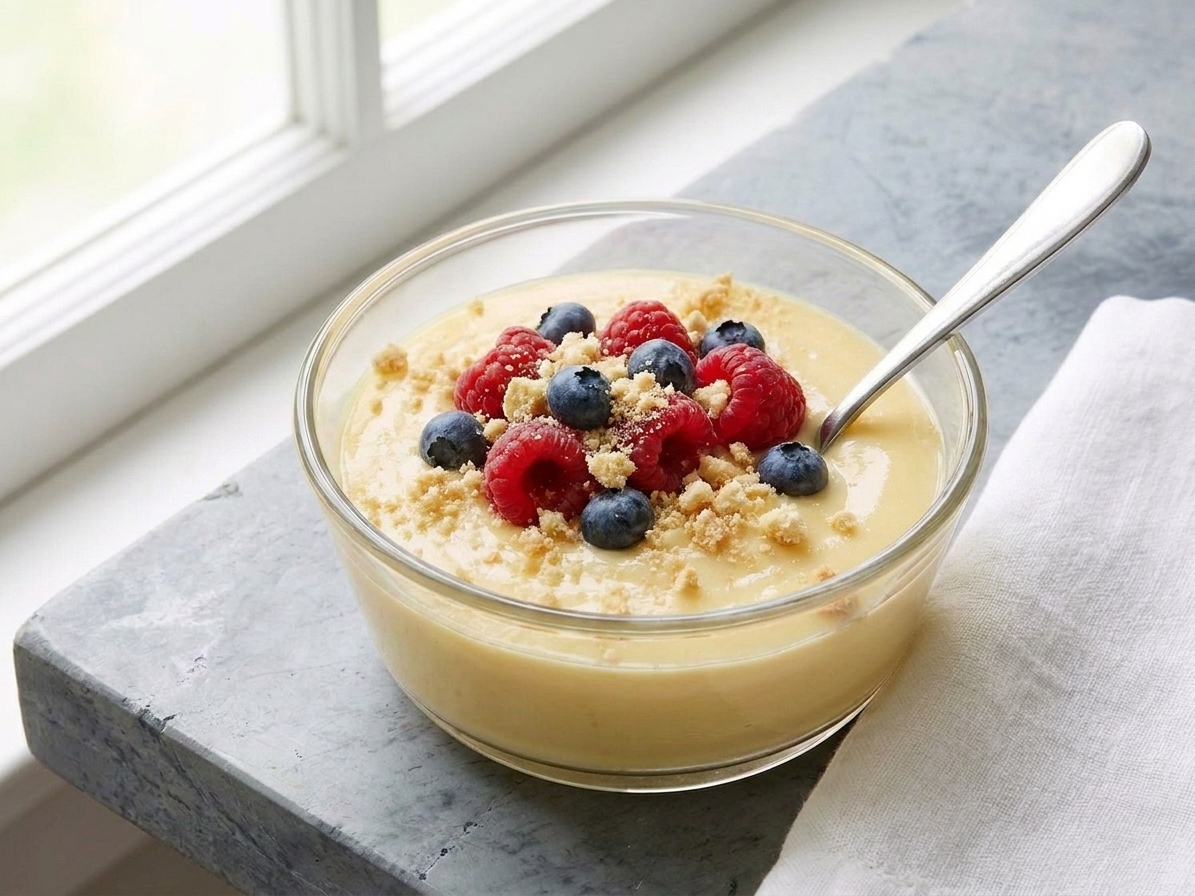
Eggy flavor can come from overcooking or cooking too hot. Next time, stay medium-low and stop as soon as it reaches that gentle bubbling window. For this batch, serve it well-chilled with fruit, a little whipped cream, or a crisp cookie to balance it.