Mom's Best Recipes
Recipe

Ooni Pizza Dough

Crisp, blistered crust with an airy rim and a dough that is easy to stretch and launch.

Author By Matt Campbell
4.8
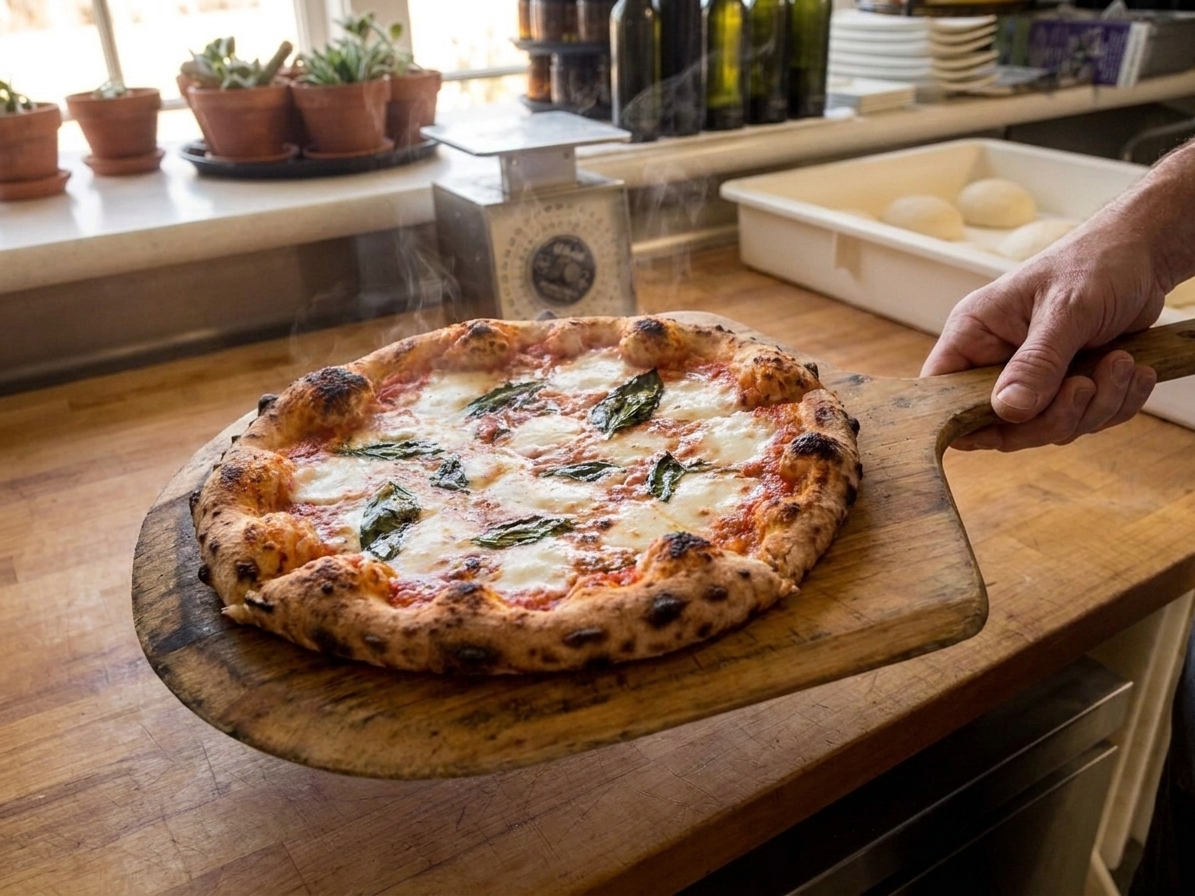
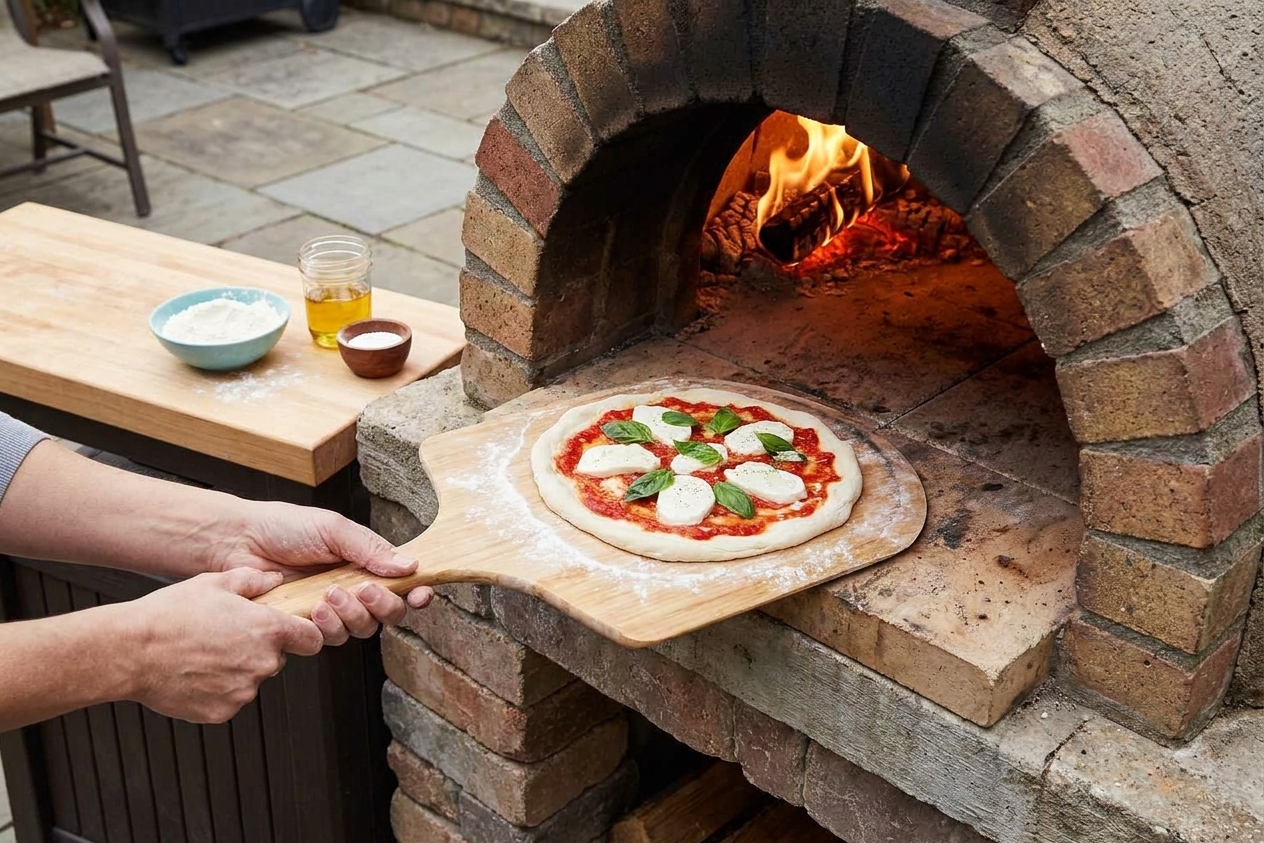
A freshly baked Neapolitan-style pizza with blistered crust coming out of an Ooni-style outdoor pizza oven on a backyard table

If you have an Ooni (or any high-heat pizza oven), the dough matters as much as the flame. Not in a precious, fussy way, but in a this is what makes the crust leopard-spot and the middle stay tender kind of way.

This is my go-to Ooni pizza dough: simple ingredients, clear steps, and timing you can flex depending on whether you are planning ahead or making a “pizza tonight, no excuses” call. It is built for high heat, so it stretches without tearing, puffs at the edges, and browns fast without turning into a cracker.

Read the tips, trust the scale, and taste your way through. Pizza night is supposed to feel like a win, not a worksheet.

Why It Works

  • Balanced hydration for Ooni heat: Enough water for an airy rim, not so much that it glues itself to the peel.
  • Two fermentation paths: Same dough, choose same-day (quick) or cold ferment (better flavor, easier stretching).
  • Stronger gluten without drama: A short rest and a few folds give you structure so the dough launches cleanly.
  • Seasoned correctly: Salt is not optional. It is the difference between “fine” and “why is this so good.”

Pairs Well With

Storage Tips

Storing dough balls

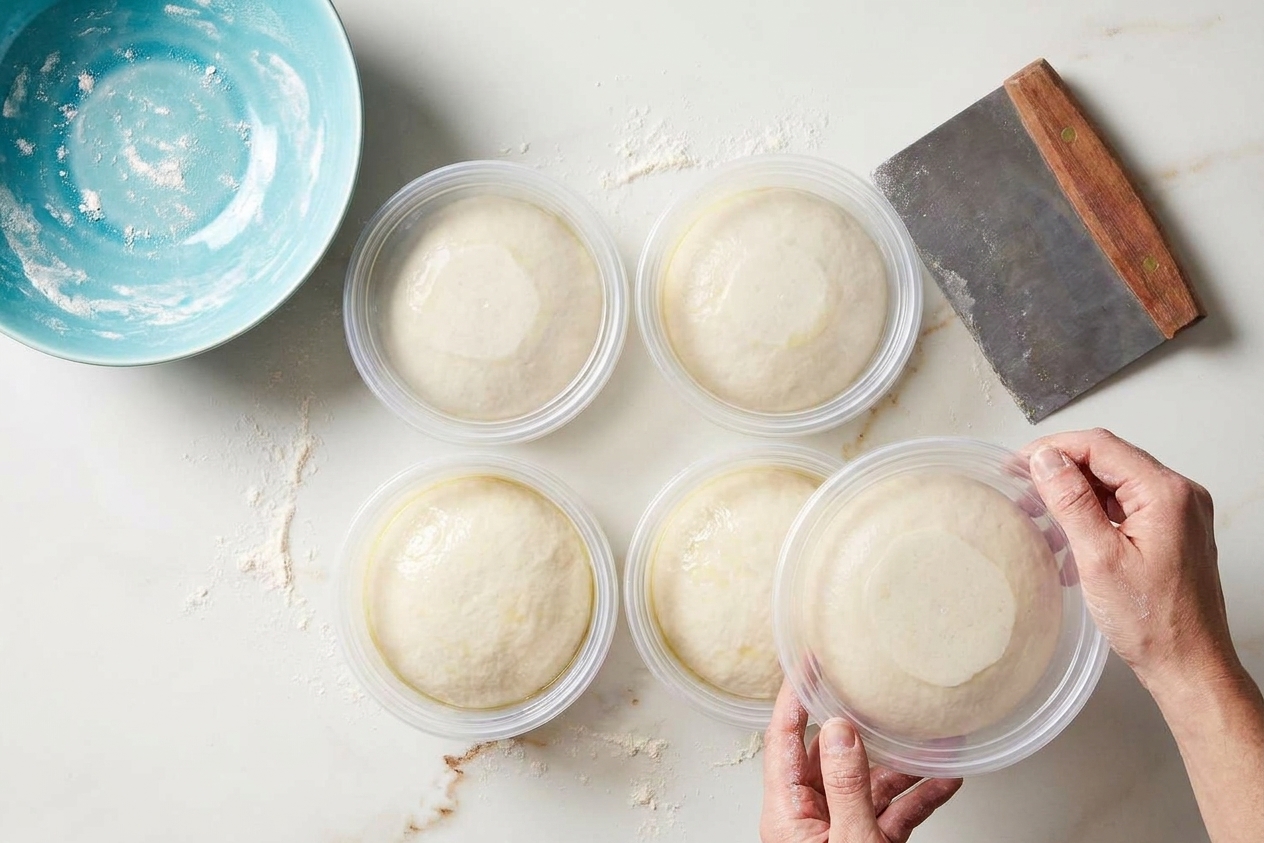
  • Fridge (best): Lightly oil individual containers, add dough balls, cover, and refrigerate up to 3 days. For best stretch, let dough sit at room temp 60 to 120 minutes before baking.
  • Freezer: After the dough balls have rested and smoothed out (about 30 minutes), place in oiled freezer containers or bags and freeze up to 2 months. Thaw overnight in the fridge, then bring to room temp before stretching.

Storing baked crust

  • Let slices cool, then refrigerate in an airtight container up to 4 days.
  • Reheat on a hot skillet, pizza steel, or directly on the oven rack at 450°F until crisp.

Common Questions

What flour should I use for Ooni pizza dough?

00 flour is the classic choice for high-heat pizza ovens because it stays tender and bakes fast. That said, bread flour works great too and can be a little more forgiving when stretching. If you are new to pizza, bread flour is a confidence booster.

Do I need a mixer?

Nope. This dough is designed to work with a bowl, your hands, and a little patience. A mixer is nice, not necessary.

Why is my dough sticking to the peel?

Usually one of three things: (1) the dough is a little too wet for your setup, (2) it sat too long on the peel and started to glue itself down, or (3) your dusting flour absorbed moisture. Fix it by dusting the peel with semolina or a 50-50 mix of semolina and flour, building the pizza fast, keeping toppings light (especially sauce), and giving the peel a quick shake every 20 to 30 seconds while topping.

How long should I preheat my Ooni?

Most Ooni ovens do best with at least 20 to 30 minutes of preheating. You want the stone fully charged with heat so the bottom sets fast. If you are using an infrared thermometer, check the center of the stone, and remember the back corner usually runs hotter.

Can I make this dough same day?

Yes. You will get a great pizza with a 3 to 4 hour room-temperature rise. If you can cold ferment overnight, the flavor and handling get even better.

How do I stretch without tearing?

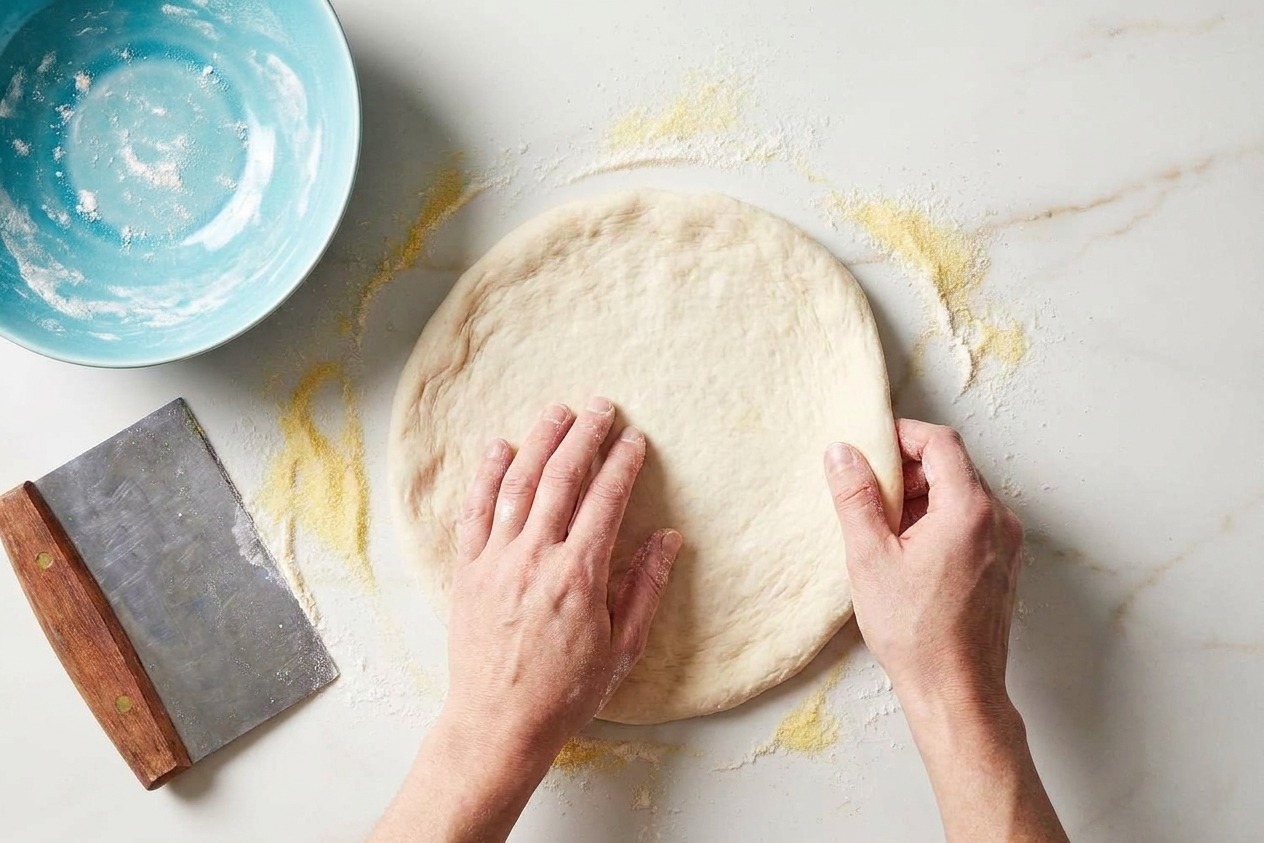
Use room-temp dough, start with a gentle press leaving a thicker rim, then stretch over your knuckles. If it snaps back, rest it 10 minutes and try again. Gluten needs a breather sometimes, same as us.

How do I do a cold ferment with this dough?

Two easy options:

  • Ball then chill (easiest): After dividing and balling, cover and refrigerate 24 to 72 hours. Before baking, let dough sit at room temp 60 to 120 minutes until relaxed.
  • Bulk then chill (tidier containers): After the first rise, refrigerate the whole dough 24 to 48 hours, then divide, ball, and proof at room temp 2 to 3 hours.

If you are going longer than 48 hours, consider dropping yeast slightly (for example 0.5 to 0.8 g) so the dough does not overproof in the fridge.

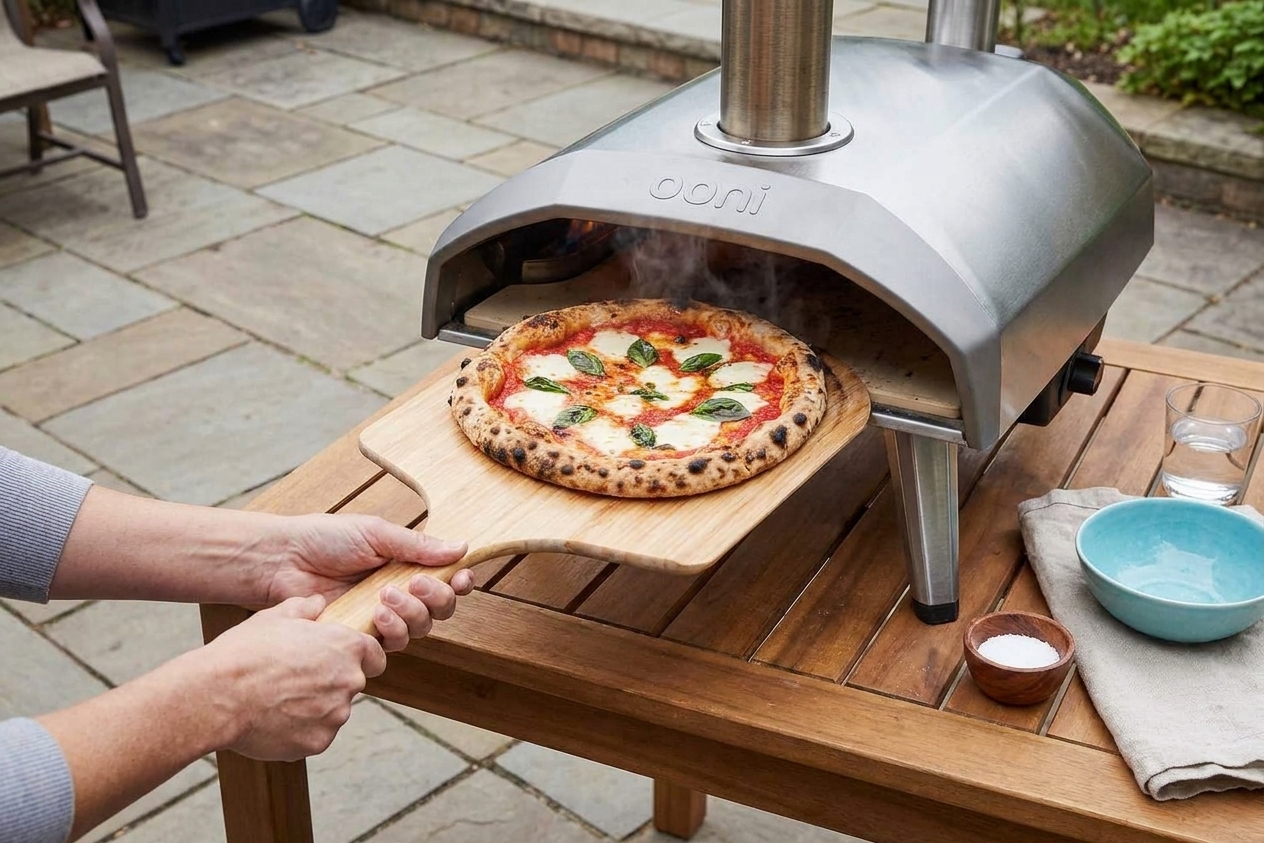
The first time I cooked in a ripping-hot pizza oven, I learned a humbling lesson: the flame is not the hard part. The dough is. I launched a pizza that looked amazing for exactly two seconds, then it welded itself to the peel like it had a long-term lease.

This recipe is the version I wish I had that day. It is friendly, it stretches without a fight, and it gives you those crisp, blistered edges that make people hover near the oven pretending they are “just watching” when they are really waiting for the next slice.