Mom's Best Recipes
Recipe

Orange Roughy

Tender, flaky orange roughy baked in a bright lemon garlic butter with just enough crisp on the edges for a weeknight win.

Author By Matt Campbell
4.7
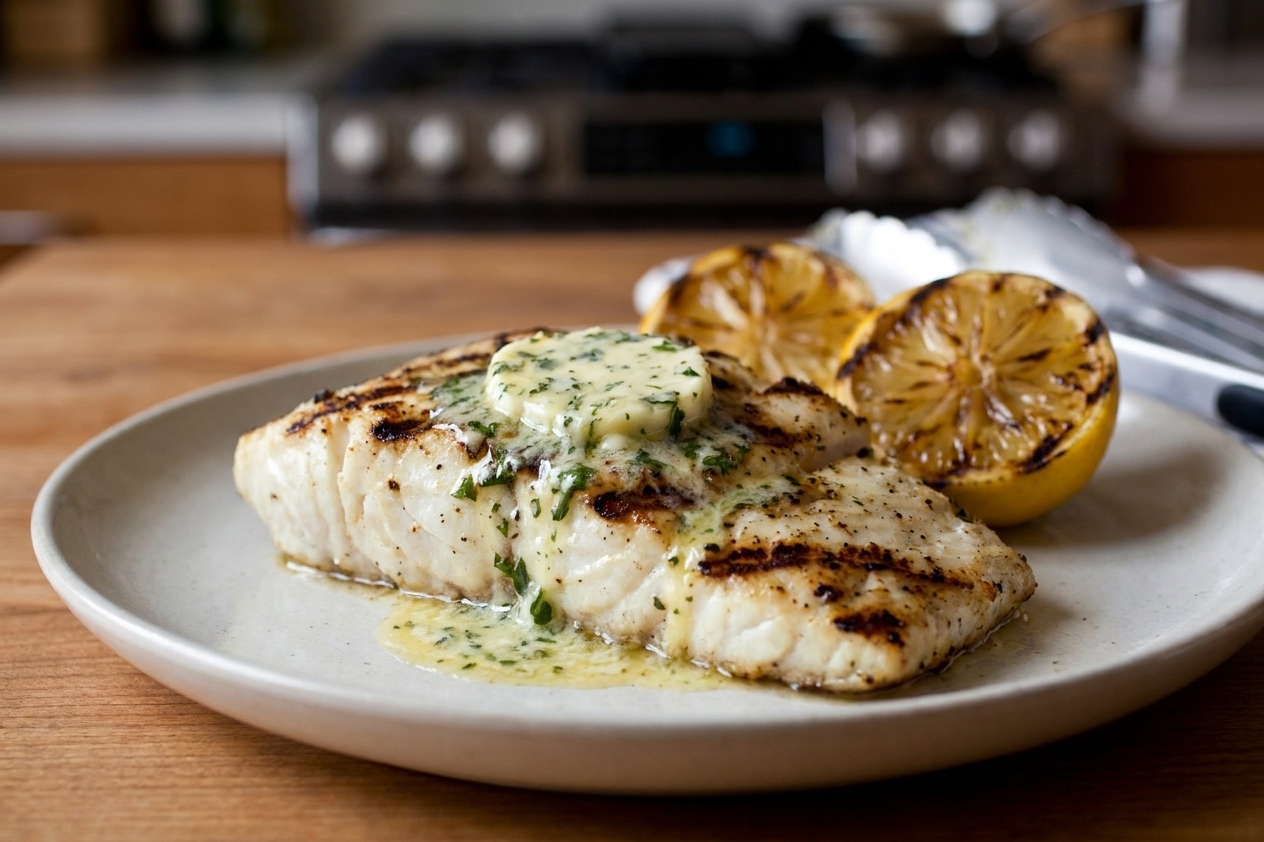
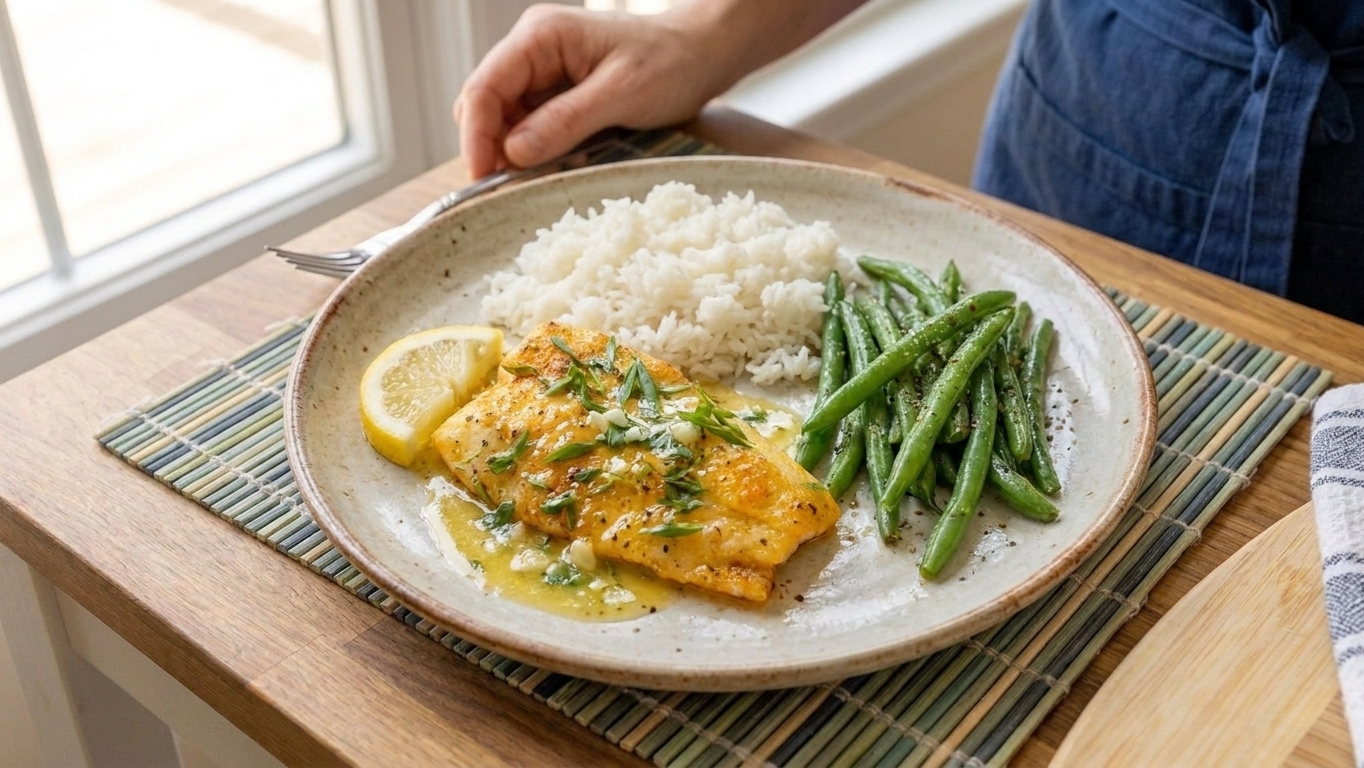
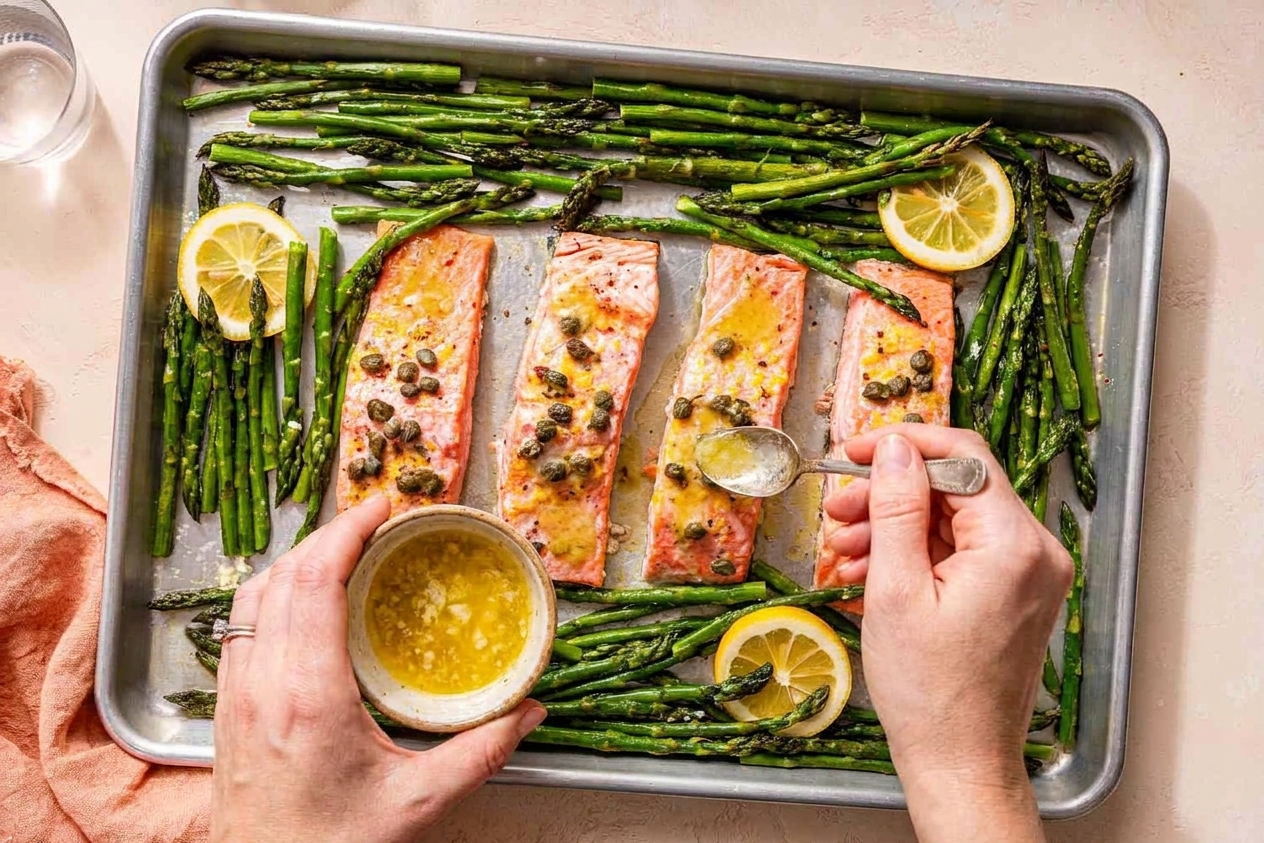
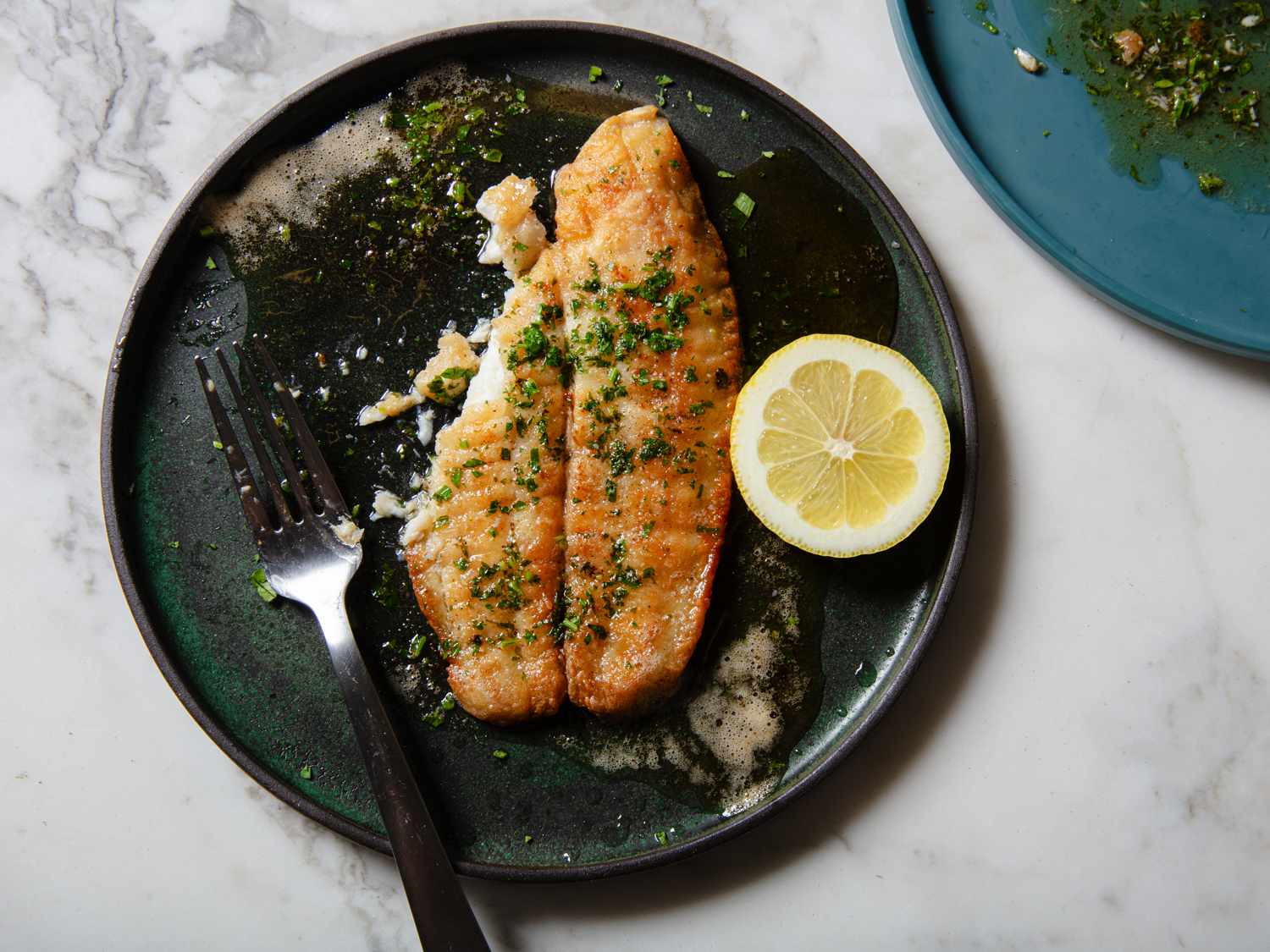
A plated baked orange roughy fillet topped with lemon slices and chopped parsley, with roasted vegetables on the side on a cozy dinner table

Orange roughy is one of those quiet heroes in the freezer aisle. Mild, flaky, and basically begging for a little butter and a hit of lemon. This is the kind of fish dinner I make when I want something that feels like I tried, but I also want to be eating in under half an hour.

We keep it simple here: a quick lemon garlic butter, a hot oven, and a short bake so the fish stays tender instead of turning into dry, sad flakes. Bonus: the sauce is good enough to spoon over rice, potatoes, or whatever carb is currently keeping your household running.
Why It Works

  • Mild flavor, big payoff: Lemon, garlic, and butter wake the fish up without overpowering it.
  • Fast and low drama: Mix sauce, pour, bake. No flipping, no splatter.
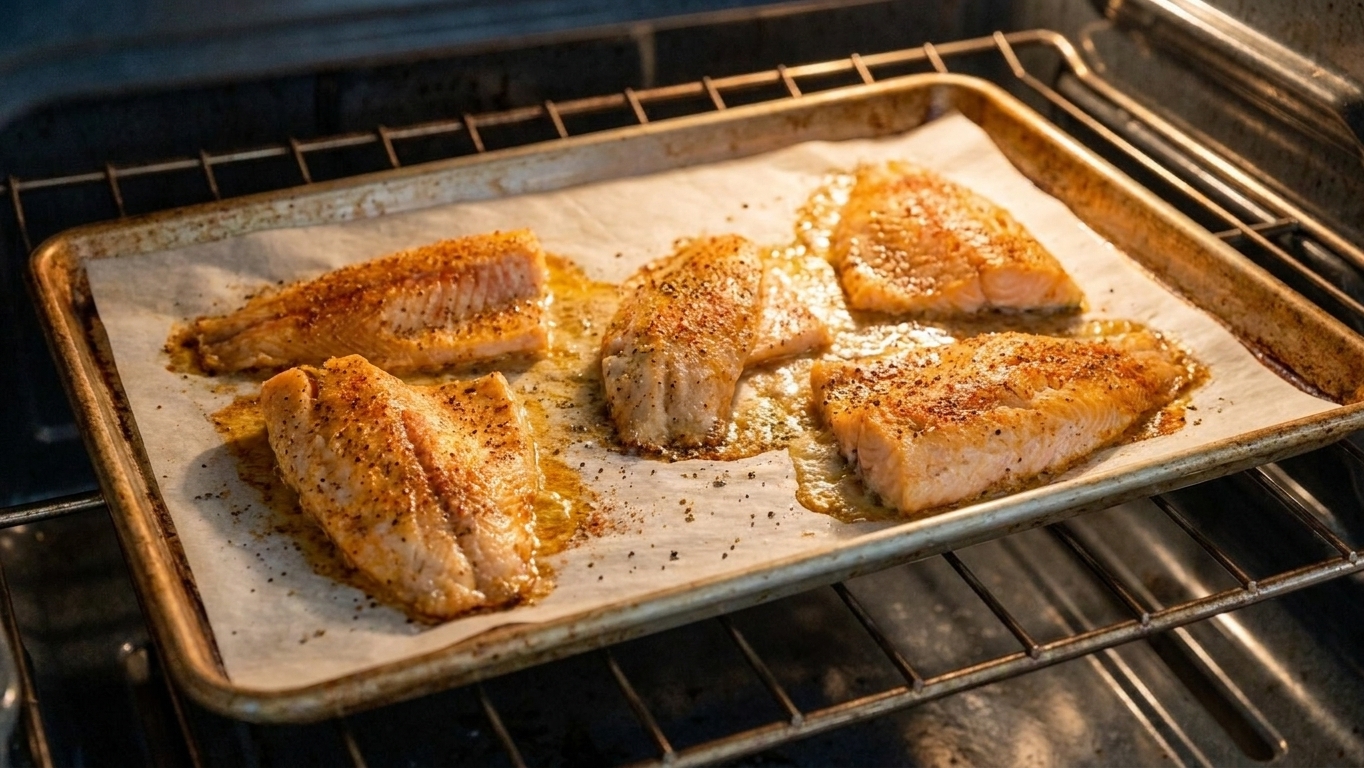
  • Moist, flaky results: A short bake, a quick rest, and a clear temperature target keep orange roughy from drying out.
  • Flexible: Works with fresh or frozen fillets and a handful of easy variations.
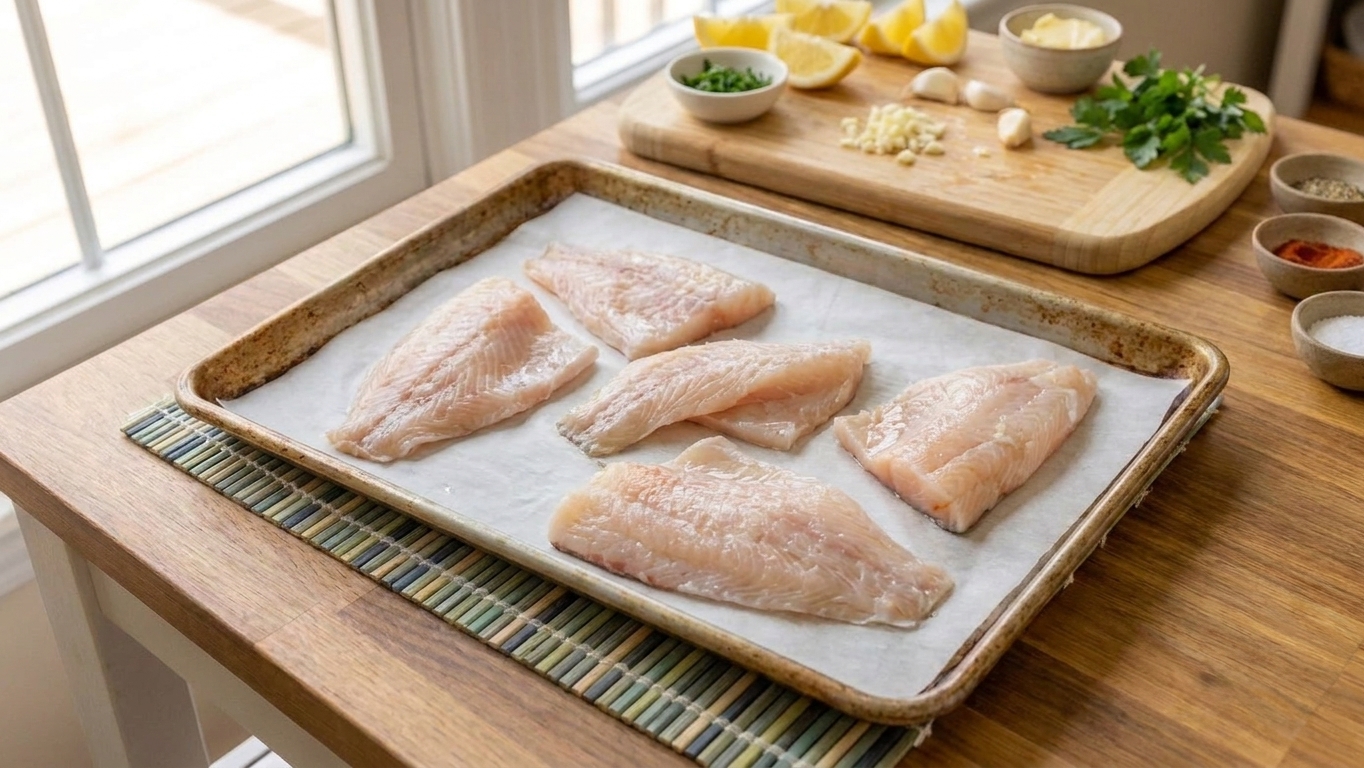
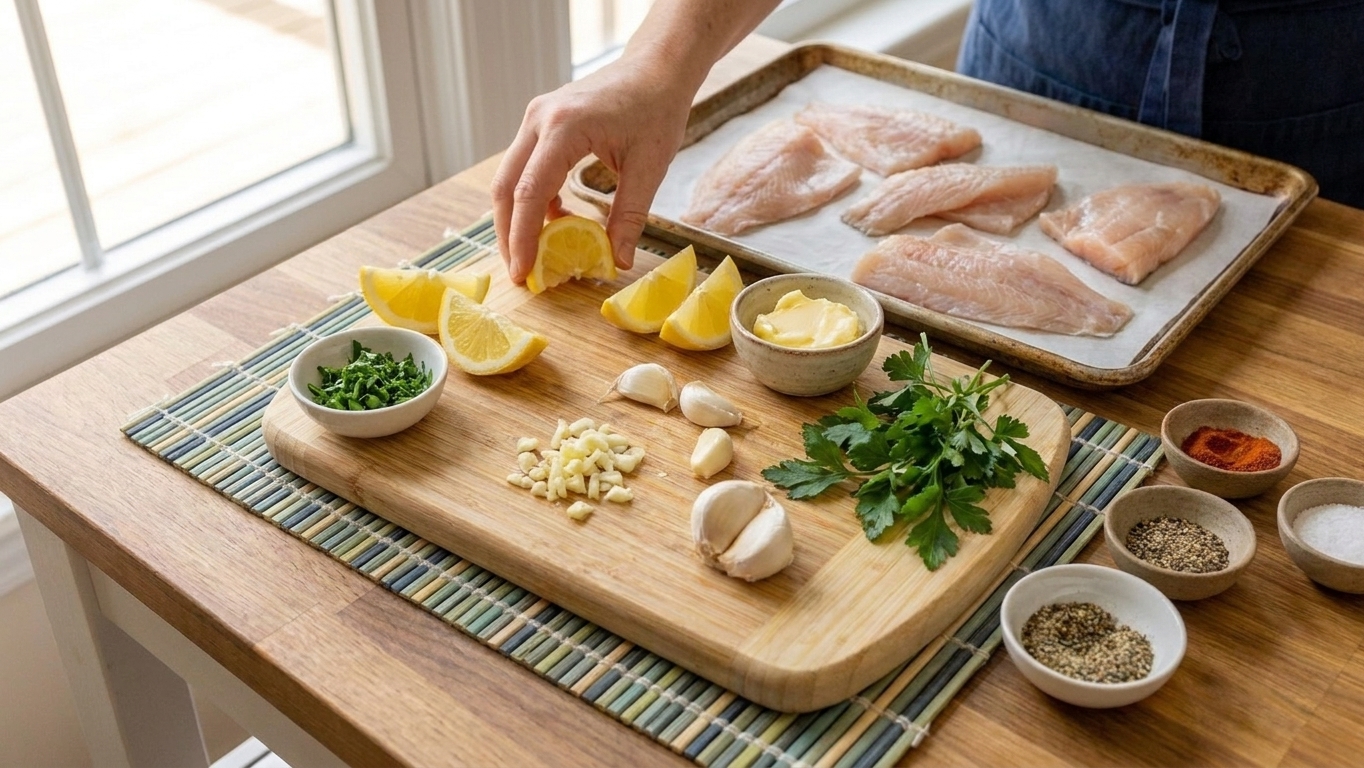
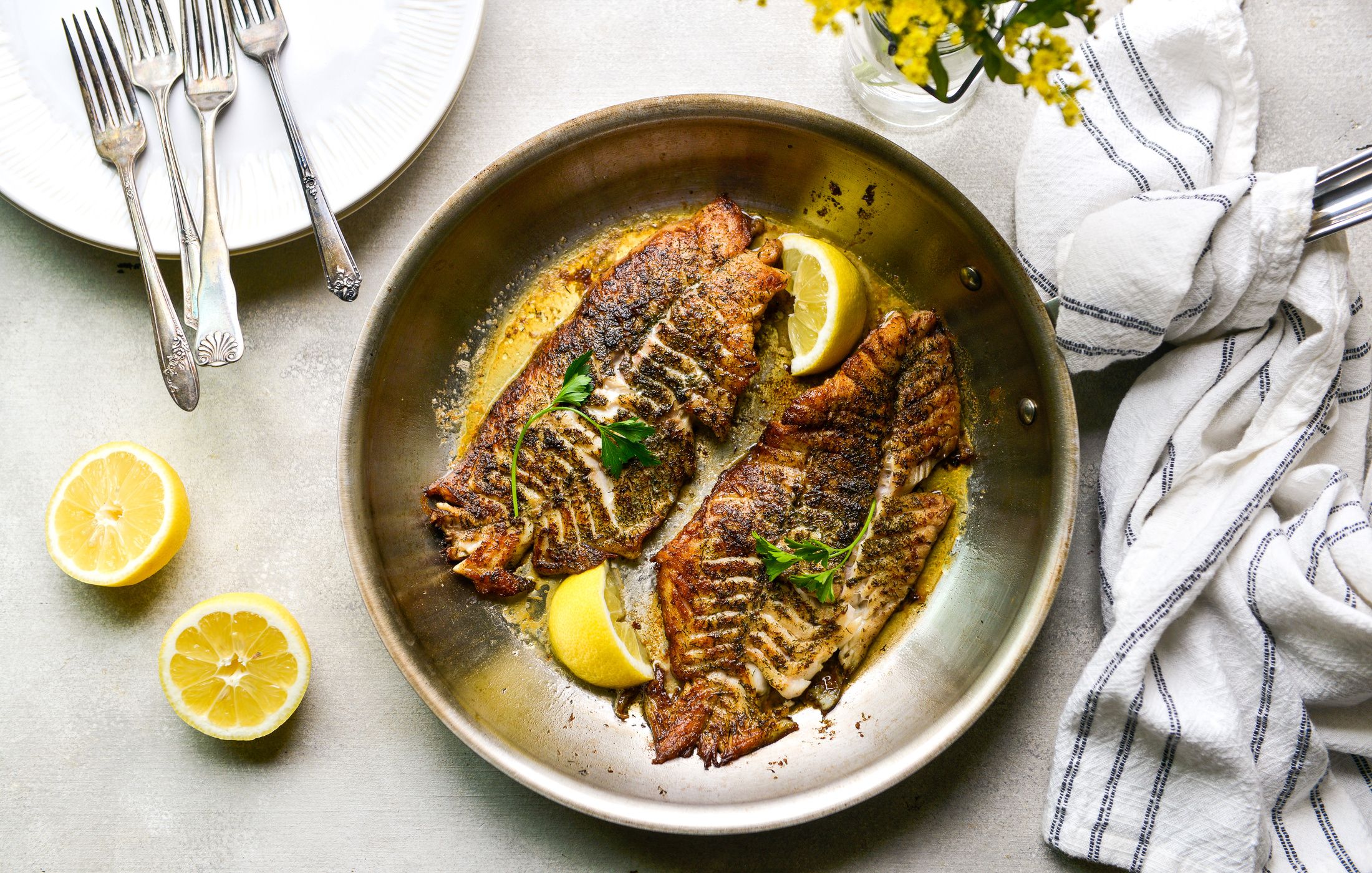
Orange roughy fillets, lemons, garlic, butter, parsley, and spices arranged on a bright kitchen counter

Pairs Well With

Storage Tips

Refrigerate: Store leftover orange roughy in an airtight container for up to 2 days. Keep any extra sauce in the same container.

Reheat gently: Fish dries out fast, so go low and slow. Warm in a 300°F oven for 8 to 12 minutes, covered, with a spoonful of sauce or a splash of water. The microwave works in a pinch, but use 50% power in short bursts.

Leftover makeover: Flake cold fish into a salad, fold it into a quesadilla with cheese and hot sauce, or toss it into warm pasta with the leftover lemon butter.

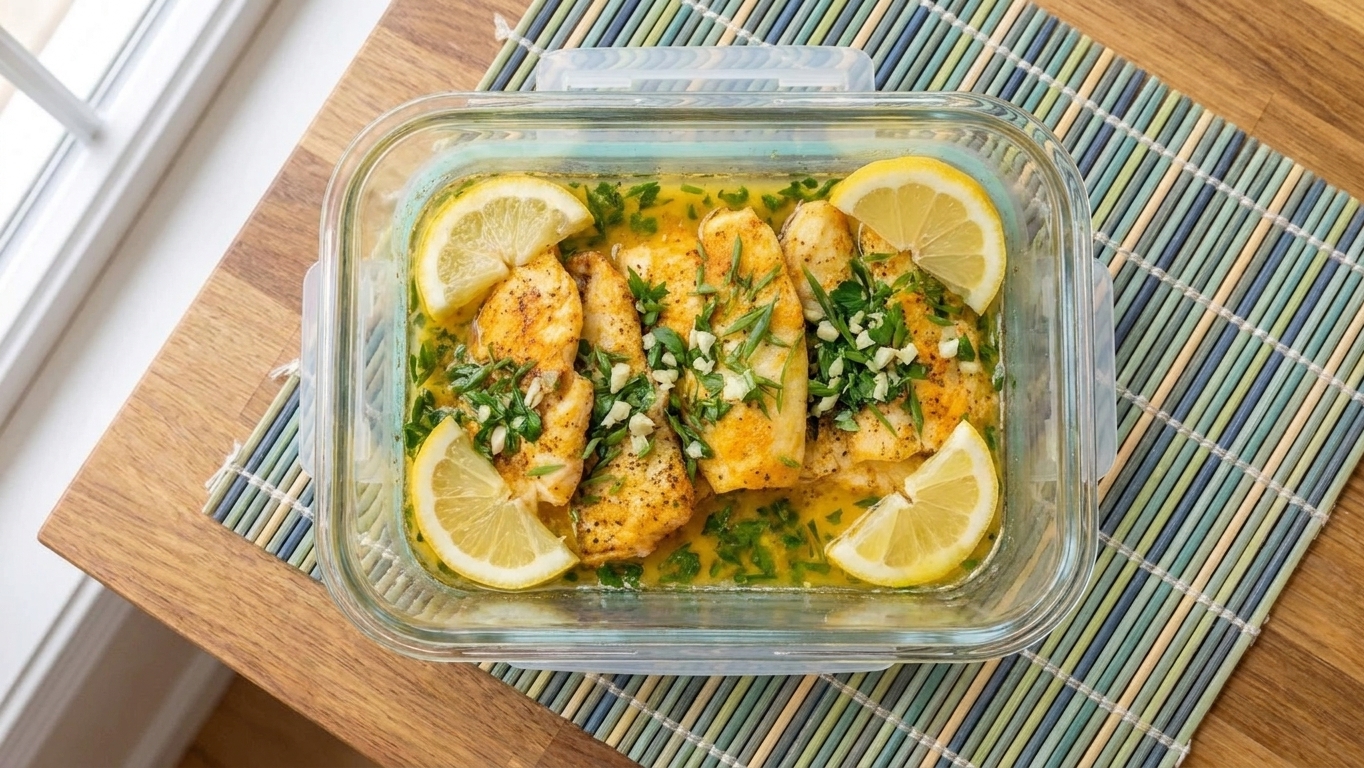
A glass meal prep container holding leftover baked orange roughy with lemon slices and herbs in the sauce

Common Questions

Do I need to thaw orange roughy first?

It is best to thaw for the most even texture. Thaw overnight in the fridge, or place the sealed fish in a bowl of cold water for 20 to 30 minutes. If you bake from frozen, add a few minutes to the cook time and expect a little extra liquid in the pan.

How do I know when orange roughy is done?

The most reliable check is temperature. Cook until it reaches 145°F in the thickest part, or pull it at about 140°F and let it rest a couple minutes so carryover heat brings it to 145°F. Visually, it should look opaque and separate into moist flakes when gently pressed with a fork.

Why did my fish turn out watery?

Most often it is excess moisture from frozen fillets. Pat the fish dry well, and if baking from frozen, carefully pour off some liquid halfway through, then spoon the sauce back over the top.

Can I make this dairy-free?

Yes. Swap the butter for olive oil and add an extra squeeze of lemon at the end to keep the sauce bright.

Any sustainability notes for orange roughy?

Orange roughy is a long-lived, slow-growing fish, so sustainability can vary a lot by source. If that is a concern, look for a reputable certification (like MSC) or check a guide such as Seafood Watch. You can also swap in cod, haddock, pollock, or another mild white fish and use the same method.

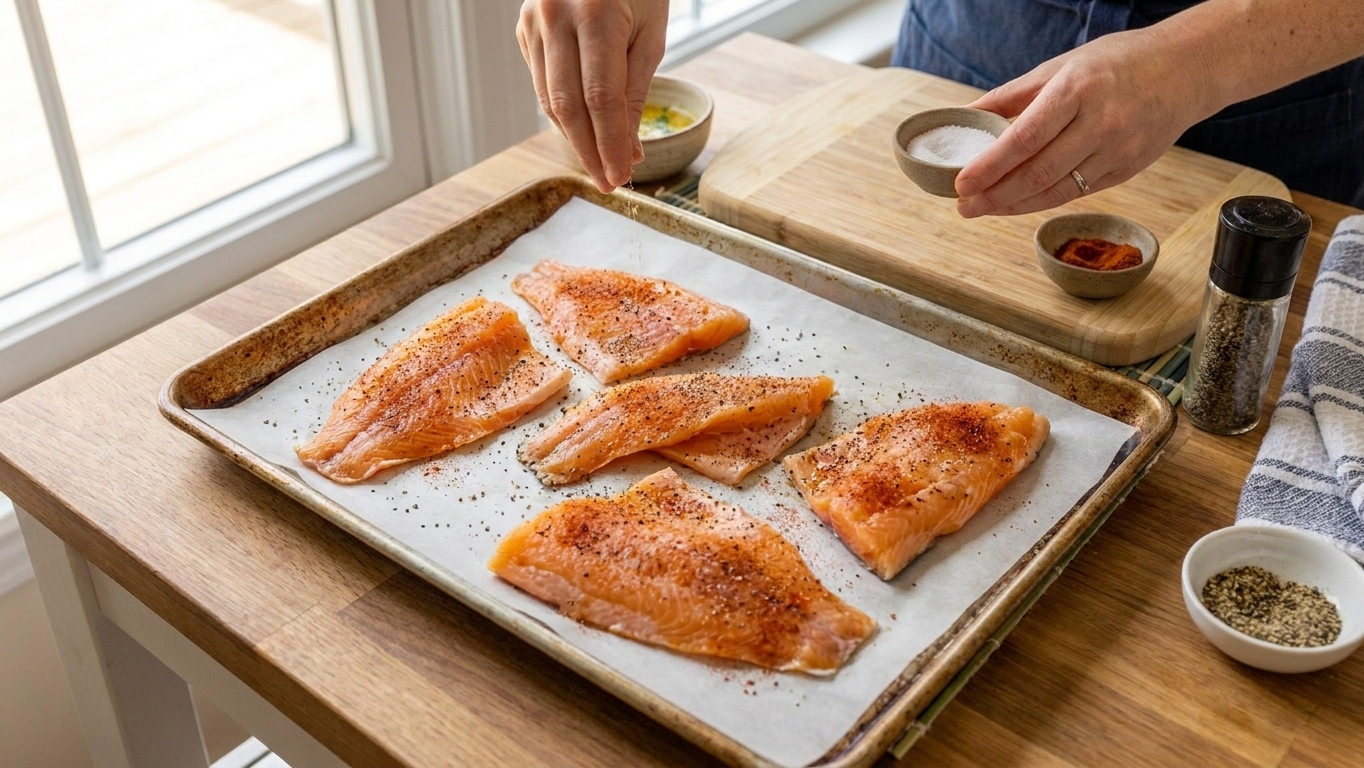
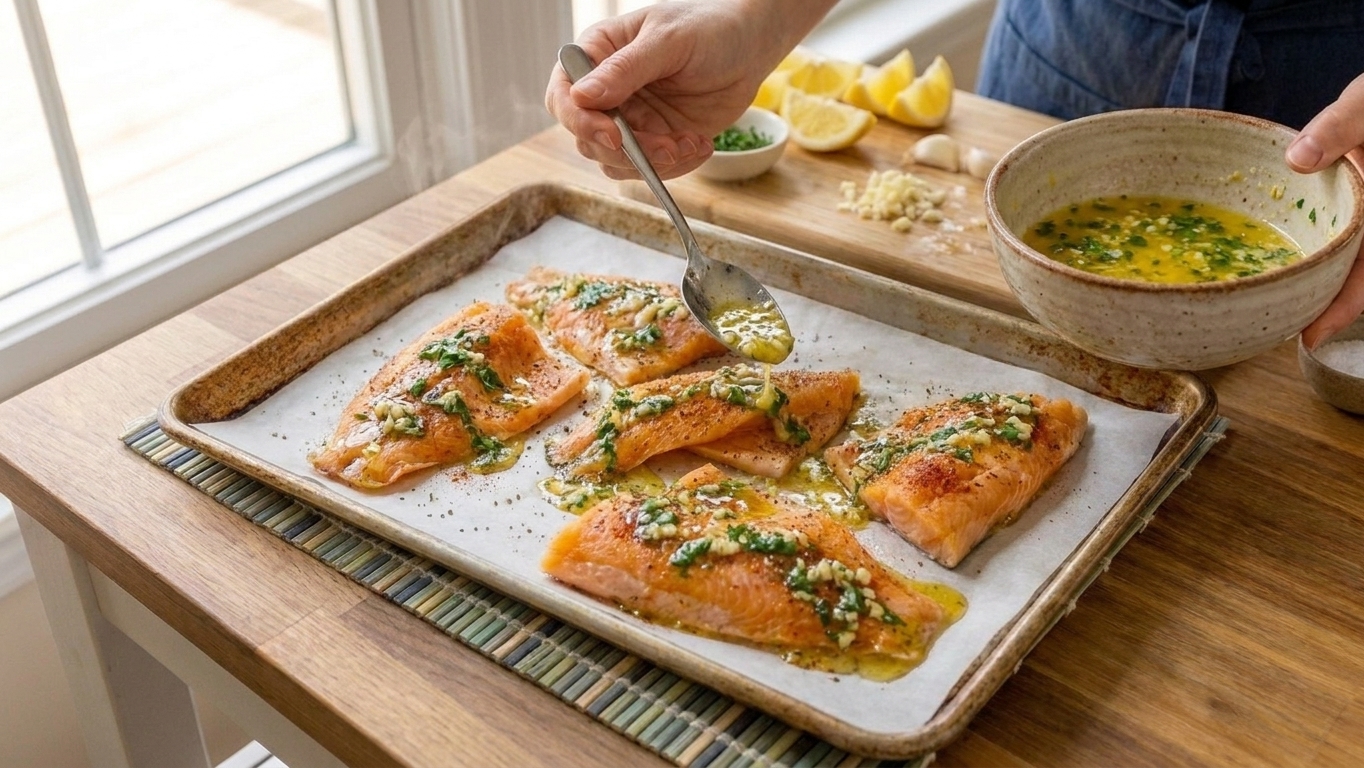
Orange roughy fillets on a parchment-lined baking sheet being seasoned with salt, pepper, and paprika

Orange roughy is my go-to “I want fish tonight but I do not want fish drama” dinner. I started making it when I was leaning hard into practical kitchen skills over fancy techniques. It taught me a simple lesson that still holds up: most weeknight meals do not need more ingredients, they just need better timing. Pull it when it is around 140°F, let it rest, and it will coast right to 145°F. Suddenly a humble fillet feels like a real dinner.