What are country style ribs, exactly?
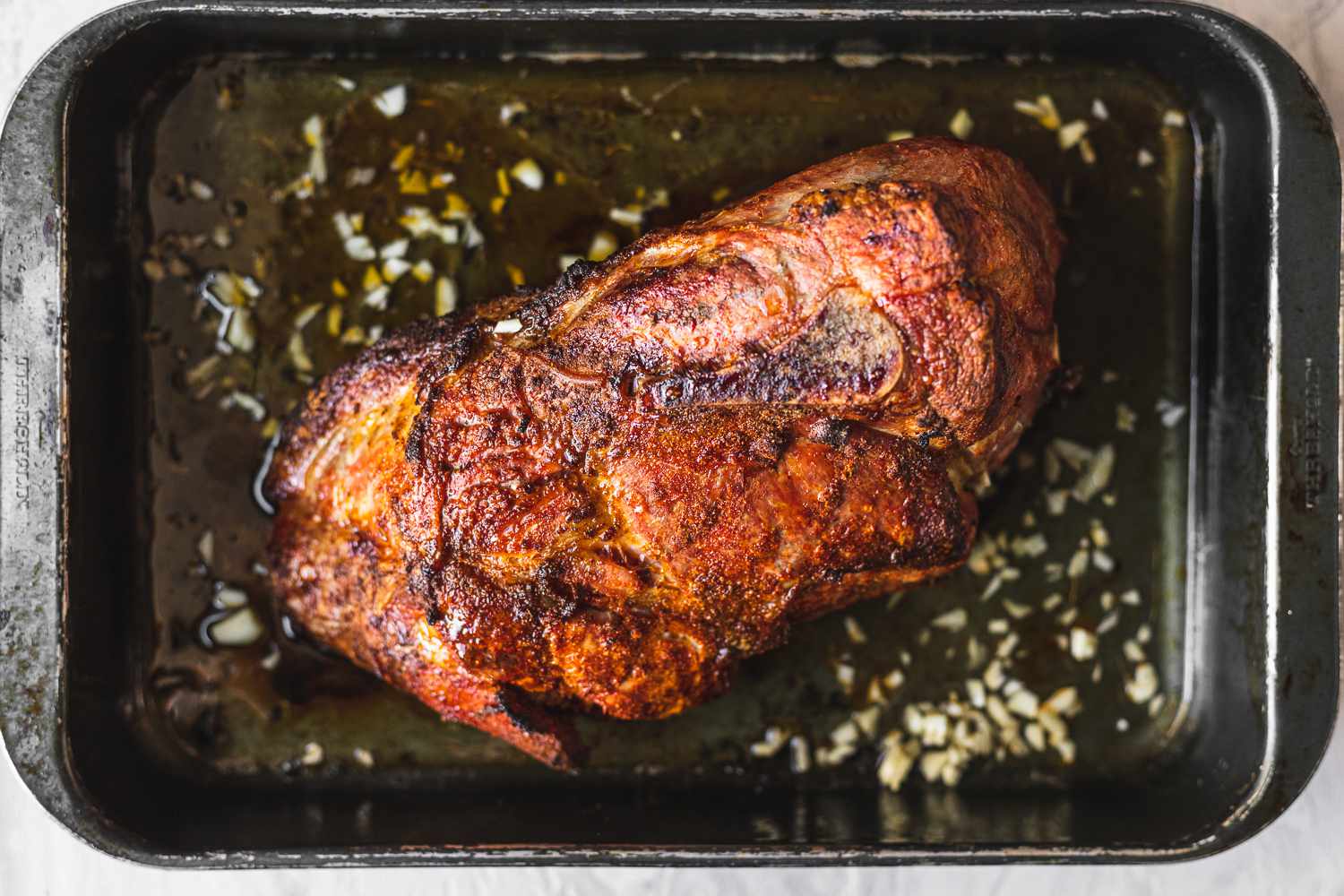
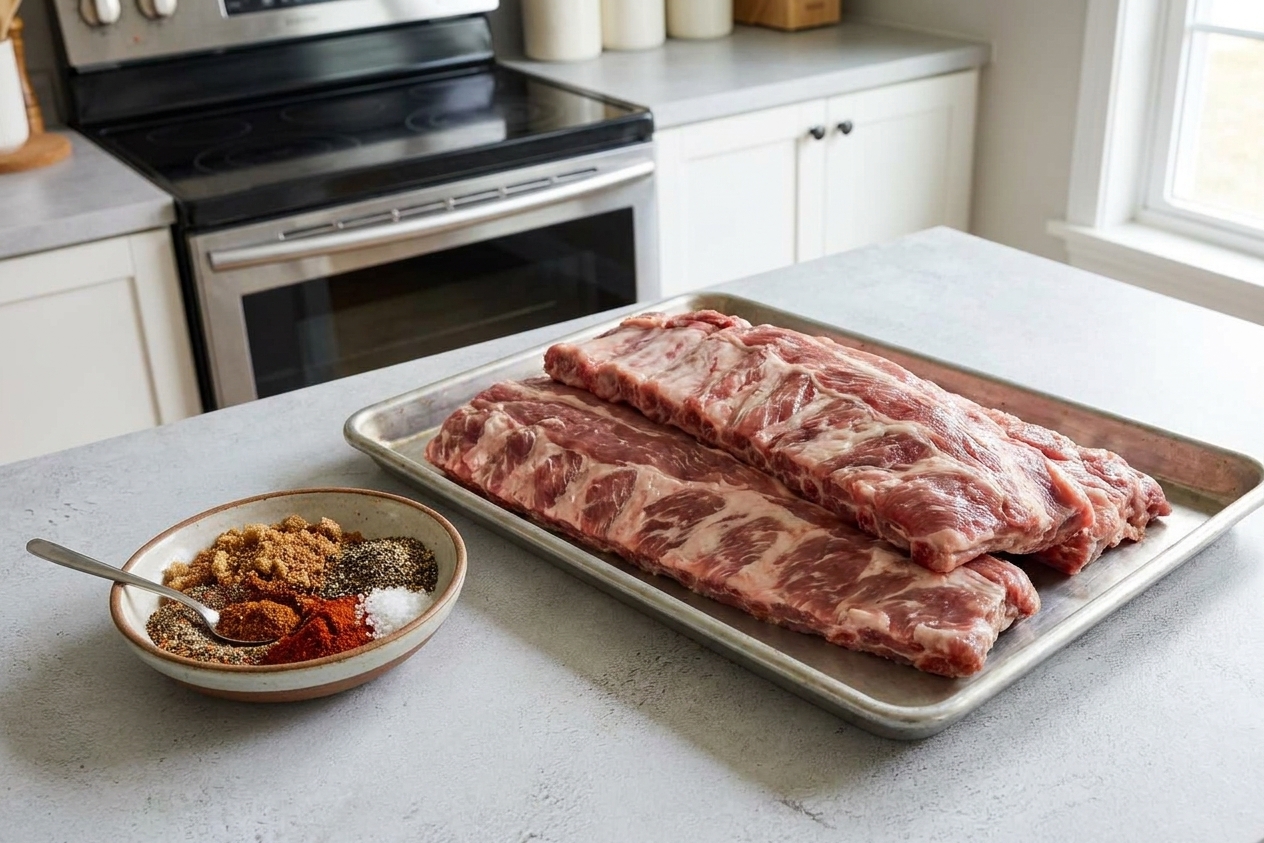
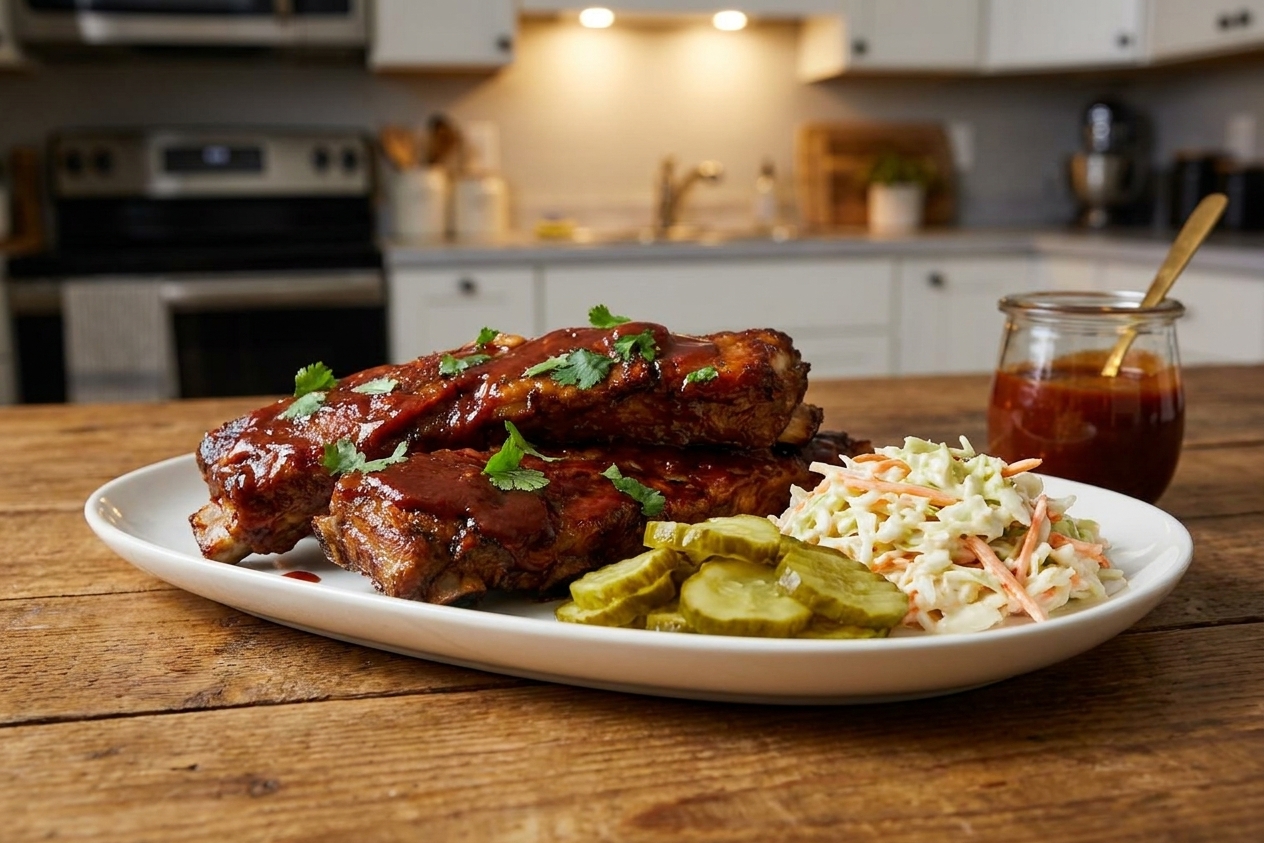
They are not ribs in the traditional sense. Country style ribs are usually cut from the pork shoulder (blade end or Boston butt), though some packages are loin-cut country style ribs, which are much leaner. Shoulder-cut pieces are marbled and ideal for low-and-slow cooking. They look like thick strips or chunks of pork, often with some bone and sometimes boneless.
How can I tell if mine are shoulder-cut or loin-cut?
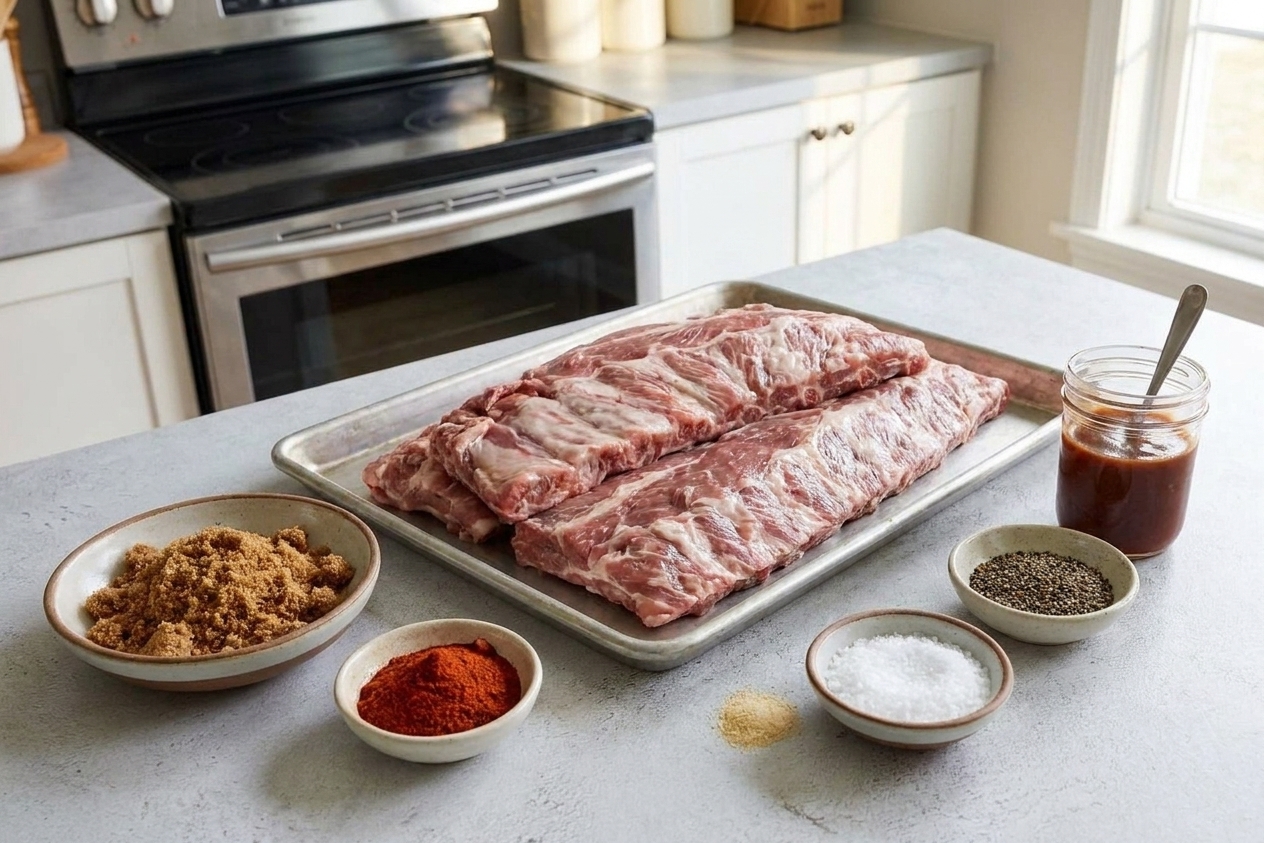
Shoulder/butt country style ribs tend to look more marbled and irregular, sometimes with more fat seams. Loin country style ribs are usually leaner, more uniform, and can look like thick pork chop strips. If the package says “loin,” treat them like lean pork.
Bone-in or boneless, which is better?
Both work here. Bone-in can feel a little more “rib-like,” and the bone helps insulate the meat, but it can take a bit longer depending on thickness. Boneless is easier to portion and can finish slightly faster. Either way, go by tenderness and temperature, not just the clock.
How do I know they are done?
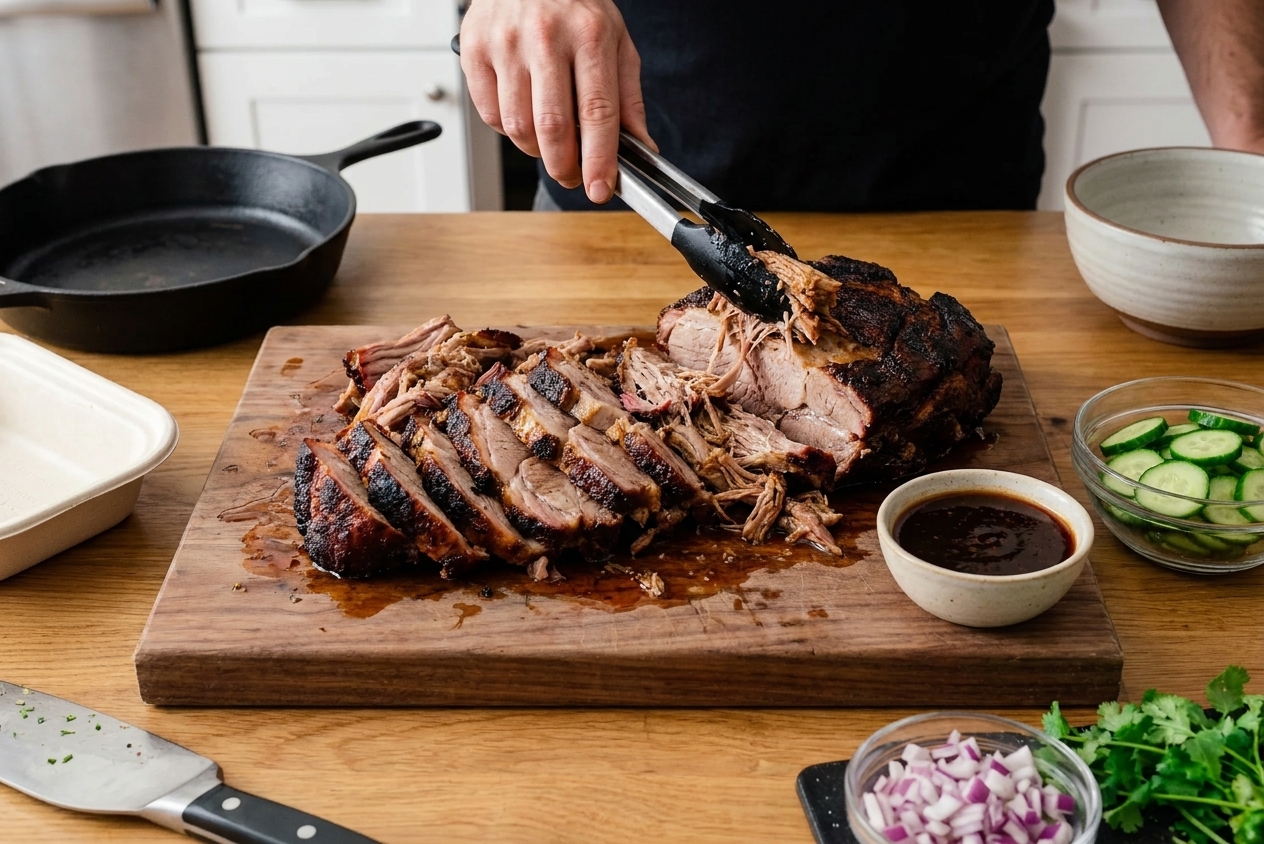
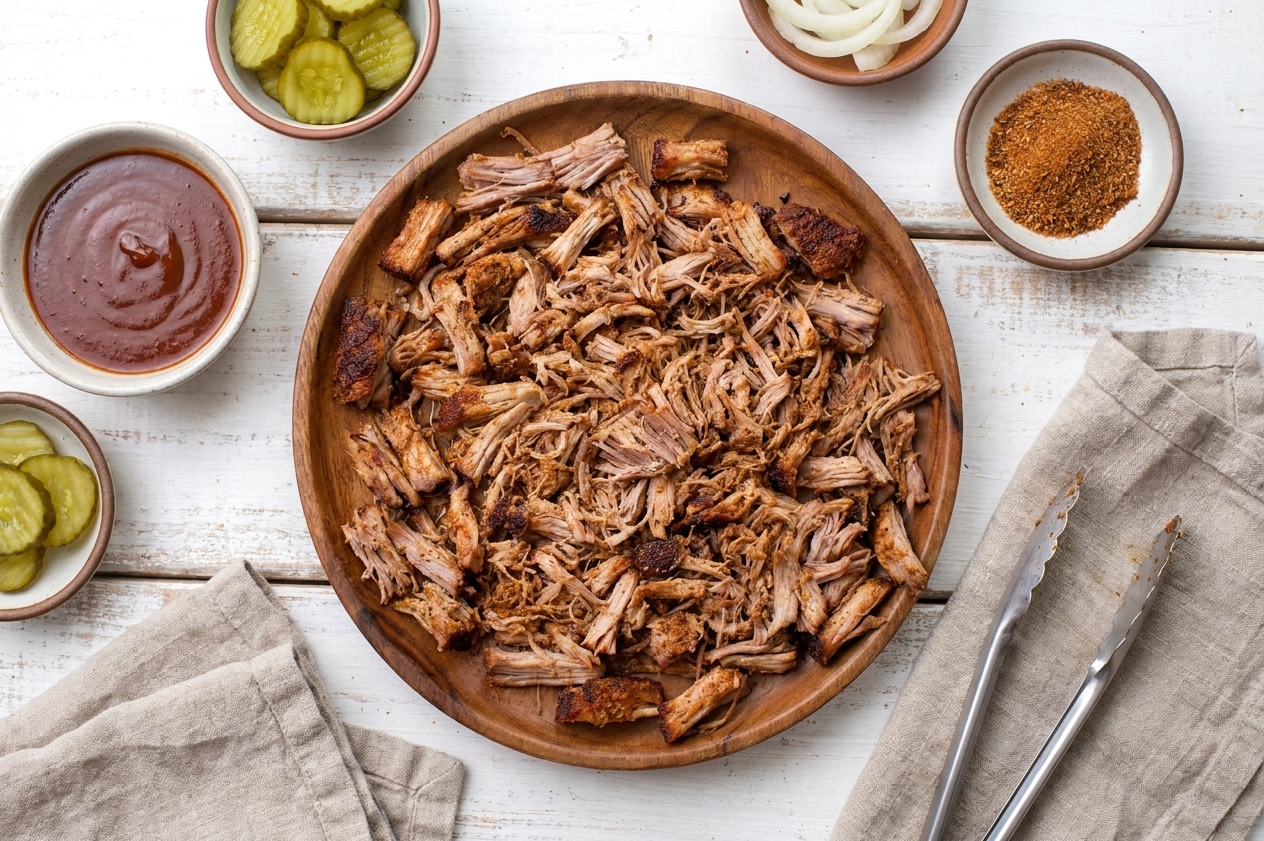
You want two things: safe temperature and the texture you are aiming for. Pork is safe at 145°F, but shoulder-cut country style ribs are best when they climb higher and the collagen breaks down. For that tender, easy-to-bite texture, aim for 190 to 205°F and a probe or fork that slides in with little resistance, like softened butter.
If your ribs are loin-cut: pull them earlier, around 145 to 155°F, so they stay juicy. They will be tender to bite, but not pull-apart in the same way.
My sauce looks thin. What happened?
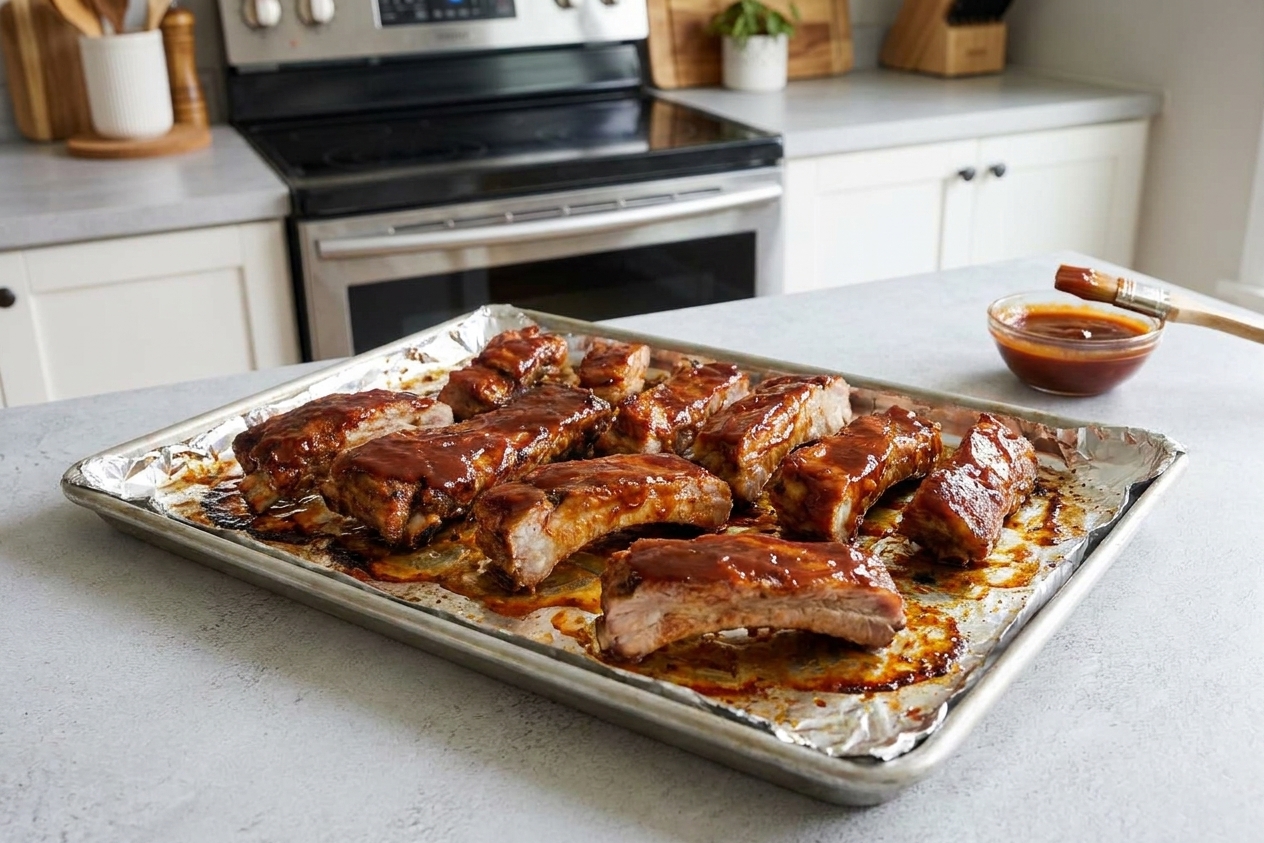
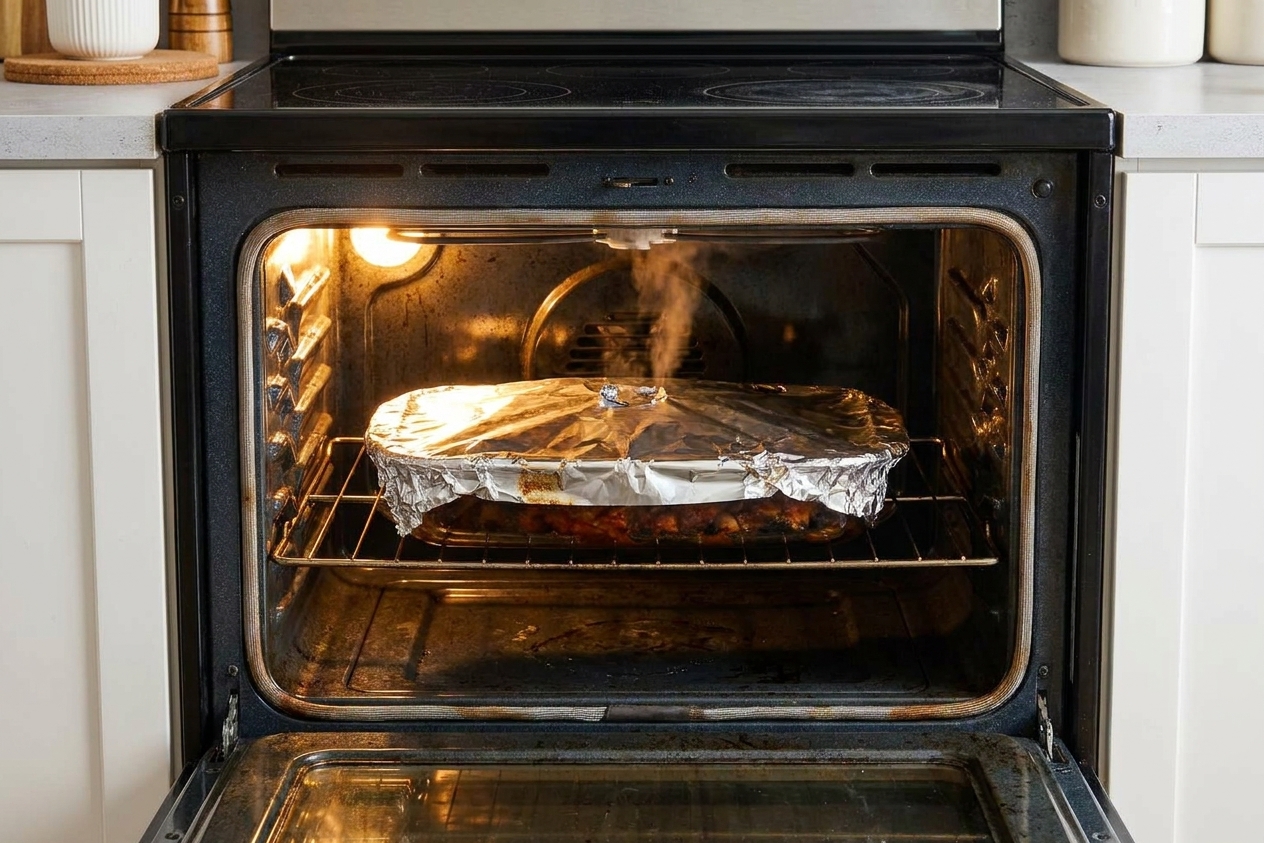
Usually it is moisture. If you sauce too early while the pan is still covered, the liquid in the pan dilutes it. Fix: bake covered until tender, then uncover and glaze in the last stretch so the sauce reduces and sticks. Also, if your pan has a lot of rendered liquid after the covered bake, carefully spoon off excess (or transfer the ribs to a foil-lined sheet pan) before glazing.
Can I make these without BBQ sauce?
Yes. Skip the glaze and finish uncovered with a pat of butter and a squeeze of lemon, or brush with a mix of honey, Dijon, and apple cider vinegar for a tangier vibe. Just do not skip seasoning the meat well.