Mom's Best Recipes
Recipe

Oven Baked Fried Chicken

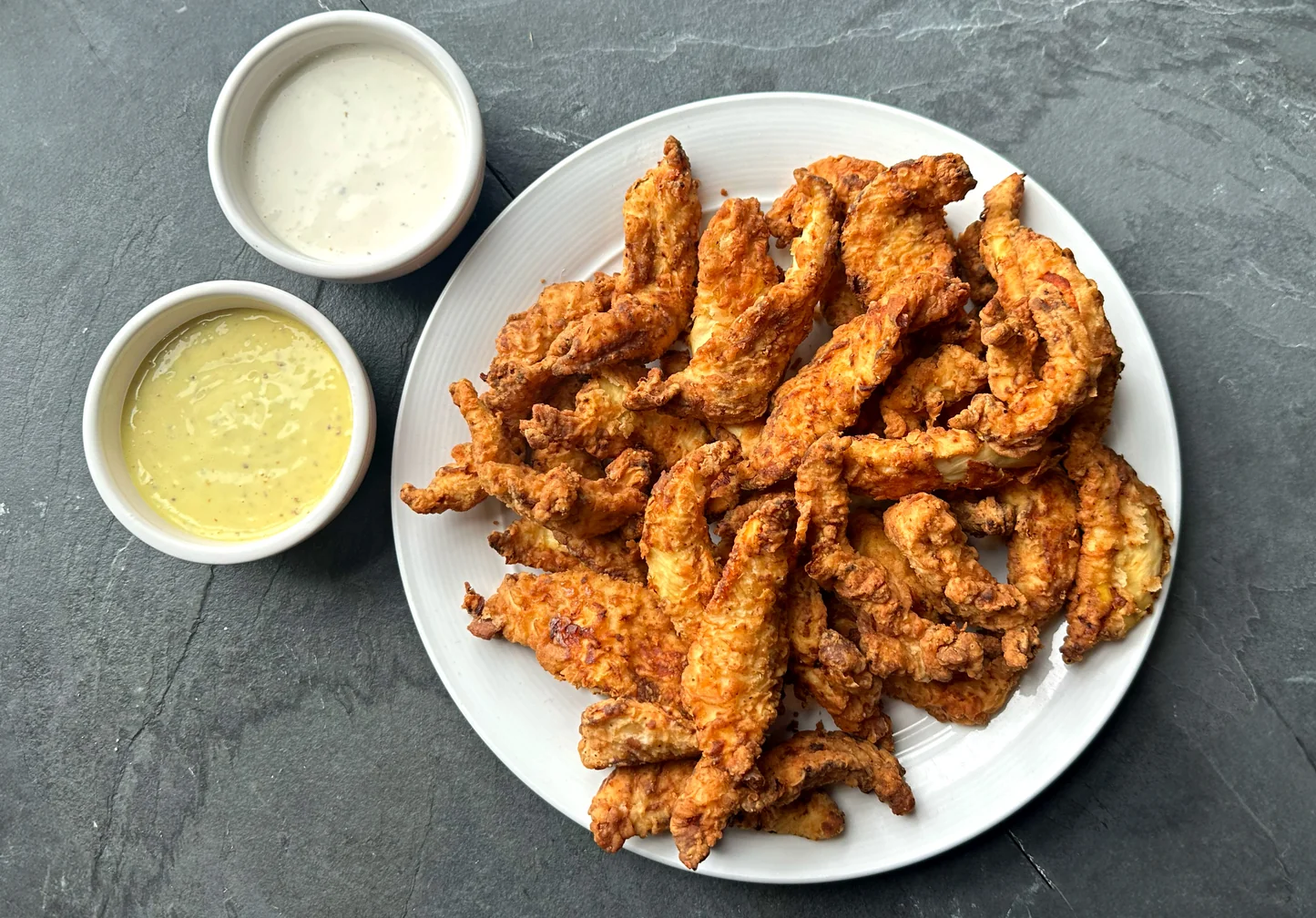
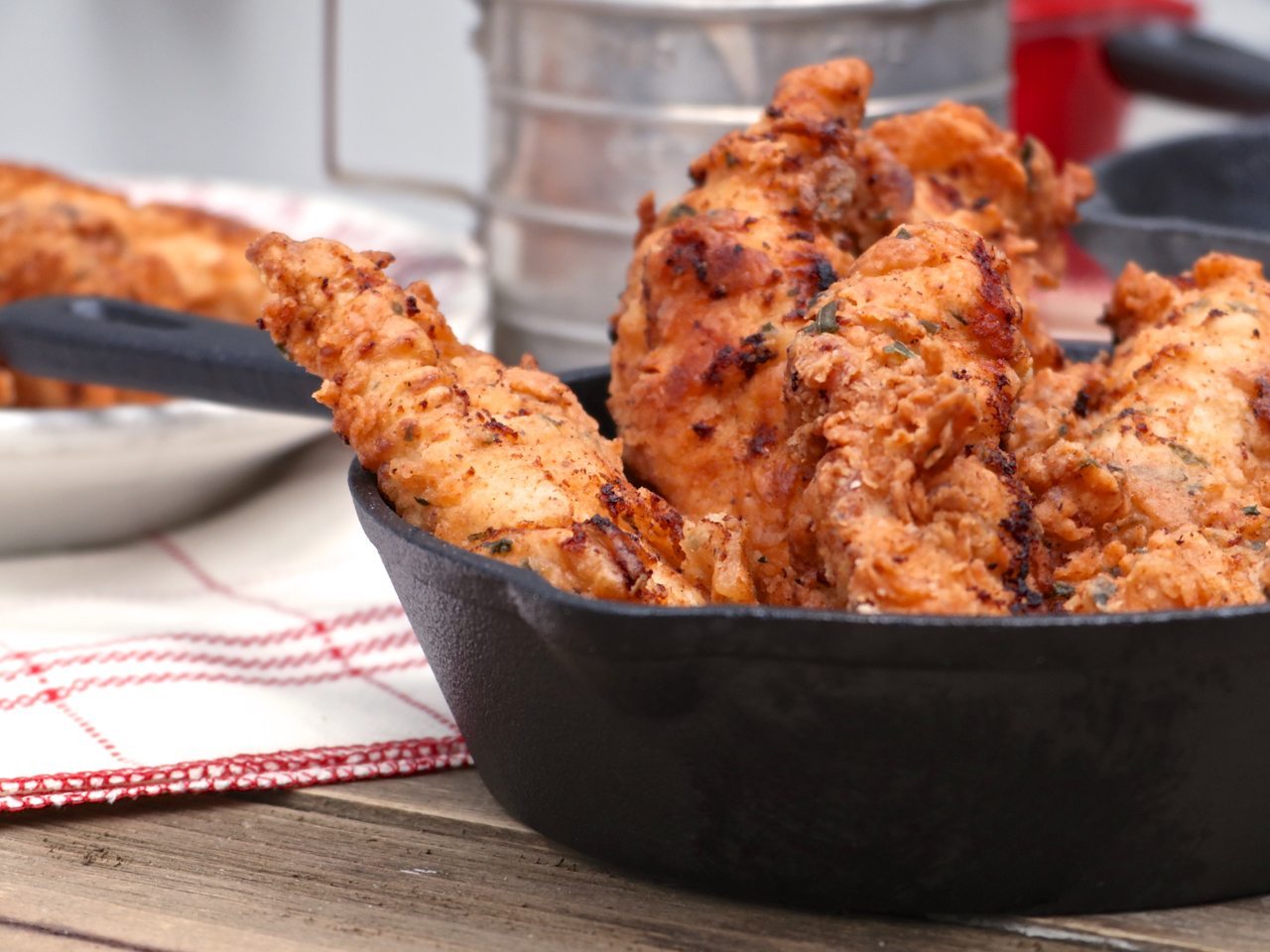
Crispy, golden “fried” chicken made in the oven with a hot sheet pan, bold seasoning, and zero splatter drama.

Author By Matt Campbell
4.8
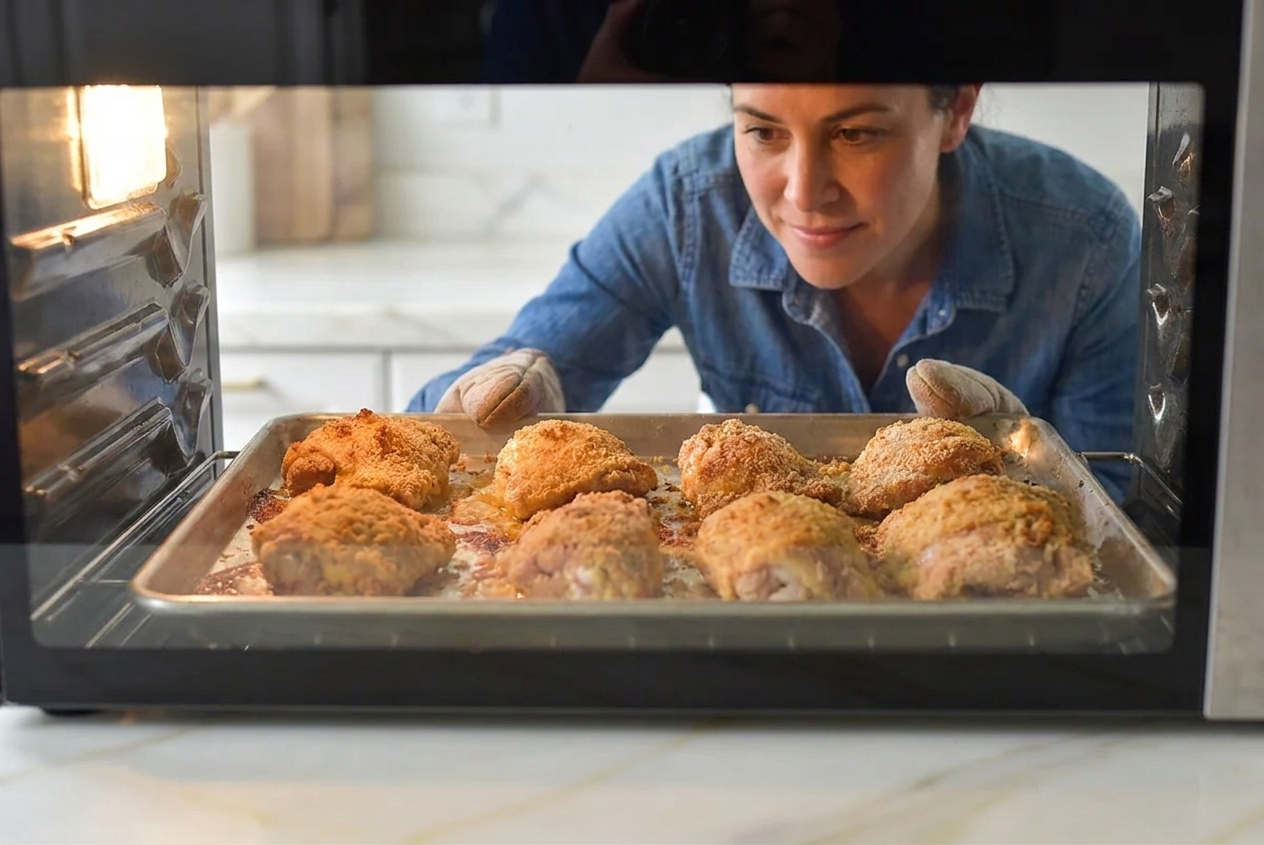
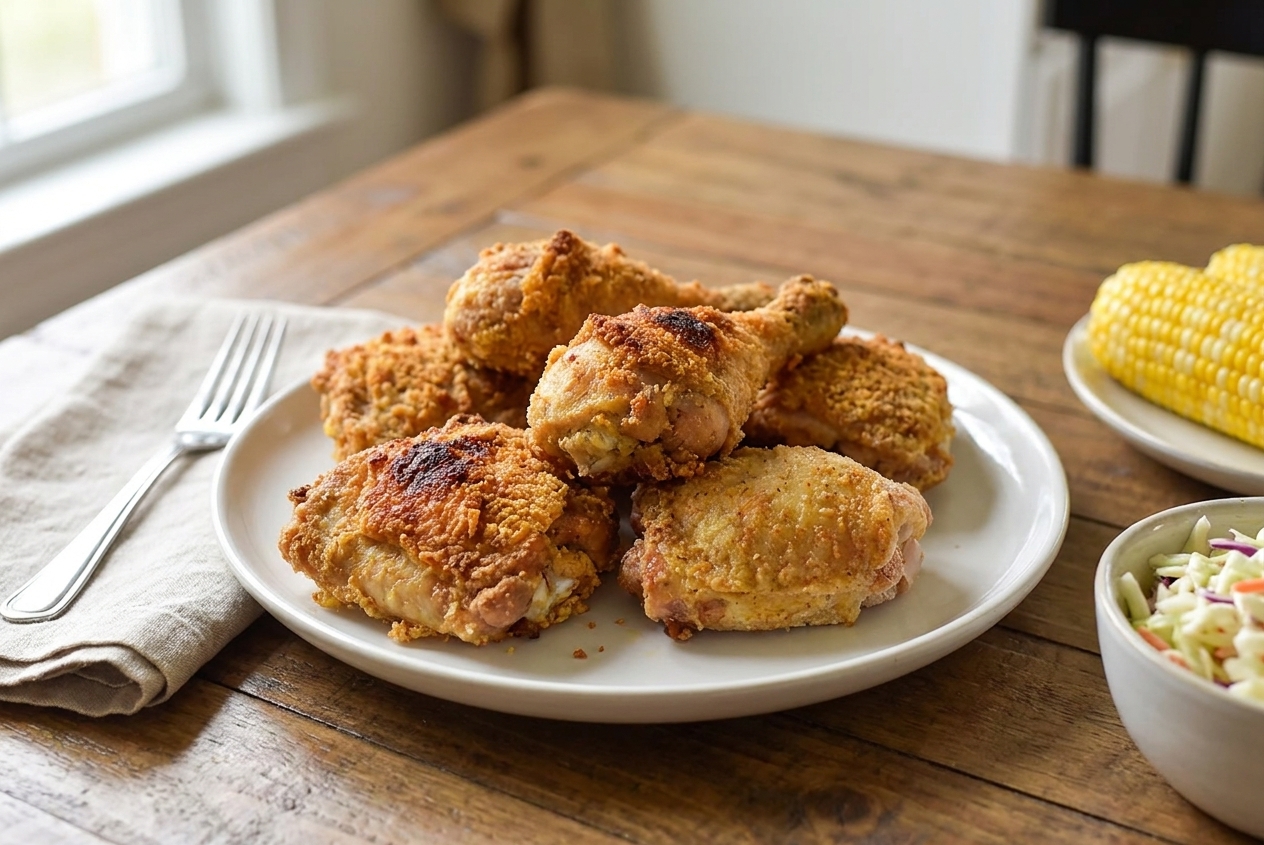
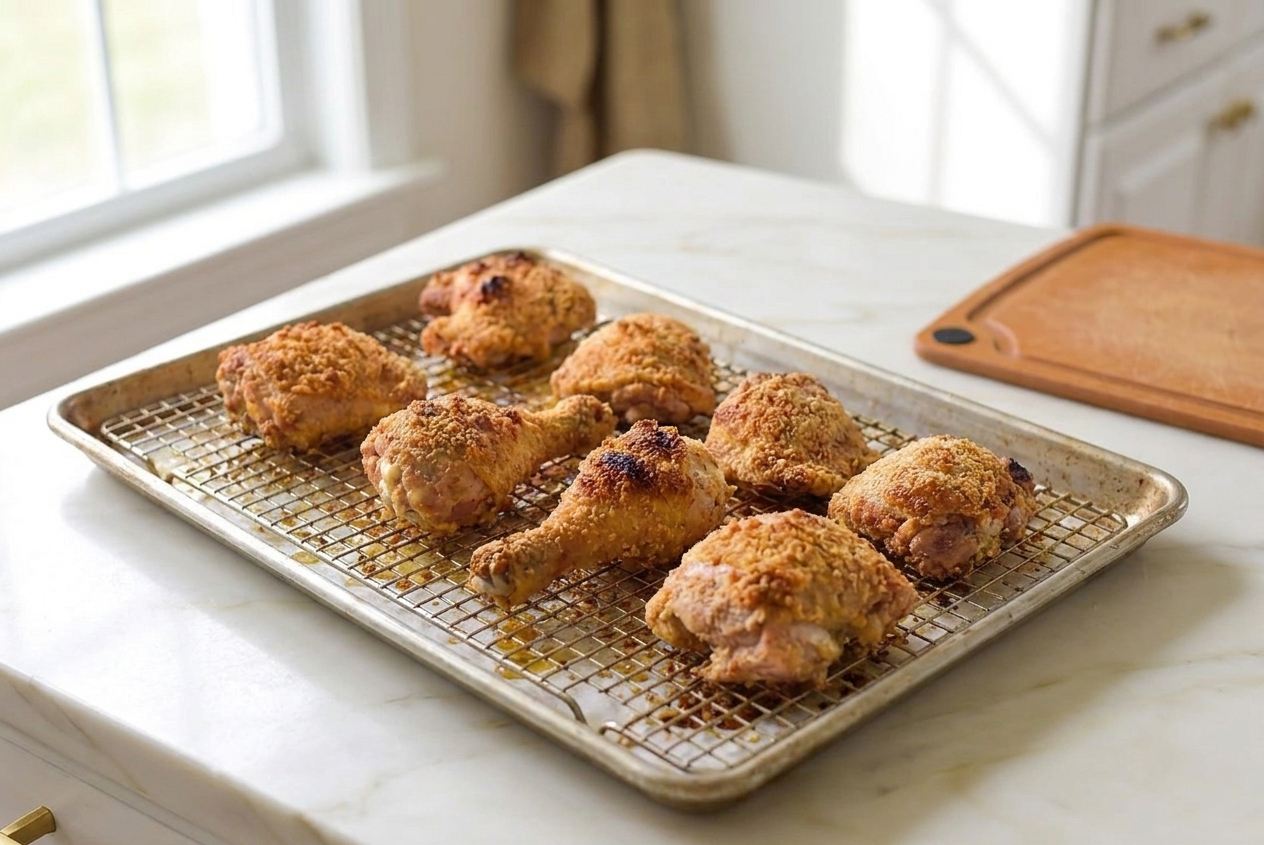
A baking sheet of golden, crispy oven baked fried chicken pieces resting on a wire rack with flaky crust and browned edges in a warm home kitchen

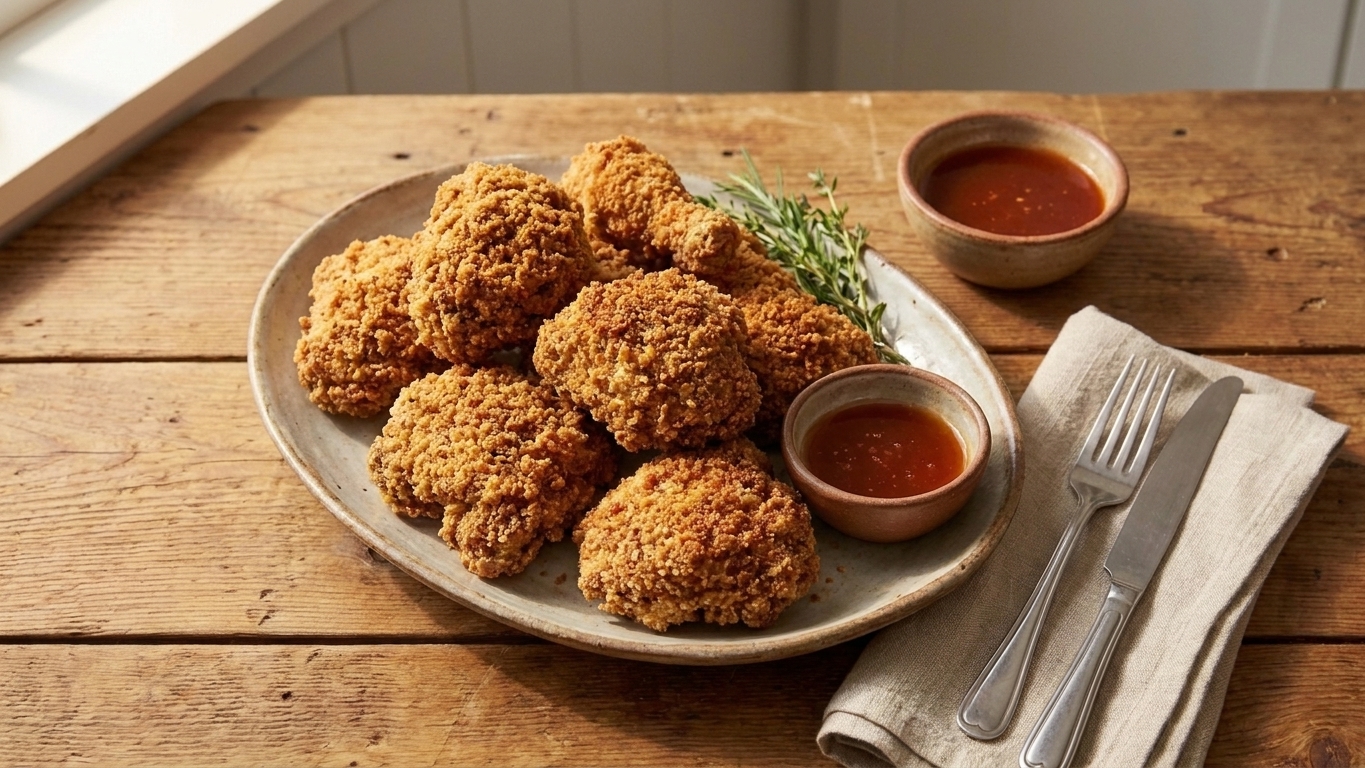
If you want fried chicken energy without the fryer, the oil smell, and the tiny panic of hot splatter, this is your move. This oven baked fried chicken comes out crunchy where it counts, juicy in the middle, and aggressively snackable the second it hits the rack.

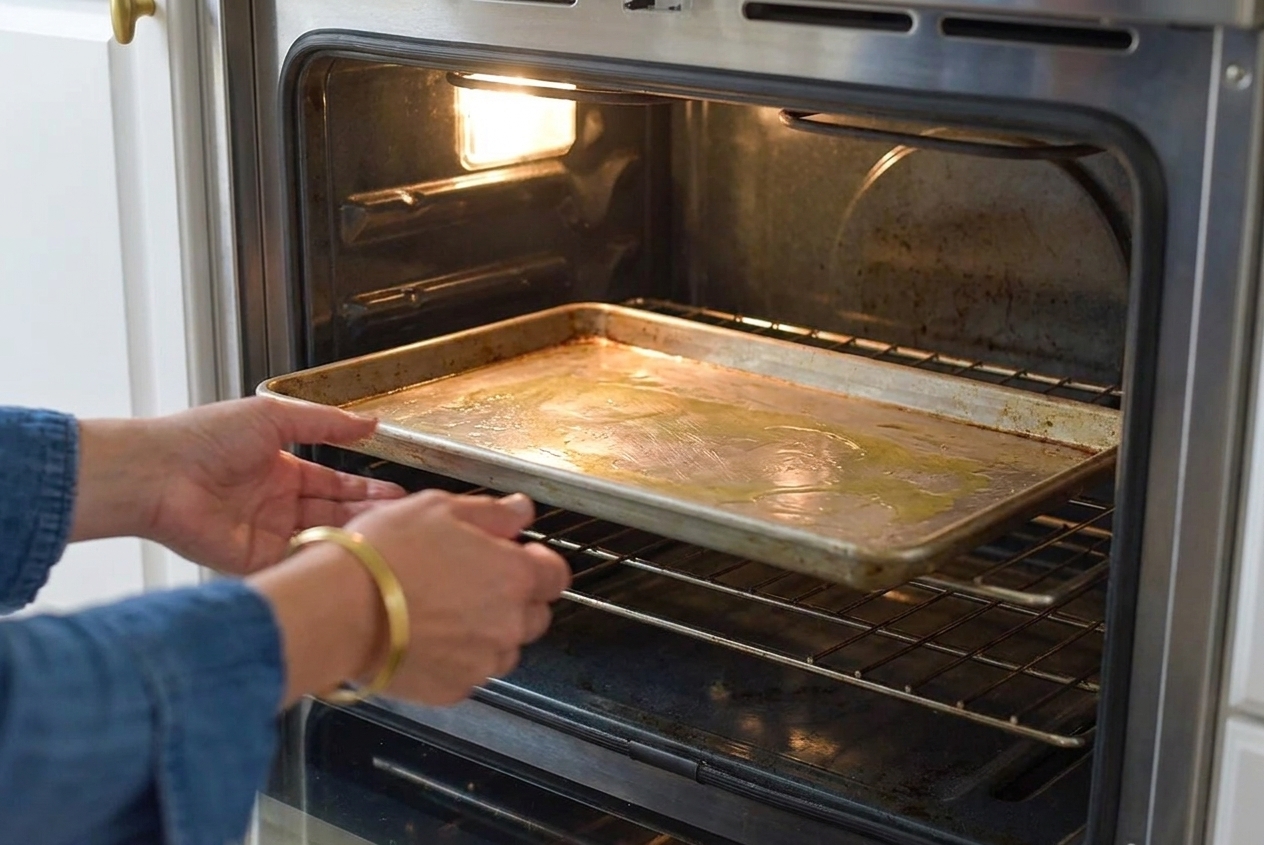
The secret is not magic, it is heat and timing. We preheat the sheet pan so the coating starts sizzling on contact, and we use a seasoned flour mix that actually tastes like something. No pale, sad “healthy baked chicken” vibes here.
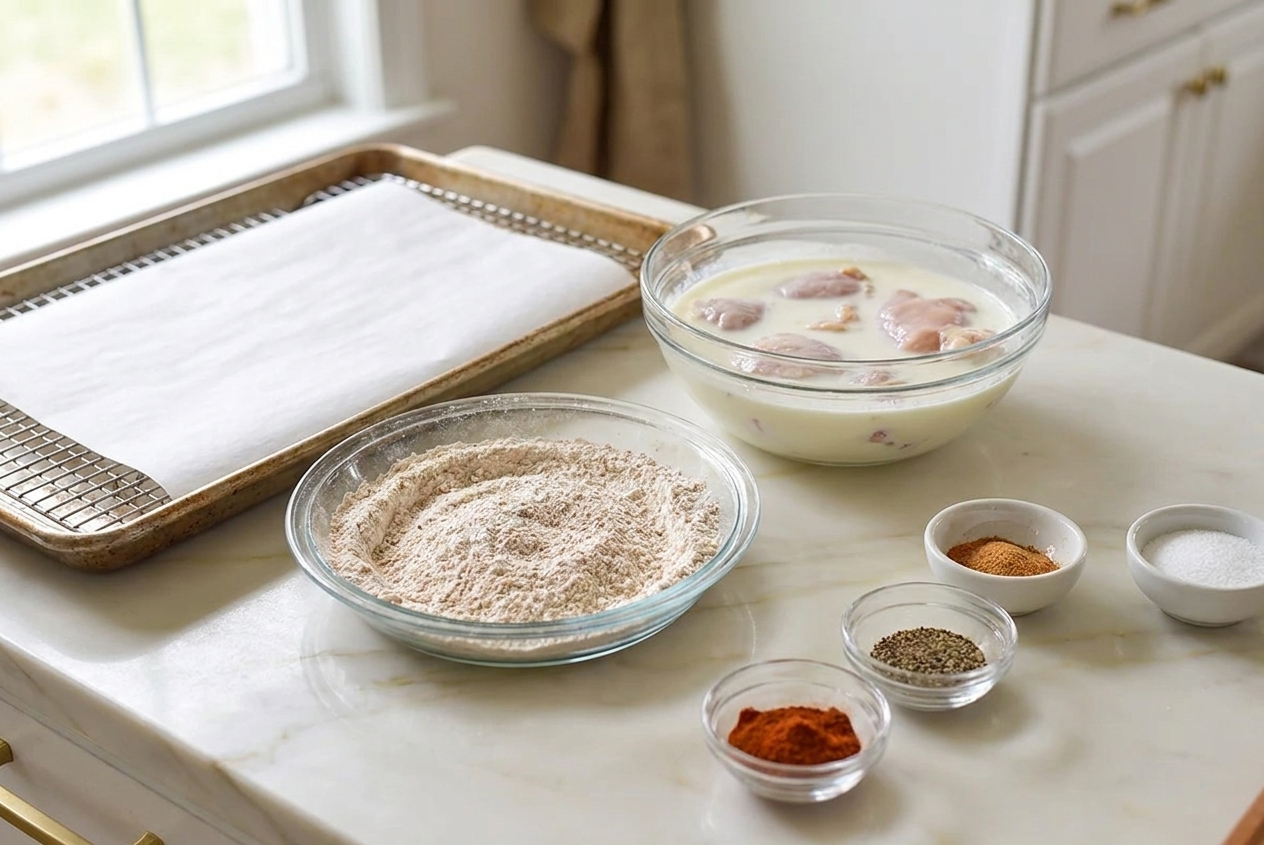
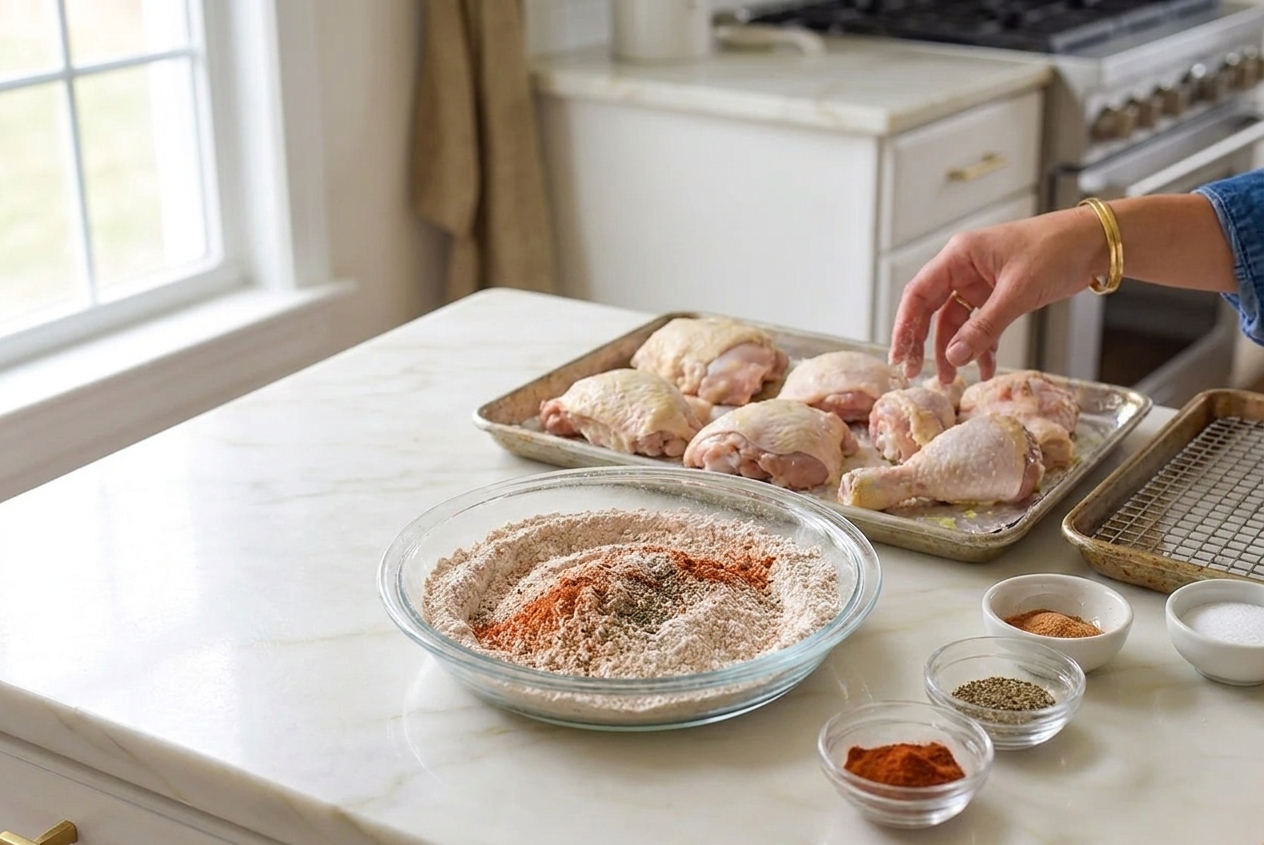
A home kitchen counter with raw chicken pieces, flour, spices, buttermilk, and a rimmed baking sheet set up for breading

What you are making

Think classic fried chicken crunch, but done in the oven. It is perfect for weeknights, meal prep, or the kind of Sunday dinner that makes everyone hover near the kitchen asking, “Is it done yet?”

  • Crunch: crisp edges and a crackly coating
  • Juice: brined and baked to a safe temp without drying out
  • Low drama: no deep-frying setup, no oil disposal
Why It Works

This recipe works because we stack a few small, reliable tricks that add up to big fried chicken payoff.

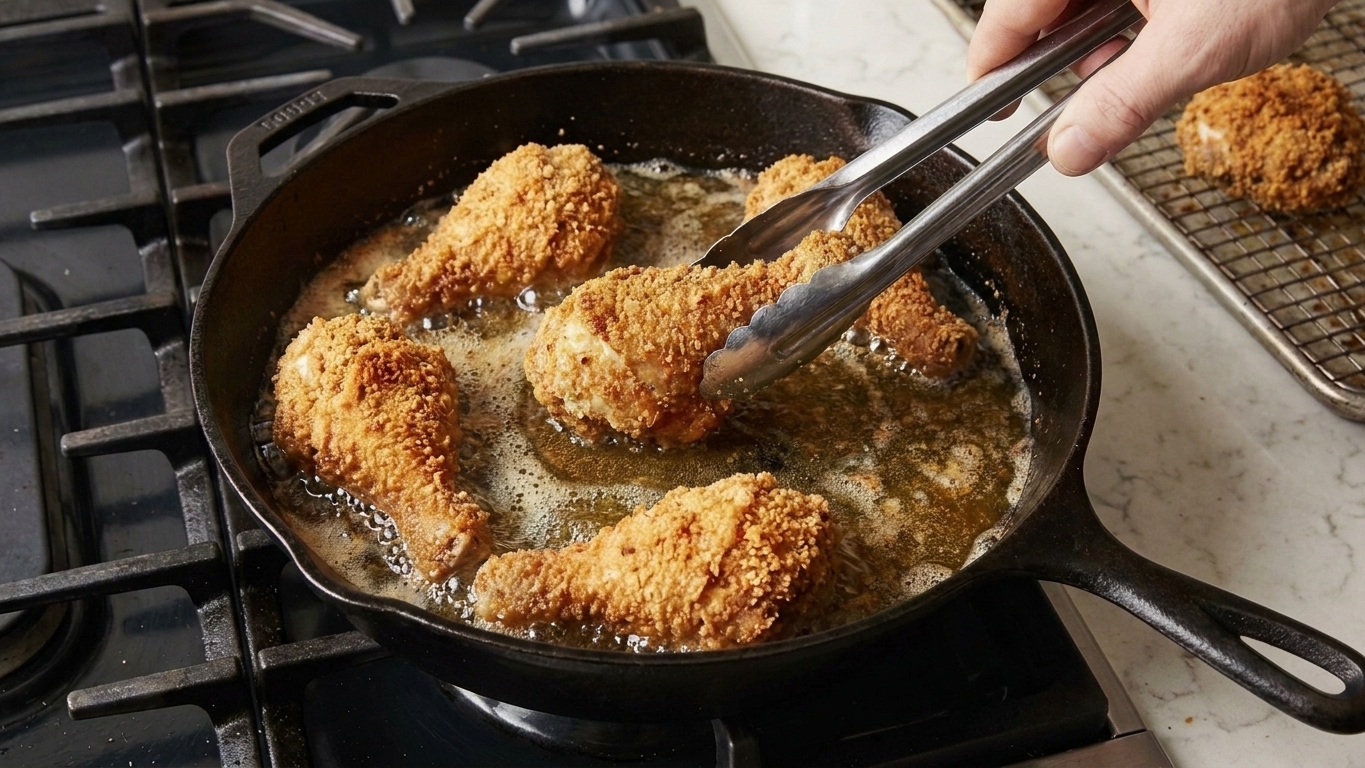
  • Preheated pan: Putting breaded chicken onto a hot, oiled sheet pan jump-starts browning and crisping fast, kind of like shallow frying but hands-off.
  • Buttermilk-style soak: The tang (real buttermilk or yogurt-milk) tenderizes and helps the coating cling.
  • Seasoned flour that pulls its weight: Paprika, garlic, onion, and a little baking powder give you flavor plus texture.
  • Wire rack finish: Resting on a rack keeps the bottom from steaming so the crust stays crisp.
A rimmed baking sheet heating in an oven with a light sheen of oil, ready for breaded chicken

Pairs Well With

Storage Tips

How to store and reheat

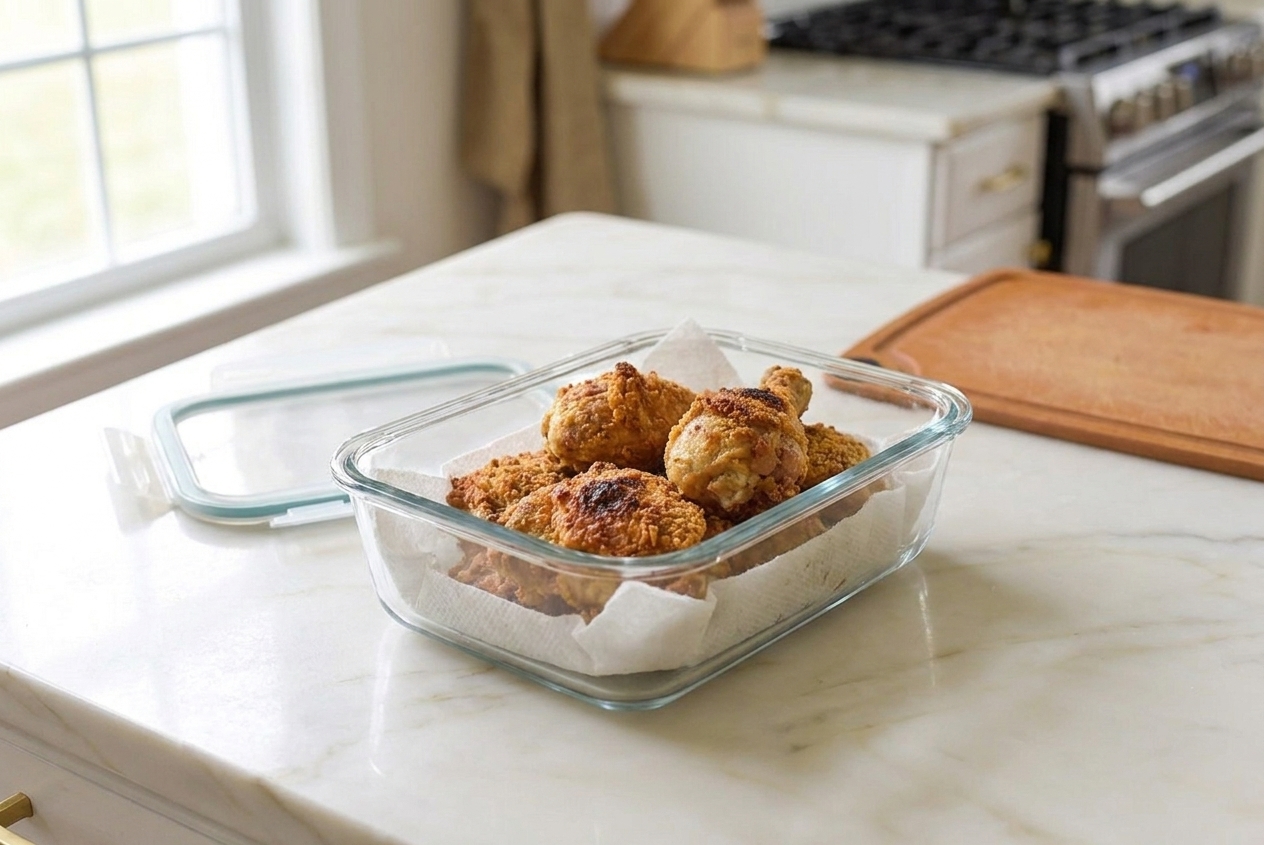
Fridge: Cool chicken completely, then store in an airtight container for up to 4 days. If you have room, place pieces on a small rack inside the container or tuck a paper towel under them to reduce moisture.

Freezer: Freeze cooled pieces on a sheet pan until firm, then transfer to a freezer bag. Best within 2 months.

Reheat for crisp: Bake on a wire rack over a sheet pan at 400°F until hot and crisp, about 12 to 18 minutes from the fridge, longer from frozen. Avoid the microwave if you care about crunch.

Crispy chicken pieces stored in a glass meal prep container lined with a paper towel on a kitchen counter

Common Questions

Troubleshooting and swaps

How do I keep oven fried chicken crispy?

Two big things: start with a hot pan, and do not trap steam. Use a wire rack to cool, and reheat in a hot oven or air fryer, not the microwave.

Do I need buttermilk?

Nope. You can use plain yogurt + milk (my favorite substitute) or milk with a splash of lemon juice or vinegar. Let it sit 5 minutes before using.

Why is my coating falling off?

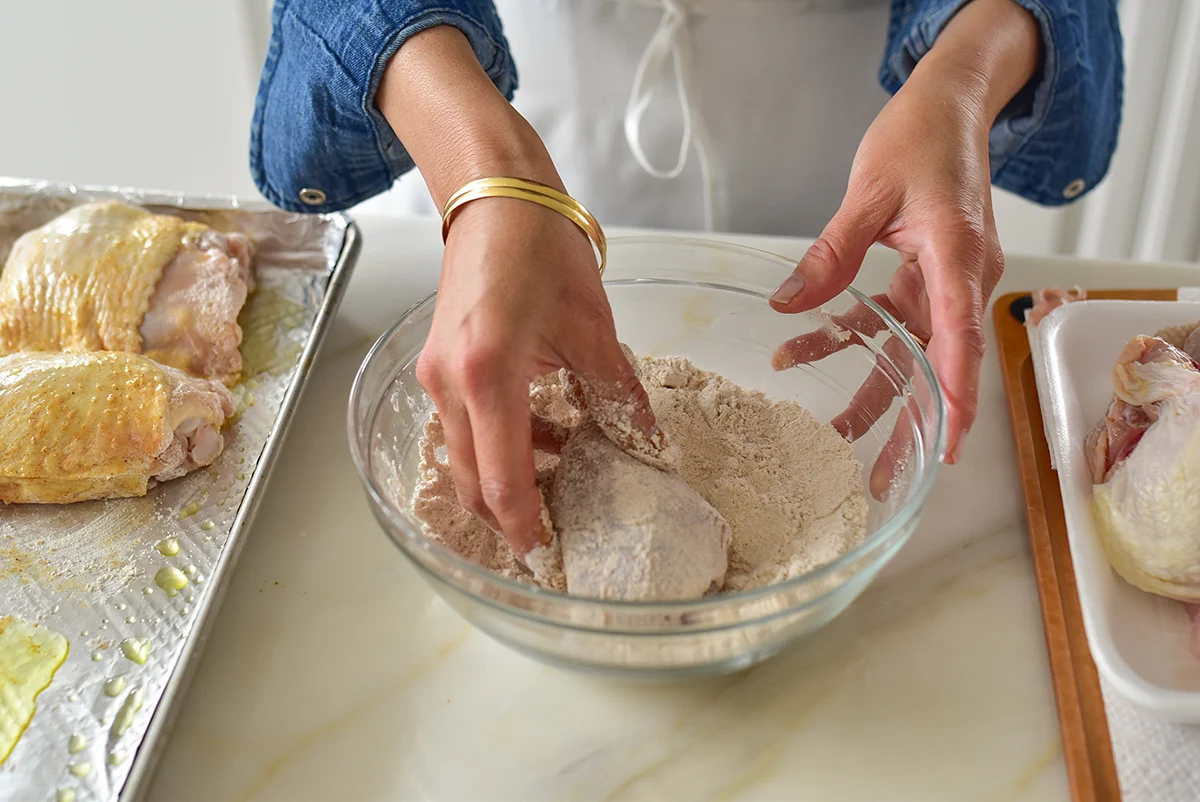
Usually one of these: the chicken is too wet when it hits the flour, you did not press the coating on, or you flipped too early. Pat off excess marinade, press the flour on firmly, and wait until the crust has set before turning.

Can I use boneless chicken breasts?

Yes, but they cook faster and dry out easier. Pound to even thickness and start checking temperature early. I prefer thighs for maximum forgiveness.

What temperature should chicken be cooked to?

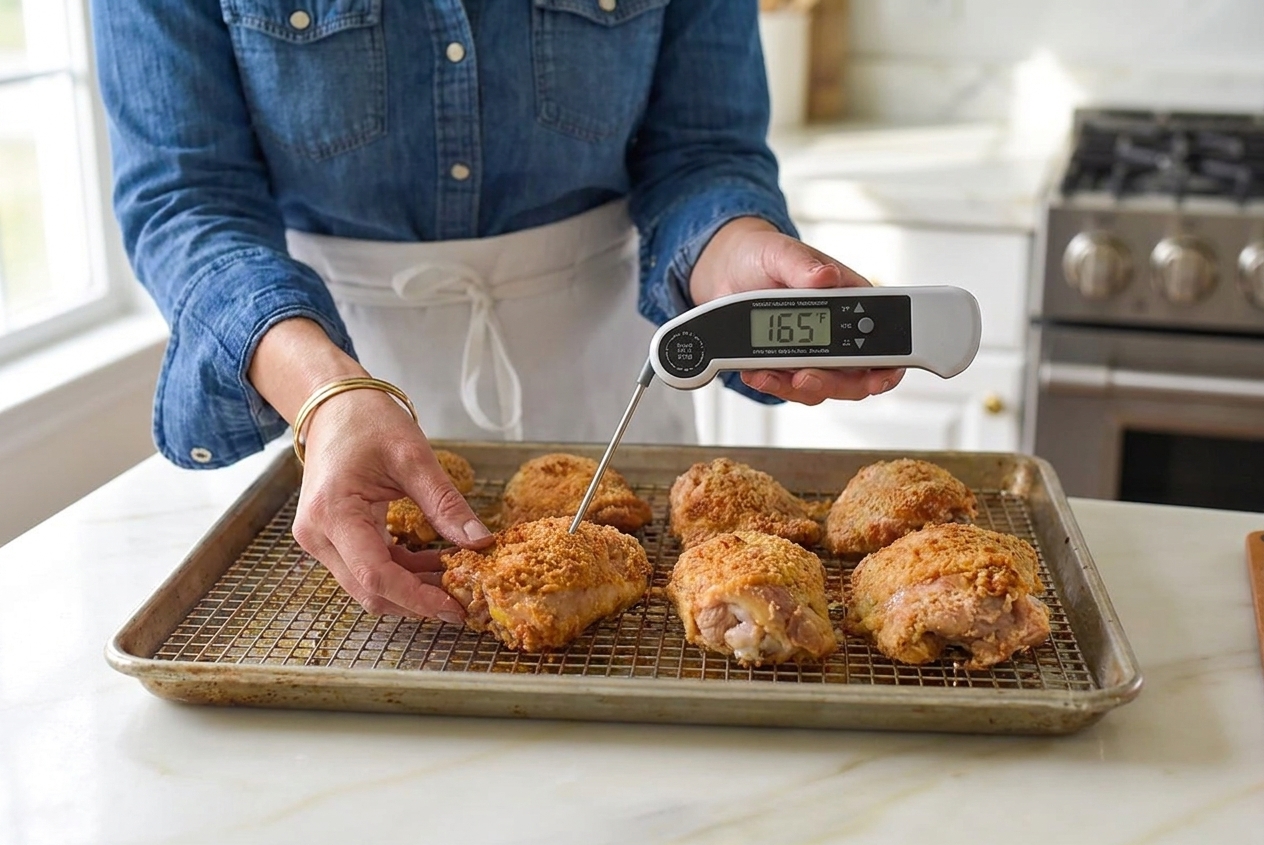
Cook until the thickest piece hits 165°F on an instant-read thermometer. If you are using a mix of cuts, pull pieces as they reach temp.

An instant-read thermometer inserted into a baked chicken thigh on a sheet pan showing the internal temperature

I love fried chicken, but I do not always love what fried chicken does to my kitchen. The first time I tried to “oven fry” it, I got juicy chicken with a coating that tasted fine but felt like a winter jacket. Not the vibe.

So I started treating the sheet pan like a skillet. Preheat it, oil it, and let that first contact do some real work. Now this is the version I make when I want crunchy edges without committing to a full fryer situation. It is the kind of recipe that forgives a little chaos, as long as you taste your seasoning and let the oven do its thing.