Mom's Best Recipes
Recipe

Oven Frittata

Fluffy, sliceable, and packed with whatever you’ve got in the fridge, this oven-baked frittata nails crisp edges without babysitting the stove.

Author By Matt Campbell
4.8
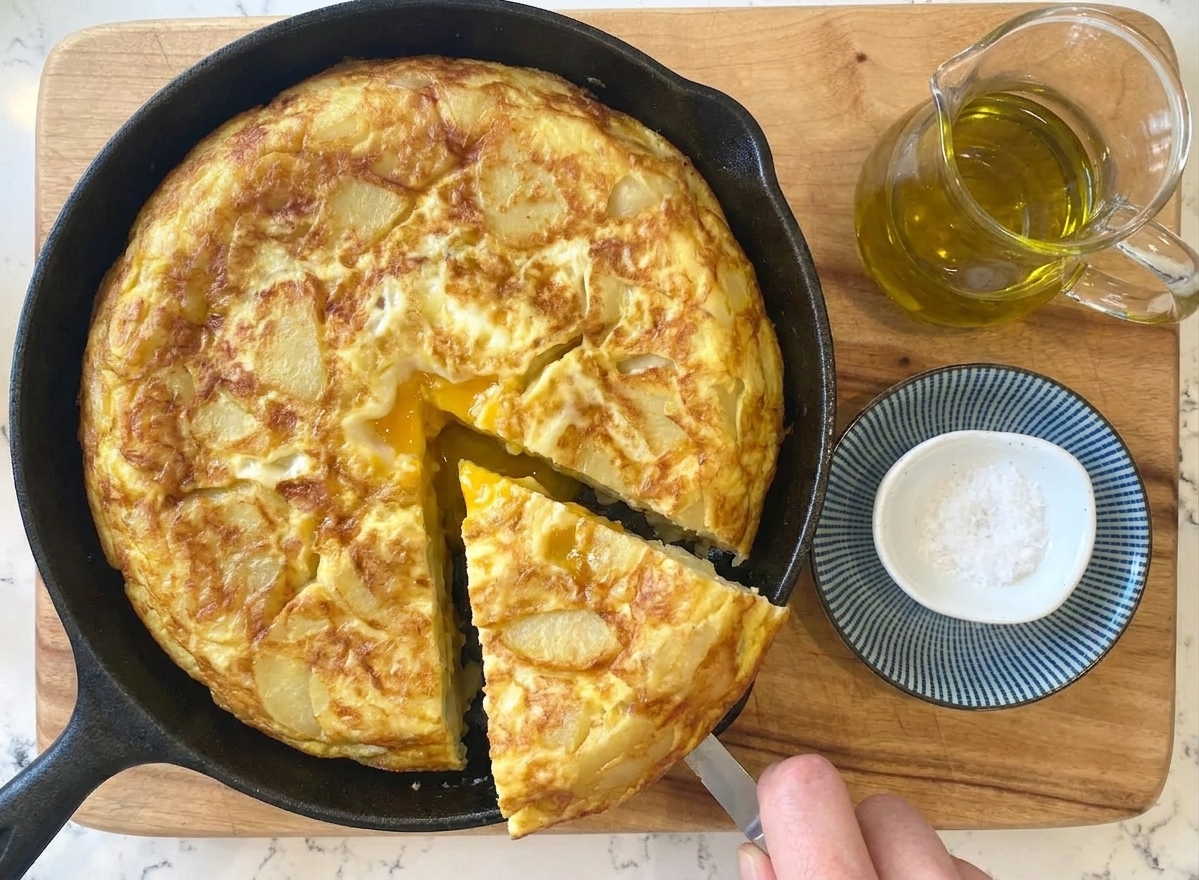
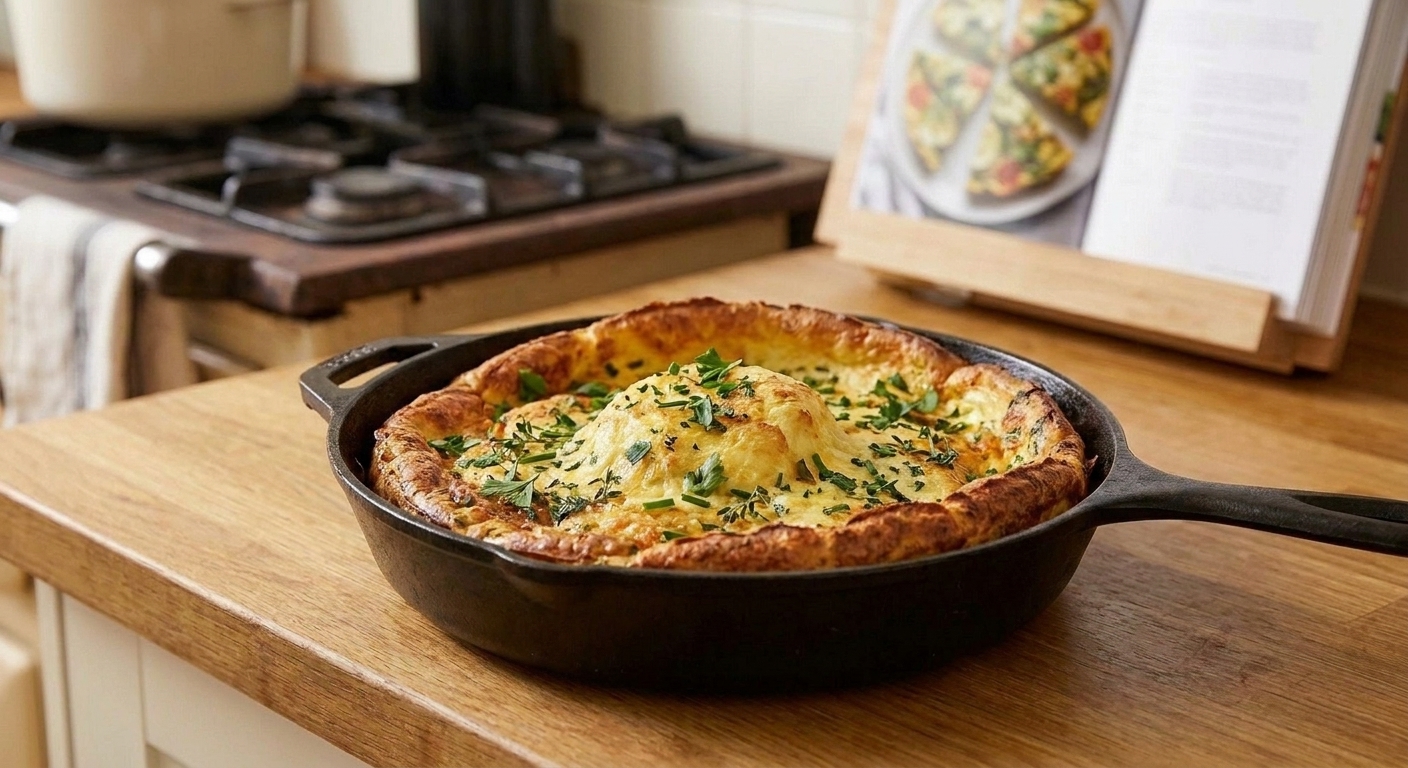
A golden oven-baked frittata in a cast iron skillet, puffed in the center with browned edges and scattered herbs

Frittata is my favorite kind of kitchen magic because it turns “I’ve got eggs and a questionable bag of spinach” into brunch that looks like you had a plan. The oven is the real hero here. It gives you a tender, custardy middle, helps the top set evenly, and lets the edges get that lightly crisp, browned bite that makes you go back for another slice even when you’re “just tasting.”

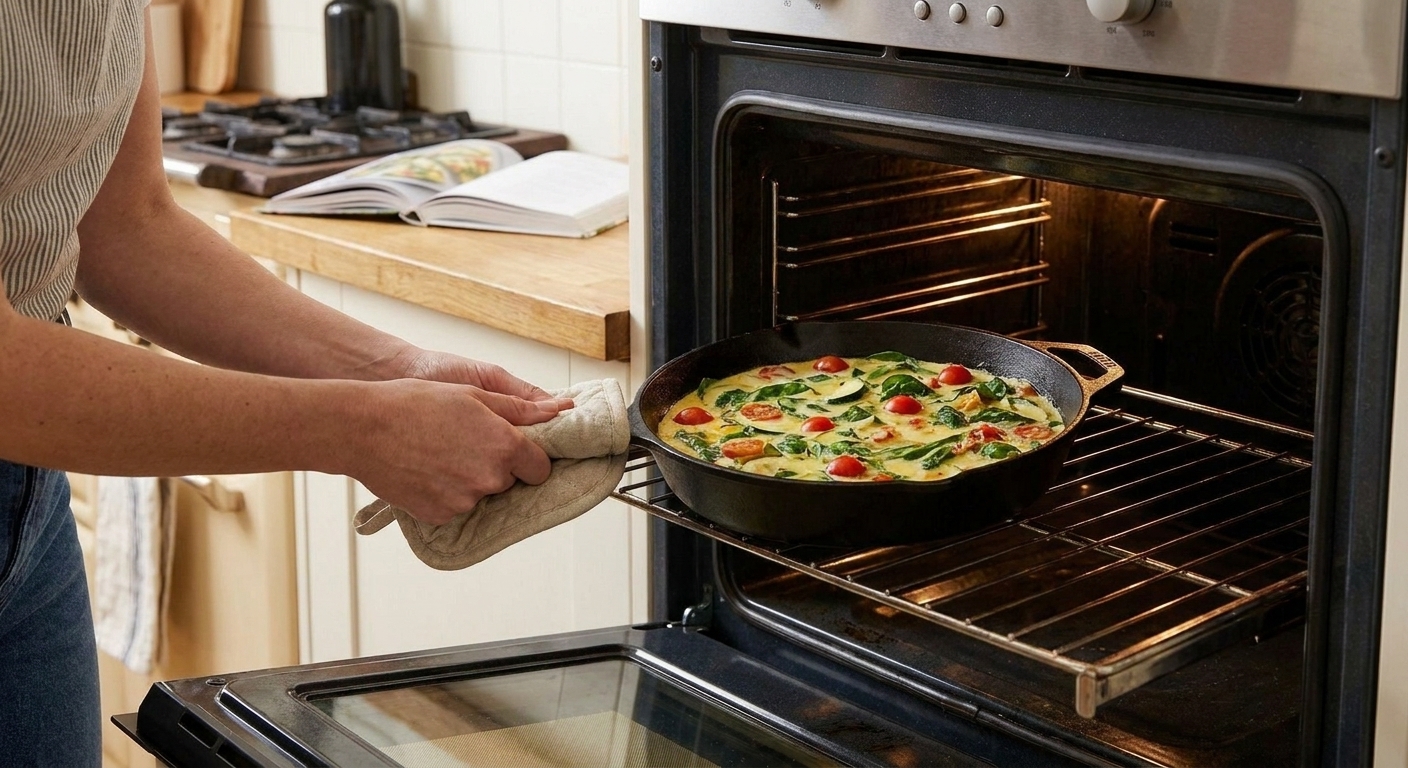
This version is built for real life: accessible ingredients, clear steps, and enough flexibility to use leftovers without ending up with a soggy egg pancake. We start on the stove just long enough to build flavor and set the edges, then we finish in the oven so the center cooks gently and evenly.
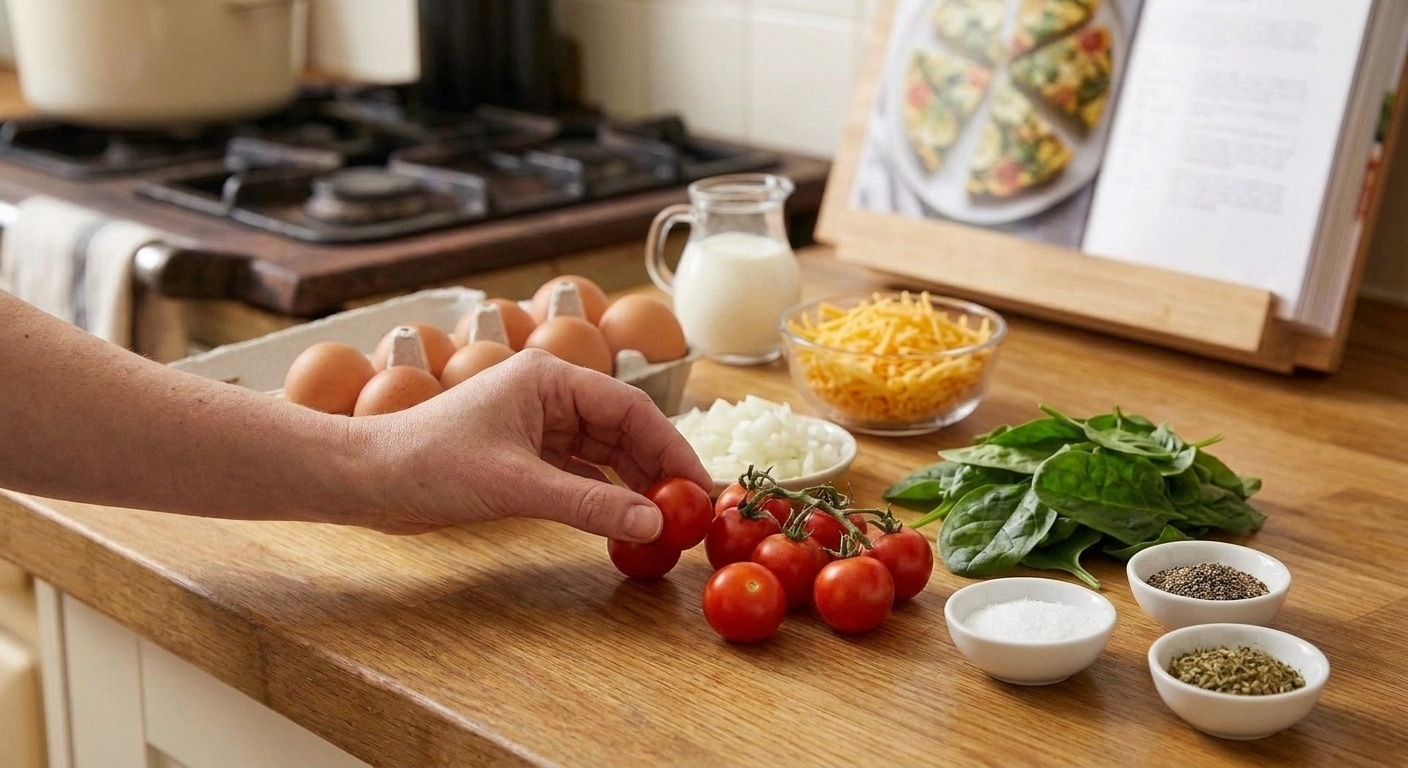
Eggs, milk, shredded cheese, diced onion, spinach, cherry tomatoes, and seasonings arranged on a kitchen counter

Why It Works

  • Evenly cooked eggs: Starting on the stove and finishing in the oven prevents a burnt bottom and a runny center.
  • Crisp edges, fluffy middle: A hot skillet plus the right oven temp gives you that perfect contrast.
  • Flexible fillings: Use cooked veggies, leftover roasted potatoes, deli ham, or whatever cheese you’ve got.
  • Sliceable and meal-prep friendly: It chills well and reheats without turning rubbery if you go low and slow.

Pairs Well With

Storage Tips

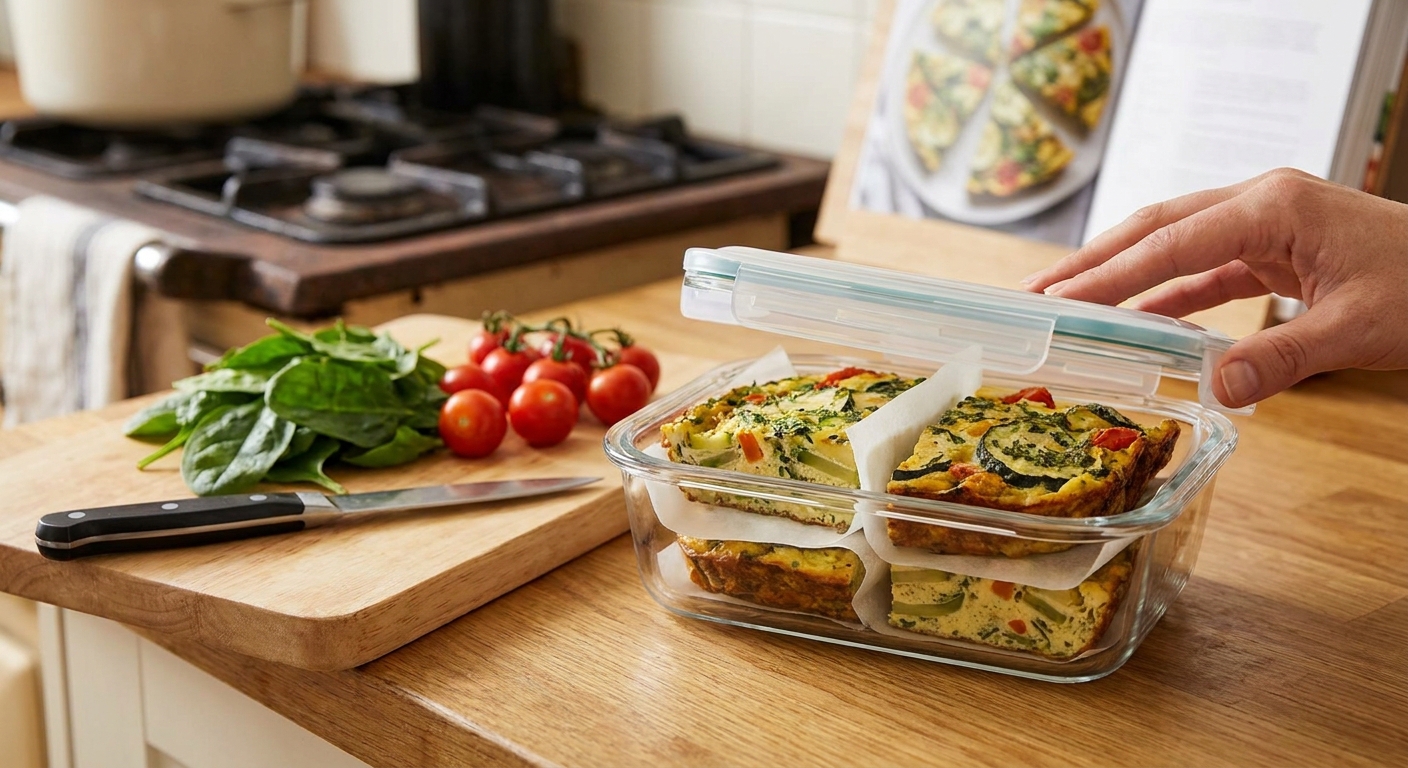
Refrigerator: Cool completely, then store slices in an airtight container for up to 4 days. If stacking, slip parchment between slices so they don’t stick.

Freezer: Wrap individual slices tightly in plastic wrap, then place in a freezer bag. Freeze up to 2 months. Thaw overnight in the fridge for best texture.

Reheat: For the least rubbery results, warm slices in a 325°F oven for 8 to 12 minutes, or microwave at 50% power in short bursts. A quick minute in a skillet can bring back a little edge crisp if you miss it.

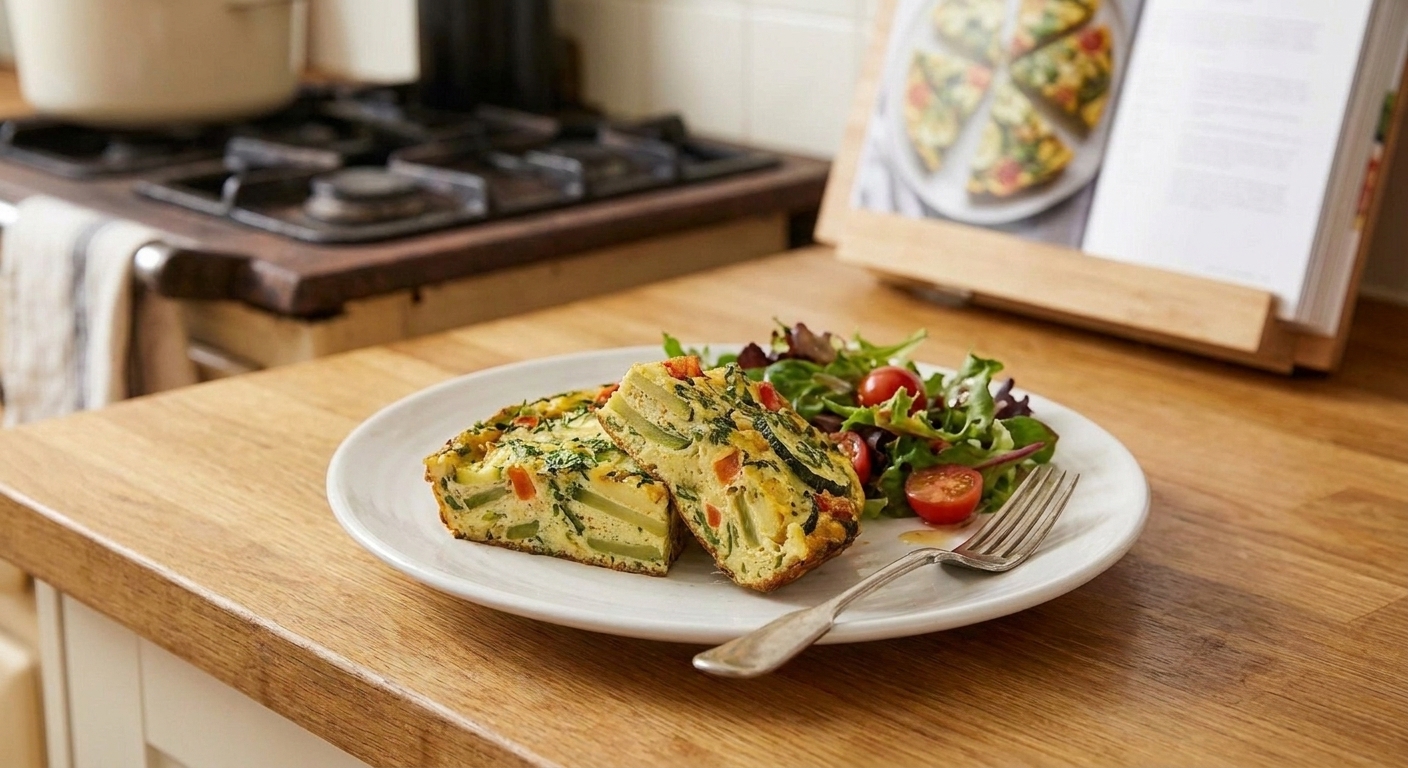
Frittata slices stored in a meal prep container with parchment between layers

Common Questions

What temperature should I bake a frittata in the oven?

350°F is the sweet spot for most frittatas. It cooks the center gently so the eggs stay tender, not dry. If you’re in a hurry, 375°F works too, but watch closely near the end.

How do I know when a frittata is done?

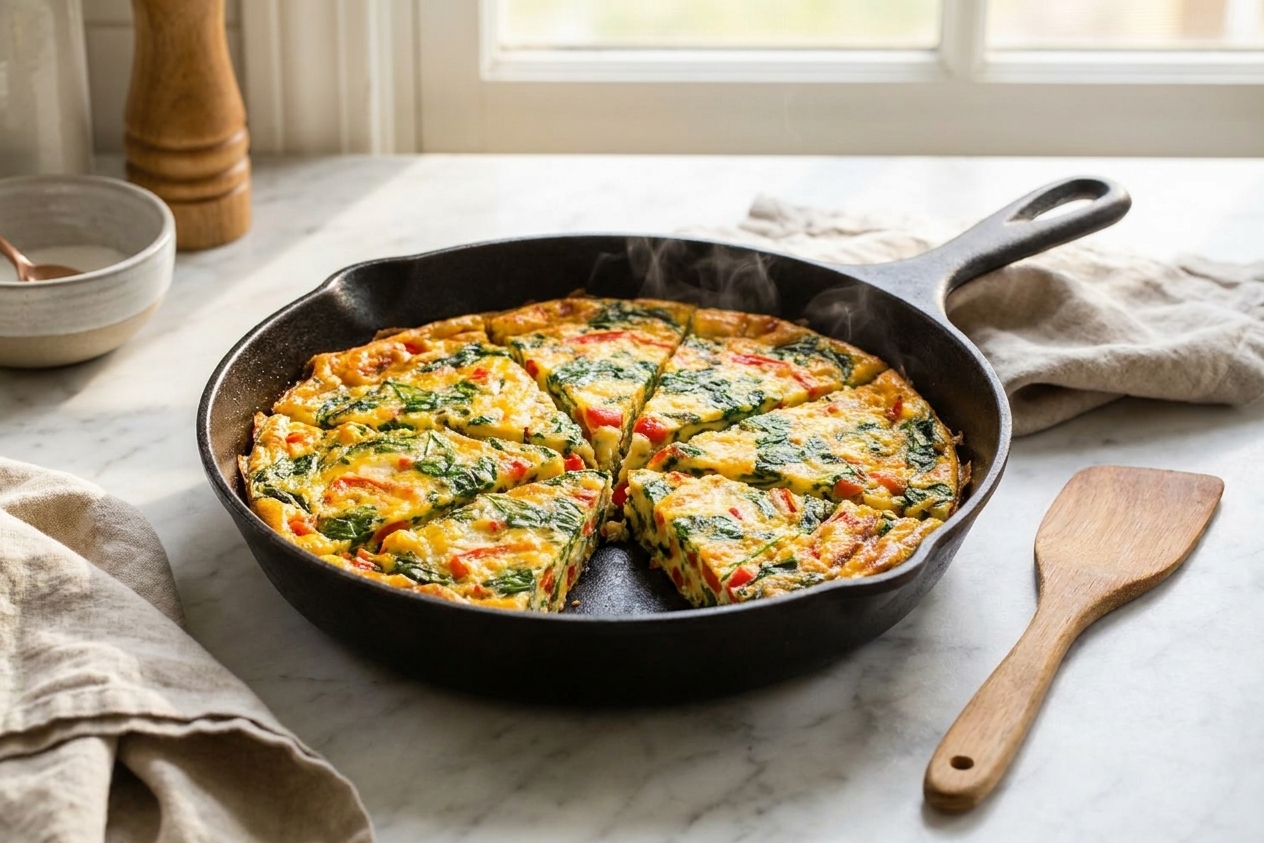
The edges should be set and the center should look set but still a little jiggly when you gently shake the pan. It should not look wet or shiny in the middle. If you have an instant-read thermometer, aim for about 160°F in the center. It’ll carry over a bit as it rests.

Why is my frittata watery?

Usually it’s the fillings, not the eggs. Vegetables like mushrooms, zucchini, spinach, and tomatoes release water. The fix is to cook them first until the pan looks mostly dry, then add eggs. Also don’t overdo the dairy. A little helps, a lot weeps.

Can I make a frittata without milk?

Yes. Milk makes it slightly softer, but you can skip it entirely. If you want, swap in a spoonful or two of sour cream or Greek yogurt for richness, or just go straight eggs plus seasoning.

What is the best pan for oven frittata?

A 10-inch oven-safe skillet is ideal, especially cast iron or stainless steel. Nonstick can work if it’s oven-safe to 350°F to 400°F. If you use a baking dish instead, expect a little less edge crisp and a slightly longer bake.

Can I start a frittata in the oven only?

You can, but you’ll miss some flavor and edge texture. The quick stovetop start helps set the bottom, sauté aromatics, and bloom the seasoning before the bake does the gentle finishing work.

I didn’t fall in love with frittatas because they’re fancy. I fell in love with them because they’re forgiving. When I was chasing practical kitchen skills over perfect culinary school vibes, I learned fast that being a good cook is mostly about timing, heat, and tasting. A frittata checks all three. It’s also the dish that makes you feel like a weekend brunch person even if you’re eating it over the sink on a Tuesday. No judgment. I’ve been there. Often.