Mom's Best Recipes
Recipe

Oven Pot Roast

Fork-tender beef, cozy vegetables, and a glossy gravy made right in the pot.

Author By Matt Campbell
4.8
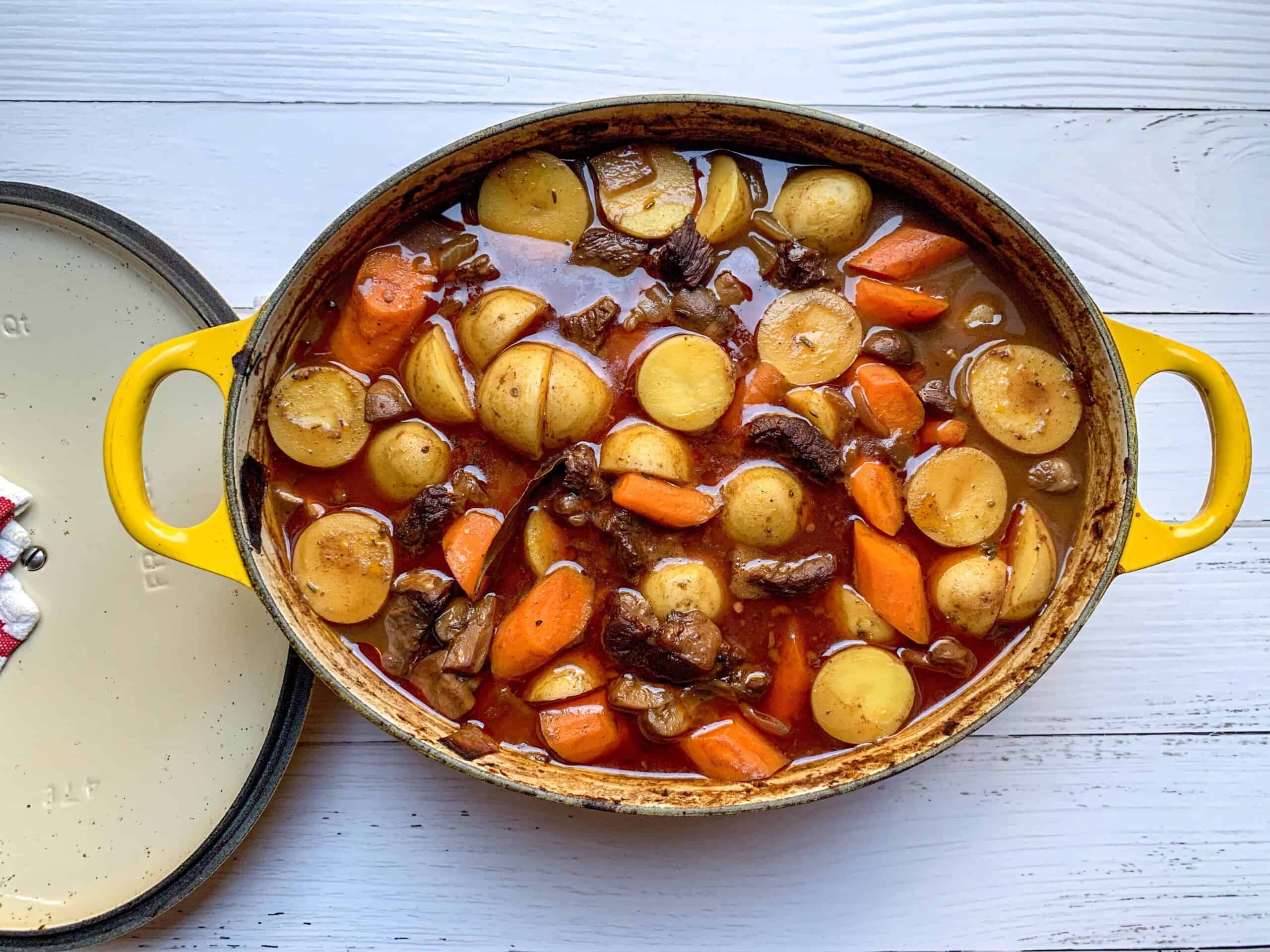
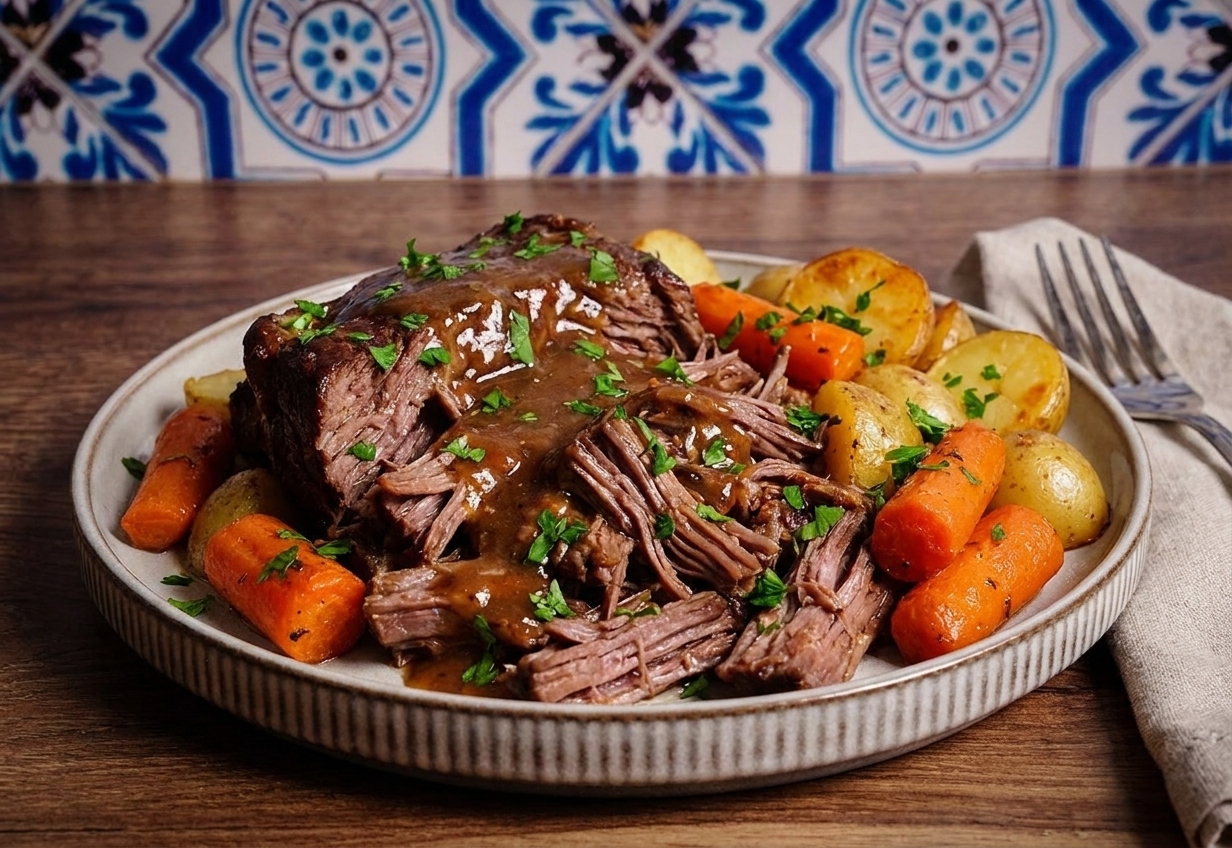
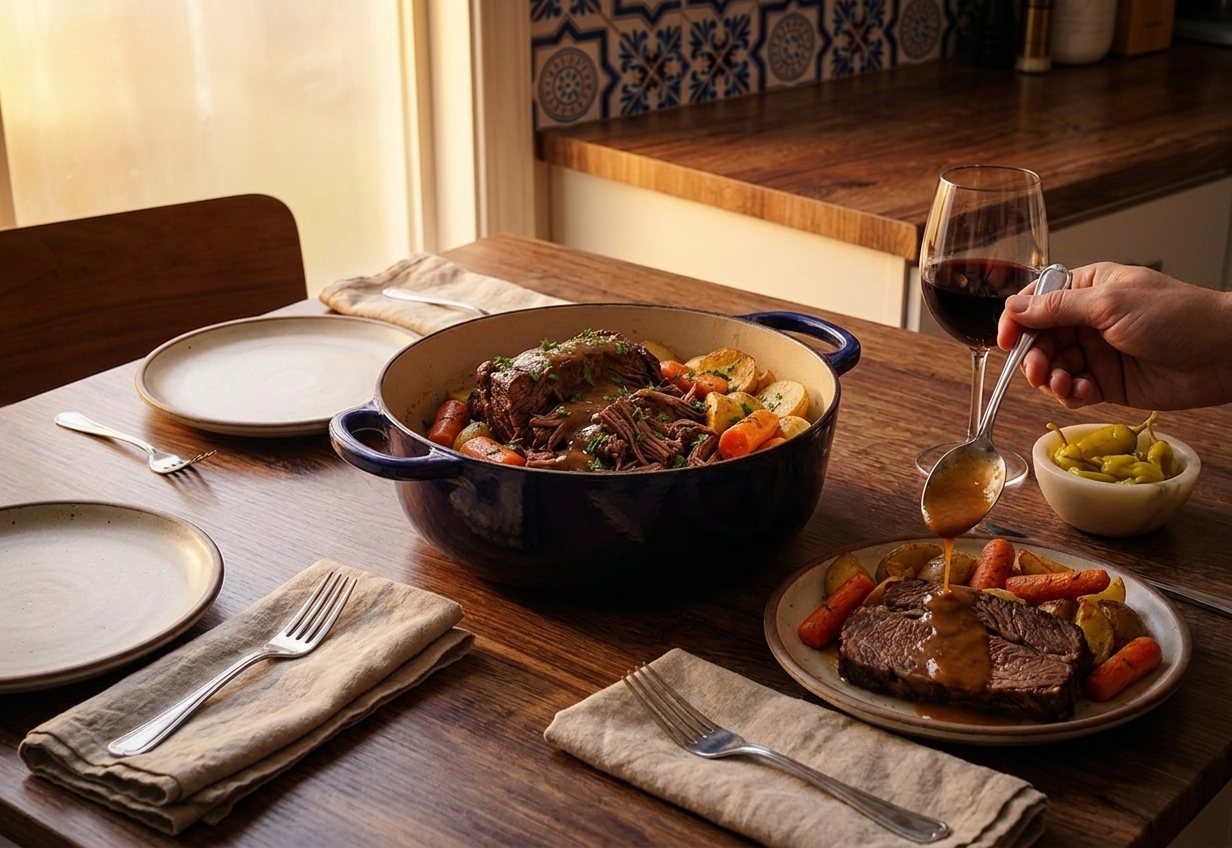
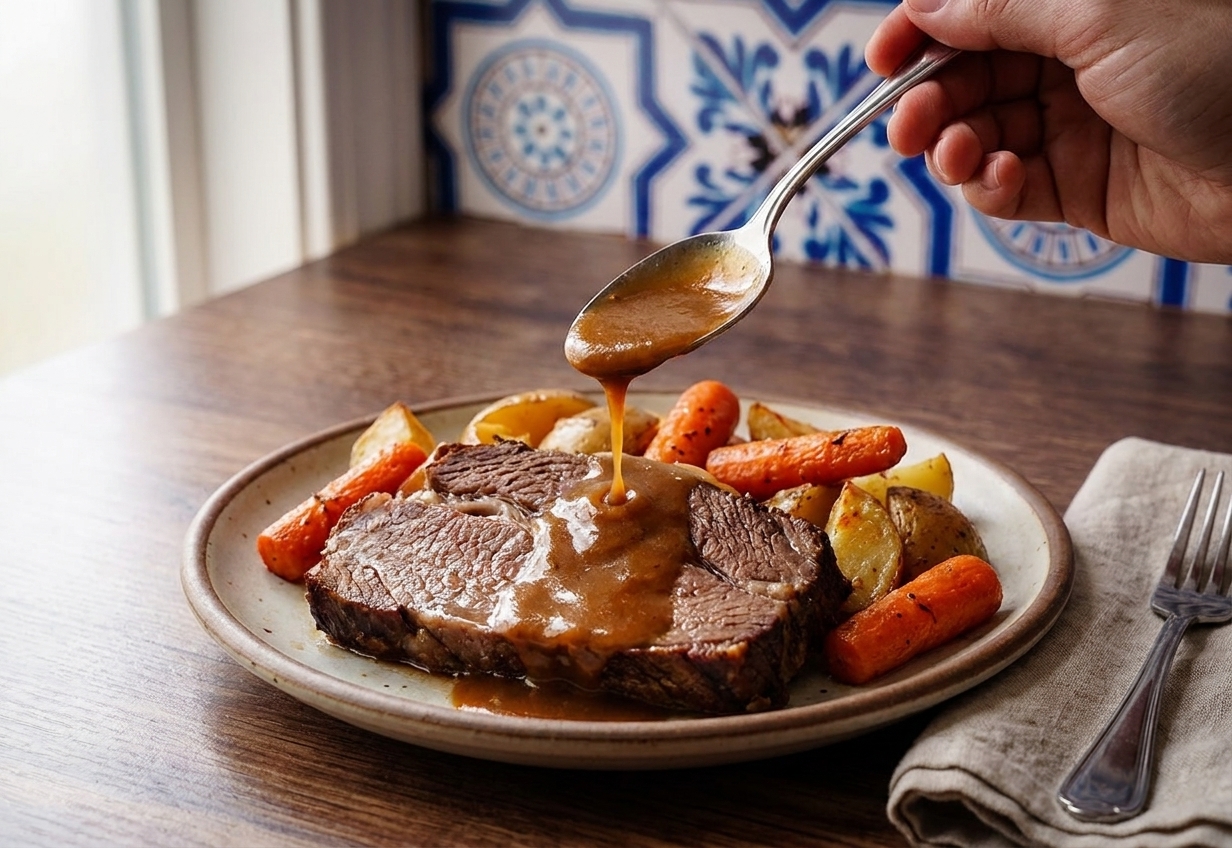
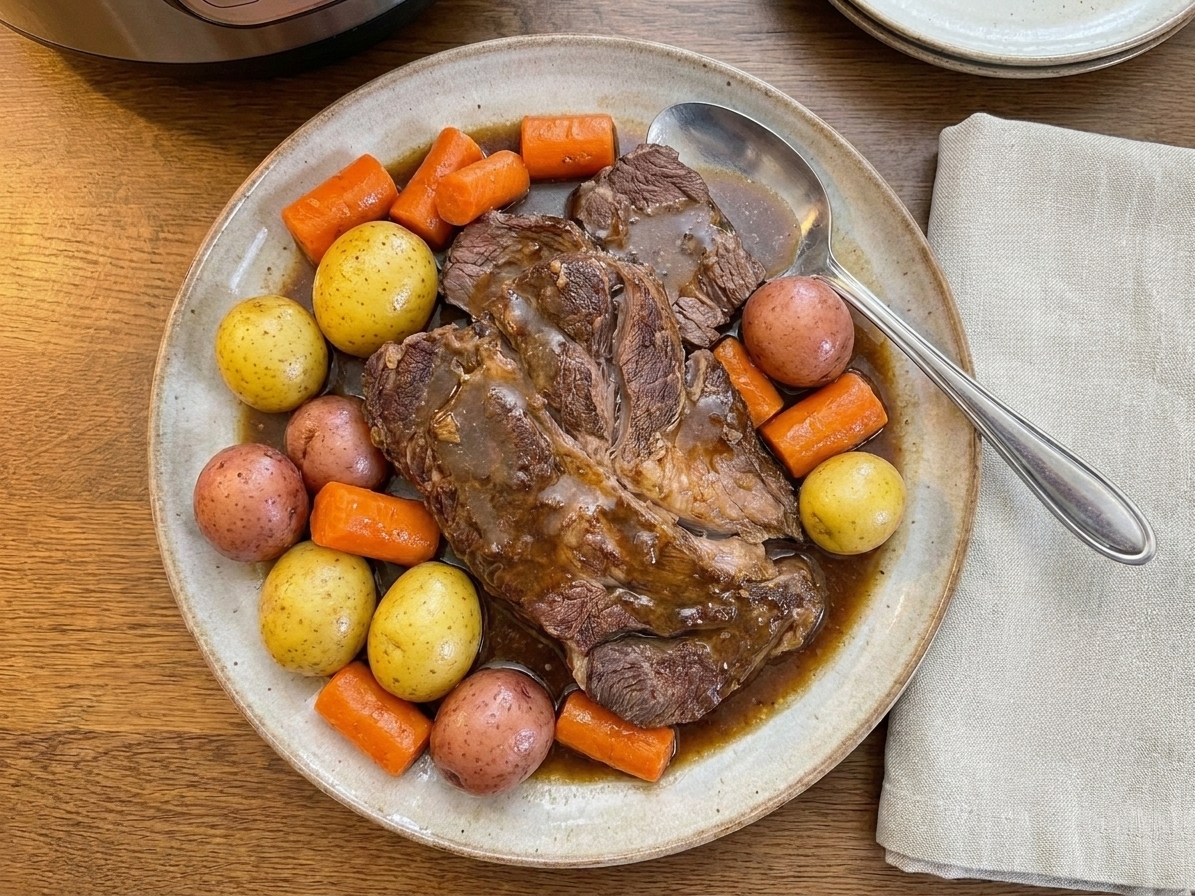
A plated serving of oven pot roast with carrots and potatoes, glossy brown gravy spooned over the meat, on a rustic dinner table with soft window light

Pot roast is the kind of meal that makes the whole house smell like you have your life together, even if your sink is full of coffee mugs and the laundry is doing that thing where it lives in a basket for three days. This oven pot roast is my go-to when I want maximum comfort with minimum drama: a good sear, a steady braise, and a simple gravy that tastes like you babysat it all day.

The goal here is tender beef you can pull apart with a spoon, vegetables that are soft but not sad, and a sauce that is rich without being heavy. We keep the ingredients easy, the steps clear, and we taste as we go because that is not optional in my kitchen.
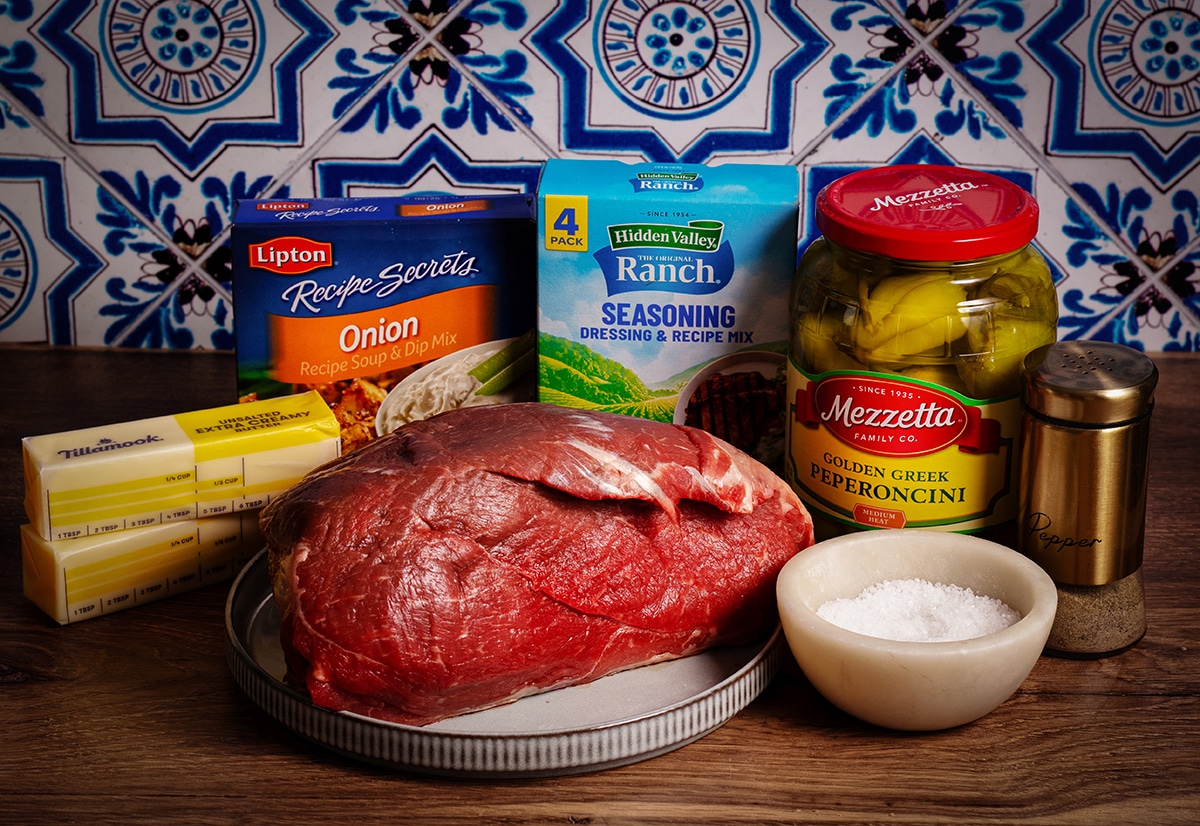
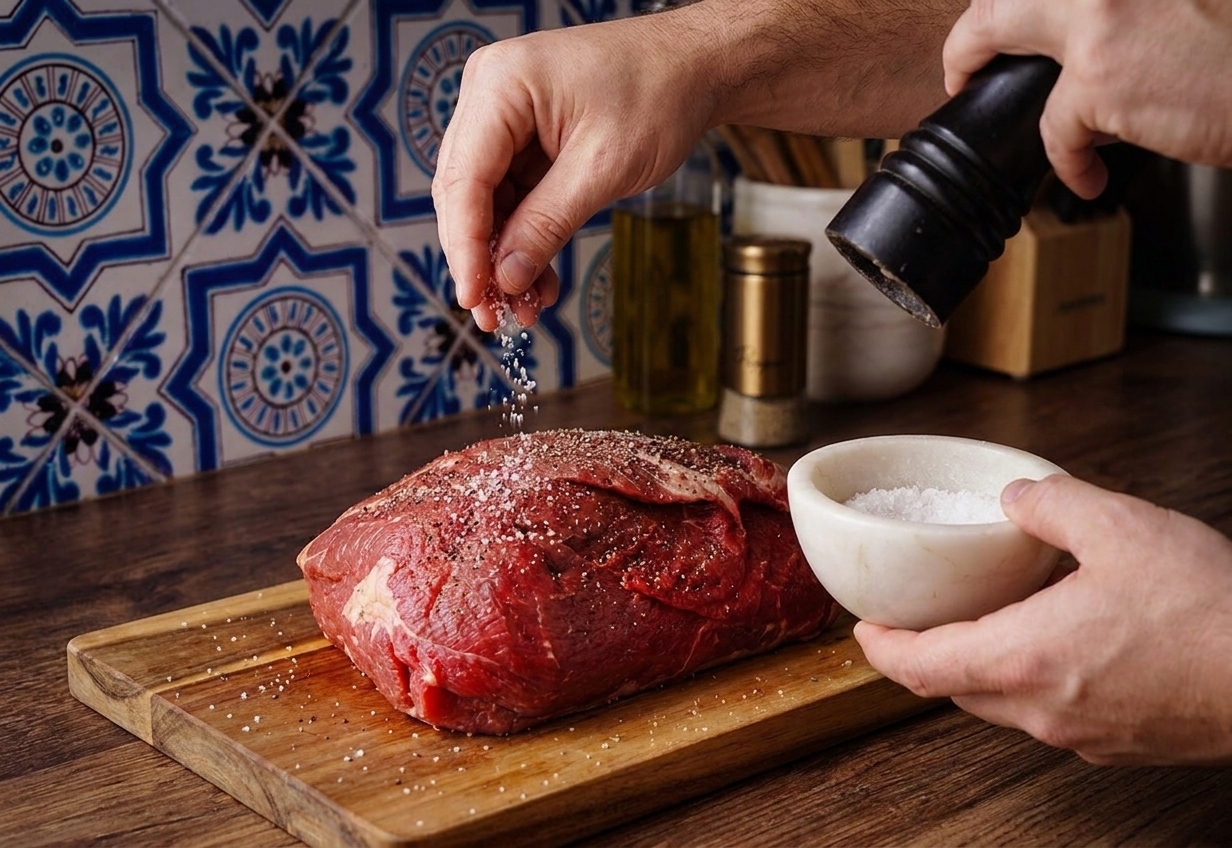
Raw chuck roast, onions, carrots, potatoes, garlic, tomato paste, beef broth, and herbs arranged on a clean kitchen counter in natural light

Why It Works

  • Oven-braised tenderness: Chuck roast has the fat and connective tissue that melts into that fall-apart texture when you give it low, steady heat.
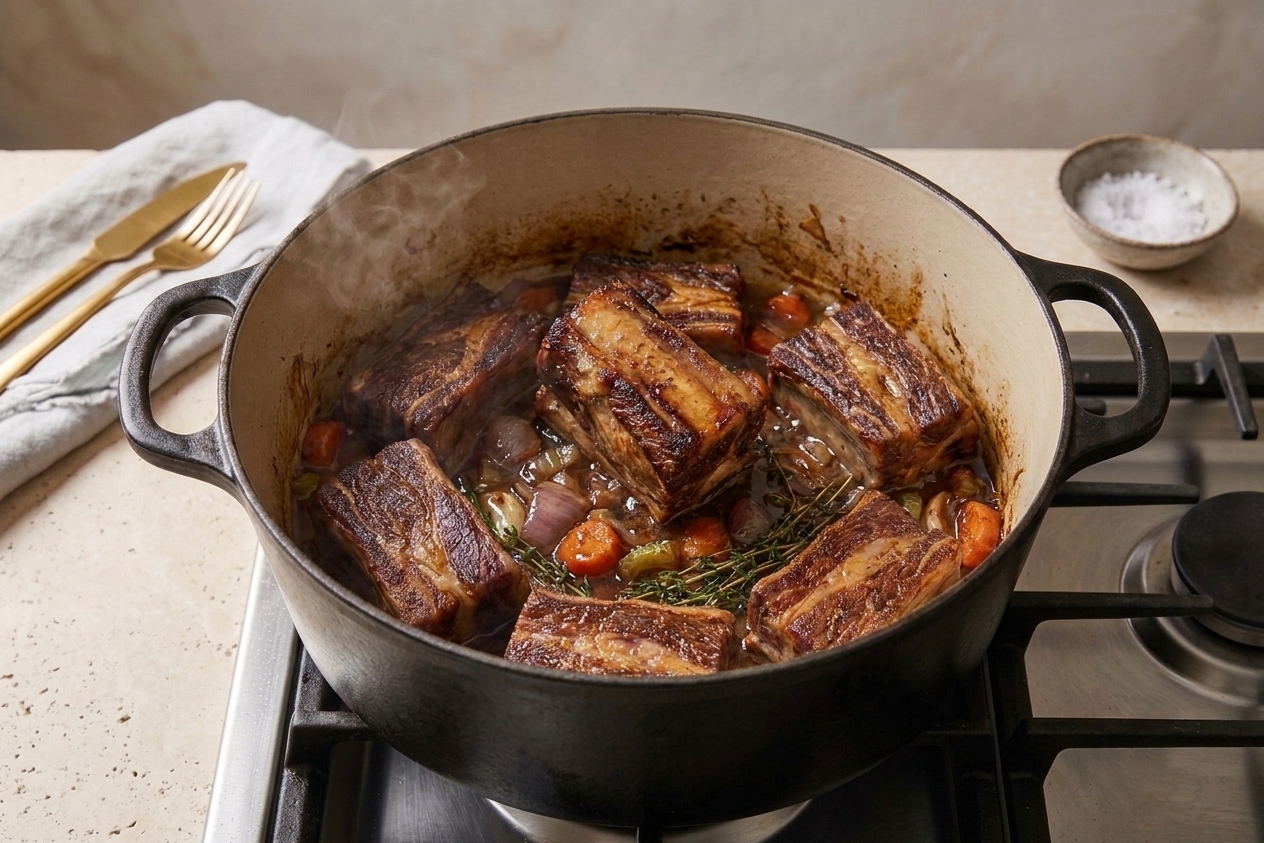
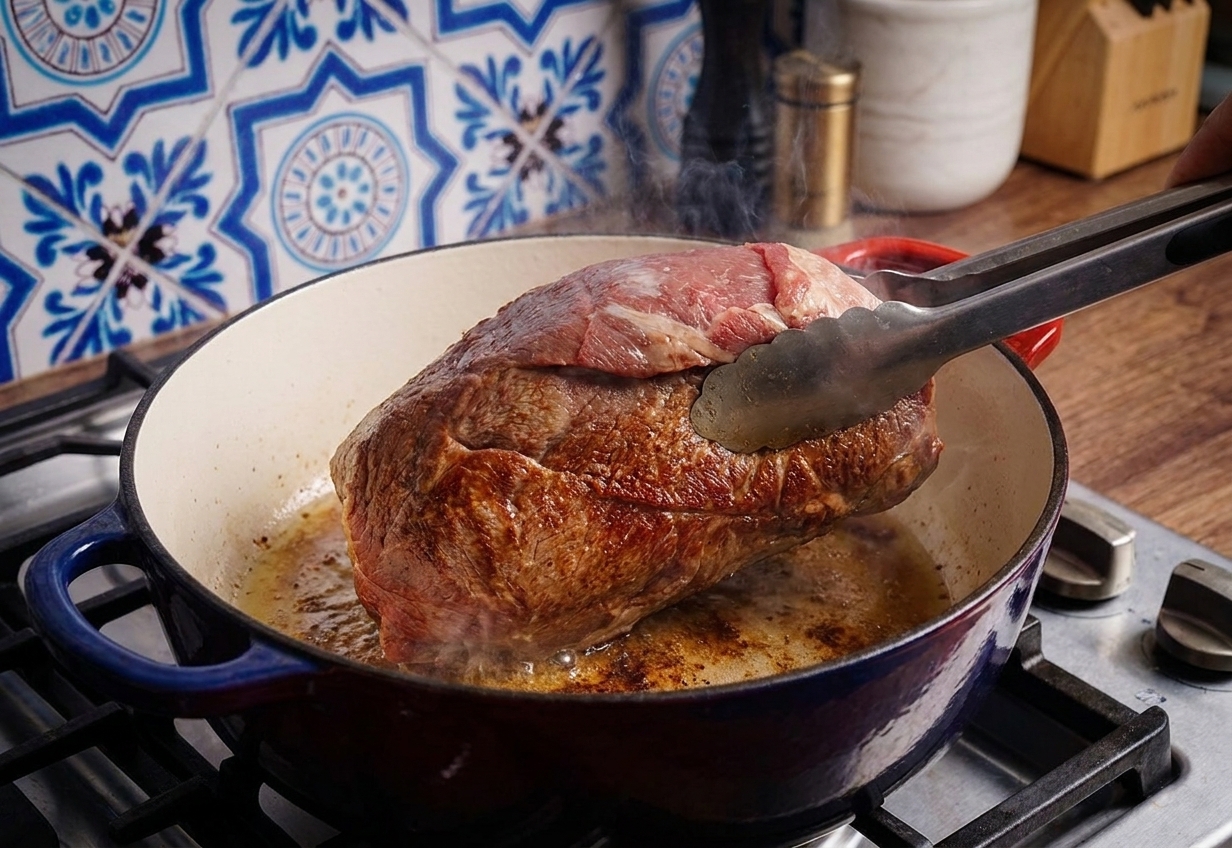
  • Searing builds the base: Browning the meat first adds deep flavor to the whole pot, including the gravy.
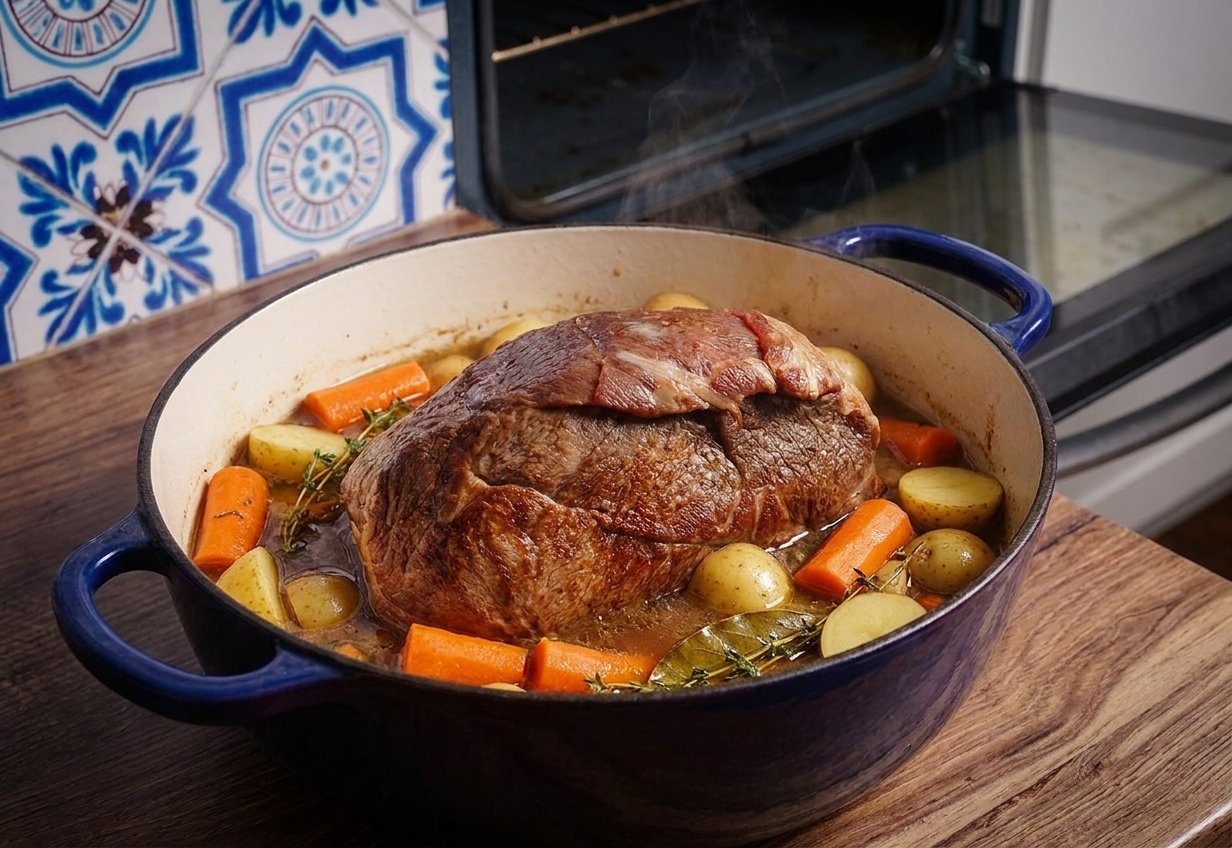
  • Vegetables cooked in the same pot: They soak up the beefy broth and come out sweet, savory, and properly cozy.
  • Gravy without stress: Flour cooked into the base gives you a head start, and an optional cornstarch slurry at the end lets you dial in that glossy, spoon-coating finish.

Pairs Well With

Storage Tips

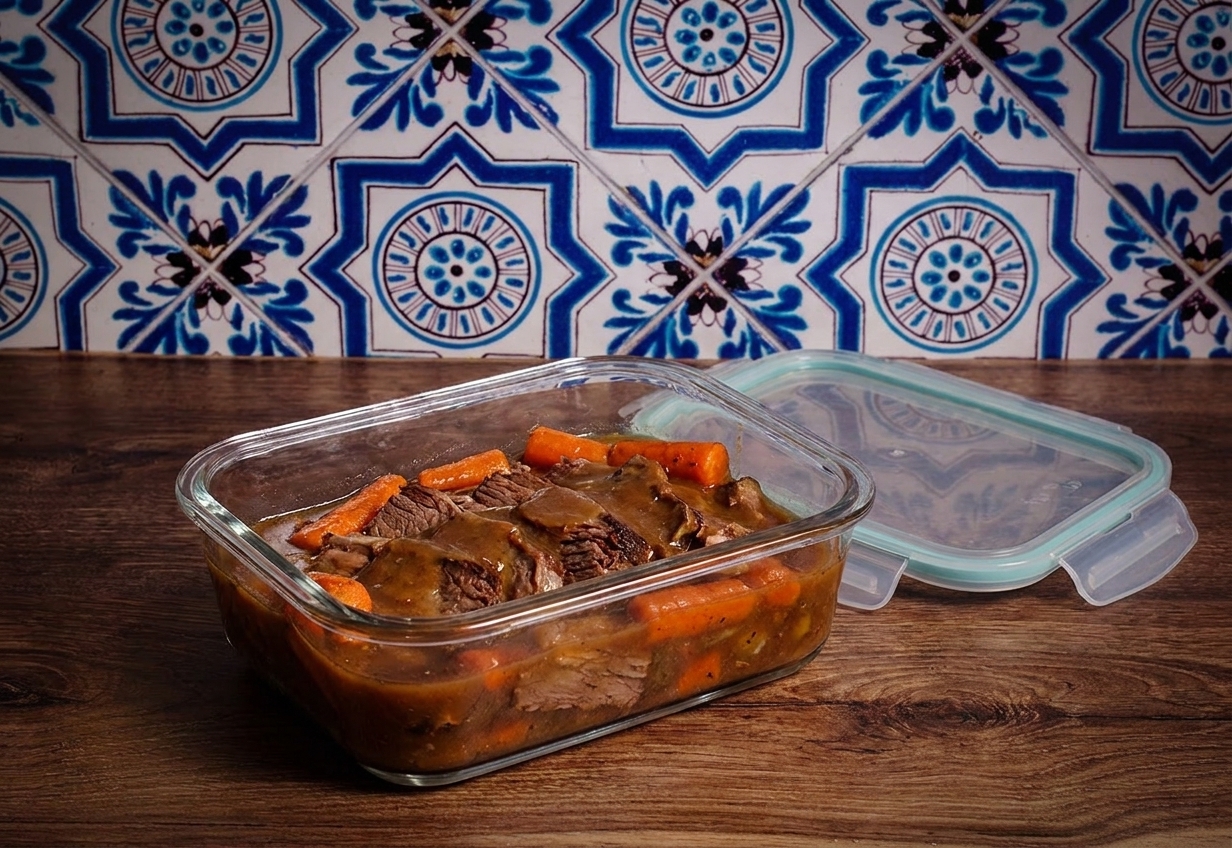
Refrigerate: Store pot roast and vegetables in an airtight container with some gravy. Keep up to 4 days.

Freeze: Freeze shredded or chunked beef with gravy (best texture) for up to 3 months. Potatoes can get a little grainy after freezing, so if you are planning ahead, freeze the beef and gravy and make fresh potatoes later.

Reheat: Warm gently on the stovetop over medium-low with a splash of broth or water, covered, until hot. Microwave works too. Use 50% power so the meat stays tender instead of rubbery.

A glass meal prep container filled with sliced pot roast, carrots, and gravy on a kitchen counter with a lid set beside it

Common Questions

What cut of beef is best for oven pot roast?

Chuck roast is the classic for a reason. It has marbling and connective tissue that turns silky with a long braise. Bottom round can work, but it is leaner and less forgiving.

What oven temperature is best for pot roast?

I like 300°F for a steady braise. It is low enough to break down the roast gently and high enough that dinner still happens today.

How long does pot roast take in the oven?

For a 3 to 4 pound chuck roast at 300°F, plan on about 3 hours 30 minutes to 3 hours 45 minutes total oven time (the first braise, then vegetables). It is done when a fork slides in easily and the meat wants to pull apart. If you like a thermometer, tenderness matters most, but shreddable chuck often lands around 195 to 205°F.

Should pot roast be covered in the oven?

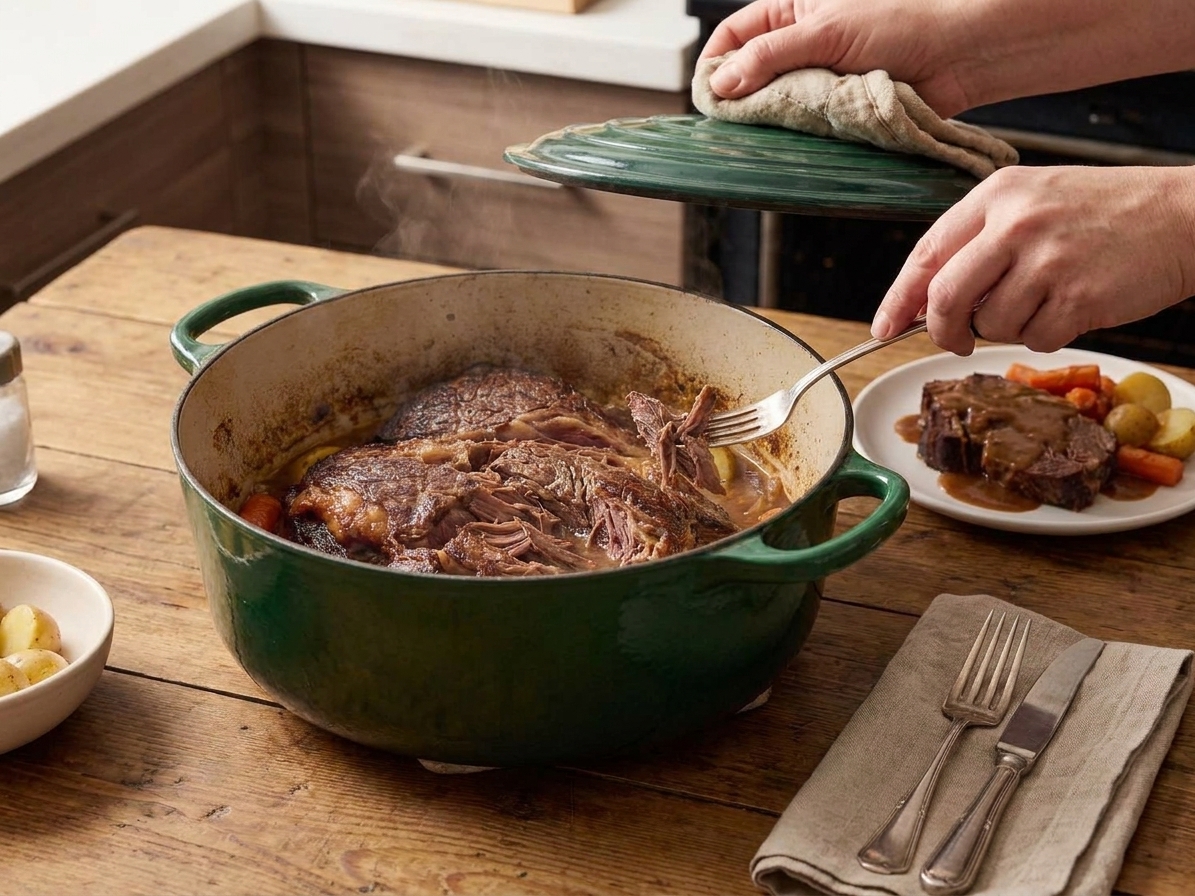
Yes. Keep the lid on (or cover tightly with foil) so the braising liquid does not evaporate and the meat stays moist.

Why is my pot roast tough?

It usually needs more time, not more heat. If it is tough, the collagen has not fully broken down yet. Put it back in the oven, covered, and check again in 20 to 30 minutes.

Can I add the potatoes and carrots from the beginning?

You can, but they tend to overcook and get mushy. I add them later so you get tender veggies that still hold their shape.

Pot roast is one of those dishes that taught me patience in the kitchen. Back when I was chasing practical skills over a culinary degree, this was the kind of meal that felt like a cheat code: one pot, basic ingredients, and suddenly you are serving something that tastes like it has a story. I still make it the same way when I want dinner to be a little warmer, a little slower, and a lot more forgiving. Also, I will always sneak a bite of gravy straight off the spoon. For quality control, obviously.