Mom's Best Recipes
Recipe

Oven Roasted Asparagus

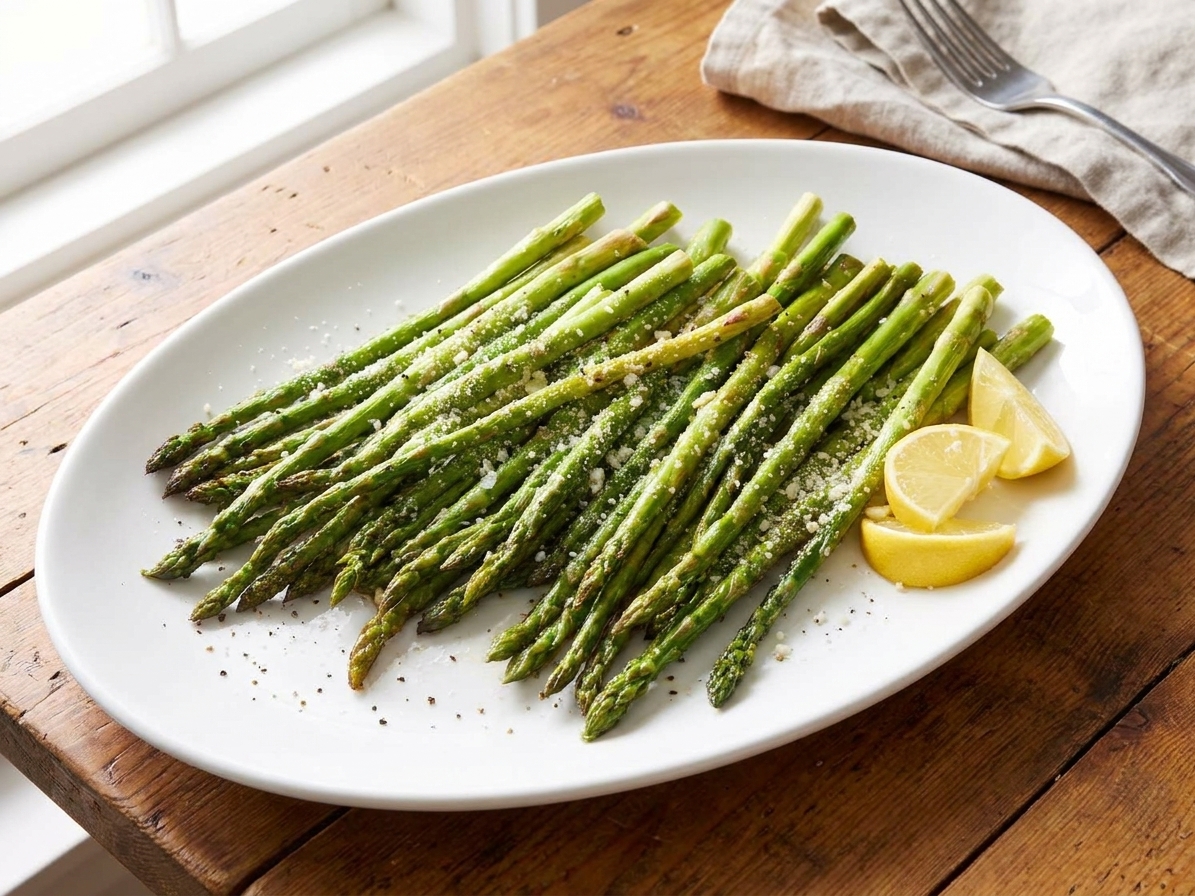
Crisp-tender spears with garlicky olive oil, a squeeze of lemon, and optional Parmesan.

Author By Matt Campbell
4.8
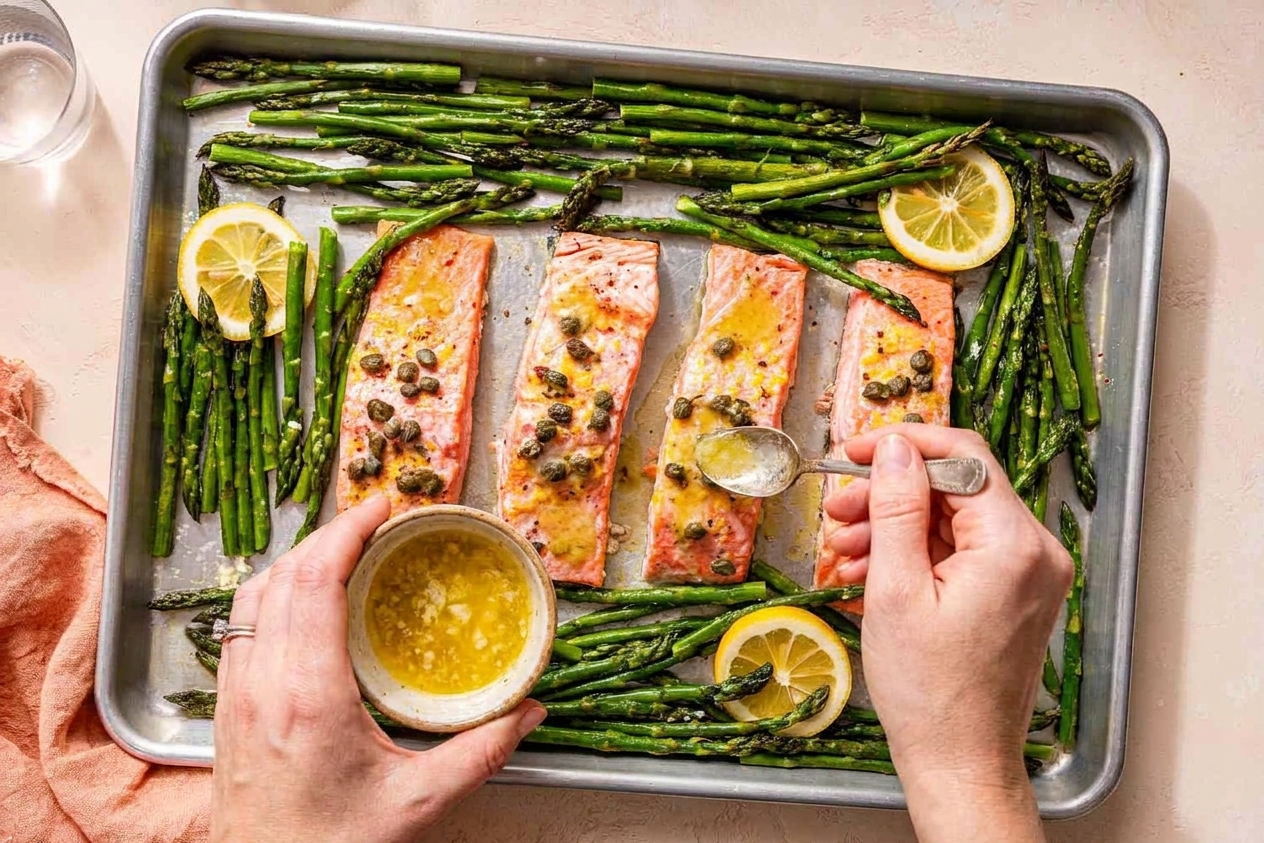
A sheet pan of roasted asparagus spears with crisp tips and a light sprinkle of Parmesan on a warm kitchen counter

If asparagus has ever betrayed you by turning out soggy, stringy, or weirdly bitter, I promise it is not personal. It just needs two things: high heat and room to breathe. Roasting in a hot oven gives you those crisp, toasty tips and a tender snap in the stalk, which is basically the best version of asparagus.

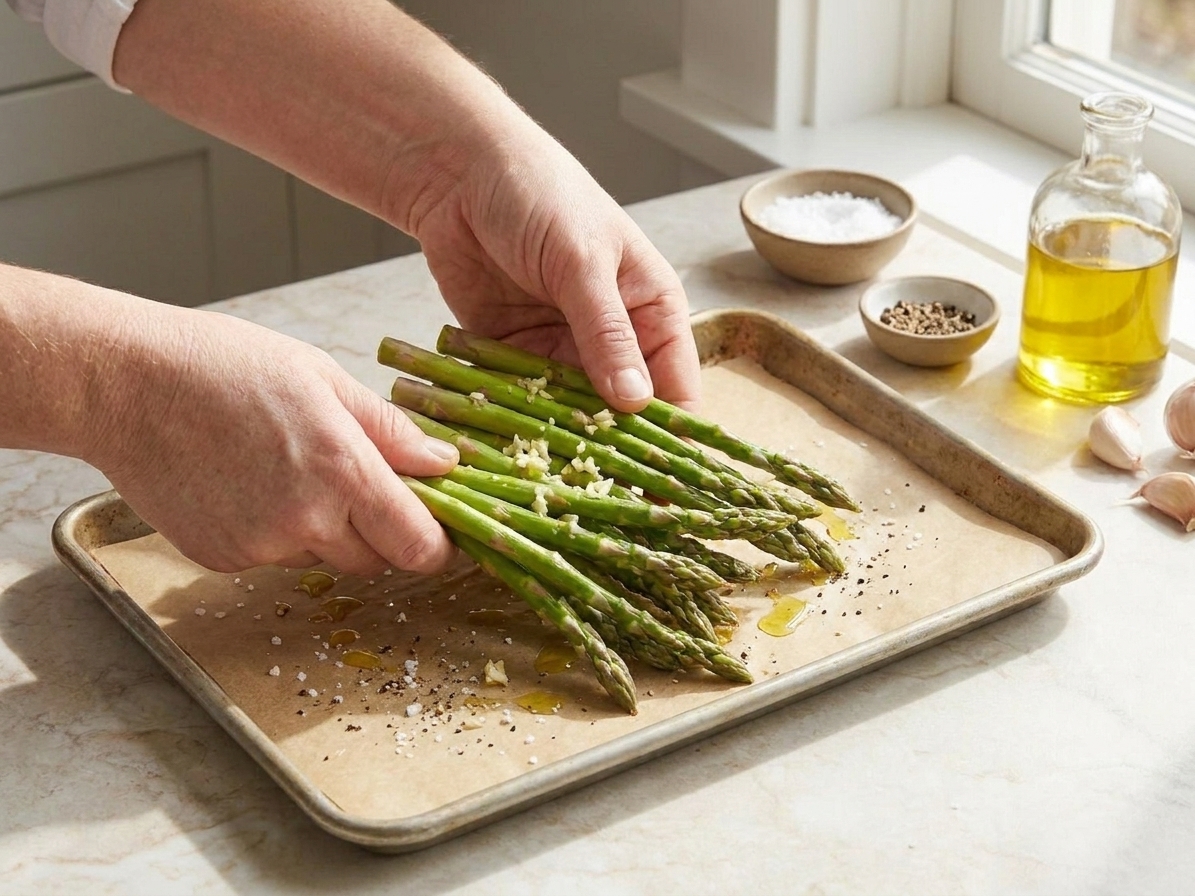
This is my weeknight method when I want a side dish that feels a little fancy but behaves like a reliable friend. Olive oil, salt, pepper, garlic, lemon. Parmesan if you want a cozy finish. No drama, just crisp edges and bright flavor.

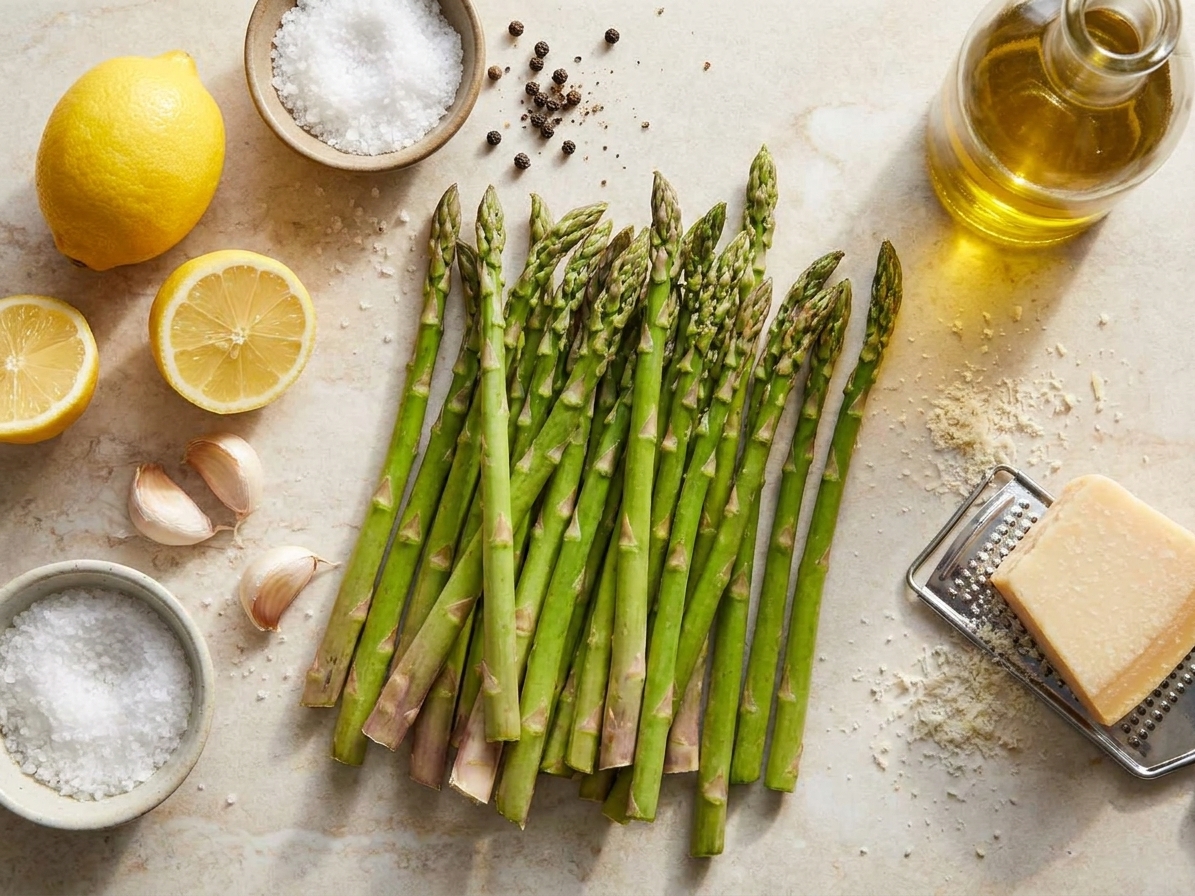
Fresh asparagus, a lemon, garlic cloves, olive oil, salt, pepper, and Parmesan on a light stone countertop in a home kitchen

Why It Works

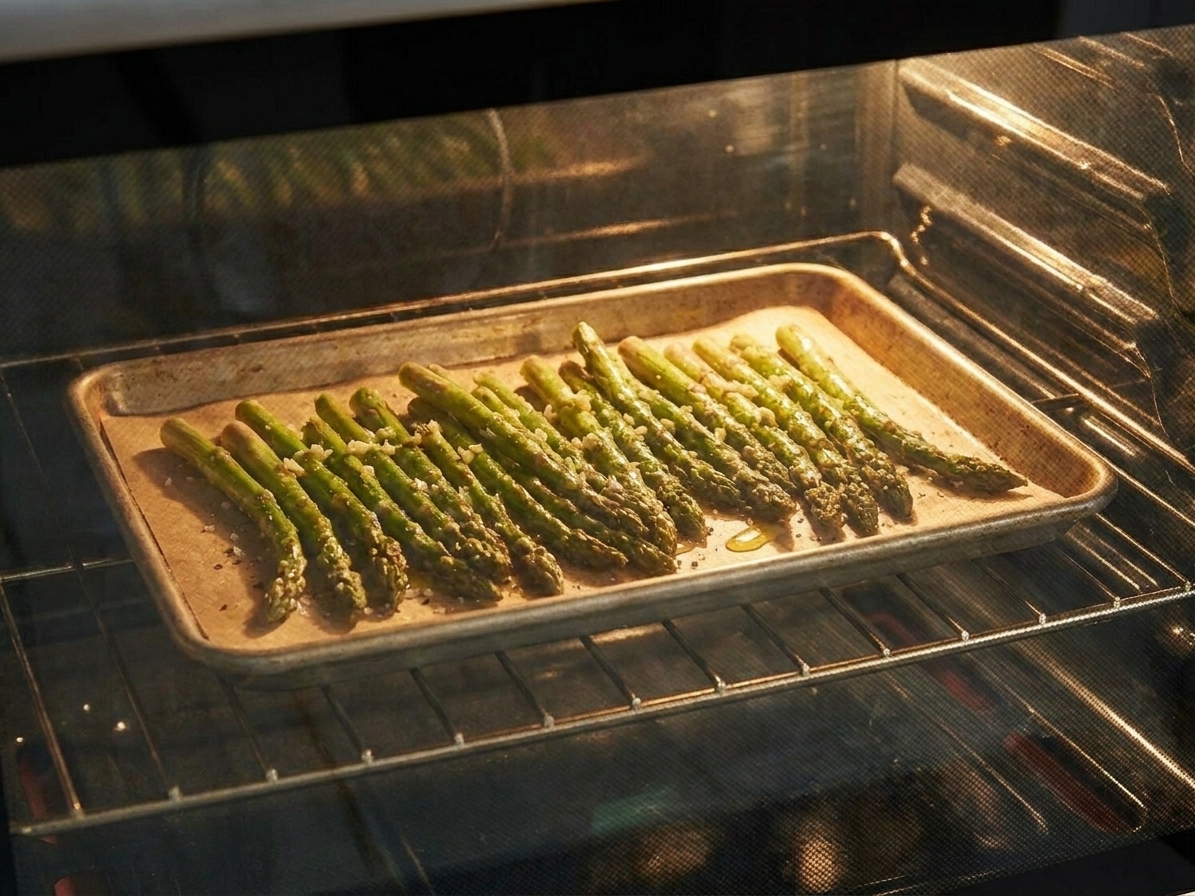
  • High heat equals crisp tips: 425°F roasts fast so the asparagus browns before it softens too much.
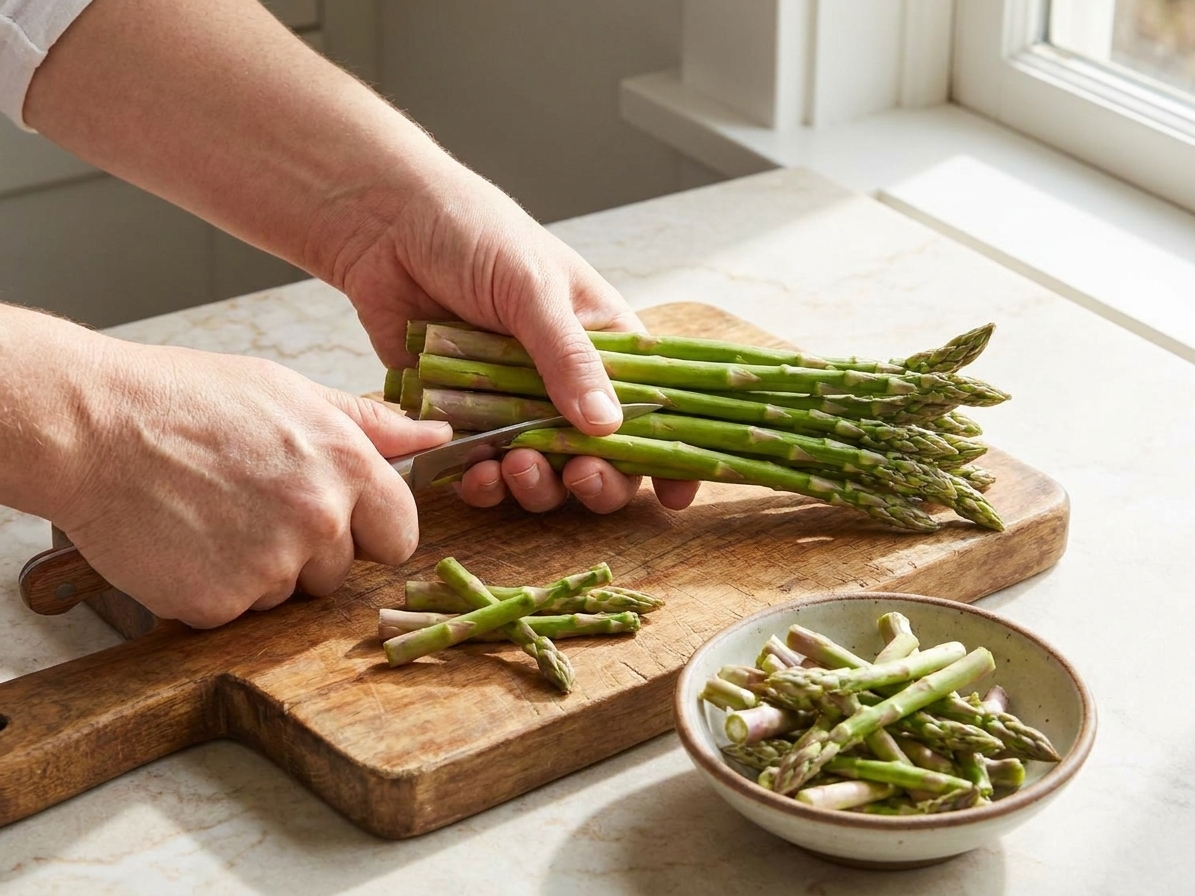
  • Even thickness means even doneness: a quick trim plus arranging spears in a single layer prevents some pieces from overcooking while others stay raw.
  • Lemon at the end keeps it bright: adding acid after roasting wakes up the flavor and helps avoid dull, softened asparagus.
  • Flexible finish: go simple with just salt and pepper, or lean savory with Parmesan and a pinch of red pepper flakes.

Pairs Well With

Storage Tips

Refrigerate: Cool completely, then store in an airtight container for up to 3 days.

Reheat (best results): Spread on a sheet pan and warm at 400°F for 4 to 6 minutes until hot. This helps bring back some edge crispness.

Microwave (fastest): 30 to 60 seconds. It will be softer, but still tasty.

Use leftovers like a pro: Chop and toss into scrambled eggs, a grain bowl, pasta with lemon and butter, or a quick quesadilla with mozzarella.

Freezing: Not my favorite for roasted asparagus. The texture gets a bit limp when thawed. If you do freeze it, plan to use it in soups, frittatas, or blended sauces.

Common Questions

Do I need to blanch asparagus before roasting?

Nope. Roasting is a direct-to-pan situation. Blanching is useful when you want very bright green asparagus and a softer bite, but for crisp edges and browned flavor, skip it.

How do I keep roasted asparagus from getting soggy?

Three moves: hot oven, single layer, and do not overcrowd. If the pan is packed, the asparagus steams. Use a bigger sheet pan or two pans if needed.

What temperature is best for oven roasted asparagus?

I like 425°F. It is hot enough to brown quickly and keep the centers crisp-tender.

How long do I roast asparagus?

It depends on thickness. As a guide at 425°F: thin spears 8 to 10 minutes, medium 10 to 12, thick 12 to 15. Start checking early because it goes from perfect to overdone pretty fast.

How do I know when asparagus is done?

Look for browned tips and stalks that are tender-crisp. A fork should slide in with just a little resistance. If it flops like a noodle, it is over.

Should I peel asparagus?

Usually no. If the stalks are very thick and woody near the bottom, you can peel the lower third with a vegetable peeler for a more tender bite.

Why is my asparagus bitter?

Some bunches are naturally more bitter, especially older or thicker stalks (and yes, overcooking does not help). A squeeze of lemon, a bit more salt, and a small hit of fat (olive oil, butter, or Parmesan) usually balances it out.

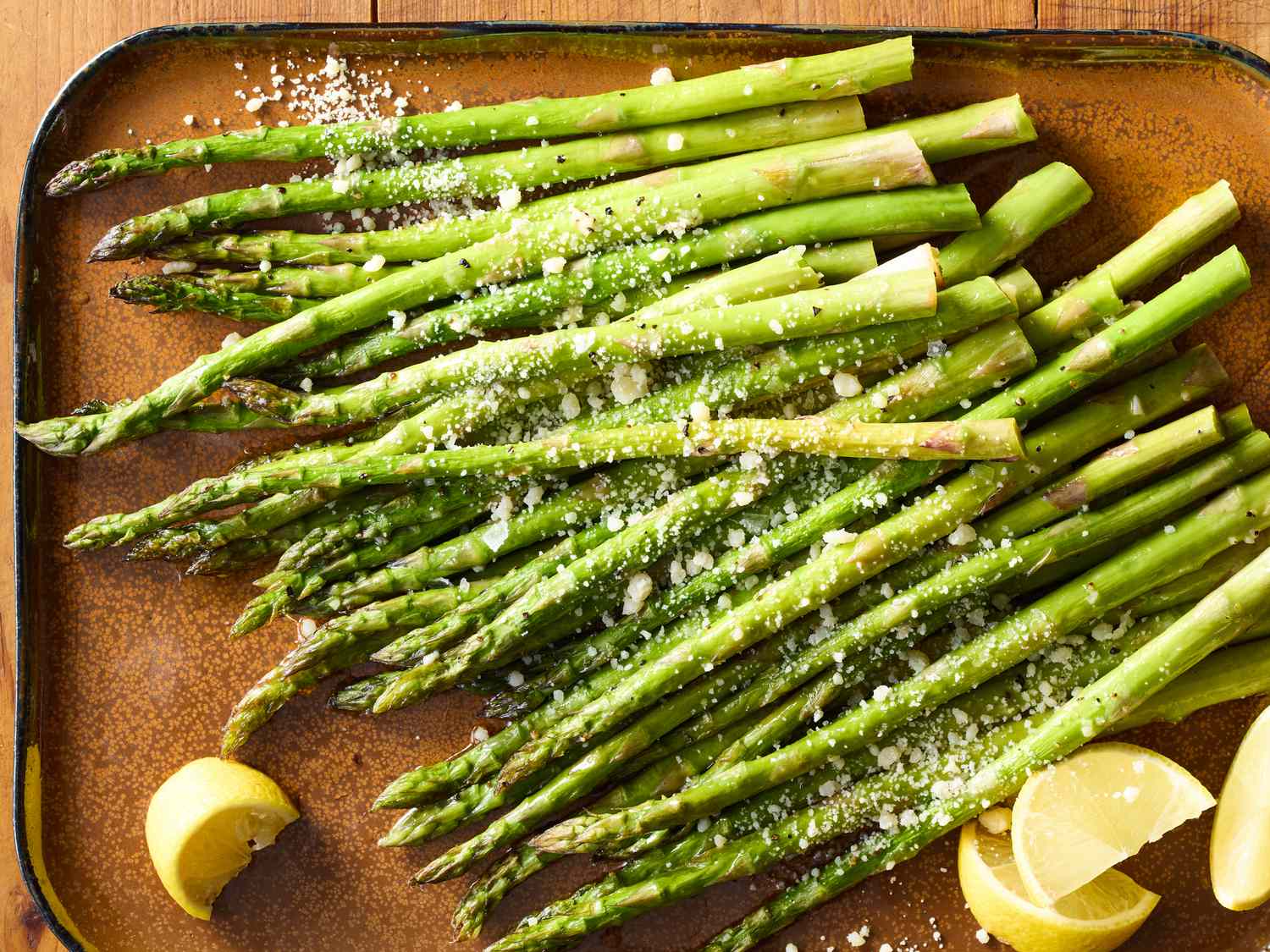
Roasted asparagus is one of those dishes I started making because I needed something green on the plate, and then it quietly became the side I crave. I love how it feels a little chaotic in the best way: you pull the pan out, the tips are crisp, the kitchen smells like garlic, and suddenly you are eating asparagus like it is fries. My rule is simple. Roast it hot, finish it bright, and taste a spear before you serve it. That last step has saved me from bland veggies more times than I want to admit.