Mom's Best Recipes
Recipe

Chicken Palabok

Filipino rice noodles in a garlicky, shrimp-forward golden sauce with chicken, crisp chicharrón, and bright citrus at the finish.

Author By Matt Campbell
4.8
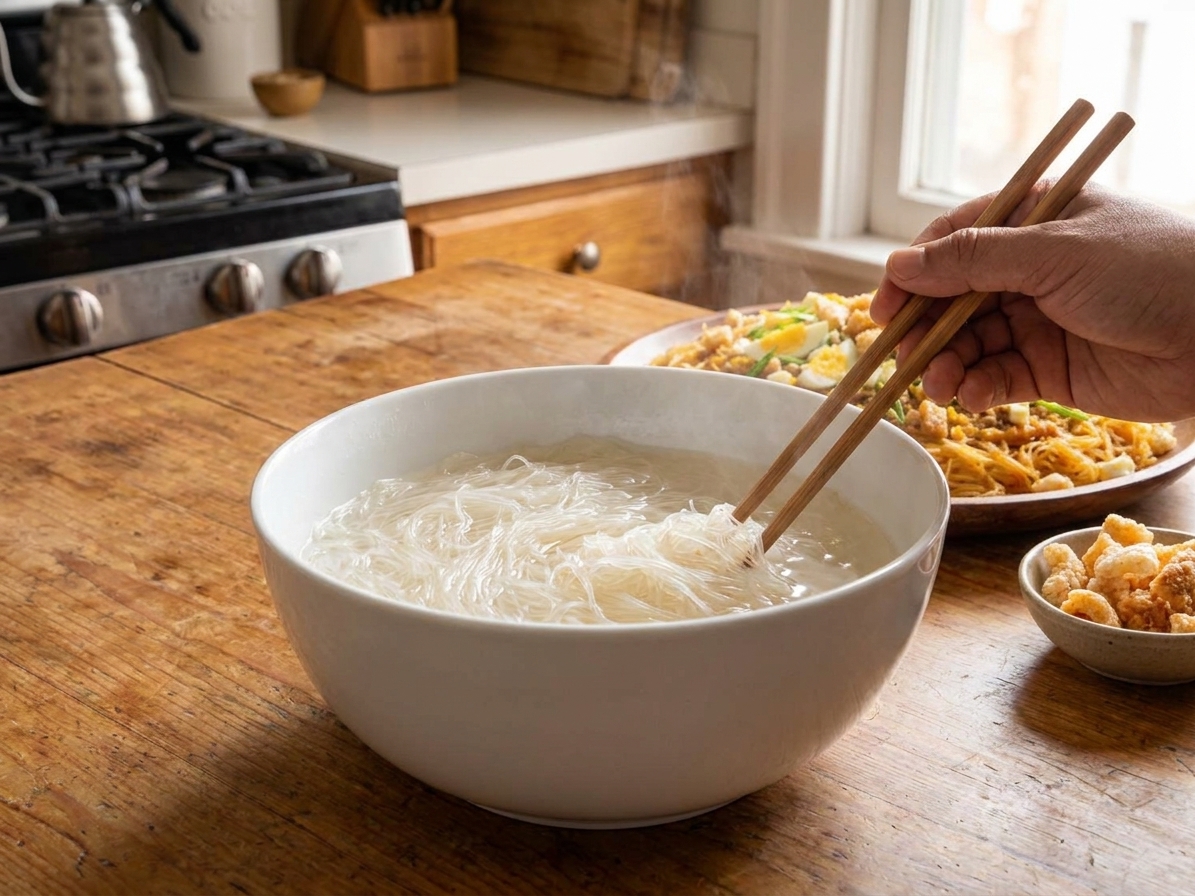
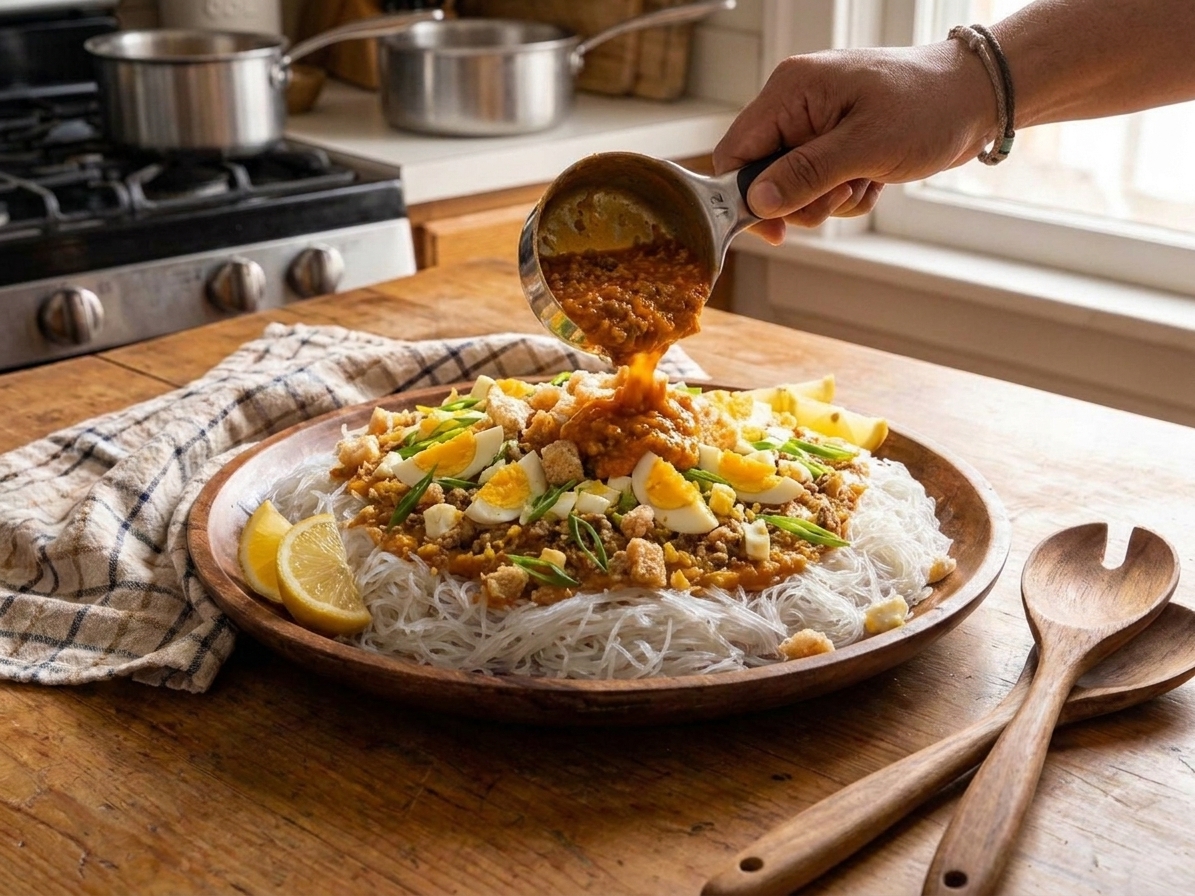
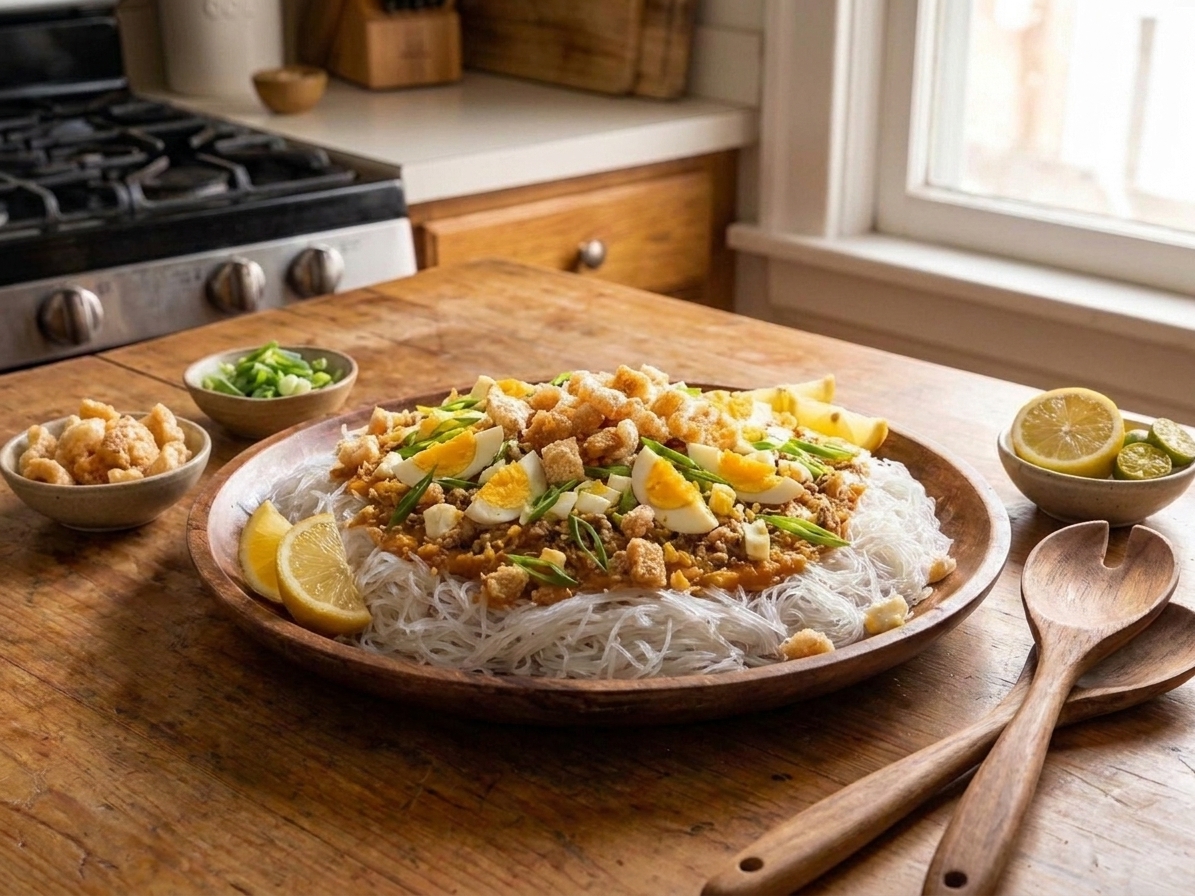
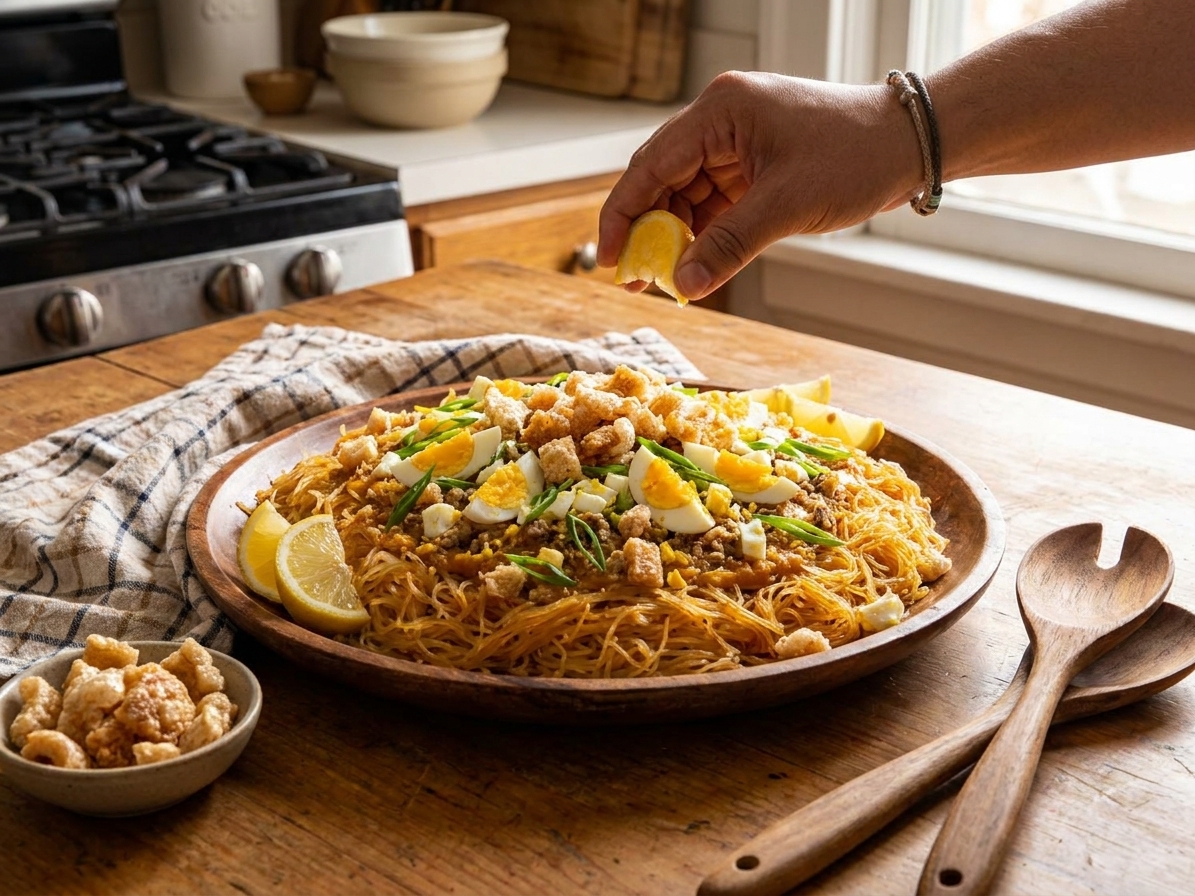
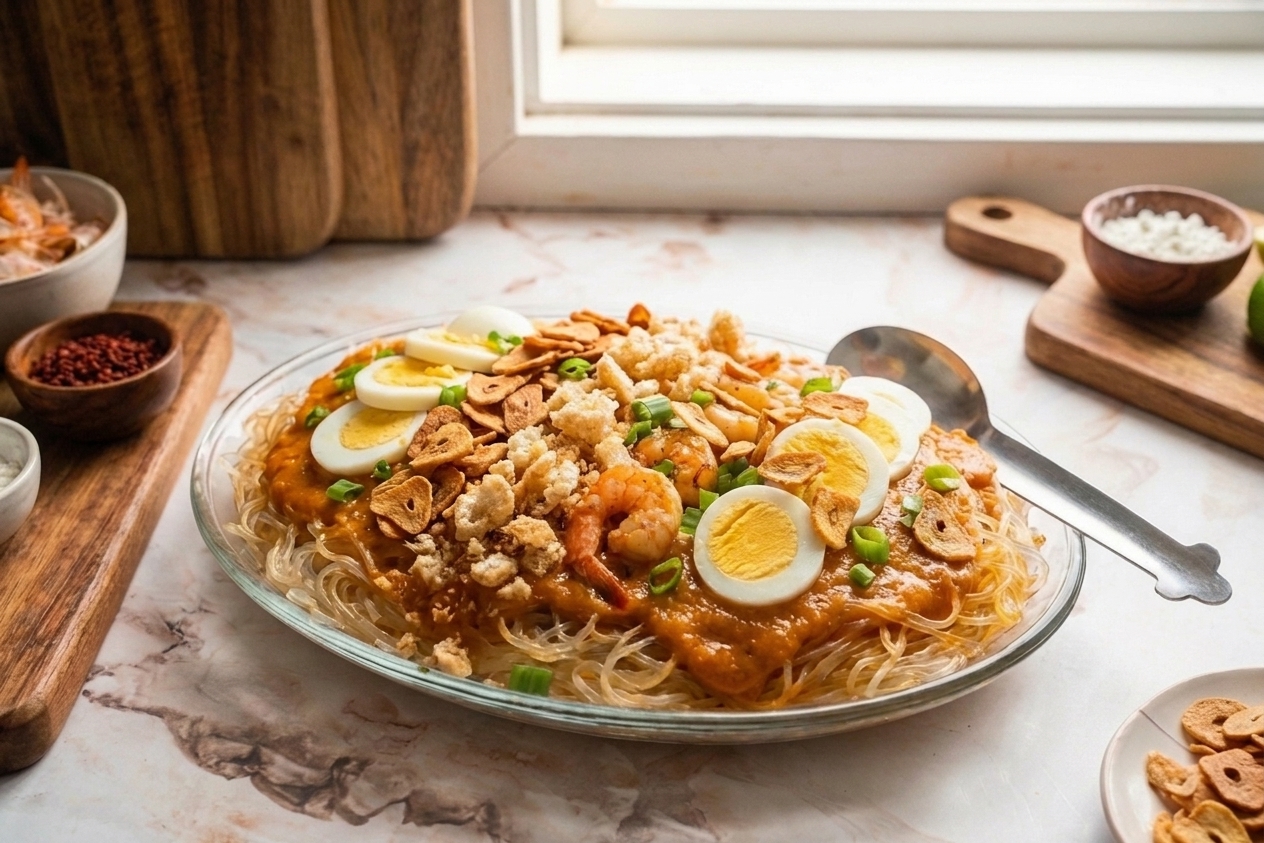
A platter of chicken palabok with bihon noodles coated in golden sauce, topped with chopped eggs, crispy chicharrón, scallions, and lemon wedges on a warm kitchen table

Palabok is one of those dishes that looks like a party and tastes like you should have made twice as much. You get chewy rice noodles, a golden garlic sauce that clings to everything, and toppings that hit every craving: crisp, savory, bright, and just a little chaotic in the best way.

This version keeps the spirit of classic Filipino palabok but makes it doable in a normal home kitchen without hunting down anything too wild. We lean on chicken for the main protein, plus a shrimp-boosted sauce (from broth and a little shrimp powder if you have it). The finish is the whole point: crunchy chicharrón, egg, scallions, and a serious squeeze of calamansi or lemon.
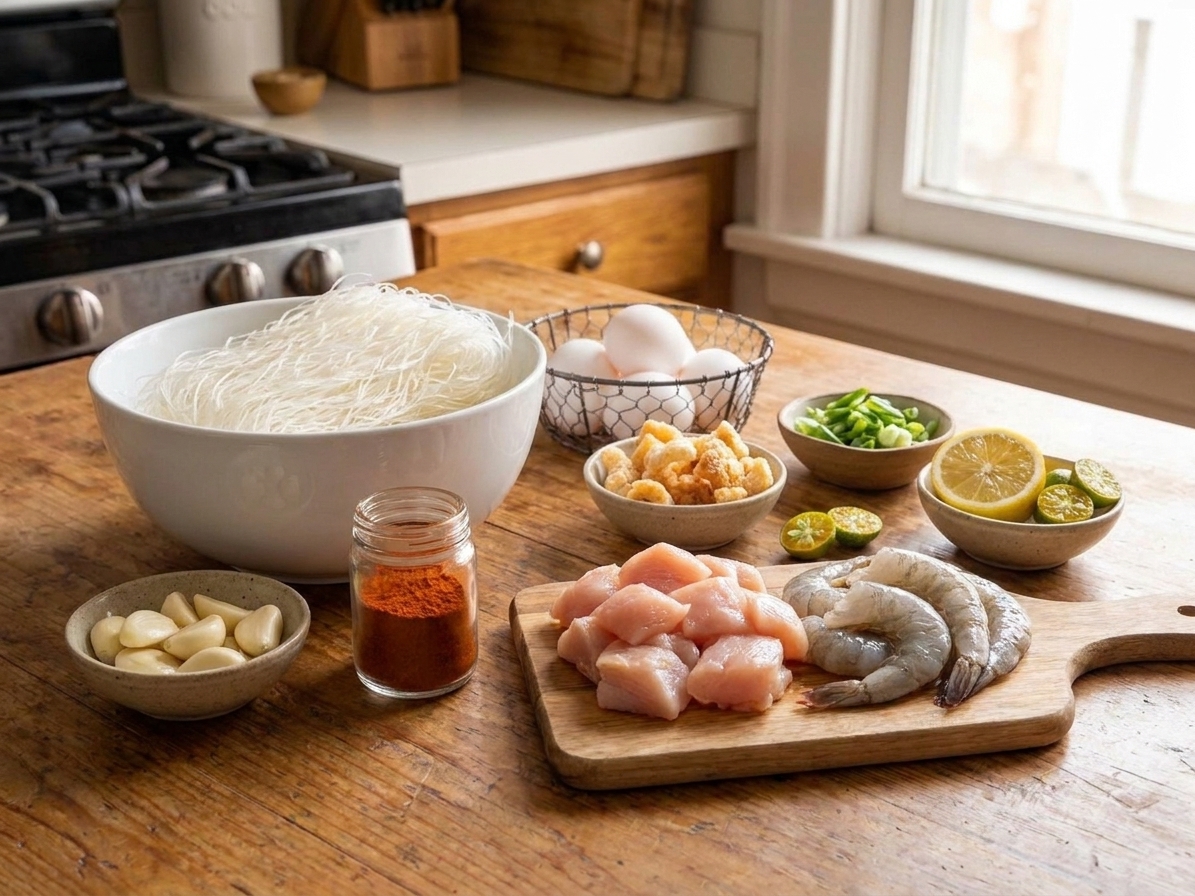
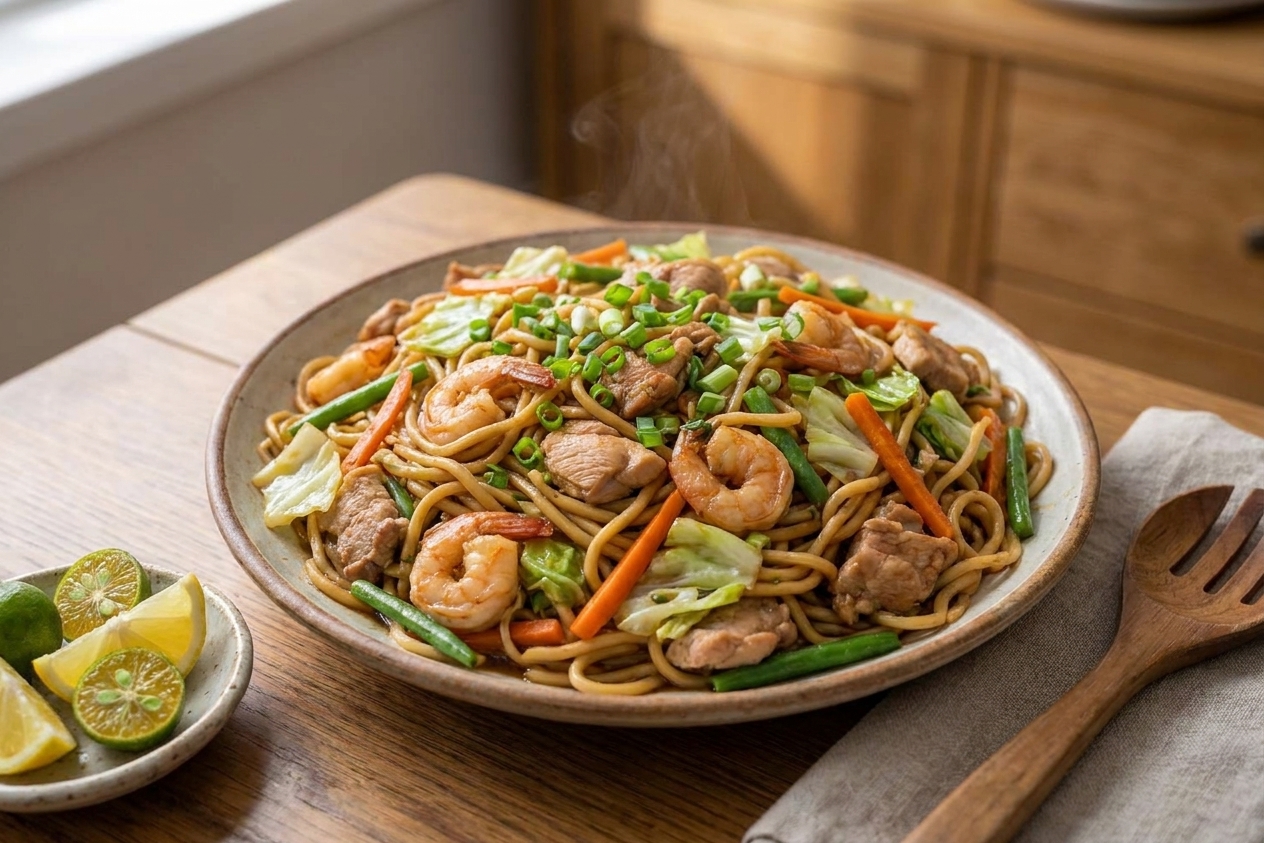
Bowls of bihon rice noodles, garlic, annatto powder, chicken, shrimp, eggs, scallions, chicharrón, and citrus arranged on a bright kitchen counter

Why It Works

  • Big flavor, low confusion: The sauce is a simple roux thickened with broth, garlic, and annatto for that signature color and savory depth.
  • Texture on purpose: Soft noodles plus crisp toppings means every bite stays interesting, even as leftovers.
  • Flexible protein: Chicken keeps it weeknight-friendly, but you can swap in shrimp, tofu, or leftover roast chicken without breaking the recipe.
  • Make-ahead friendly: Sauce and toppings can be prepped earlier, then you assemble right before serving.

Pairs Well With

Storage Tips

Best move: Store the noodles and sauce separately if you can. Palabok sauce thickens as it sits and noodles love to drink it up.

  • Fridge: Sauce and noodles keep well for up to 3 days in airtight containers. Toppings (egg, scallions, chicharrón) are best stored separately.
  • Reheat: Warm the sauce in a saucepan over low heat, adding a splash of broth or water to loosen. Briefly dip noodles in hot water to re-soften, or microwave with a damp paper towel.
  • Chicharrón: Keep at room temp in a sealed bag or container. Add it at the last second so it stays crisp.
  • Freezing: The sauce freezes okay for up to 2 months, but the noodles do not love the freezer. Freeze sauce only, then cook fresh noodles later.

Common Questions

What noodles are used for palabok?

Traditionally it is bihon, thin rice vermicelli. Some versions mix bihon with thicker rice noodles, but bihon alone is classic and easiest to find.

What makes palabok sauce orange?

Annatto (atsuete) gives it that warm orange color. You can use annatto powder, annatto oil, or annatto seeds steeped in oil. In a pinch, a tiny bit of paprika can help with color, but annatto tastes more authentic and lightly earthy.

Do I need shrimp for palabok?

Not strictly, but palabok usually has a shrimp flavor. Here, you can get that vibe with shrimp stock, shrimp bouillon, or a small amount of shrimp powder. If you want it fully shrimp-free, use chicken stock and bump up the garlic, fish sauce, and citrus.

Why is my sauce lumpy?

Usually the cornstarch or flour hit hot liquid too fast. Whisk like you mean it, and if it still gets bumpy, strain it. Nobody has to know.

How do I keep bihon from clumping?

Do not over-soak. Also, drain well, then toss with a tiny drizzle of oil and spread it out while you finish the sauce.

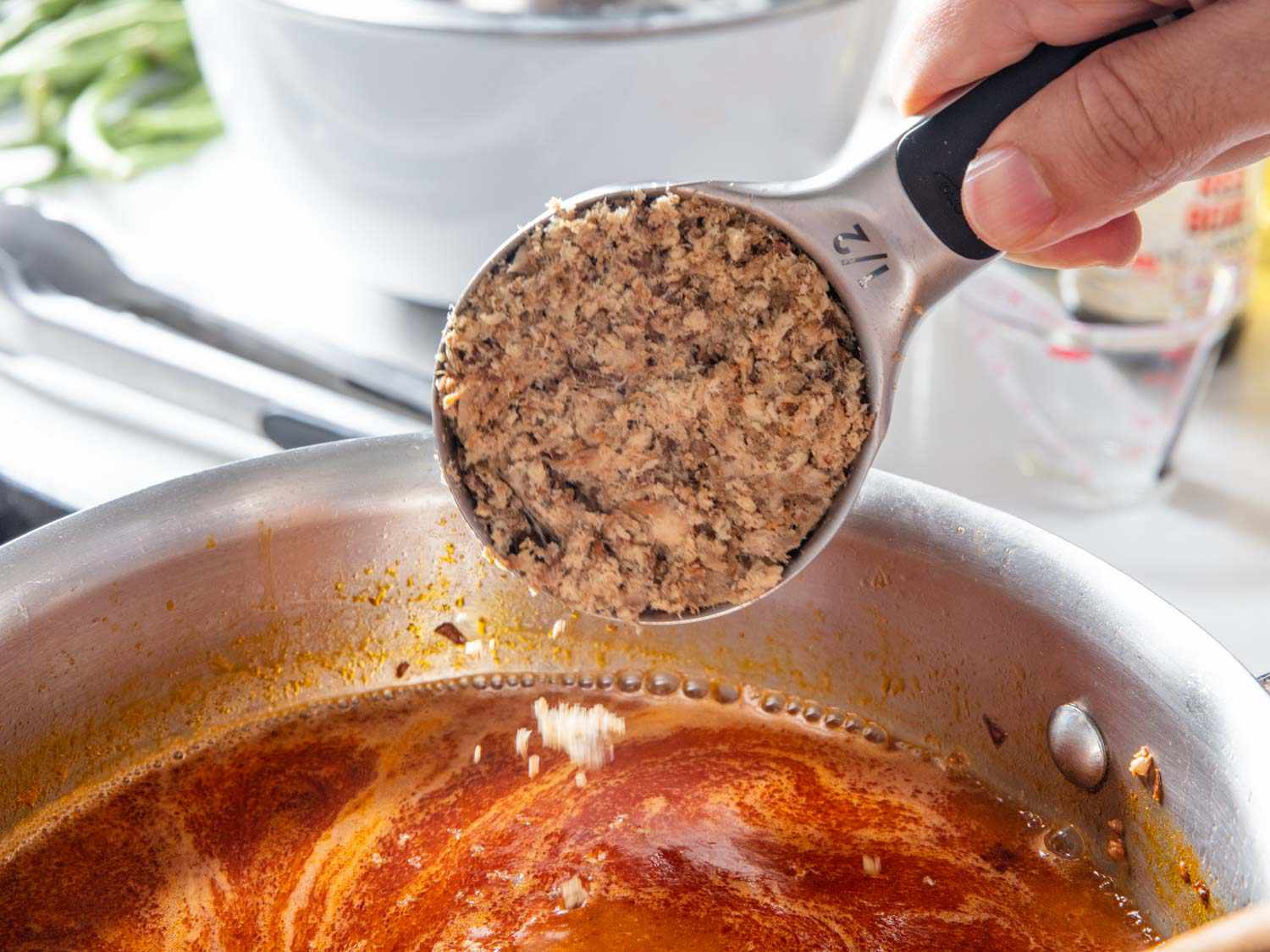
A saucepan of orange-gold palabok sauce being whisked smooth on a stovetop, with garlic and annatto visible

The first time I tried to make palabok at home, I treated it like “just noodles” and wondered why it tasted flat. Then I realized palabok is not just noodles. It is a sauce situation and a topping situation and a squeeze-of-citrus-at-the-end situation. Now I set up the toppings like a little build-your-own chaos bar, and suddenly everyone is in the kitchen, “just checking” the chicharrón bag. Every time.