Mom's Best Recipes
Recipe

Pan-Seared Sockeye Salmon

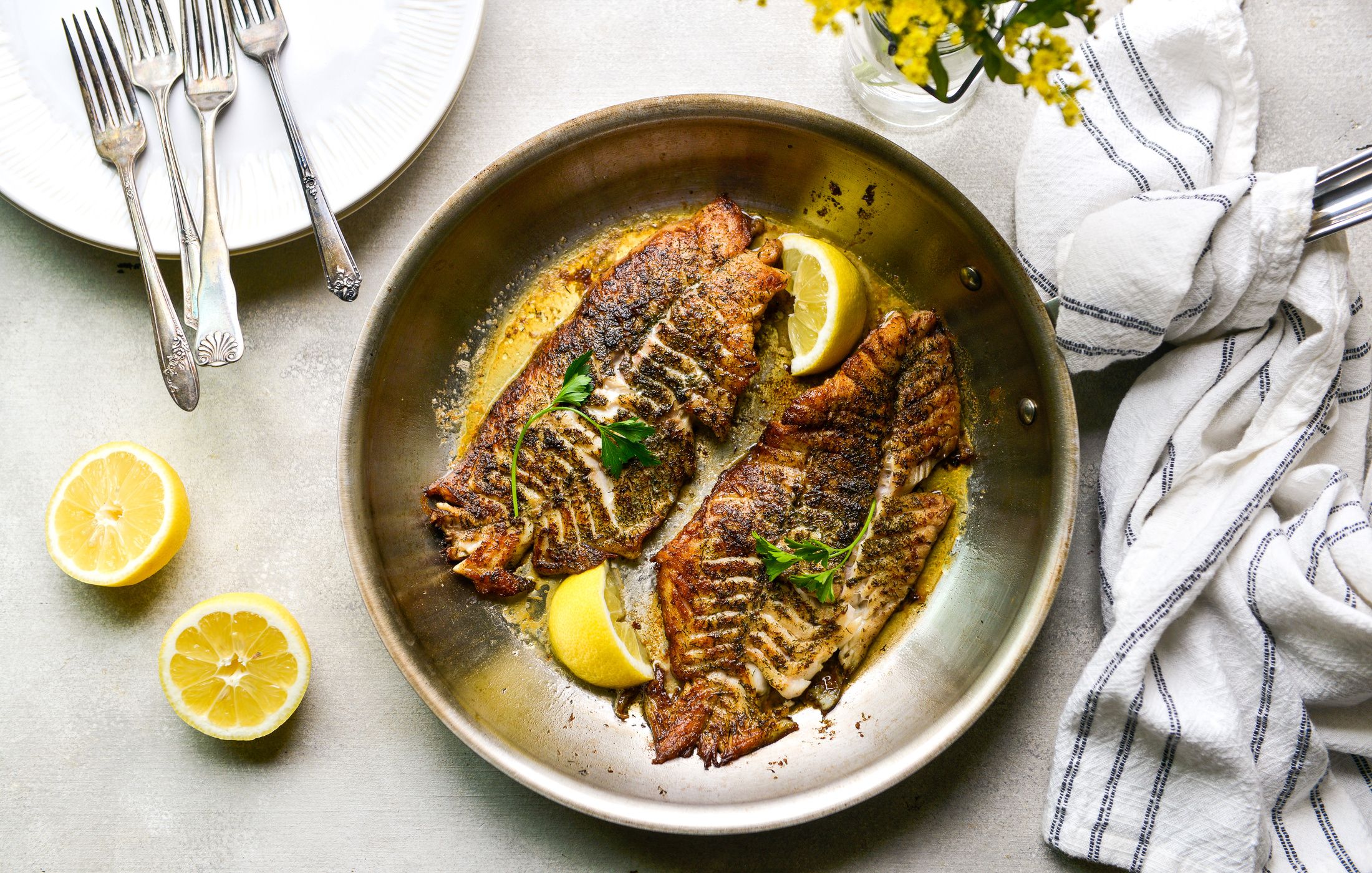
Crisp-skinned sockeye (often miswritten as “socket eye”) salmon with a quick lemon caper butter sauce, ready fast and big on flavor.

Author By Matt Campbell
4.8
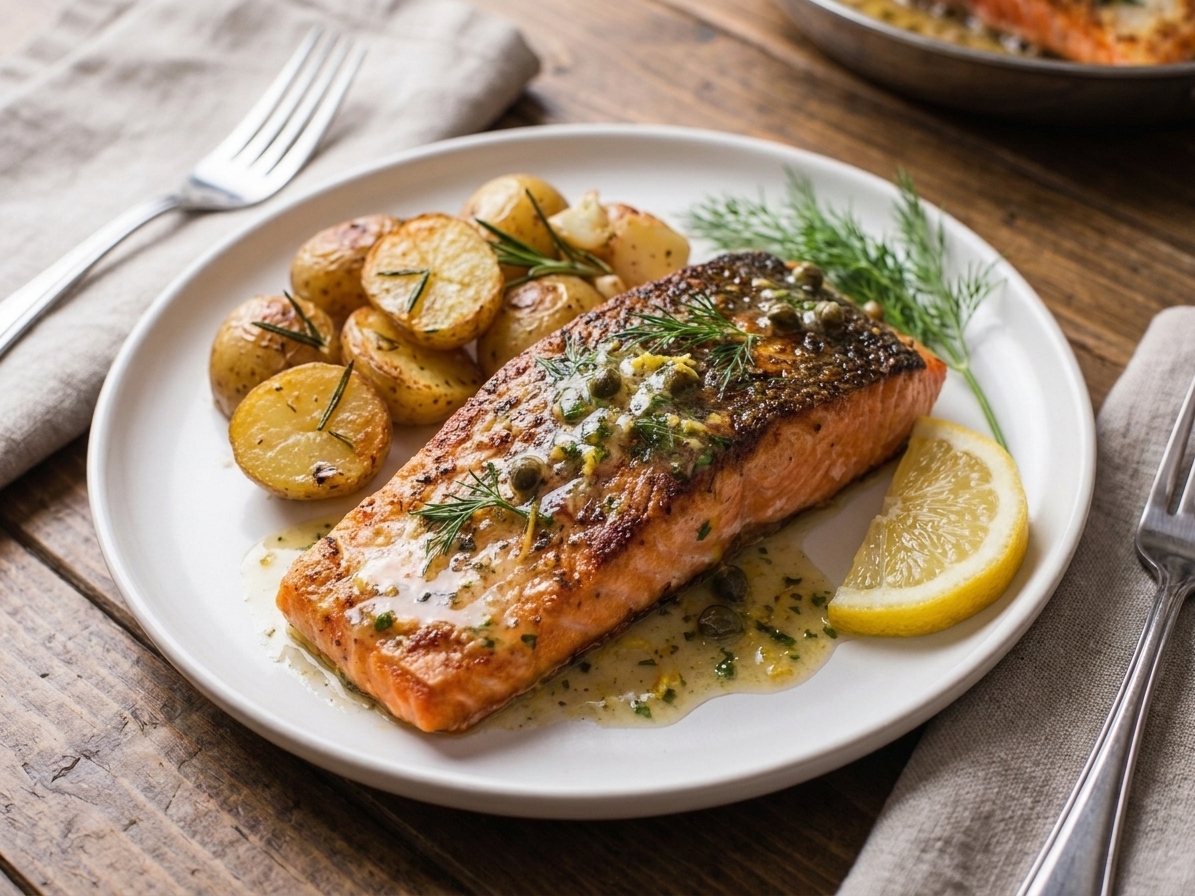
A plated crisp-skinned sockeye salmon fillet topped with lemon caper butter, served with roasted potatoes and a lemon wedge on a simple white plate

First things first: when people say socket eye salmon, they mean sockeye salmon. It is the deep-red, bold-flavored salmon that cooks fast and eats like you did something fancy.

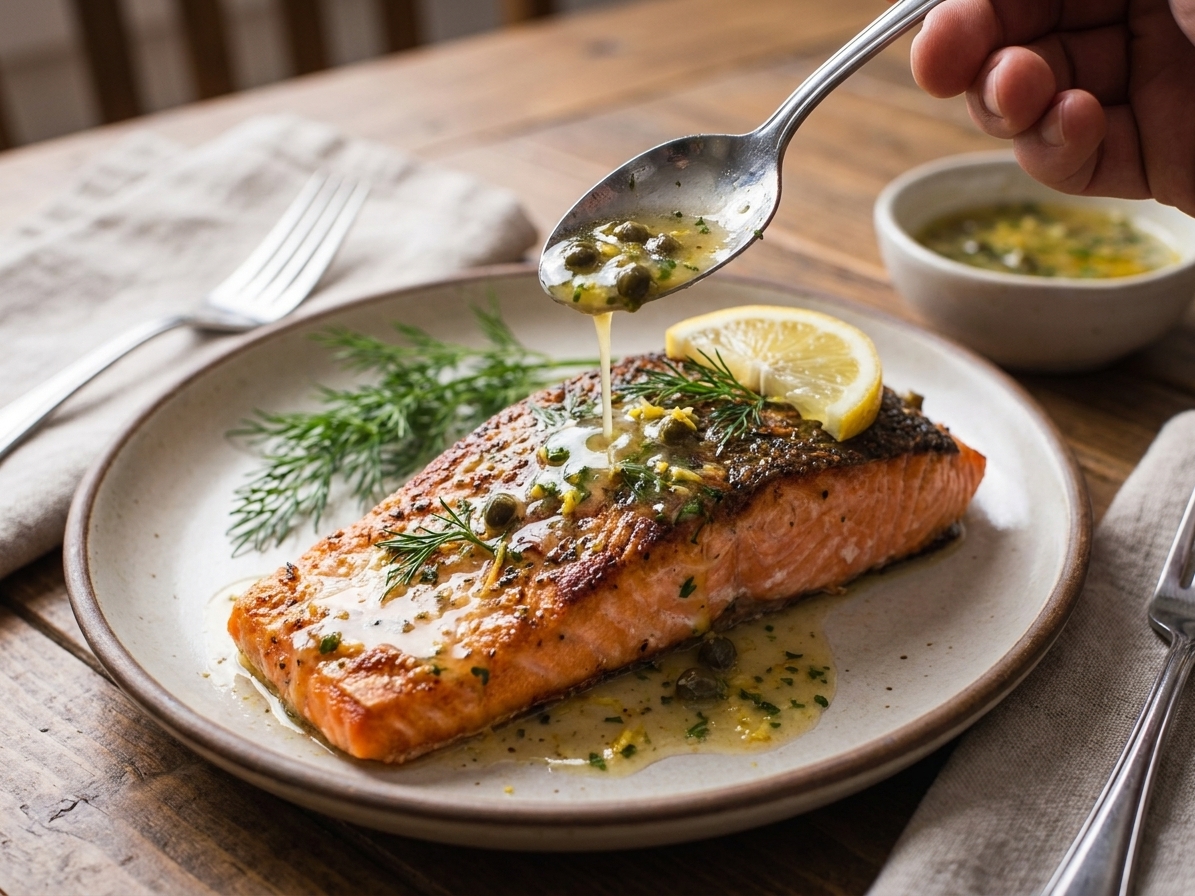
This is my go-to method for sockeye because it keeps the ingredient list chill and the results loud: crisp skin, a juicy center, and a lemon caper butter that tastes like you have a tiny bistro living in your skillet. Minimal drama, maximum “okay wow.”
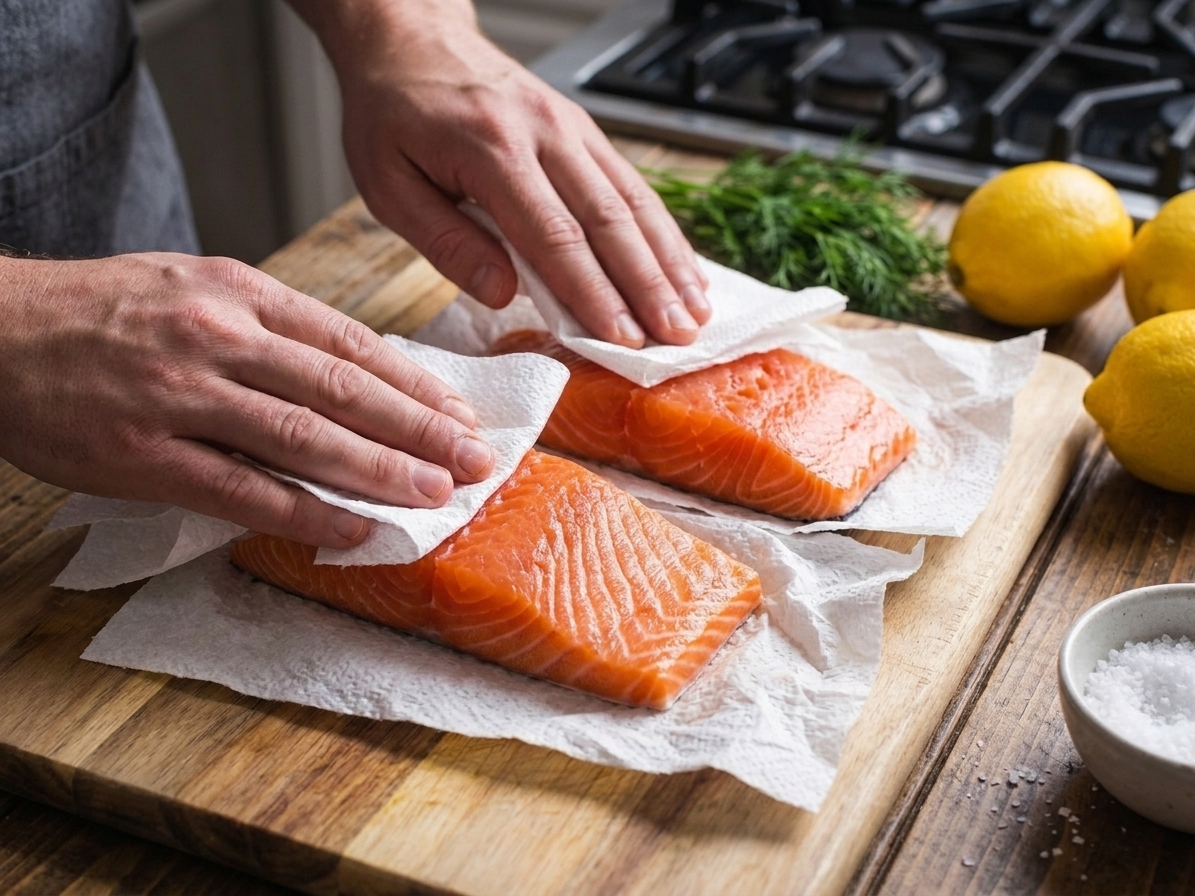
Hands patting sockeye salmon fillets dry with paper towels on a cutting board in a home kitchen

Why It Works

  • Sockeye cooks quickly, so we keep the heat confident and the timing tight to avoid dryness.
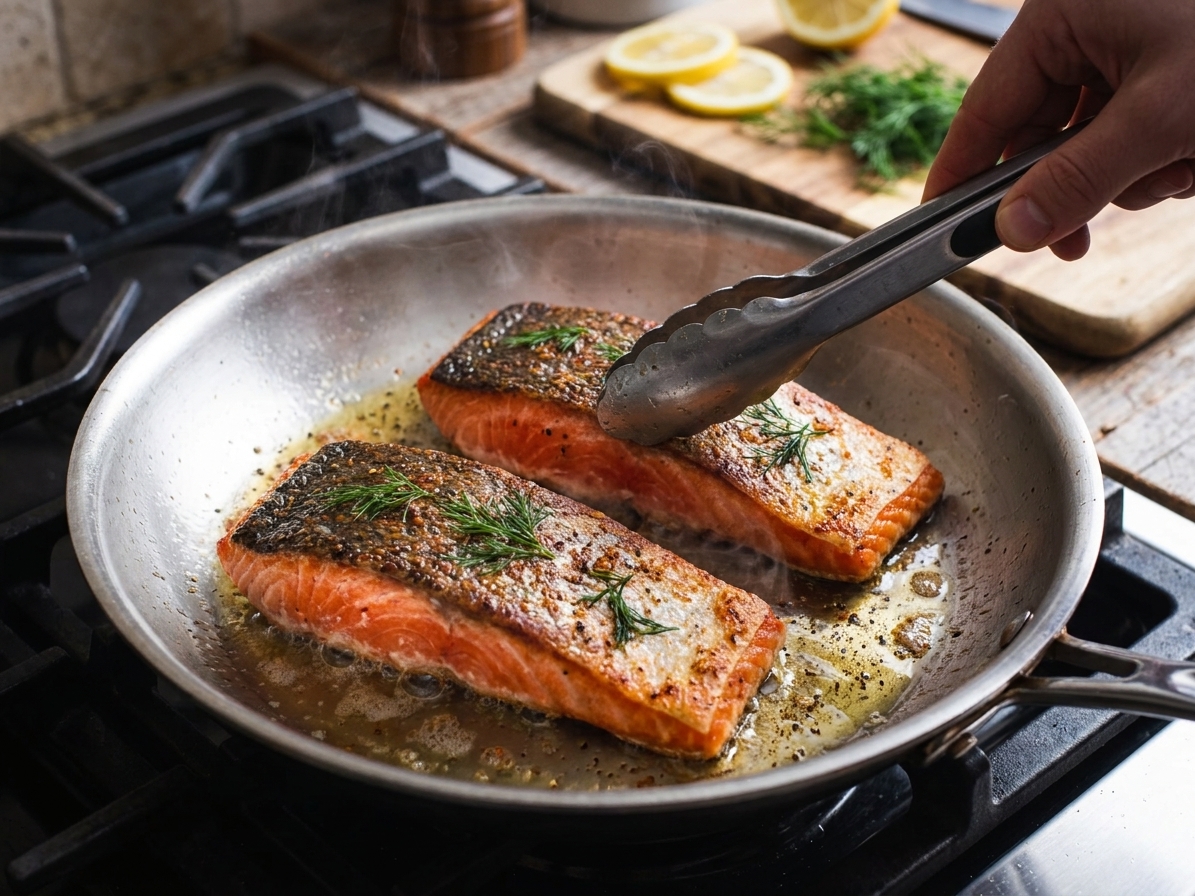
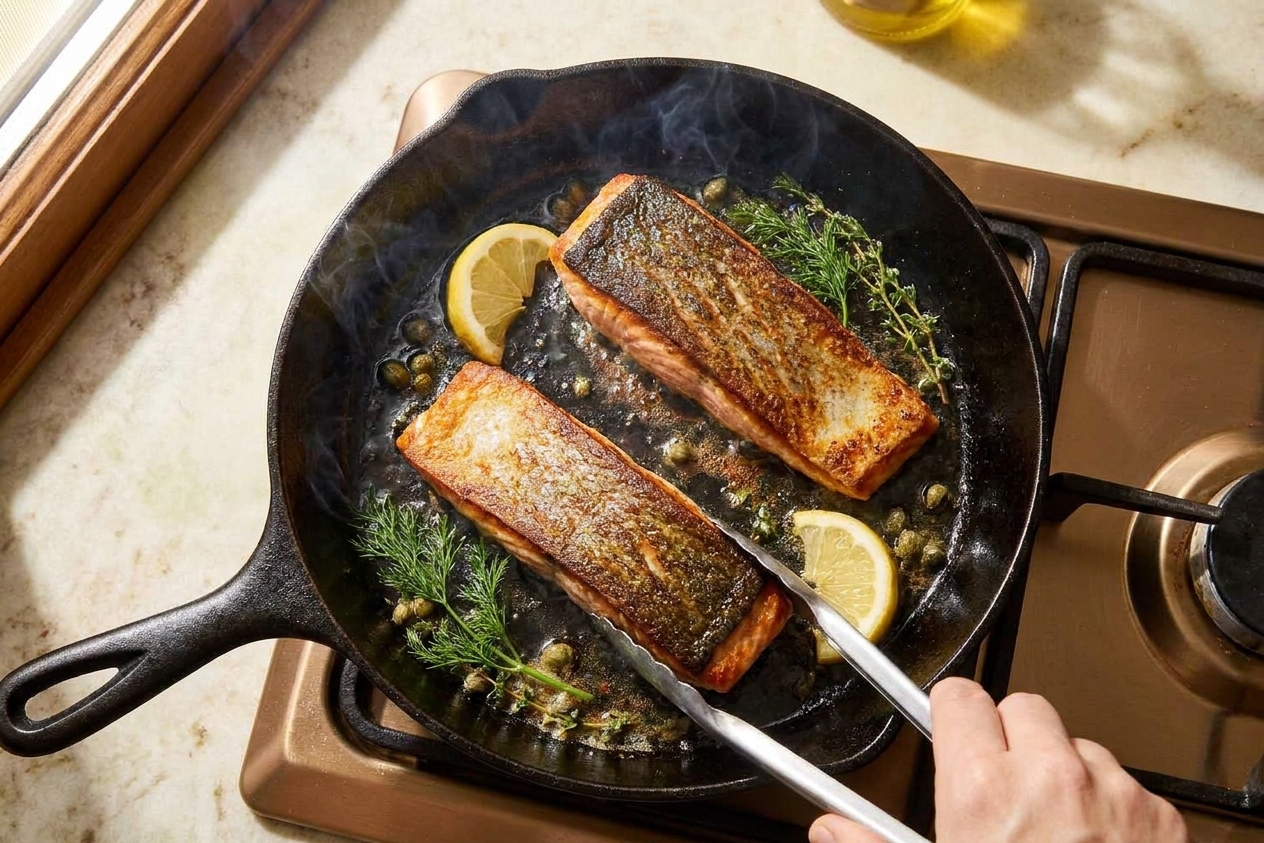
  • Skin side down first gives you that shatter-crisp edge and protects the flesh from overcooking.
  • Pan sauce in the same skillet picks up all the browned bits, then lemon and capers snap everything into focus.
  • Butter at the end makes the sauce glossy without breaking, especially when you swirl it in off the heat.

Pairs Well With

Storage Tips

Fridge: Cool the salmon quickly, then store airtight (ideally under 40°F) for up to 3 days. Keep extra sauce separate if you can.

Reheat gently: Best is a skillet on low with a teaspoon of water and a lid for 2 to 4 minutes, just until warmed. Microwave works too, but use 50% power in short bursts so it does not turn chalky.

Eat it cold: Leftover sockeye is excellent flaked into a salad, tucked into a wrap, or stirred into warm rice with a squeeze of lemon.

Freezing: You can freeze cooked salmon for up to 2 months, but the texture softens. Wrap tightly, then thaw overnight in the fridge.

Common Questions

Is socket eye salmon the same as sockeye salmon?

Yes. “Socket eye” is a common typo or mishearing of sockeye. Sockeye is known for its deep red color and bold salmon flavor.

Why is my sockeye salmon dry?

Sockeye is leaner than Atlantic salmon, so it dries out faster. Pull it a little earlier than you think. I aim for 125°F to 130°F in the thickest part for a juicy finish, then let it rest. If you prefer to follow USDA guidance, cook fish to 145°F.

Do I have to eat the skin?

Nope. But cooking it skin side down makes the fish easier to handle and protects it from overcooking. If you crisp it well, you might change your mind and eat it.

Can I bake this instead of pan-searing?

Yes. Bake at 425°F for about 8 to 12 minutes depending on thickness, then make the lemon caper butter in a small saucepan. You will lose some crisp-skin magic, but it is still delicious.

What can I use instead of capers?

Chopped green olives are the closest vibe. A little chopped dill pickle can work in a pinch too, just use less since it is usually saltier.

Sockeye is the salmon I make when I want dinner to feel like a win even if the rest of the day was a mess. It is lean, it is bold, and it does not need much, which is basically my entire cooking personality in fish form. The first time I nailed the crisp skin at home, I stood at the stove eating “quality control” bites like I had just invented salmon. Now I keep capers around purely for this pan sauce because it turns a regular Tuesday into something you would happily serve to friends.