Mom's Best Recipes
Recipe

Parker House Rolls

Classic, fluffy dinner rolls with that signature buttery fold and golden tops.

Author By Matt Campbell
4.8
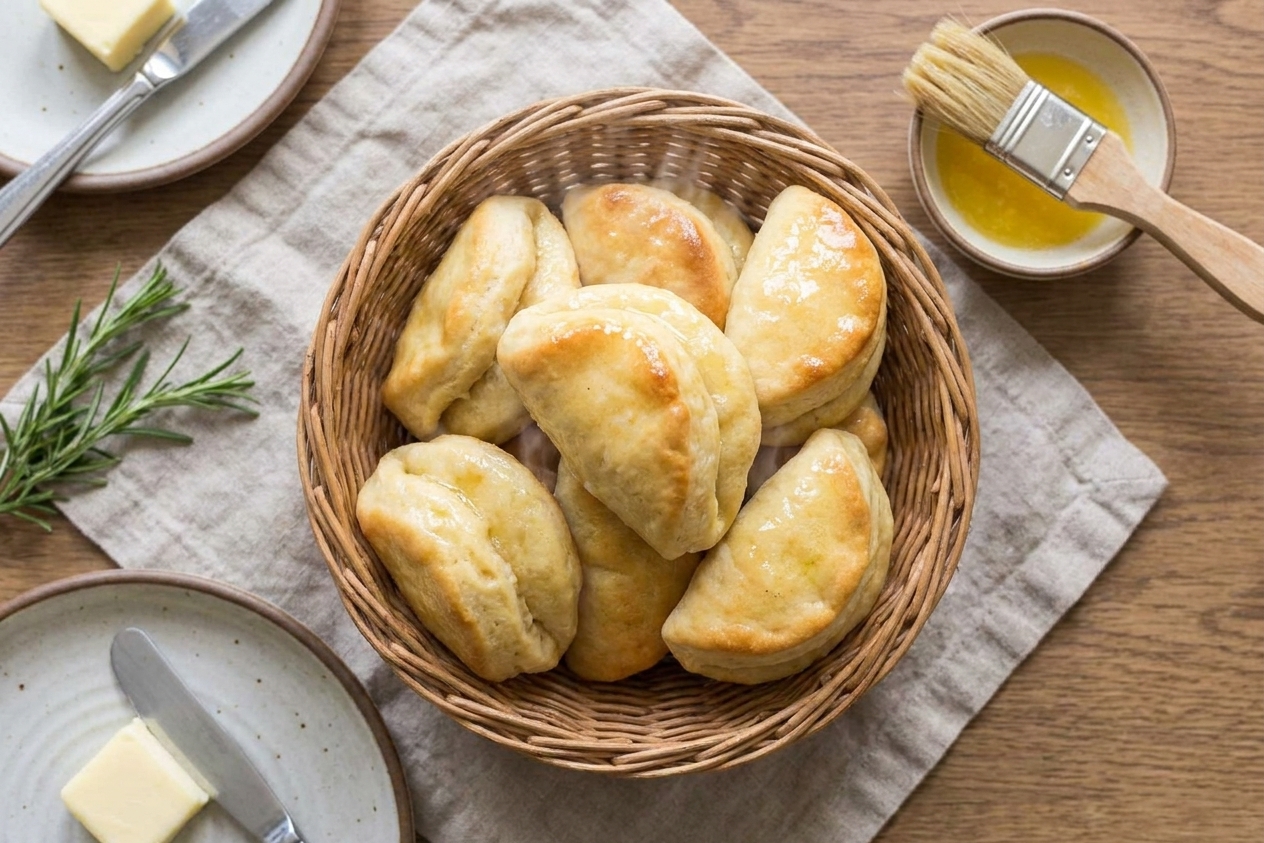
A basket of warm Parker House rolls with glossy buttered tops and a soft folded shape, set on a cozy dinner table with a linen napkin

Parker House rolls are the dinner roll equivalent of showing up polished and comfortable. They look a little fancy, but they are refreshingly straightforward once you know the rhythm: mix, knead, rise, shape, bake, butter. The signature move is the fold, which gives you that pull-apart vibe with a soft, slightly layered middle that catches butter beautifully.

This version keeps the ingredients simple and the instructions extra clear, with a couple of small details that make a big difference. We are using milk and butter for tenderness, an egg for that plush crumb, and just enough sugar to keep the yeast moving and nudge the rolls toward golden. If you can stir, fold, and be patient for two rises, you have this.
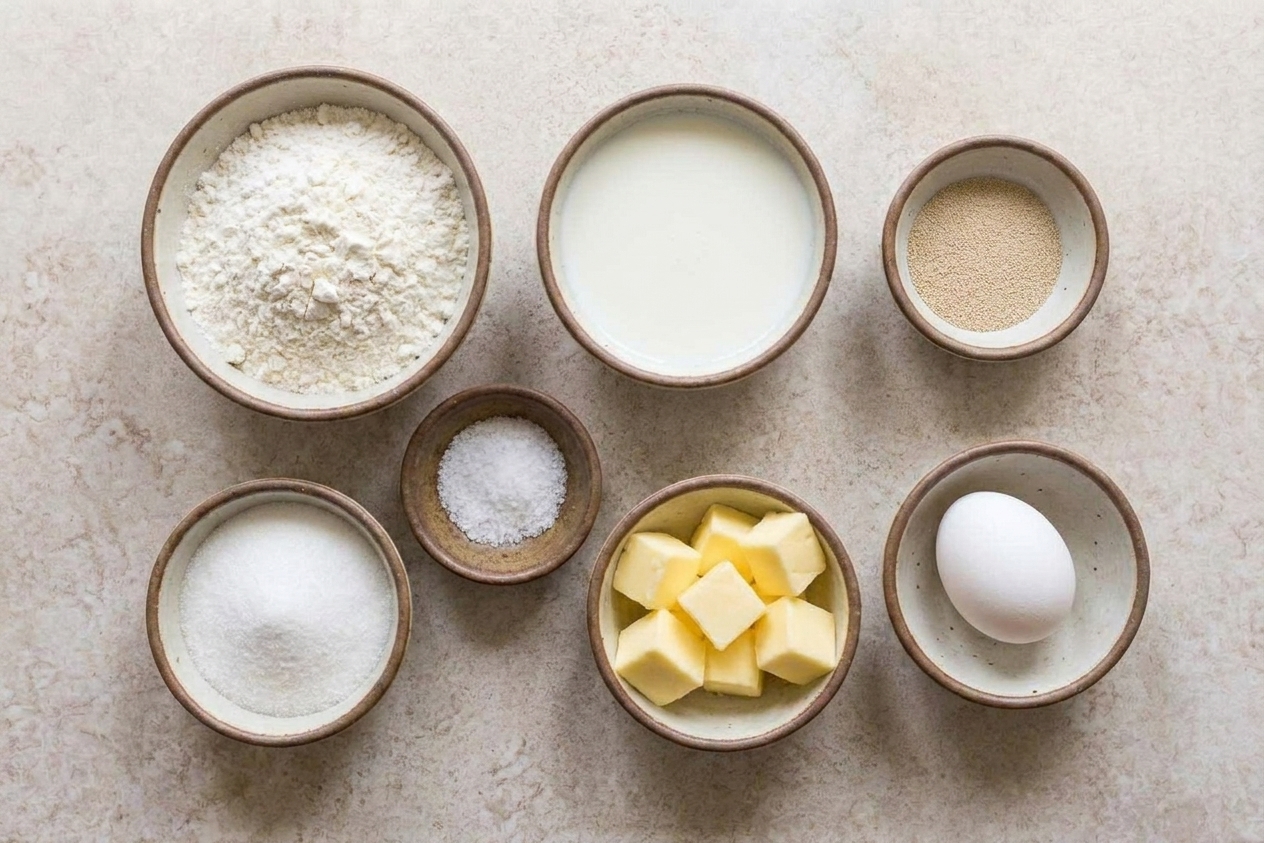
Measured ingredients for Parker House rolls on a kitchen counter: flour, milk, yeast, sugar, salt, butter, and an egg in small bowls

Why It Works

  • Soft and fluffy: Milk, butter, and an egg keep the crumb tender, not dry or bready.
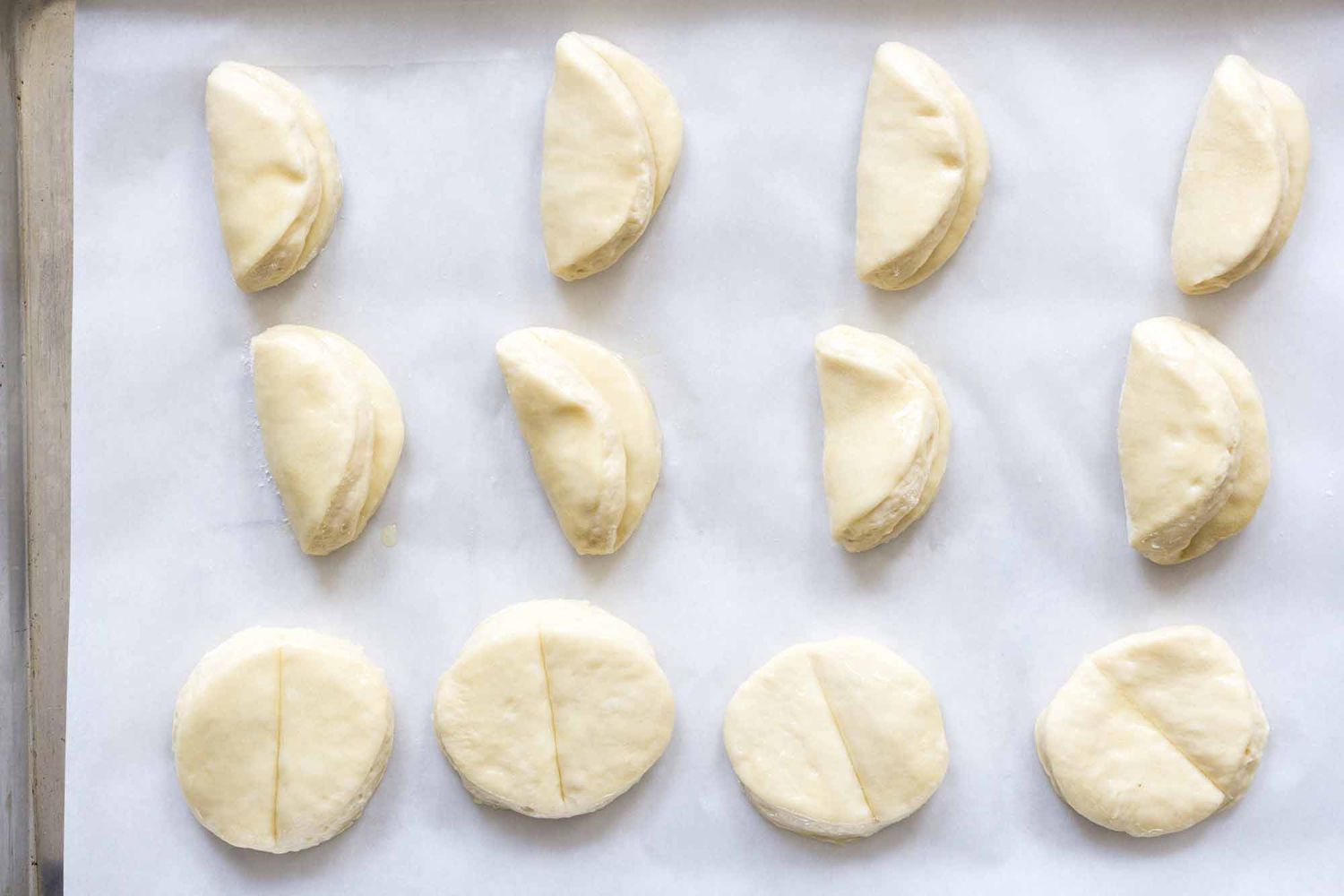
  • That classic fold: The butter-brushed rectangle folded with a small lip creates a pull-apart seam and a lightly layered texture.
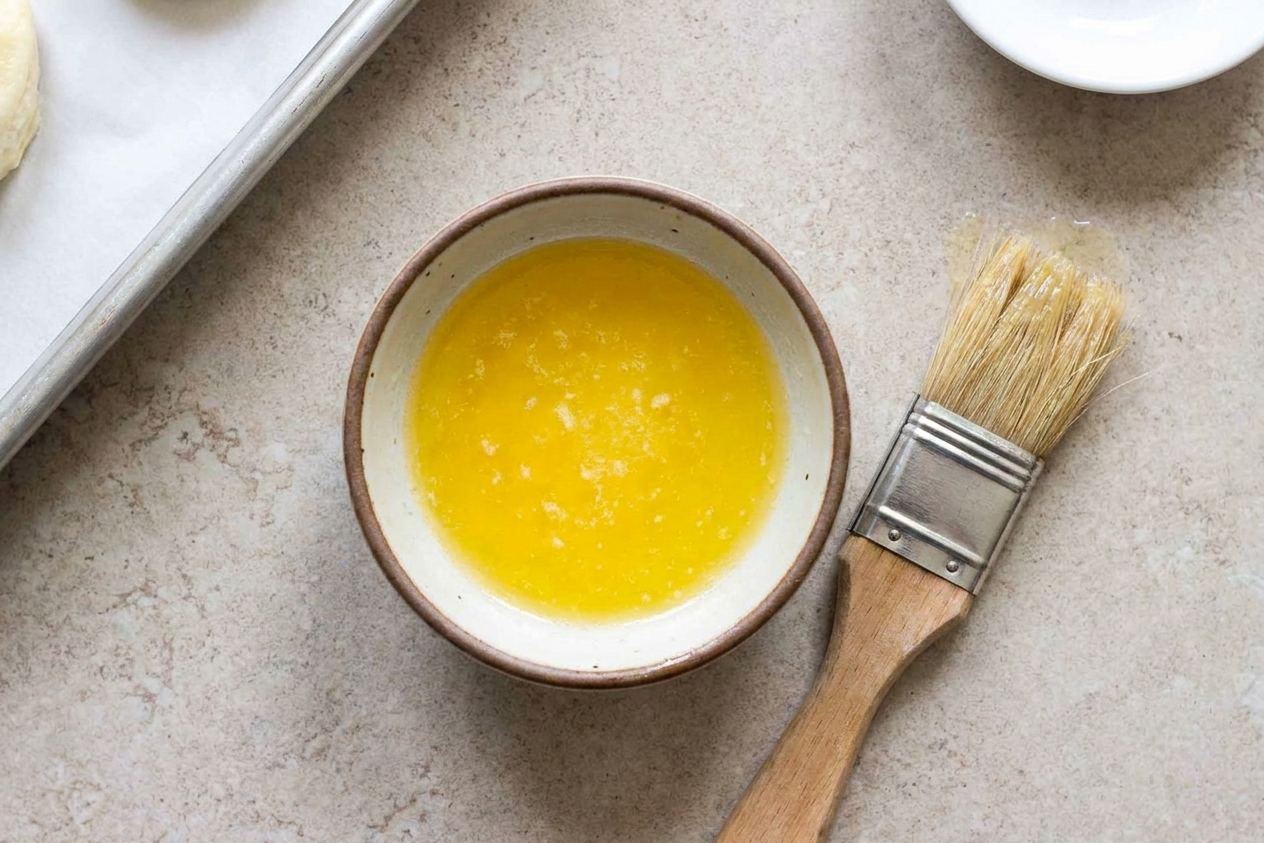
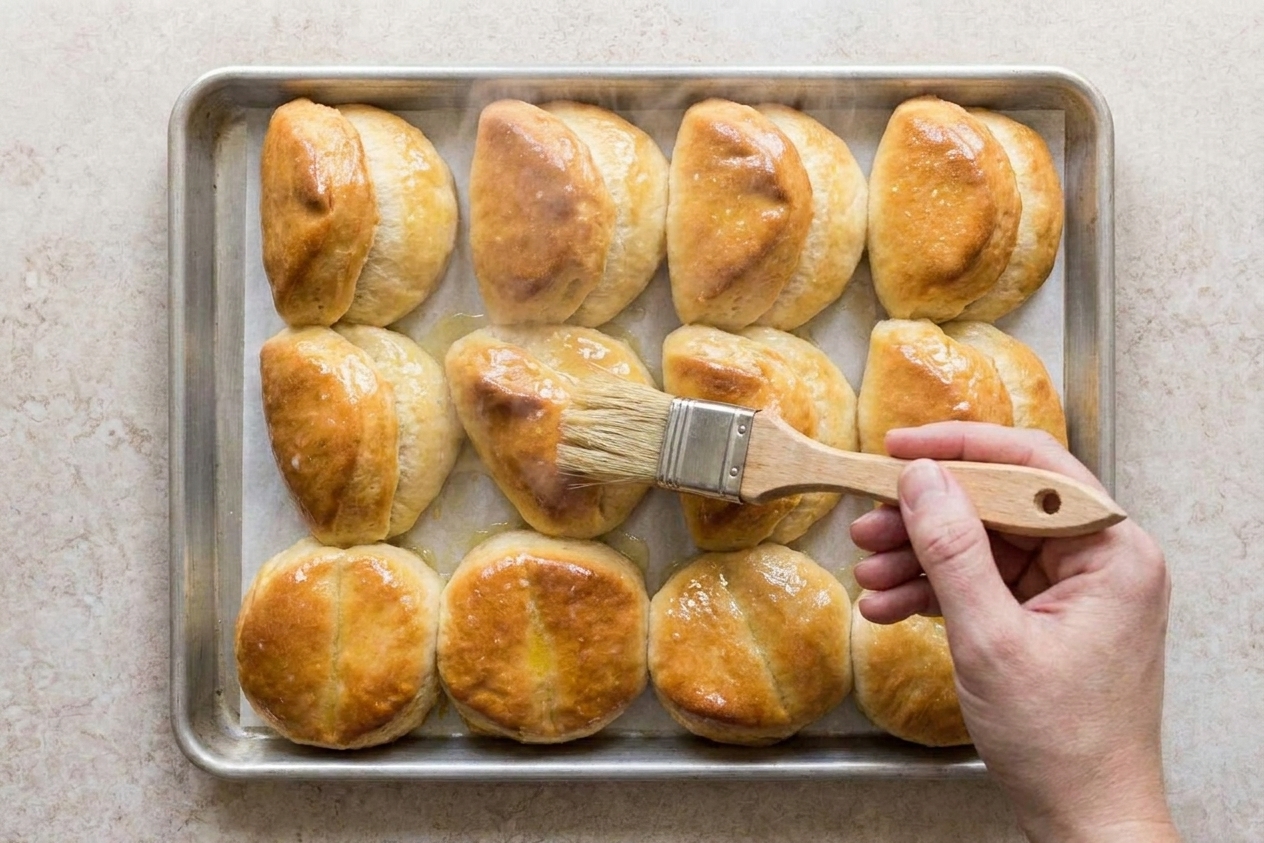
  • Golden, buttery tops: Butter before and after baking gives you a shiny finish and a rich bite.
  • Make-ahead friendly: You can refrigerate the shaped rolls overnight or freeze them for later.
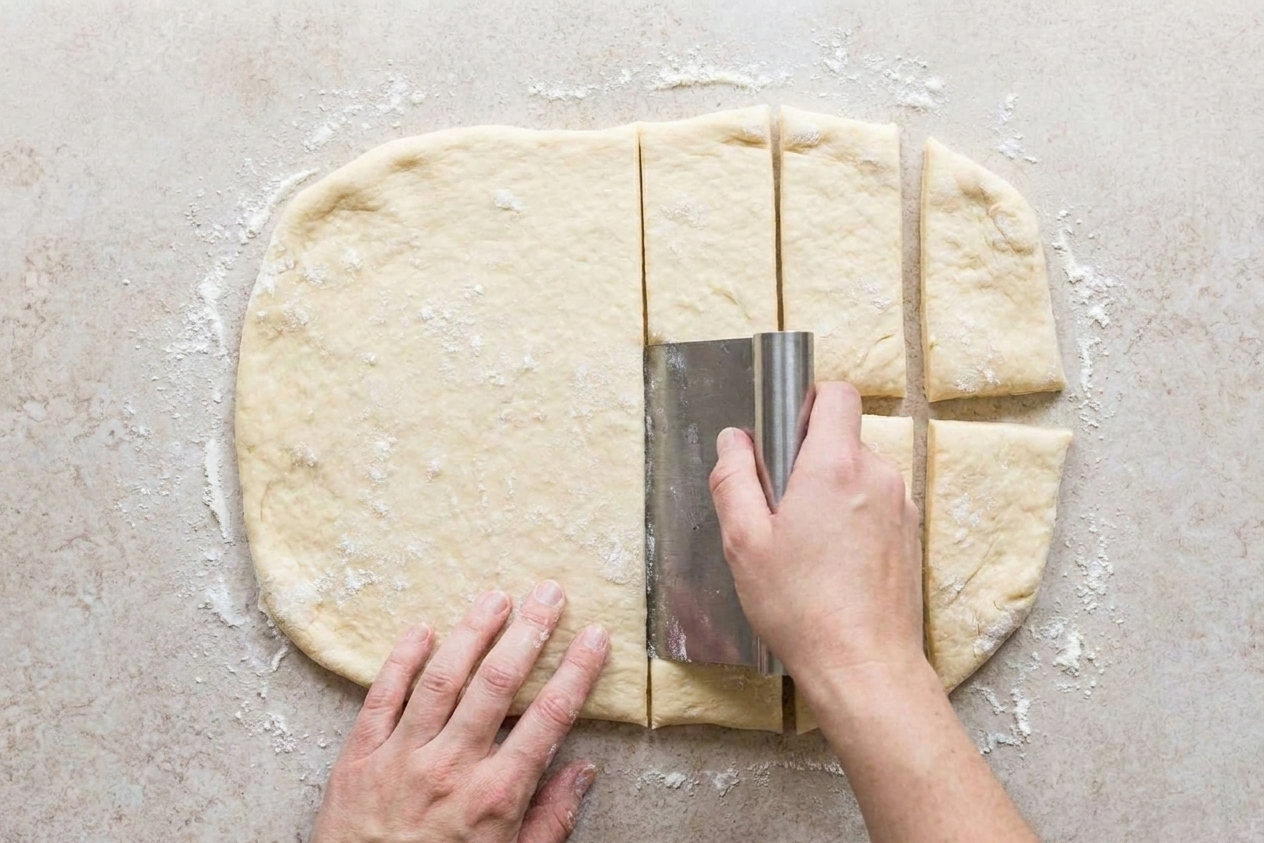
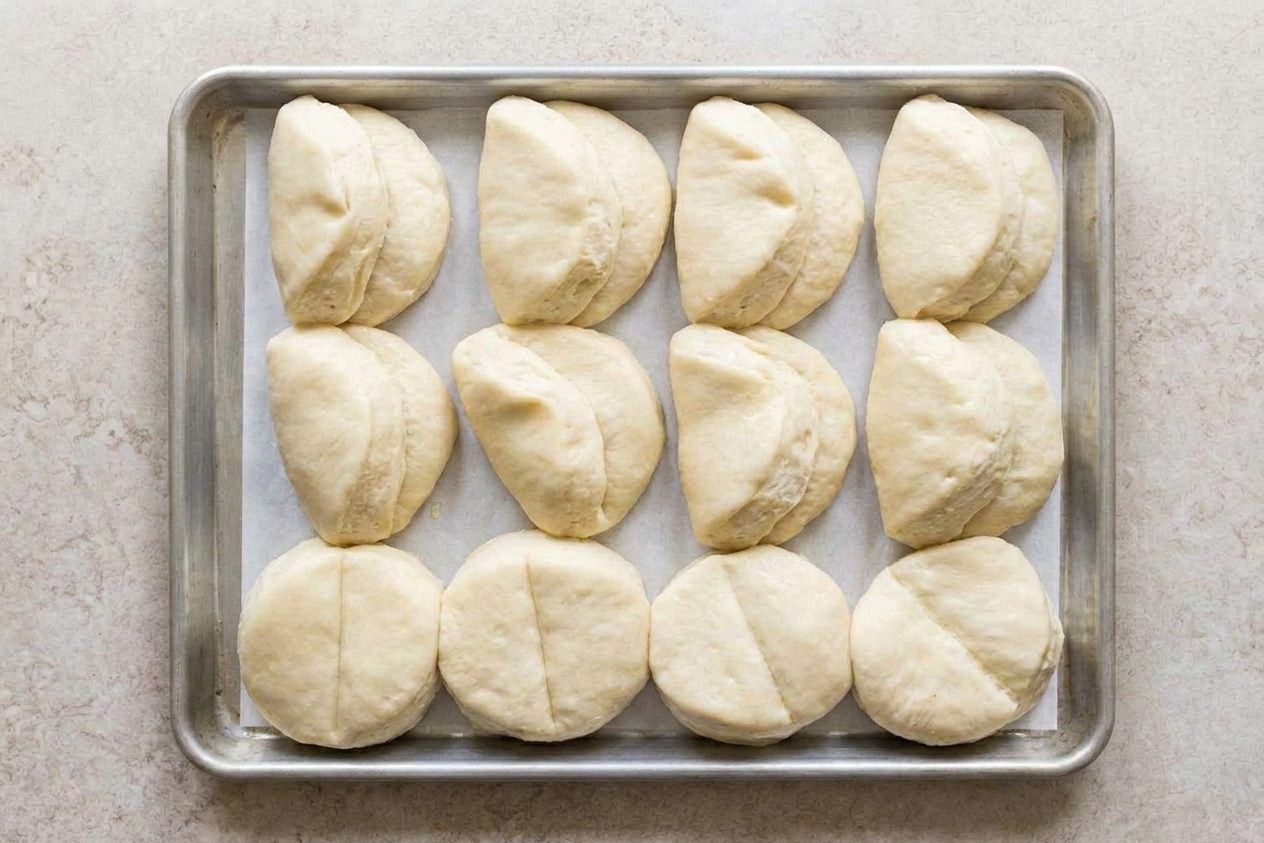
Dough rectangles brushed with butter and folded with a small overhang to form the classic Parker House roll shape on a lightly floured countertop

Pairs Well With

Storage Tips

How to Store Parker House Rolls

Room temperature: Let rolls cool completely, then store in an airtight container or zip-top bag for up to 2 days. Do not seal them up while they are still warm. If you live in a humid spot, you can add a small piece of paper towel to the container to absorb excess moisture.

Refrigerator: I usually skip the fridge because it can make bread feel stale faster, but if you need to, store airtight up to 4 days. Rewarm before serving.

Freezer: Freeze baked rolls in a freezer bag up to 2 months. Thaw at room temp, then warm at 300°F for 8 to 12 minutes. Brush with a little melted butter to bring them back to life.

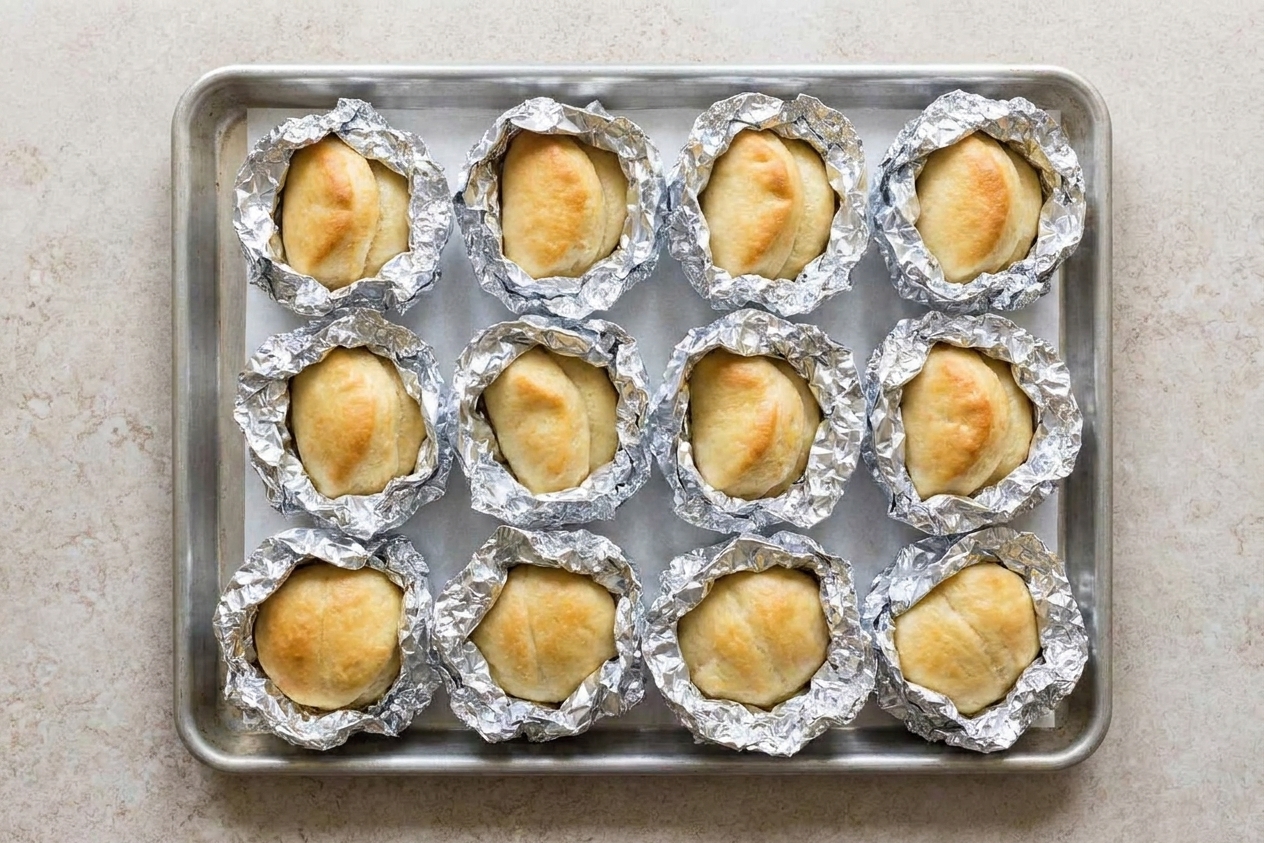
Reheating tip: Wrap rolls loosely in foil and warm at 300°F until soft and heated through. For one or two rolls, 10 to 15 seconds in the microwave works, but do not overdo it or they get chewy.

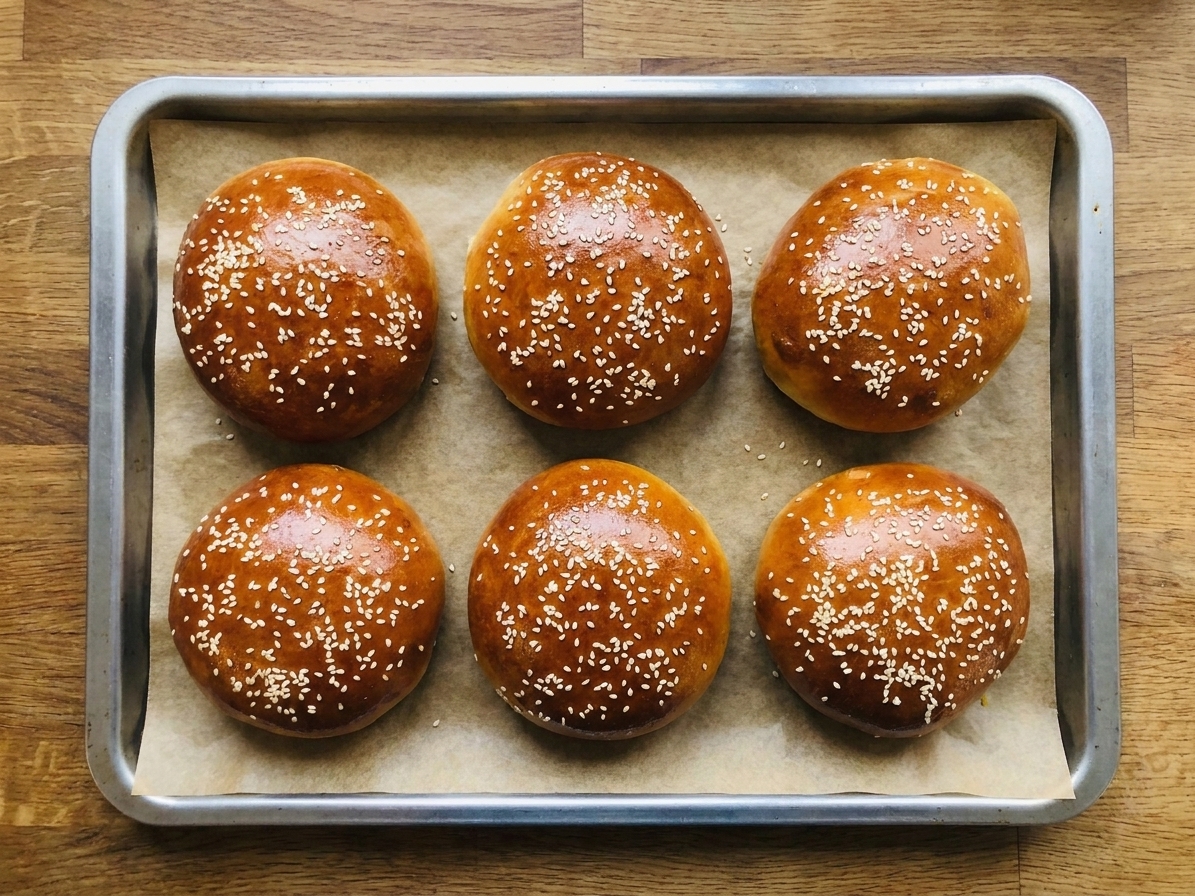
Parker House rolls wrapped loosely in foil on a baking sheet ready to rewarm in the oven

Common Questions

Common Questions

Why are they called Parker House rolls?

They are said to have originated at the Parker House Hotel in Boston, where this folded, buttery style became a classic. The fold is not just for looks. It helps create a tender, slightly layered bite.

Can I use active dry yeast instead of instant?

Yes. Use the same amount. For active dry yeast, dissolve it in the warm milk with the sugar and let it get foamy, about 5 to 10 minutes, then proceed. (Keep the liquids warm, not hot. Over about 120°F can slow or harm the yeast.)

My dough is sticky. Did I mess it up?

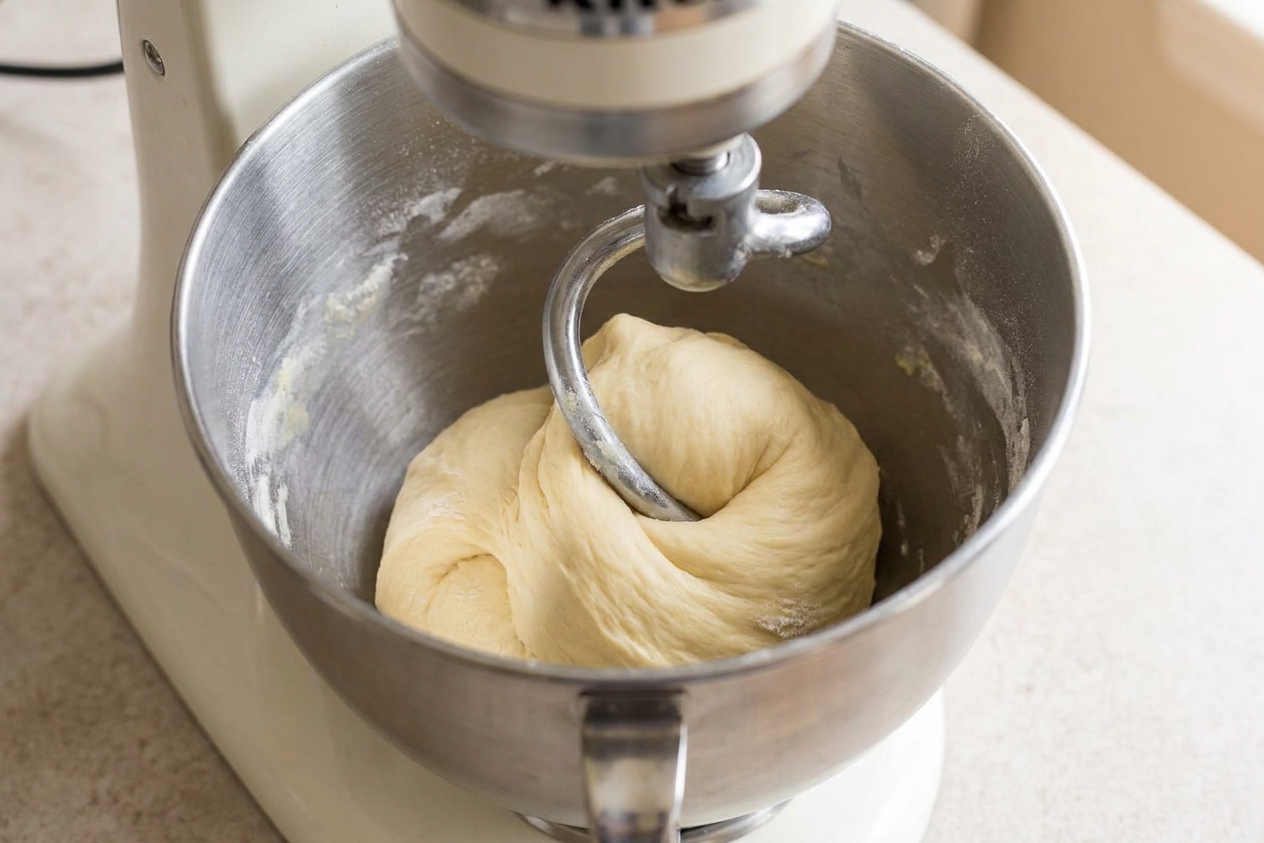
Probably not. This dough should be soft and slightly tacky. Add flour 1 tablespoon at a time during kneading only if it is truly wet and unmanageable. Too much flour is the fastest way to dense rolls.

How do I know when the first rise is done?

Look for the dough to roughly double. A finger pressed into the dough should leave an indent that slowly springs back, not snap back immediately.

Can I make them ahead for a holiday?

Yes. Shape the rolls, place in the pan, cover tightly, and refrigerate overnight so they do not dry out. The next day, let them sit at room temp until puffy, usually 60 to 120 minutes (sometimes longer if your kitchen is cool), then bake.

Why did my rolls come out dry?

Most common causes are too much flour, overbaking, or a too-hot oven. Pull them when the tops are golden and the center roll reads about 190 to 195°F if you have a thermometer.

The first time I made Parker House rolls, I assumed the fold would be the part that got me. Turns out, the fold is the easy part. The real learning curve was trusting a soft dough and not adding extra flour the second it felt a little tacky. Once I started keeping my hands lightly buttered and letting the dough stay plush, the rolls came out exactly how I wanted: tender centers, glossy tops, and that buttery seam you can pull open like a tiny bread note.