Mom's Best Recipes
Recipe

Pepperidge Farm Stuffing (Better Than the Box)

Crisp edges, buttery herbs, and a soft center. This is the classic bag stuffing, cooked like you actually meant it.

Author By Matt Campbell
4.8
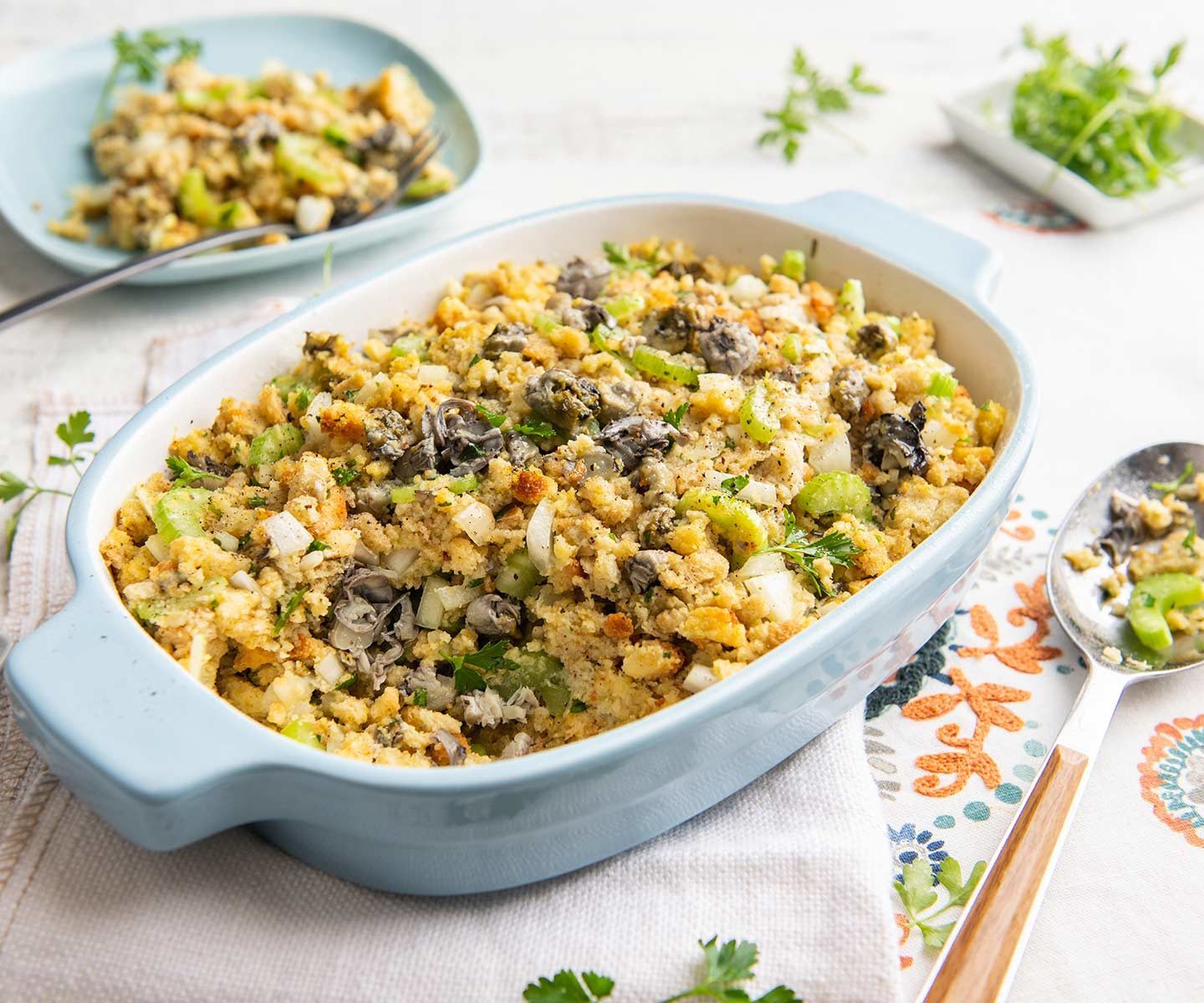
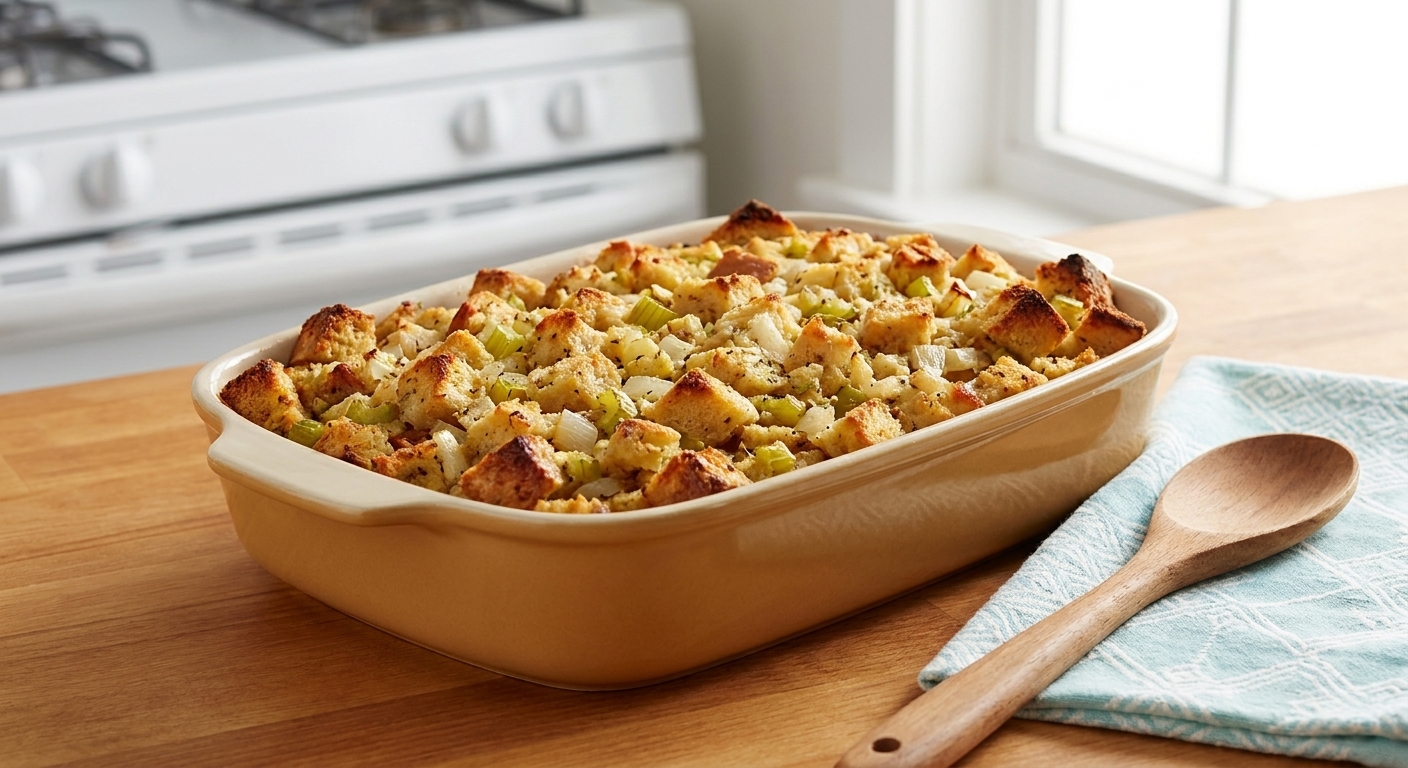
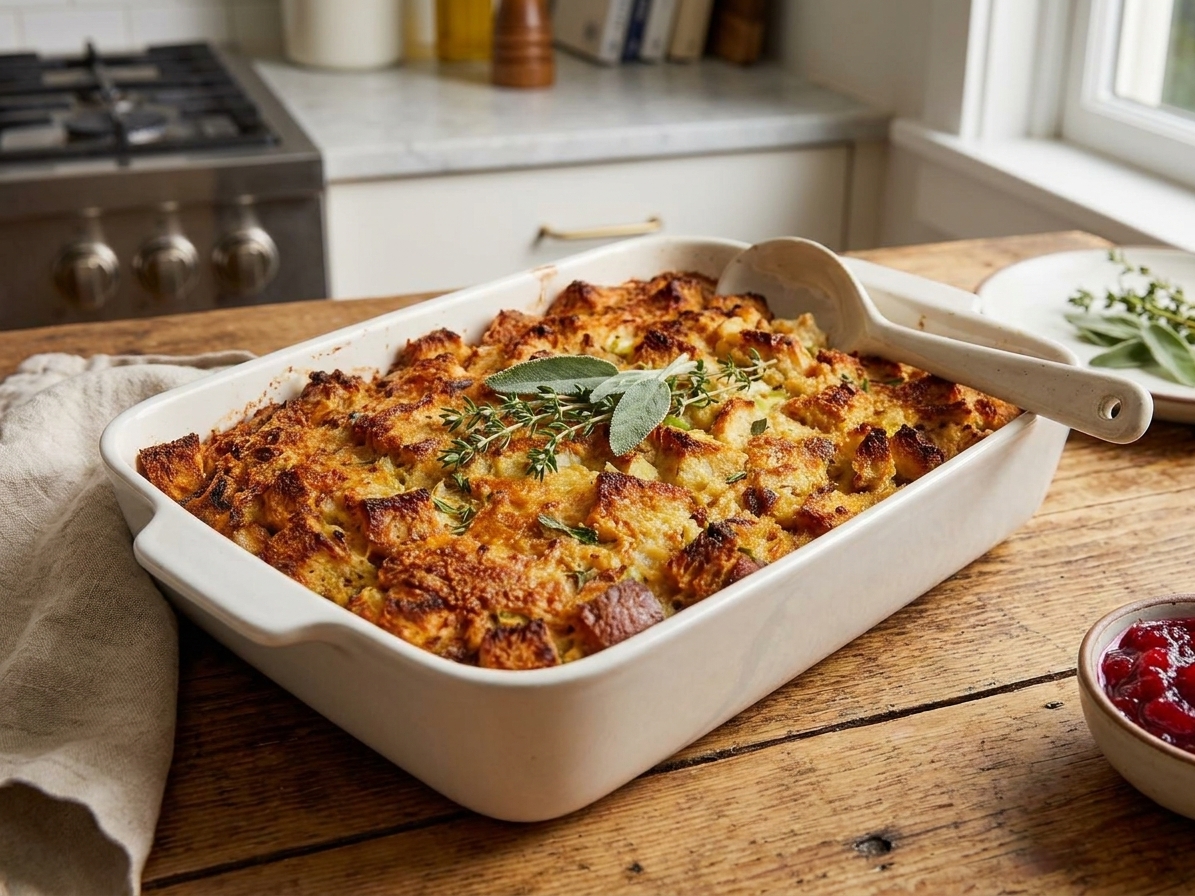
A golden baked casserole dish of Pepperidge Farm herb seasoned stuffing with crisp browned corners and a spoon resting beside it on a warm kitchen counter

Pepperidge Farm stuffing is one of those grocery store shortcuts I will defend with my whole chest. The bread cubes are solid, the seasoning is nostalgic, and it shows up when you need it most. The only problem is that the straight-from-the-bag directions can land you in that weird middle ground: not crispy enough on top, not flavorful enough inside, and somehow both dry and mushy depending on where you scoop.

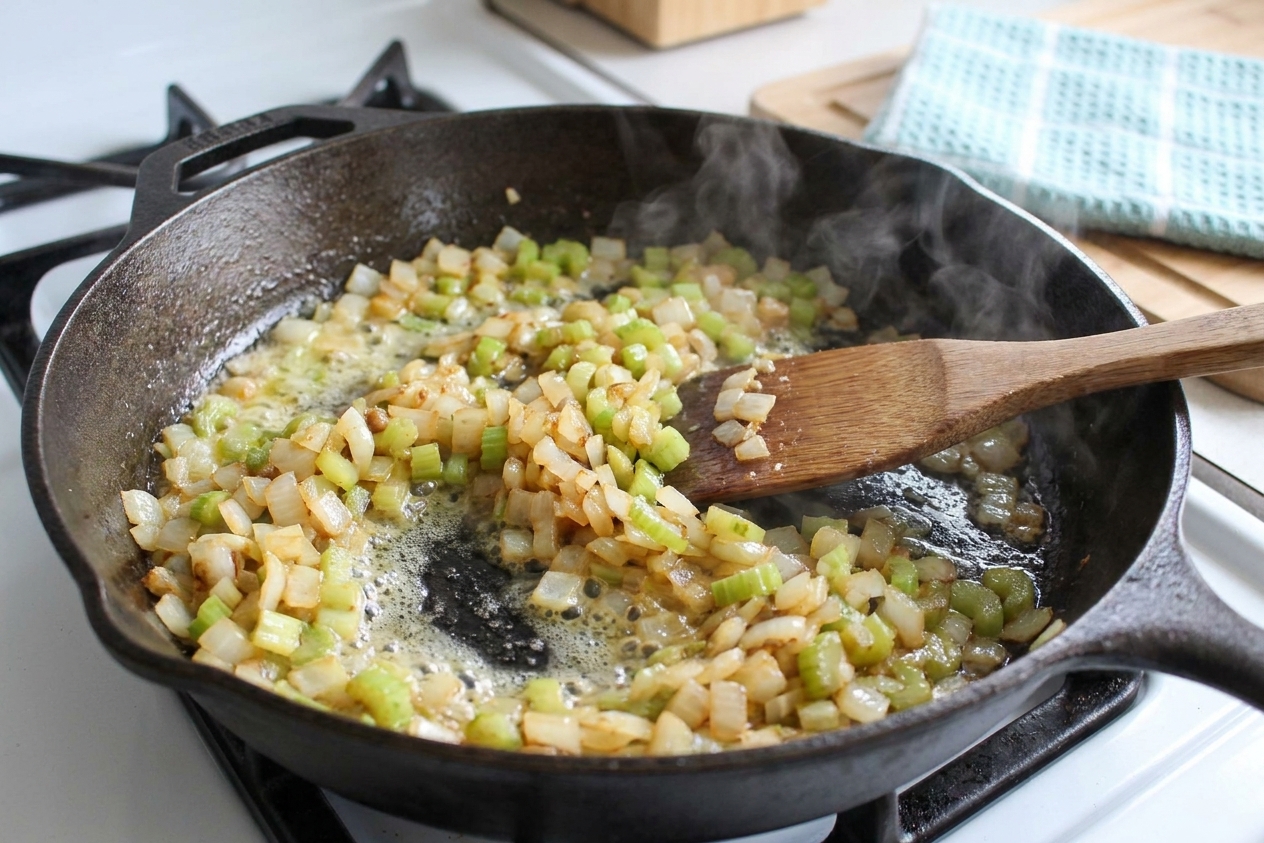
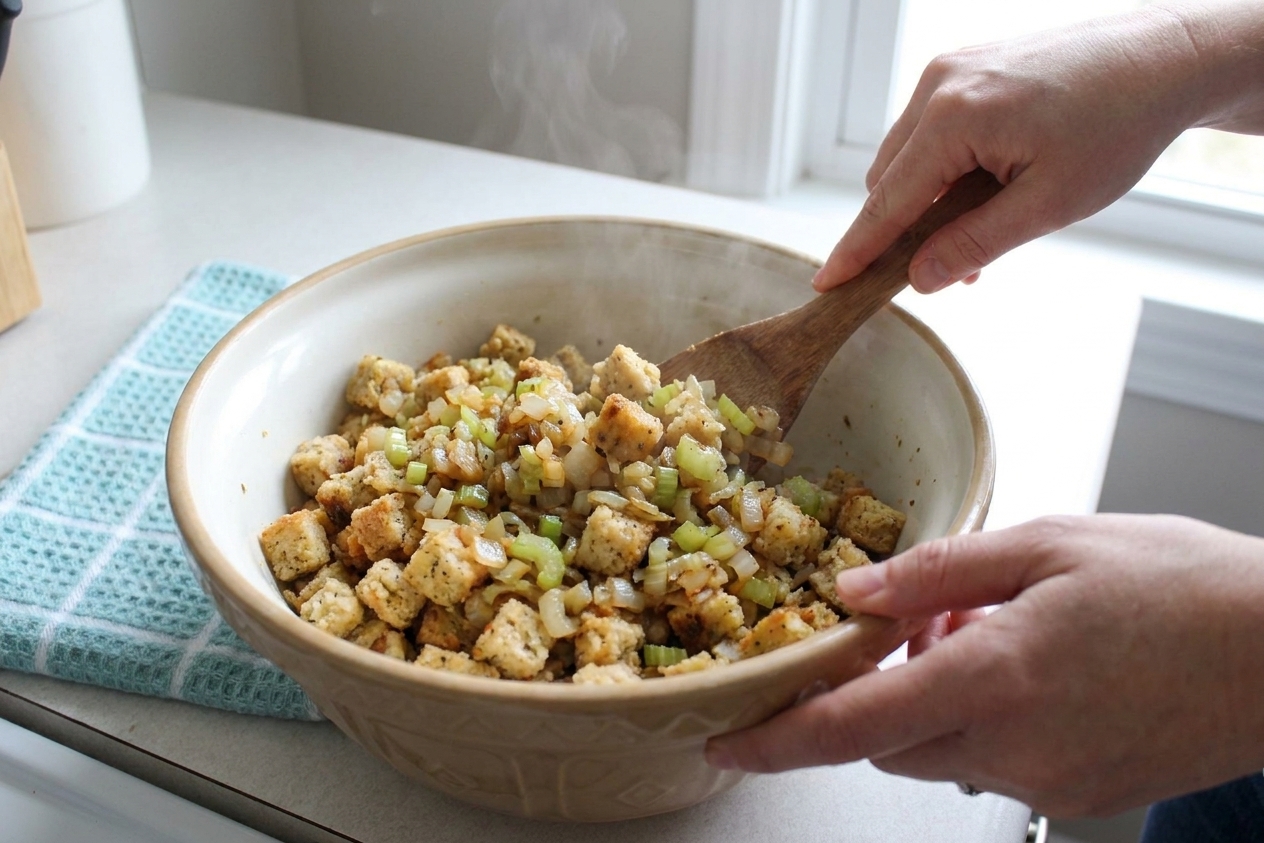
So here is my approach: treat the bag like a starter kit. We build a real base with butter, onion, and celery. We add a little extra herb love. Then we bake it in a way that guarantees cozy, moist stuffing with crunchy edges. It tastes like you worked harder than you did, and that is my favorite kind of cooking.
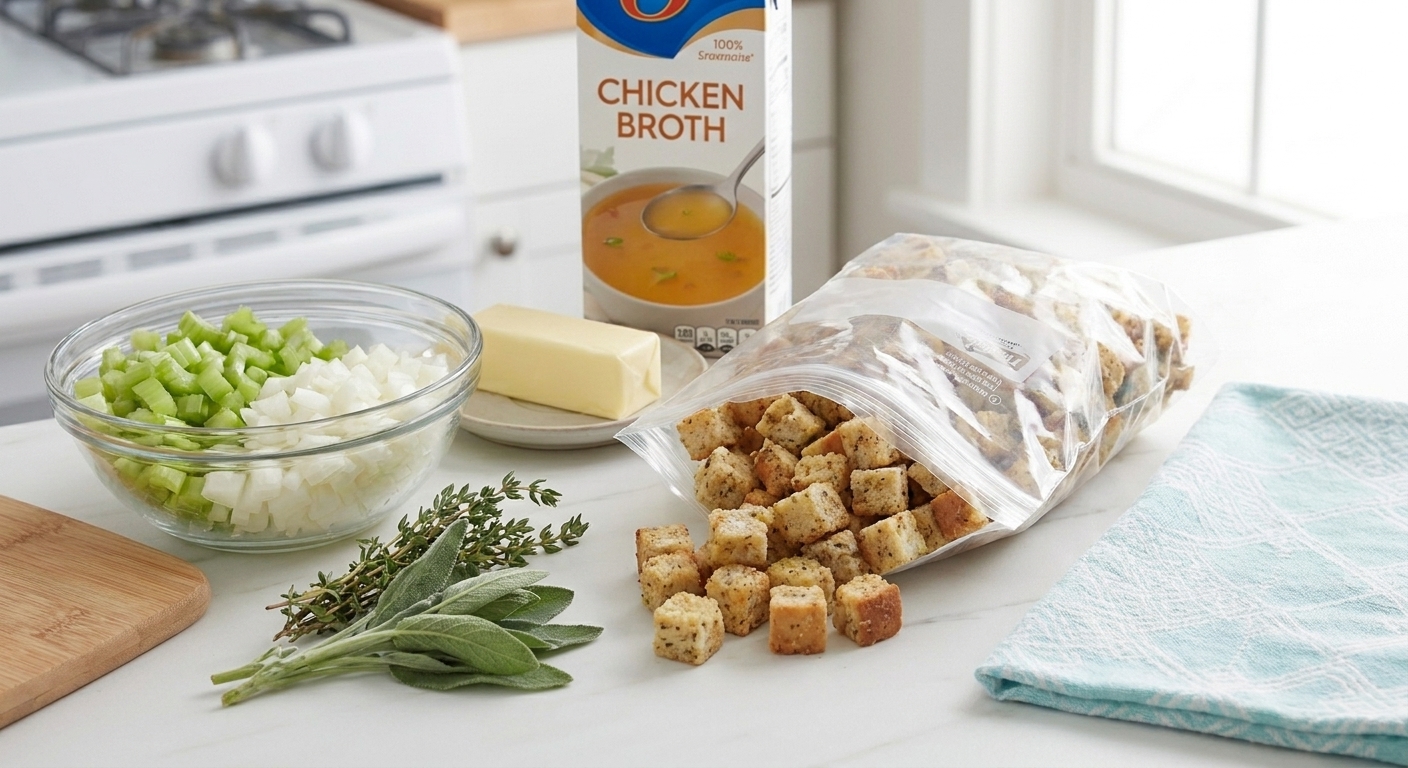
Celery, diced onion, butter, chicken broth, fresh herbs, and a bag of seasoned stuffing laid out on a clean kitchen counter in natural light

Why It Works

  • Better flavor fast: Sautéed onion and celery in butter builds a savory base that the bag directions skip.
  • Moist but not soggy: Warm broth plus a quick rest lets the cubes hydrate evenly before baking.
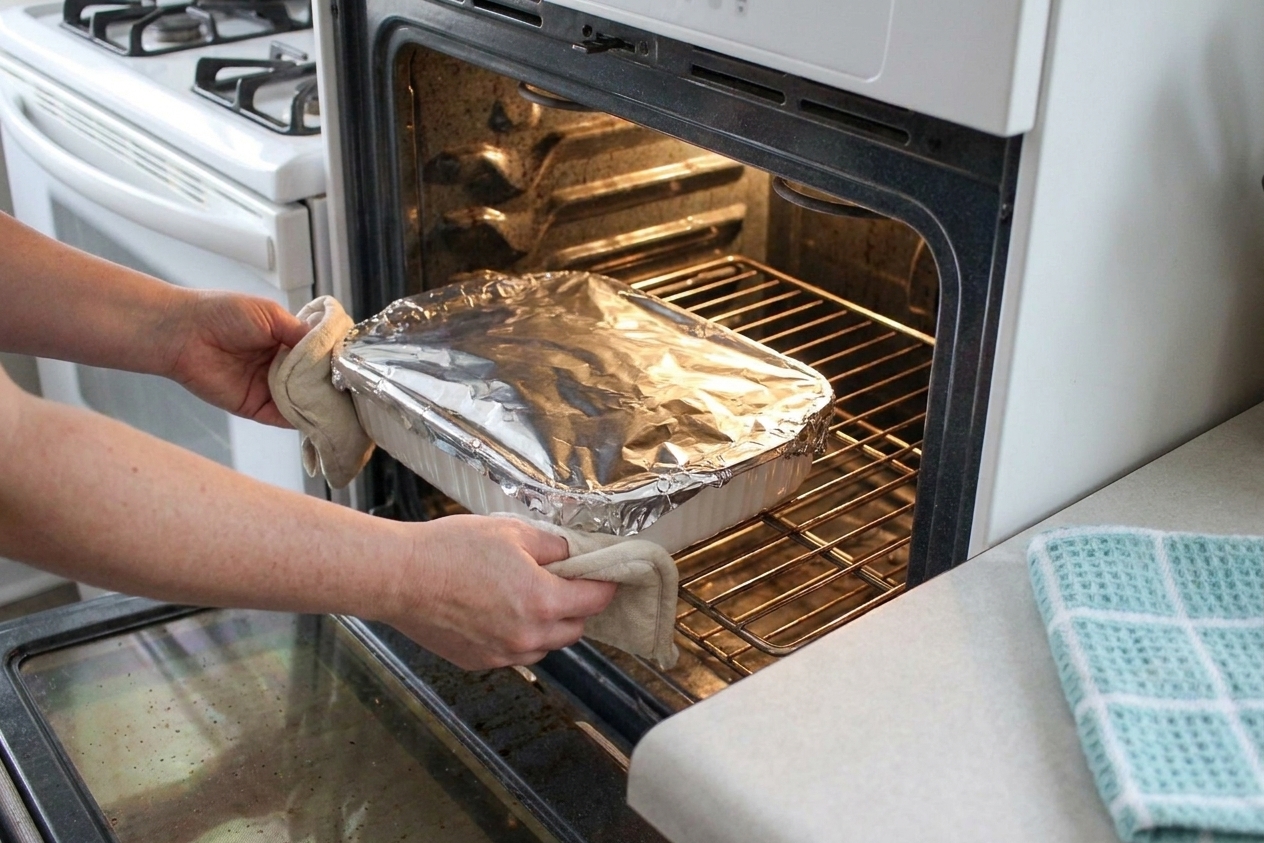
  • Crisp edges on purpose: A covered bake keeps the center tender, then an uncovered finish browns the top.
  • Flexible for any table: Works with chicken or turkey broth, and it welcomes add-ins like sausage, apples, or mushrooms.

Pairs Well With

Storage Tips

Refrigerator: Cool stuffing completely, then store in an airtight container for up to 4 days.

Freezer: Portion into freezer containers or zip-top bags and freeze up to 2 months. Thaw overnight in the fridge for best texture.

Reheat: For the best comeback, spread stuffing in a baking dish, splash with a little broth, cover with foil, and warm at 325°F until hot and steaming throughout, about 20 to 30 minutes. For extra certainty, reheat to an internal temperature of 165°F. Uncover for the last 5 minutes if you want the top crisp again.

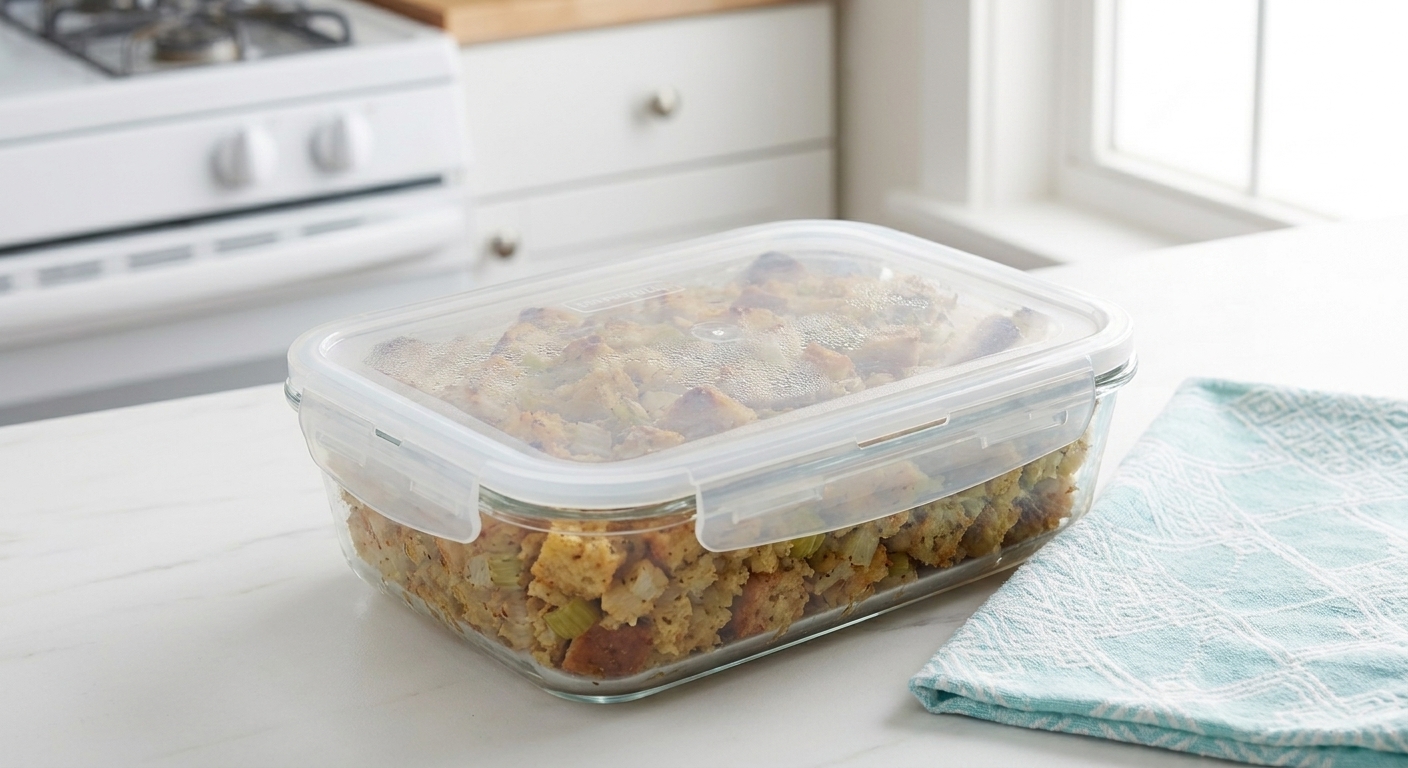
Leftover baked stuffing stored in a clear glass container with a snapped-on lid on a kitchen counter

Common Questions

Should I make Pepperidge Farm stuffing on the stove or in the oven?

If you want the most reliable texture, go oven. Stove-top is fine in a pinch, but it is harder to get that crisp top without drying the bottom.

How much broth do I actually need?

For a standard 12-ounce bag, I start with 2 1/2 cups warm broth and add up to 1/2 cup more only if it looks dry after resting. Bread cube size and dryness vary, and so does everyone’s ideal “moist” level, so start here and adjust. After the rest, it should look evenly damp, not swimming.

Also worth saying: this is intentionally a little more “cozy in the middle, crisp on top” than the package method because we are baking it covered, then uncovered.

Can I make it ahead?

Yes. Assemble the stuffing (through the resting step), cover, and refrigerate up to 1 day. When ready to bake, let it sit on the counter for 20 minutes, then bake as directed. If it is going into the oven still pretty cold, plan on a few extra minutes covered. You may also need a small extra splash of broth before it goes in the oven.

How do I keep stuffing from getting mushy?

Use warm broth (hydrates evenly), do not over-stir, and do the covered then uncovered bake. Also, do not drown it right away. You can always add a little more broth, but you cannot un-sog a cube.

Can I add eggs?

You can, especially if you like a more set, sliceable dressing. For this amount, whisk in 1 to 2 eggs after the mixture has cooled slightly (so you do not scramble them). The texture will be more casserole-like.

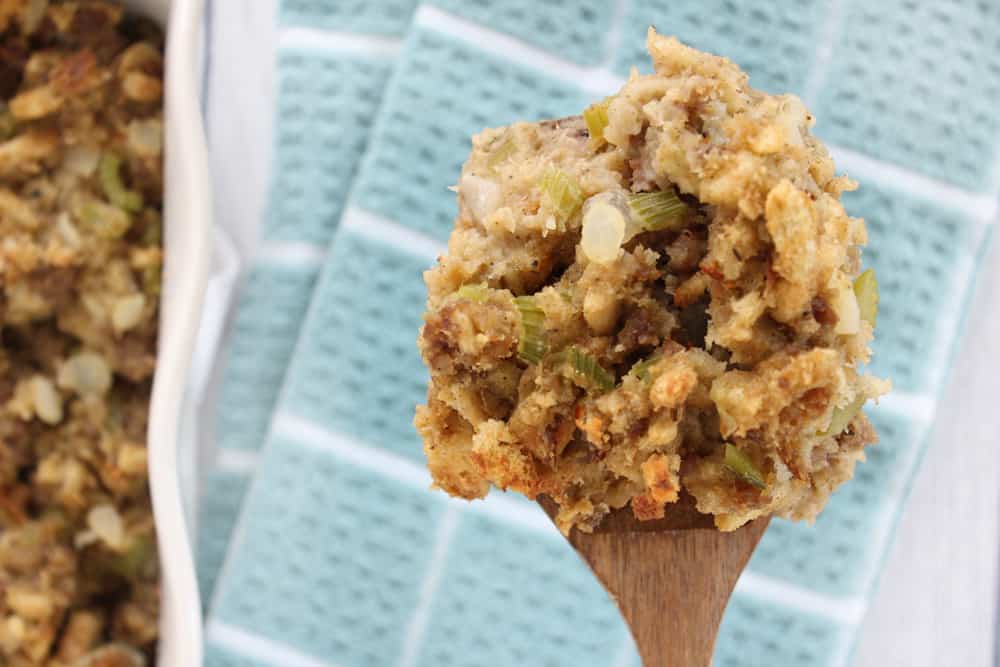
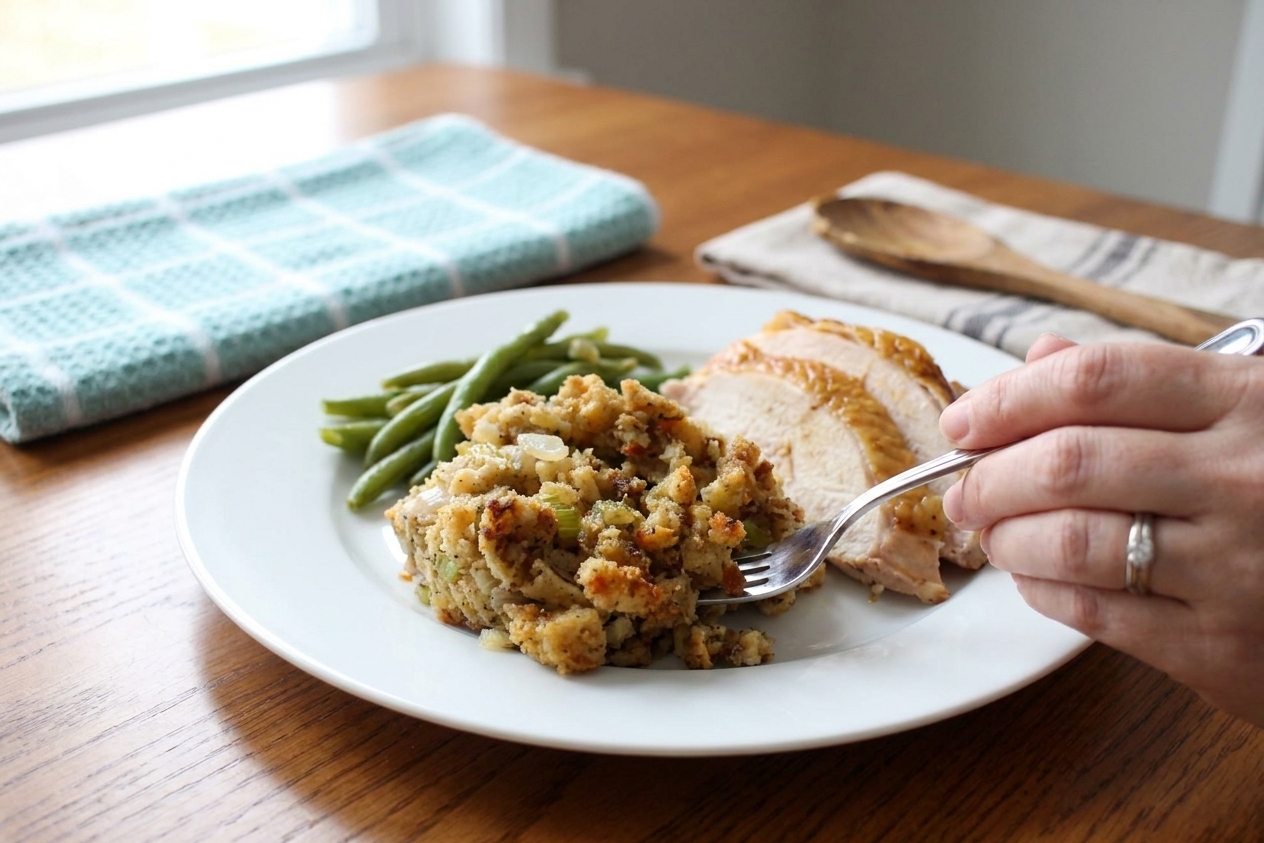
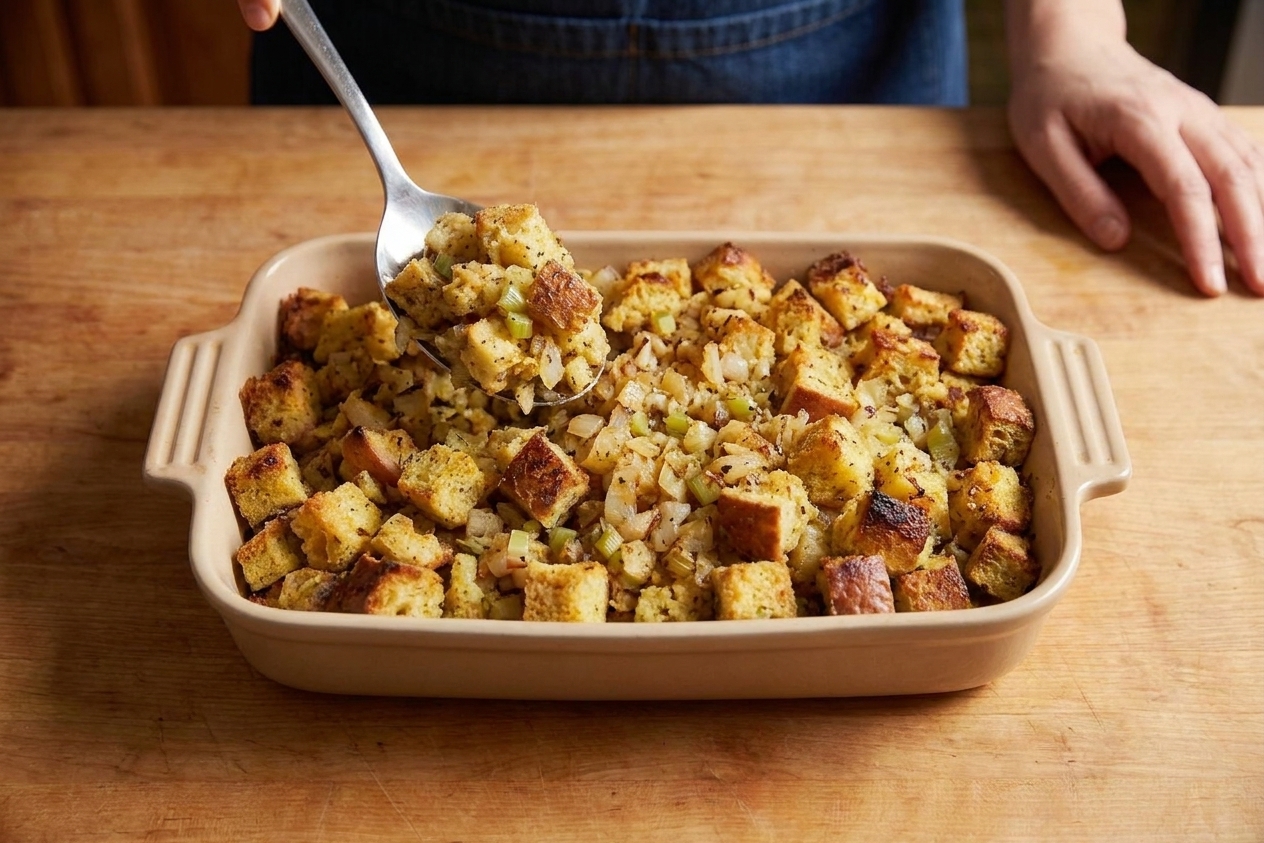
Close-up of a spoon scooping moist stuffing with browned bread cubes and visible celery pieces from a baking dish

I was the person who used to side-eye “bag stuffing” like it was cheating. Then I started cooking for real life, where the menu is ambitious but the clock is not. Pepperidge Farm became my reliable co-pilot. The moment I started treating it like bread cubes that deserve a proper buttery sauté and a confident bake, it stopped tasting like a shortcut and started tasting like a tradition. Also, I am a crisp-edge person. If the corners are not a little crunchy, I feel personally betrayed.