Doneness and Pull Temperatures
Two numbers matter: the temperature you pull the steak off the heat, and the temperature it finishes at after resting. Carryover cooking varies, and thicker steaks usually rise more.
- Rare: Pull 115 to 120°F, finish 120 to 125°F
- Medium-rare: Pull 125°F, finish 130 to 135°F
- Medium: Pull 135°F, finish 140 to 145°F
- Medium-well: Pull 145°F, finish 150 to 155°F
- Well-done: Pull 155°F+, finish 160°F+
My take: For top sirloin, I like medium-rare to medium for the best balance of tenderness and flavor.
Food safety note: USDA guidance for whole cuts is 145°F with a 3-minute rest. Many people choose lower doneness temps; if you are pregnant, immunocompromised, or serving someone who is, stick with the USDA recommendation.
How long should steak rest?
Rest 5 to 10 minutes for typical sirloin steaks (about 1 inch thick). For thicker steaks, go 10 to 12 minutes. Resting keeps the juices in the meat instead of on your cutting board.
What is the best way to slice top sirloin?
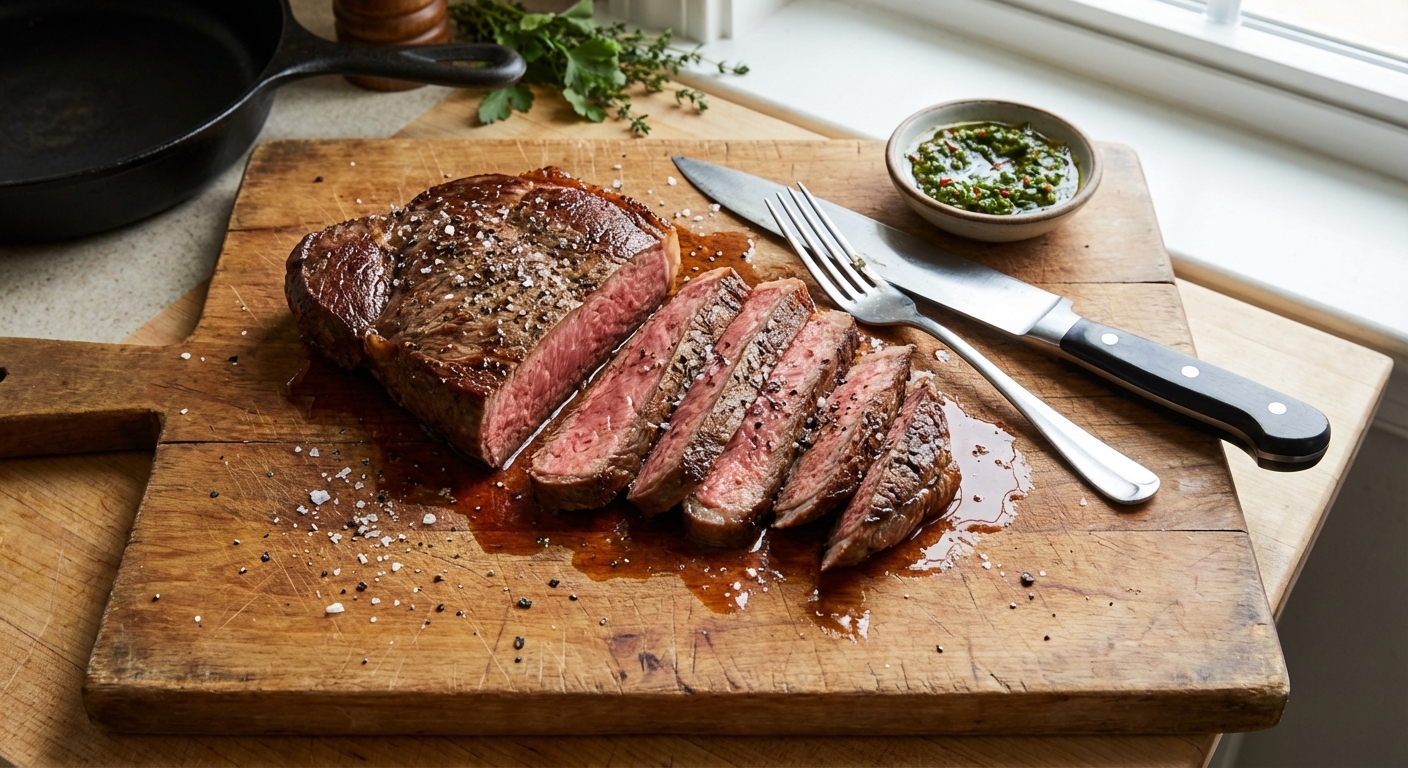
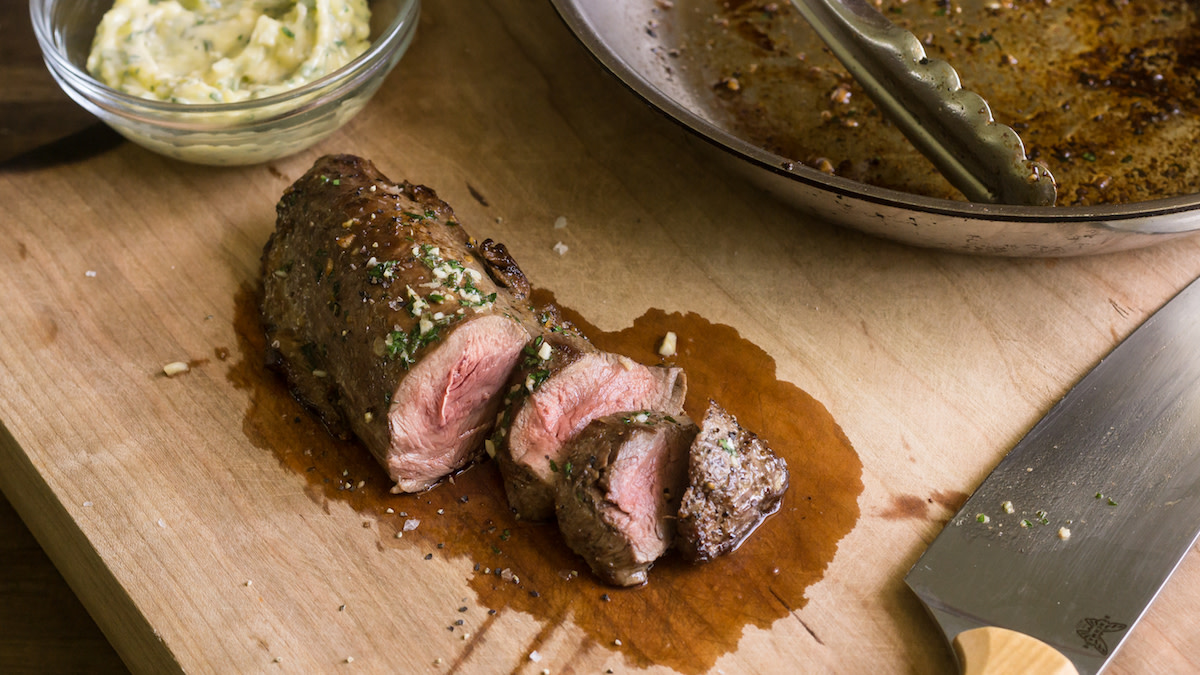
Slice against the grain. Look for the muscle fibers running in one direction, then cut perpendicular to them. Thin slices make top sirloin feel more tender immediately.
Do I need to marinate top sirloin?
You don't need to, but you can. If you want extra tenderness, do a quick marinade with something acidic for 30 minutes max. Longer acidic marinades can make the surface a little mushy. My preferred move is a dry brine (salt ahead of time) plus a buttery finish.
Common mistakes (and how to avoid them)
- Cooking a wet steak: Moisture is the enemy of browning. Pat it dry before seasoning.
- Not enough salt: Steak wants more salt than you think. Season generously.
- Flipping too soon: Let the crust form. If it's sticking, it's not ready yet.
- Skipping the thermometer: Top sirloin goes from juicy to dry fast. A thermometer makes it boringly consistent.
- Cutting immediately: If you slice right away, you're basically pouring your steak's moisture onto the board. Rest it.