Mom's Best Recipes
Recipe

Perogies

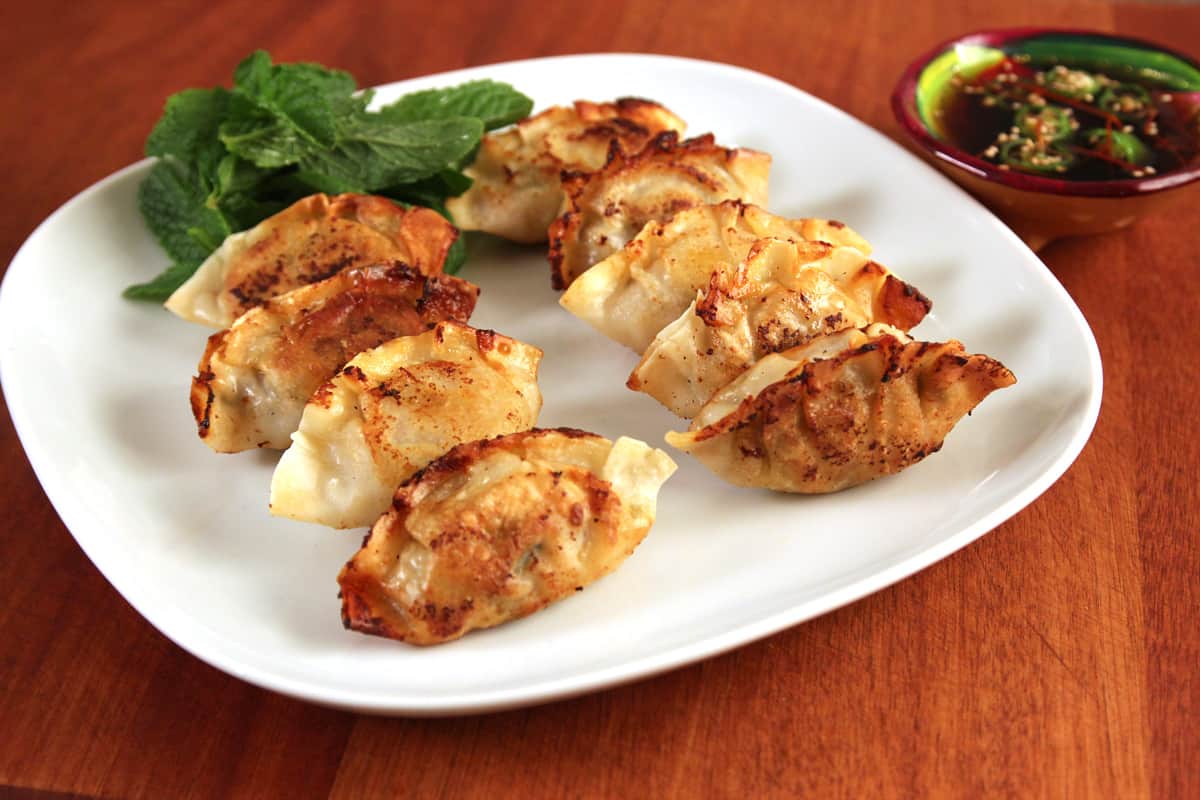
Tender dumplings filled with potato and cheddar, boiled until they float, then pan-fried in butter for golden, crisp edges.

Author By Matt Campbell
4.8
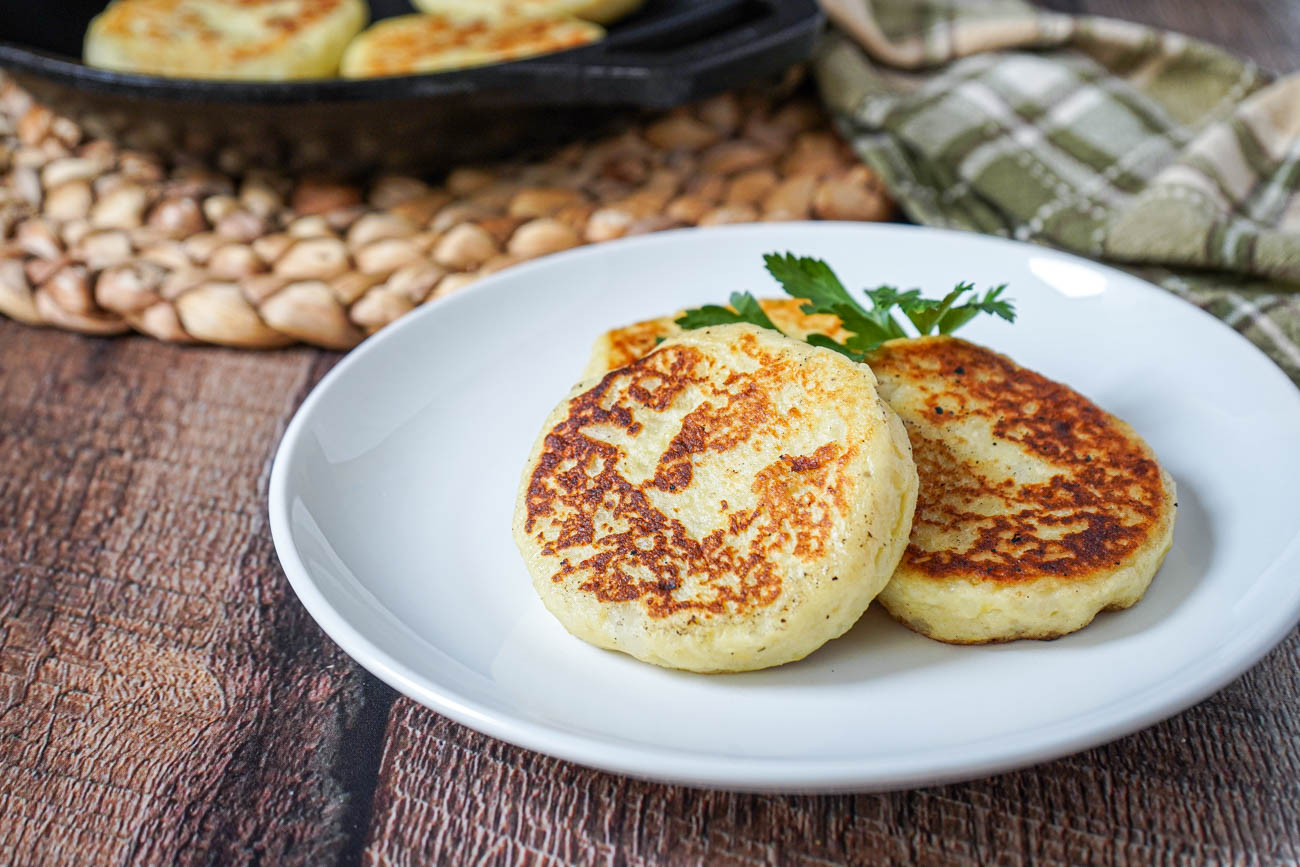
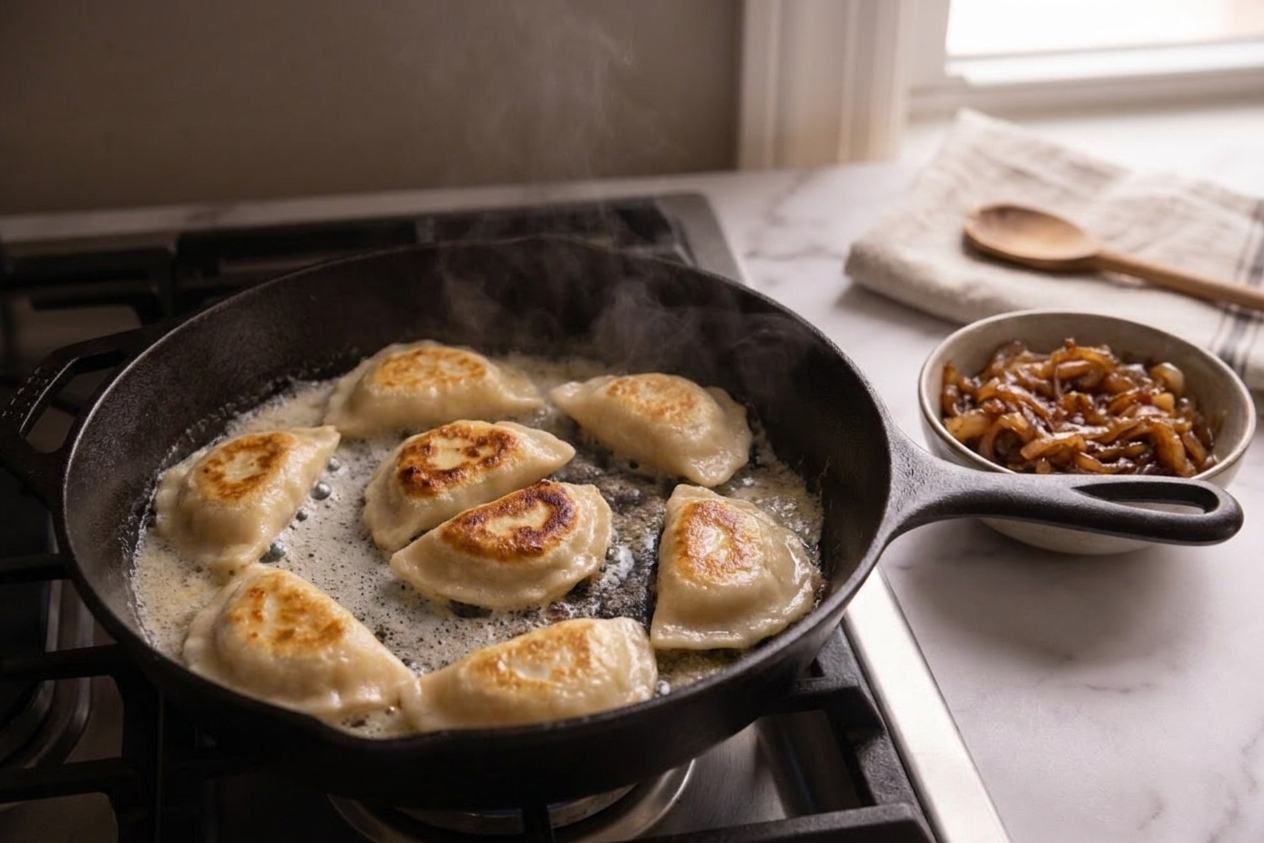
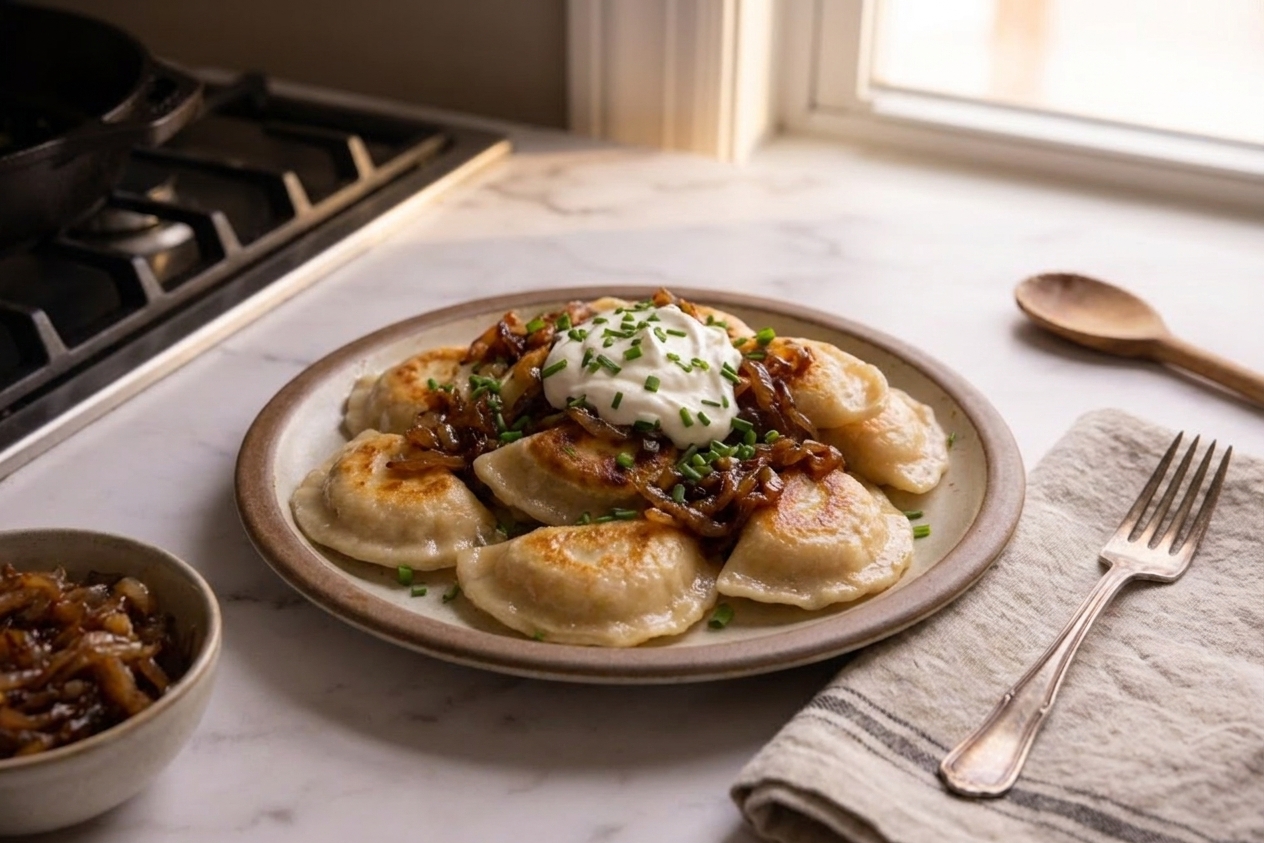
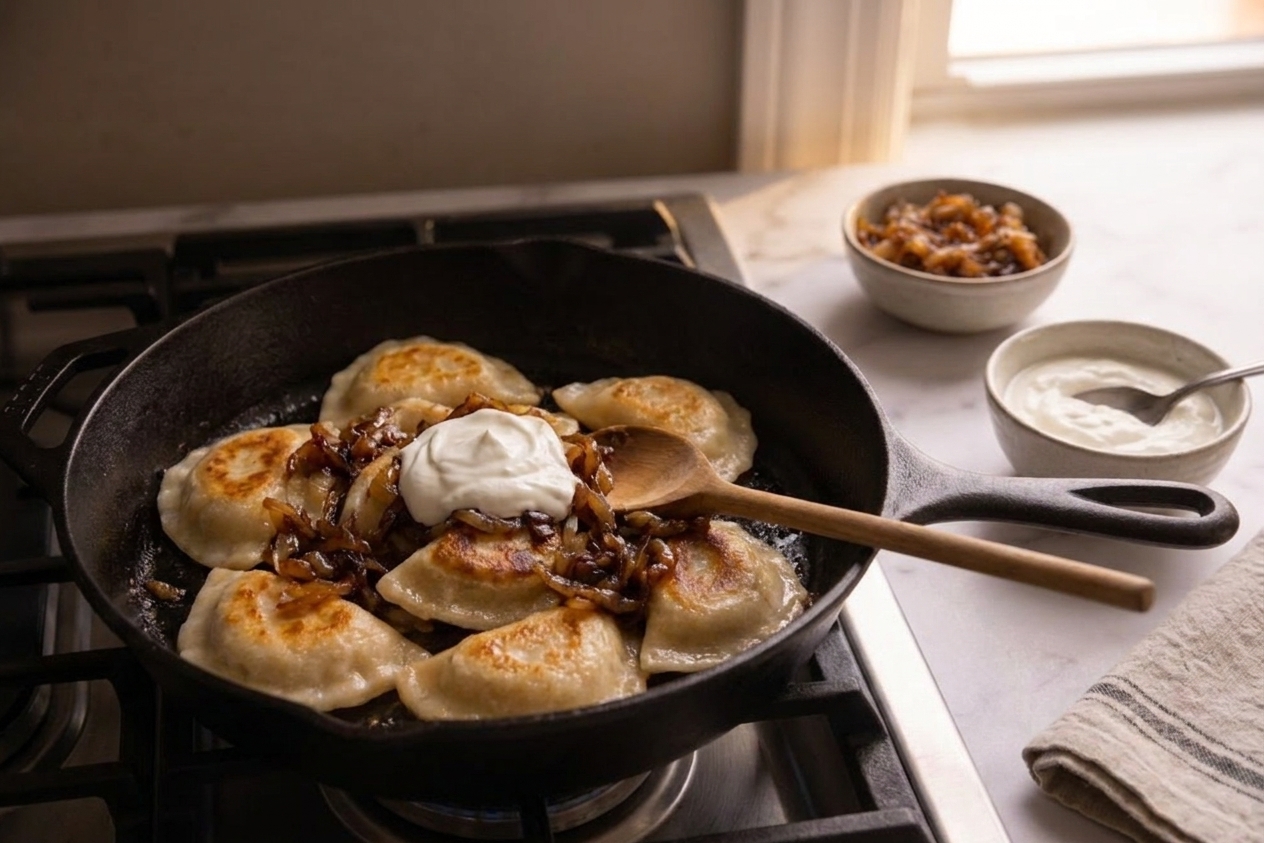
Golden potato and cheddar perogies in a cast iron skillet with caramelized onions and a spoonful of sour cream nearby, warm home kitchen lighting

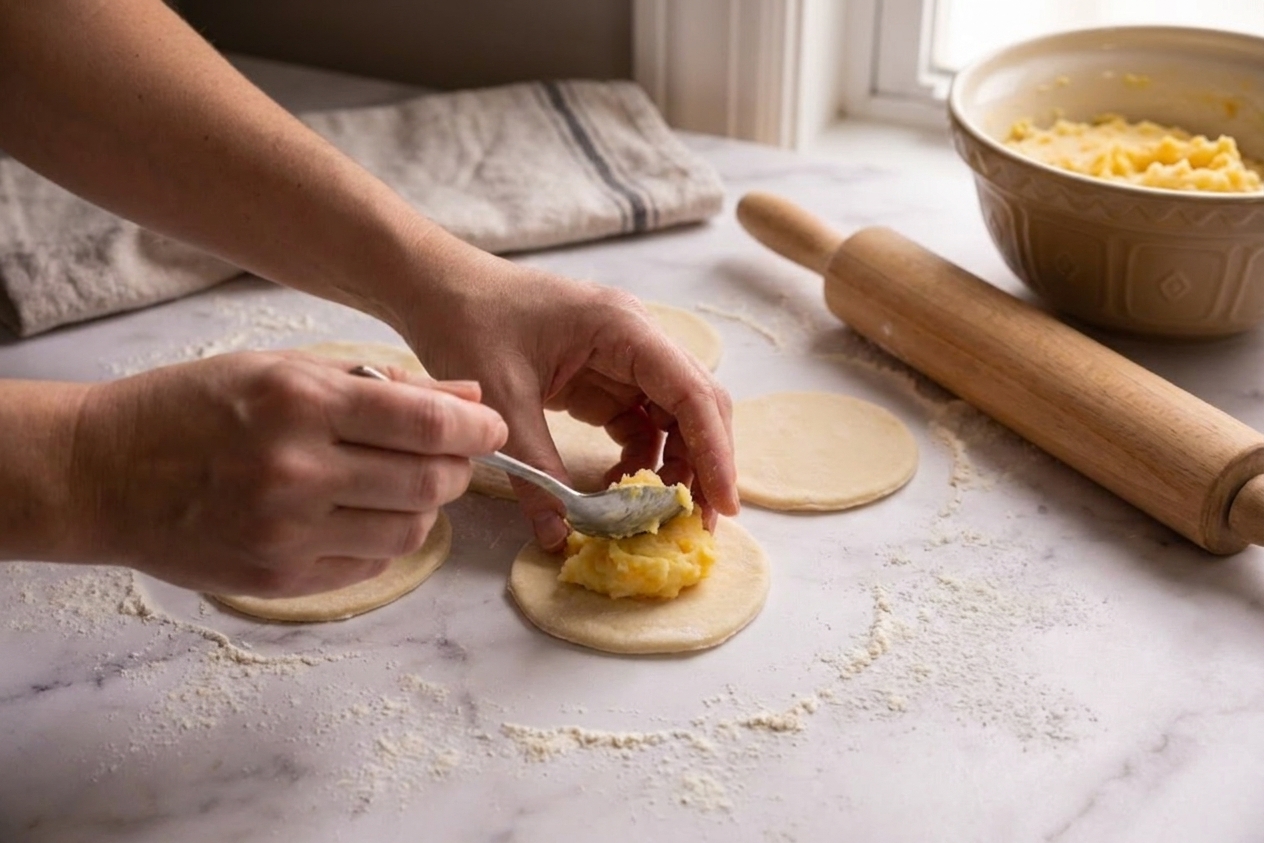
Perogies are one of those comfort foods that feel like a hug and a high five at the same time. You get pillowy dumplings, a creamy potato filling, and then the best part: a quick butter fry that gives you crisp edges and that toasty, savory payoff.

This version keeps it classic and accessible, potato plus cheddar, with optional onions and bacon if you want to lean all the way in. Make them once, stash extras in the freezer, and suddenly a “what’s for dinner” night has a real plan.

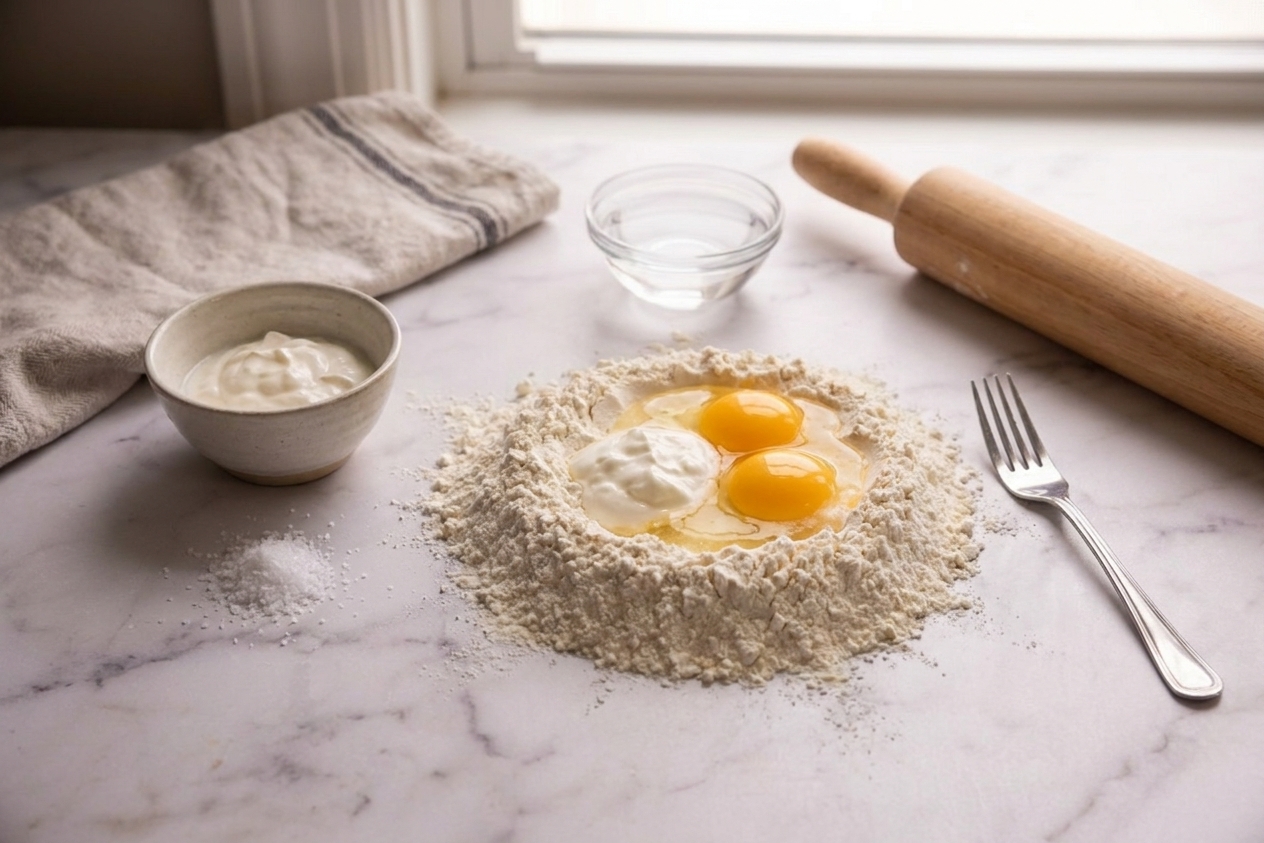
Flour, eggs, sour cream, salt, and a small bowl of water arranged on a clean kitchen counter, ready for making perogy dough

Why It Works

  • Soft dough that is easy to roll: Sour cream keeps the dough tender and forgiving, not tough.
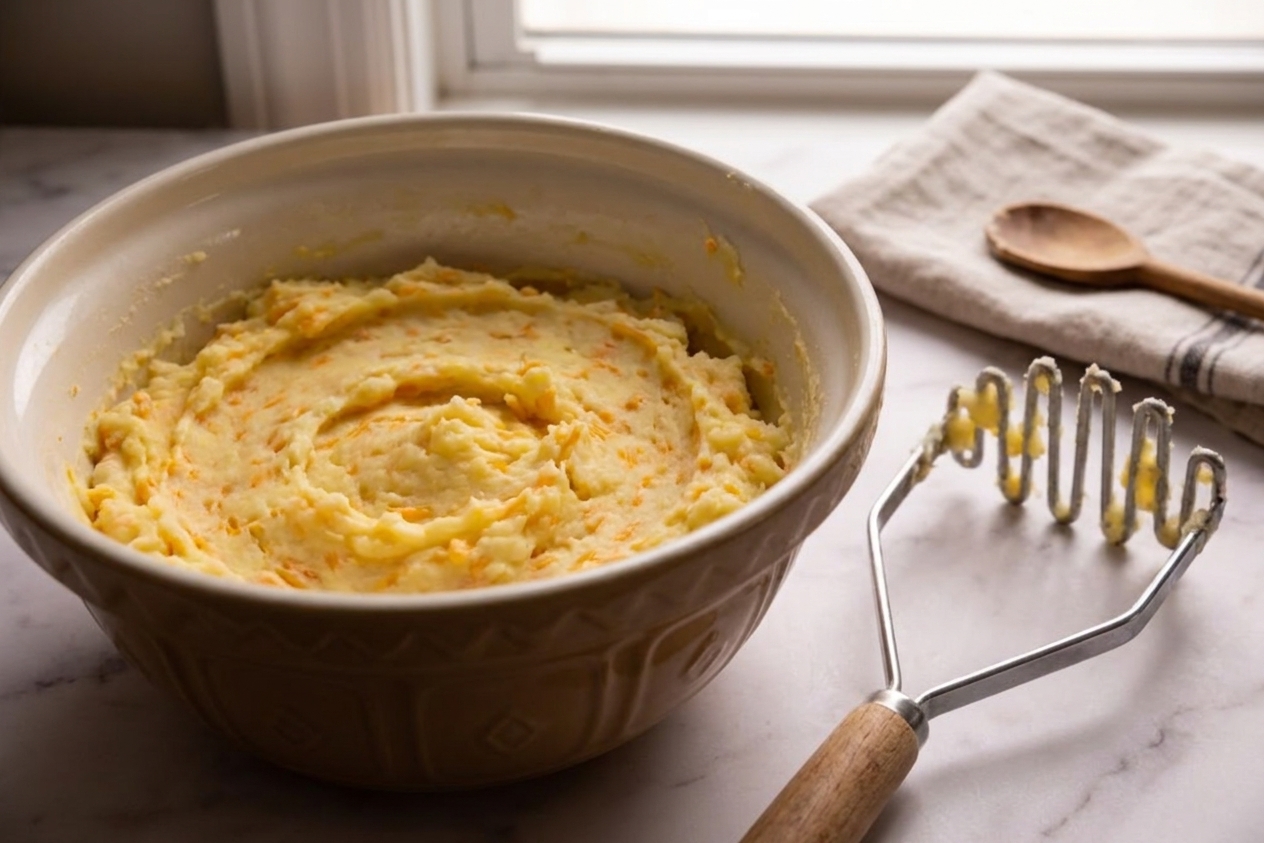
  • Filling that stays creamy: Warm potatoes plus butter and cheddar make a smooth, rich center that does not go grainy.
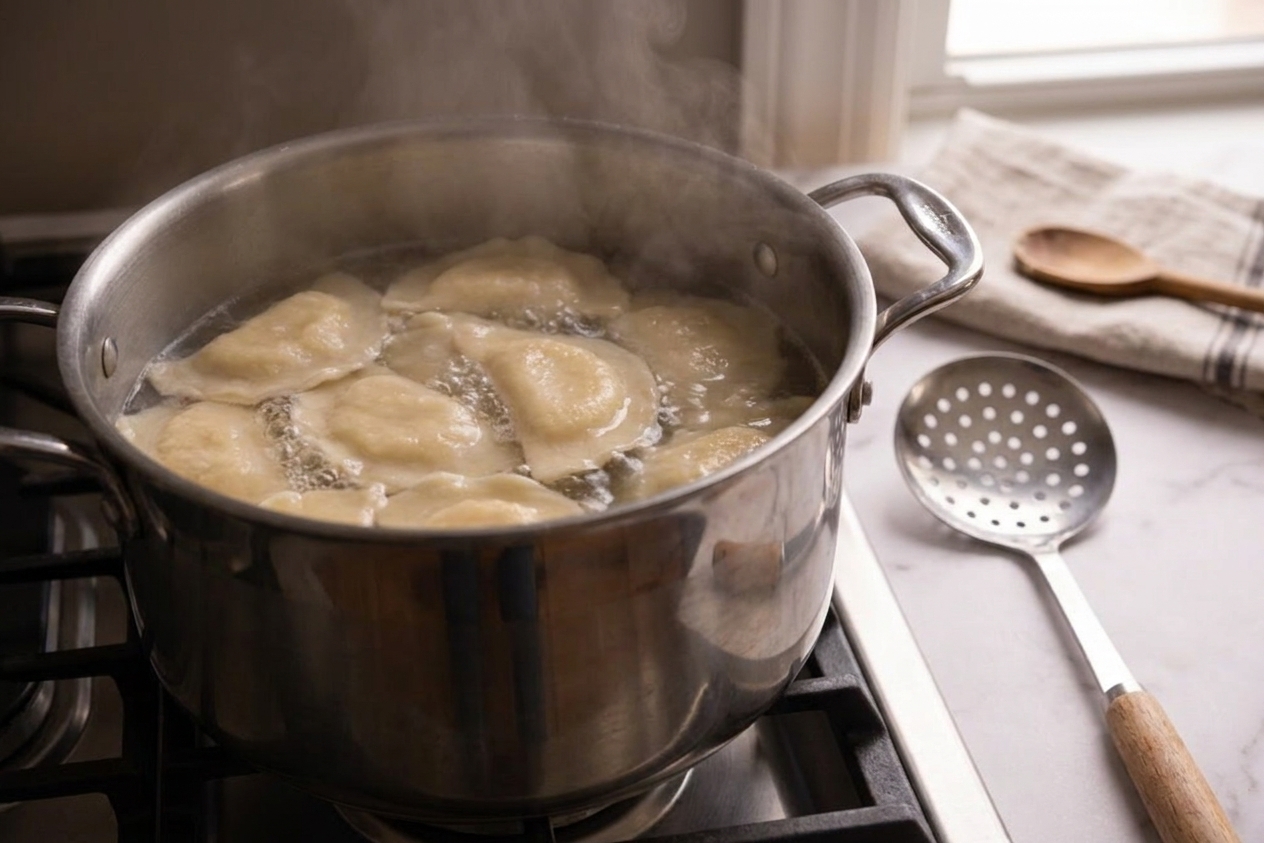
  • Two-step cooking for the win: Boil to cook through, then pan-fry for those crisp, buttery edges.
  • Make ahead friendly: You can refrigerate the filling and dough, or freeze shaped perogies for future you.

Pairs Well With

Storage Tips

How to Store Perogies

  • Cooked perogies: Cool completely, then refrigerate in an airtight container for up to 4 days. Re-crisp in a buttered skillet over medium heat and reheat until steaming hot throughout (165°F or 74°C if you like a number).
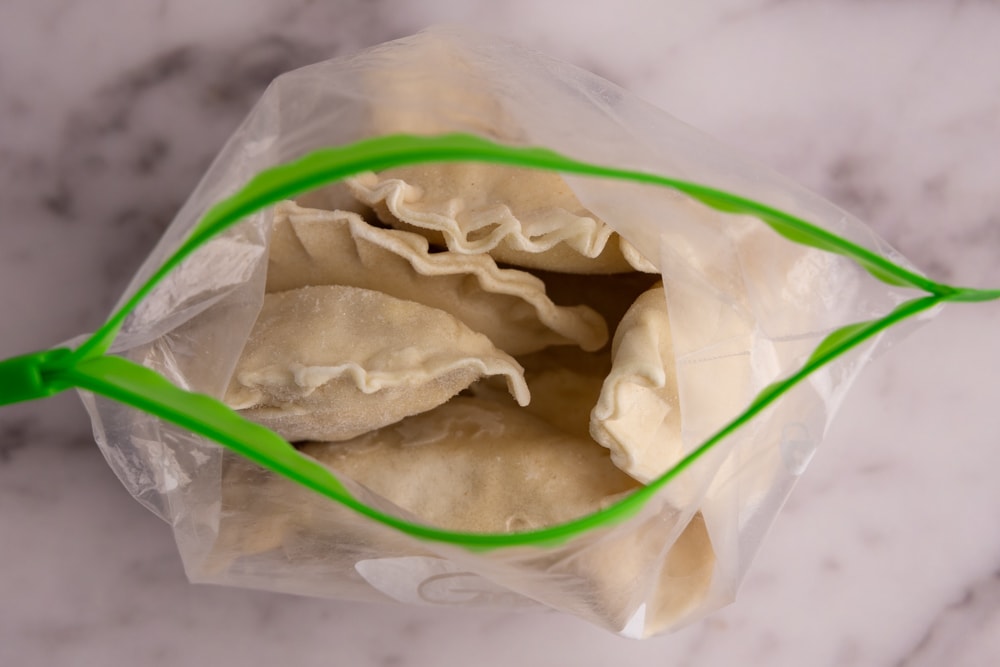
  • Uncooked perogies (best for make ahead): Freeze in a single layer on a parchment-lined baking sheet until firm, then transfer to a freezer bag. Freeze up to 3 months for best quality.
  • To cook from frozen: Boil straight from frozen. Add 1 to 2 minutes to the boil time. Give them a gentle stir right after they go in so they do not stick. Once they float, give them another minute, then drain and pan-fry.
Uncooked perogies arranged in a single layer on a parchment-lined baking sheet ready to be frozen, on a tidy kitchen counter

Common Questions

Common Questions

What is the difference between perogies, pierogi, and piroshki?

Pierogi is the Polish plural (the singular is pieróg). Perogy or perogie is a common anglicized spelling, especially in Ukrainian-Canadian and North American contexts, and people use it for similar dumplings even though regional traditions and fillings can vary. Piroshki are stuffed buns or pastries (often baked or fried) and are not boiled dumplings.

Why did my perogy dough shrink back when I rolled it?

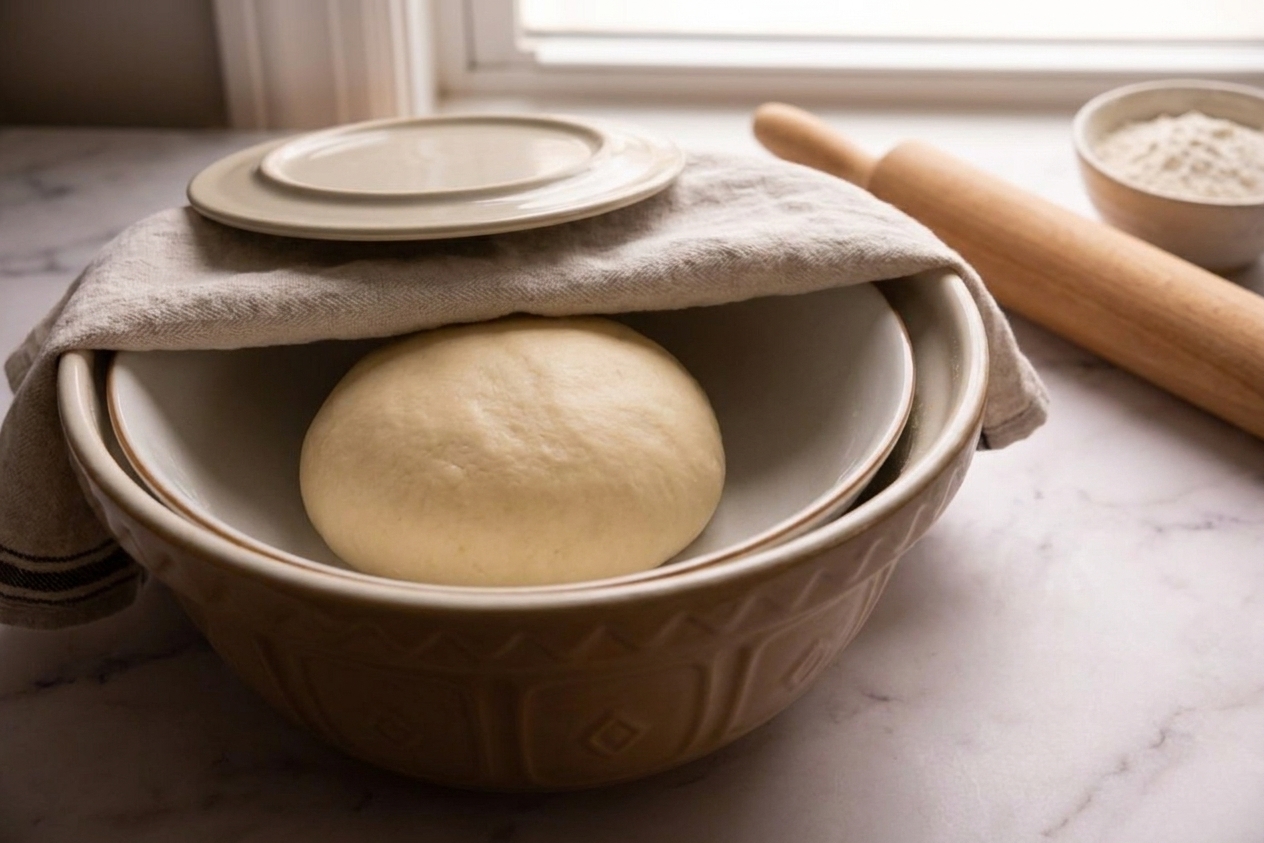
Usually it needs more rest. Cover the dough and let it sit 10 more minutes so the gluten relaxes, then roll again. Also, avoid adding lots of extra flour while rolling.

Why did my perogies open while boiling?

Most often it is a sealing issue, trapped air, or a too-hard boil. Press the edges firmly, push out air pockets, and avoid overfilling. If the dough feels dry, lightly moisten the edge with water before sealing. Keep the water at a gentle boil, not a rolling one.

Can I skip the pan-fry step?

You can, but the butter fry is where the magic lives. If you want a lighter finish, toss boiled perogies with a little melted butter and serve with onions and sour cream.

Can I make these without sour cream?

Yes. Swap the sour cream for plain Greek yogurt. In a pinch, you can use milk, but the dough will be a little less tender, so do not overwork it.

The first time I made perogies, I treated it like a serious project and somehow still ended up with flour on my elbows and a few dumplings that looked like little lopsided pillows. Nobody cared. We boiled them, fried them in too much butter (the correct amount), piled on onions, and they disappeared fast. That is the thing about perogies. They do not need to be perfect. They just need to be sealed, seasoned, and given a chance to get crispy in the pan.