Mom's Best Recipes
Recipe

Easy Dumpling Dough

A flexible, beginner-friendly dumpling dough that rolls thin without ripping and cooks up tender with just enough chew.

Author By Matt Campbell
4.8
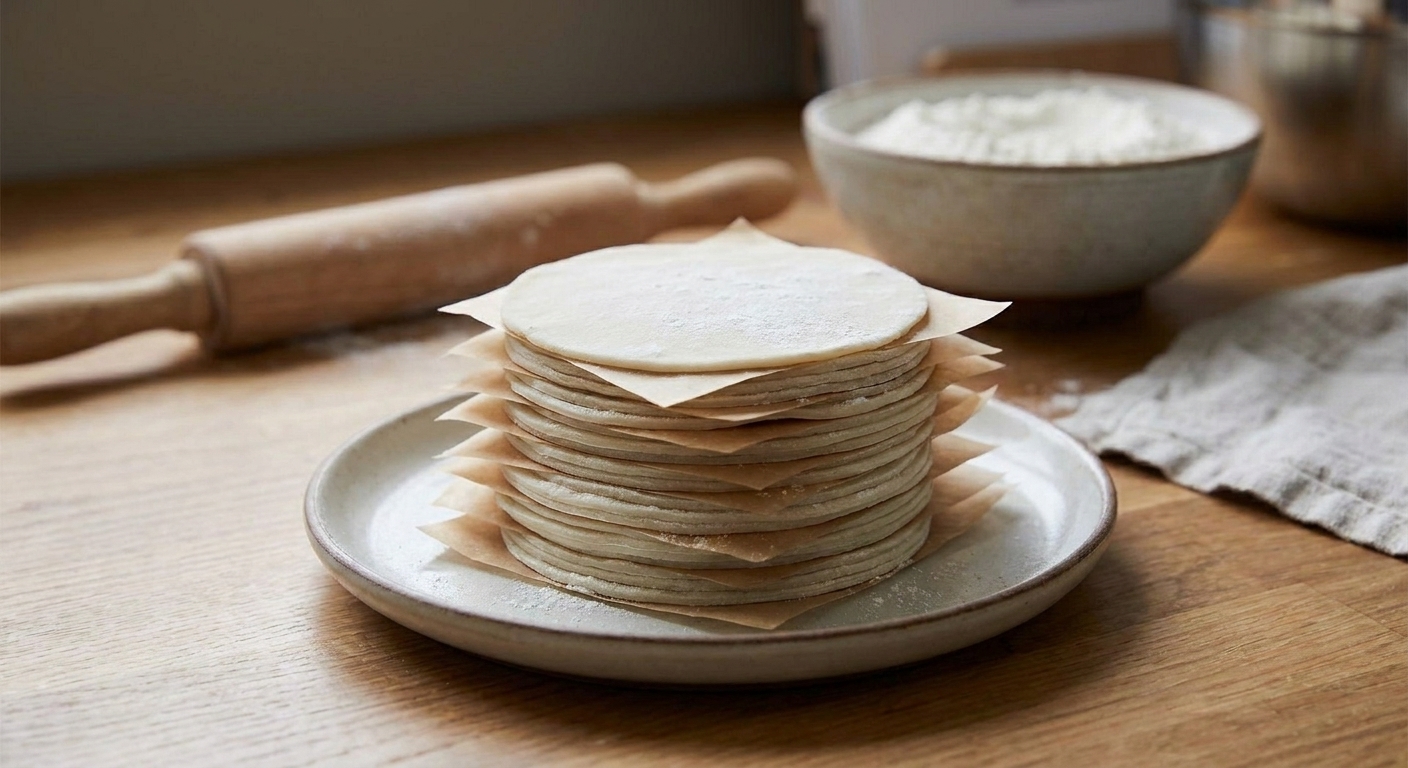
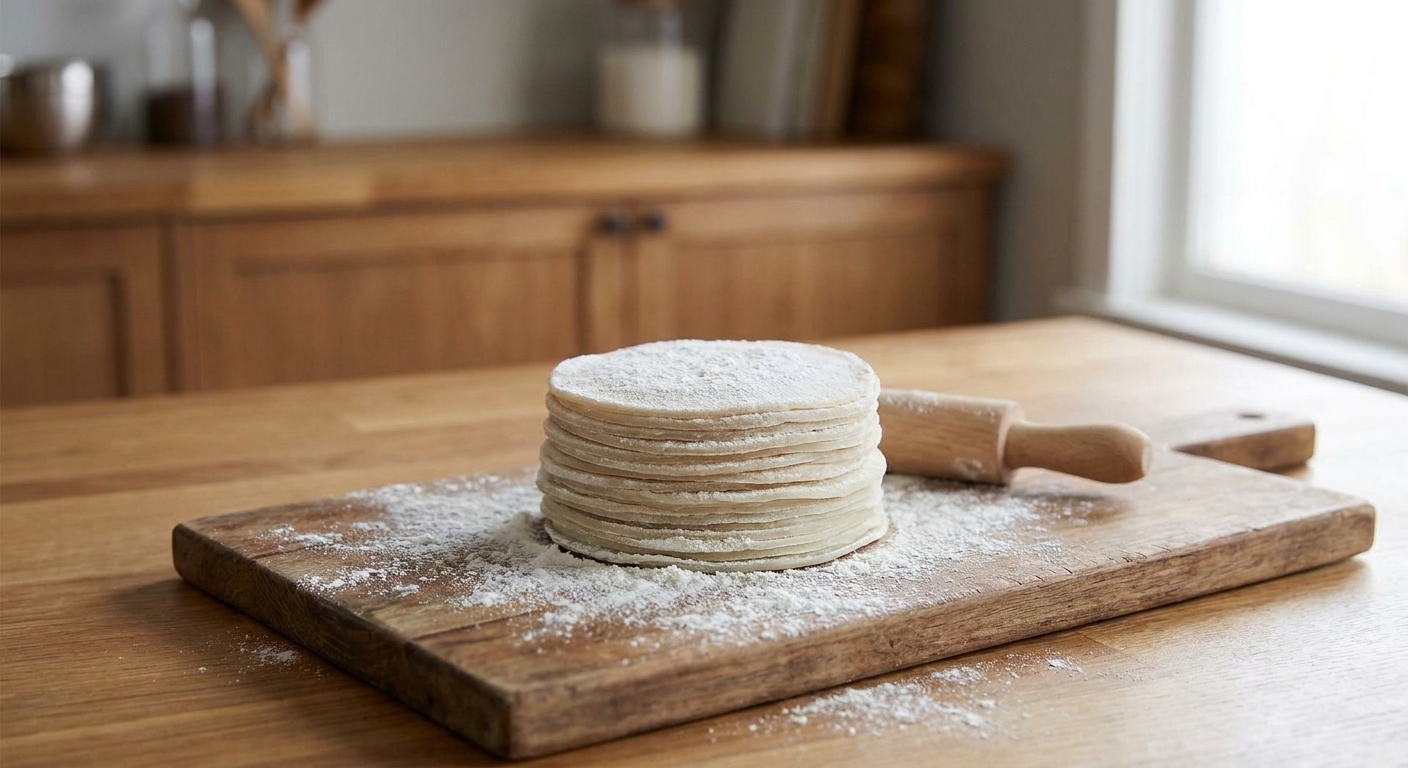
A stack of homemade dumpling wrappers dusted with flour on a wooden cutting board on a bright kitchen counter

Dumpling dough is one of those kitchen skills that looks intimidating until you do it once, then suddenly you are that person texting friends like, “I can make wrappers now.” This is my go-to dough when I want something reliable, forgiving, and not fussy about your rolling pin situation.

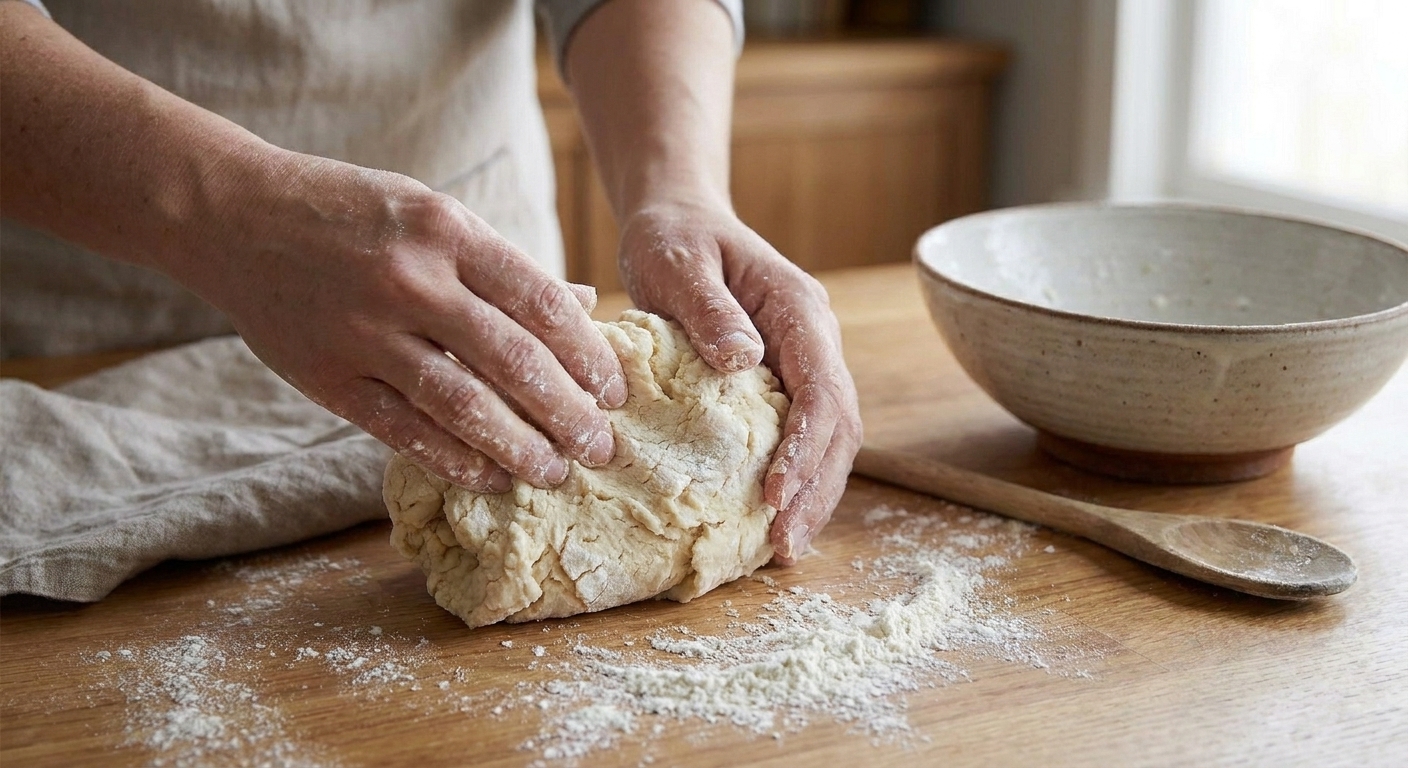
We are keeping it simple with flour, water, and salt. I will also show you when to use hot water dough (soft and easy to roll, great for pan-fried and steamed dumplings) vs cold water dough (a little sturdier, a solid pick for boiled dumplings that take a longer swim).

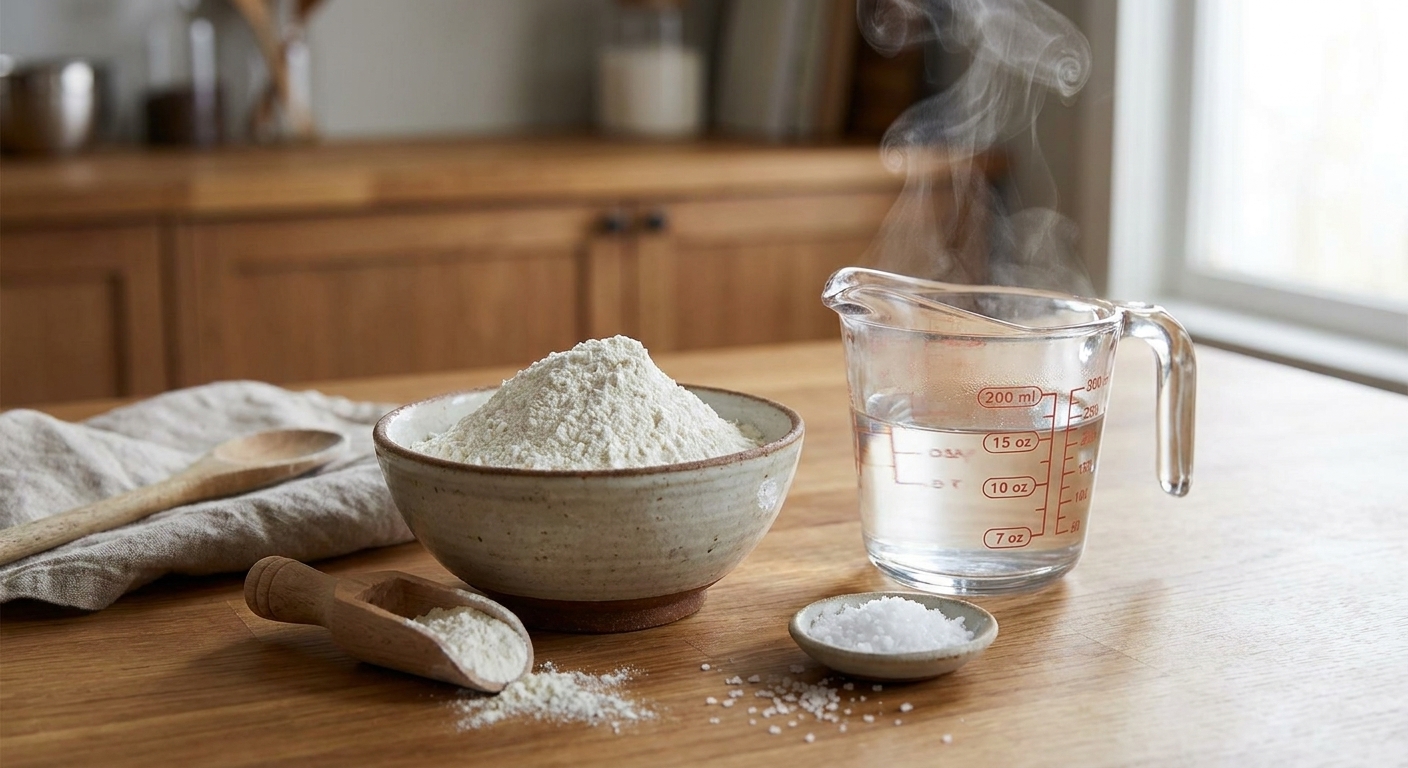
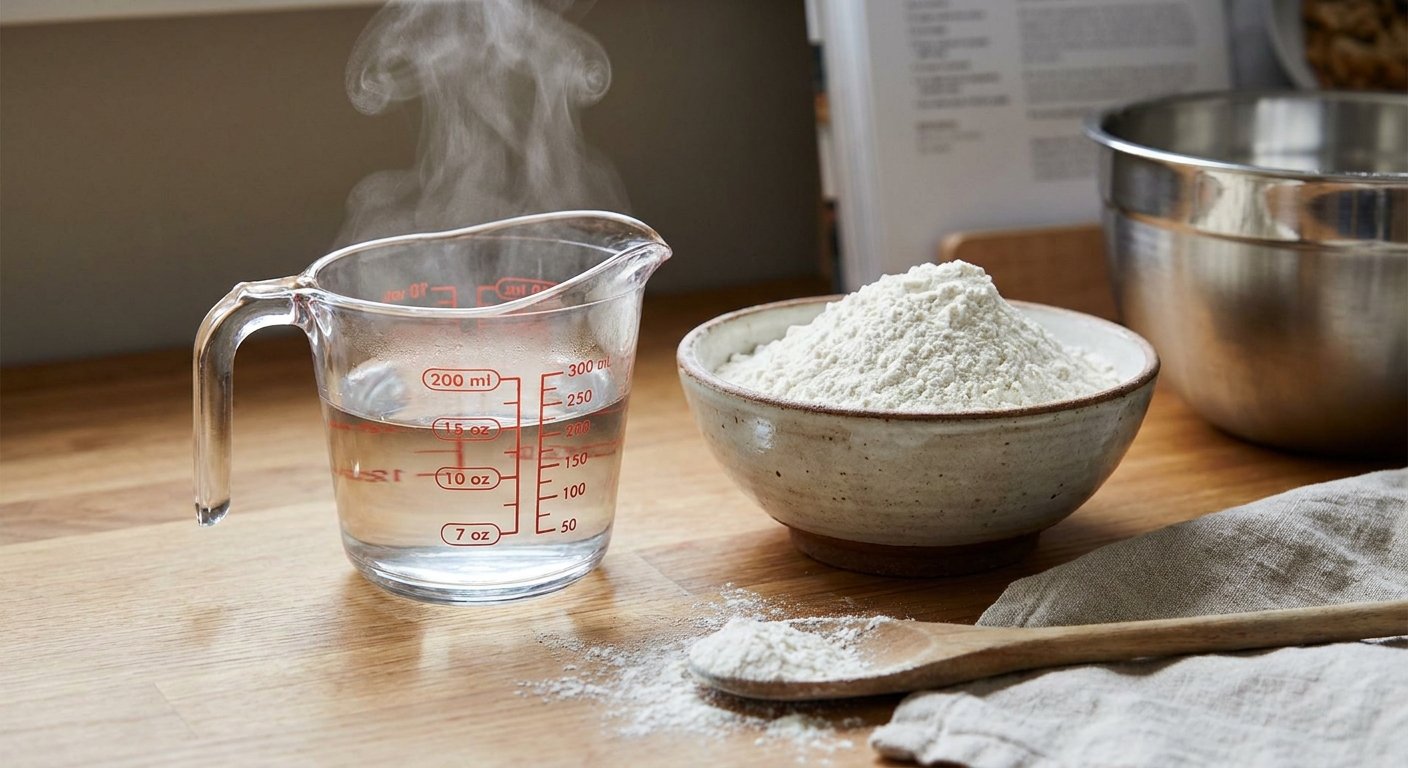
All-purpose flour, kosher salt, and a measuring cup of water arranged on a clean kitchen counter ready for dumpling dough

Why It Works

  • Stretchy and smooth: A short rest lets the flour hydrate so the dough rolls without fighting you.
  • Wrappers that seal: Proper kneading plus a lightly floured surface keeps edges from cracking and prevents blowouts.
  • Choose your texture: Hot water dough = softer bite and easier rolling. Cold water dough = more chew and sturdier for boiling.
  • Built-in flexibility: The dough tells you what it needs. A teaspoon of water fixes dryness, a dusting of flour fixes stickiness.

Pairs Well With

Storage Tips

Storage Tips

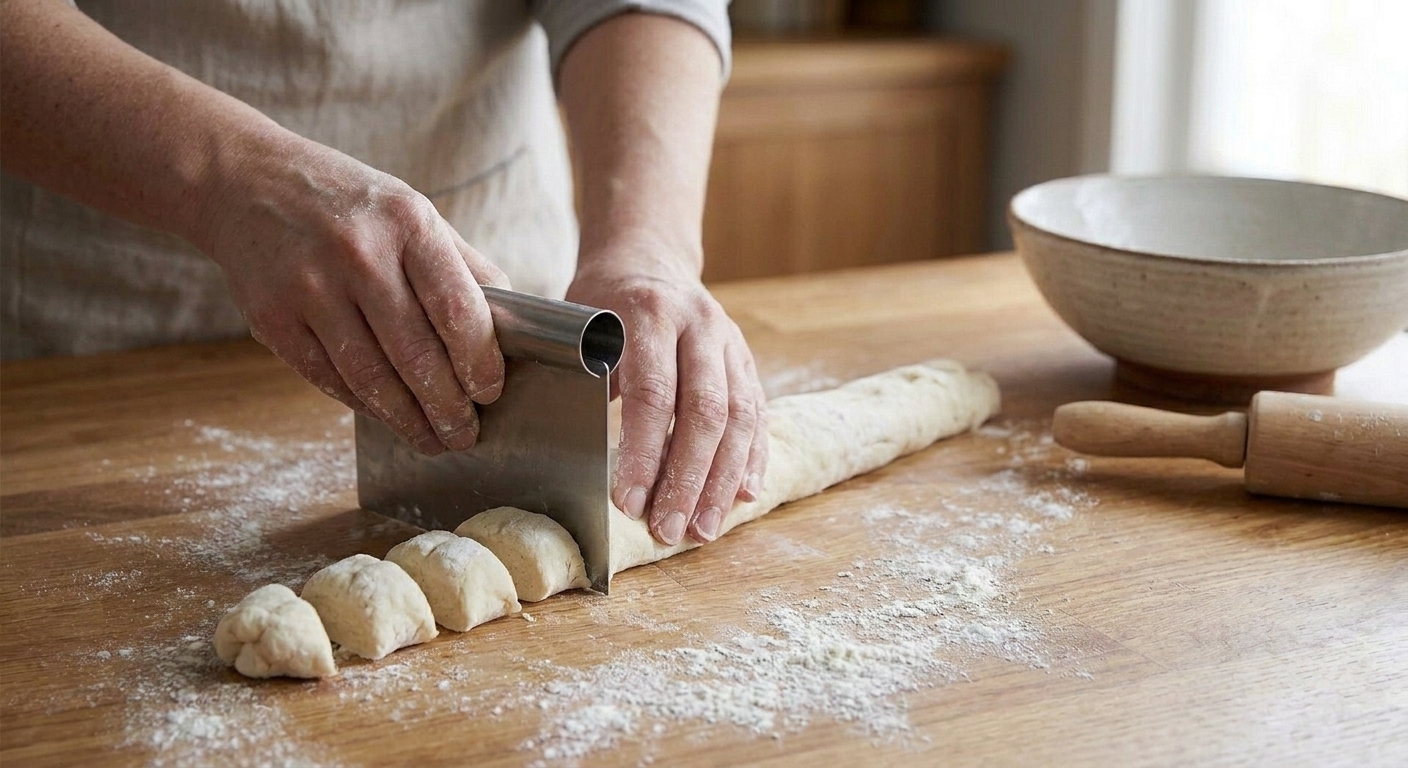
Short rest while you work: Keep the dough ball and any cut pieces covered with a slightly damp towel or plastic wrap so they do not crust over.

Refrigerate dough: Wrap tightly and refrigerate up to 2 days (best within 24 hours for the easiest rolling). Let it sit at room temp for 30 to 60 minutes before rolling so it relaxes again.

Refrigerate wrappers: Stack wrappers with a light dusting of cornstarch or flour between them, wrap well, and refrigerate up to 24 hours. The longer they sit, the more likely they are to sweat and stick, so sooner is better.

Freeze wrappers: Lay wrappers in a single layer on a parchment-lined sheet pan with a little cornstarch, freeze until firm, then bag them with parchment between layers. Freeze up to 2 months (best within 1 month for the softest texture). Thaw in the fridge overnight or at room temp still wrapped so they do not dry out.

A neat stack of dumpling wrappers separated by parchment paper squares on a plate in a home kitchen

Common Questions

Common Questions

Hot water or cold water dumpling dough, which should I use?

Hot water dough (this recipe’s default) is softer and more pliable, so it is a great choice for potstickers and steamed dumplings, and it can also work for boiled dumplings if you like a more tender wrapper. Cold water dough is a bit sturdier and chewier, which many cooks prefer for boiled dumplings, especially if you like a bouncy bite.

Why is my dough shrinking back when I roll it?

That is gluten doing its job a little too enthusiastically. Cover it and let it rest for 10 to 15 minutes, then roll again. A longer rest is not laziness, it is strategy.

My dough feels dry and cracks around the edges. How do I fix it?

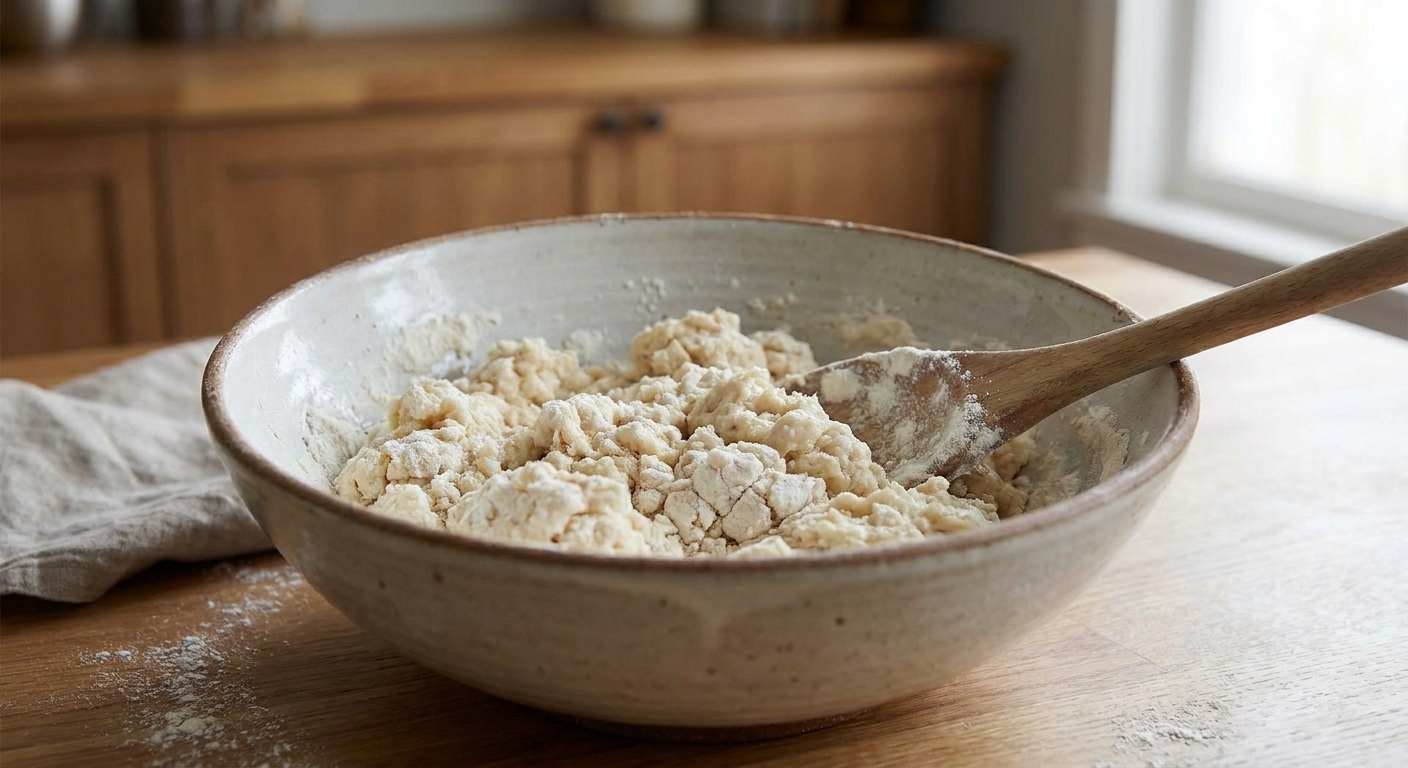
Sprinkle in 1 teaspoon water at a time and knead until smooth. Also make sure the dough is covered whenever it is not in your hands. Dumpling dough dries fast.

My dough is sticky. Did I ruin it?

Nope. Dust your hands and the counter with a little flour and knead for a minute. Sticky usually means it needs either a touch more flour or a few minutes to hydrate and settle.

Do I need a stand mixer?

Not at all. A bowl, a spoon, and your hands work great. If you do use a mixer, use the dough hook and keep it on low so you do not overwork it.

Can I use bread flour or 00 flour?

You can, but all-purpose flour is the easiest and most consistent for home cooks. Bread flour can make the wrappers chewier and slightly harder to roll thin. If you use it, consider the hot water version and rest well.

How thin should dumpling wrappers be?

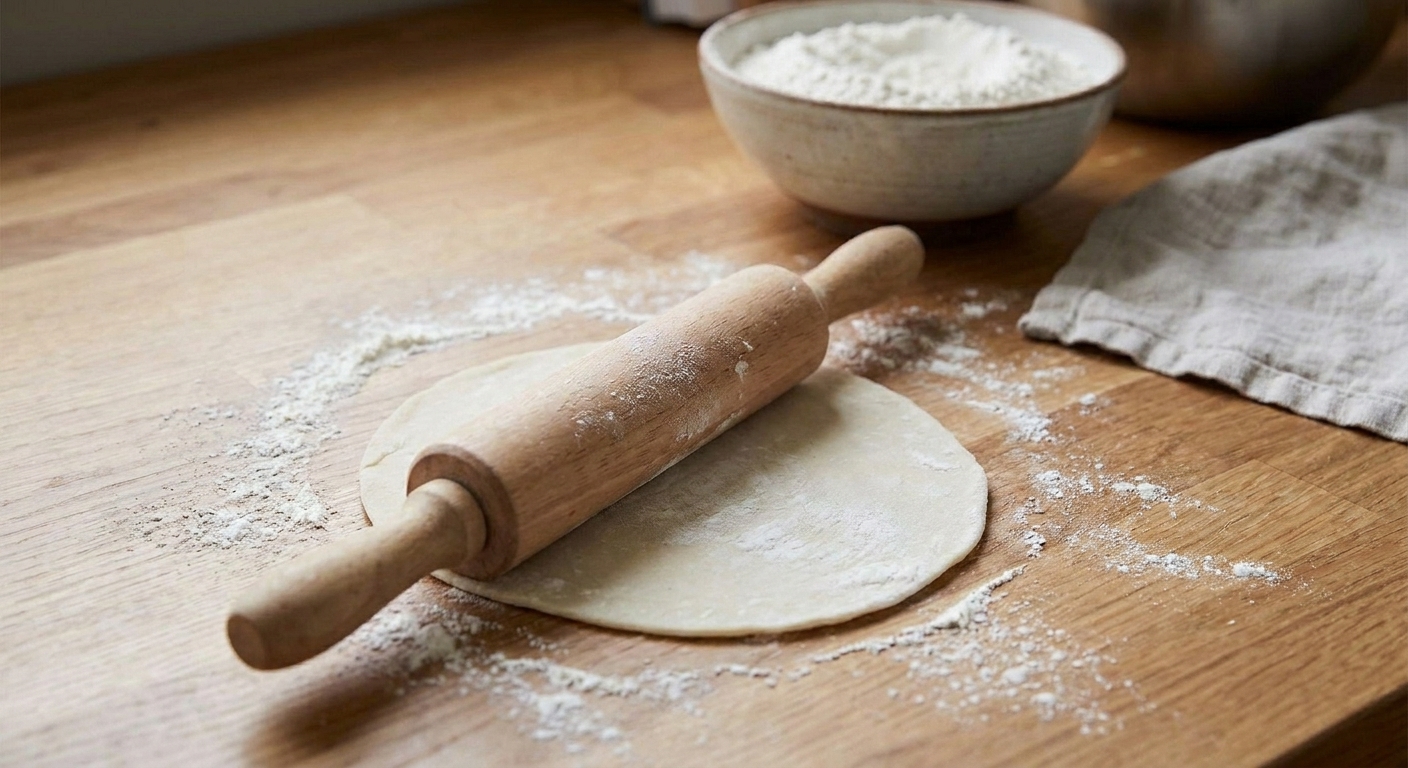
Aim for about 3 to 4 inches wide. Thickness-wise, shoot for roughly 1 to 2 mm with the center slightly thicker and the edges thinner. That gives you a sturdy base for filling and a delicate sealed edge.

The first time I made dumpling dough, I was convinced it would be a floury disaster that glued itself to everything I own. It kind of did. Then I let it rest, came back, and the dough was suddenly calm and cooperative like it had done some deep breathing while I walked it off.

Now it is one of my favorite low-key kitchen projects. Put on something good to listen to, roll a stack of wrappers, and accept that a few will be weird-looking. The funny ones still taste amazing, and honestly, homemade dumplings are not about perfection. They are about that first bite when the wrapper has just enough chew and the filling is piping hot.