Mom's Best Recipes
Recipe

Persian Chicken Tahdig

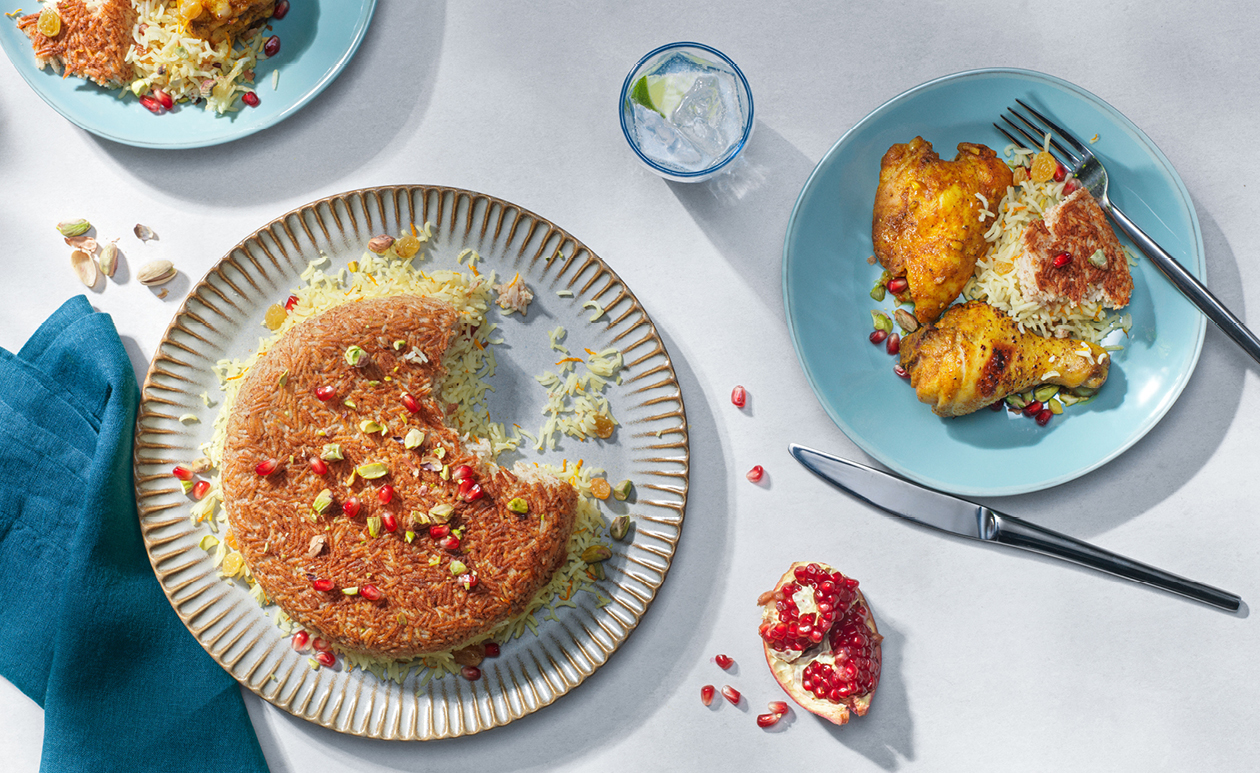
Tender, warmly spiced chicken served over saffron rice with a crunchy tahdig crust and a bright pop of barberries or cranberries.

Author By Matt Campbell
4.8
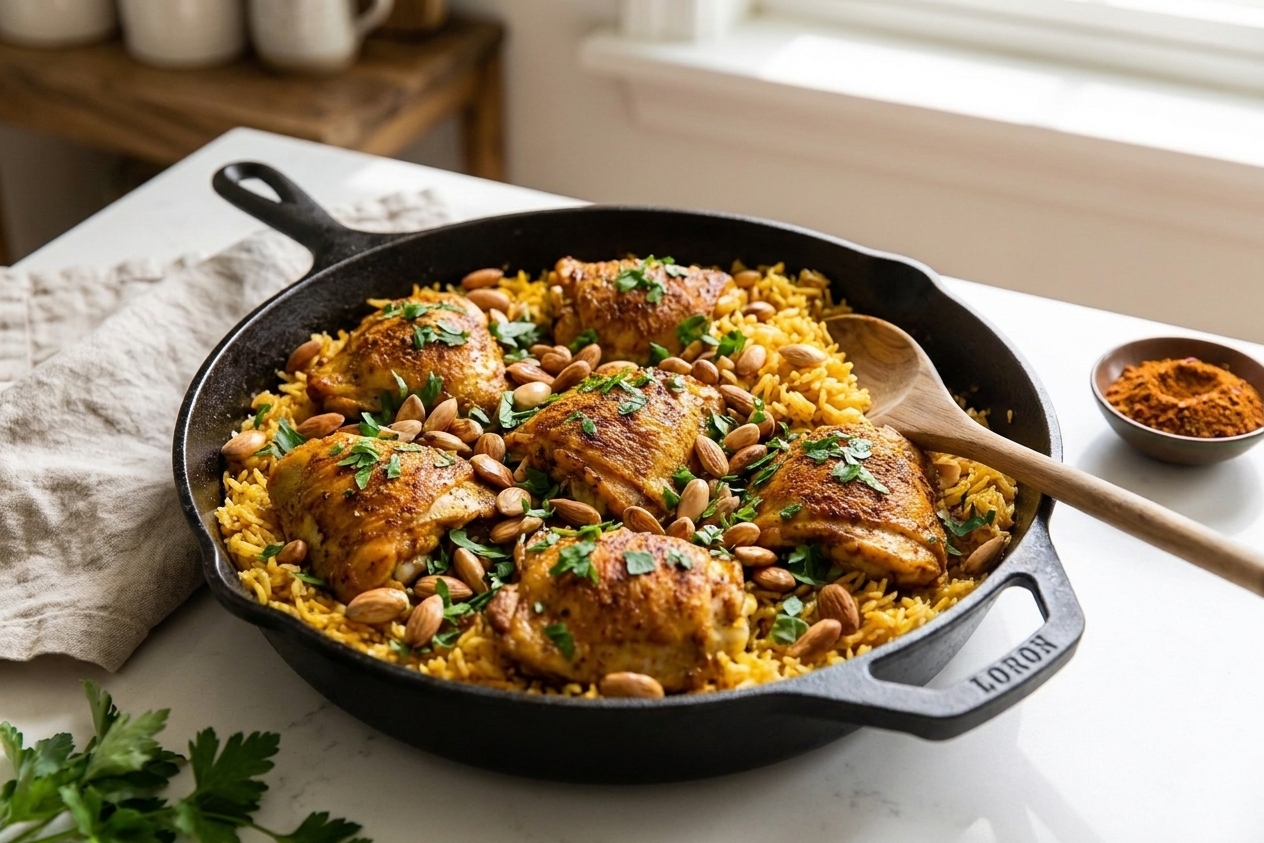
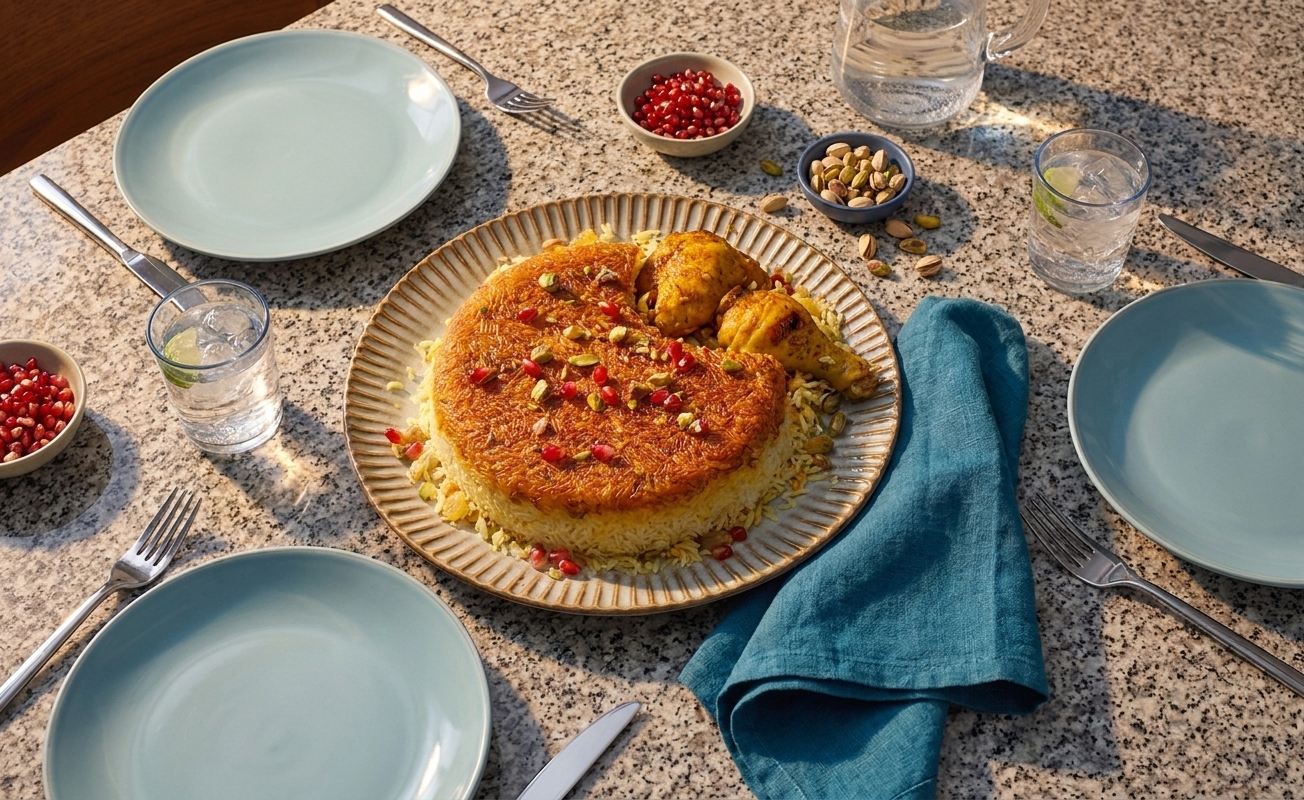
A platter of Persian-style saffron rice with a golden crispy tahdig crust, topped with tender chicken and scattered barberries, set on a simple dinner table with warm natural light

Persian food has this superpower where it can be both cozy and electric at the same time. Like, yes, we are eating rice and chicken, but the rice smells like saffron and buttered steam, the chicken is basically braised into tenderness, and then you crack into a crunchy layer of tahdig that sounds like breaking thin ice. If you have ever wished your weeknight “rice and chicken” had main character energy, this is it.

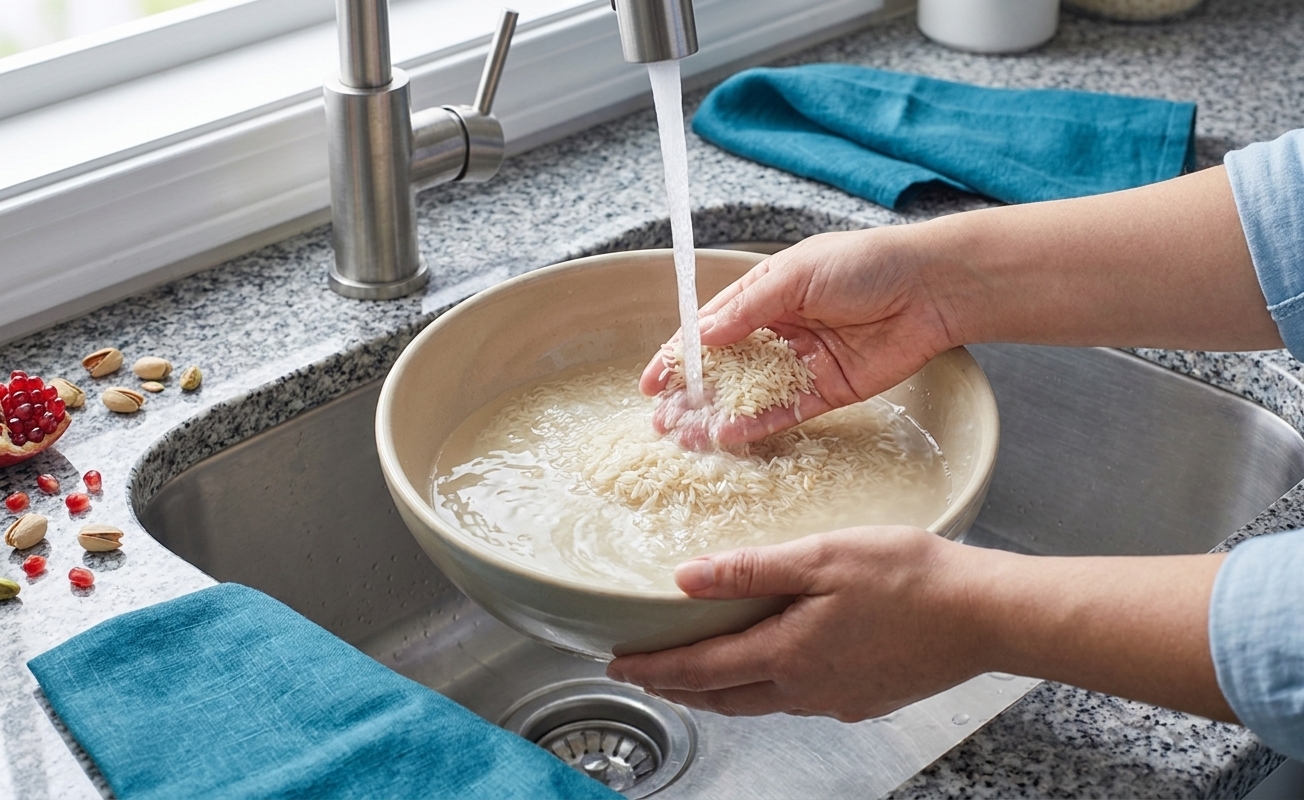
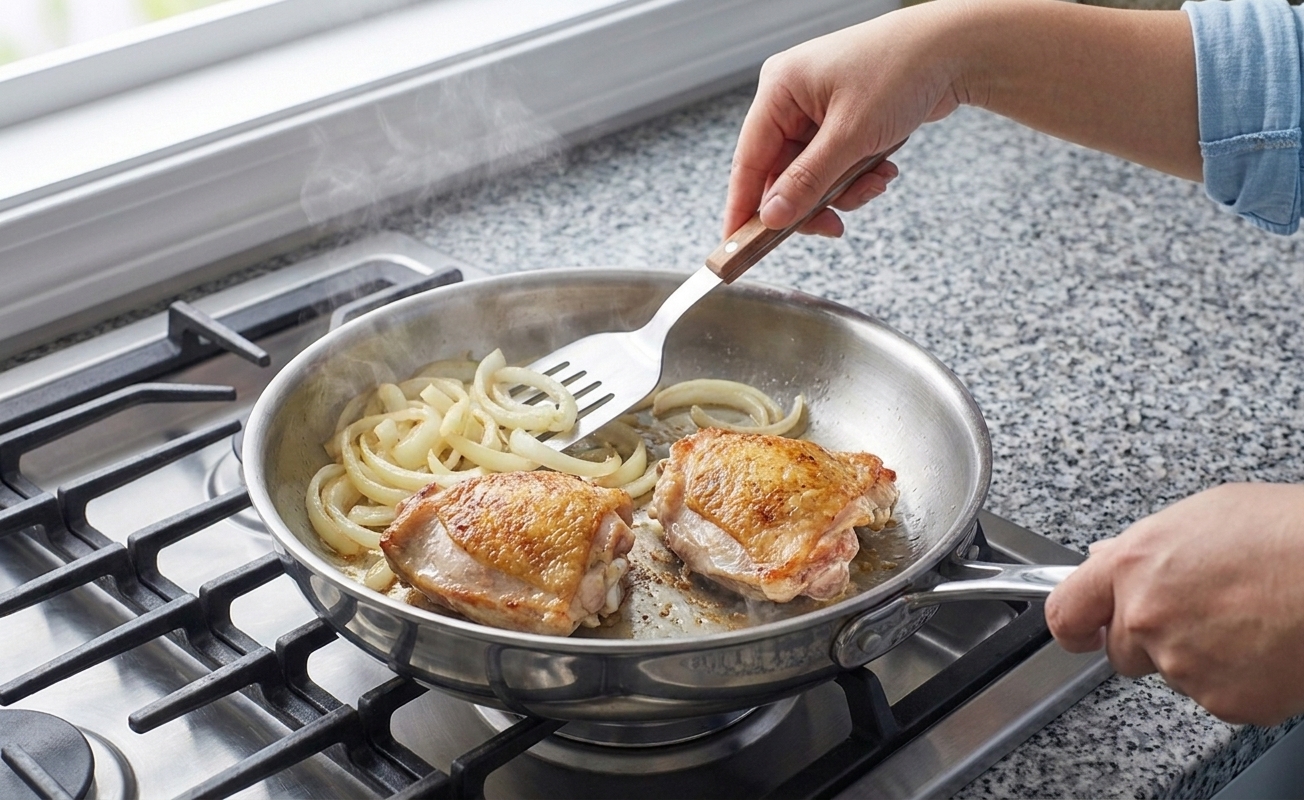
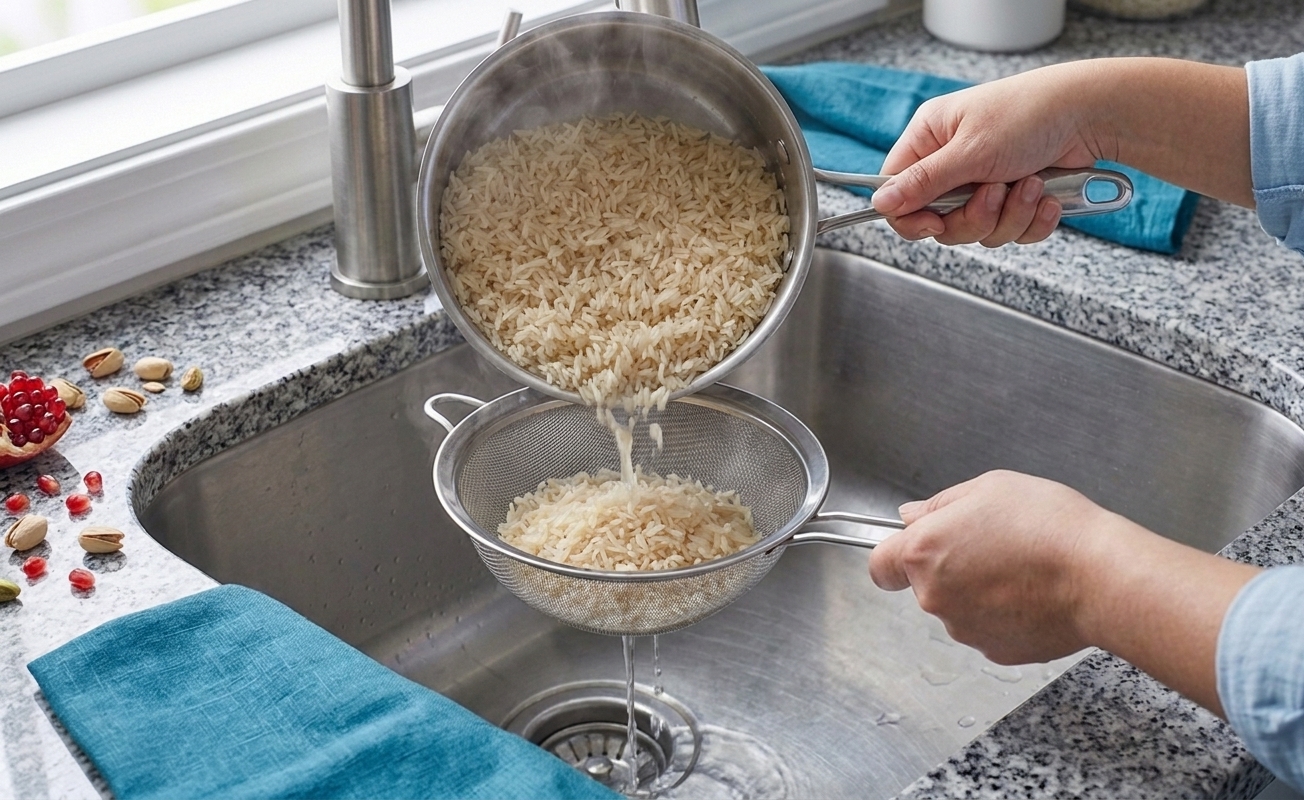
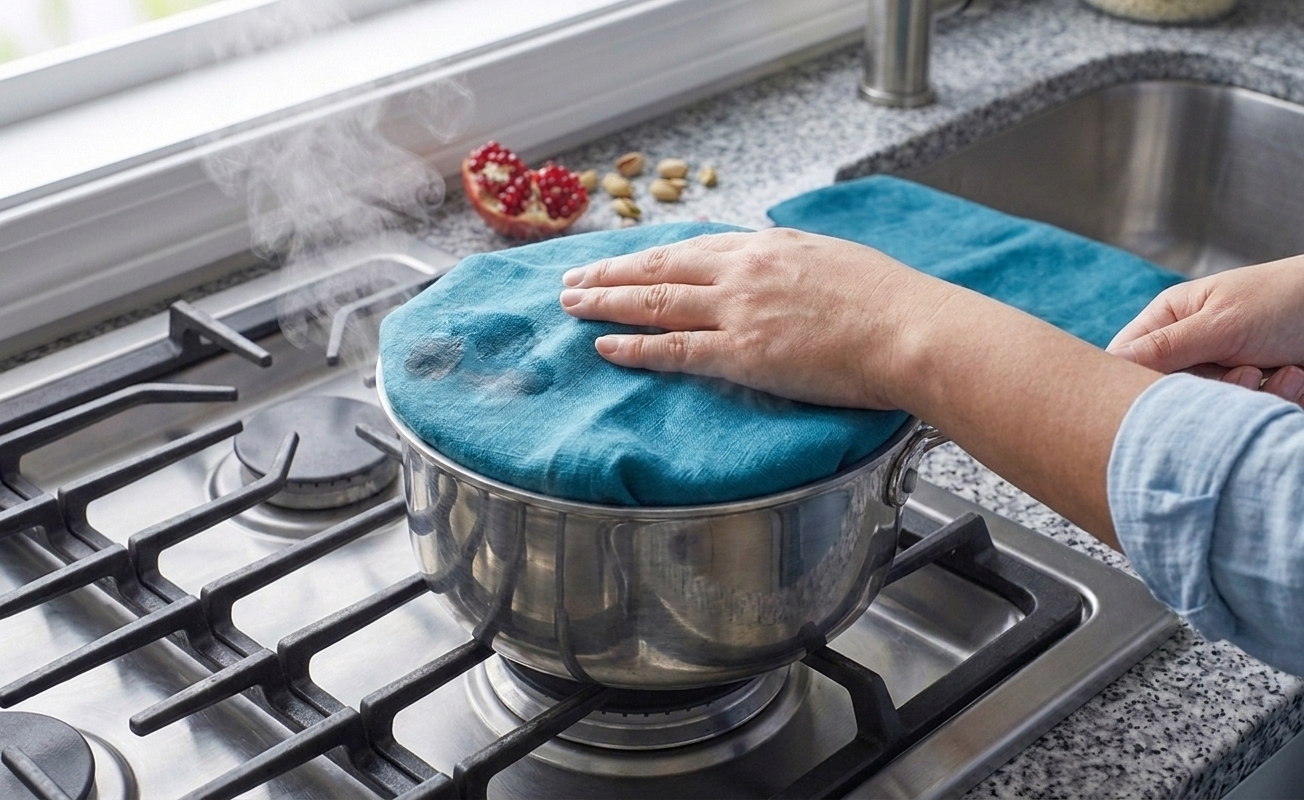
This version keeps things accessible. No specialty pot required. No panic. We parboil the rice, steam it with a simple yogurt base for the crust, and nestle in chicken that’s flavored with turmeric, onion, and a little cinnamon. If you can set a timer and resist peeking too often, you can make tahdig.

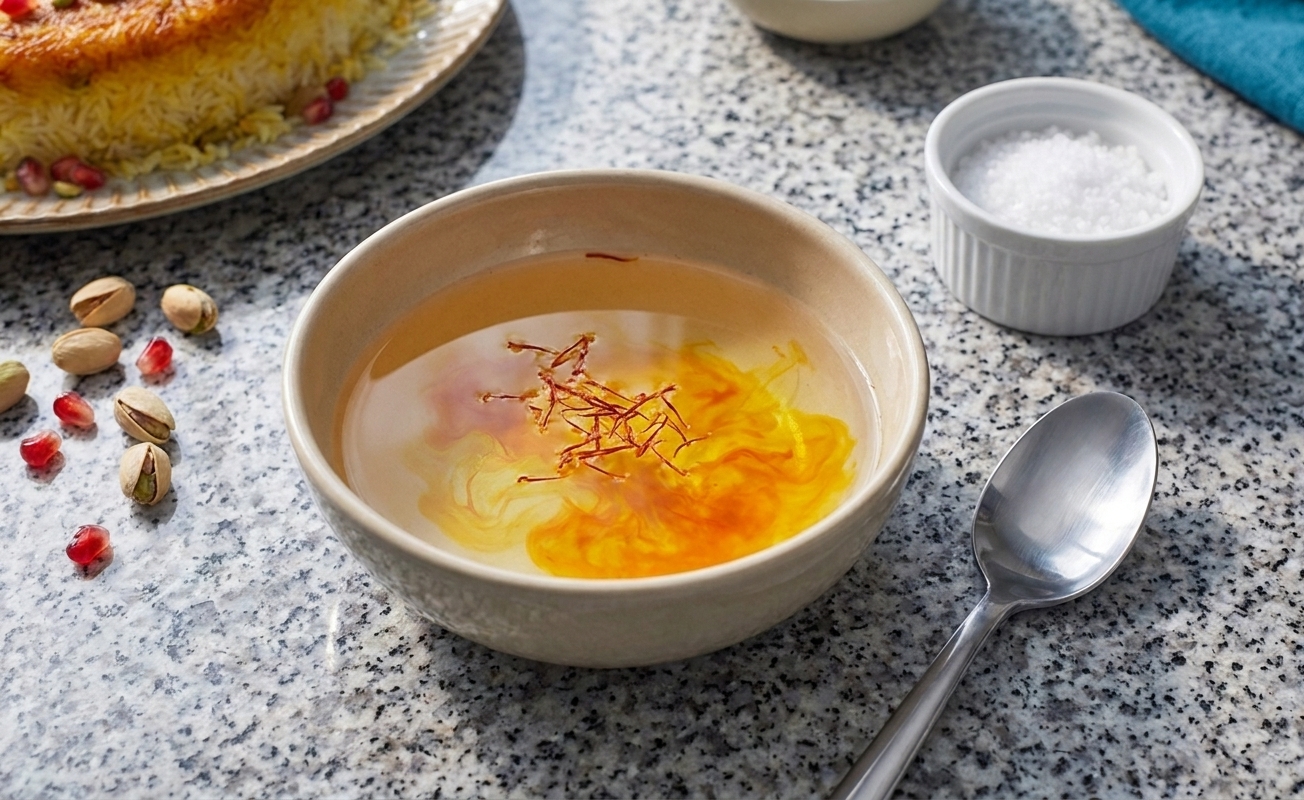
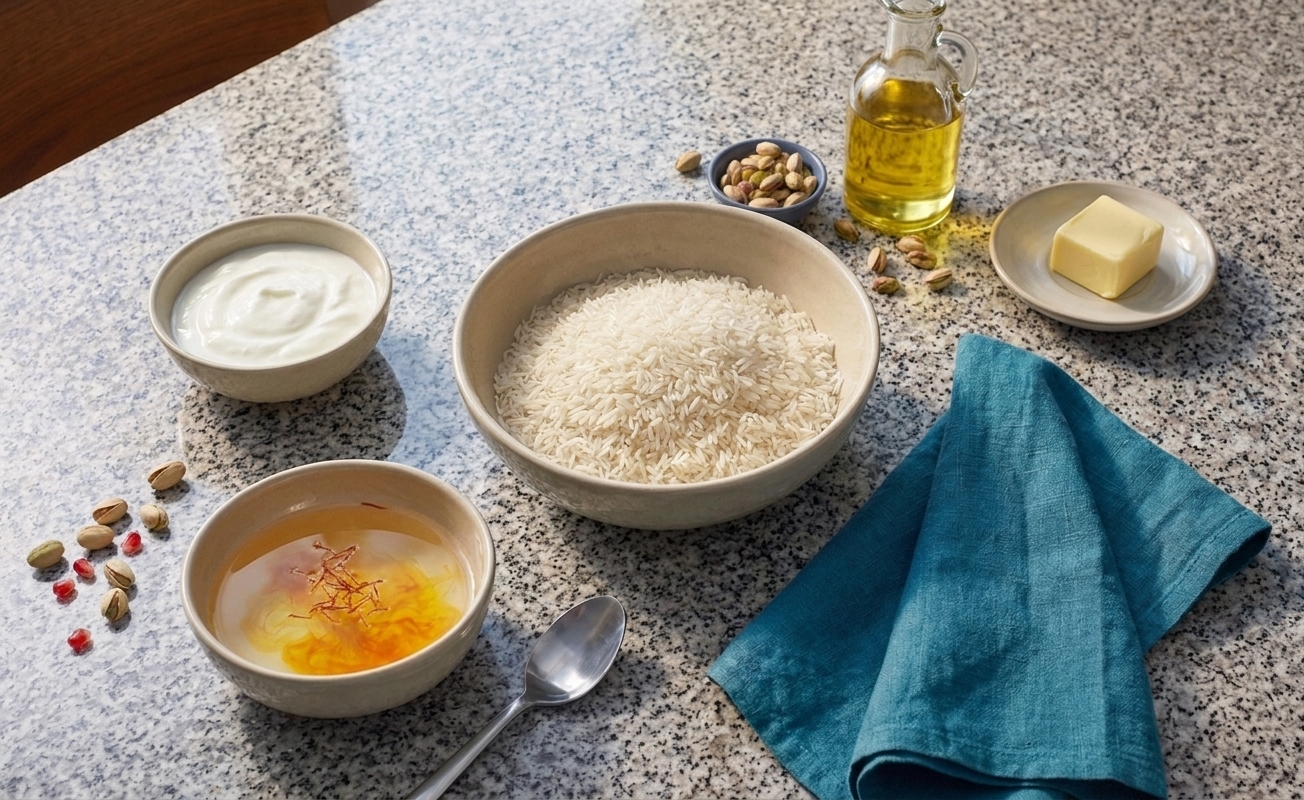
A small bowl of saffron threads blooming in warm water on a kitchen counter next to a spoon and kosher salt

Why It Works

  • Big payoff from simple techniques: parboil, steam, and let the crust do its thing.
  • Golden, reliable tahdig: a thin layer of yogurt and oil on the bottom helps the rice crisp instead of stick.
  • Juicy chicken: the chicken gently braises with onions and spices, then finishes in the steam so everything tastes connected.
  • Bright contrast: barberries bring a tart pop, but dried cranberries work beautifully and are easy to find.

Pairs Well With

Storage Tips

Fridge: Store rice and chicken in separate airtight containers if you can. Cool rice quickly and refrigerate within 1 to 2 hours for best food safety. Rice keeps up to 4 days, chicken keeps up to 4 days.

Reheat (best method): For rice, sprinkle 1 to 2 tablespoons water over it, cover, and warm in a skillet over medium-low until hot. For chicken, reheat covered in the microwave or in a small pan with a splash of water or broth.

Save the tahdig: If you have leftover crispy bits, keep them separate and re-crisp in a dry skillet for 2 to 3 minutes per side. Do not microwave the tahdig unless you enjoy sadness.

Freezing: Chicken freezes well up to 2 months. Rice can be frozen, too, but the texture softens. Thaw overnight in the fridge.

Common Questions

What is tahdig?

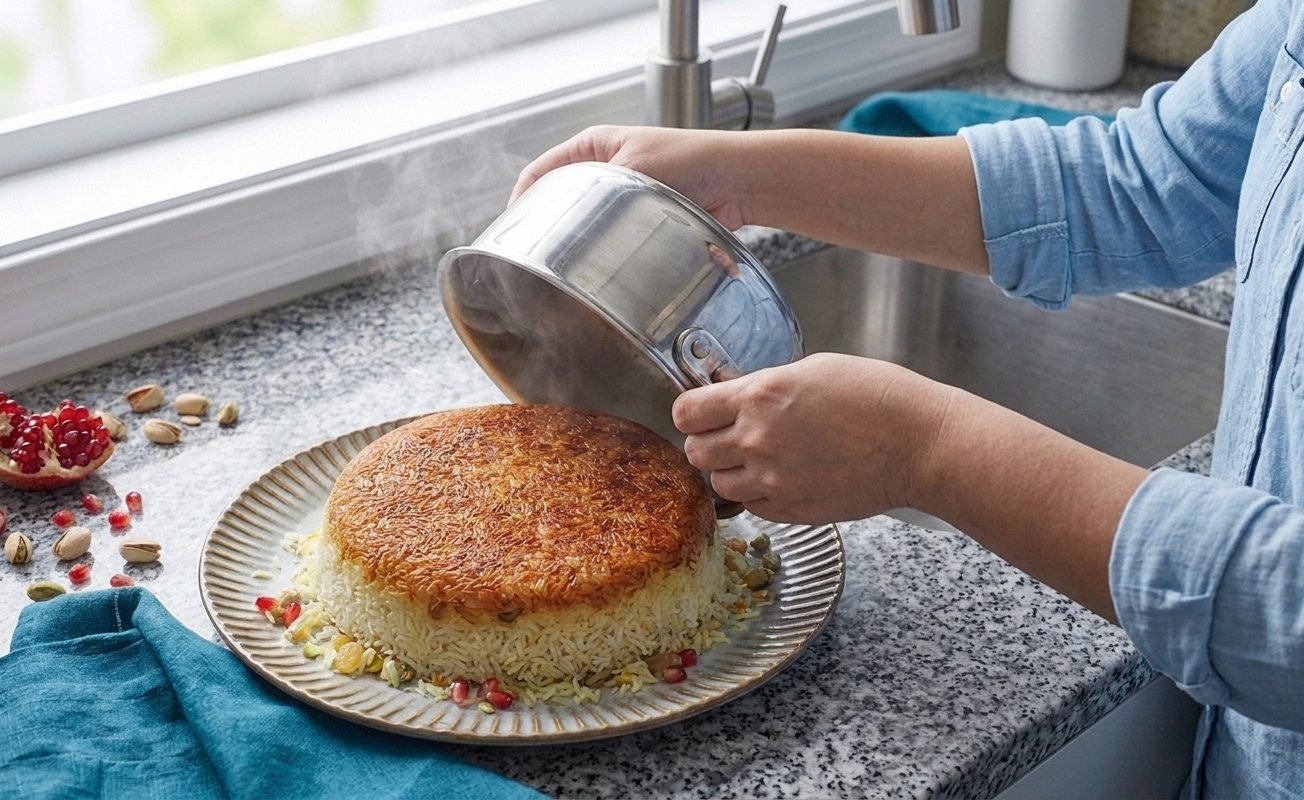
Tahdig means “bottom of the pot.” It is the prized crispy layer that forms when rice steams and fries a little in oil at the base. In this recipe, the tahdig is a rice crust that you flip out like a golden cake.

Do I have to use saffron?

No, but it is the signature vibe. If you skip it, the dish is still good. You can mimic some of the warm aroma with a tiny pinch of turmeric in the rice and a squeeze of lemon at the end for brightness.

Why did my tahdig stick?

Usually one of these: not enough oil on the bottom, heat too high then too low (or the reverse), or you tried to flip too early. Let the pot rest 10 minutes after cooking, then loosen the edges with a thin spatula. A quick 20 to 30 second dip of the pot bottom into a shallow pan of warm water can help release it.

How do I know the tahdig is ready?

You are looking for cues, not just a timer. Near the end, you may smell a toasted, nutty aroma (not burnt), hear a faint crackle, and see the rice pulling slightly from the sides when you peek quickly. If you smell burning at any point, lower the heat right away.

Can I make it with brown rice?

Brown rice is trickier for classic tahdig because cook times and hydration are different. I recommend using basmati for your first few runs, then experimenting once you have the feel.

Barberries are hard to find. What else works?

Dried cranberries (chopped if large) are the easiest swap. Golden raisins also work. If your dried fruit is very sweet, give it a quick rinse and sauté it in a little butter with a pinch of salt to balance things out.

Can I use Greek yogurt?

Yes. It is thicker, so it can brown faster. If your Greek yogurt is very thick, thin it with 1 to 2 teaspoons water so it mixes easily with the rice.

Does the chicken finish cooking in the rice pot?

It can. The chicken is typically mostly cooked after the 15-minute simmer, then it finishes while the rice steams. For certainty, aim for an internal temperature of 165°F (74°C) in the thickest part. If it hits temp early, just keep it covered off heat so it stays juicy.

I used to think tahdig was one of those “only the aunties can do it” foods. Then I tried it at home and learned the real secret: it is not magic, it is patience and a lid you do not mess with. The first time I flipped a pot and heard that hollow thunk of a crust releasing, I felt like I had unlocked a new level of home cooking. Now it is my favorite kind of chaos: calm simmering, a little saffron drama, and a big crispy reveal at the end.