Mom's Best Recipes
Recipe

Pesto Sauce

A bright, garlicky, weeknight-friendly pesto you can blend in minutes and use on everything from pasta to sandwiches.

Author By Matt Campbell
4.8
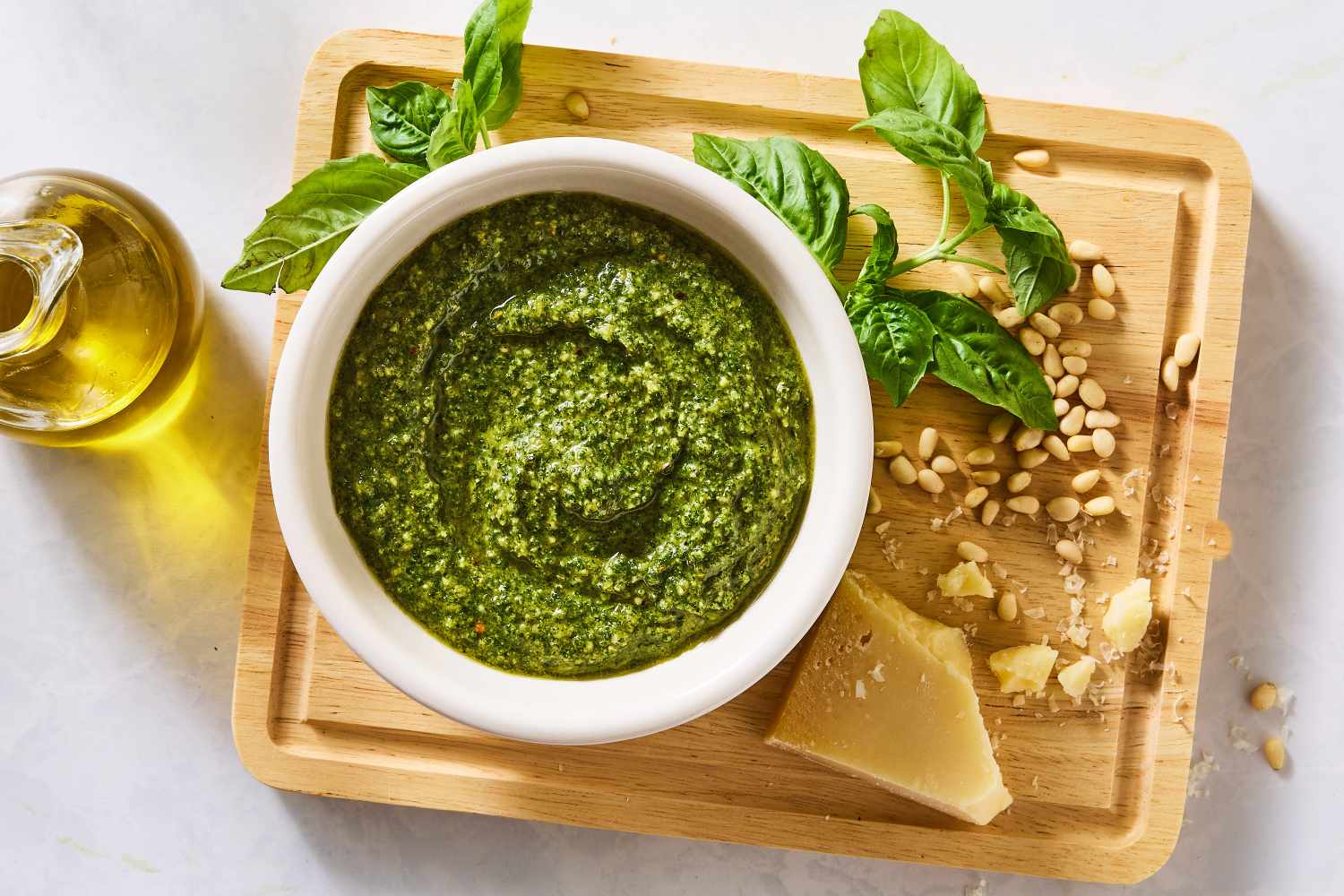
A small bowl of vibrant green basil pesto sauce on a wooden counter with a spoon beside it

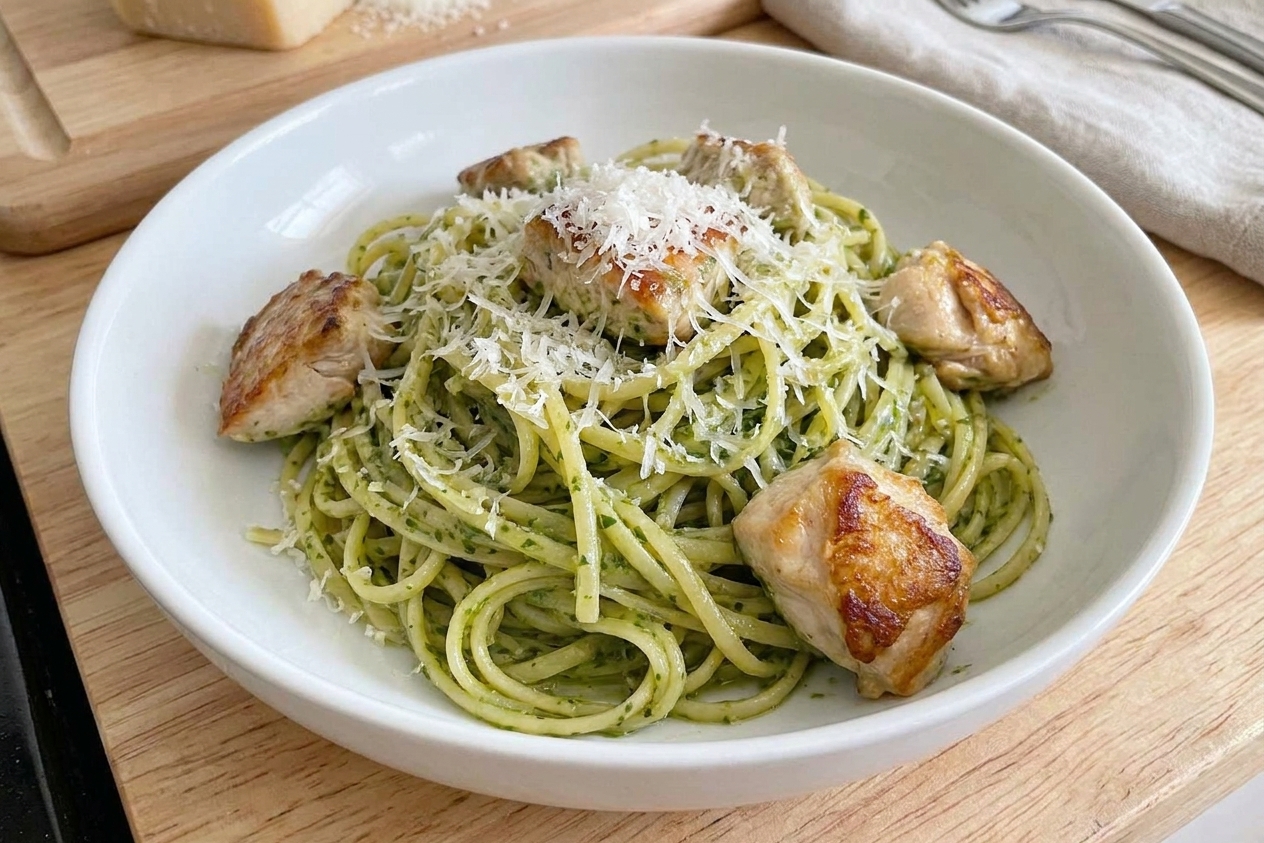
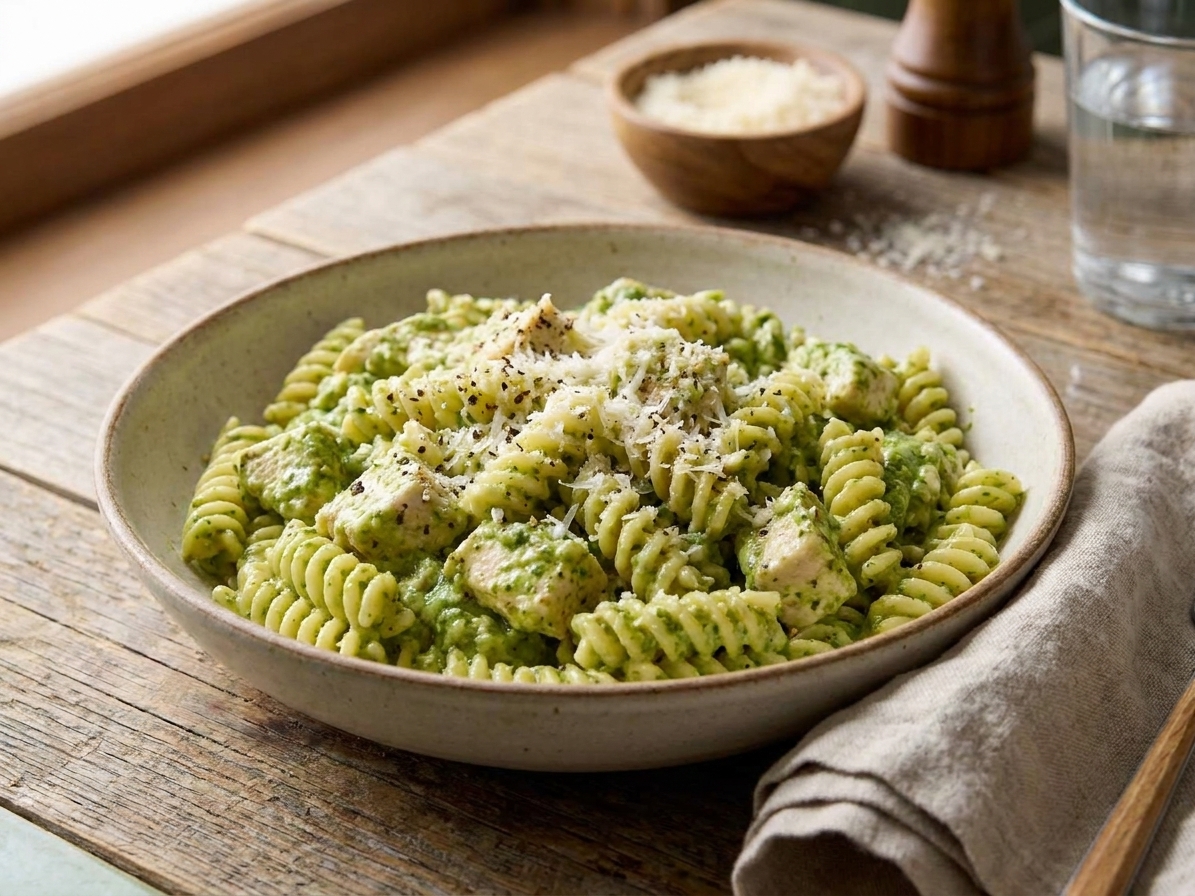
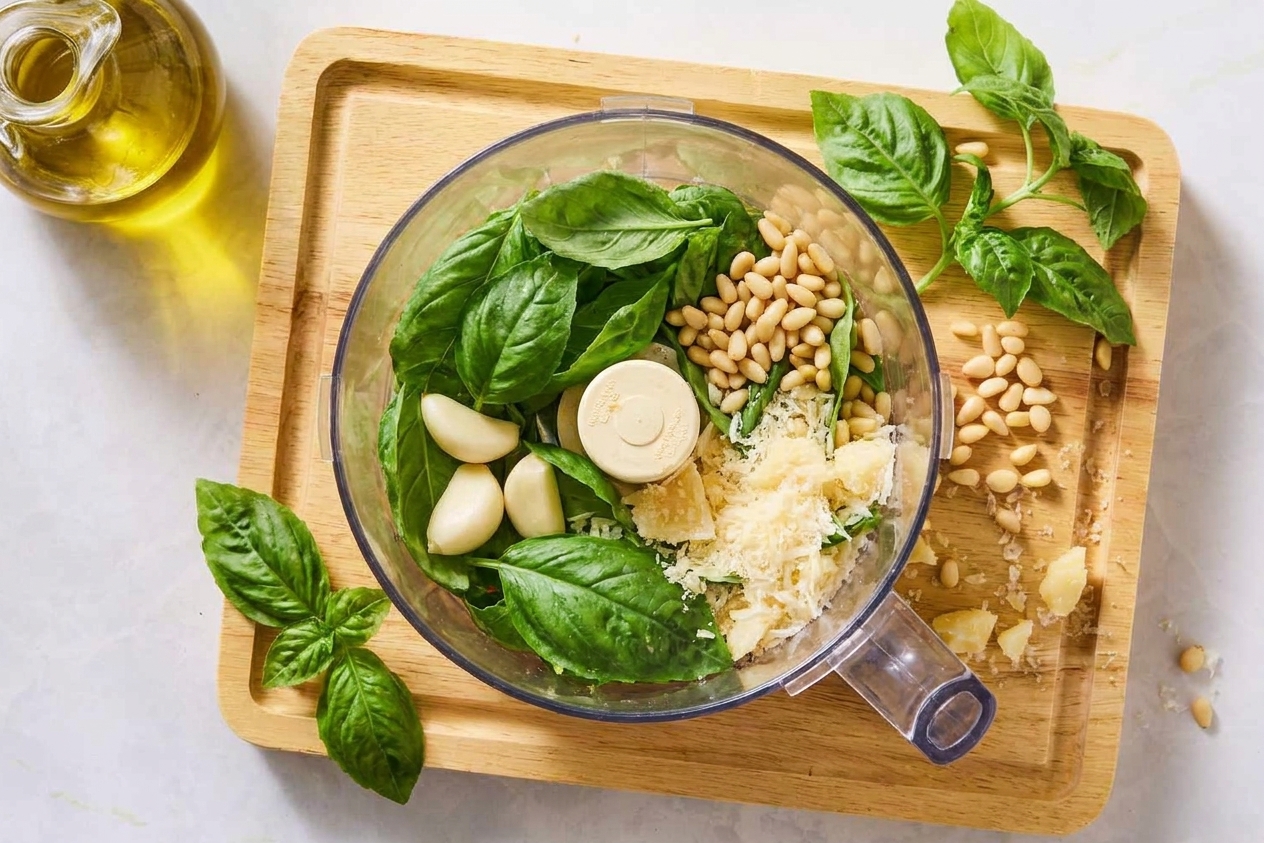
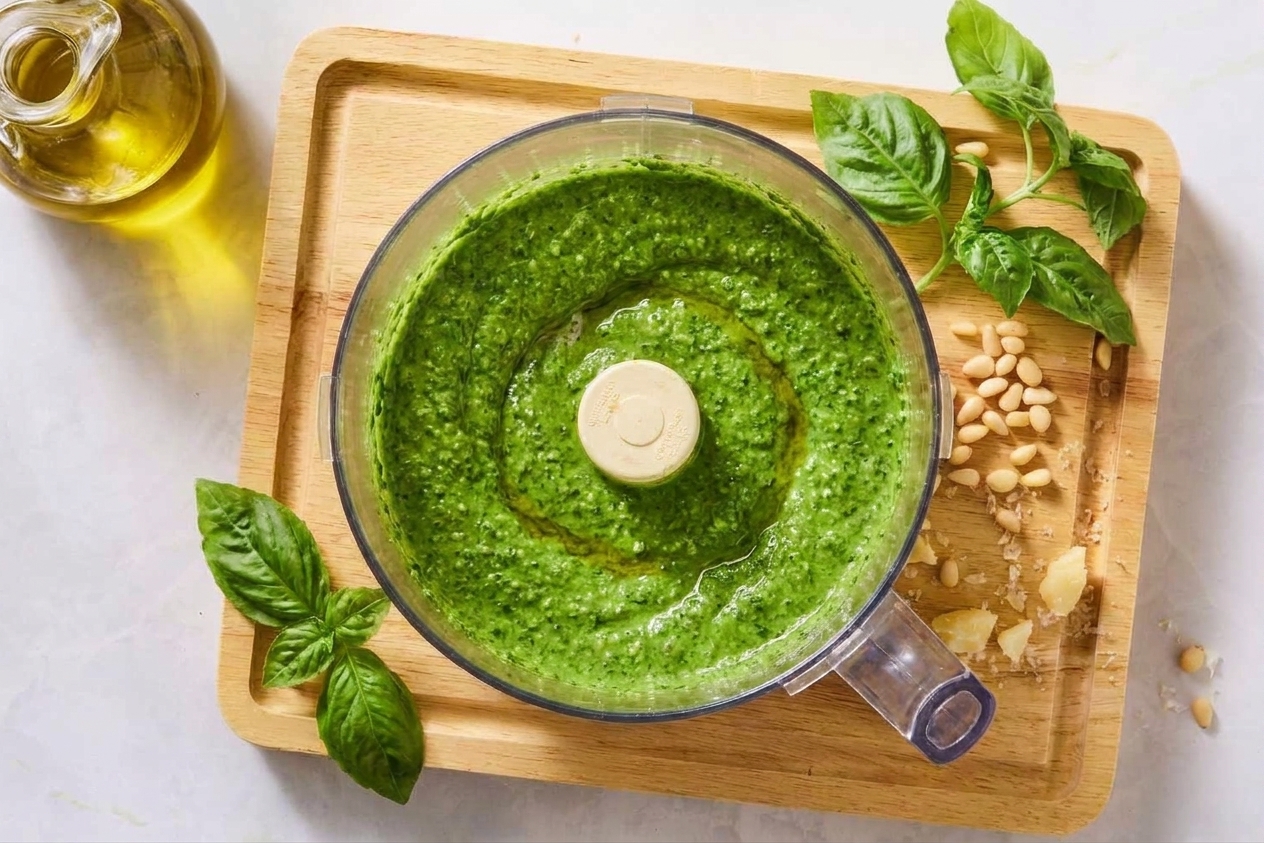
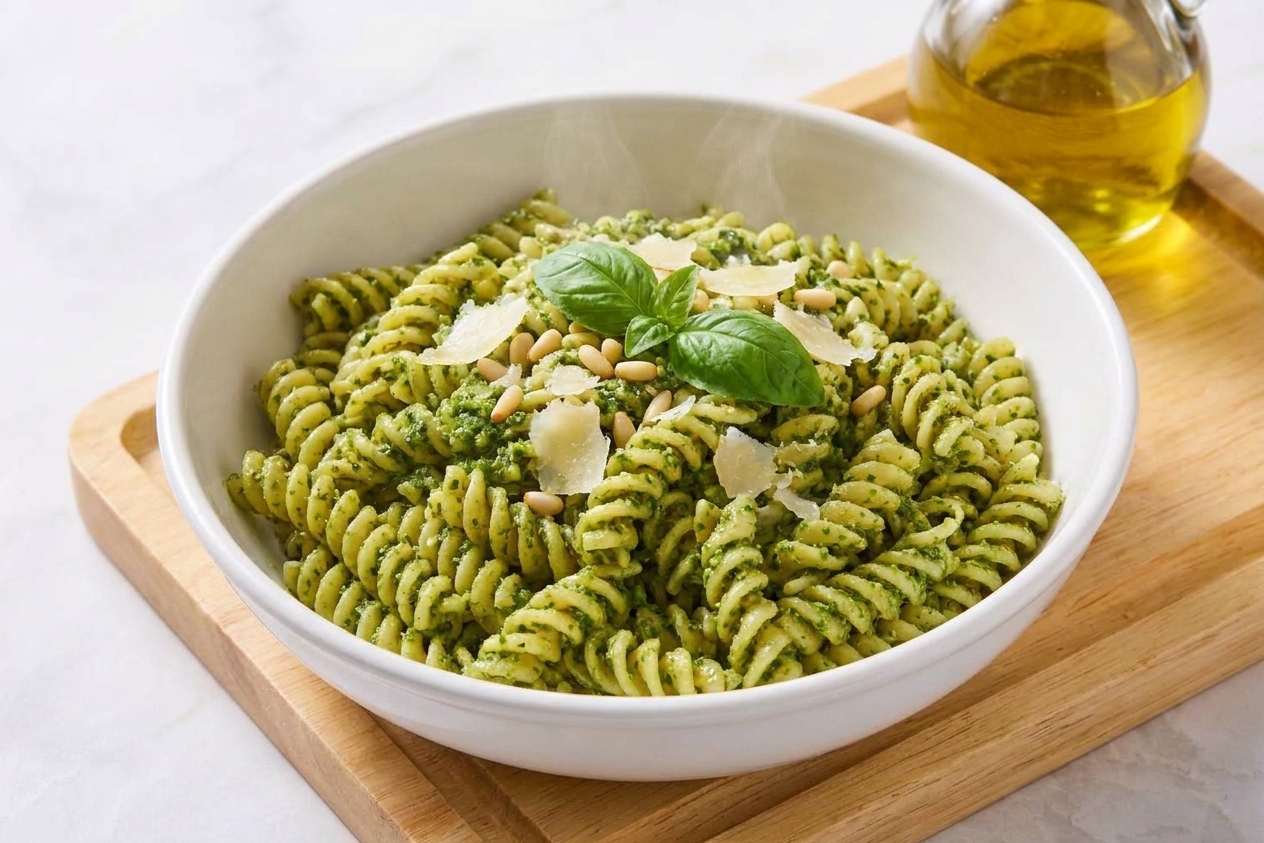
Pesto sauce is one of those magic tricks that makes your fridge look like you have your life together. A handful of basil, a little garlic, some cheese, a shower of nuts, and enough olive oil to turn it all silky and bright. Suddenly you have a sauce that wakes up pasta, turns plain chicken into a plan, and makes a sad sandwich feel emotionally supported.

This version is classic, super approachable, and forgiving. Use a food processor if you want it done fast, or go old school with a mortar and pestle if you want to feel like the main character for 10 minutes. Either way, taste as you go. Pesto rewards the bold.
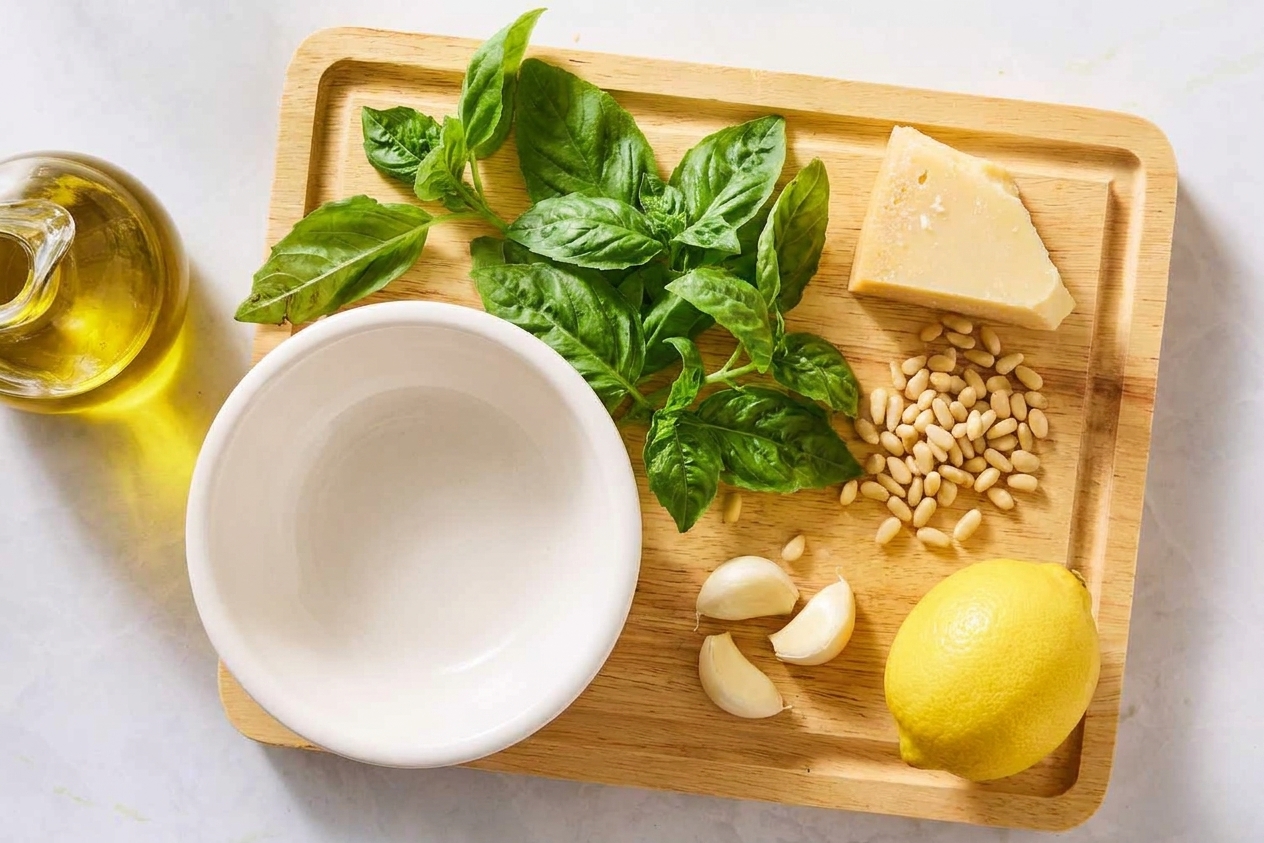
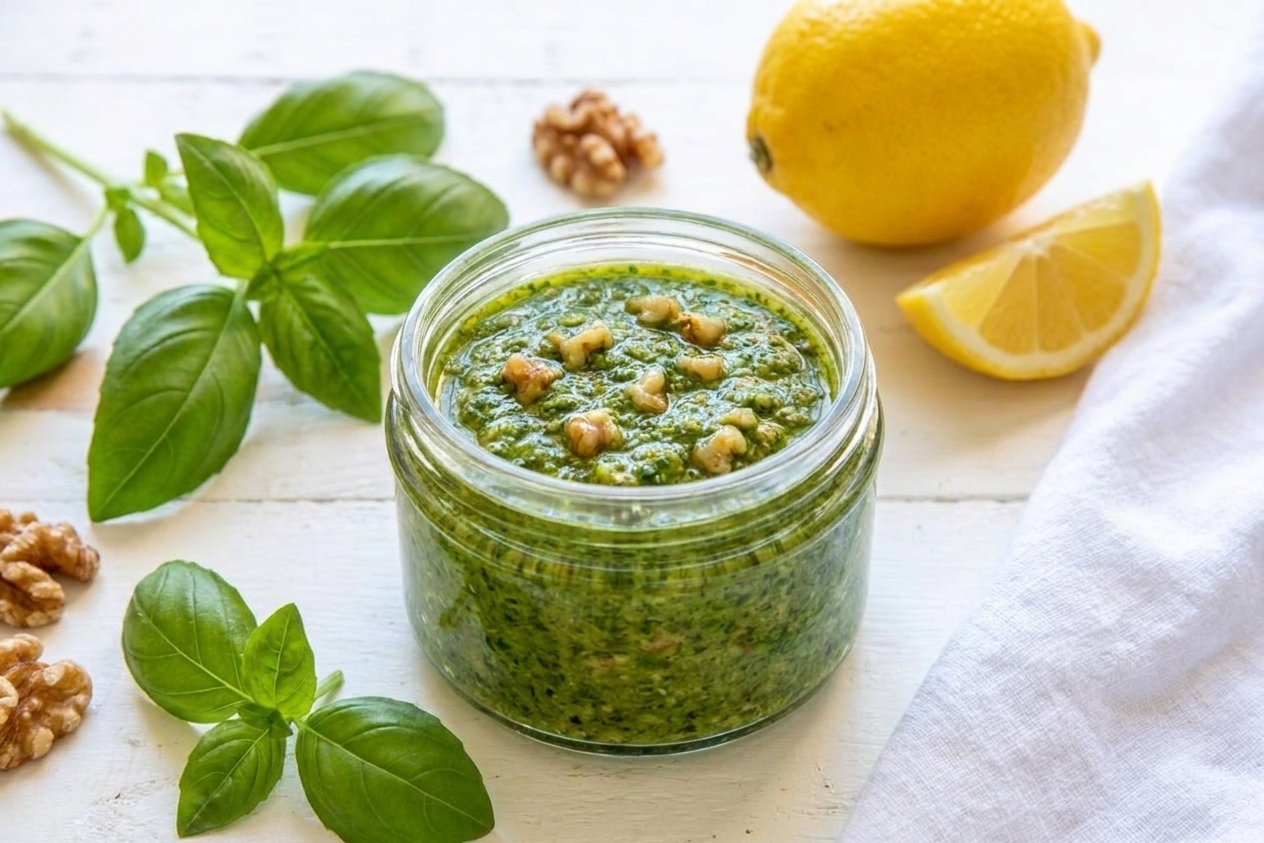
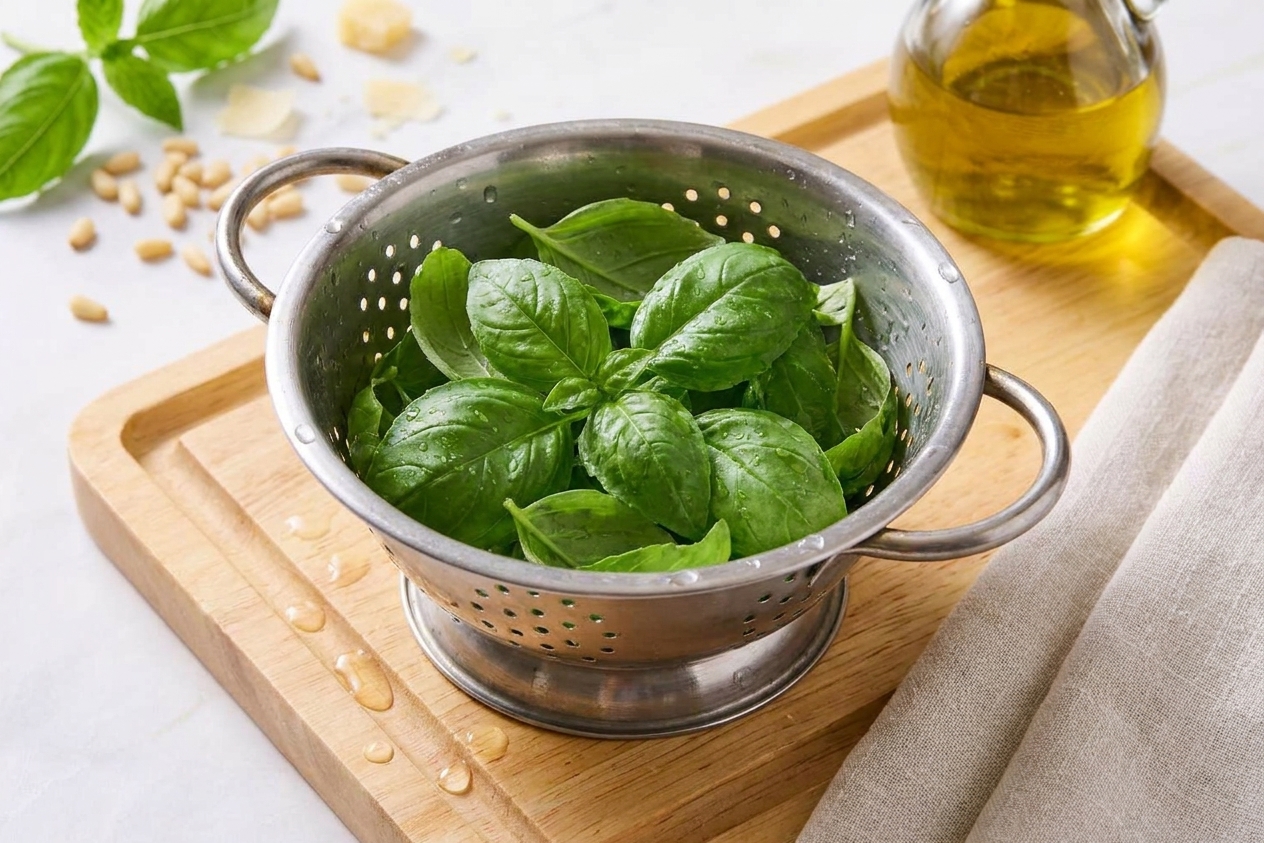
Fresh basil leaves, a wedge of Parmesan, pine nuts, garlic cloves, and a lemon on a counter

Why It Works

  • Big flavor, minimal effort: A quick blend builds layers of basil, garlic, nutty richness, and salty Parmesan.
  • Bright and balanced: Lemon juice keeps it fresh and helps stop it from tasting flat.
  • Flexible: Swap the nuts, change the greens, or adjust the texture from thick spread to drizzle-able sauce.
  • Meal prep friendly: Keeps for days and freezes beautifully, so future you gets a free win.

Pairs Well With

Storage Tips

How to Store Pesto Sauce

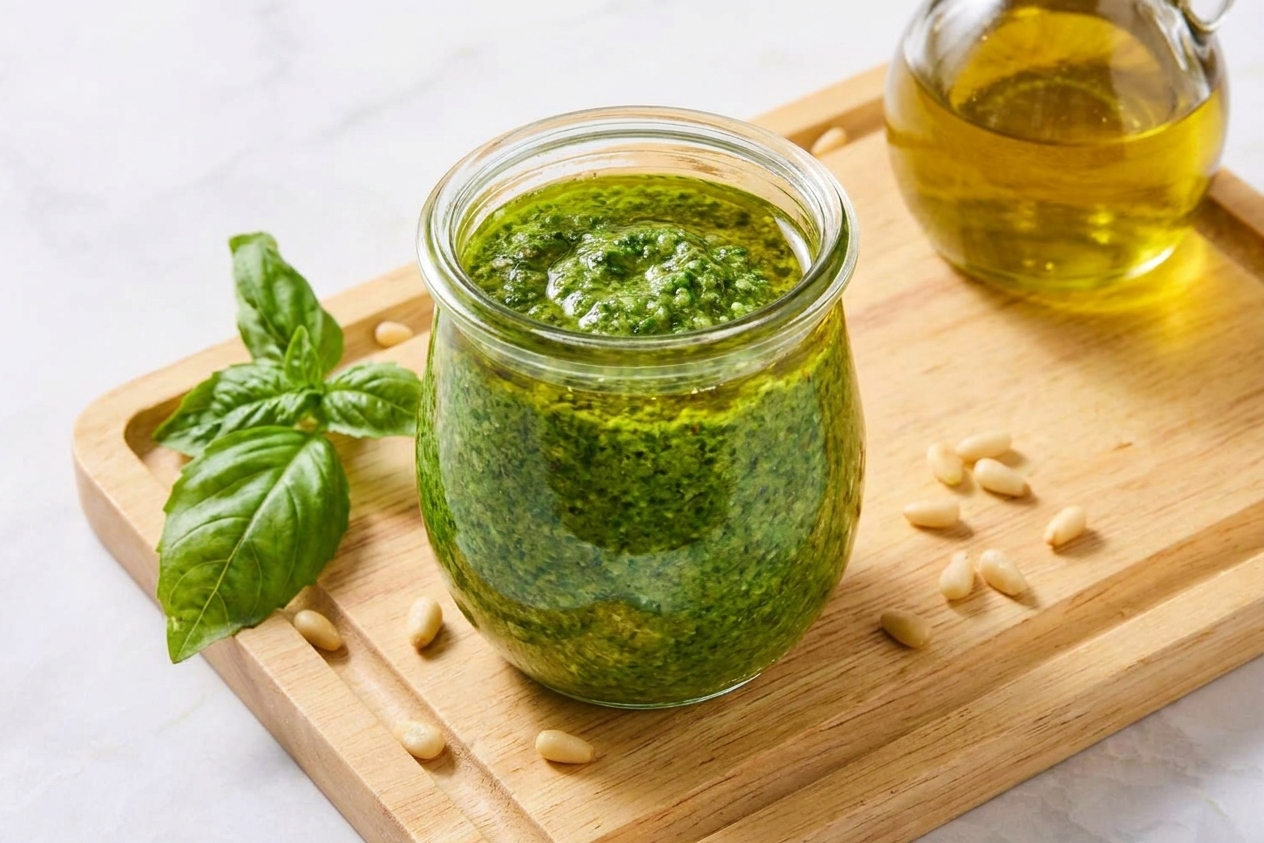
  • Refrigerator: Spoon pesto into a small jar or container and smooth the top. Add a thin layer of olive oil over the surface to reduce browning. Cover and refrigerate for 3 to 5 days (best within 3 to 4).
  • Freezer: Freeze in ice cube trays for easy portions, then transfer cubes to a freezer bag. Freeze for up to 3 months.
  • Thawing: Thaw overnight in the fridge or stir a cube directly into hot pasta with a splash of pasta water.
  • Heads up: Pesto can darken a bit in the fridge. It is still safe and tasty, especially once tossed with warm pasta.

Common Questions

Common Questions

Can I make pesto without pine nuts?

Absolutely. Walnuts, almonds, pistachios, or pepitas all work. Toast them lightly for a deeper, cozy flavor.

Why does my pesto turn brown?

Oxidation. Basil darkens when it sits. To help, add lemon juice, store it with a thin olive oil layer on top, and press plastic wrap directly against the surface if you want extra protection.

Can I make pesto without Parmesan?

Yes. For dairy-free pesto, skip the cheese and add more nuts plus a bit more salt and lemon. You can also blend in 1 to 2 tablespoons nutritional yeast for a similar savory vibe.

How do I keep pesto from tasting bitter?

Use fresh basil (not bruised or blackened), avoid running the processor too long (it warms the pesto and can boost bitterness and oxidation), and balance with lemon and enough salt. If it is still bitter, add a small pinch of sugar or an extra tablespoon of cheese to round it out.

How much pesto should I use for pasta?

For 1 pound of pasta, start with 1/2 cup pesto and loosen it with 1/2 to 1 cup hot pasta water until glossy and saucy. Add more pesto to taste.

Any allergy notes?

Pesto usually contains tree nuts (like pine nuts or walnuts) and dairy (Parmesan). If you are avoiding either, use pepitas or sunflower seeds for nut-free, and skip the cheese or use nutritional yeast for dairy-free.

I started making pesto as a practical skill, not a fancy one. I wanted a fast sauce that tasted like I tried harder than I did. Pesto became my weeknight cheat code: blend it up, toss it with pasta, and suddenly dinner has that bright, punchy, restaurant-level energy. It is also the kind of sauce that teaches you to trust your taste buds. Some basil is sweeter, some garlic is louder, some cheese is saltier. Pesto basically forces you to taste and adjust, which is the best kitchen habit you can build.