Mom's Best Recipes
Recipe

Pie Crust for Quiche

Flaky all-butter crust with a simple blind bake for crisp edges and a firm, not-soggy bottom.

Author By Matt Campbell
4.8
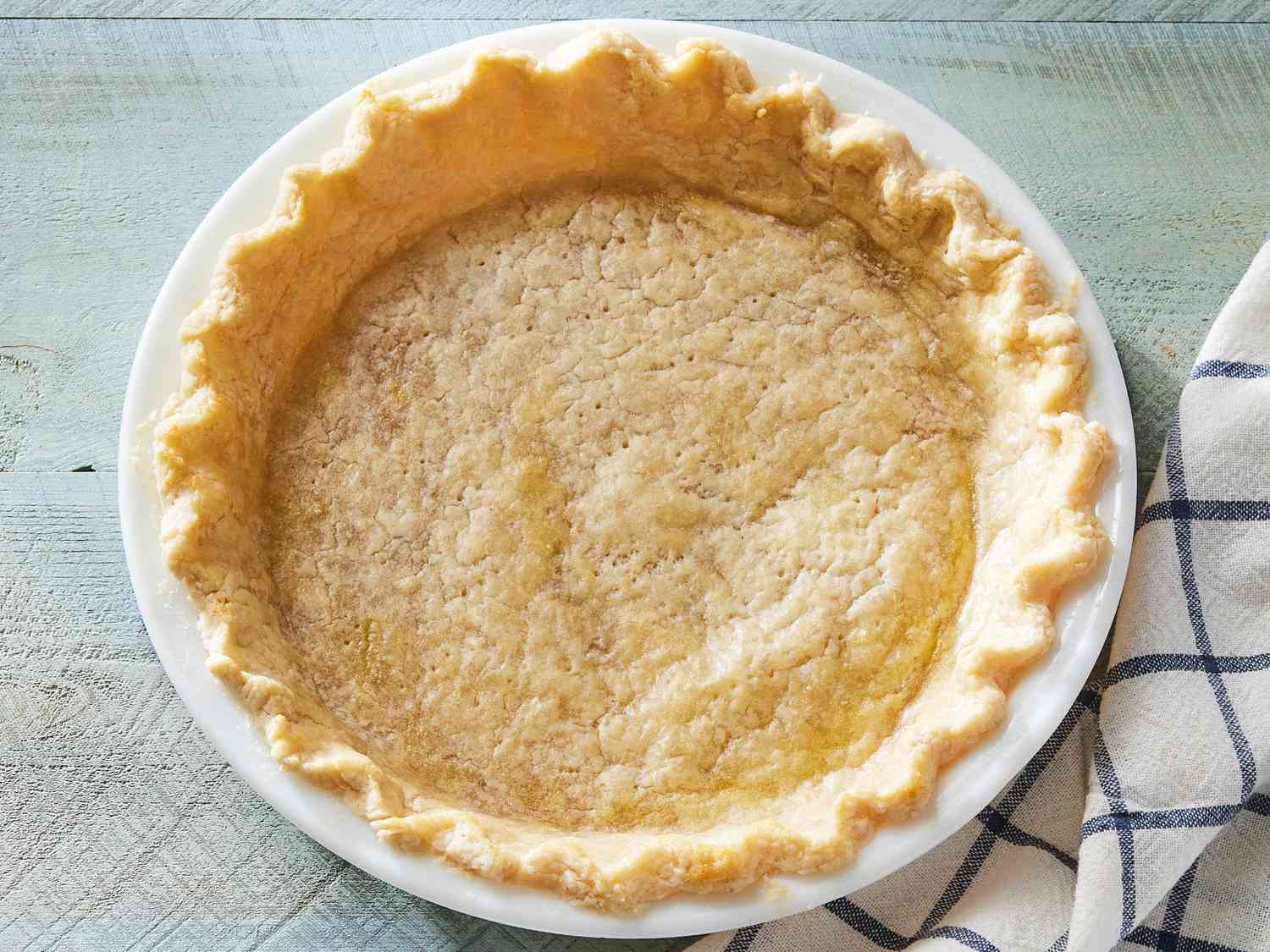
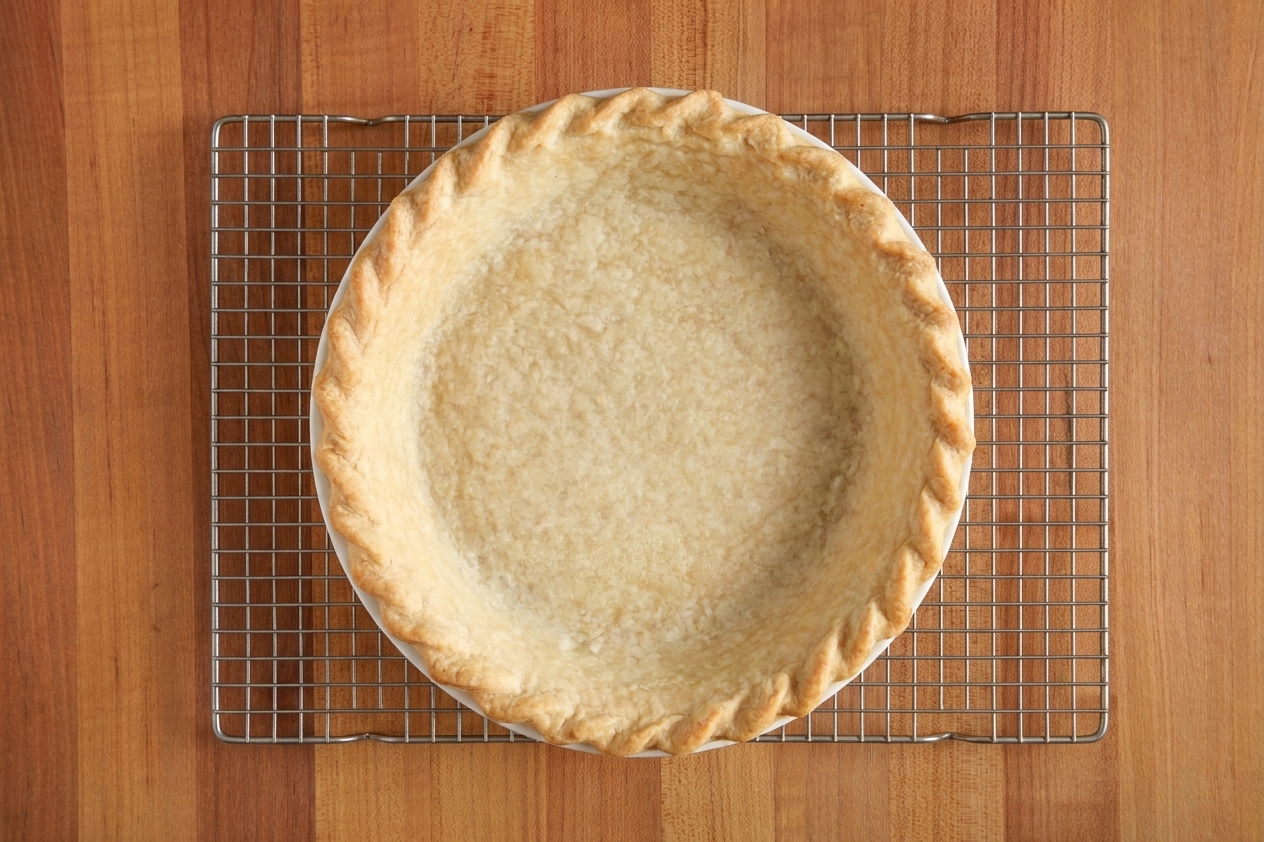
A golden-brown quiche crust in a glass pie dish on a light kitchen counter, with crisp fluted edges and an evenly baked bottom

Quiche is the kind of recipe that acts low effort while quietly judging your crust. Too thick and it eats like cardboard. Too thin and it cracks the second you look at it. Skip the blind bake and you are basically inviting a soggy bottom to move in rent-free.

This is my go-to pie crust for quiche: all-butter, flaky, and sturdy enough to hold a custardy filling without turning into wet confetti. The method is friendly, the ingredients are normal-grocery-store easy, and the end result has those crisp edges that make you want to “just pick at the crust” before dinner even hits the table.

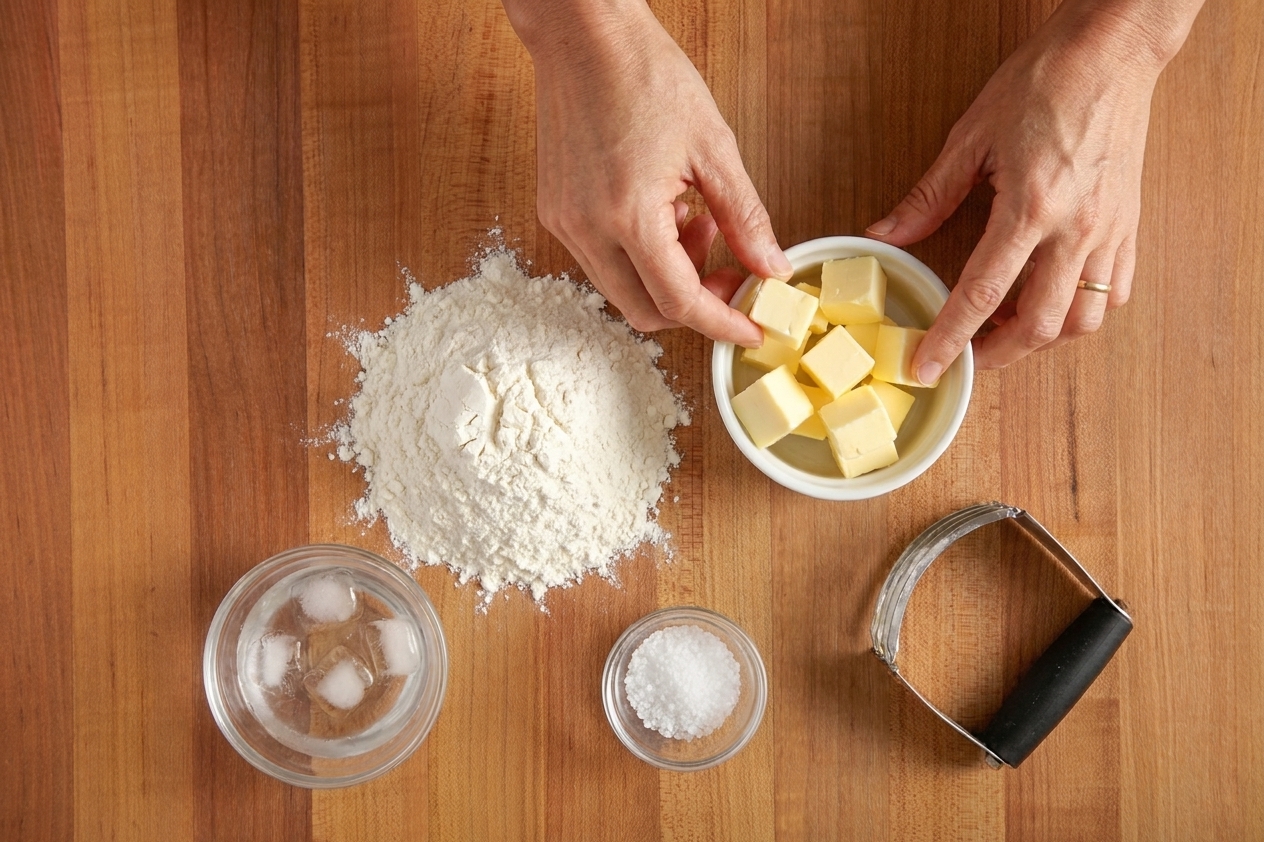
Measured flour, cold butter cubes, salt, and a small bowl of ice water arranged on a clean kitchen counter

Why It Works

  • Built for custard: A sturdy, all-butter crust that holds up beautifully after a proper blind bake.
  • All-butter flavor: Butter brings the best taste and that shattering, flaky texture when kept cold.
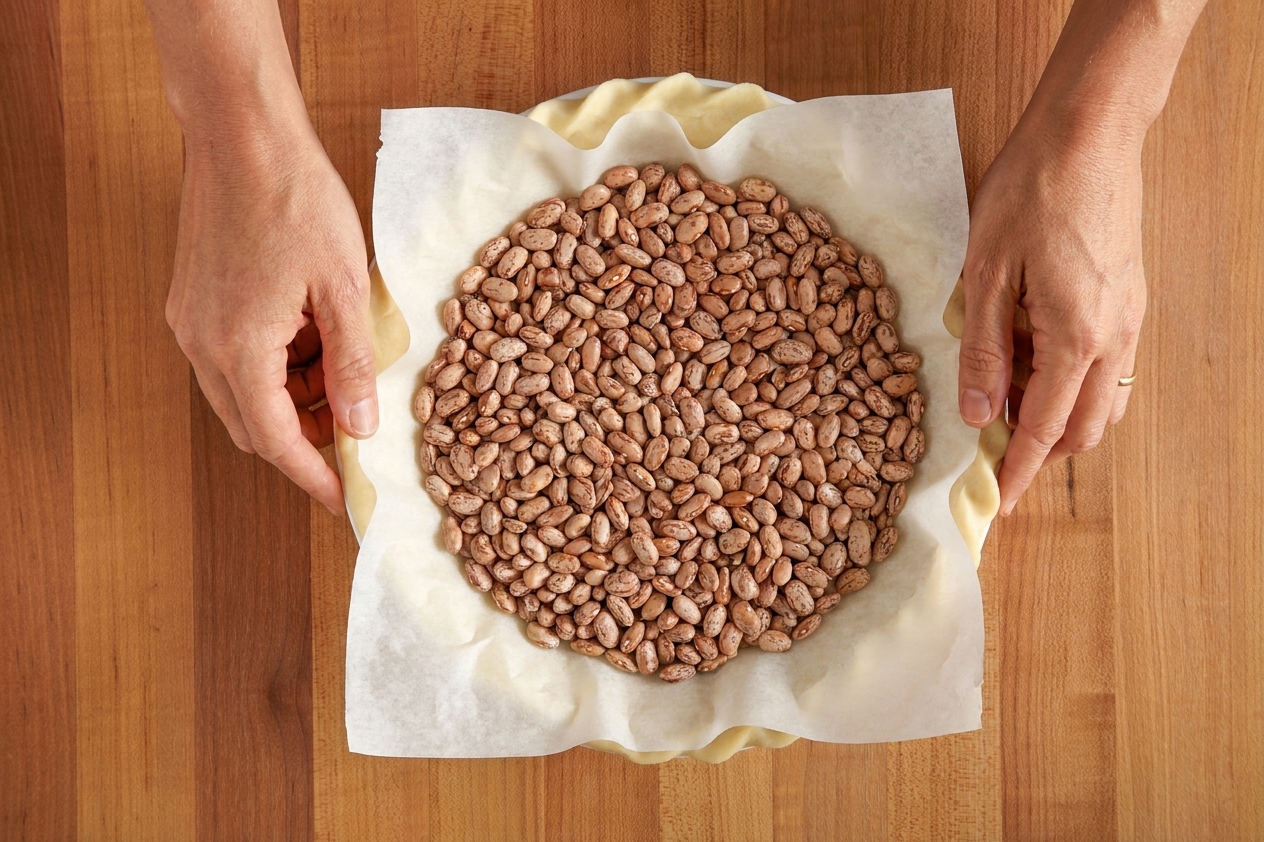
  • Reliable blind baking: We bake with weights first, then finish it bare so the bottom fully dries out and crisps.
  • Flexible for any quiche: Works for classic Quiche Lorraine, veggie-loaded versions, or a fridge-cleanout quiche that somehow becomes the best one.

Pairs Well With

Storage Tips

Make-ahead and storage

Unbaked dough

  • Fridge: Wrap tightly and refrigerate up to 3 days.
  • Freezer: Freeze up to 3 months. Thaw overnight in the fridge before rolling.

Rolled and shaped in the pie dish

  • Fridge: Cover and chill up to 24 hours before blind baking.
  • Freezer: Freeze the shaped crust (in the dish) until solid, then wrap well. Freeze up to 2 months. You can blind bake from frozen, just add a few extra minutes with the weights.

Blind-baked crust

  • Room temp: Let cool completely, then keep loosely covered up to 1 day. This keeps it crispest in a dry kitchen.
  • Fridge: Store up to 2 days, tightly covered. Refrigeration can soften the crust a bit, so recrisp in a 350°F oven for 6 to 8 minutes before filling if needed.

Common Questions

Do I have to blind bake crust for quiche?

For the crispiest bottom, yes, especially with custardy fillings. Some quiche recipes do bake up fine without pre-baking (particularly in a metal pan with a hot start), but blind baking is the easiest way to avoid the dreaded soggy situation.

What if I do not have pie weights?

Use dried beans or uncooked rice. The key is to use enough to fully cover the parchment and press into the sides so the crust does not slump. These weights are reusable for baking only.

Why did my crust shrink?

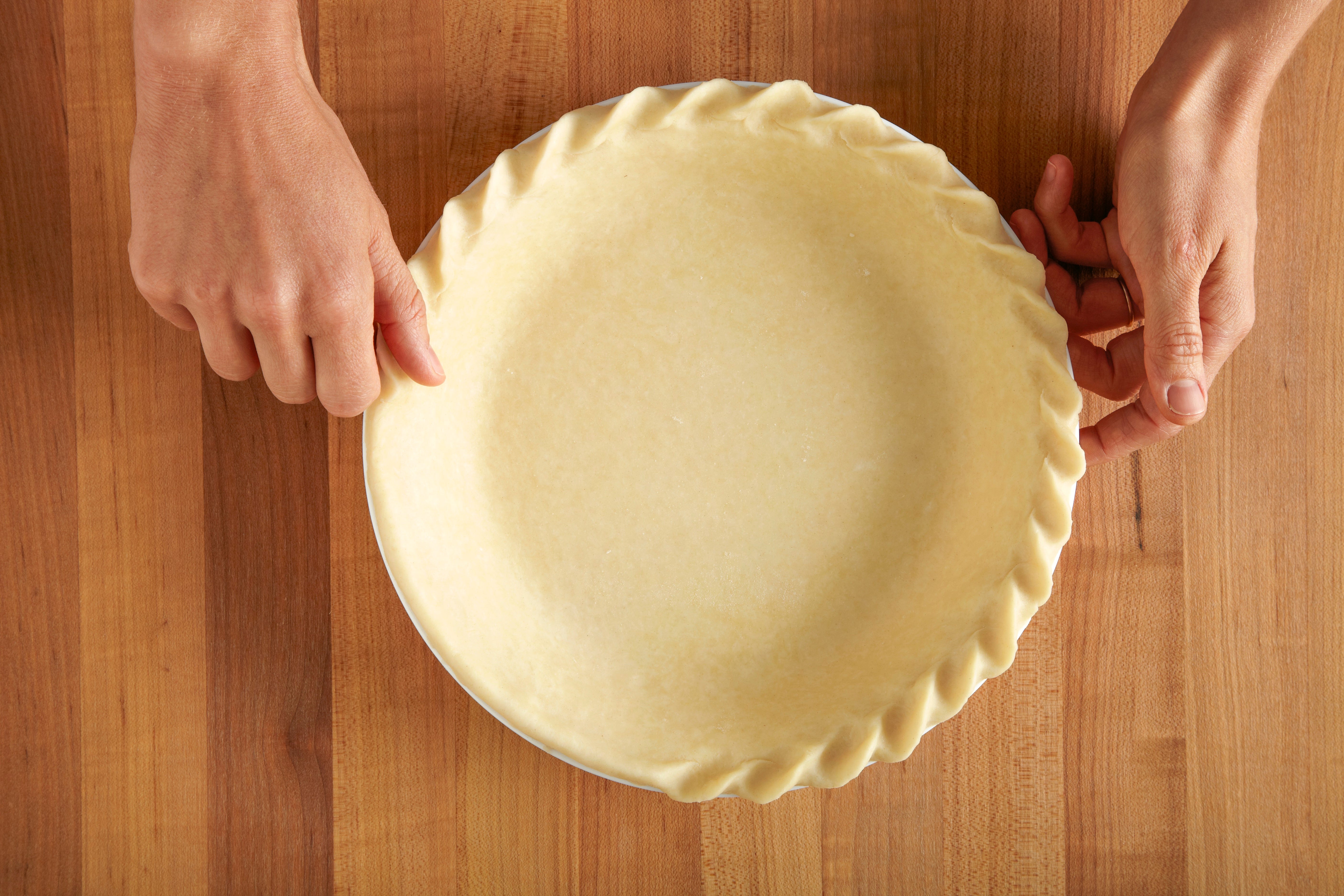
Usually one of these: the dough was stretched when placed in the pan, it was not chilled long enough before baking, or the gluten got overworked. Fix: gently fit the dough without tugging, then chill the shaped crust at least 30 minutes (longer is better) before blind baking.

How do I prevent a soggy bottom?

  • Blind bake until the bottom looks dry and matte, not pale and doughy.
  • Finish the last part of the blind bake without weights.
  • If your filling has watery veggies, cook them first and cool them before adding.
  • Bake your crust on a lower-middle rack to help the bottom set.

Can I use this crust for a tart pan?

Yes. Press it into the corners carefully, dock lightly, and blind bake. For a tart pan with a removable bottom, place it on a sheet pan for stability.

Can I make it in a food processor?

Absolutely. Pulse the dry ingredients, pulse in the butter until you have pea-size bits, then drizzle in ice water and pulse just until it holds together when pinched.

Do I need to dock if I am using pie weights?

You can, but go easy. A few fork pricks help prevent bubbles, but too many holes can invite leaks. If you dock enthusiastically, the quick egg wash seal is your best friend.

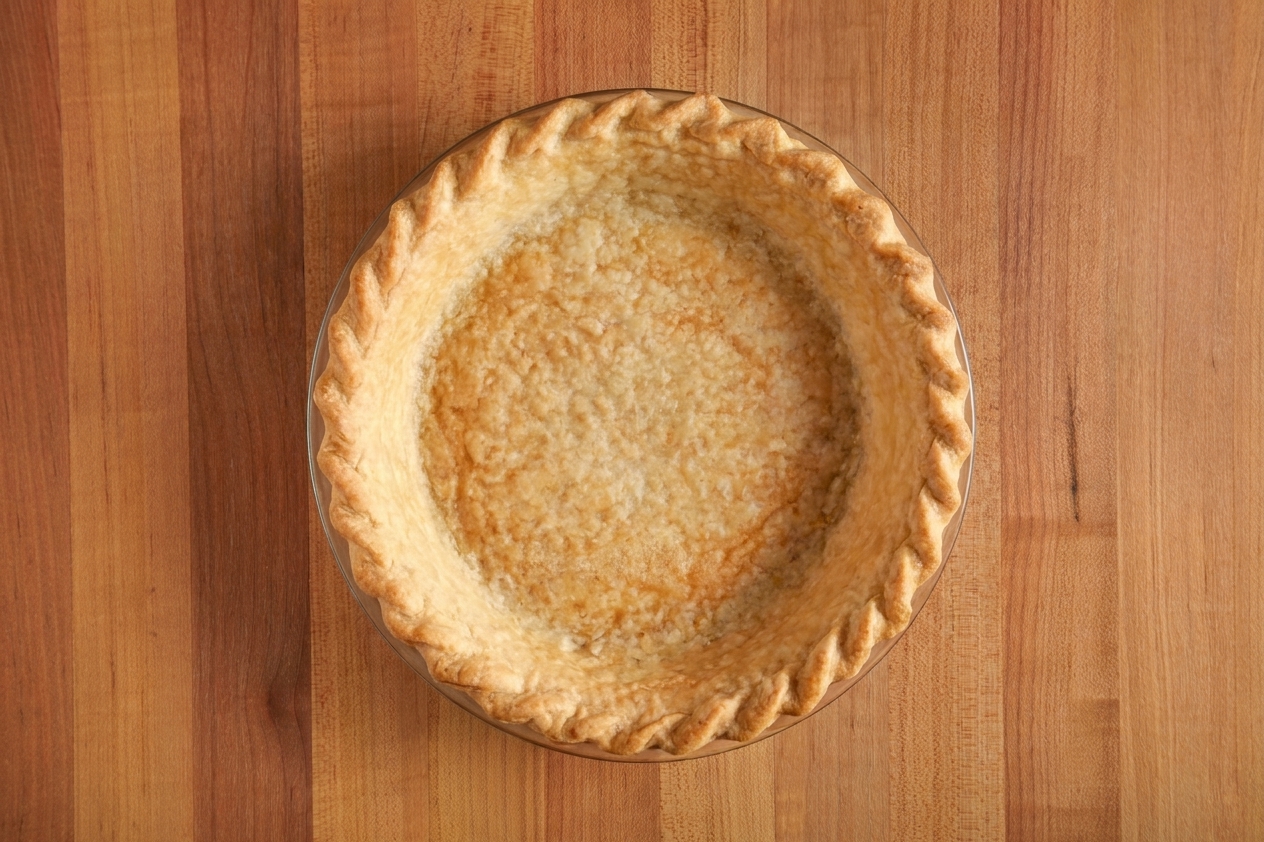
I used to treat quiche crust like a formality. Roll, fill, bake, hope. Then I served a beautiful quiche that tasted great on top and… suspiciously damp underneath. That was my “okay, we are doing this correctly now” moment. This crust is the result: a little chill time, a real blind bake, and suddenly quiche feels like something you could sell in a cafe window without apologizing.