Mom's Best Recipes
Recipe

Pierogi Dough

A tender, rollable pierogi dough that seals without splitting and stays soft after boiling, using easy pantry staples.

Author By Matt Campbell
4.8
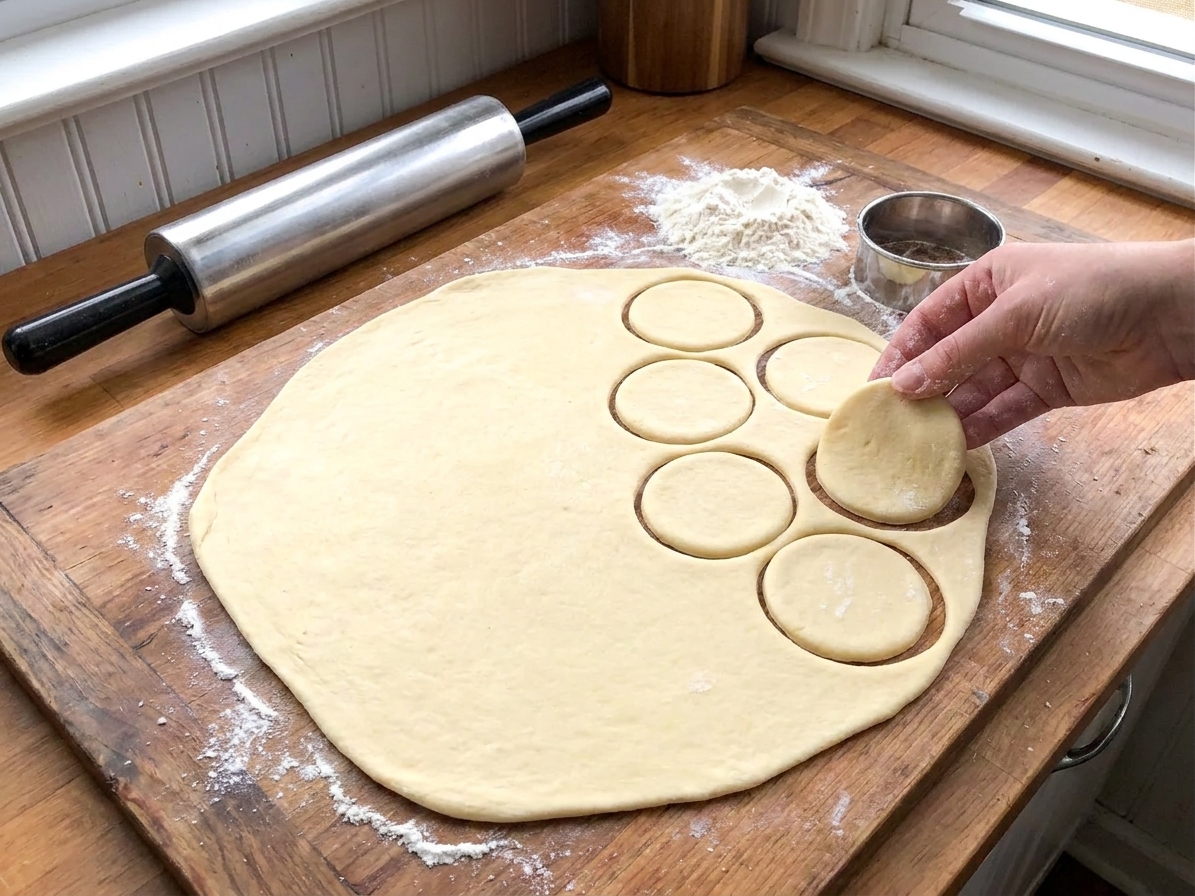
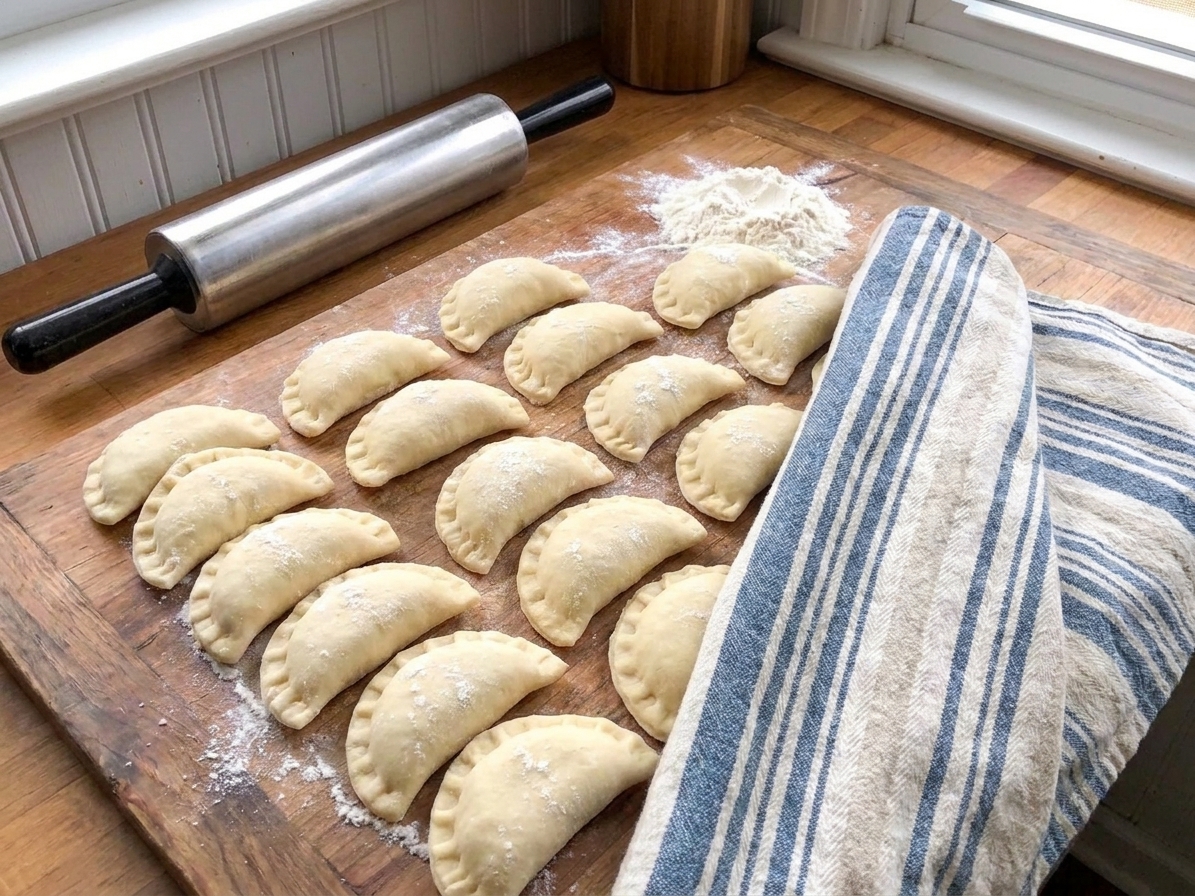
Pierogi dough rolled out on a lightly floured wooden board with a few round cutouts and a small pile of flour nearby in warm kitchen lighting

Pierogi dough has one job: be soft enough to bite through, sturdy enough to hold a cozy filling, and chill about being rolled out on a weeknight when you are running on vibes and one clean towel.

This is my go-to pierogi dough when I want the classic tender chew without wrestling the rolling pin. It is simple, forgiving, and made with ingredients you can find at basically any grocery store. Also, it is the kind of dough that rewards you for doing two unsexy things: resting it and tasting the filling.

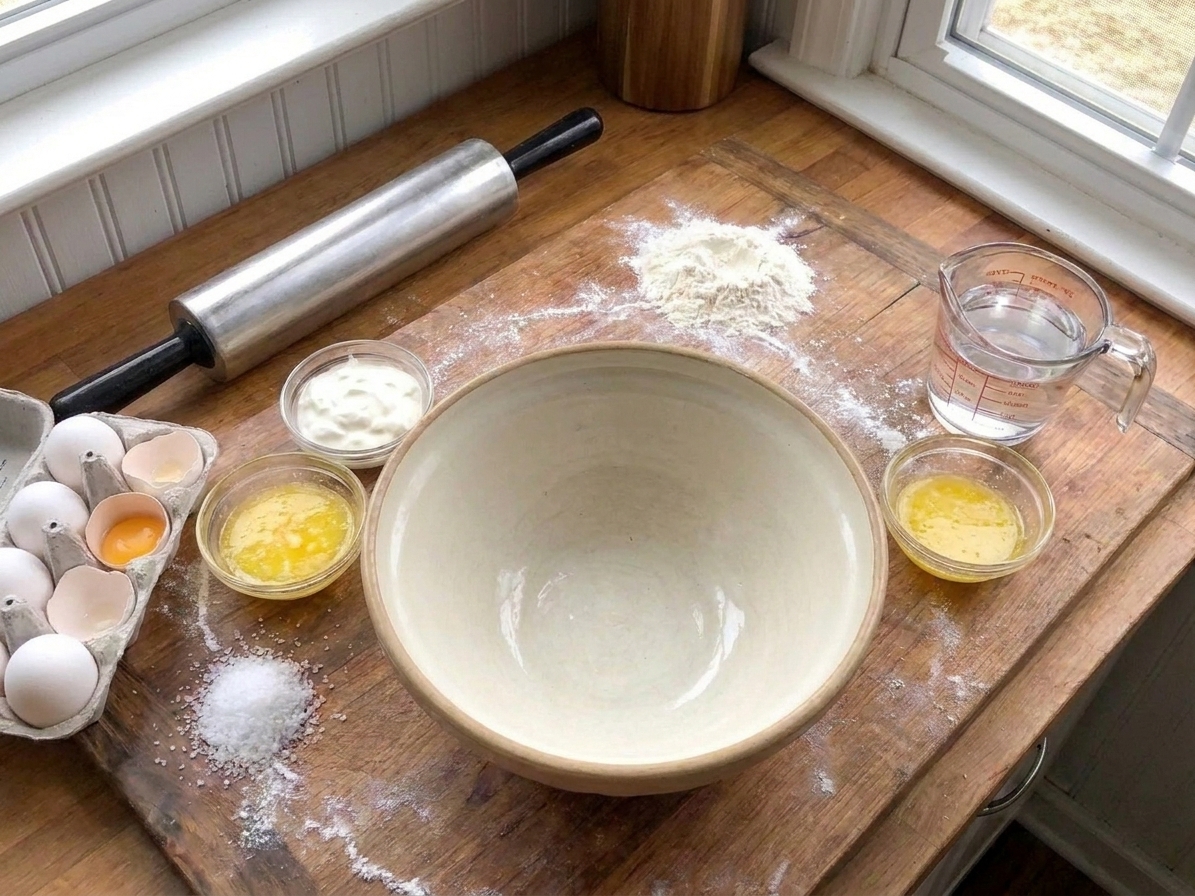
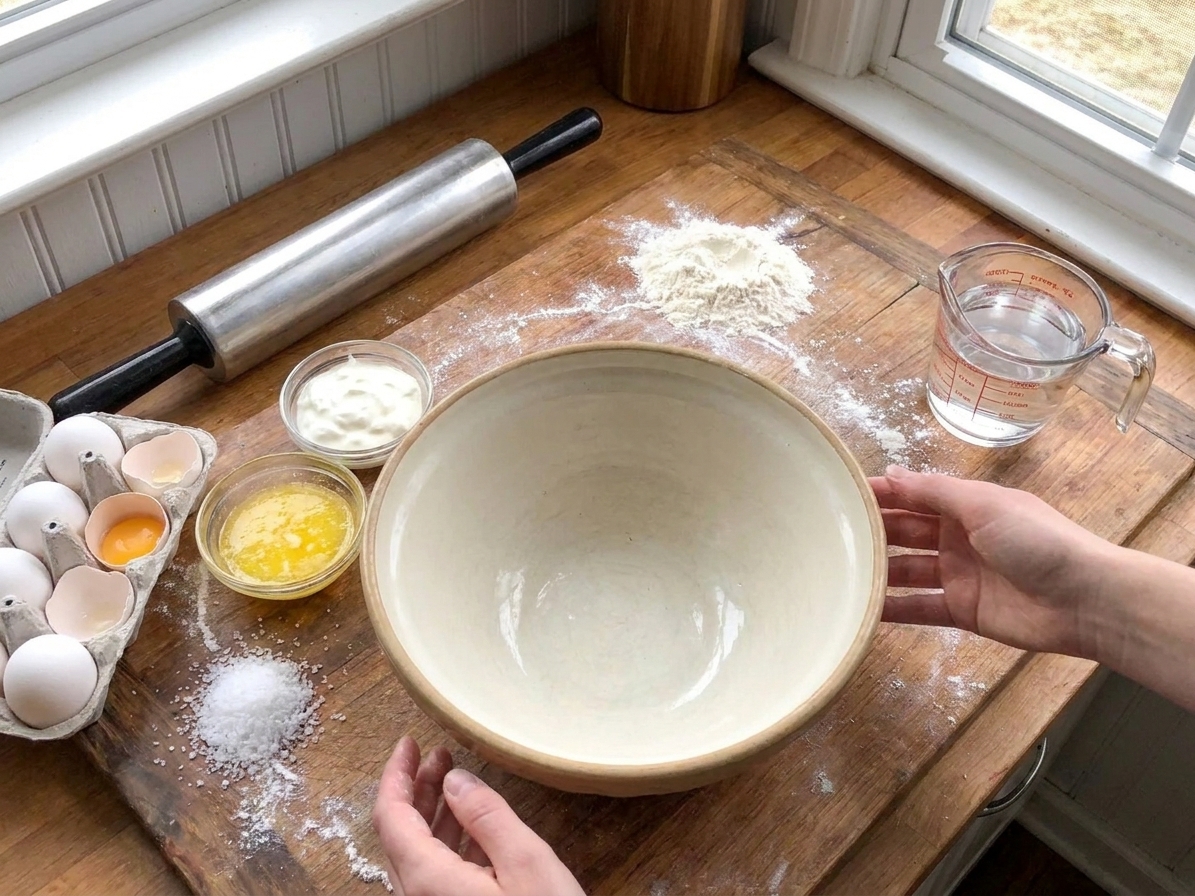
Pierogi dough ingredients on a kitchen counter including flour, eggs, sour cream, water, salt, and a small bowl of melted butter arranged neatly in natural light

Why It Works

  • Tender texture: Sour cream and butter keep the dough soft so the pierogi do not turn tough after boiling.
  • Easy to roll: A short rest relaxes the gluten, meaning less spring-back and less flour needed.
  • Seals well: The dough is pliable, so edges press together without cracking.
  • Make-ahead friendly: You can refrigerate, freeze, and reheat pierogi without the dough falling apart.

Pairs Well With

Storage Tips

Storage Tips

Storing the dough (before filling)

  • Refrigerator: Wrap tightly in plastic wrap and refrigerate up to 2 days. Let it sit at room temperature for 30 to 60 minutes before rolling so it softens.
  • Freezer: Wrap the dough in plastic wrap, then place in a freezer bag. Freeze up to 2 months (best texture within 1 month). Thaw overnight in the fridge, then bring to room temperature before rolling.

Storing cooked pierogi (after boiling)

  • Refrigerator: Drain well, then toss boiled pierogi with a little butter or oil so they do not stick. Cool, then store in an airtight container up to 4 days.
  • Freezer: After boiling, drain and toss with a little butter or oil. Freeze in a single layer on a parchment-lined sheet until solid, then transfer to a freezer bag. Freeze up to 3 months.
  • Reheat: Pan-fry in butter over medium heat until crisp and hot, or warm gently in a skillet with a splash of water and a lid, then uncover and crisp in butter.

Common Questions

Common Questions

Do I have to use sour cream?

No, but it helps. Sour cream adds tenderness and makes the dough easier to roll. If you are out, substitute plain Greek yogurt (full fat is best). The dough may need an extra teaspoon or two of water.

Why is my pierogi dough tough?

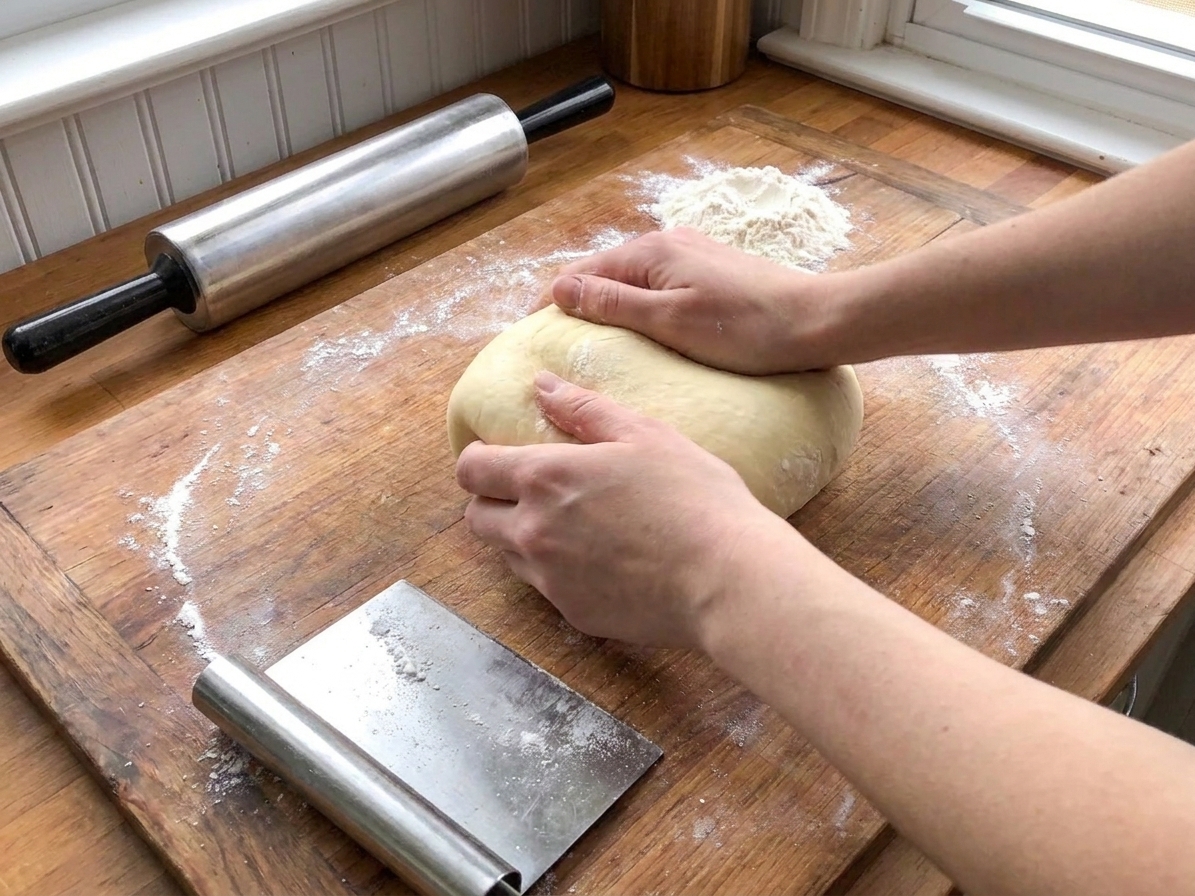
Usually one of three things: too much flour, over-kneading, or not enough resting time. Measure flour by spooning into the cup and leveling, knead only until smooth, and give it at least 30 minutes to rest.

Why is my dough cracking at the edges?

It is too dry. Knead in 1 teaspoon water at a time until the dough feels pliable. Also keep the dough you are not using covered so it does not dry out.

What if my dough feels sticky?

That usually means it needs a touch more flour. Dust in 1 tablespoon flour at a time as you knead, just until the dough is soft and a little tacky but not gluey. Try not to keep adding flour forever, because that is how you end up with bready pierogi.

Can I make this dough without eggs?

You can, but the texture changes and sealing can be trickier. For egg-free, add an extra tablespoon of sour cream (or yogurt) and be patient with the rest time. Seal edges with a light brush of water.

Should I boil pierogi in salted water?

Yes. Salt the water like pasta. It seasons the dough itself, which matters because pierogi are a lot of wrapper per bite.

How thin should I roll pierogi dough?

Aim for 1/16 to 1/8 inch (about 1.5 to 3 mm). If you like a visual cue: think about the thickness of a penny for a tender pierogi that is not bready. Too thick and they get doughy. Too thin and they can tear when you fill or boil.
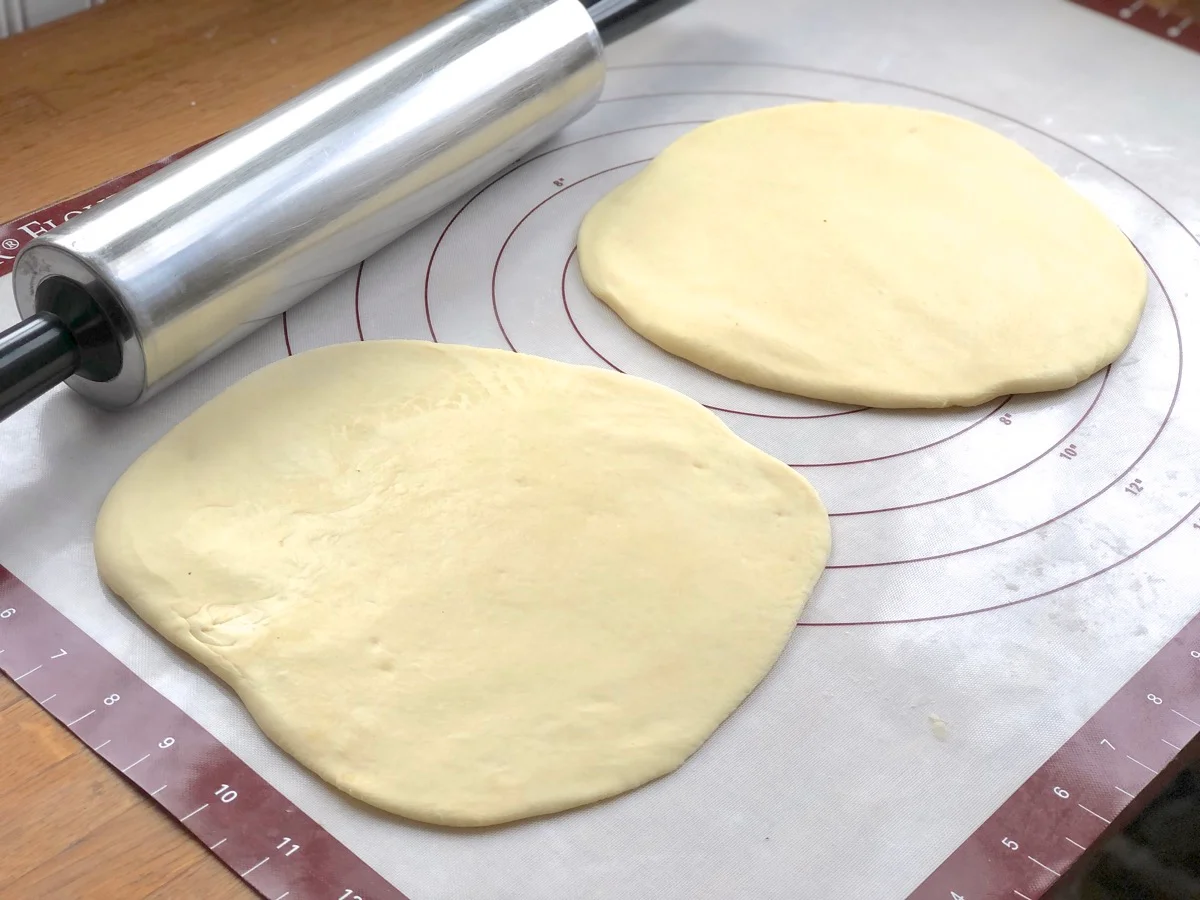

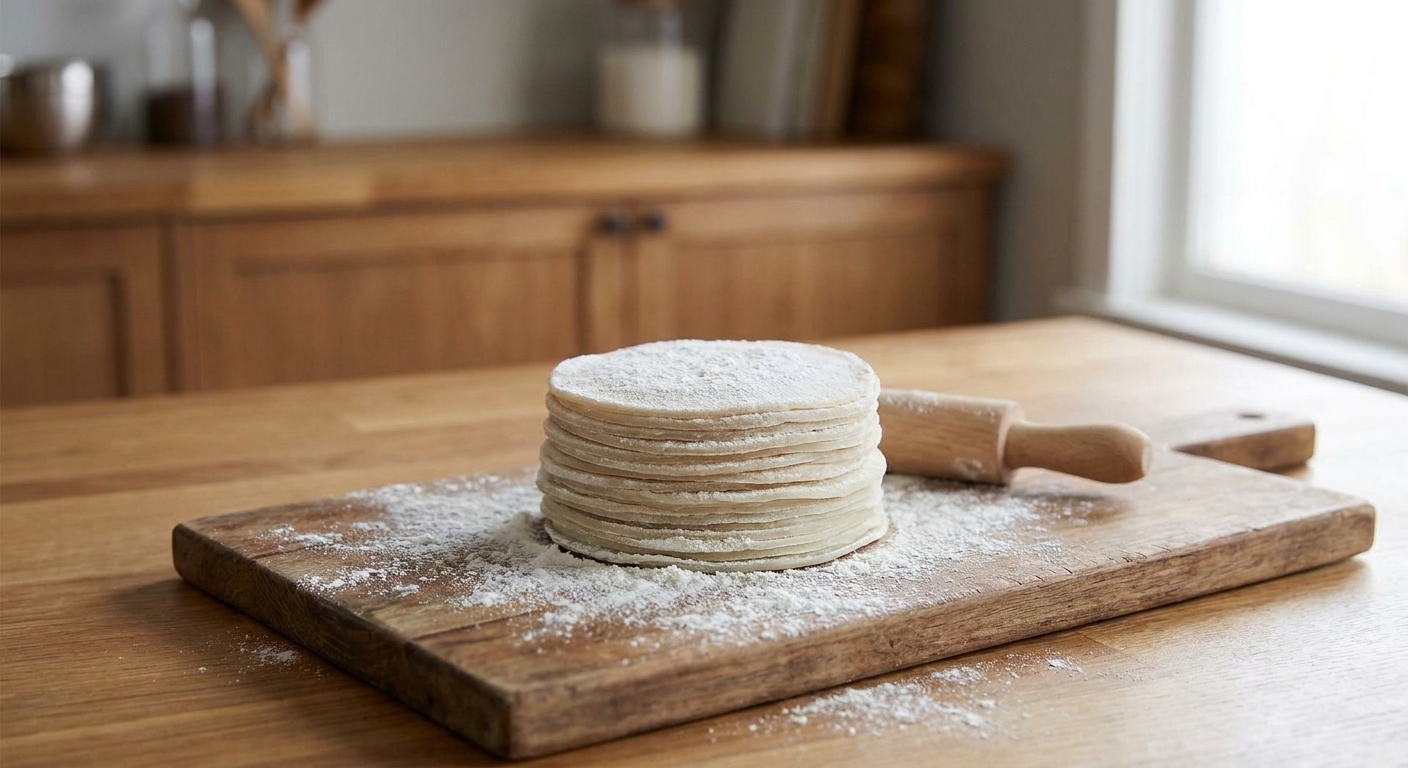
Hands rolling pierogi dough with a wooden rolling pin on a lightly floured countertop, with a partially rolled round and a small dusting of flour nearby

I love pierogi because they are the definition of team cooking. Somebody mixes dough, somebody mashes potatoes, somebody is in charge of not letting the onions burn, and suddenly you have a little assembly line and a table full of edible proof that hanging out in the kitchen counts as quality time.

When I first started making them, I treated dough like a dare and kept adding flour until it felt “safe.” Translation: I made little rubbery dumplings. The fix was simple and slightly annoying: stop over-flouring, knead less, and let the dough rest so it can chill out. Now this dough is my default, especially when I want a batch that boils up tender and pan-fries with those crisp, golden edges that make you go back for “just one more.”