Mom's Best Recipes
Recipe

Pizza Dough With Yeast

A simple, dependable yeast dough for two 12-inch pizzas with a chewy center, crisp edges, and flexible timing.

Author By Matt Campbell
4.8
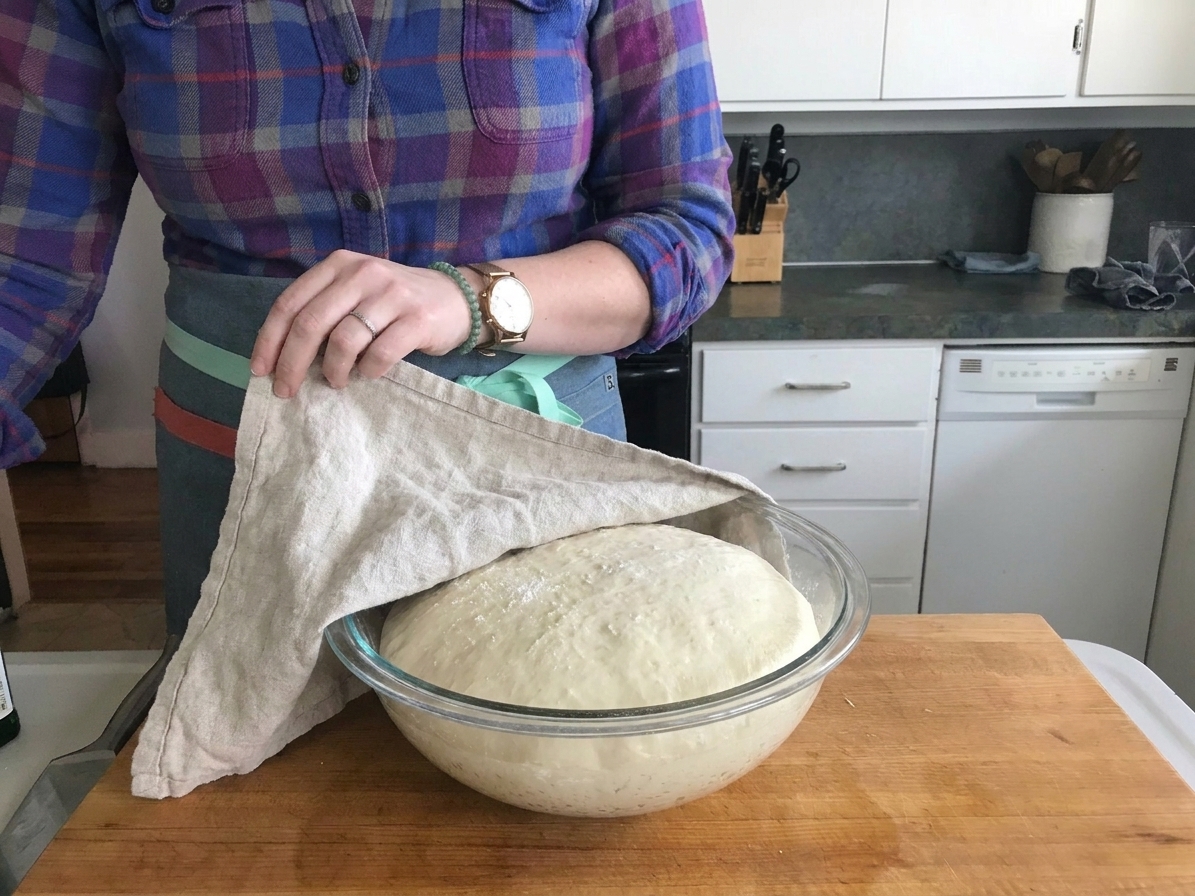
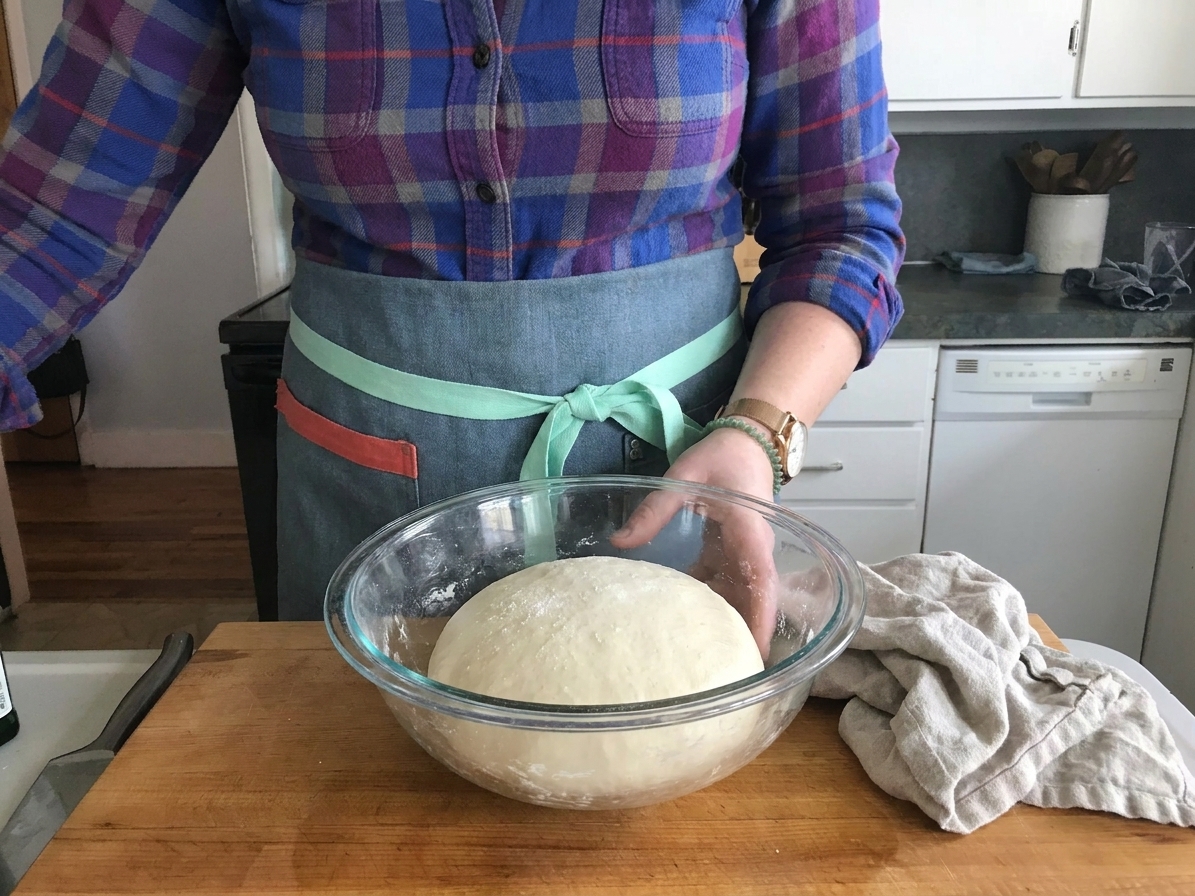
A smooth, lightly floured ball of homemade pizza dough resting in a glass bowl with a linen towel nearby

If you've ever looked at pizza dough like it's a mysterious blob that either turns into a dream crust or a dense frisbee, welcome. This yeast pizza dough is the one I make when I want chewy middles, crisp edges, and zero drama. It's not fussy, it uses normal pantry ingredients, and it gives you two great options: bake it today or tuck it in the fridge overnight for even better flavor.

The vibe here is relaxed. We're going to mix, rest, and let time do the heavy lifting. You don't need a stand mixer, but if you have one, it'll happily show off.

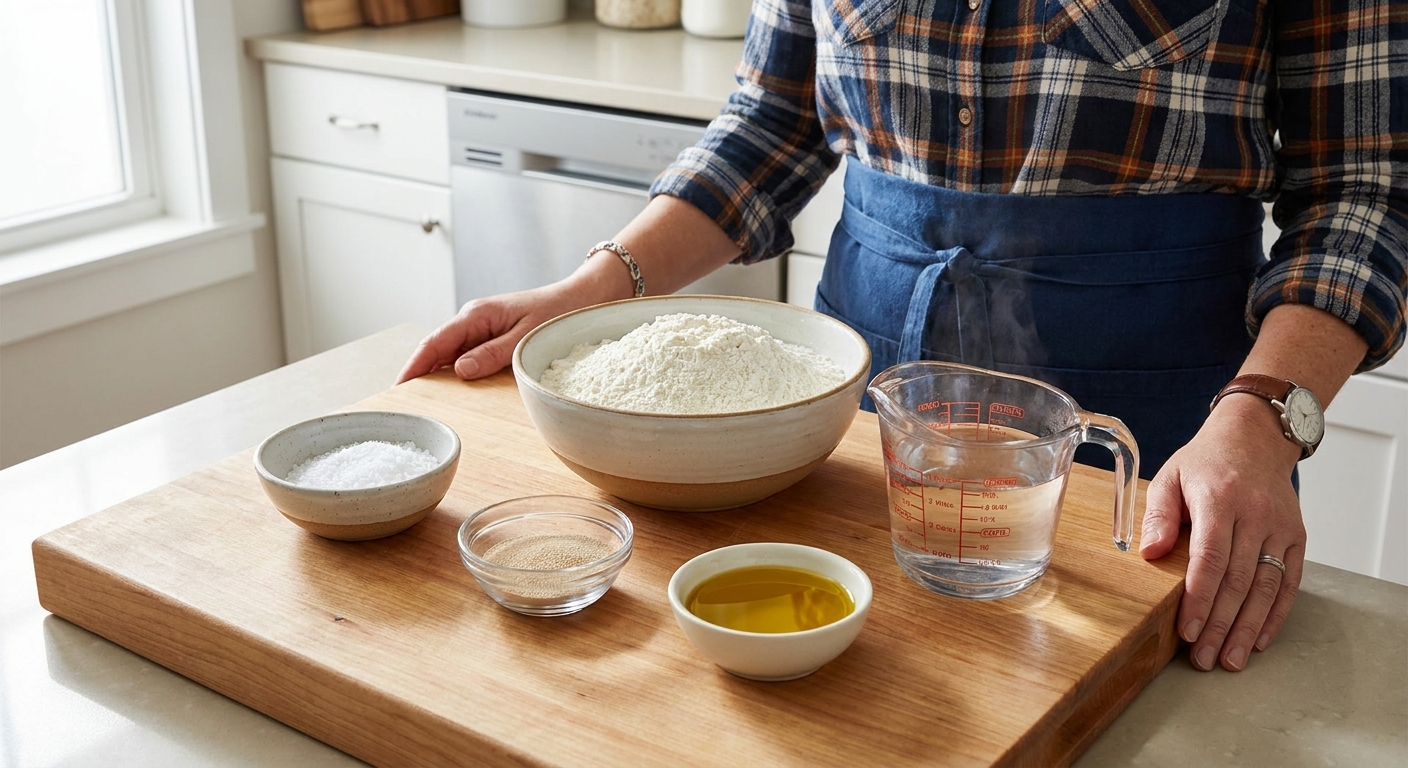
Bowls of flour, salt, yeast, olive oil, and a measuring cup of warm water arranged on a clean kitchen counter

Why It Works

  • Chewy and crisp: Higher heat plus a well-hydrated dough gives you that bendy slice with a snappy bottom.
  • Flexible timing: Make it same-day in a few hours or cold ferment 24 to 72 hours for deeper flavor.
  • Beginner-friendly: Clear cues so you know what the dough should look and feel like at each step.
  • Freezer-friendly: Portion now, thank yourself later.
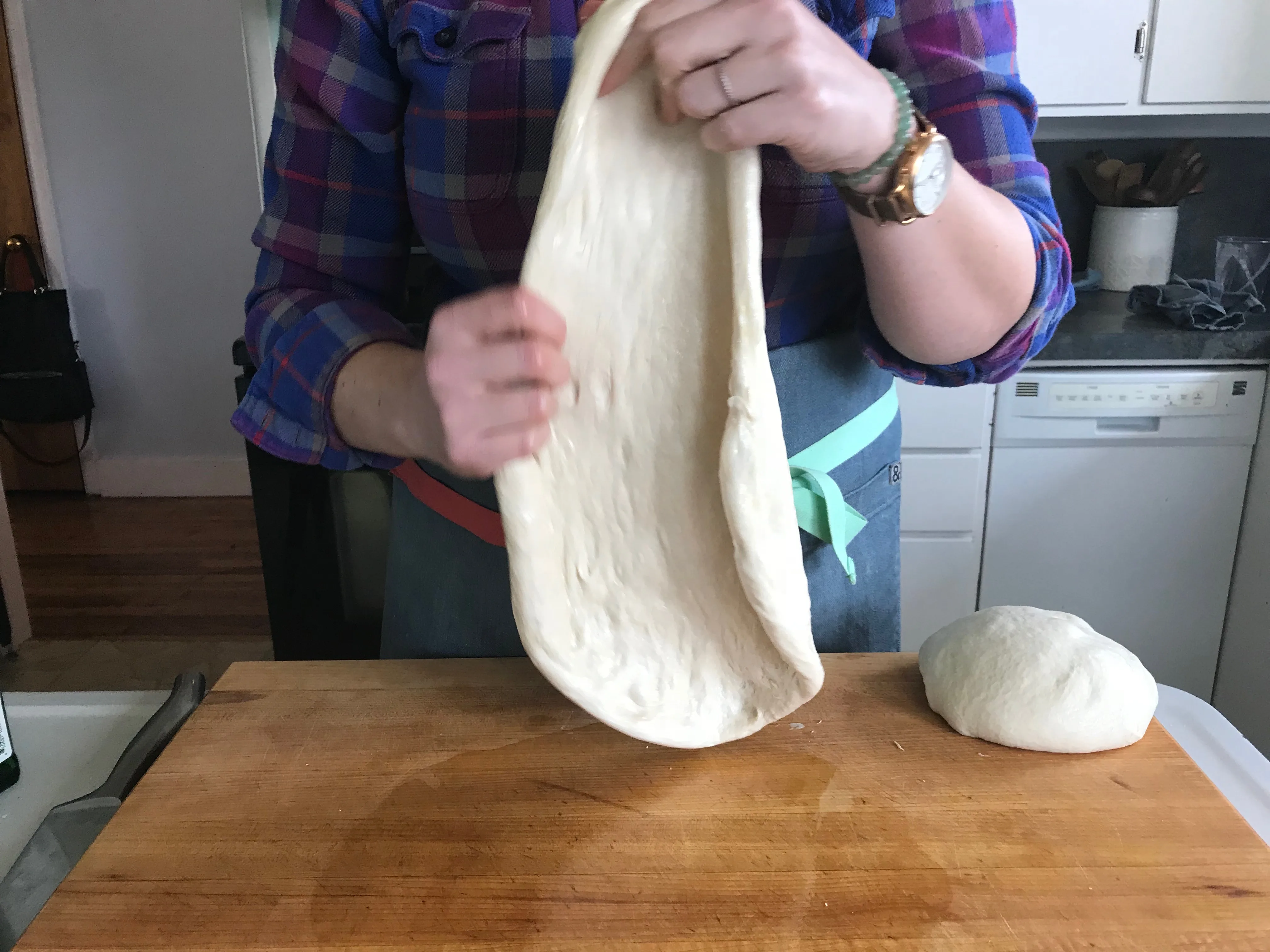
Hands gently stretching pizza dough into a round on a lightly floured wooden board

Pairs Well With

Storage Tips

Storage Tips

Refrigerate (best for flavor)

After the first rise, lightly oil a container with a lid, place the dough inside, cover, and refrigerate for up to 3 days. Dough will slowly puff and develop a more complex, slightly tangy flavor.

When you're ready to use it, pull the dough out and let it sit at room temperature for 60 to 90 minutes so it relaxes and stretches easily.

Freeze (meal prep hero move)

You can freeze dough after the first rise. Divide into two balls, lightly coat each with olive oil, and seal in freezer bags. Freeze for up to 3 months.

Also works: Freeze right after dividing and balling, even if it hasn't fully risen yet. It'll finish that rise as it thaws.

To thaw: move to the fridge overnight, then rest at room temperature for 60 to 90 minutes before shaping.

If you already baked pizza

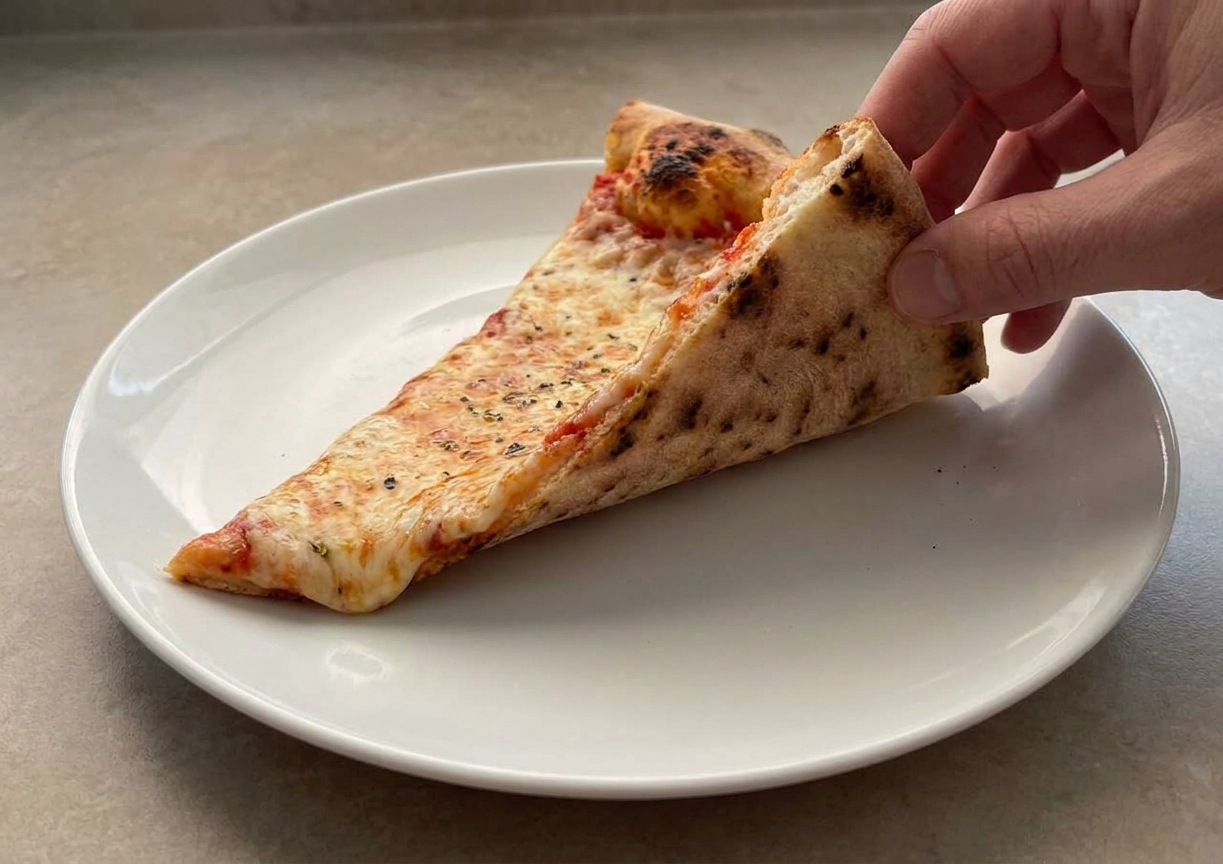
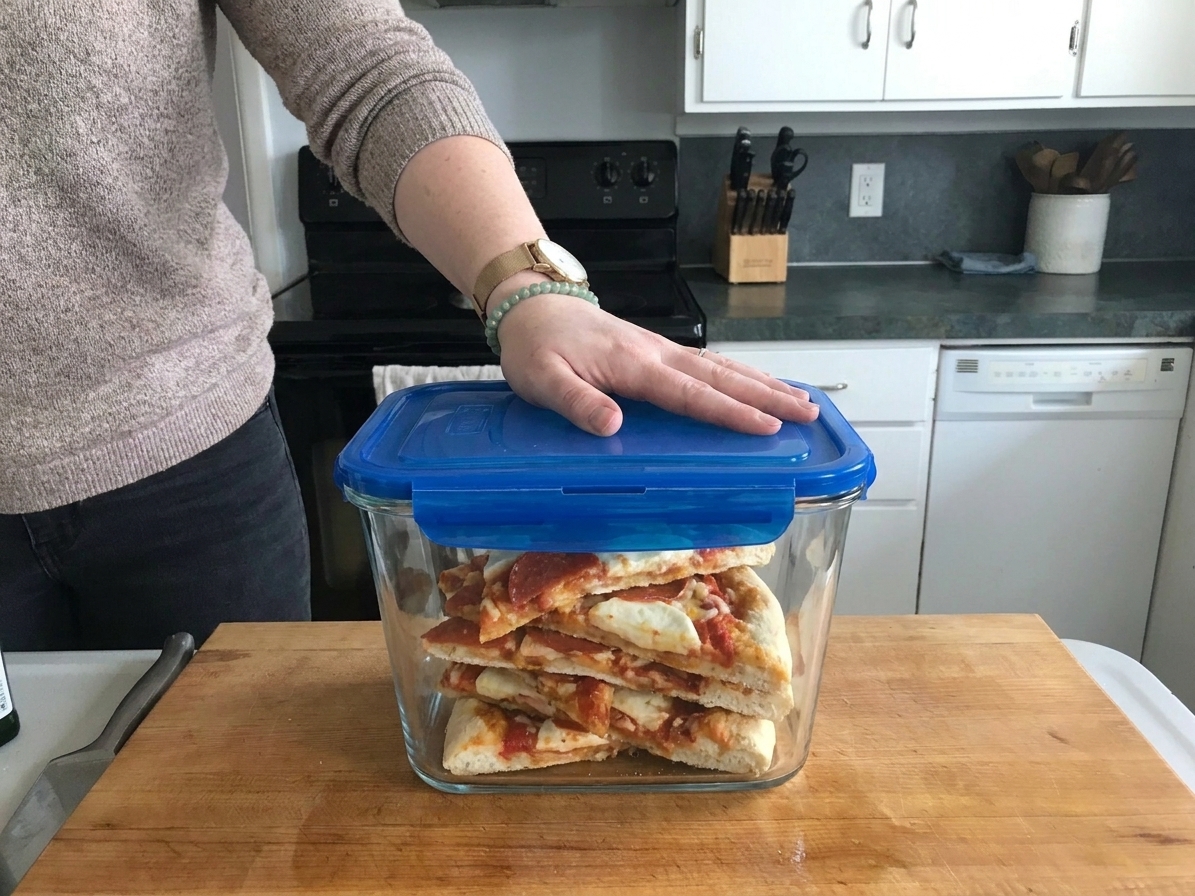
Store leftover slices in an airtight container in the fridge for up to 4 days. Reheat on a skillet over medium heat with a lid for 2 to 4 minutes to re-crisp the bottom and melt the top.

Leftover pizza slices stacked in a glass storage container with a tight lid on a kitchen counter

Common Questions

Common Questions

Do I need bread flour for pizza dough?

No. All-purpose flour works great and is what this recipe is written for. Bread flour will give you a slightly chewier crust and a bit more structure. If you use bread flour, you might need a splash more water because it absorbs more.

What water temperature should I use for yeast?

Aim for 105 to 115°F. Warm, not hot. If you don't have a thermometer, it should feel like comfortable bath water. Too hot can kill yeast.

Why isn't my dough rising?

Most common culprits: expired yeast, water that was too hot, or a cold kitchen. Give it more time in a warmer spot. I like the oven turned off with the light on, door cracked open.

Can I make this dough the same day?

Yes. You'll be baking in about 2.5 to 3.5 hours depending on room temperature. If you can swing an overnight fridge rise, the flavor gets even better.

How do I get a crisp bottom in a home oven?

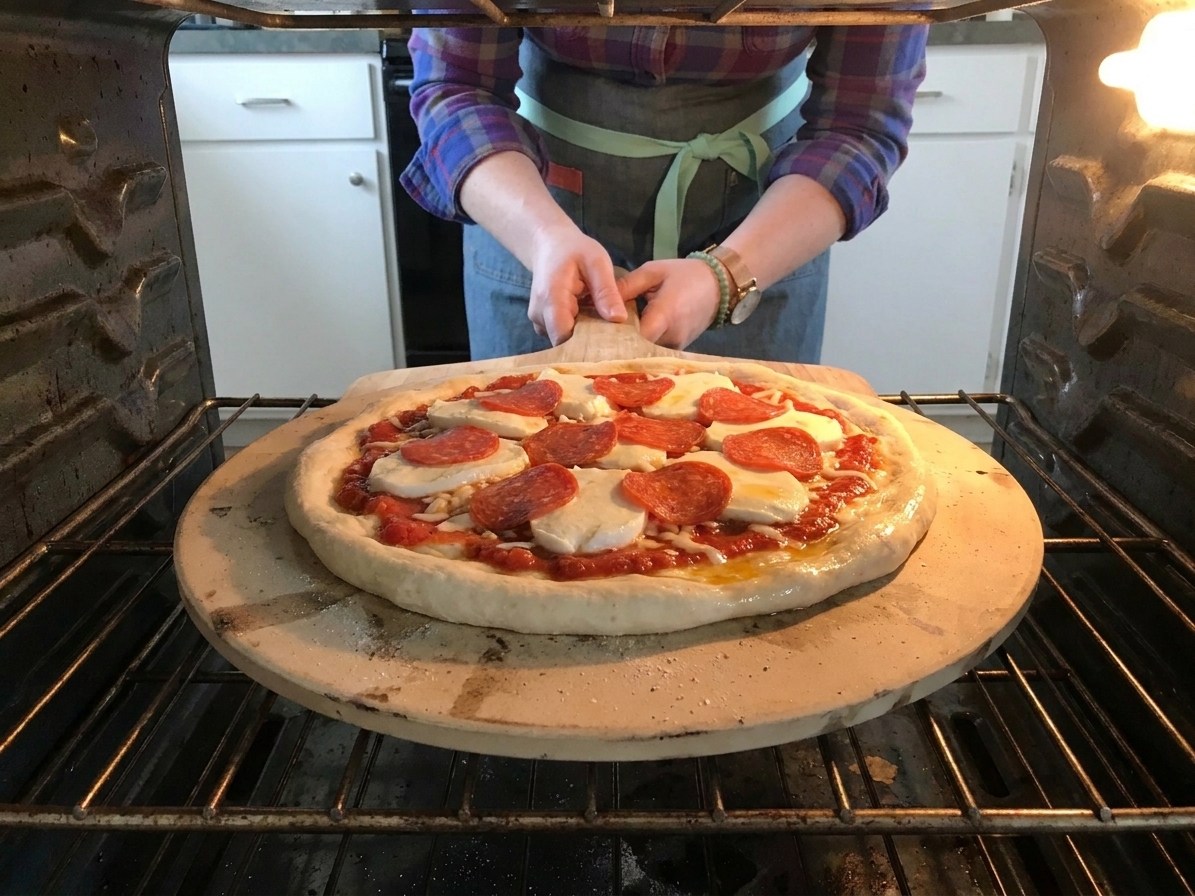
Preheat your oven hard, for a full 30 to 45 minutes, with a pizza stone or steel inside if you have one. If not, preheat an upside-down sheet pan. Also, go lighter on sauce and wet toppings.

My dough keeps snapping back when I stretch it. Help.

It's tense. Let it rest on the counter, covered, for 10 to 15 minutes, then try again. Resting lets the gluten relax so the dough cooperates.

Can I use instant yeast instead of active dry yeast?

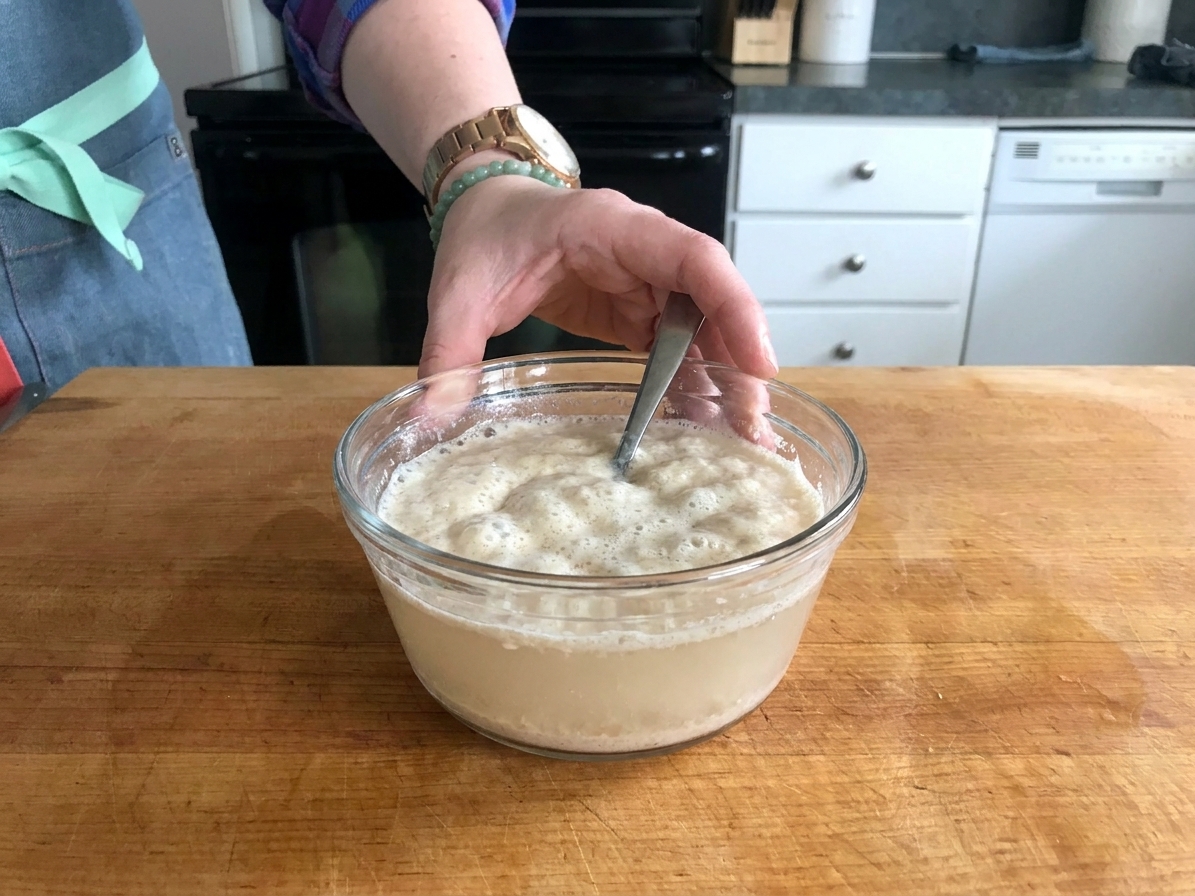
Yes. Use the same amount. You can mix instant yeast right into the flour. I still like dissolving it in warm water because it's an easy “is my yeast alive” check.

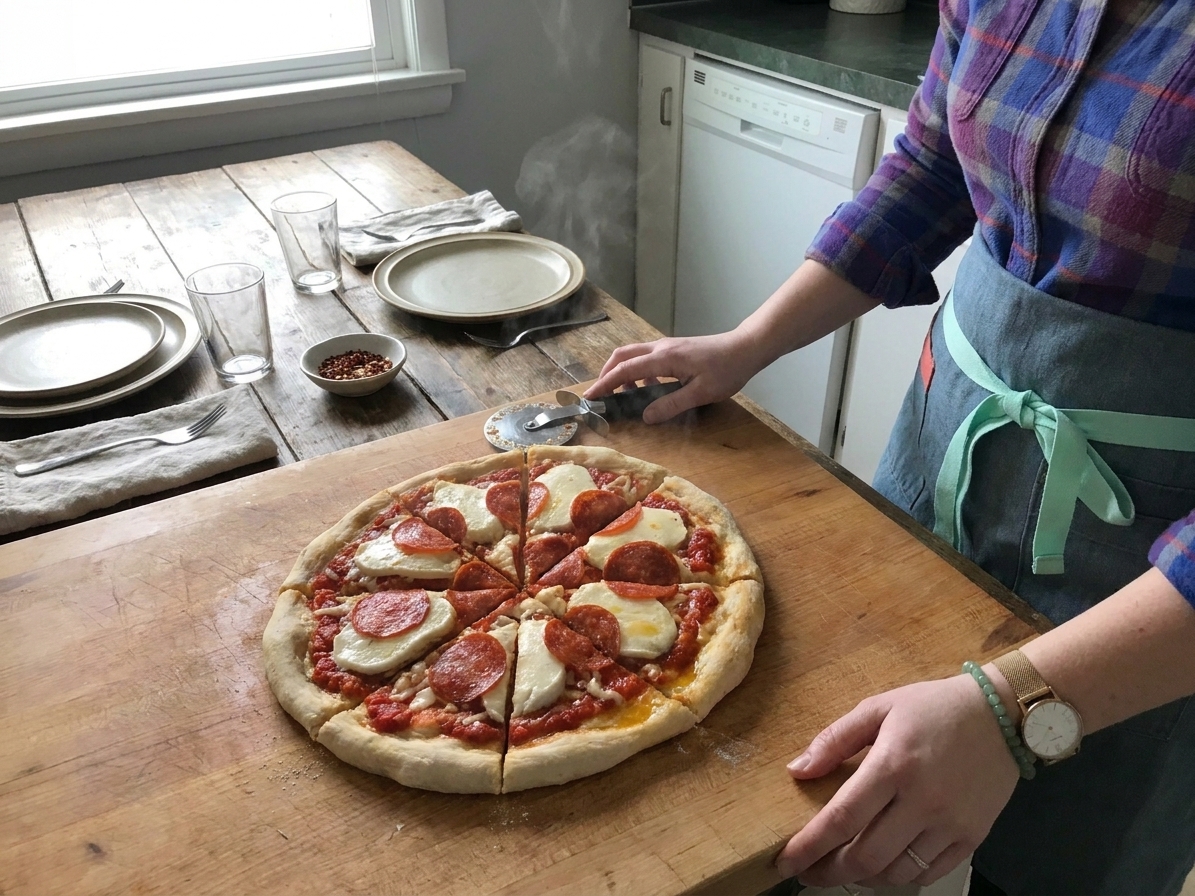
I used to think pizza dough had to be this sacred, perfect thing. Then I started treating it like a teammate. Give it a little structure, let it rest, taste life, and it shows up for you. This dough is the one I make when friends are coming over and I want the kitchen to feel fun instead of stressful. Flour on the counter, music on, someone stealing pepperoni, and me saying, for the tenth time, “Yes, the dough is supposed to feel kind of sticky.”