Mom's Best Recipes
Recipe

Pizza Dough With Yeast

A simple, foolproof pizza base that rises beautifully and bakes up chewy and crisp, perfect for weeknights or a full pizza night spread.

Author By Matt Campbell
4.8
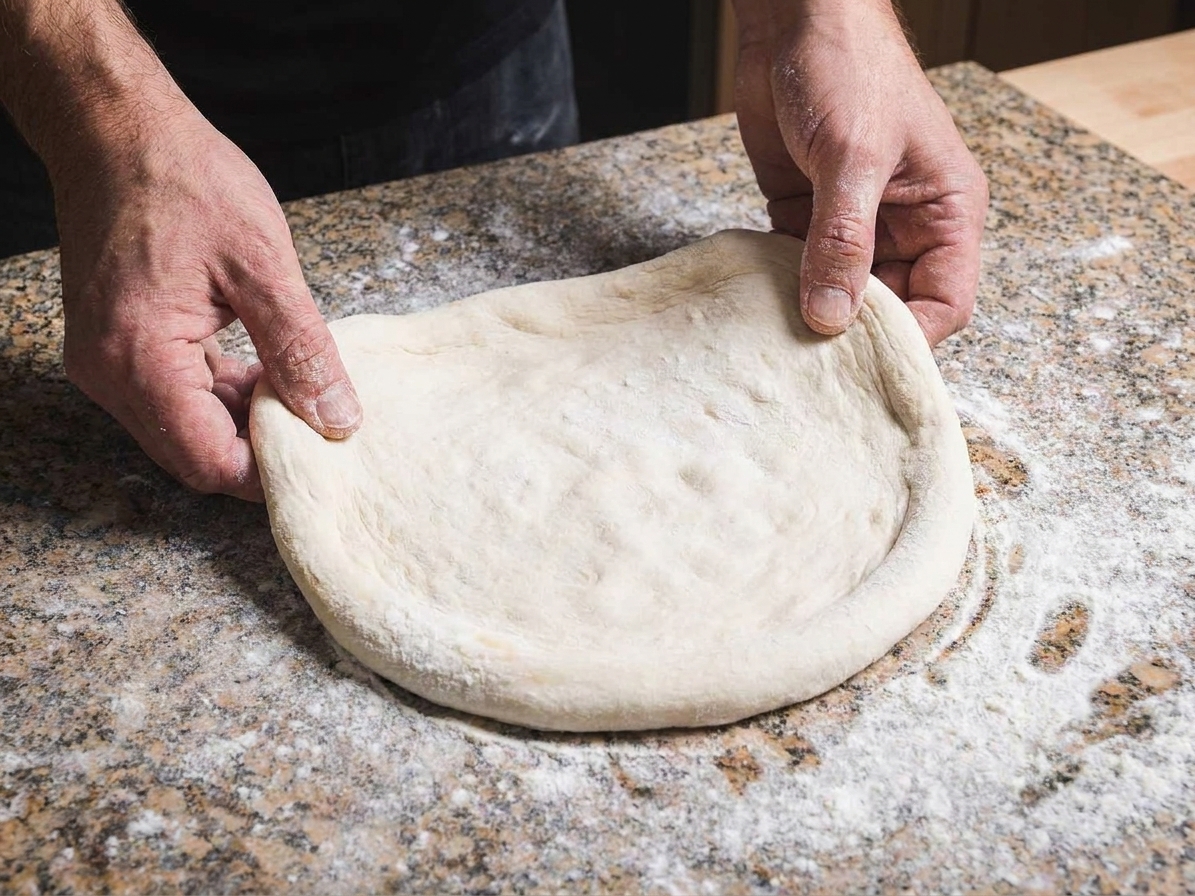
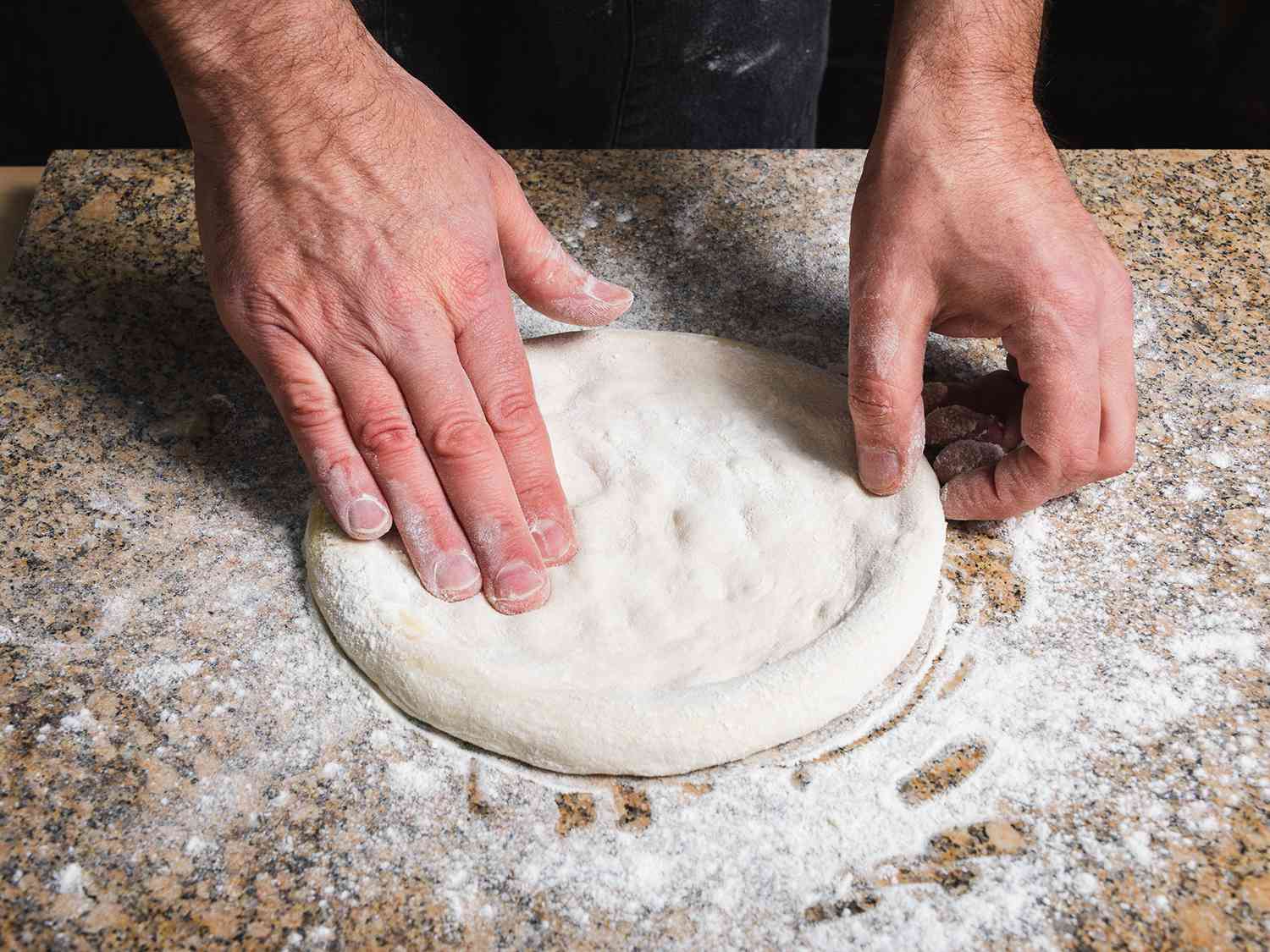
A round of homemade pizza dough stretched into a thin circle on a floured wooden countertop, with a rim left slightly thicker for the crust

There are two kinds of pizza nights. The ones where you panic-order because the dough feels like a sticky science experiment, and the ones where you casually stretch a perfect round, slide it into a hot oven, and act like you do this every Tuesday.

This yeast pizza base is here for the second kind. It is accessible, forgiving, and it delivers the goods: a chewy center, crisp edges, and enough structure to carry sauce and toppings without turning into a sad, soggy triangle.

You can make it the same day or let it hang out in the fridge for extra flavor. Either way, you end up with a crust that tastes like you tried harder than you did.

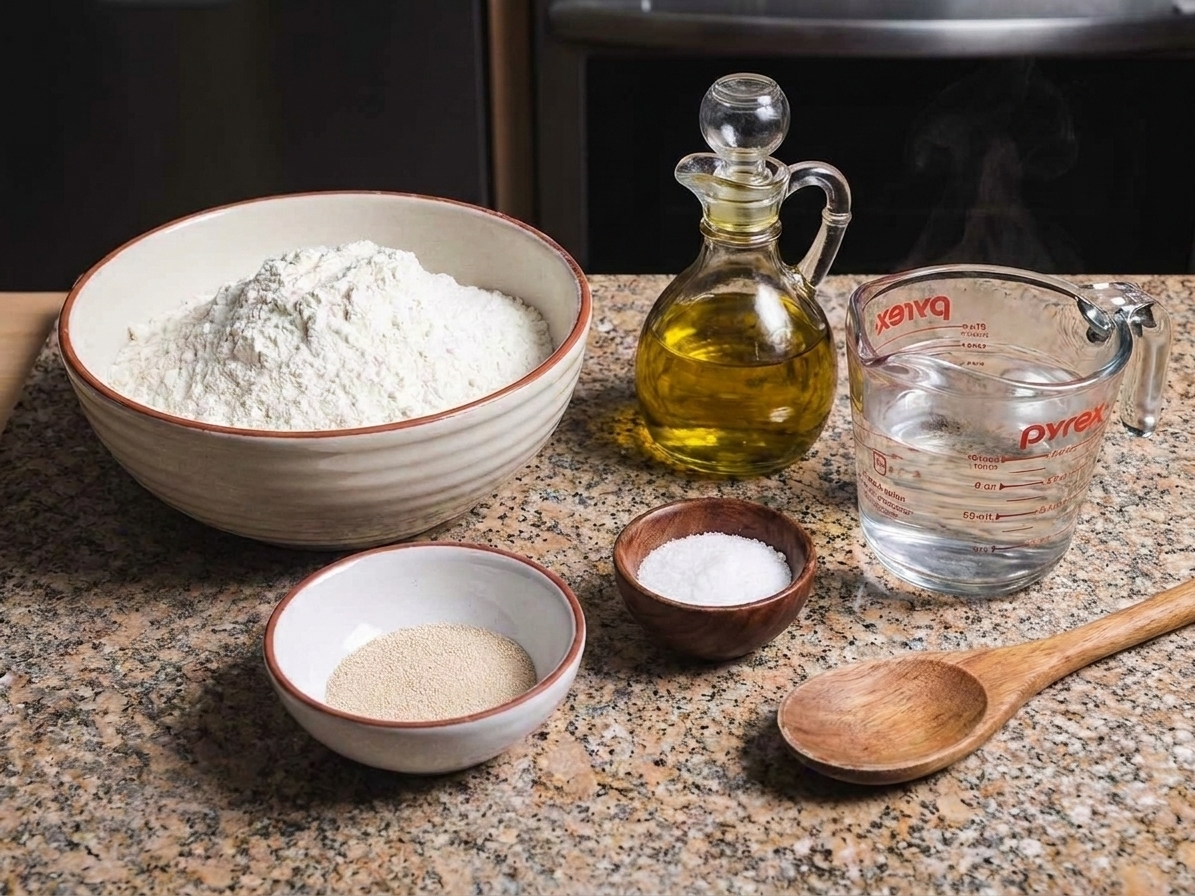
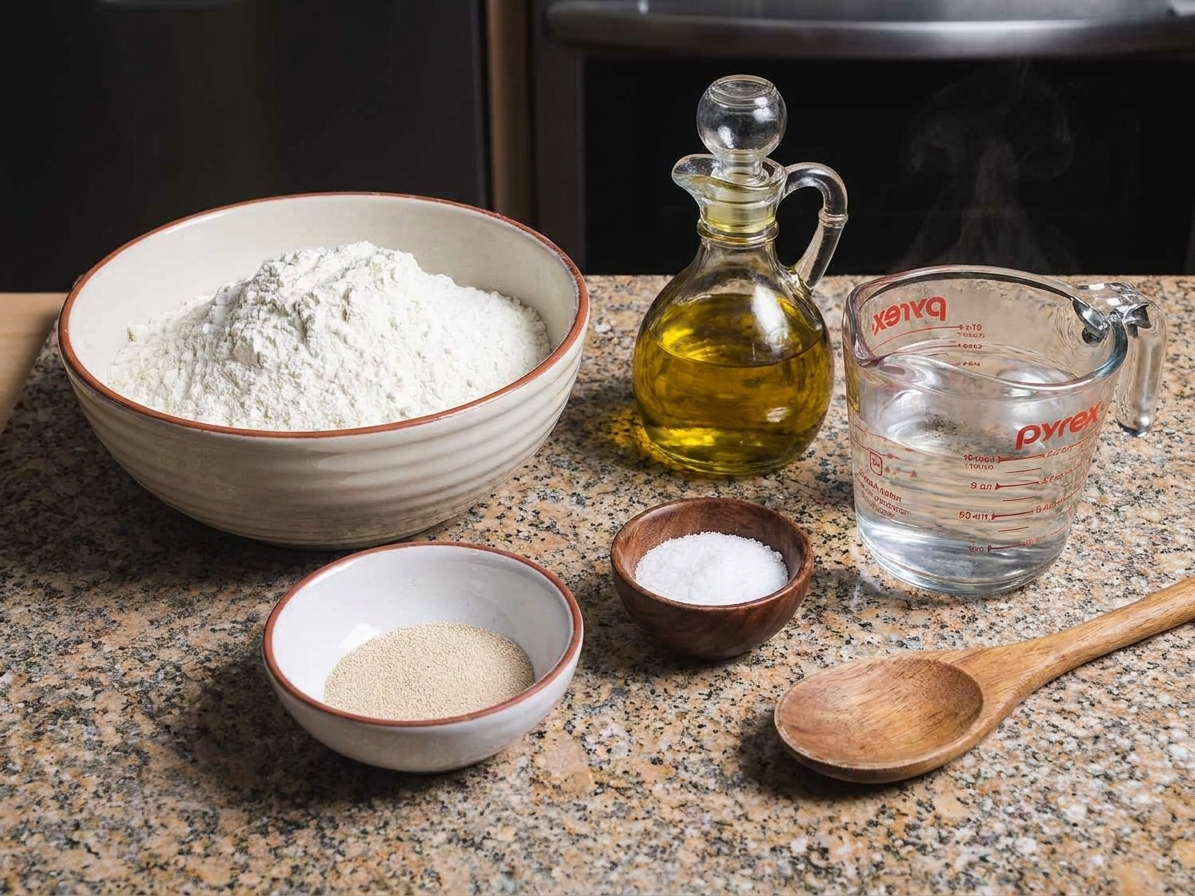
Flour, yeast, salt, olive oil, and warm water measured out on a kitchen counter for making pizza dough

Why It Works

  • Reliable rise, real chew: Yeast gives you that classic pizzeria bite without needing specialty flour or equipment.
  • Crisp edges at home: A hot baking surface and a short rest after shaping help you get a browned bottom and a puffy rim.
  • Flexible timing: Make it in a couple hours, or cold ferment overnight for deeper flavor and easier stretching.
  • Beginner friendly: Clear cues for kneading, proofing, and shaping, plus fixes for sticky dough or springy dough.

Pairs Well With

Storage Tips

Make ahead and storage

Refrigerate (best flavor)

After the first rise, lightly oil the dough ball, place it in a covered container, and refrigerate for up to 3 days. For easier stretching, let it sit at room temp for 60 to 90 minutes before shaping.

Freeze dough

After the first rise, portion into balls, coat lightly with olive oil, and seal in freezer bags. Freeze for up to 3 months. Thaw overnight in the fridge, then rest at room temp until relaxed and slightly puffy.

Store baked crusts

Par-bake shaped dough at 450°F for 4 to 6 minutes until set and just barely starting to color. Cool completely, wrap well, and refrigerate for 2 days or freeze for 2 months. Bake from chilled or frozen with toppings until browned and bubbling.

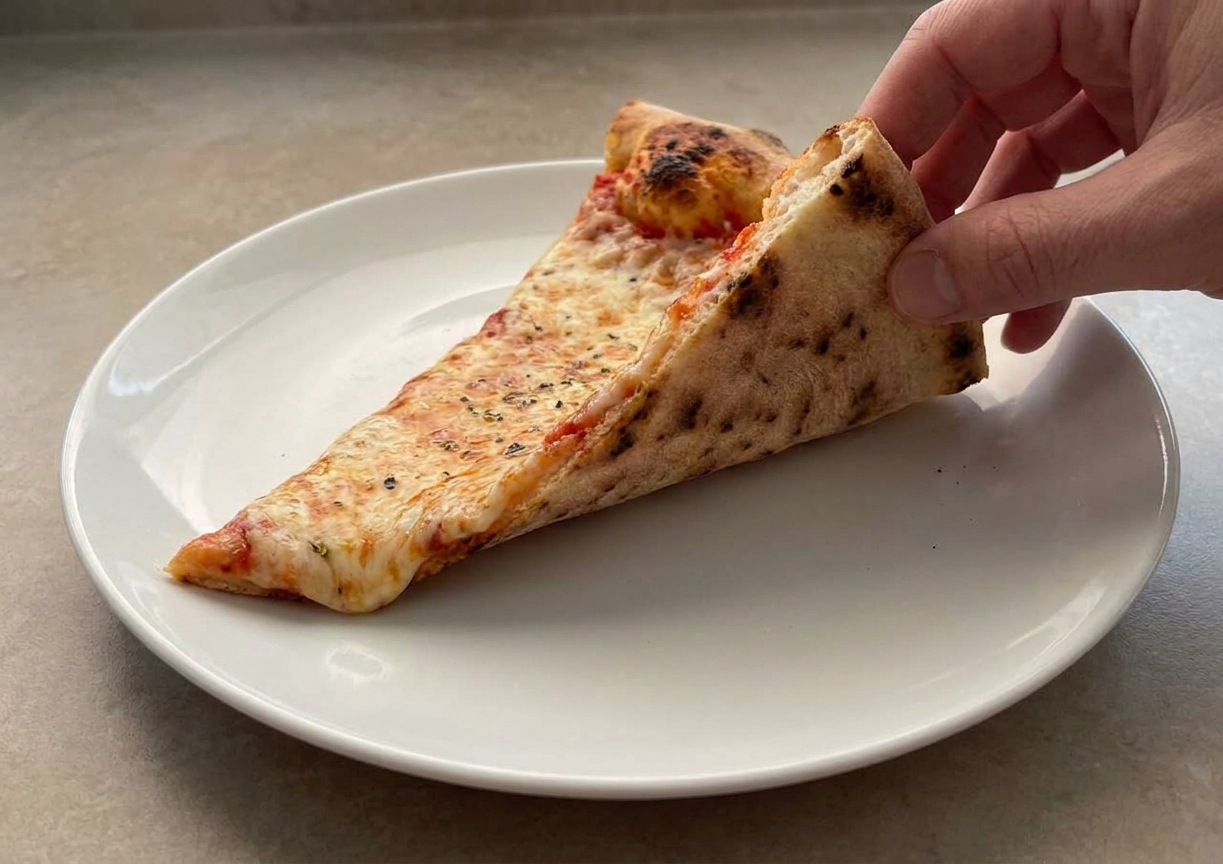
Leftover pizza

Reheat slices in a skillet over medium heat with a lid for 3 to 5 minutes to crisp the bottom and melt the top. Oven also works, but skillet is the crisp-edge cheat code.

Common Questions

Troubleshooting and common questions

What is the best yeast for pizza dough?

Instant yeast is easiest because you can mix it right into the flour. Active dry yeast also works and is what this recipe uses, just bloom it in warm water first. If using instant yeast, you can typically use the same amount and skip blooming.

How warm should the water be?

Aim for about 100°F to 110°F. It should feel warm but not hot. If it feels hot enough to make you pull your finger away, it can damage the yeast.

My dough is sticky. Did I mess it up?

Nope. This is a soft, higher-hydration dough, so some stickiness at the start is normal. Knead for a few minutes first. If it is still unmanageable, add flour 1 tablespoon at a time until it is tacky but workable. Too much flour makes a tough crust, so go slow.

My dough is tight and keeps shrinking when I stretch it. Why?

That is gluten doing its job a little too enthusiastically. Cover the dough and let it rest for 10 to 15 minutes, then try again. Resting relaxes the dough and makes stretching easy.

Do I need bread flour?

No. All-purpose flour makes a great home pizza base. Bread flour will give slightly more chew and structure. Use whichever you have.

How do I know when the dough is kneaded enough?

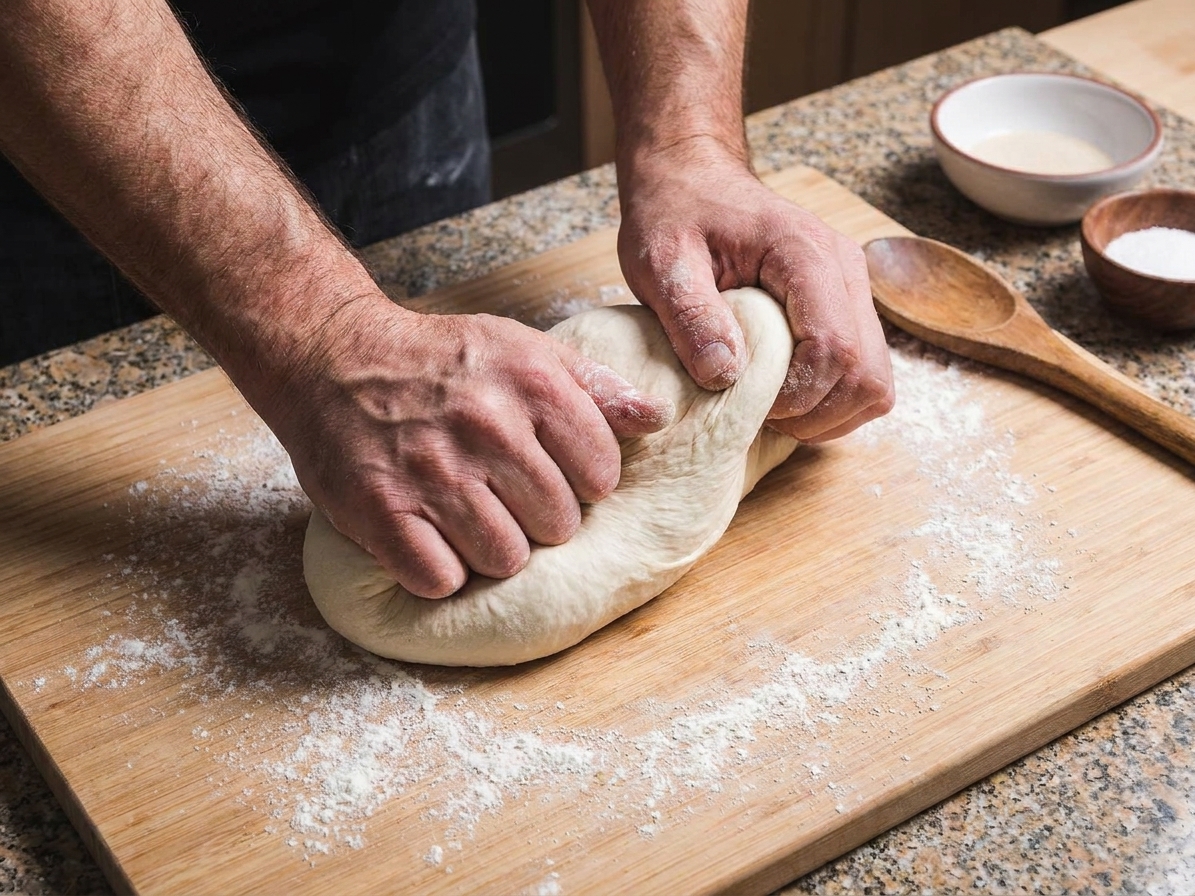
Look for dough that is smoother, stretchy, and springs back when you poke it. If you pull off a small piece, you should be able to stretch it thin enough to see light through it before it tears (a rough windowpane test). It does not have to be perfect.

How do I get a crisp bottom in a home oven?

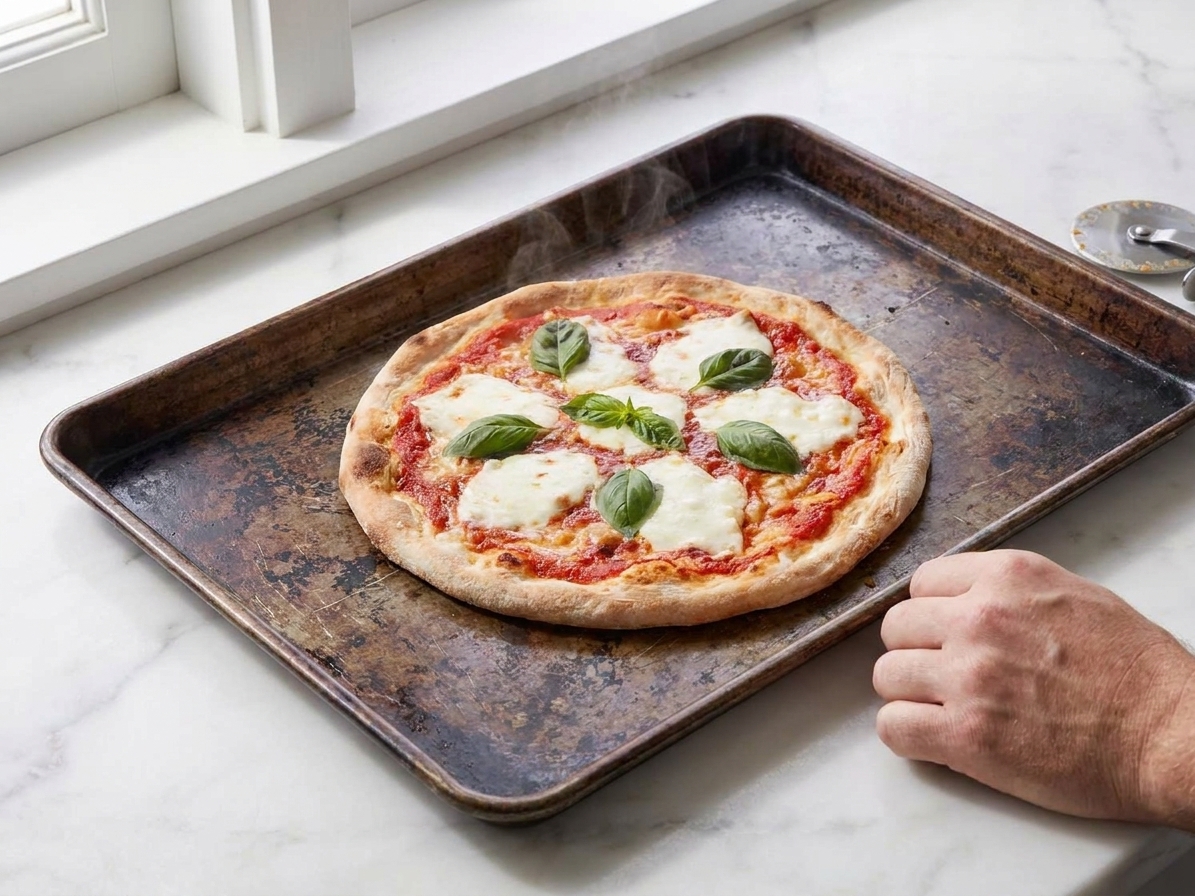
Preheat your oven for a full 30 minutes with a pizza stone or steel inside if you have one. If not, preheat an inverted sheet pan. Also keep sauce and watery toppings in check.

My top is pale but the crust is done. Help.

Move the pizza to a higher rack for the last minute or two, or finish with the broiler for 30 to 90 seconds. Stay close. Broilers go from “perfect” to “oops” fast.

Can I make this dough without a mixer?

Absolutely. A bowl, a spoon, and your hands are enough. Kneading by hand takes about 8 to 10 minutes.

I used to think pizza dough was either a magical talent you inherited at birth or a guaranteed way to ruin a weeknight. Then I started treating it like a teammate instead of a test. Give it warmth, time, and a little patience, and it shows up for you.

This is the dough I come back to when I want pizza that feels fun instead of fussy. It is the kind of base that forgives imperfect circles, extra flour on the counter, and the occasional topping pile-up. Honestly, that is the energy I want in my kitchen.