Is powdered sugar frosting the same as buttercream?
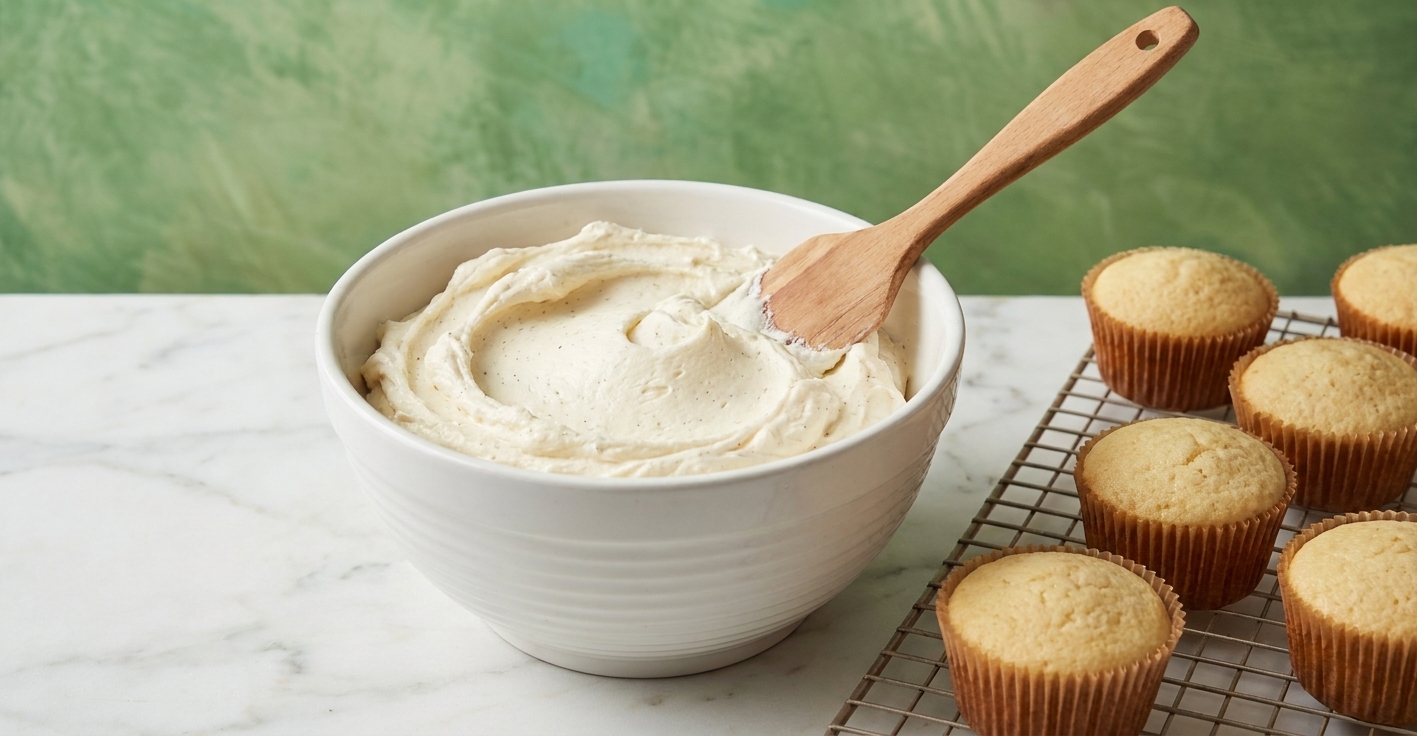
Not exactly. This is a simple powdered sugar frosting that uses a small amount of butter for flavor and body, but it is lighter and quicker than a classic American buttercream. It also tends to crust faster and is commonly used for glazes and cookie icing.
Can I make a butter-free version?
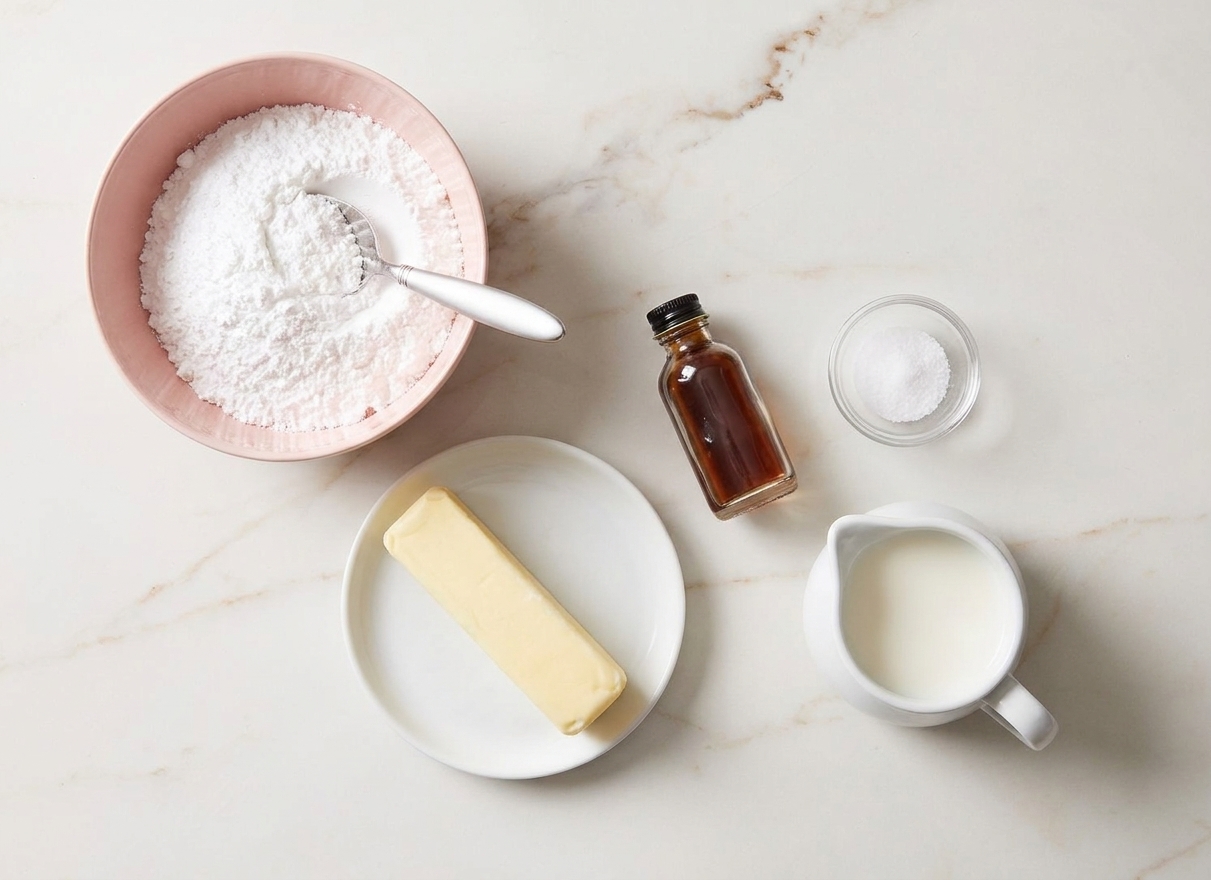
Yes. For a simple powdered sugar glaze, whisk 2 cups powdered sugar with 2 to 4 tablespoons milk, water, or citrus juice plus a pinch of salt and a splash of vanilla. It sets a bit more like a classic glaze, but you will miss the buttery flavor.
How do I make it thicker for piping?
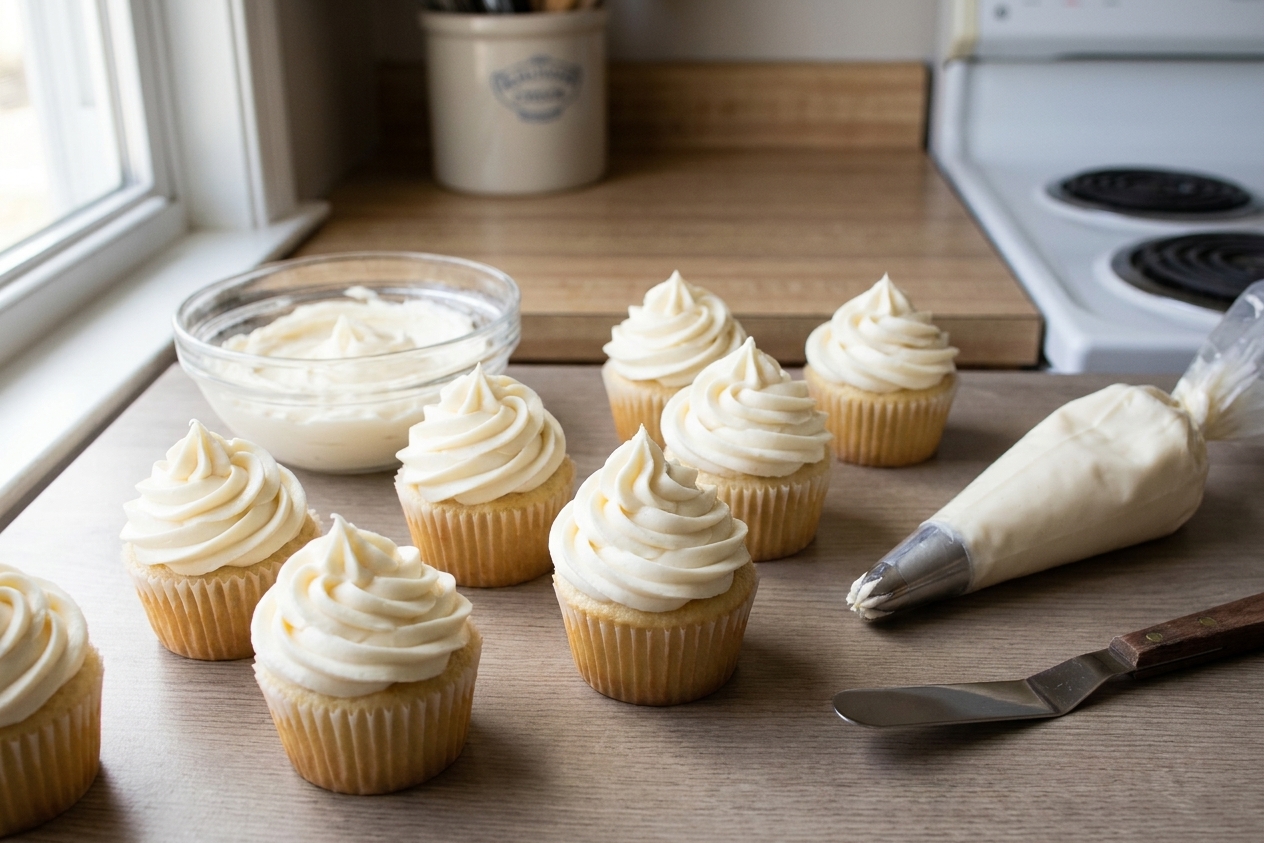
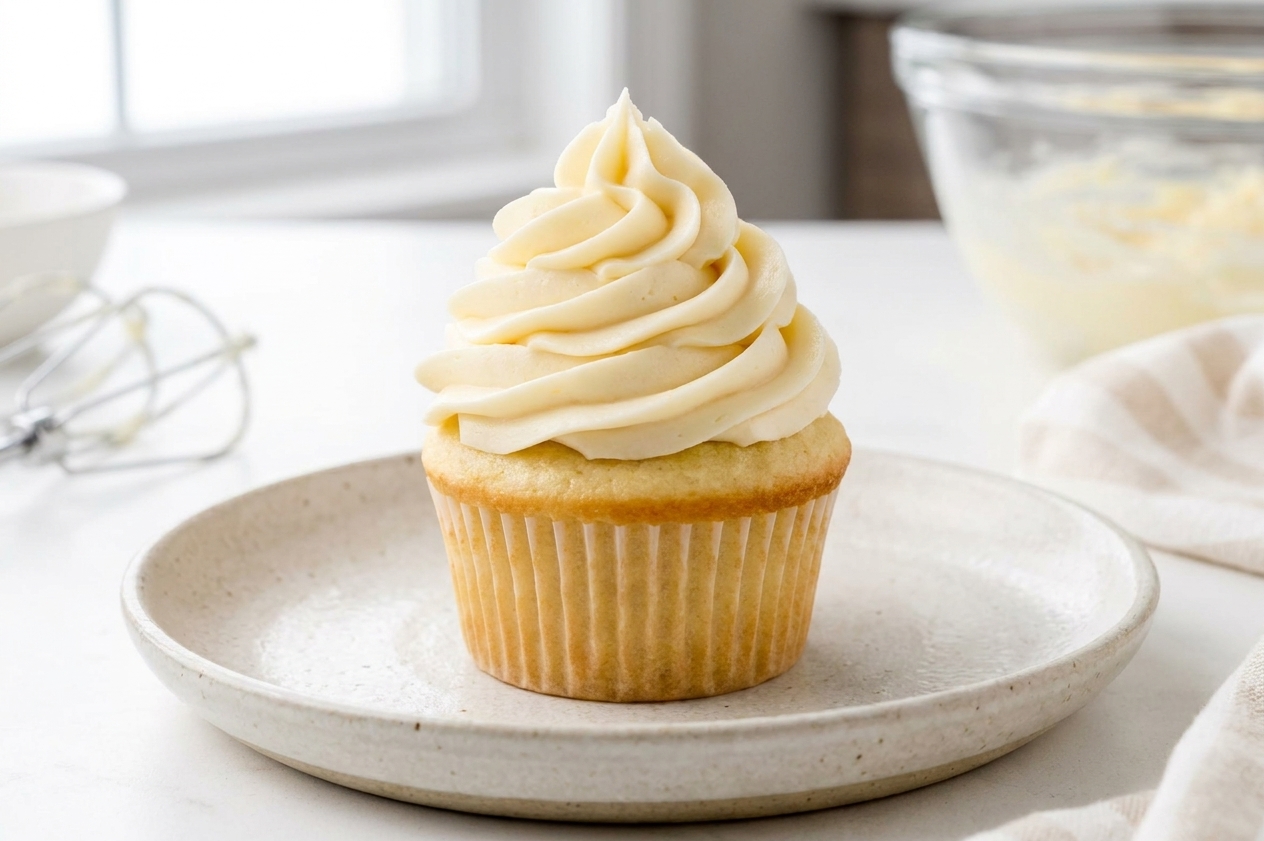
Use less milk and beat a bit longer. Start with the smallest amount of milk listed, then add only if needed. If it still feels loose, add powdered sugar 2 tablespoons at a time until it holds soft peaks.
How do I make it thin enough to drizzle?
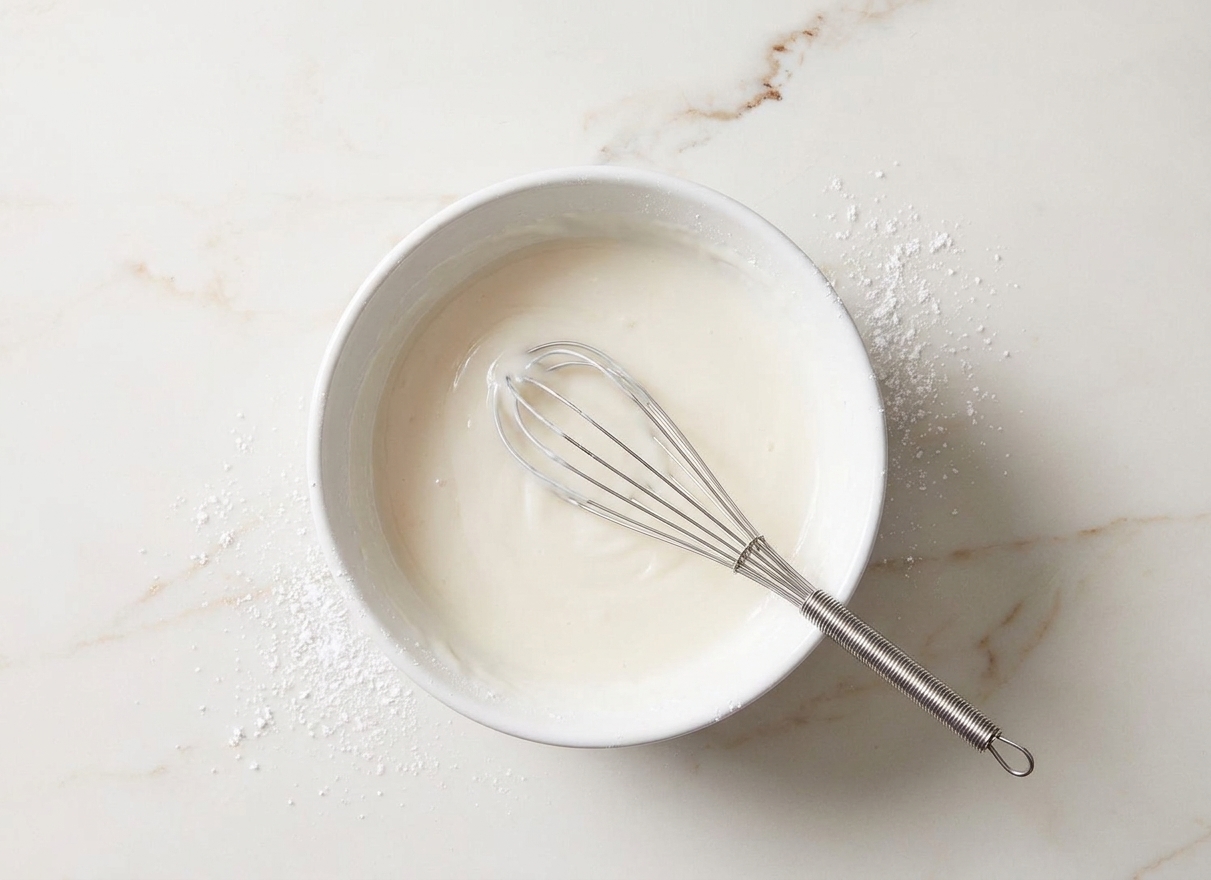
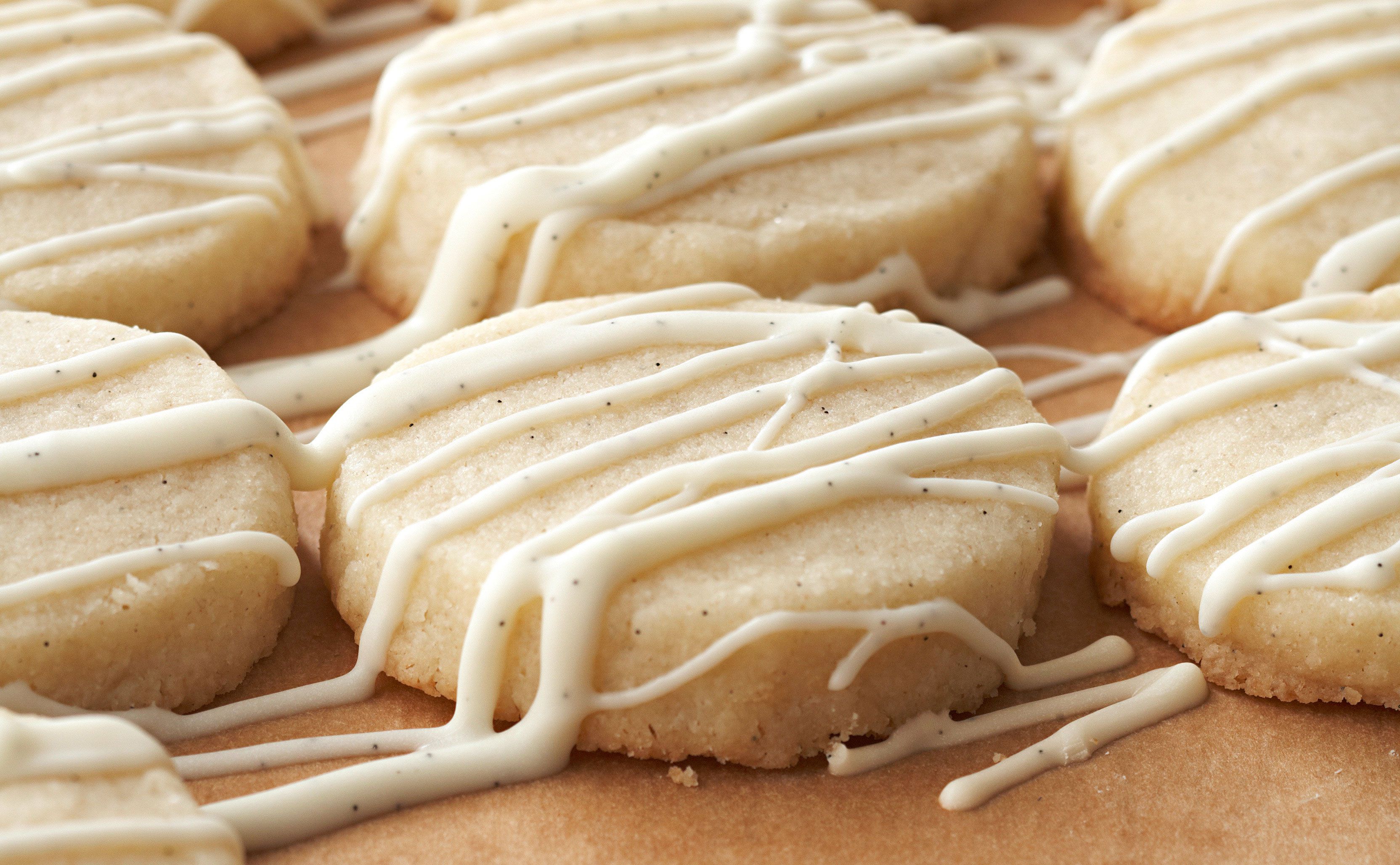
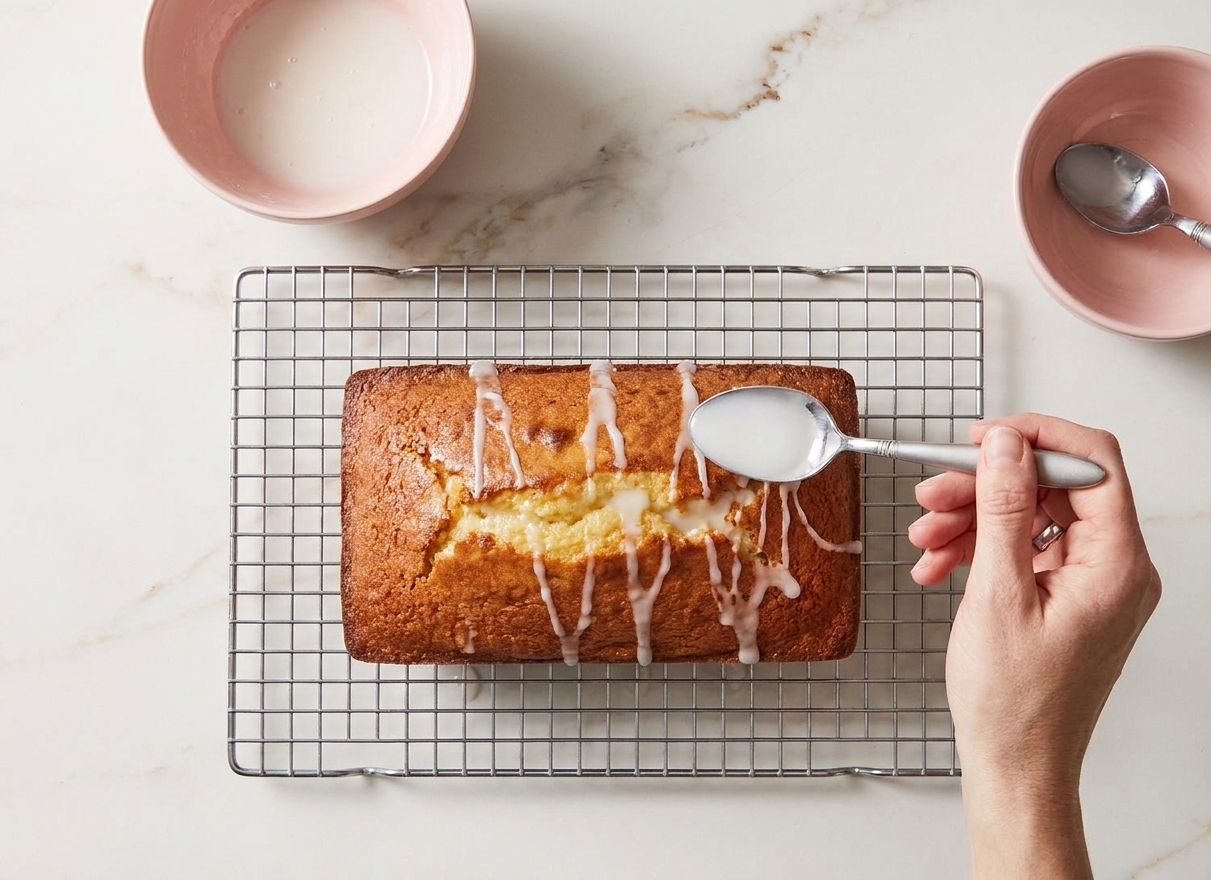
Add milk 1 teaspoon at a time until it ribbons off a spoon. For a true glaze, you want it to fall in a steady stream and melt back into itself within a few seconds. Most of the time, you will land there with about 3 to 4 tablespoons total liquid, depending on humidity and how soft your butter is.
Why is my frosting grainy?
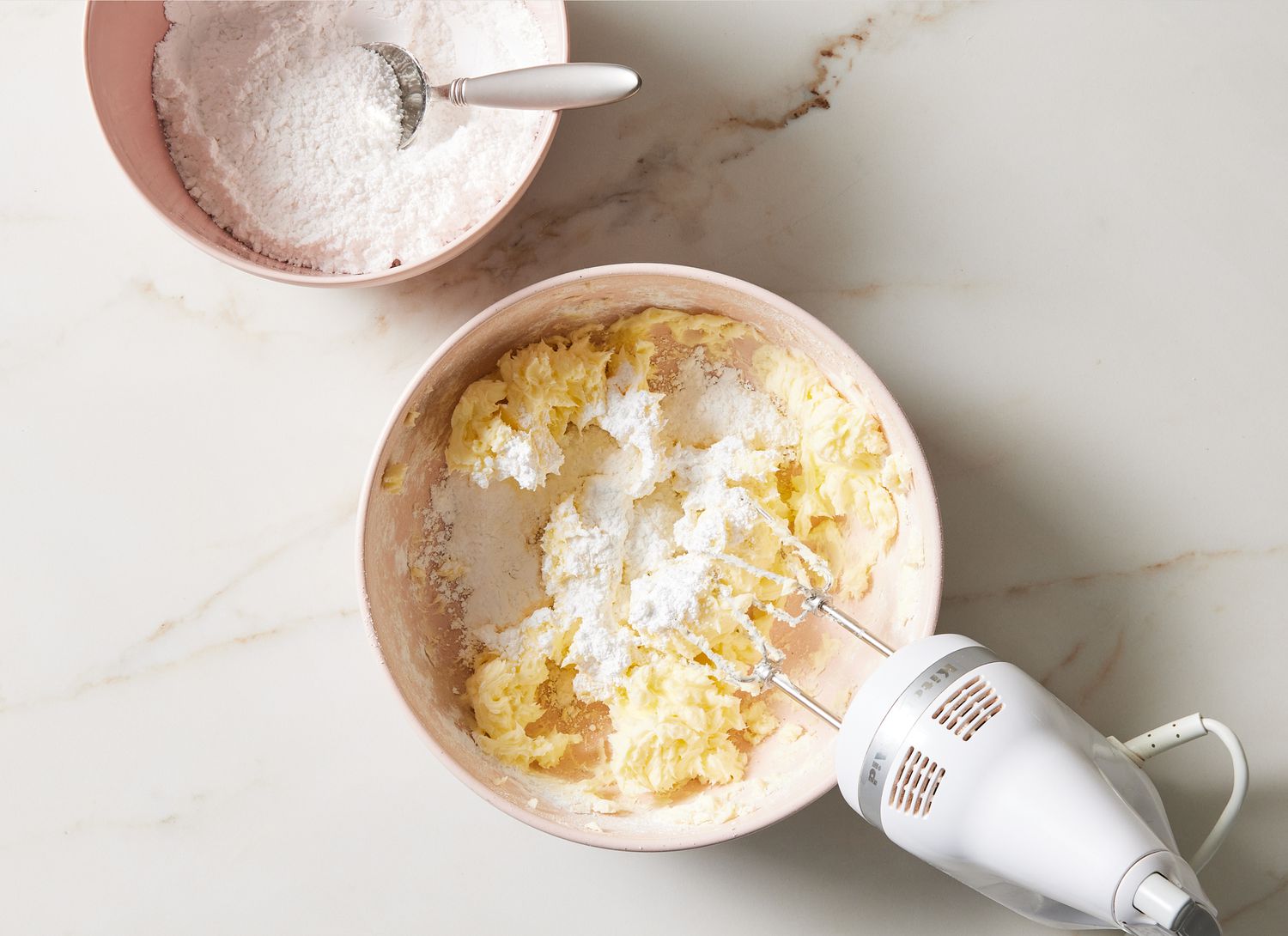
Usually it is under-mixed, the powdered sugar is lumpy, or the butter was too cool. Use softened butter (pliable but not melted), sift the powdered sugar if you can, and whisk or beat for an extra minute. A tiny splash of milk can help it smooth out.
Can I use water instead of milk?
Yes. Water works for a clean, simple glaze. Milk or cream tastes richer. For extra tang, use lemon juice, orange juice, or even coffee as part of the liquid.
Does this frosting harden?
It usually sets and lightly crusts on top, especially in a thin layer or drizzle. It will not become rock-hard like royal icing, but it can become firm enough to stack cookies once fully set. Humidity and how much liquid you use will affect the finish.
Can I color it?
Yes. Gel food coloring is best because it adds strong color without thinning the frosting too much. If you use liquid coloring, add it before you finish adjusting the thickness.
Should I frost cooled or warm baked goods?
Cooled is best for a thicker, opaque look that stays put. If you glaze something slightly warm, the frosting will melt thinner, look more translucent, and run more, which can be great if you want that sink-in bakery glaze vibe.