Mom's Best Recipes
Recipe

Prime Rib Hash

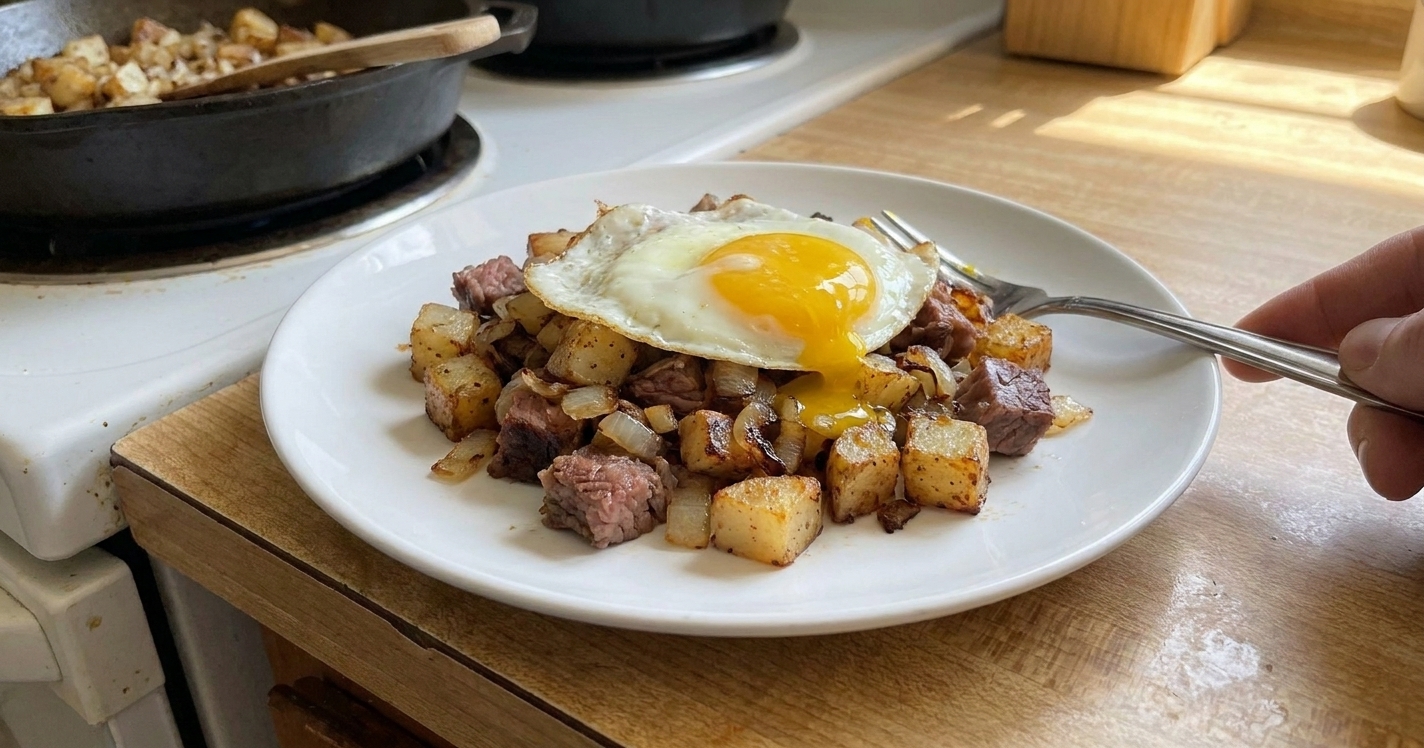
A breakfast skillet of chopped leftover prime rib, crisp potatoes, sweet onions, and eggs, with simple tricks to brown the meat without overcooking it.

Author By Pip
4.8
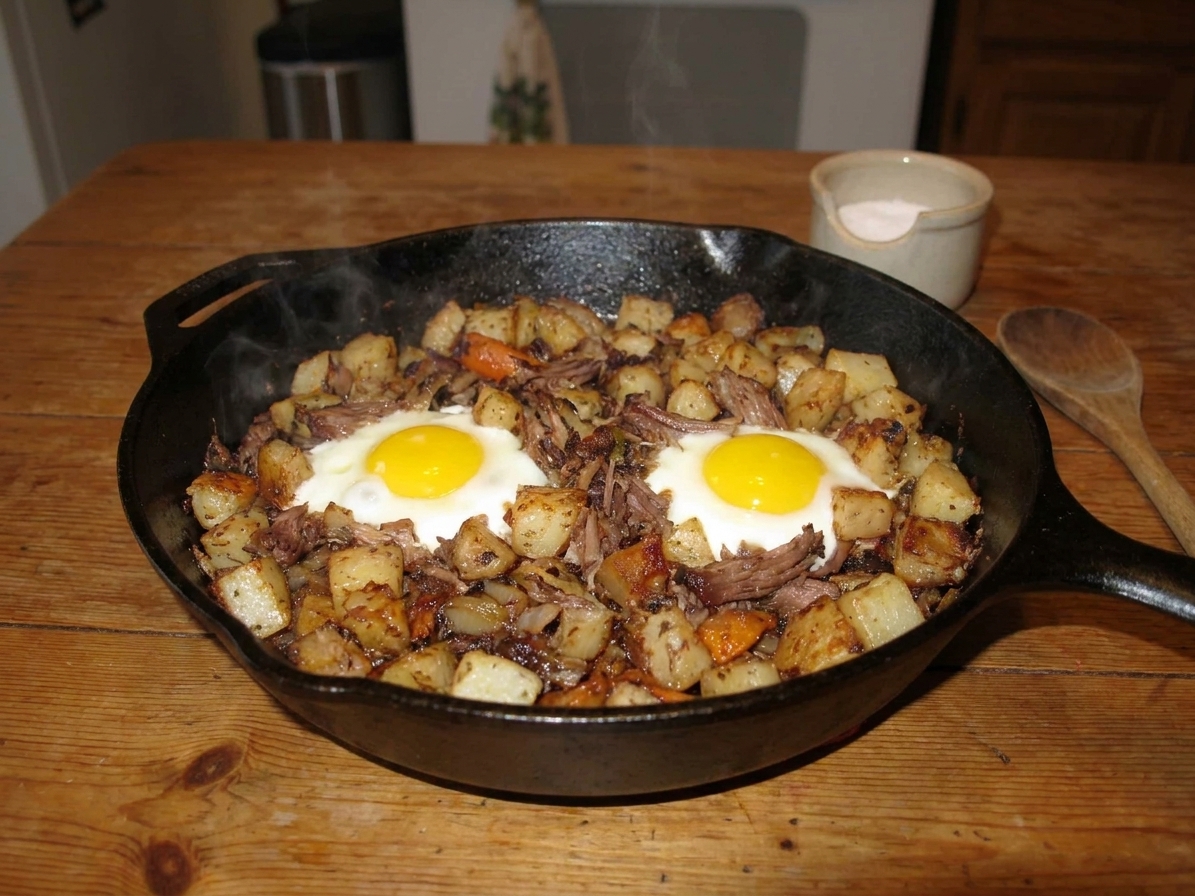
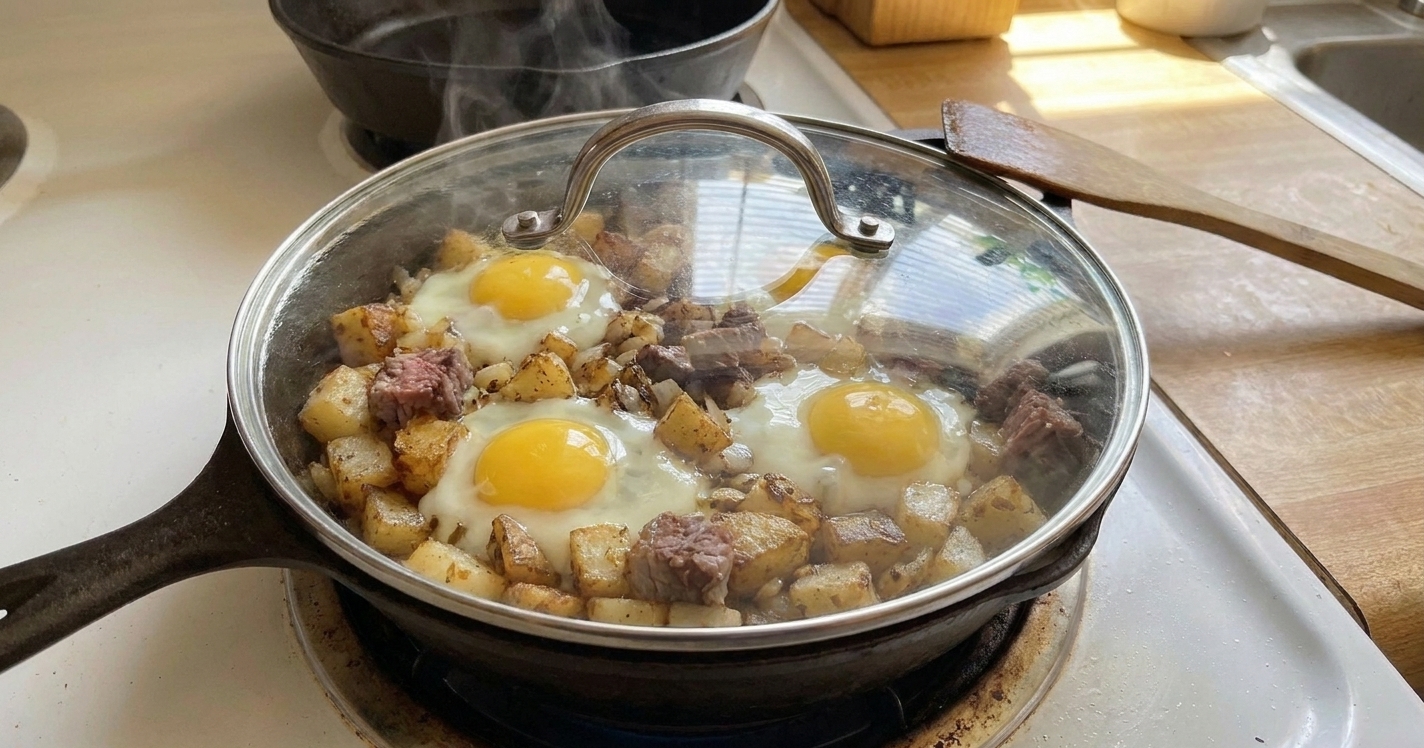
A cast iron skillet of prime rib hash with crispy diced potatoes, browned onions, and two sunny-side-up eggs on top on a warm kitchen counter

Small paws, big appetite, and a soft spot for comfort food.

If you have leftover prime rib in the fridge, you’re only one skillet away from a breakfast that feels a little fancy but behaves like a cozy diner classic. This prime rib hash is all about crispy potatoes, deeply browned onions, and beef that gets a quick sear without being cooked into sadness.

I’ll show you exactly how to dry the meat so it browns, the potato size that stays crisp, and my favorite little fix: a spoonful of au jus at the end if your beef needs a bit of help.

Yield note: This recipe fills a 10 to 12 inch skillet nicely and makes about 4 hearty servings.

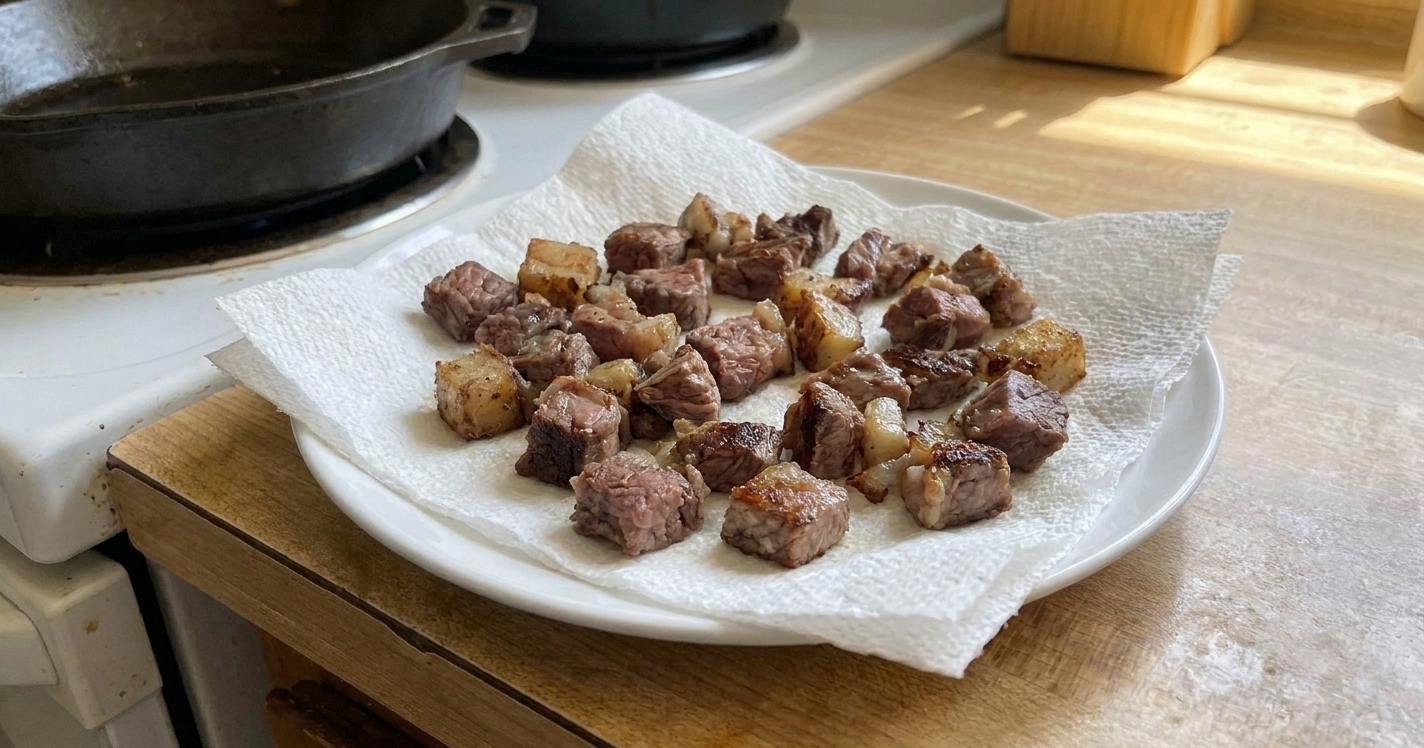
Chopped leftover prime rib pieces spread on a plate lined with paper towels to dry before browning

Why It Works

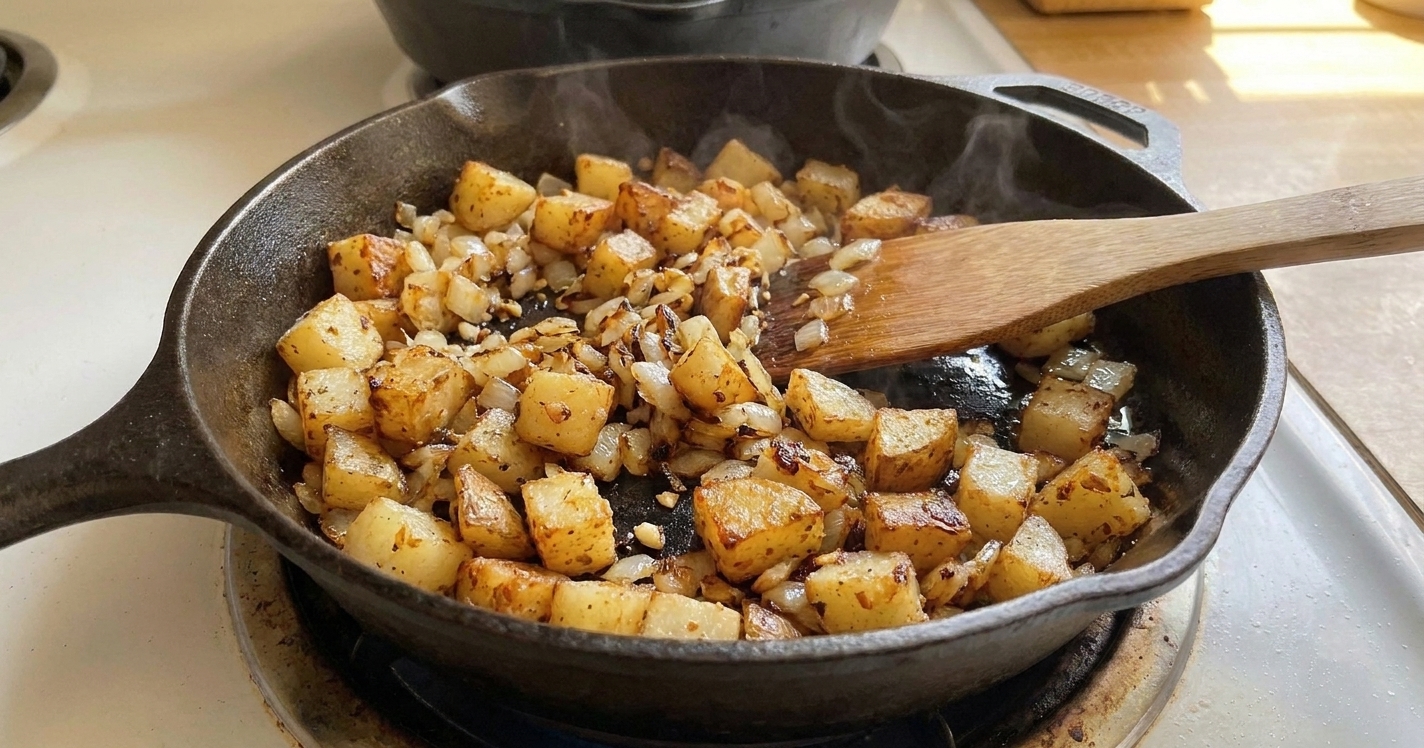
  • Crisp, golden potatoes with enough surface area to brown, not steam.
  • Prime rib that actually browns because we blot and chill it first, then sear fast.
  • Eggs cooked your way right on top, for an easy one-skillet breakfast.
  • Built-in insurance for dry beef with a small splash of au jus added at the very end.

Pairs Well With

Storage Tips

Storage Tips

Refrigerate

Cool the hash, then store it in an airtight container in the fridge for up to 3 to 4 days. If possible, store eggs separately so they don’t overcook when you reheat.

Reheat

For best crispiness, reheat in a skillet over medium heat with a small pat of butter or a drizzle of oil. Spread it out and let it sit for a few minutes before stirring.

Freeze

You can freeze the potato and beef portion for up to 2 months. Thaw overnight in the fridge, then re-crisp in a skillet. I don’t recommend freezing cooked eggs on top.

Common Questions

Common Questions

How do I keep the prime rib from drying out in hash?

Two things help most: use cold, dry beef (so it sears fast) and add it late. Cook the potatoes and onions first, then toss the prime rib in just long enough to brown the edges and warm through. If it still seems dry, stir in 1 to 2 tablespoons au jus right at the end.

What is the best potato cut for crispy hash?

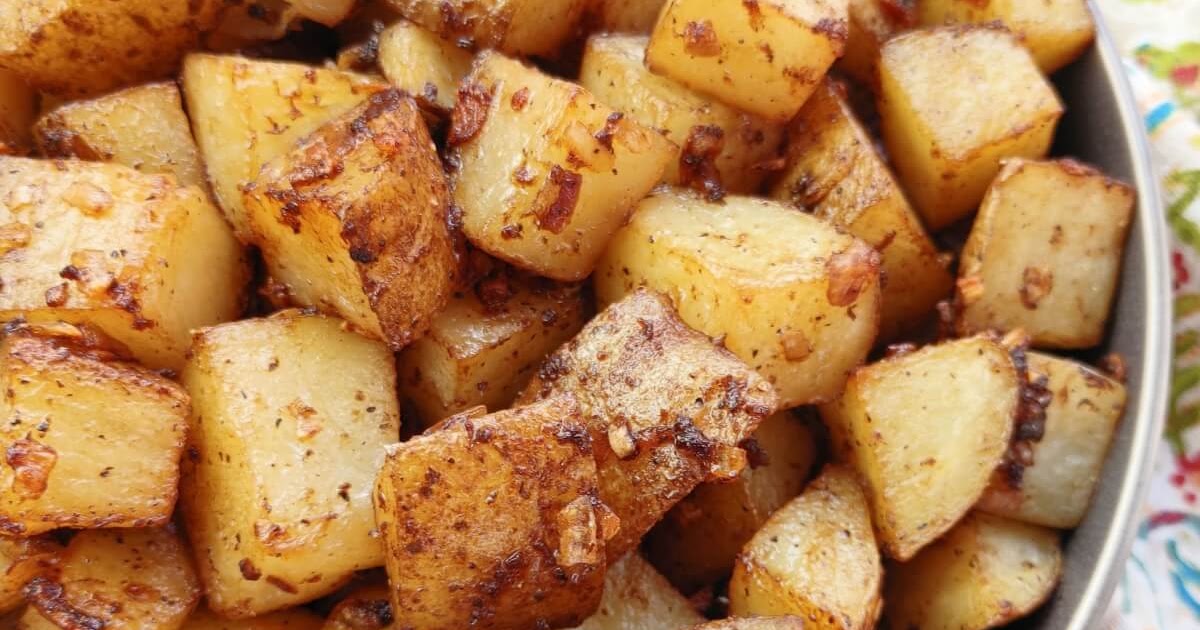
Go for a small dice, about 1/2-inch cubes. Smaller than that can turn mealy, and larger cubes take longer and tend to brown on the outside while staying firm inside.

Should I use Yukon Gold or russet potatoes?

Yukon Gold gives you a slightly creamier center with crisp edges. Russets are drier and can get extra crispy. Either works. If you use russets, be gentle when stirring because they break up a bit more.

Should I parboil the potatoes first?

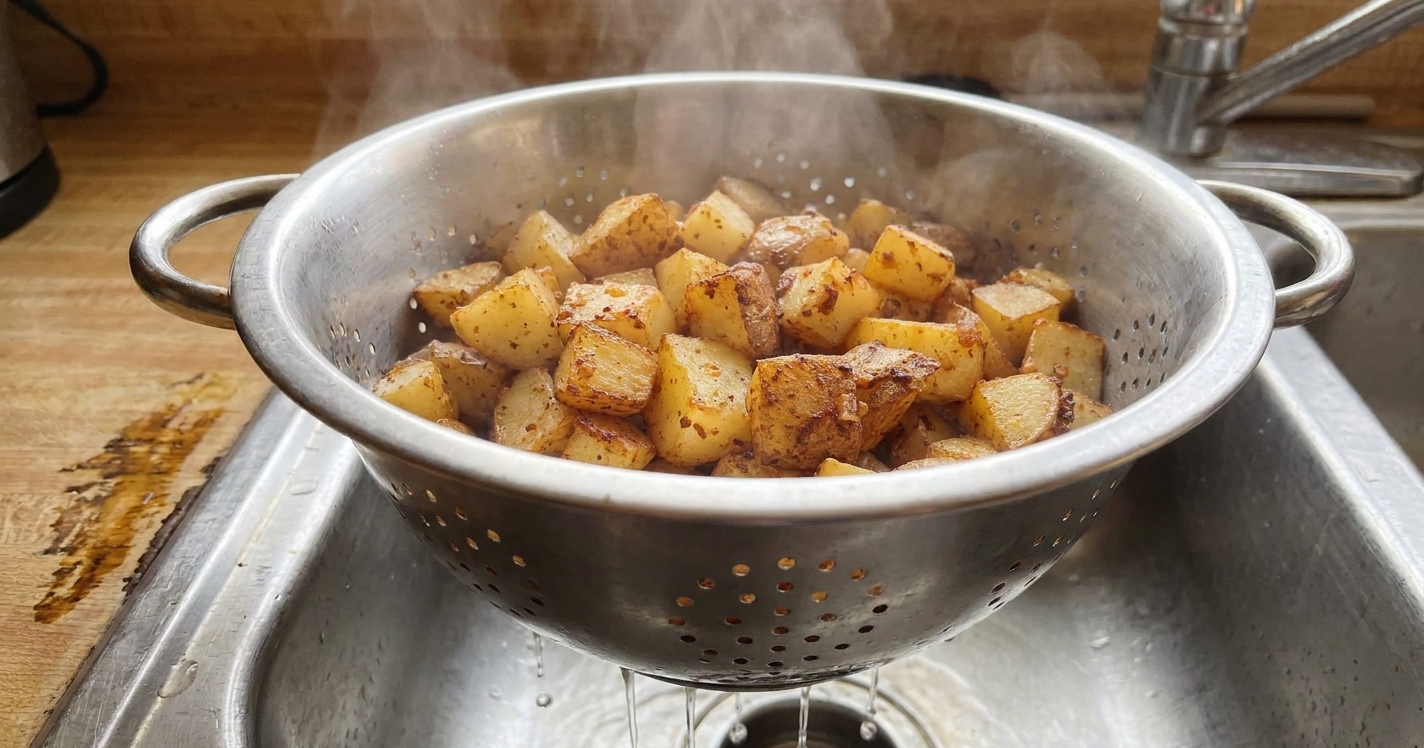
If you want the crispiest results with the least waiting, yes. A quick 4 to 5 minute simmer makes the centers tender so the skillet can focus on browning, not steaming.

Can I make this without au jus?

Absolutely. A splash of beef broth works, or even a tiny bit of water plus a pinch of salt. The goal isn’t to make it wet. It’s just to give the beef a little gloss and moisture at the finish.

What egg style works best on top?

Sunny-side up or over-easy is classic, but scrambled works too. If you like runny yolks, keep the heat on low once the eggs are added and cover the skillet so the whites set gently.

Do I need to add more salt?

Maybe, maybe not. Leftover prime rib and au jus can be salty, so taste the hash before you add final salt, especially after the beef goes in.
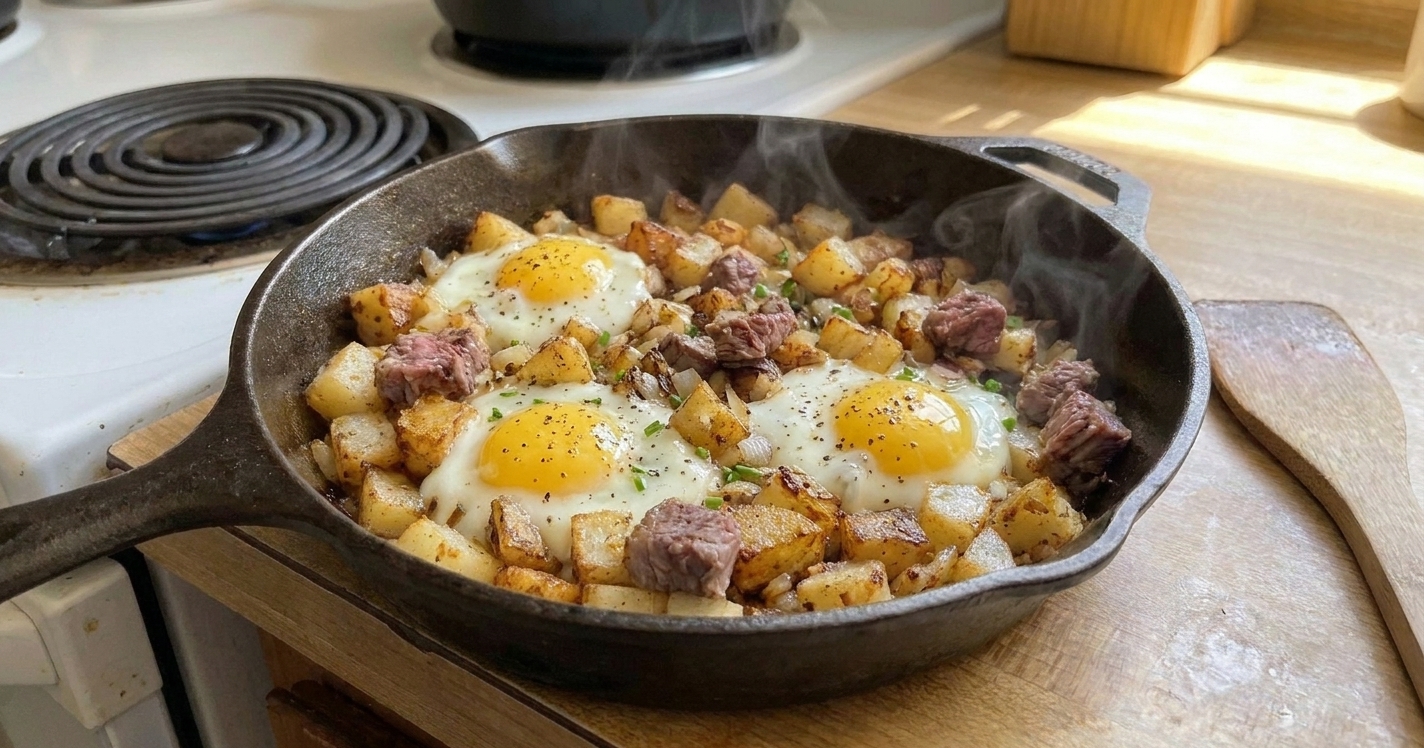
Whenever prime rib shows up at dinner, my little hedgehog brain starts plotting breakfast before the plates are even cleared. Hash is my favorite kind of kitchen mischief: yesterday’s fancy roast turns into crispy, cozy, skillet magic today. The only rule I take seriously is this: the beef gets a quick sear, not a second full cook. Prime rib already did its job.