Is mofongo Puerto Rican or Dominican?
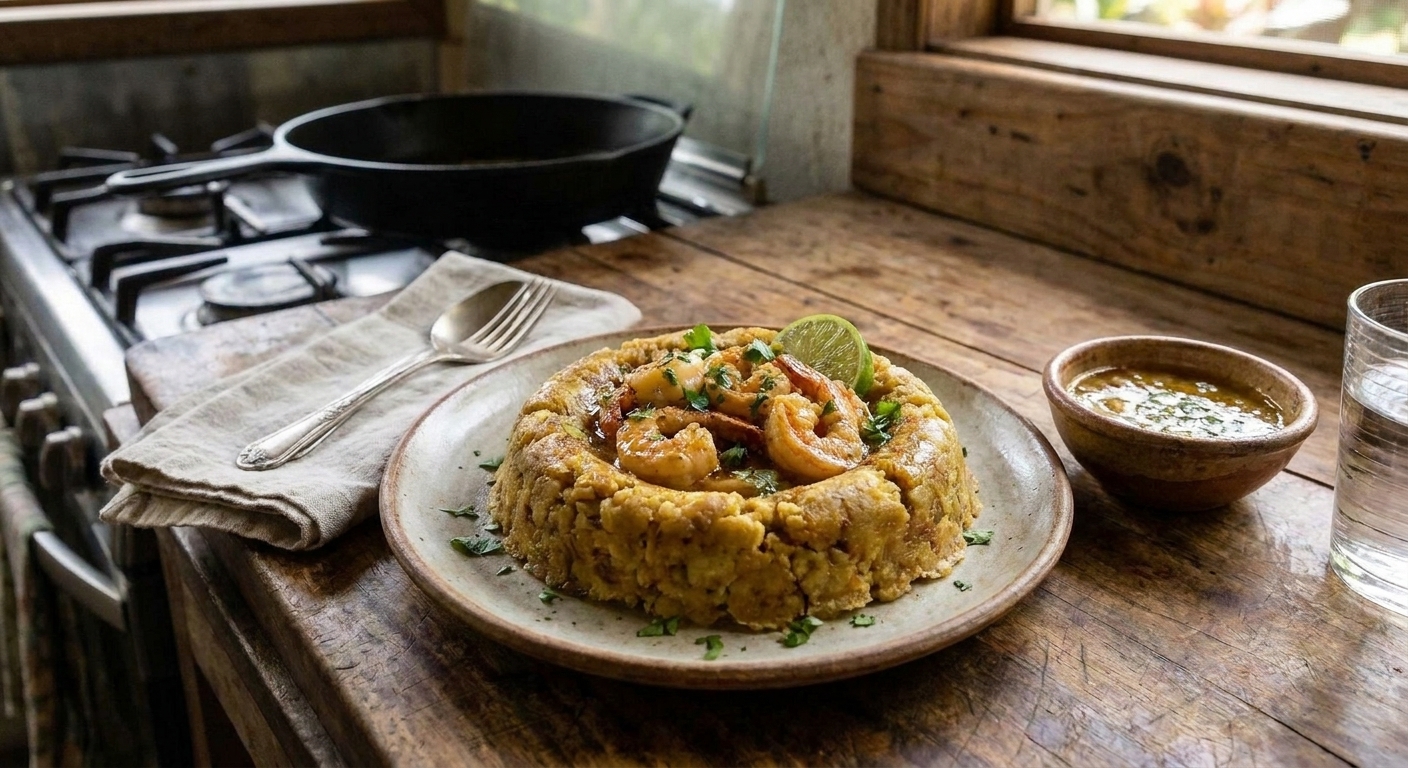
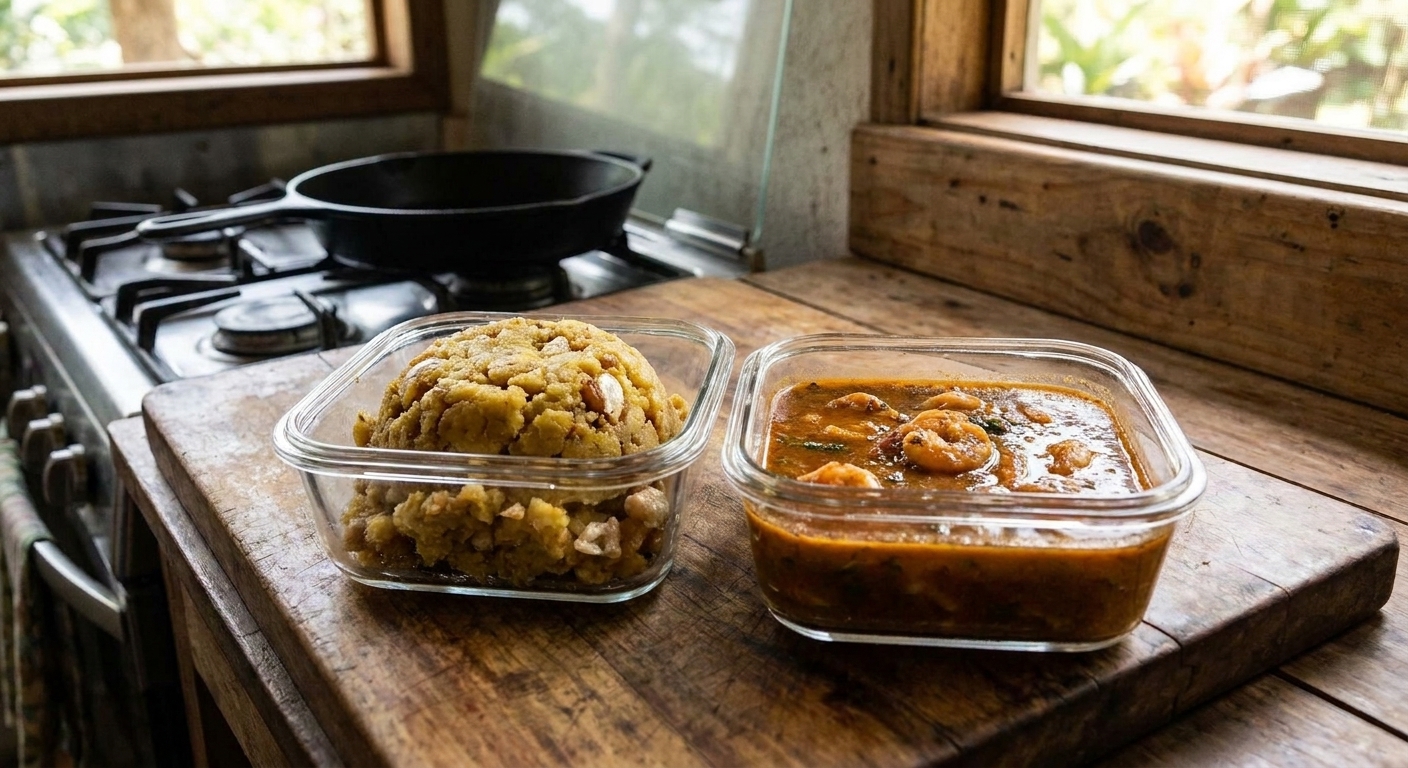
Both cuisines have beloved versions. Puerto Rican mofongo is especially associated with garlicky mashed fried plantains with chicharrón, often served with broth or topped with seafood or meat.
Do I have to use a pilón?
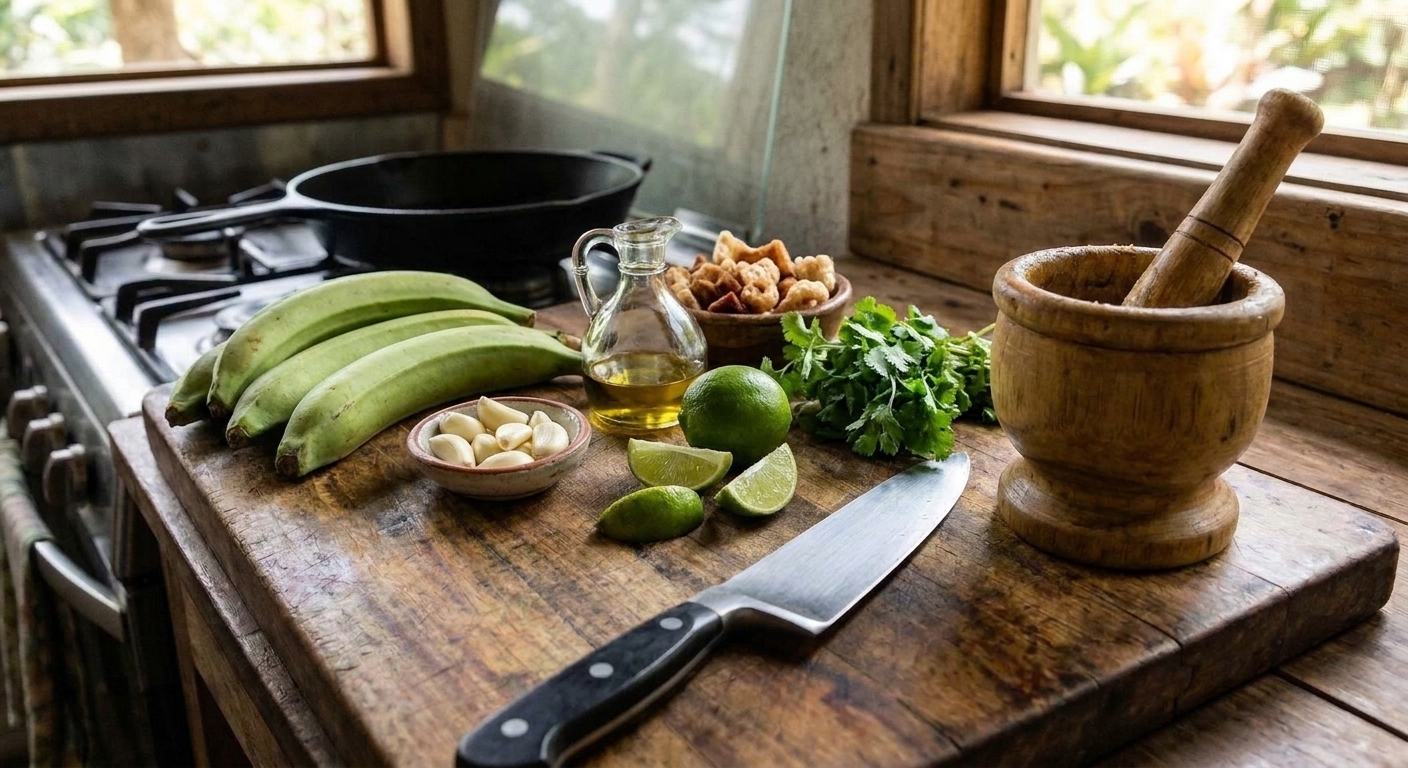
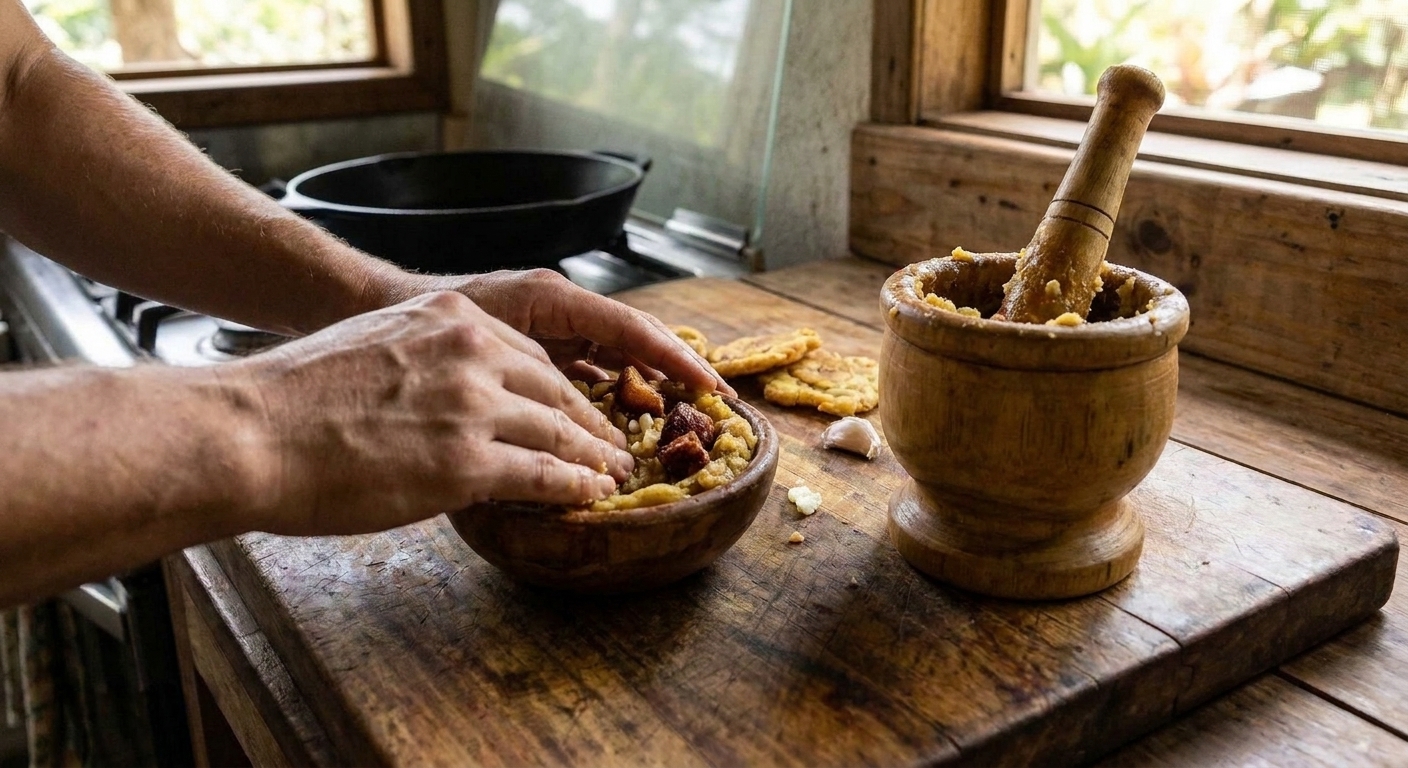
No, but it helps. A pilón (wooden mortar and pestle) gives the best texture. If you do not have one, use a sturdy mixing bowl and the back of a wooden spoon, or a potato masher. Just avoid a blender or food processor, which can turn plantains gummy.
Do plantains have to be fried twice?
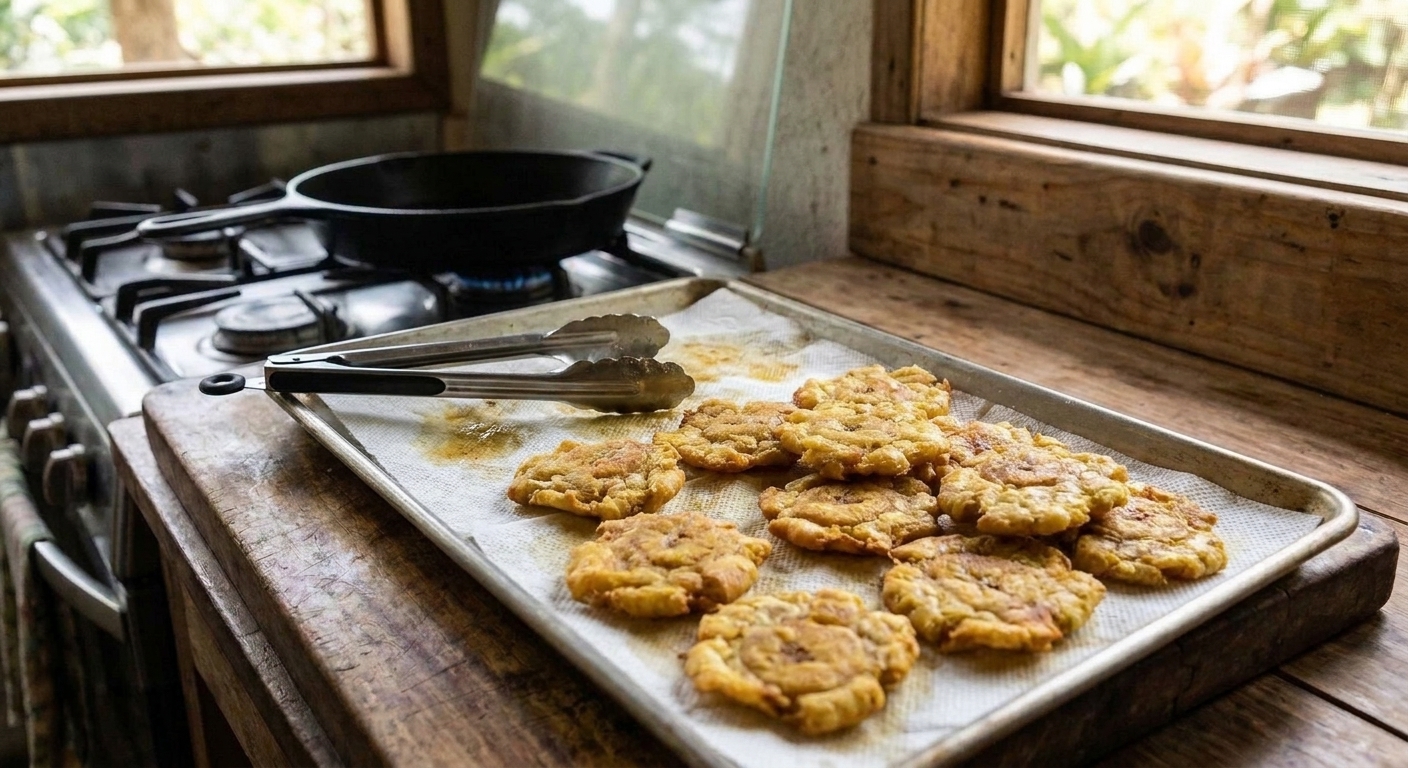
No. Many cooks do a single fry, then mash. I like a quick second fry because it adds extra crisp edges and keeps the mash from tasting flat. If you want to keep it simpler, fry once until fully tender and proceed to mashing.
How green should the plantains be?
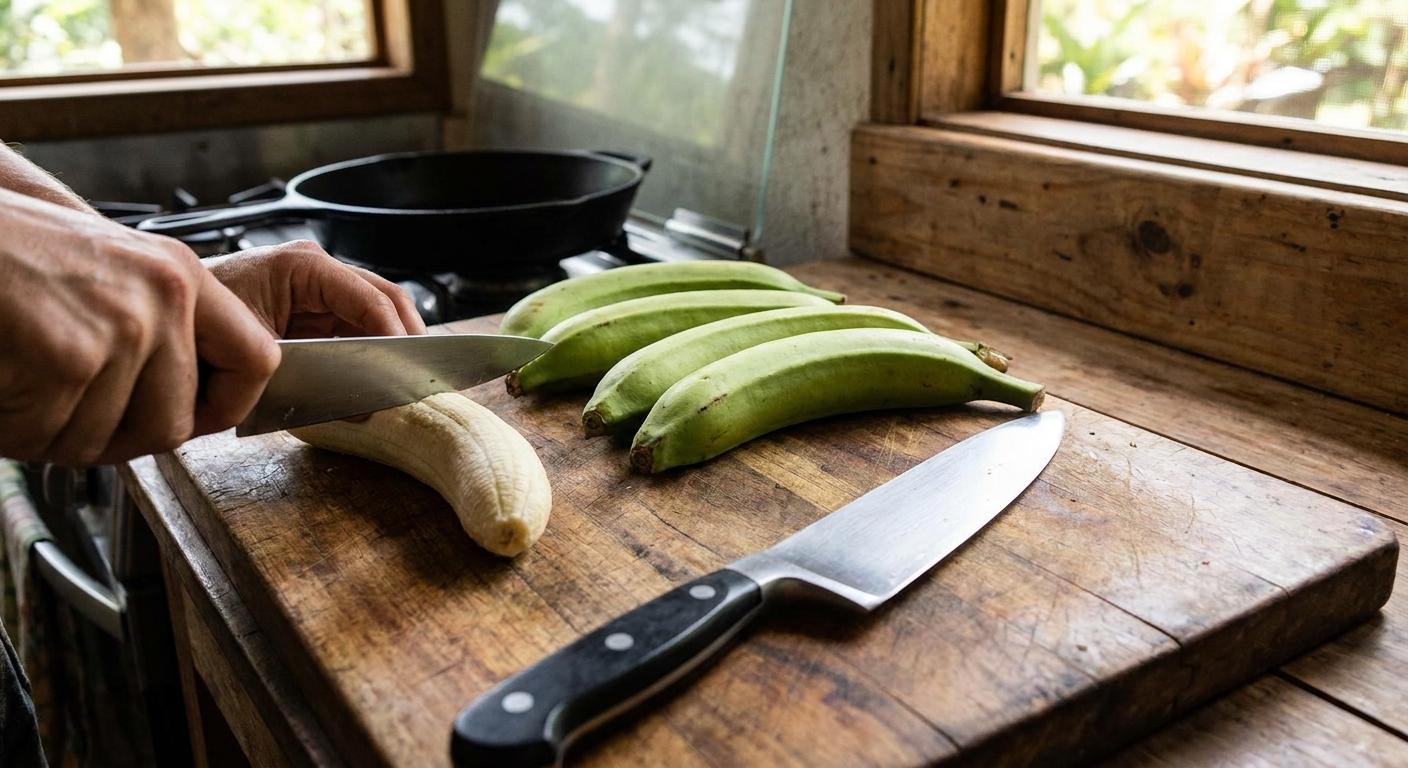
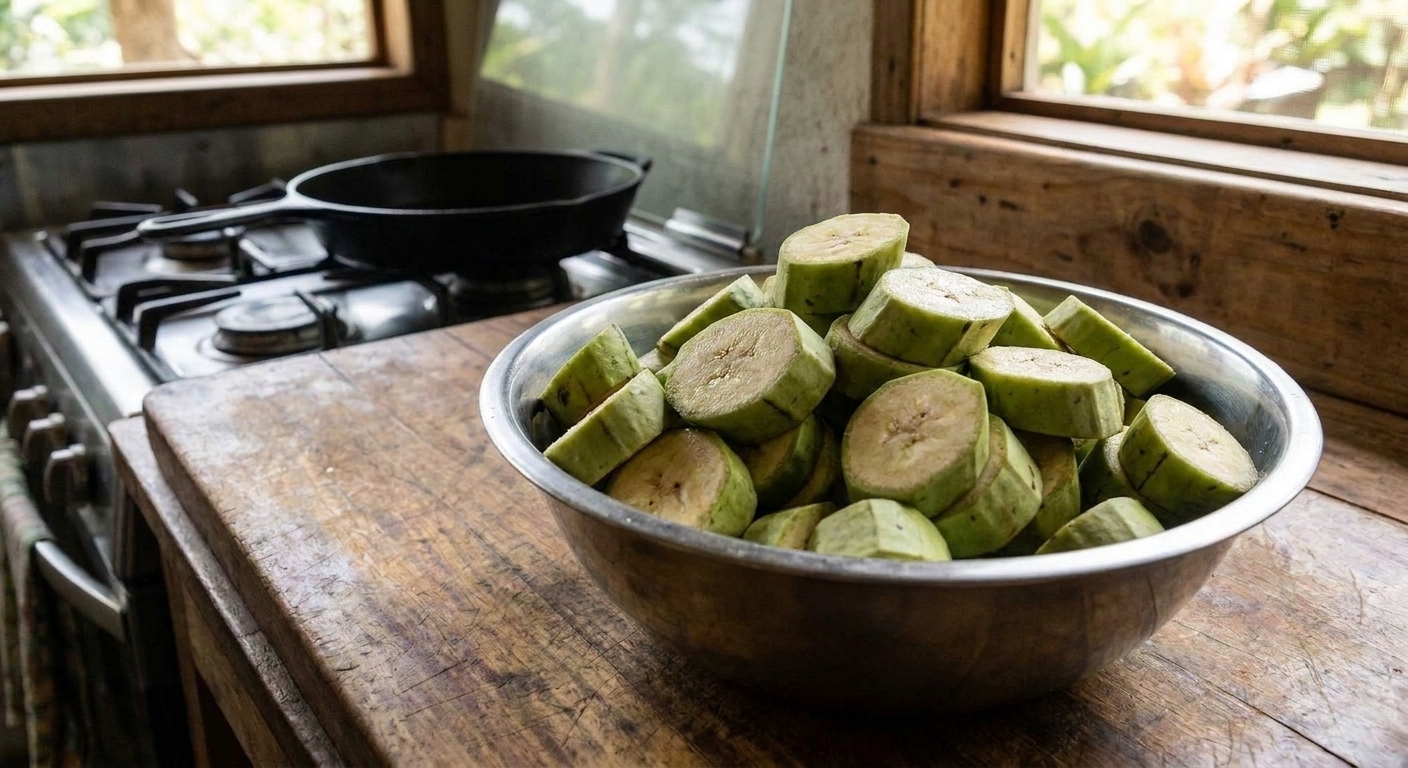
Go for very green and very firm. If they are turning yellow, the flavor gets sweeter and the texture softens, which makes the final mofongo less savory and more prone to going mushy. A few tiny yellow streaks are fine, but avoid mostly yellow plantains.
Why is my mofongo falling apart?
Usually it needs more moisture or more mashing. Add warm broth 1 tablespoon at a time and keep pressing and folding until it holds together when squeezed. Also make sure the plantains are fried through and mashed while warm.
Why is my mofongo gummy?
Overprocessing is the big culprit. Mofongo should be mashed, not pureed. Also, if the plantains are undercooked inside, they can mash into a gluey texture. Fry until a knife slides in easily.
Is this shrimp mojo traditional?
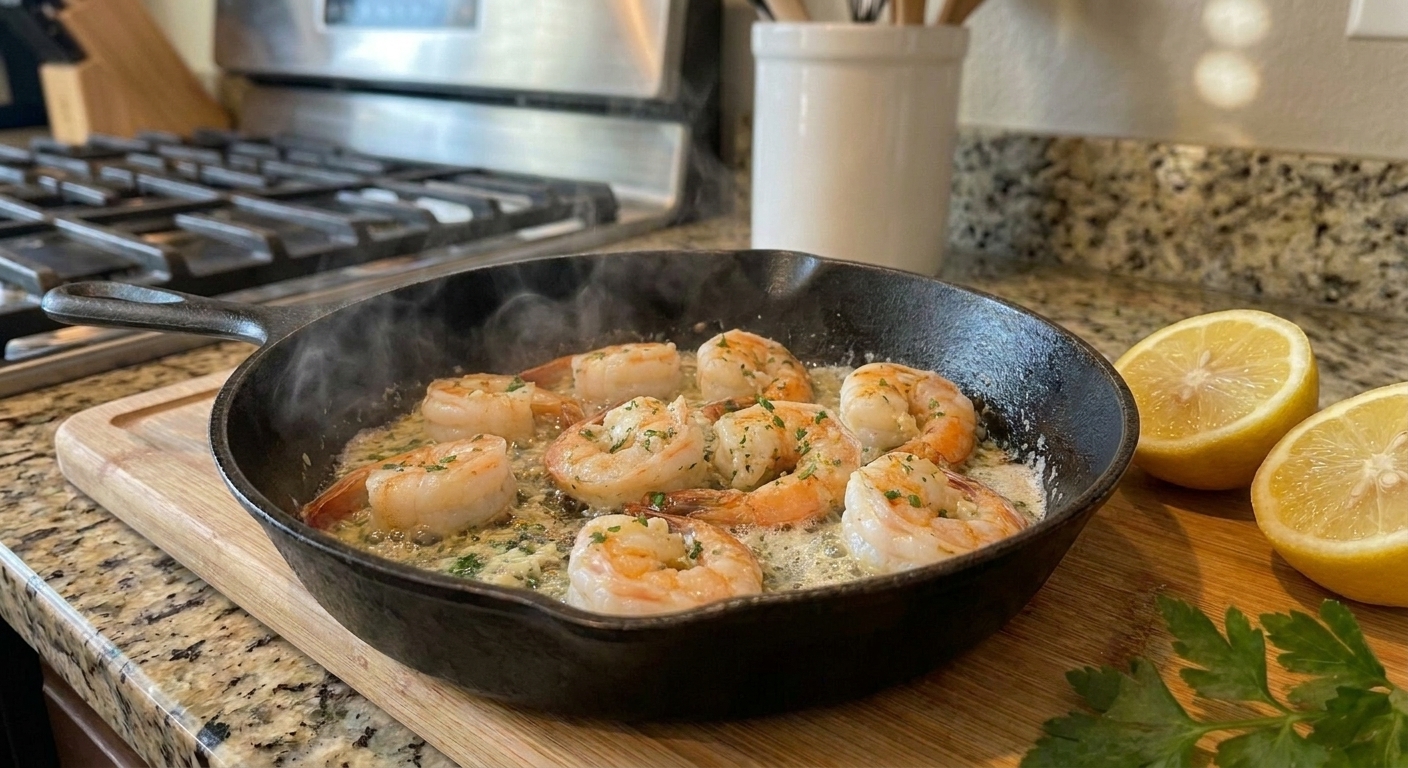
It is mojo-inspired. Puerto Rican garlic-citrus mojo is a classic flavor idea, and here I lean into that vibe with lime, orange, and plenty of garlic. The butter makes it more of a glossy garlic-citrus pan sauce, which is very much on purpose.
What can I serve with mofongo?
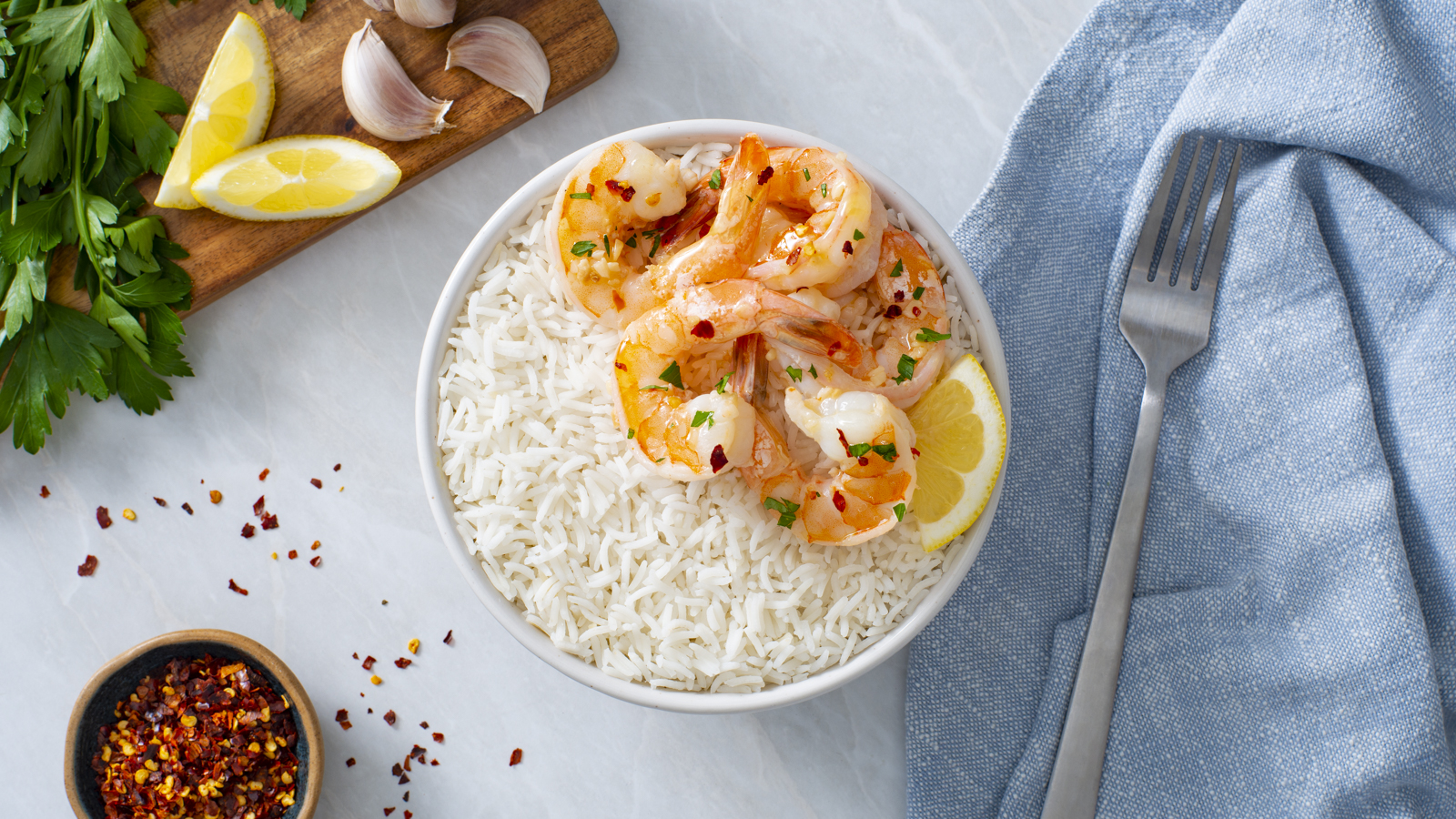
It loves saucy friends: garlic shrimp, pollo guisado, stewed beans, or a simple broth on the side for spooning over.