Mom's Best Recipes
Recipe

Quick Pickled Cauliflower

A crisp fridge pickle of cauliflower florets in a bright vinegar brine with garlic and peppercorns, ready in hours and even better the next day.

Author By Matt Campbell
4.8
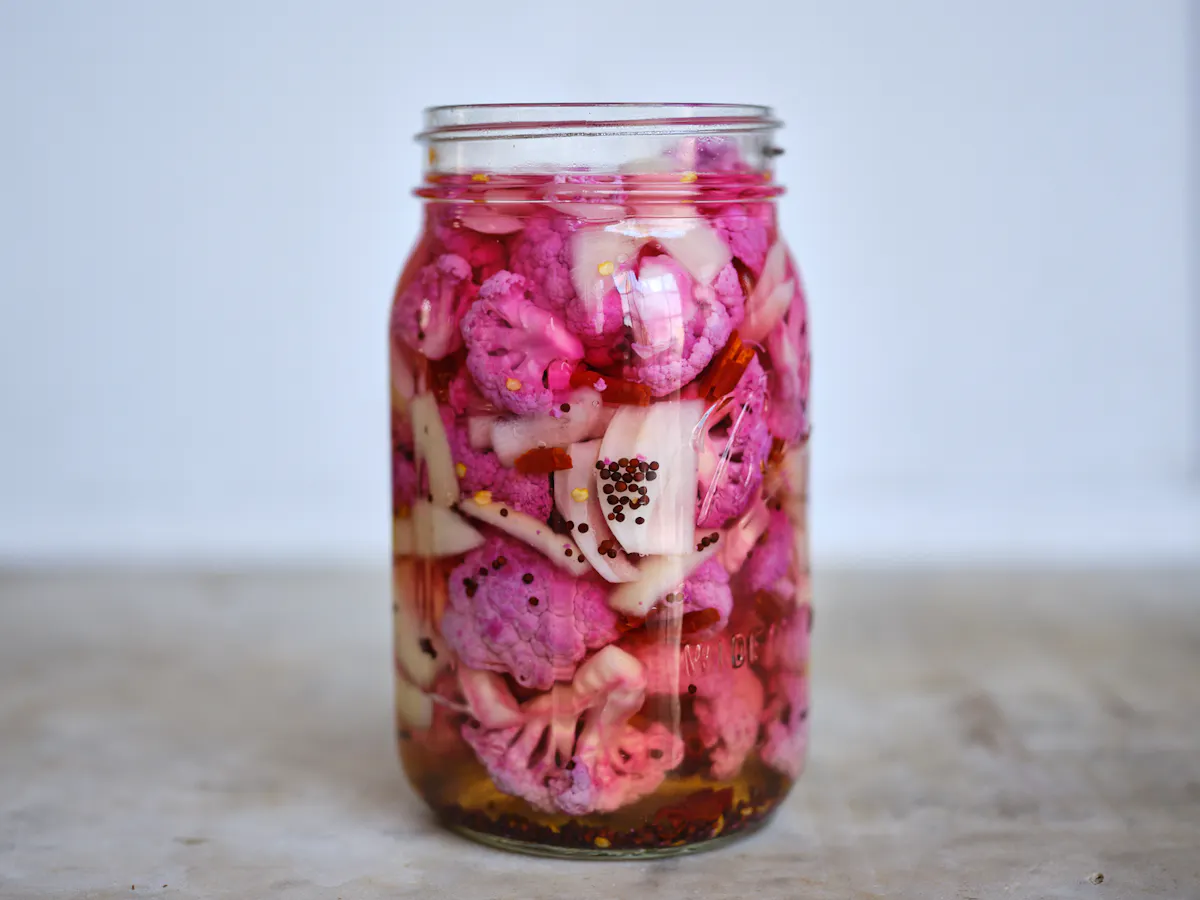
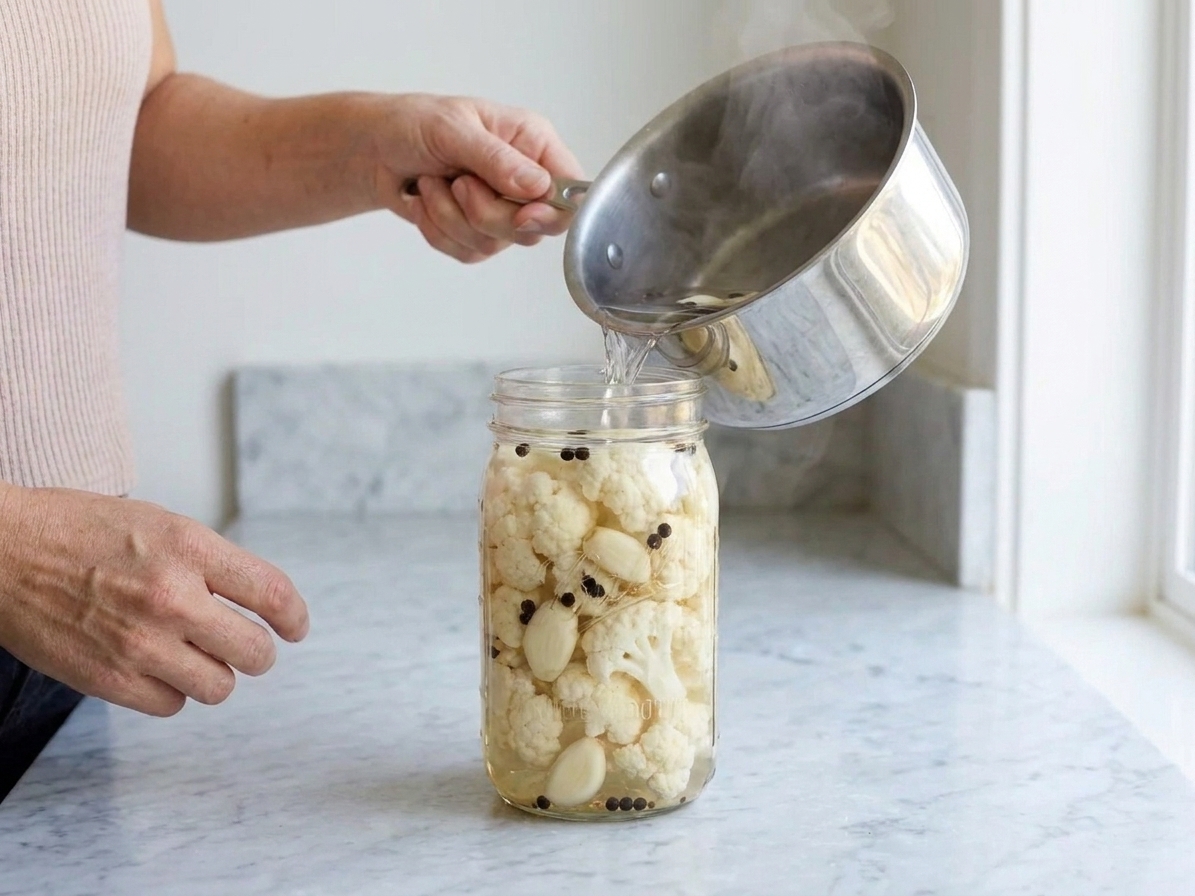
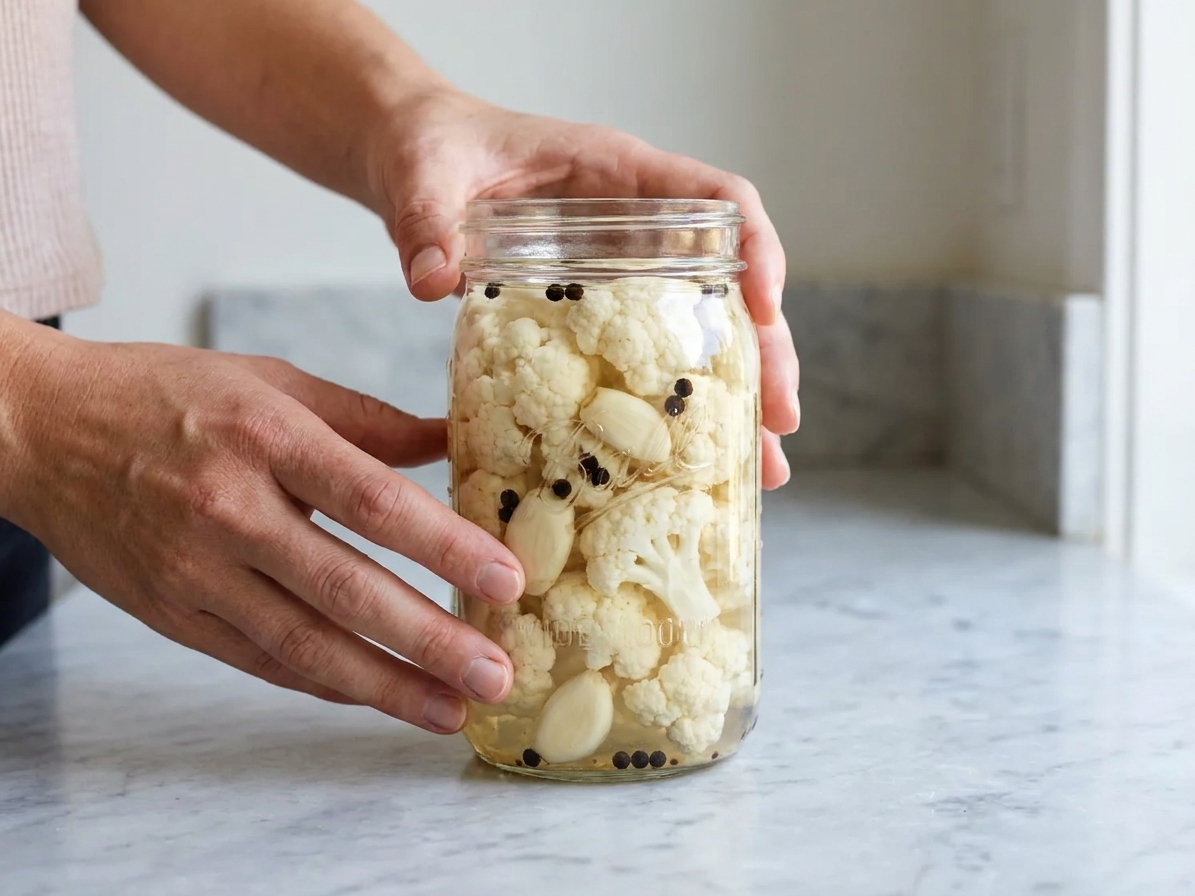
A glass jar filled with quick pickled cauliflower florets in clear vinegar brine with garlic cloves and black peppercorns on a bright kitchen counter

If you have ever pickled cauliflower and ended up with sad, soft florets that smell a little too much like, well, cauliflower, this one is for you. My goal here is crisp, bright, and garlicky, the kind of fridge pickle you start “testing” straight out of the jar and suddenly it is half gone.

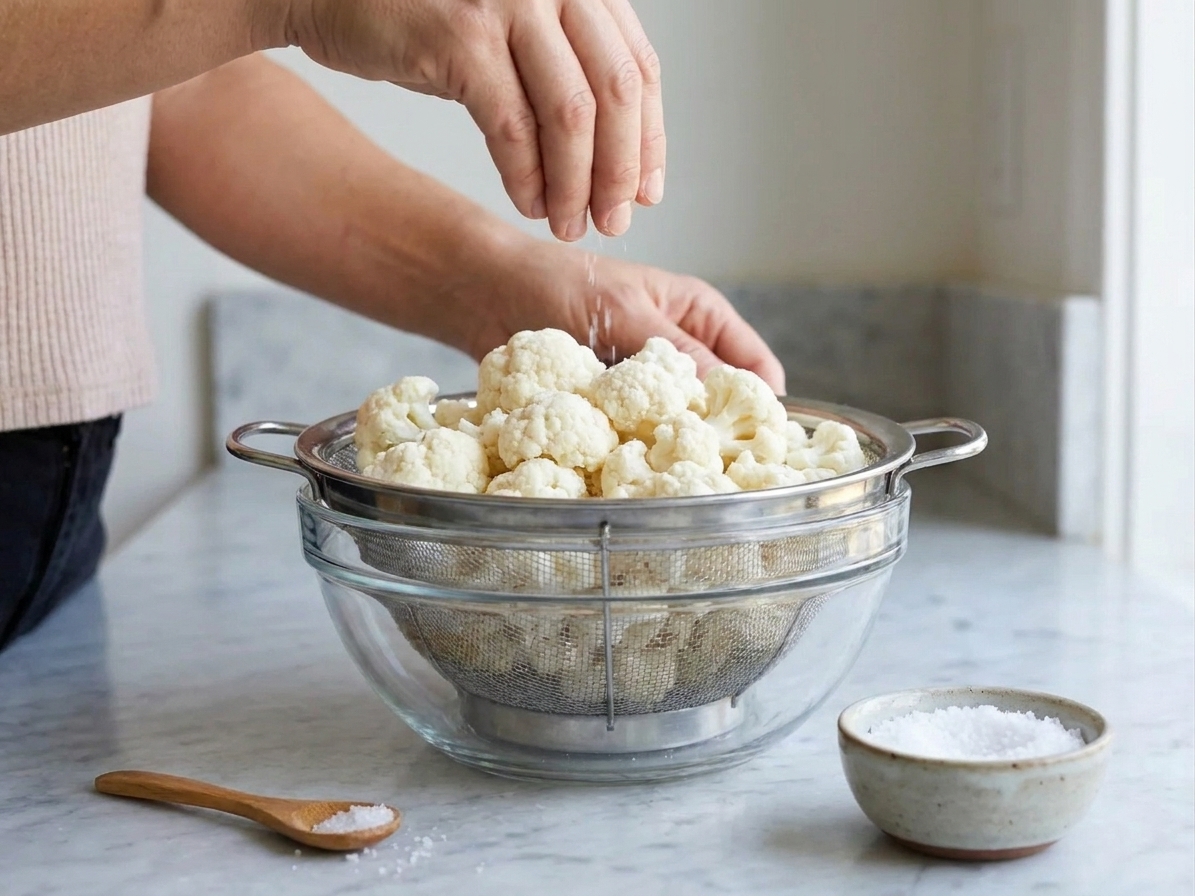
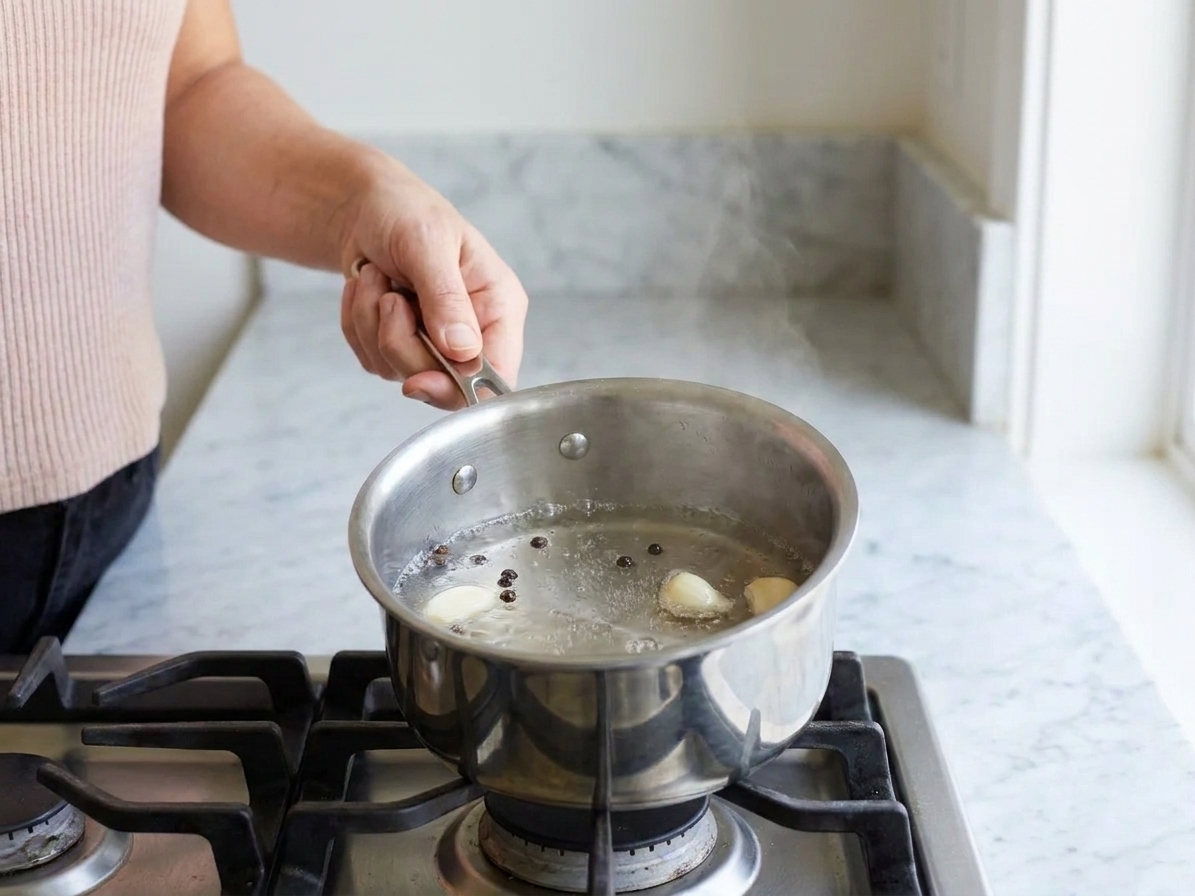
This quick pickled cauliflower uses a simple vinegar brine with garlic and peppercorns. The real tricks are timing and salt: we salt the florets briefly to keep them crunchy, and we cool the brine slightly so we do not accidentally cook the cauliflower into mush.

Cauliflower florets, peeled garlic cloves, and whole black peppercorns arranged on a cutting board with small bowls of salt and sugar nearby

Why It Works

  • Stays crisp: A short dry salt step pulls out excess moisture so the cauliflower does not go watery or soft.
  • No sulfur overload: Warm brine helps dissolve salt and sugar, but we let it cool a bit before pouring so it does not lightly cook the florets.
  • Ready fast: You can snack on it in a few hours, and it hits its stride the next day.
  • Big flavor, simple ingredients: Garlic and peppercorns do the heavy lifting, with an optional pinch of red pepper flakes if you like some edge.

Pairs Well With

Storage Tips

Refrigerator: Keep pickled cauliflower in a sealed jar in the fridge for up to 2 weeks. For best crunch and brightest flavor, aim to finish within 7 to 10 days.

Always submerged: Make sure the florets stay under the brine. If a few float, pack them down gently with a clean spoon.

Keep it clean and cold: Use a clean jar and clean utensils, and do not leave the jar sitting at room temperature.

Quick spoilage check: If you see mold, the brine turns slimy, or it smells unpleasant (not just strongly pickled), toss it.

Food safety note: This is a fridge pickle, not shelf stable canning. Store cold the whole time.

Flavor timeline: It is brightest on days 1 to 4. After that it is still good, just a little more mellow and more pickled.

Common Questions

Common Questions

When is quick pickled cauliflower ready to eat?

You can eat it after about 4 hours in the fridge, but for the best garlic and peppercorn flavor, give it 12 to 24 hours. That is the sweet spot where it is punchy and still super crisp.

How do I keep pickled cauliflower crisp?

Three things matter most:

  • Cut size: Keep florets bite sized but not tiny. Think 1 to 1.5 inches across.
  • Salt briefly first: A quick dry salt rest helps the texture stay snappy.
  • Do not pour boiling brine: If the brine is very hot, it will soften the cauliflower fast. Let it cool for a few minutes before pouring.

Do I need to blanch cauliflower before pickling?

Not for this recipe. Blanching can make the texture softer, which is the opposite of what we want in a quick pickle. Raw cauliflower stays crisp and soaks up brine beautifully.

Why does my pickled cauliflower taste or smell sulfurous?

It is often from too much heat, like pouring boiling brine over raw cauliflower, which can partially cook it and bring out stronger brassica aromas. It can also happen if the cauliflower is older to begin with or if it sits a long time in the fridge and the flavors concentrate.

To avoid it, keep the brine hot enough to dissolve the salt and sugar, then let it cool slightly before it hits the florets. And start with fresh, firm cauliflower.

Can I use apple cider vinegar instead of white vinegar?

Yes. Apple cider vinegar makes the pickle a little fruitier and less sharp. A 50 50 mix of white vinegar and apple cider vinegar is also great if you want balance.

Can I reuse the brine?

I would not reuse it for another batch of raw cauliflower. The brine gets diluted by the vegetable and loses its original balance. You can repurpose leftover brine to splash into salad dressing, Bloody Marys, or to quick pickle thin sliced onions.

Why is my brine cloudy?

A little cloudiness is normal, especially with garlic, spices, and tiny cauliflower bits that rinse off into the jar. As long as it smells clean and pickly and you do not see mold or slime, you are fine. If it looks thick, stringy, or smells off, toss it.

I started making quick pickles as a “save the crisper drawer” habit, and cauliflower was the one that kept humbling me. Too hot of a brine and it went soft. Too long sitting in warm liquid and the smell got strong. Once I treated it like a crunch project, not a cooking project, everything clicked. Now I keep a jar in the fridge for sandwich nights and random snack attacks, which in my kitchen happen at basically any hour.