Mom's Best Recipes
Recipe

Rabbit Ragu With Pappardelle

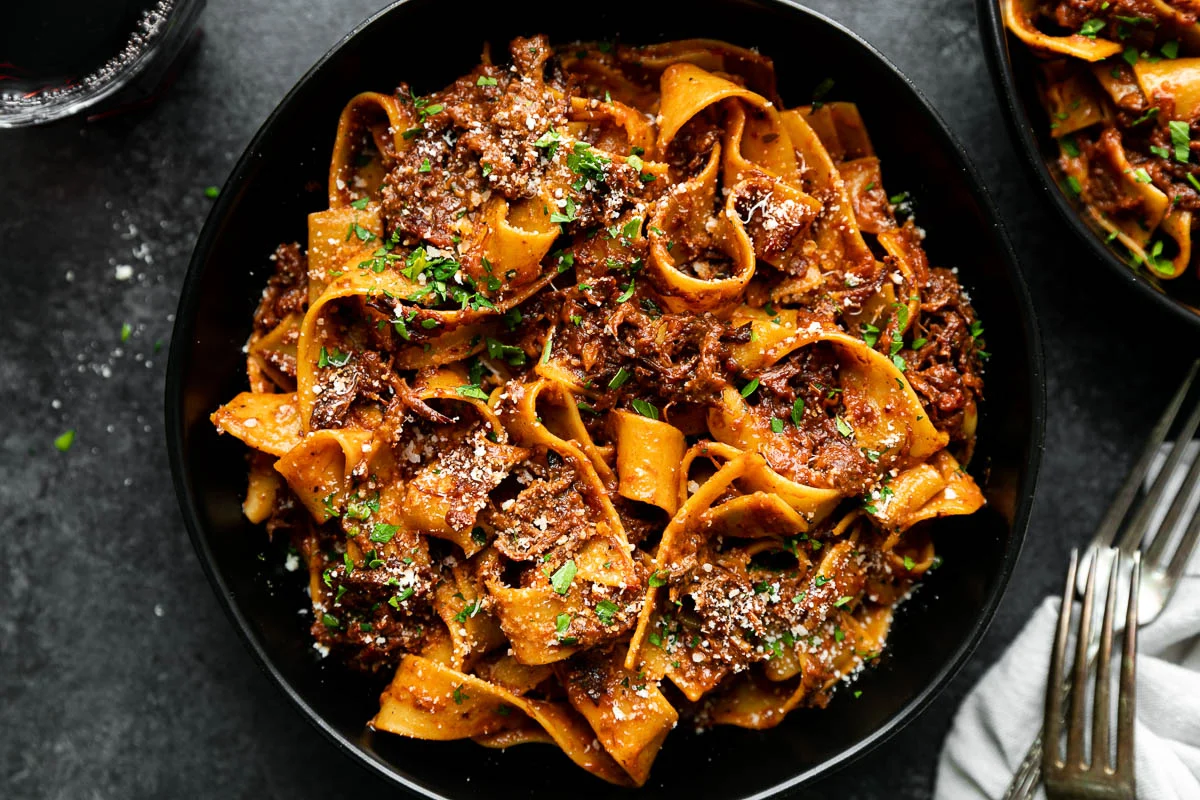
Tender rabbit simmered in a tomato-wine sauce with rosemary and garlic, finished with butter and Parmesan and tossed with pappardelle.

Author By Matt Campbell
4.8
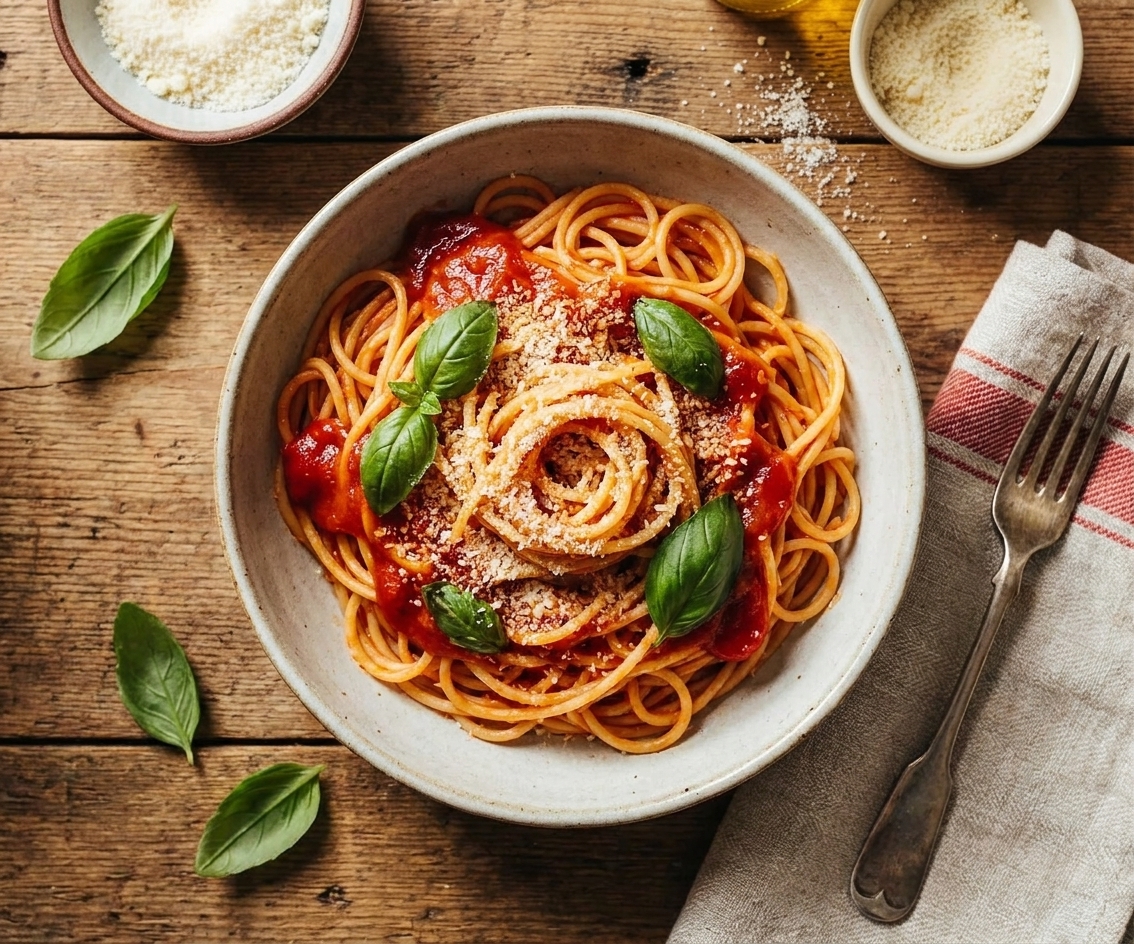
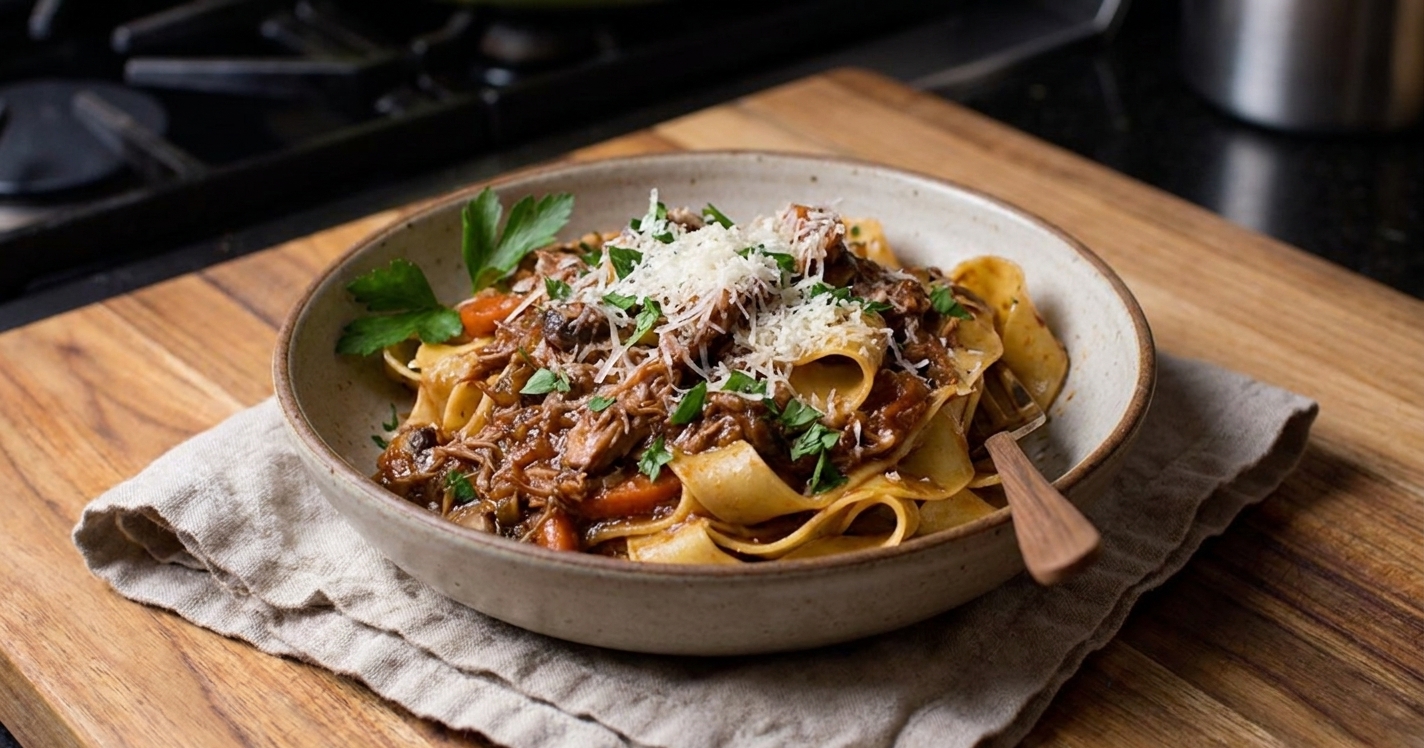
A bowl of pappardelle tossed in rabbit ragu, topped with grated Parmesan and parsley on a rustic wooden table with a linen napkin

Rabbit is one of those ingredients that sounds fancy until you actually cook it and realize it behaves like the best parts of chicken and the best parts of pork. It is lean, gently sweet, and it absolutely loves a slow, gentle simmer. Which is exactly why we are turning it into ragu.

This version is built for real life. No obscure pantry items, no twelve-hour commitment, and no dramatic kitchen rituals. We brown the rabbit for flavor, let a tomato and red wine sauce do its cozy thing, then toss it with pappardelle so every wide noodle gets coated. The end result is the kind of dinner that makes everyone quiet for a minute.
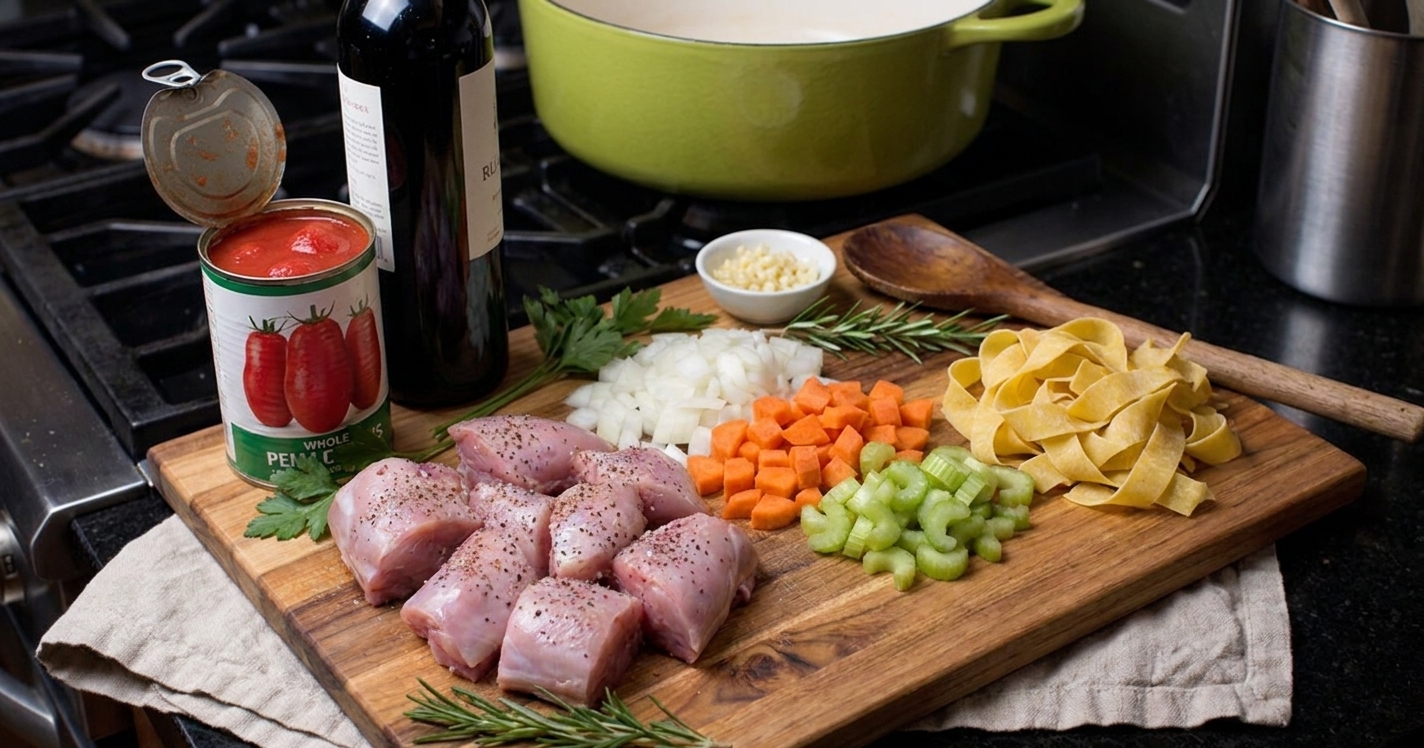
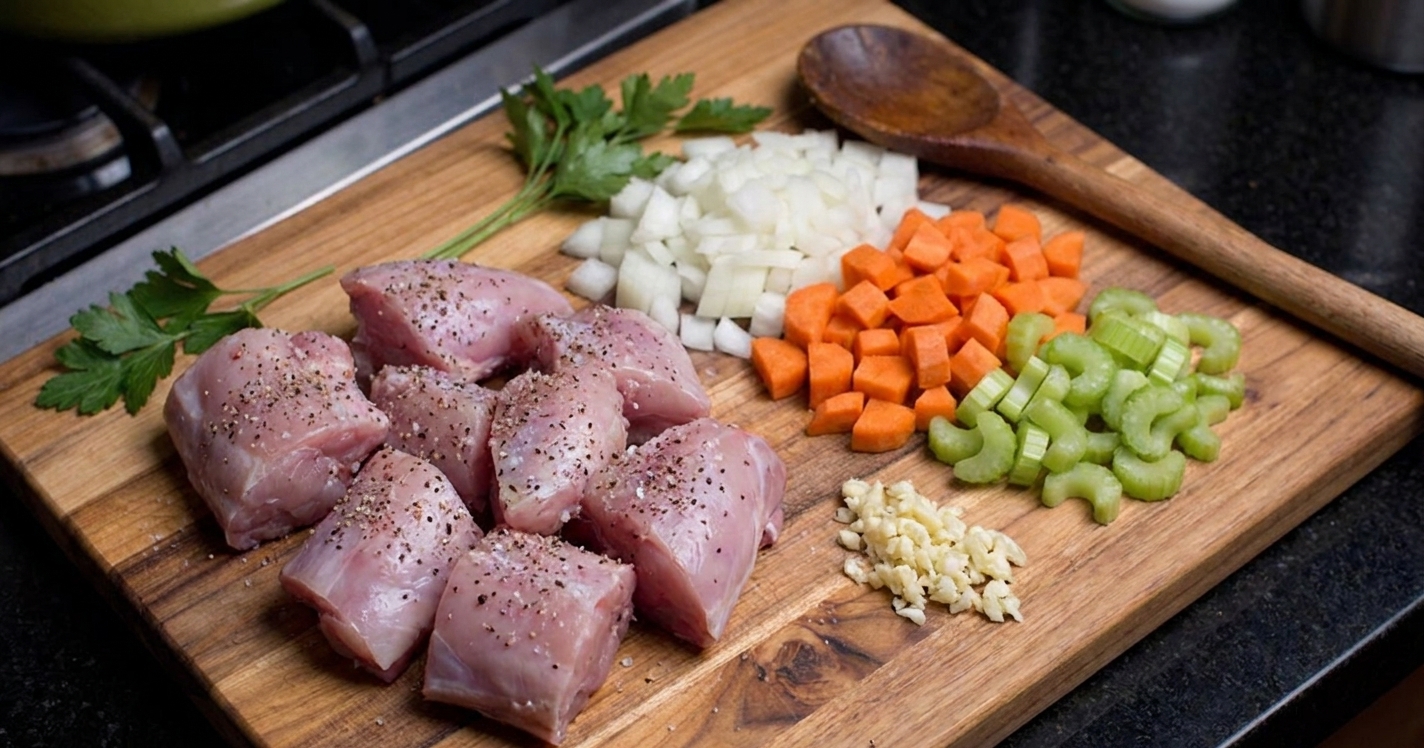
Rabbit pieces, canned tomatoes, red wine, onion, carrot, celery, garlic, rosemary, and pasta arranged together for rabbit ragu

What to expect

  • Flavor: rich tomato, herb-forward, with a little winey depth
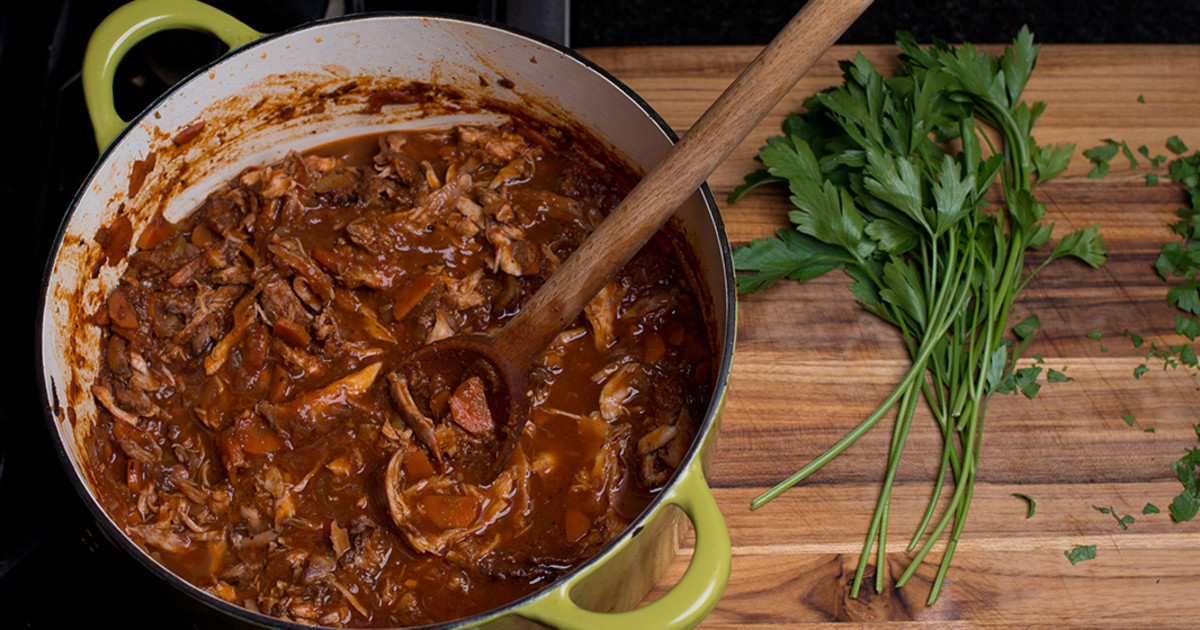
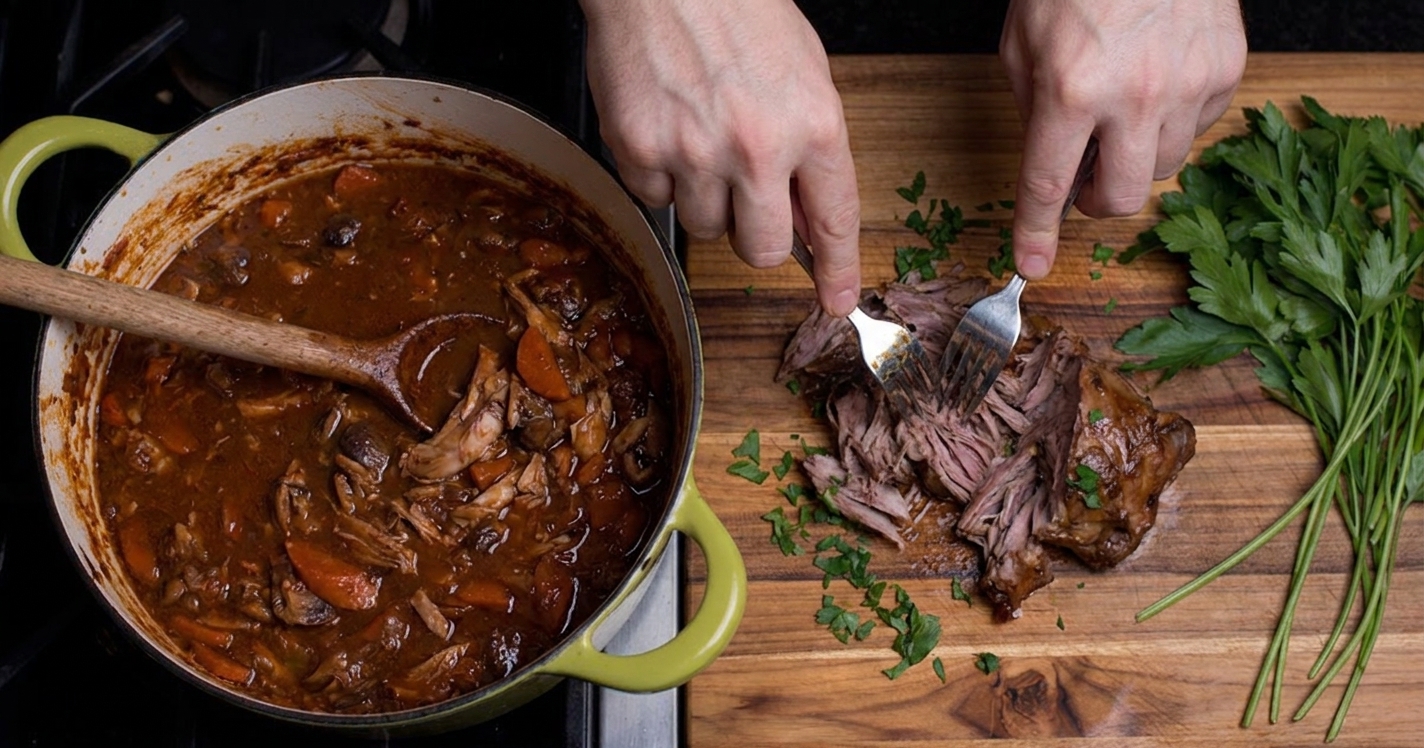
  • Texture: fall-apart rabbit in a silky sauce that clings to pasta
  • Difficulty: simple steps, just give it time to simmer
Why It Works

  • Big flavor from simple moves: browning the rabbit and cooking down the tomato paste gives you that restaurant depth without extra ingredients.
  • Tender meat without dryness: a low simmer and a covered pot help keep lean rabbit from turning stringy.
  • A sauce that actually coats noodles: we reduce the braising liquid and finish with butter and Parmesan for a glossy, clingy ragu.
  • Flexible: you can serve it over pappardelle, polenta, mashed potatoes, or crusty bread if you are feeling a little wild.

Pairs Well With

Storage Tips

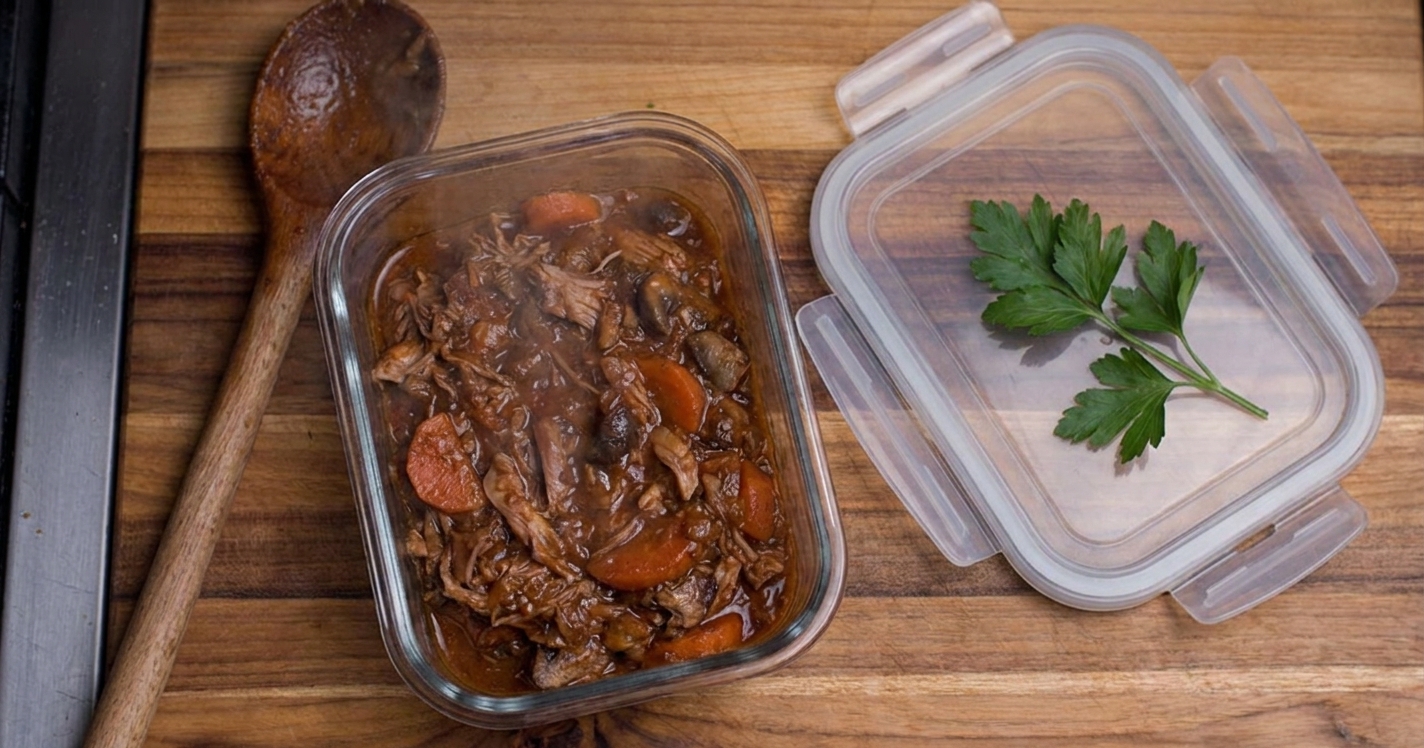
Fridge: Store ragu in an airtight container for up to 3 to 4 days. Let it cool to near room temperature before refrigerating. If possible, keep pasta and sauce separate so the noodles do not drink all the sauce overnight.

Freezer: Freeze ragu (without pasta) up to 3 months for best quality. Cool completely, then freeze flat in zip-top bags for fast thawing.

Reheat: Warm gently in a saucepan over medium-low with a splash of water or broth to loosen. Taste and re-season at the end. The flavors wake up after a day, so leftovers are honestly a reward.

A glass food storage container filled with rabbit ragu cooling with the lid nearby

Common Questions

What does rabbit taste like?

Think mild like chicken, but a touch richer and gently sweet depending on the rabbit. It takes on herbs, wine, and tomato beautifully, which is why ragu is such a good first rabbit recipe.

Where do I buy rabbit?

Look for it at butcher shops, well-stocked grocery stores, or the freezer case. It is often sold whole and cut into pieces, or as saddle and legs. If it is frozen, thaw in the fridge for 24 to 48+ hours depending on the package size (set it on a tray to catch drips).

Do I need to prep the rabbit first?

If your rabbit came whole or includes organs, remove and discard the kidneys (they can taste strong). Then pat the pieces very dry before seasoning so they brown instead of steaming.

Is rabbit healthy?

Rabbit is generally lean and high in protein. Because it is so lean, it benefits from gentle cooking and a finishing fat like olive oil, butter, or Parmesan for balance.

Can I make this without wine?

Yes. Swap the wine for additional broth plus 1 tablespoon balsamic vinegar or lemon juice added near the end for brightness. You will lose a little depth, but it will still be delicious.

My rabbit seems tough. What happened?

It usually just needs more time at a low, bare simmer. Rabbit legs can take longer than you think. Keep the heat gentle, keep the pot covered most of the time, and cook until the meat pulls away easily.

Can I do this in a slow cooker?

You can. Brown the rabbit first, then cook on Low for about 6 to 7 hours with the sauce ingredients, checking around 6 hours so it stays tender (rabbit is lean and can go from perfect to dry if it runs too long). Reduce the sauce in a pot afterward so it thickens and clings to pasta.

The first time I cooked rabbit at home I treated it like chicken and cranked the heat, because confidence has opinions. It got dry fast. The second time, I slowed down, gave it a gentle simmer, and built a sauce that actually deserved the meat. That was the moment it clicked for me. Rabbit is not difficult, it just wants patience and a pot that holds heat. Now when I want a dinner that feels like a special occasion without a special occasion, this ragu is what I reach for.