Mom's Best Recipes
Recipe

Raising Cane’s Chicken (Copycat)

Crispy chicken fingers with a buttermilk soak and a tangy, peppery Cane’s-style dipping sauce.

Author By Matt Campbell
4.8
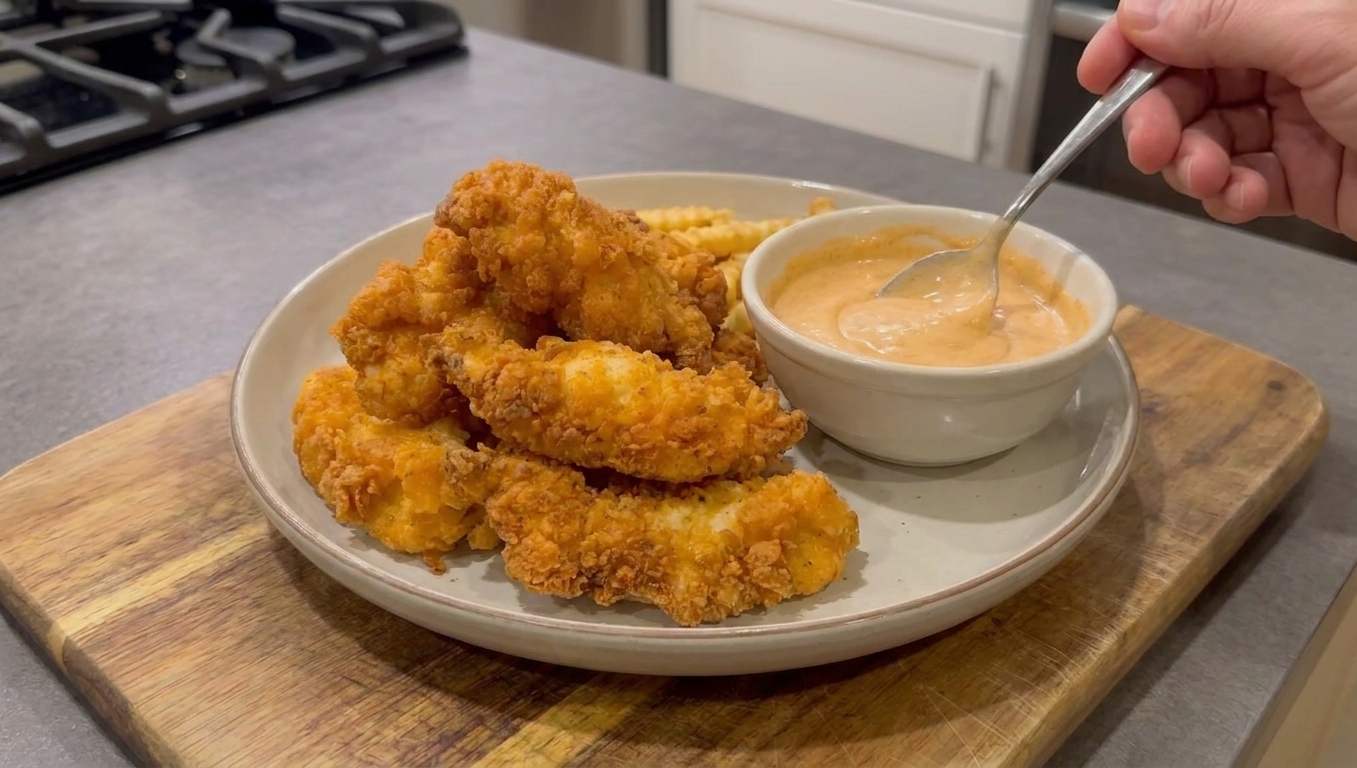
A platter of golden crispy chicken fingers with crinkle-cut fries, Texas toast, and a small cup of creamy dipping sauce on a casual kitchen table

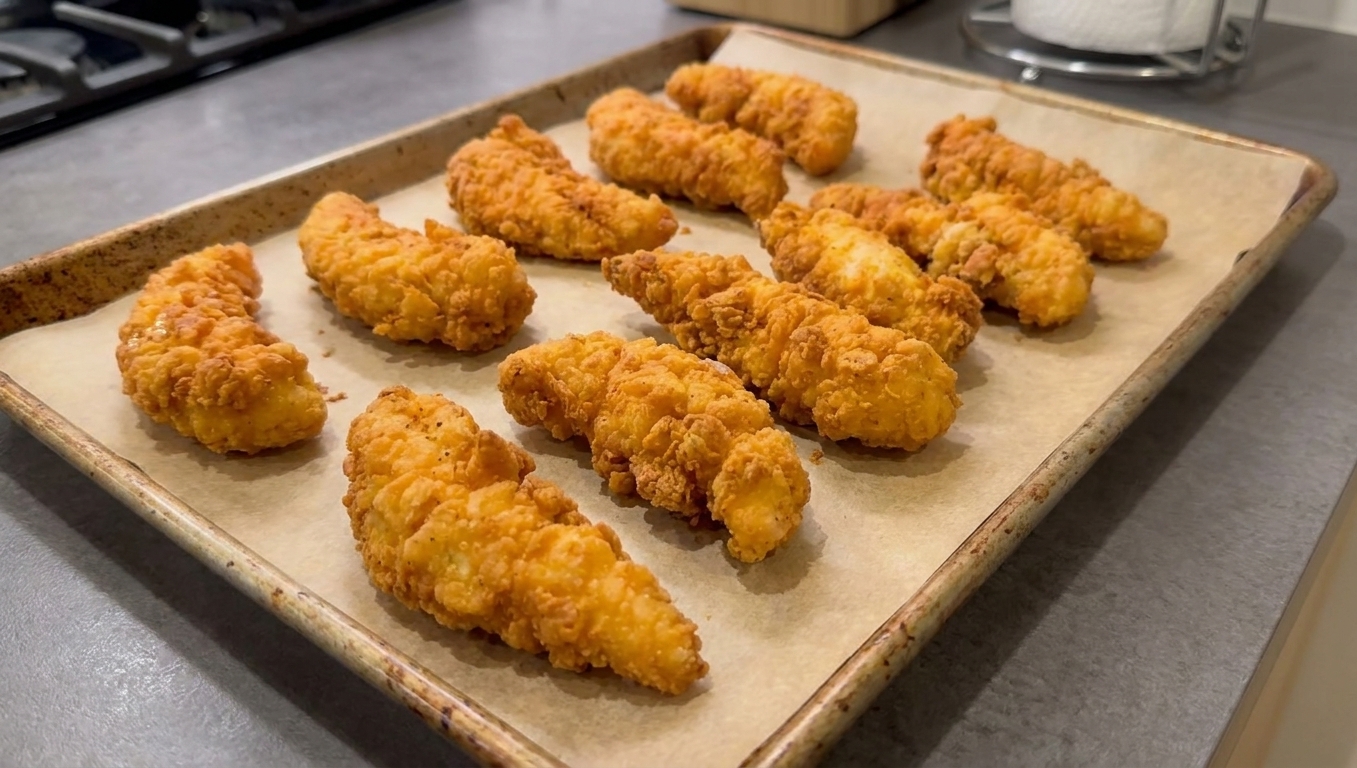
Raising Cane’s chicken is one of those meals that somehow tastes like a reward, even if you ate it in the car with a handful of napkins. The magic is not a complicated spice blend or a secret brine from a mountain monastery. It is super juicy chicken, a crisp, light coating, and that creamy peppery sauce that makes you keep “testing” one more bite.

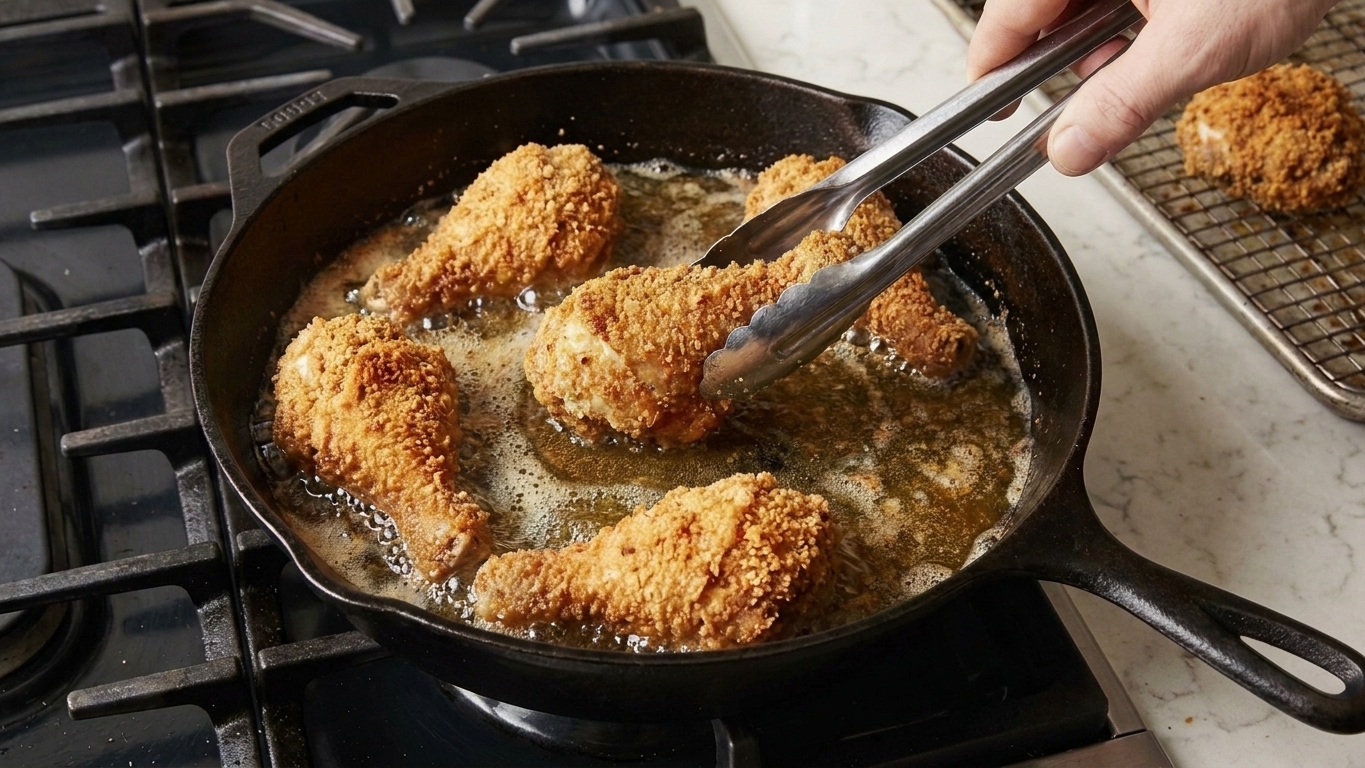
This is my at-home version. No countertop deep fryer required, no weird ingredients, and yes, we are going for those crunchy edges. I will show you how to get the coating to actually stick, how to keep the chicken tender, and how to make a Cane’s-style sauce that tastes even better after it sits in the fridge for a bit.

Raw chicken tenders soaking in a bowl of seasoned buttermilk on a bright kitchen counter with measuring spoons nearby

Why It Works

  • Juicy inside, crisp outside: A quick buttermilk soak helps keep the chicken tender and helps the flour coating cling.
  • That signature fast-food vibe: This copycat keeps the chicken seasoning mild so the sauce can do the loud talking.
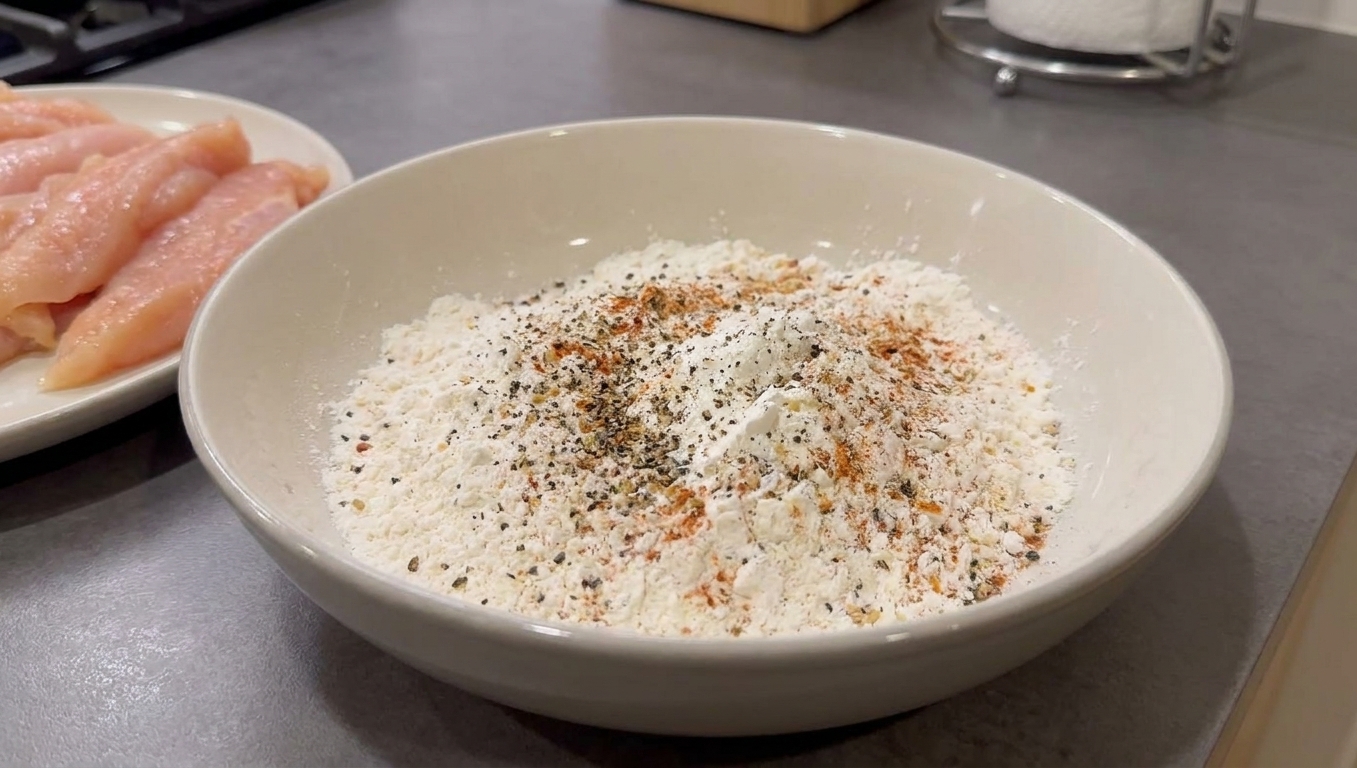
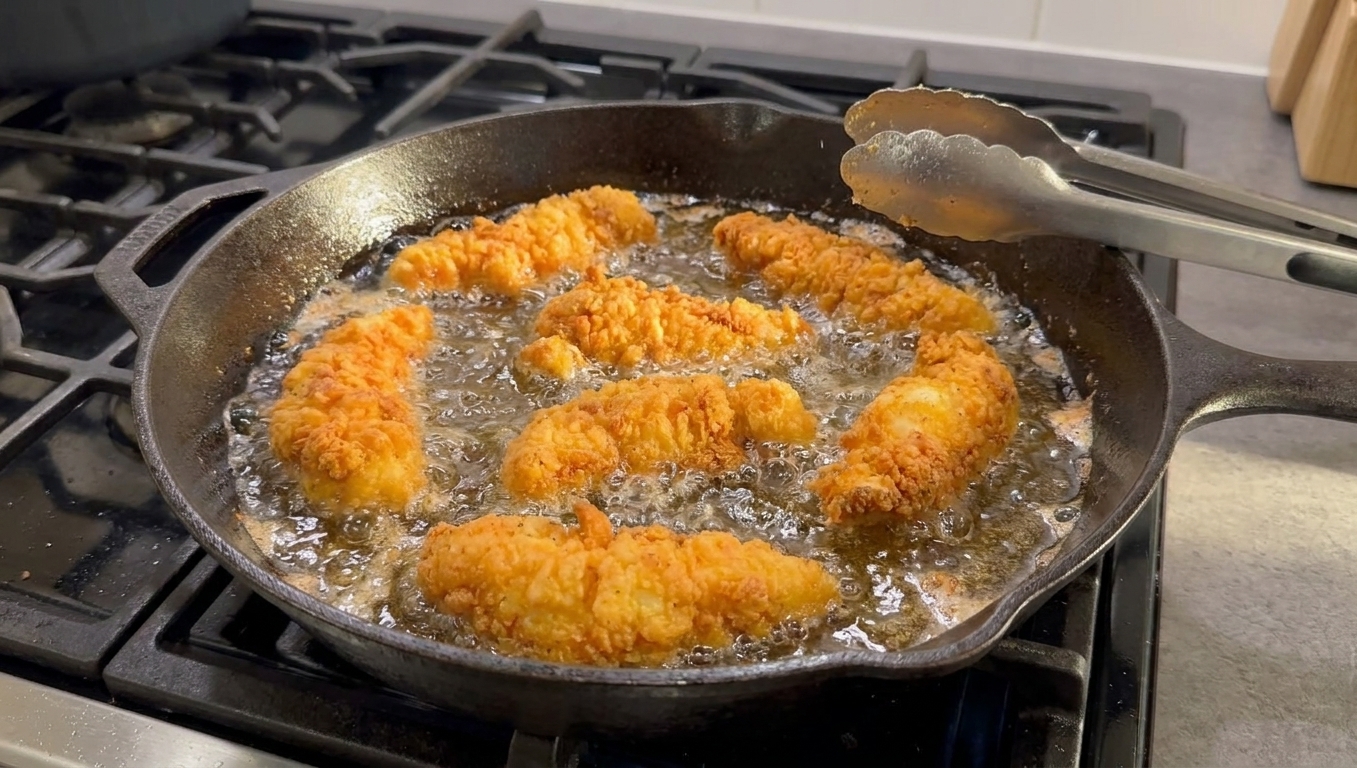
  • Crisp edges without drama: A simple flour and cornstarch mix plus the right oil temperature gets you that shattery crunch.
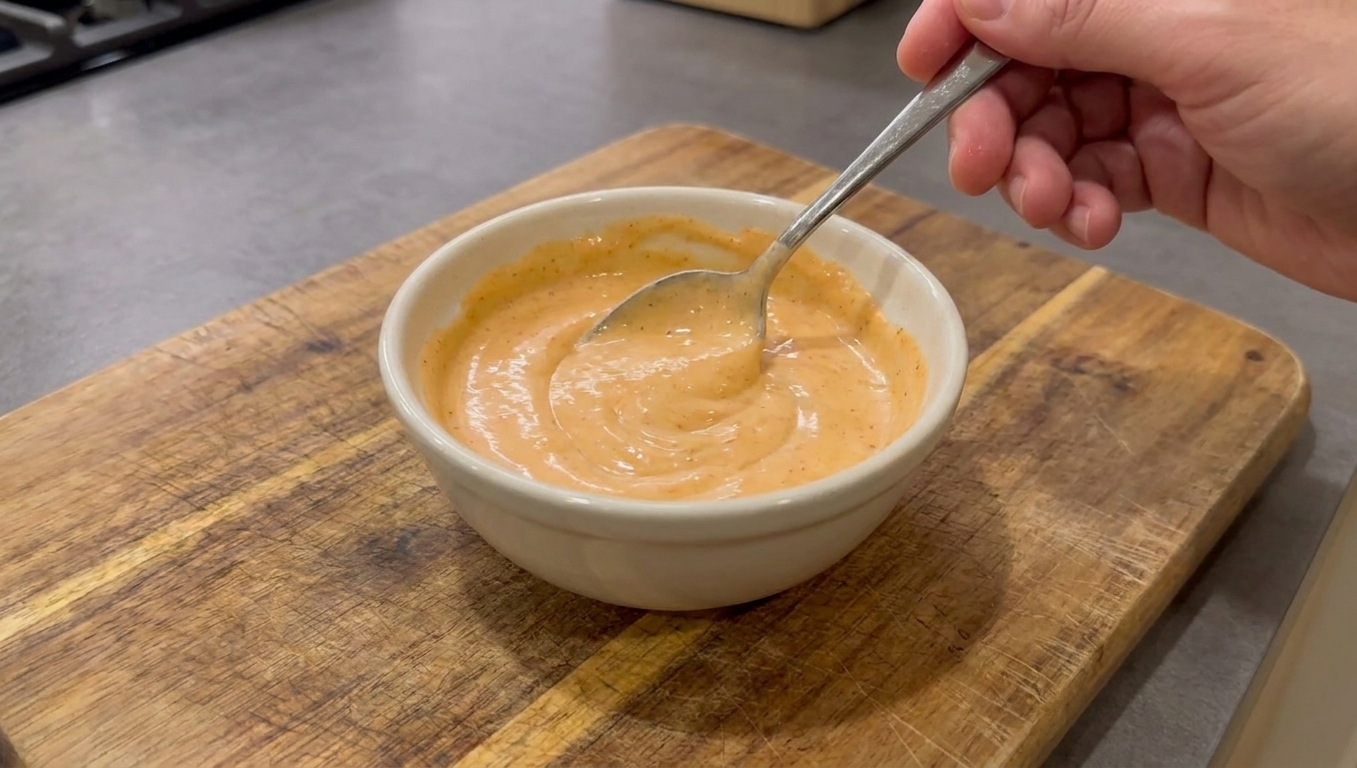
  • Sauce that improves overnight: A quick stir-together dipping sauce that tastes best after 30 minutes, and even better the next day.

Pairs Well With

Storage Tips

Store: Cool chicken completely, then refrigerate in an airtight container for up to 3 days. Store sauce separately for up to 7 days.

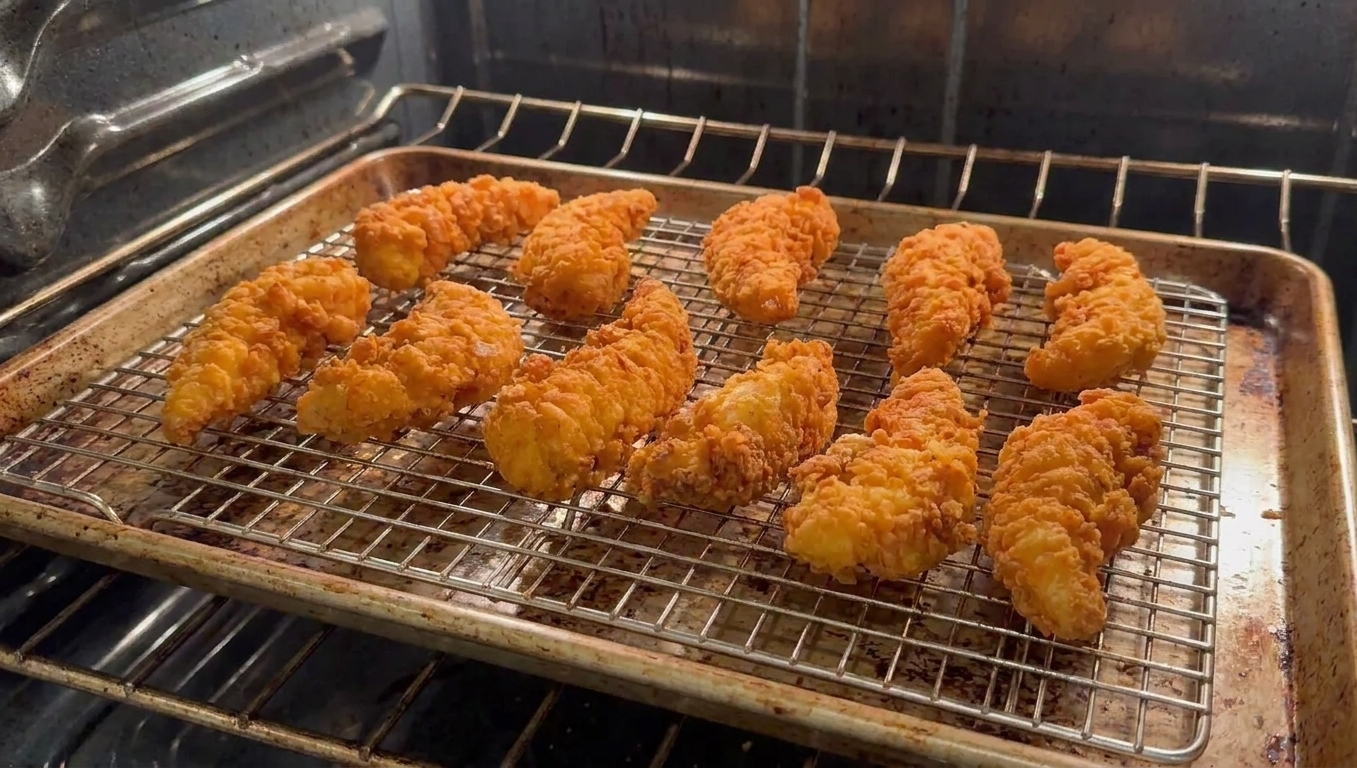
Reheat for crispiness: Use an oven or air fryer, not the microwave.

  • Oven: 400°F for 8 to 12 minutes on a wire rack set over a sheet pan.
  • Air fryer: 375°F for 4 to 6 minutes, flipping once.

Freeze: Freeze cooked fingers on a sheet pan until solid, then bag them for up to 2 months. Reheat from frozen at 400°F for 15 to 18 minutes, flipping halfway.

Crispy chicken tenders reheating on a wire rack over a sheet pan in a home kitchen oven

Common Questions

Common Questions

What makes Raising Cane’s chicken so tender?

A lot of people chalk it up to using a naturally tender cut plus a simple soak that keeps the chicken juicy. For this copycat, a 30-minute soak in seasoned buttermilk is enough to noticeably improve texture, and a longer soak (up to overnight) makes it even more forgiving.

Is there egg in the batter?

Some copycats add egg, but you do not need it. The buttermilk mixture clings well, especially if you let the dredged tenders sit for a few minutes before frying so the coating hydrates and turns a little paste-y.

Can I bake these instead of frying?

Yes, but the texture will be more like crispy oven chicken than true fast-food crunch. Bake on a wire rack at 425°F for 16 to 20 minutes, flipping halfway, until the thickest piece hits 165°F. Spritz both sides with oil for better browning.

Can I use chicken breasts?

Yep. Slice into even strips, about 1 inch thick. Keep them uniform so they cook at the same speed.

Why does my breading fall off?

  • Oil is not hot enough, so the coating soaks and slips.
  • You skipped the short rest after dredging.
  • You moved the chicken too much during the first minute of frying.

Let the oil come back to temp between batches, rest the dredged chicken 10 minutes, and do not poke it like it owes you money.

How close is this to Cane’s Sauce?

Close to the vibe. It is creamy, tangy, and heavy on black pepper. The biggest “secret” is letting it sit so the flavors round out. If it tastes sharp right away, give it 30 minutes and try again.

Any allergen notes?

Egg: Most mayonnaise contains egg. Fish: Worcestershire sauce often contains anchovy. If either is an issue, swap accordingly (egg-free mayo, and an anchovy-free Worcestershire alternative) and double-check labels.

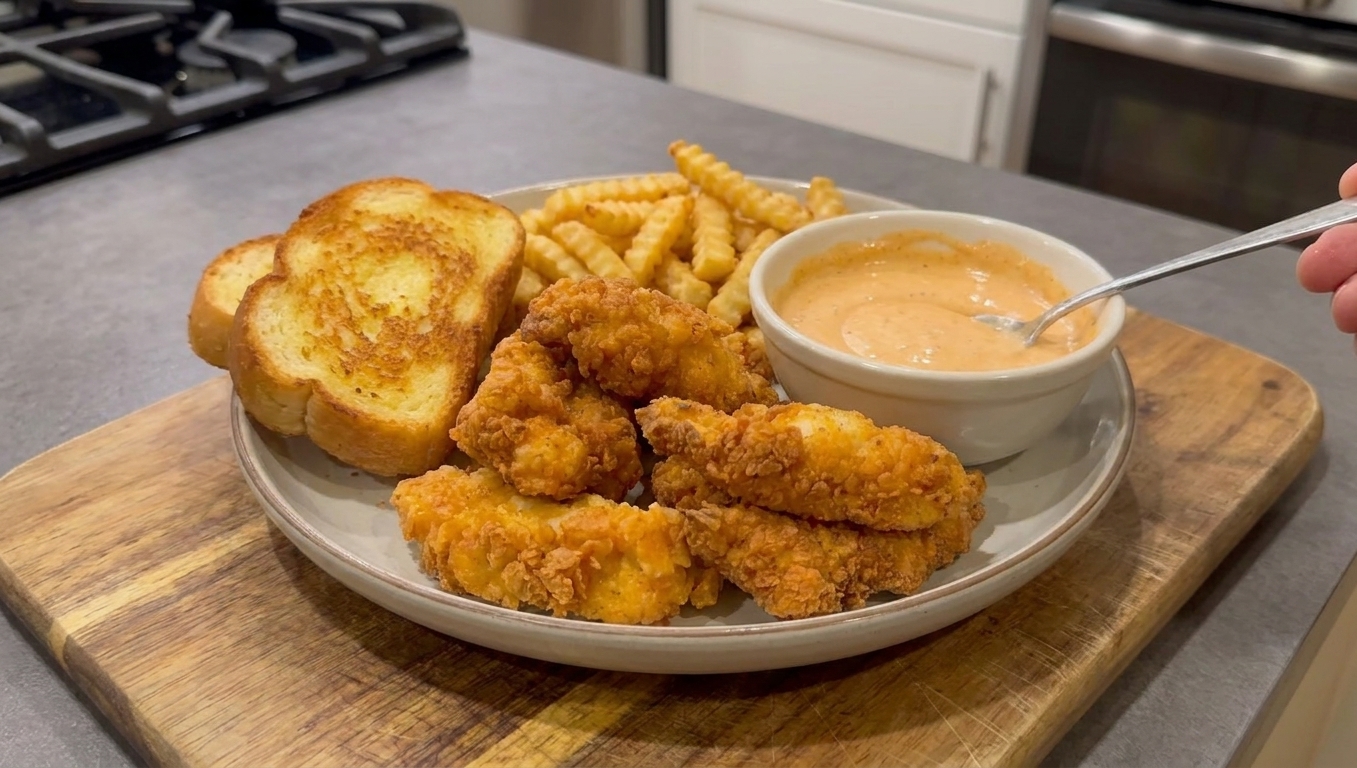
I love restaurant food, but I love it even more when I can recreate the feeling at home with less spending and more control. The first time I tried to do “Cane’s at home,” I over-seasoned the flour like I was auditioning for a spice company, and it tasted wrong. The real joy here is the contrast: simple chicken, crisp coating, and a sauce that does the loud talking. Now I make a batch on a random Tuesday, throw fries in the oven, and suddenly the kitchen feels like a little fast-food victory lap.