Mom's Best Recipes
Recipe

Red Curry Paste (and a 15-Minute Red Curry Sauce)

A fast, flexible Thai-inspired sauce built around red curry paste, coconut milk, and a few pantry staples for maximum flavor with minimal drama.

Author By Matt Campbell
4.8
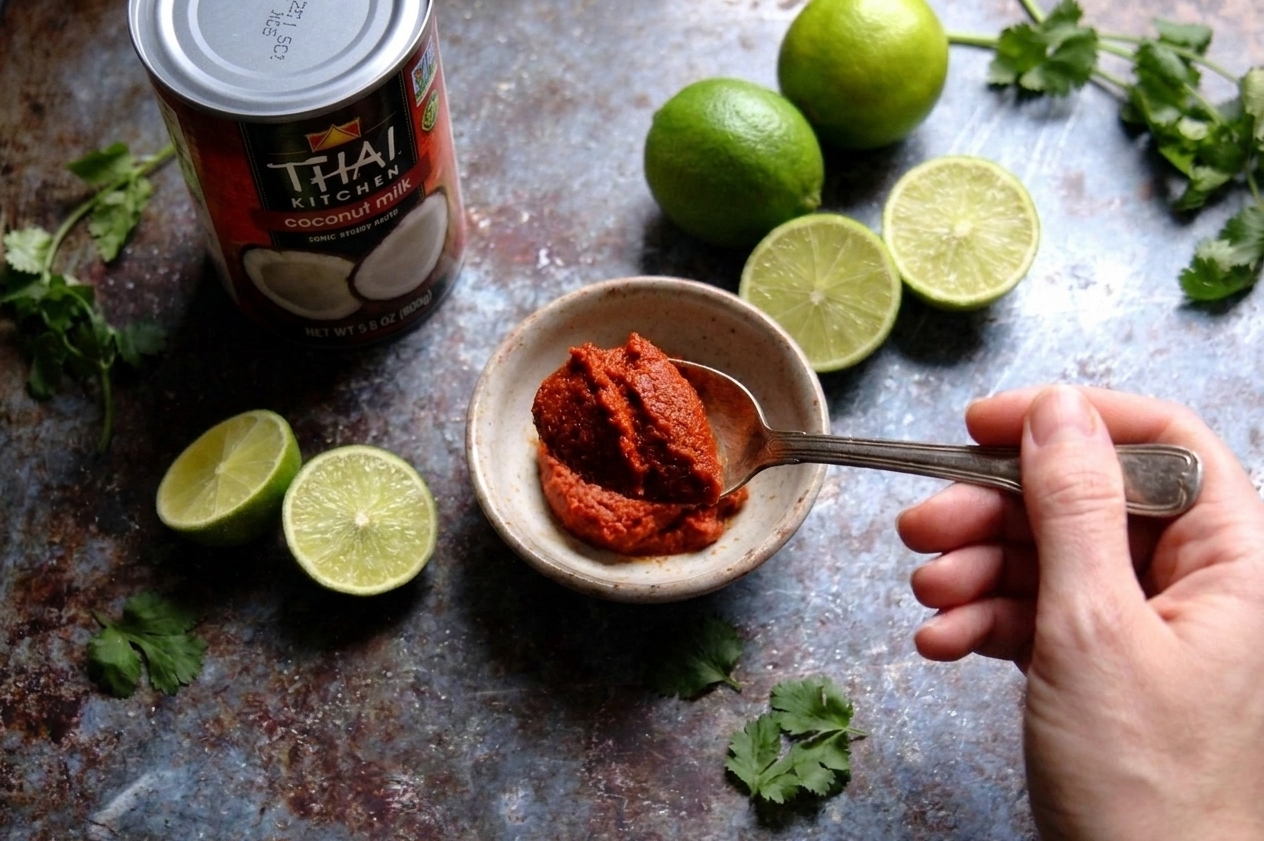
A spoonful of Thai red curry paste held above a small bowl on a bright kitchen counter, with coconut milk and lime nearby

Red curry paste is one of my favorite kitchen shortcuts because it does not taste like a shortcut. One spoonful brings heat, garlic, lemongrass, and that warm, toasty chili flavor that makes plain chicken and a random bag of frozen veggies suddenly feel like a real plan.

This page is your friendly, no-fuss guide to using red curry paste, plus a quick red curry sauce you can throw on almost anything. We are talking weeknight bowls, noodle situations, and the kind of sauce that makes you pause mid-bite and go, “Okay, wow.”
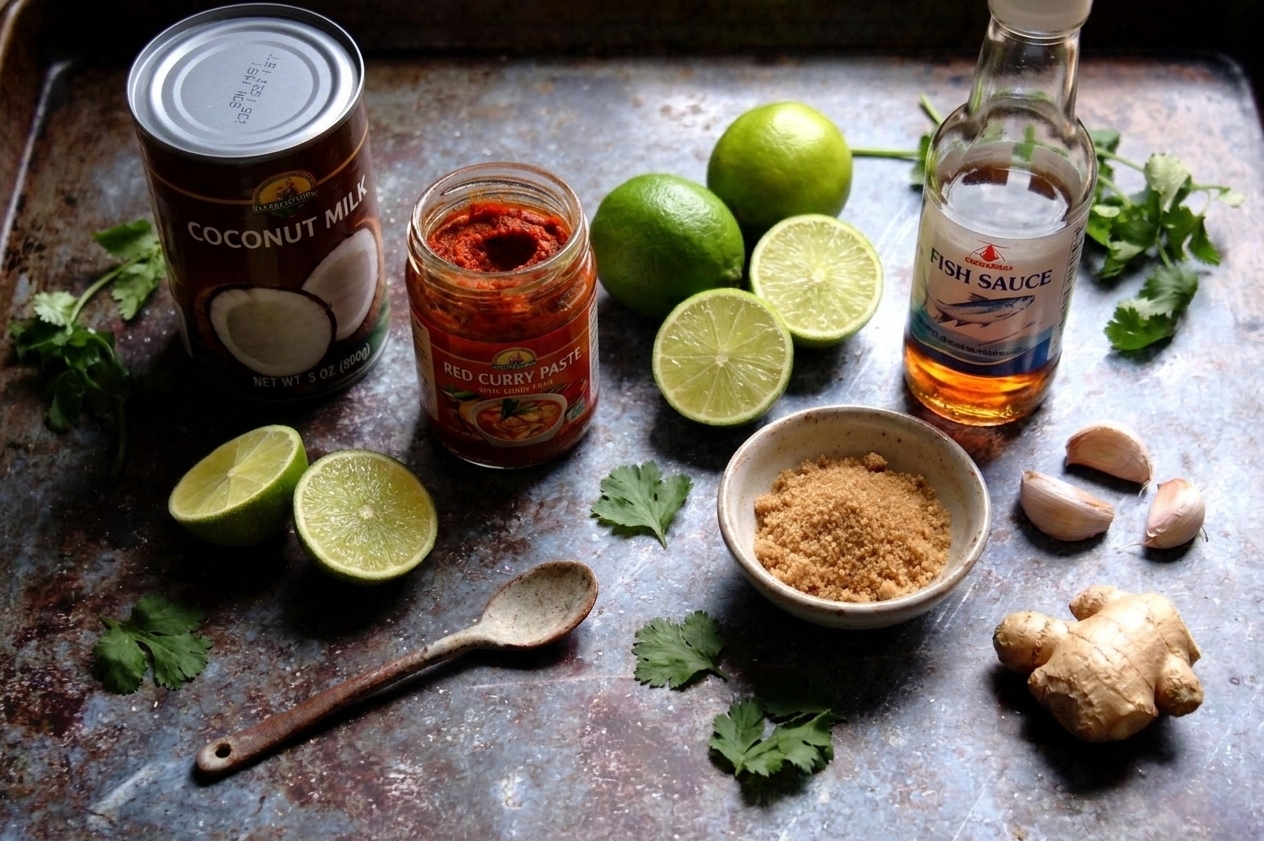
Coconut milk, red curry paste, lime, fish sauce, brown sugar, garlic, and ginger arranged on a clean kitchen counter

What it is

Thai red curry paste is a concentrated blend of dried red chilies, aromatics, and spices that is pounded or processed into a thick paste. Brands vary, but common ingredients include red chilies, garlic, shallot, lemongrass, galangal or ginger, coriander seed, cumin, kaffir lime peel, shrimp paste, and salt.

For the deepest flavor, it is typically bloomed in hot oil first, then turned into a sauce with coconut milk or broth. Think of it like a flavor base, not a finished sauce.

How to use it

  • Bloom it (usually): Sauté the paste in a little oil for 30 to 60 seconds until it smells bold and fragrant. This wakes it up and takes away any raw edge. If you are in a hurry, you can dissolve it straight into warm liquid, but blooming is the upgrade.
  • Start small: Many store-bought pastes are spicy and salty. Begin with 1 tablespoon for a mild sauce, then scale up. A typical range is 1 to 3 tablespoons per can of coconut milk.
  • Balance is everything: Great red curry tastes like heat + creamy + salty + a little sweet + bright acid. Lime at the end is the cheat code.
  • Use it beyond curry: Stir a teaspoon into mayo for sandwiches, into soup, into sautéed greens, or into a quick peanut sauce.
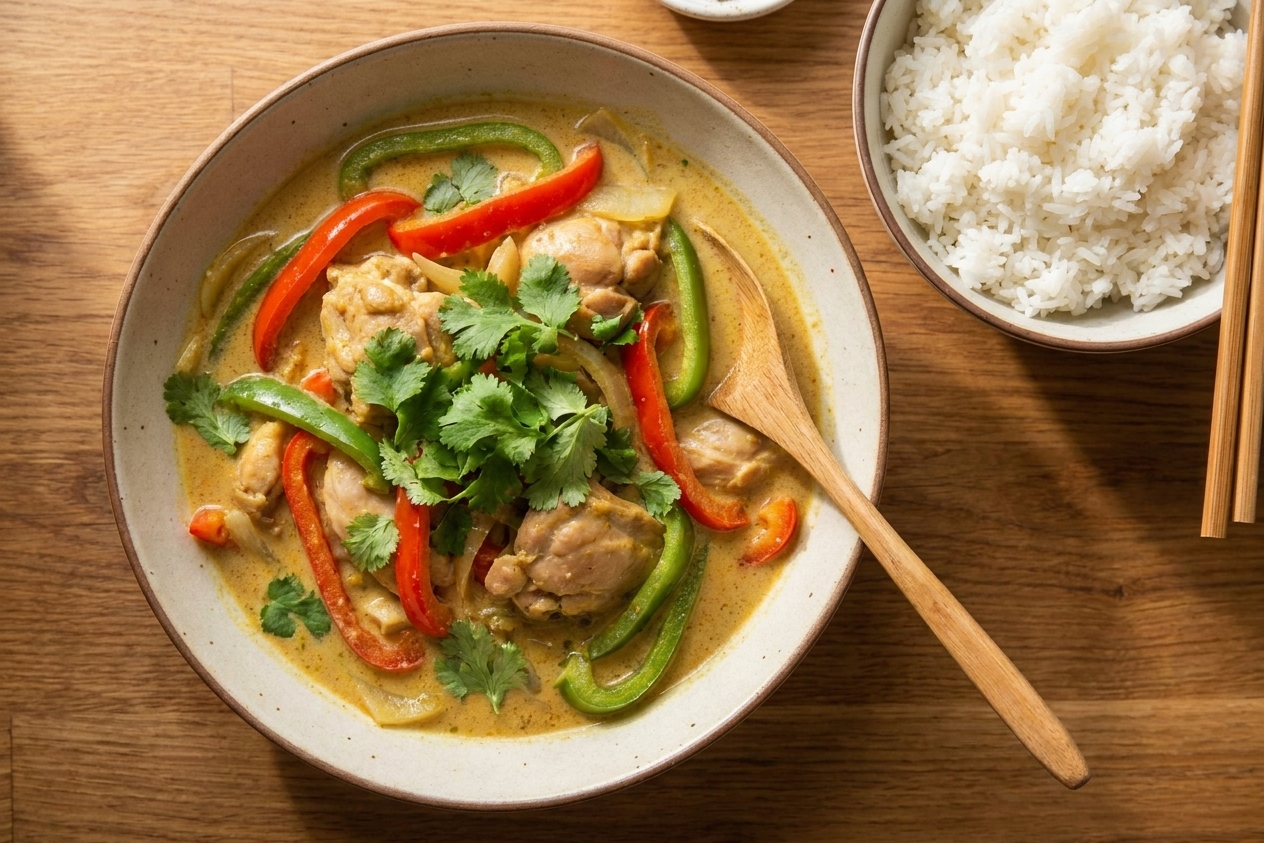
Why It Works

This red curry sauce is designed for real-life cooking.

  • Fast flavor: Blooming the paste in oil makes the aromatics and spices taste deeper in about a minute.
  • Flexible heat: You control the spice level by adjusting the paste, plus a splash of coconut milk cools things down fast.
  • Balanced and glossy: Fish sauce (or soy), a touch of sugar, and lime create that restaurant-style sweet-salty-bright finish.
  • Works with what you have: Pour it over roasted vegetables, simmer it with chicken, or toss it with noodles. The sauce does not judge.
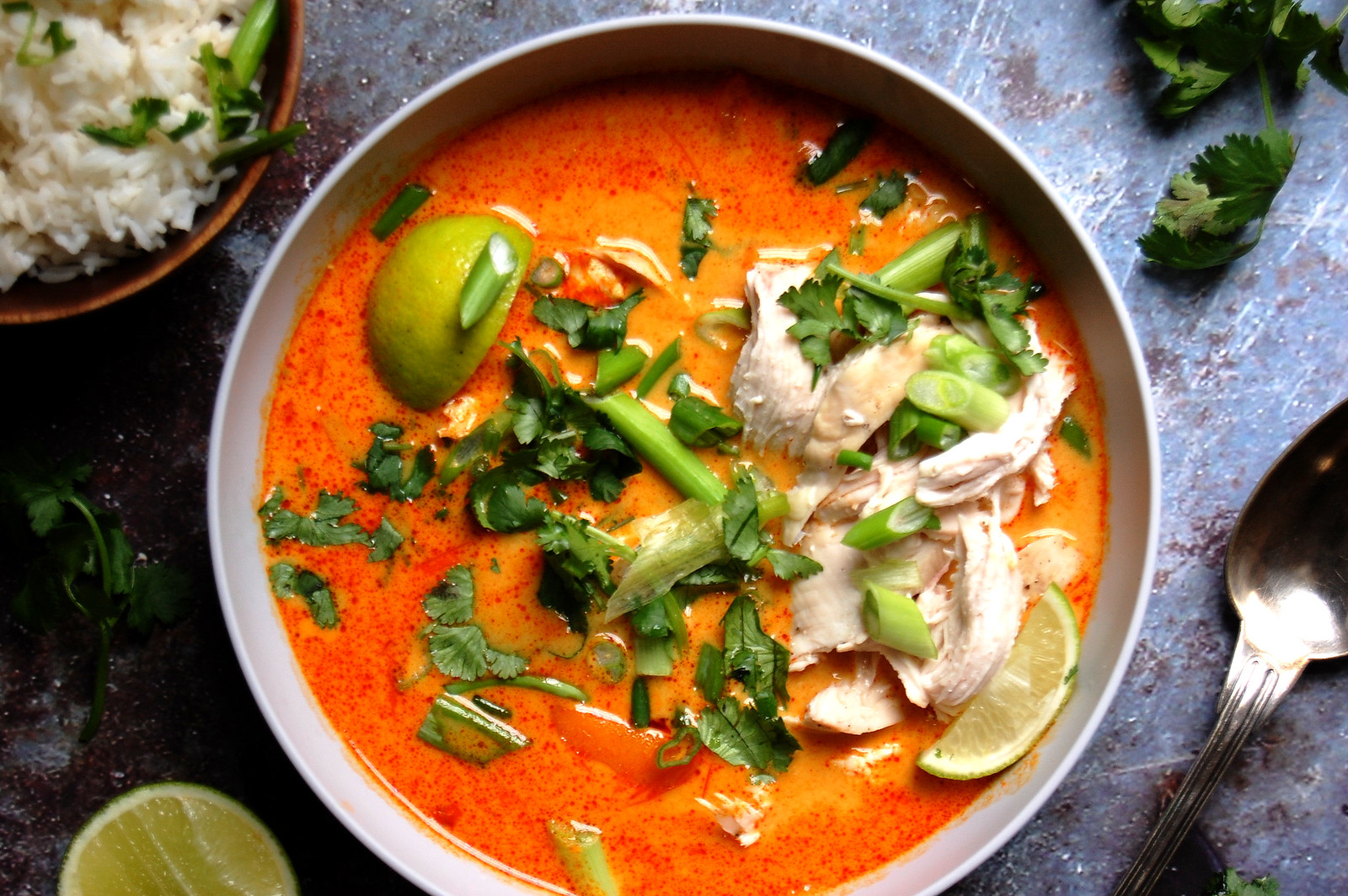
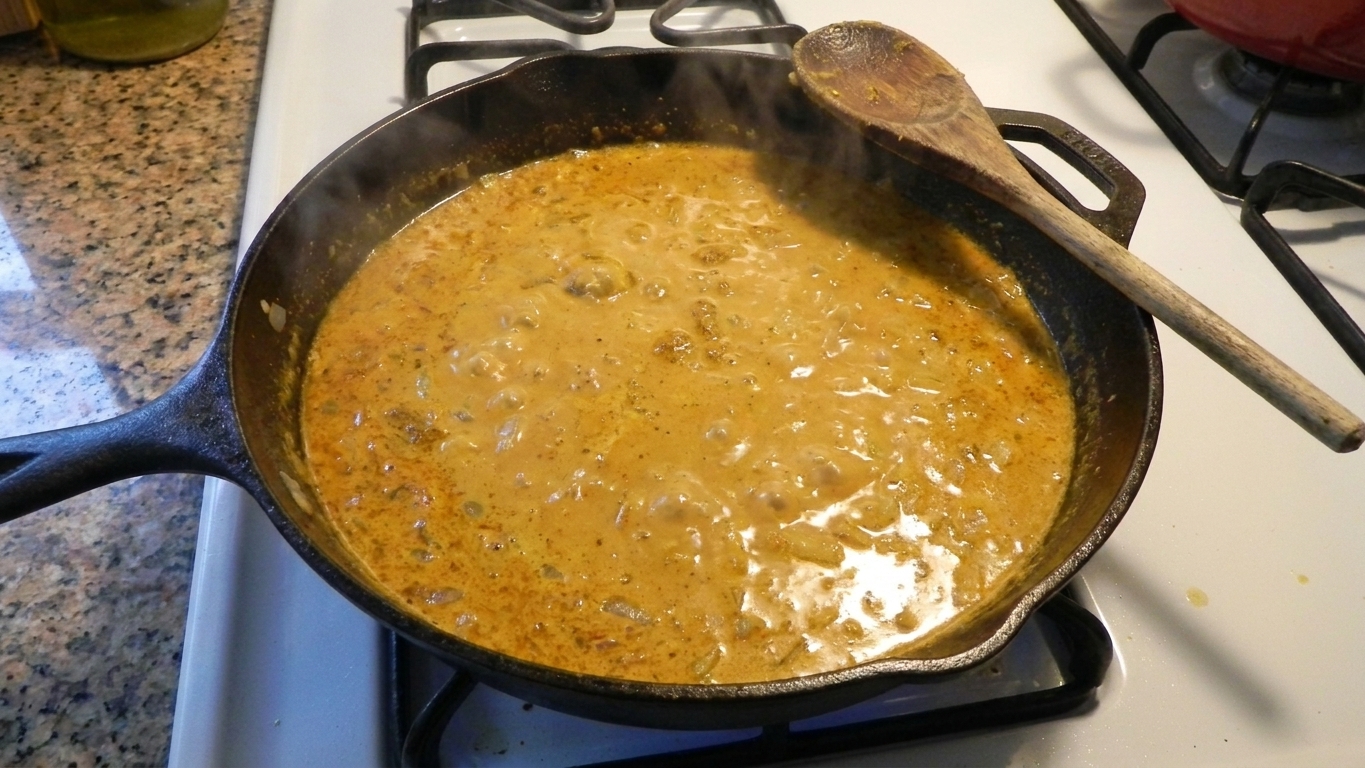
Red curry sauce simmering in a skillet with a wooden spoon, coconut milk swirling into the sauce

Pairs Well With

Storage Tips

Fridge: Store finished red curry sauce in an airtight container for up to 4 days. It will thicken when cold. Rewarm gently with a splash of water or coconut milk.

Freezer: Freeze sauce for up to 3 months. I like freezing it in silicone muffin cups or ice cube trays so you can grab a single portion for noodles or a quick soup.

Leftover red curry paste: Keep the opened jar sealed in the fridge. To extend its life, press plastic wrap directly onto the surface, then close the lid. Most pastes keep well for several weeks, often longer if kept clean and cold. You can also freeze paste in teaspoon or tablespoon portions for easy weeknight wins.

Common Questions

Is red curry paste the same as red curry sauce?

No. Paste is the concentrated base. Sauce is what you get after cooking (or stirring) the paste with coconut milk, broth, and seasonings.

How spicy is red curry paste?

It depends heavily on the brand. Some are mild and aromatic, others bring real heat and a lot of salt. Start with 1 tablespoon per 1 can of coconut milk, taste, then add more. Many people land somewhere in the 1 to 3 tablespoon range.

Does red curry paste contain shrimp?

Many traditional versions include shrimp paste. If you need vegetarian or vegan, look for brands labeled vegan or shrimp paste-free, or read the ingredient list closely.

Can I substitute red curry paste for green curry paste?

Yes, but the flavor shifts. Green curry tends to be brighter and more herbal. Red curry is usually warmer and a bit deeper. Use the same method and adjust heat to taste.

How do I fix a curry that tastes flat?

Try one of these, one at a time: a pinch more salt or fish sauce, a squeeze of lime, a small spoon of sugar, or a bit more paste briefly warmed in oil. Flat curry usually needs salt or acid, not more random ingredients.

Why did my coconut curry look separated?

If the sauce boils hard, coconut milk can split and look oily or grainy. It is still safe and often still tasty, but for a smoother sauce keep it at a gentle simmer and stir occasionally.

What can I make with red curry paste besides curry?

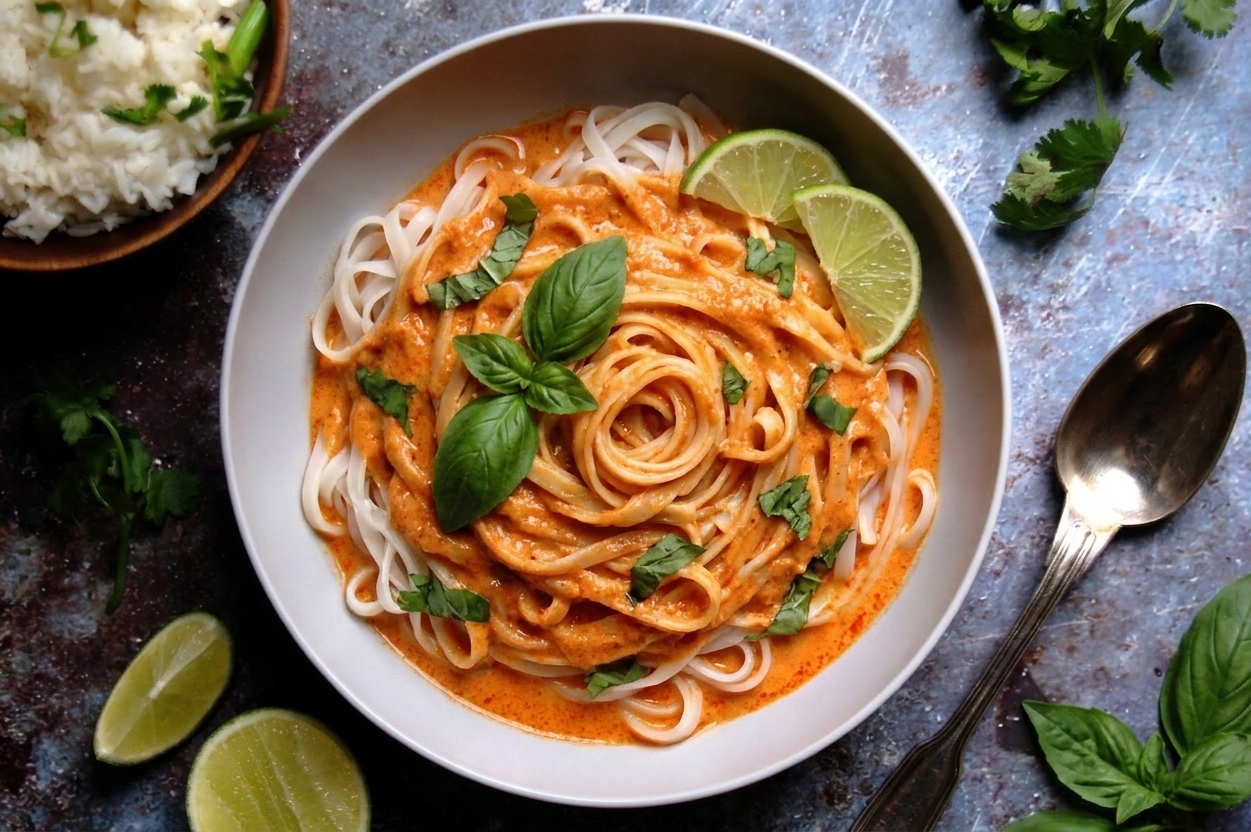
Red curry peanut noodles, curry mayo, coconut curry soup, curry fried rice, or a quick marinade for chicken or tofu.

I started keeping red curry paste around when I was trying to cook more with whatever was already in the fridge, which is a fancy way of saying I was tired and did not want to grocery shop. One night it was coconut milk, a lonely lime, and a bag of vegetables that had seen better days. I bloomed the paste in oil, poured in the coconut milk, and suddenly the kitchen smelled like I had a plan. Now it’s my go-to move when I want dinner to feel cozy and bright at the same time, with just enough heat to keep it interesting.