Mom's Best Recipes
Recipe

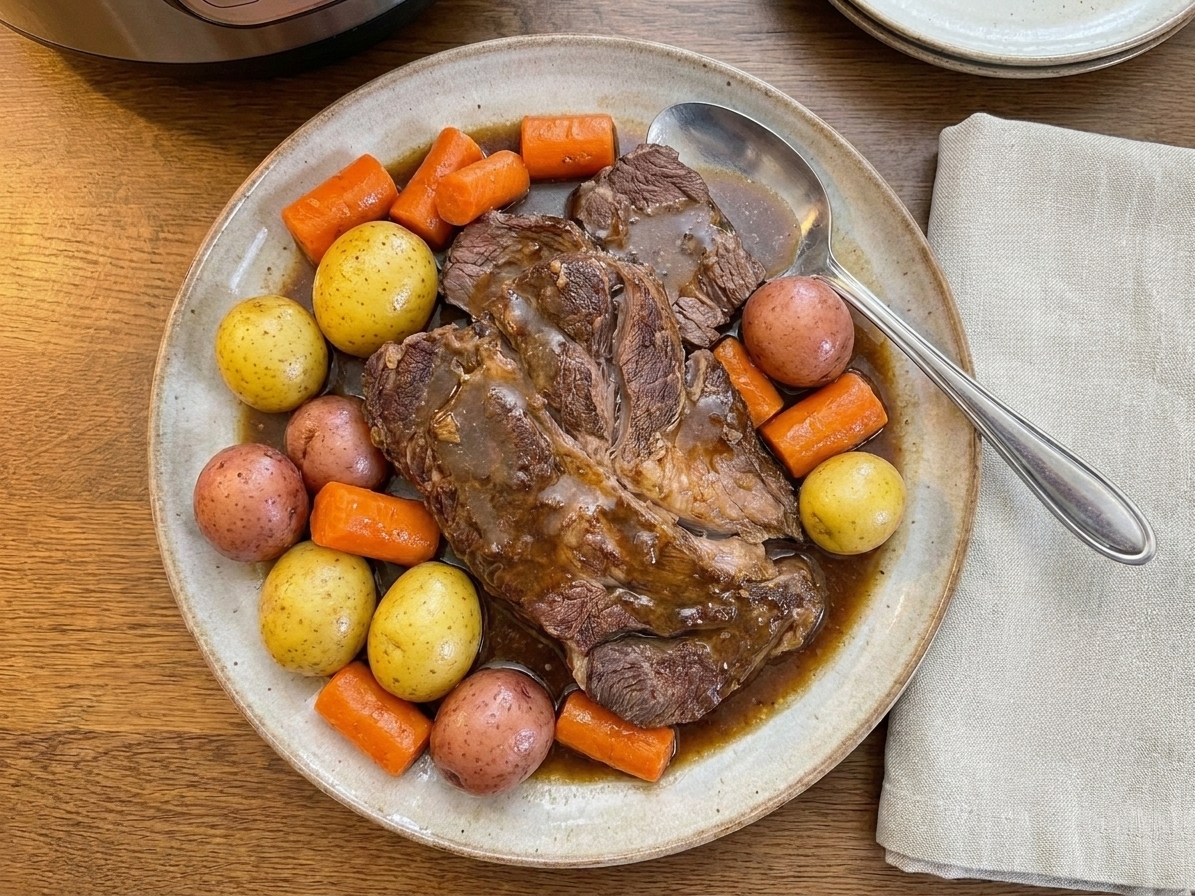
Red Wine Braised Beef

A cozy, fork-tender pot of beef braised in red wine with carrots, onions, and a glossy pan sauce that tastes like you tried way harder than you did.

Author By Matt Campbell
4.8
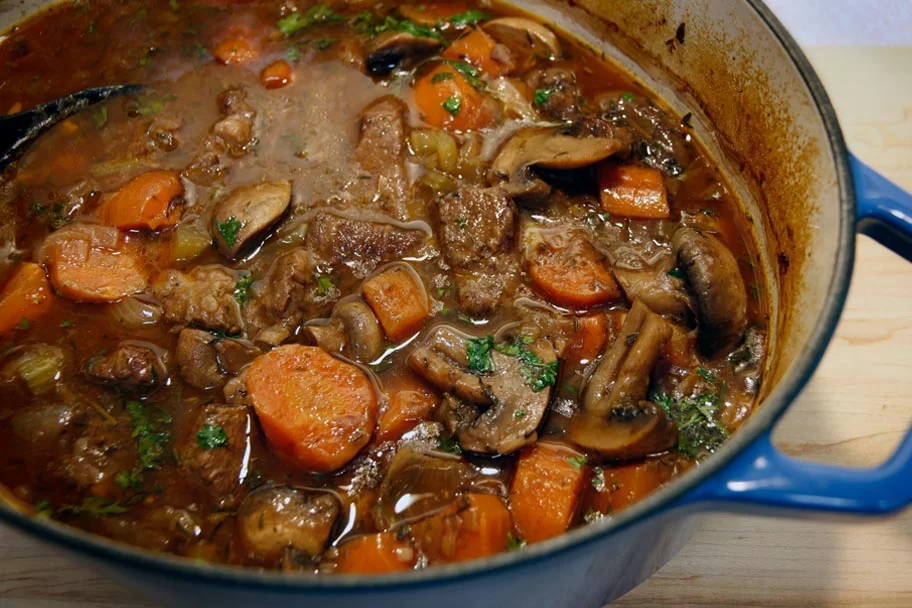
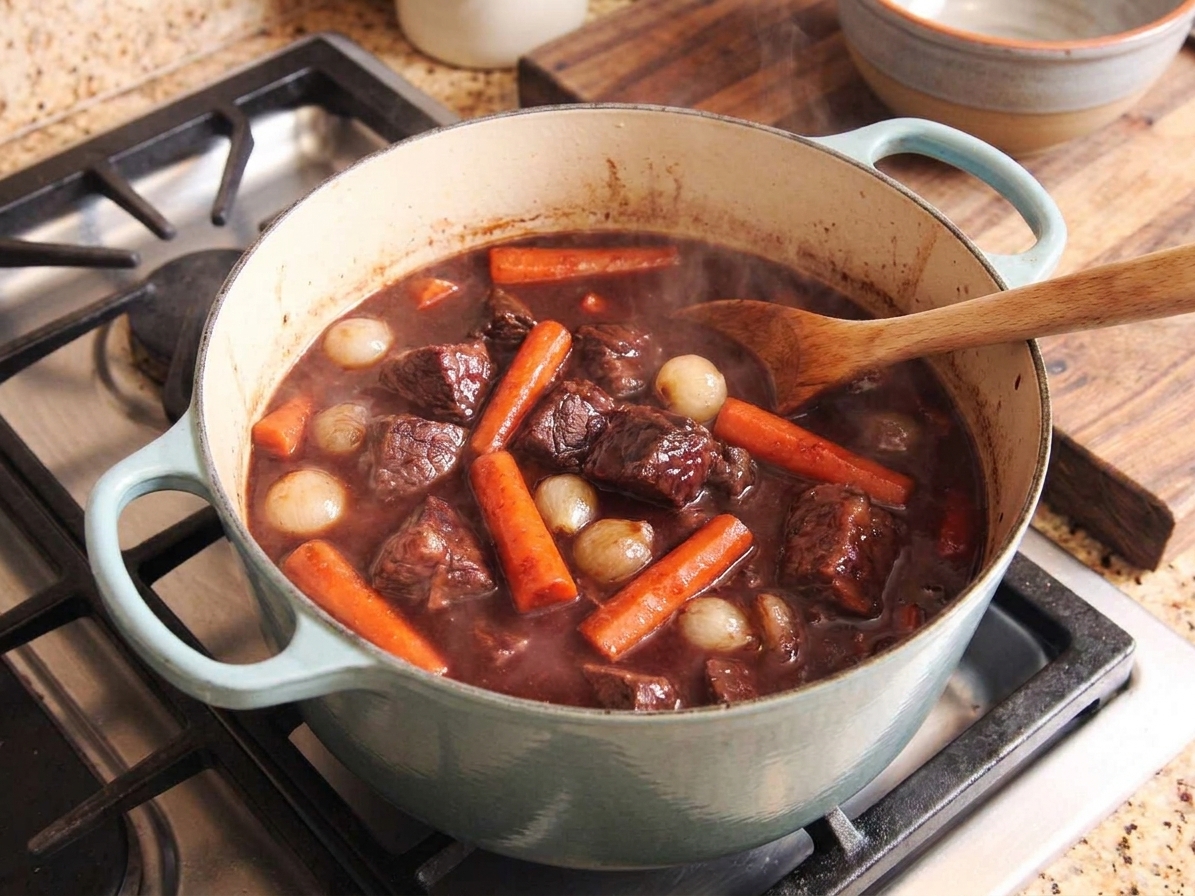
A Dutch oven filled with red wine braised beef, carrots, and onions in a glossy dark sauce on a stovetop in warm kitchen lighting

Braised beef is one of those dinner moves that makes the whole house smell like you have your life together. You do not. You just browned some meat, poured in a few good things, and let time do the heavy lifting.

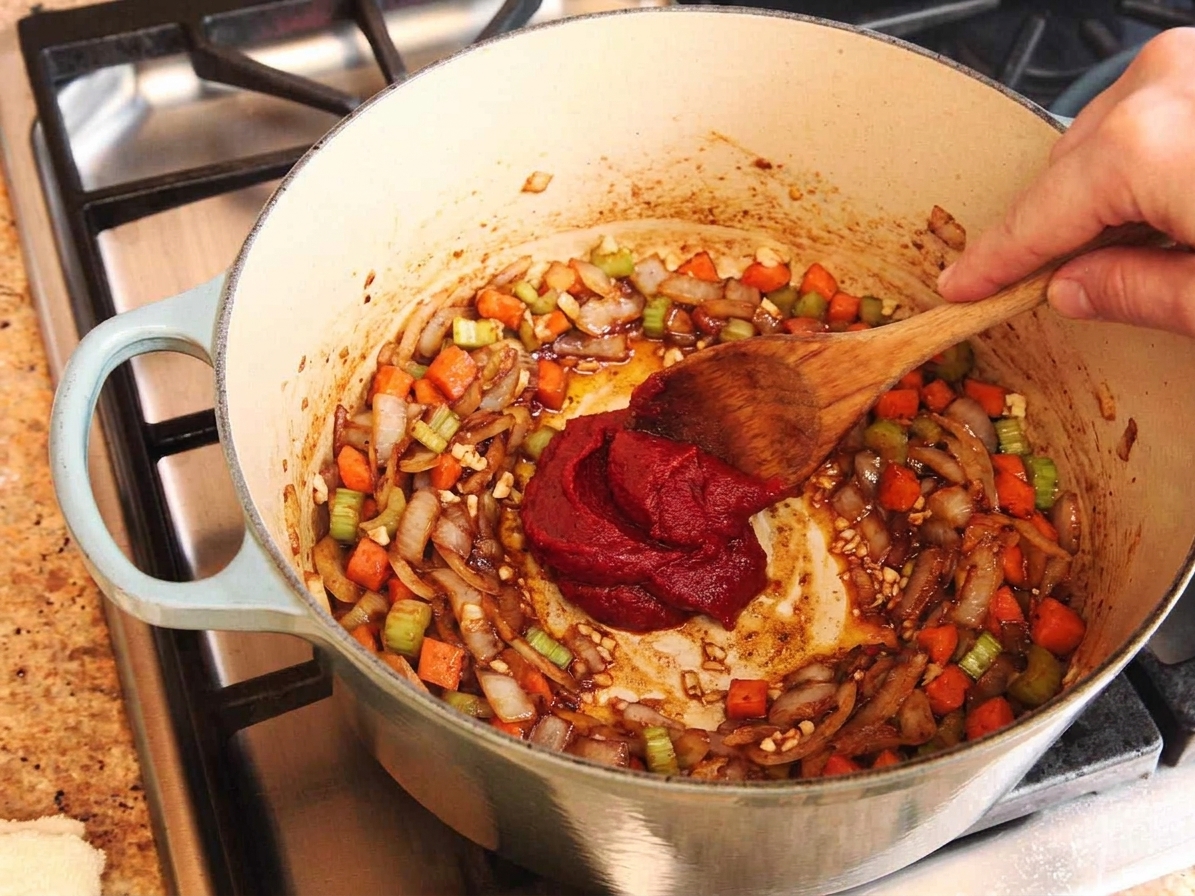
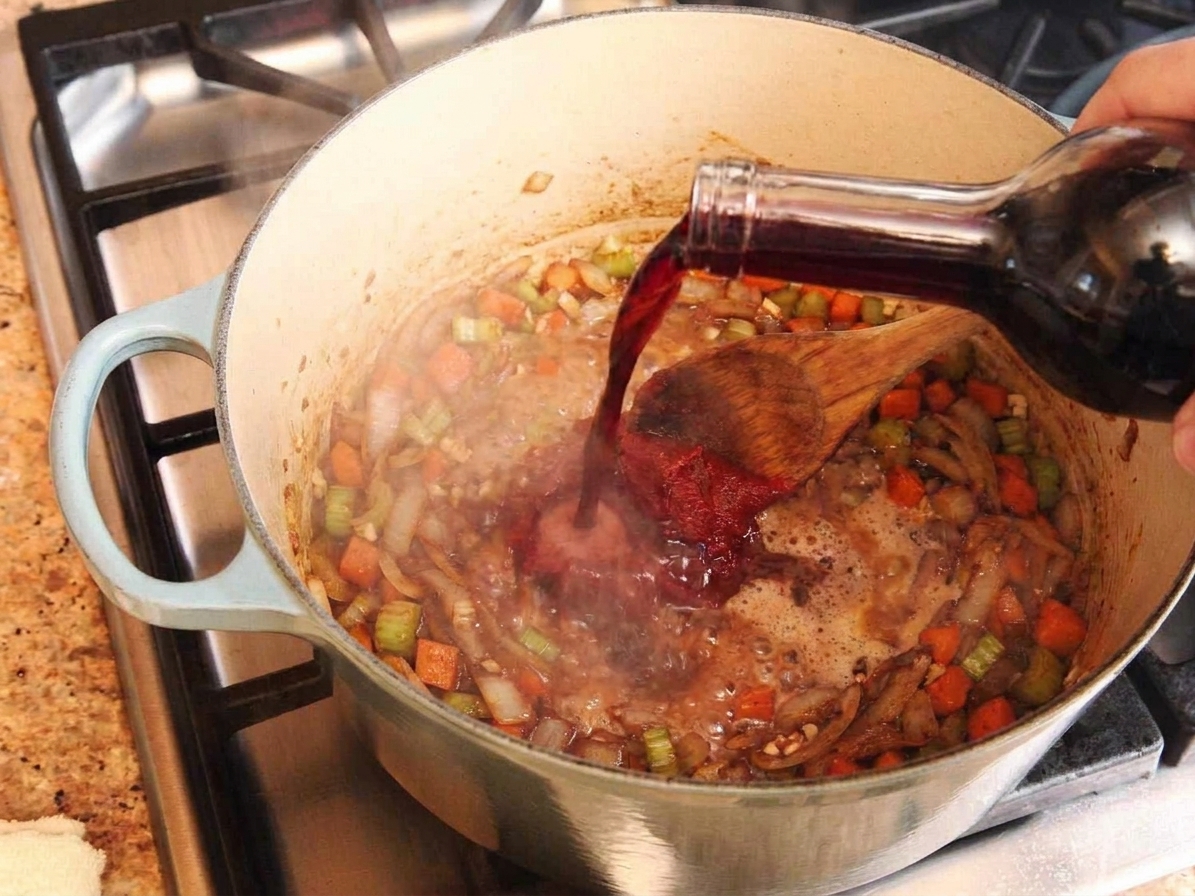
This version is my go-to: red wine, beef stock, tomato paste, aromatics, and a couple sneaky flavor boosters that make the sauce taste deep and restaurant-y without requiring a culinary degree or a new personality.

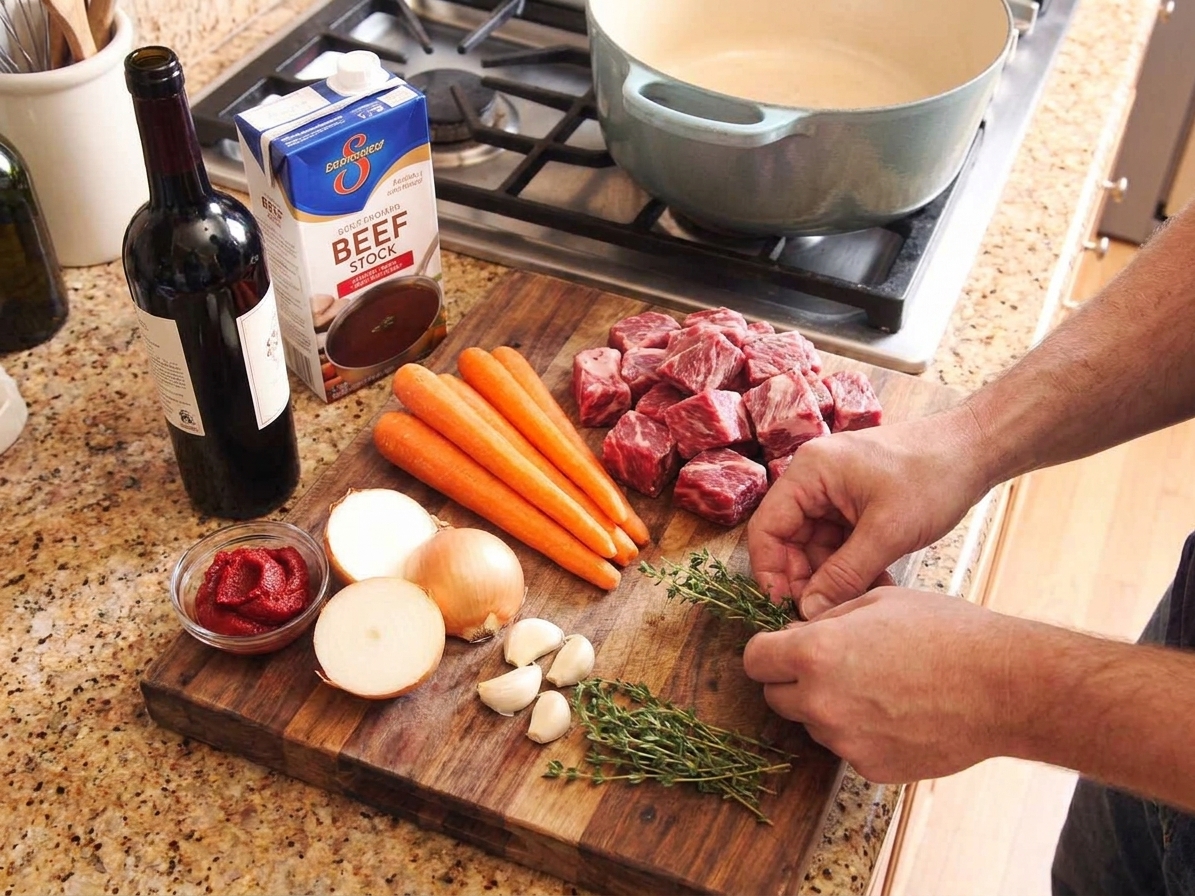
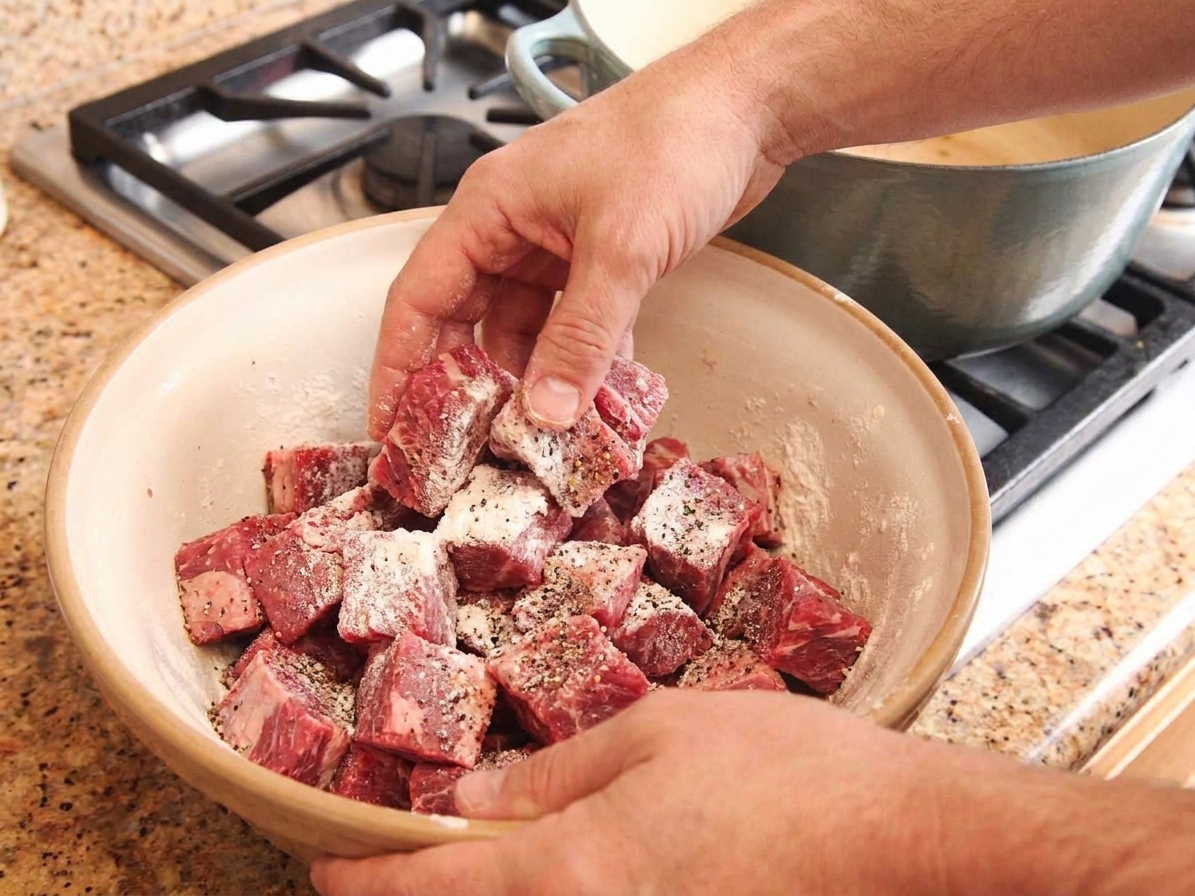
A wooden cutting board on a kitchen counter with chuck roast, carrots, onion, garlic, thyme, tomato paste, red wine, and beef stock arranged for braising

Why It Works

  • Fall-apart tender beef: We use chuck roast and give it enough time at a gentle simmer so the collagen melts into silky goodness.
  • A sauce that actually tastes like something: Tomato paste gets caramelized, the wine reduces, and the braising liquid turns glossy with just a little finishing trick.
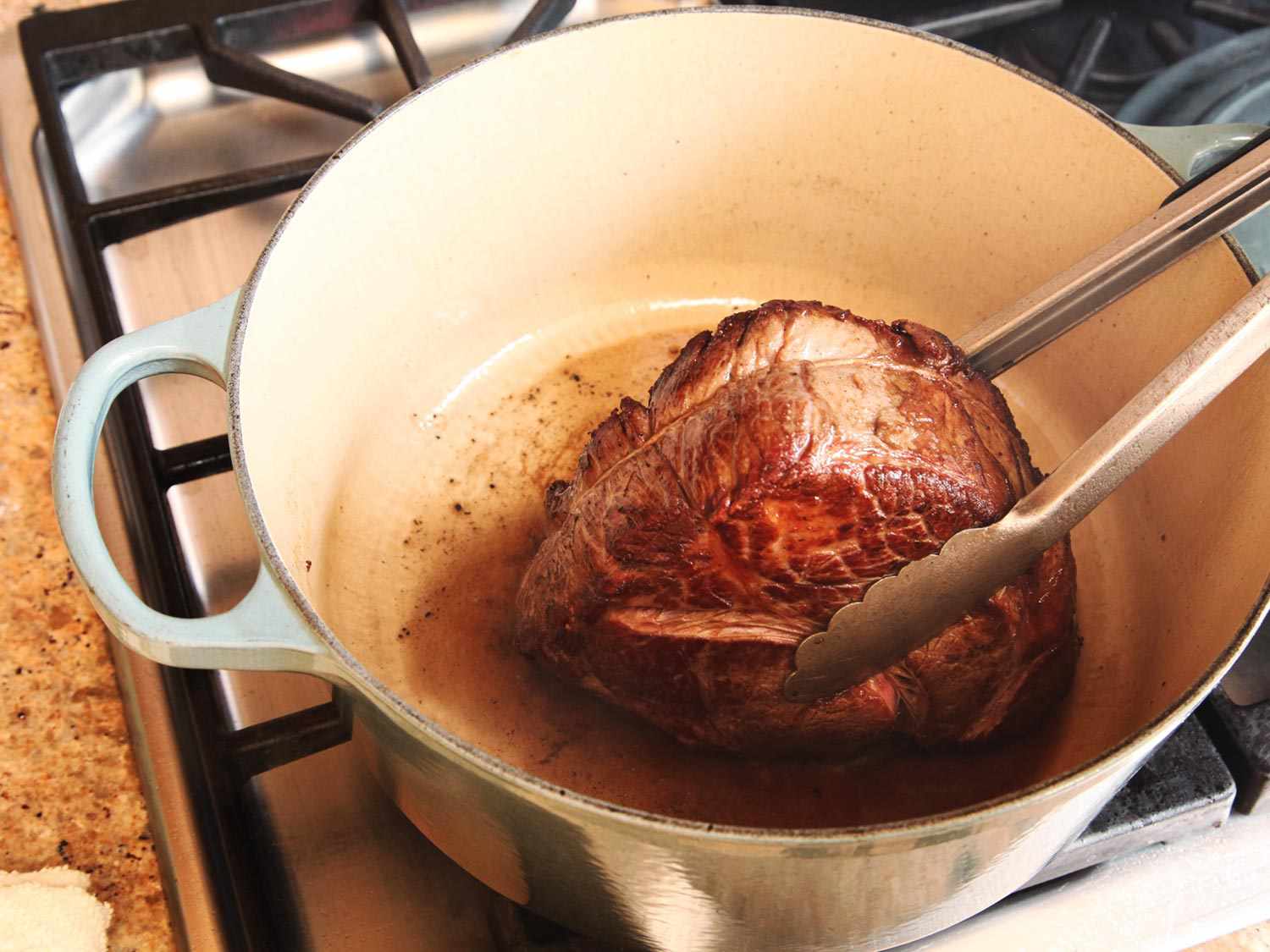
  • One pot, low chaos: Sear, sauté, braise. The oven does the rest while you pretend you are “cleaning as you go.”
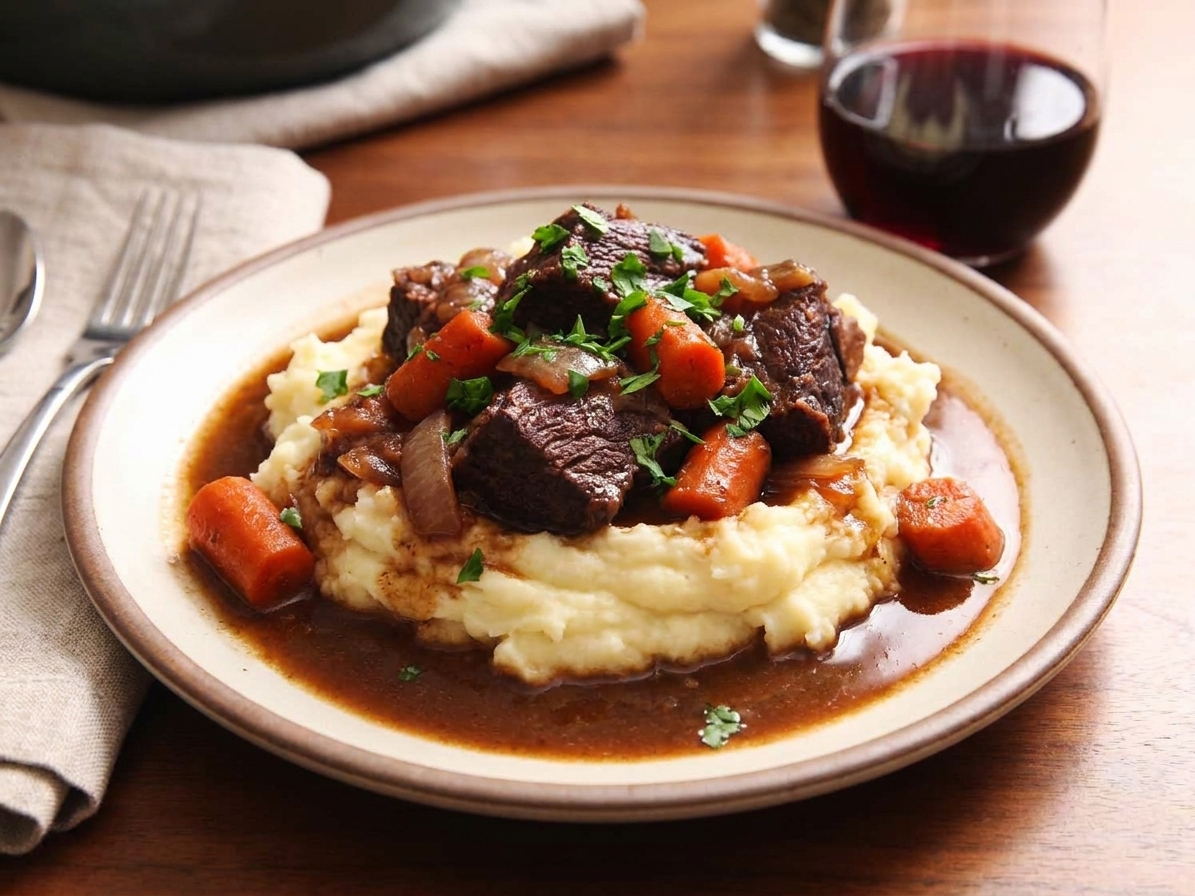
  • Flexible serving options: Over mashed potatoes, buttered noodles, polenta, or with crusty bread that you should absolutely drag through the sauce.

Pairs Well With

Storage Tips

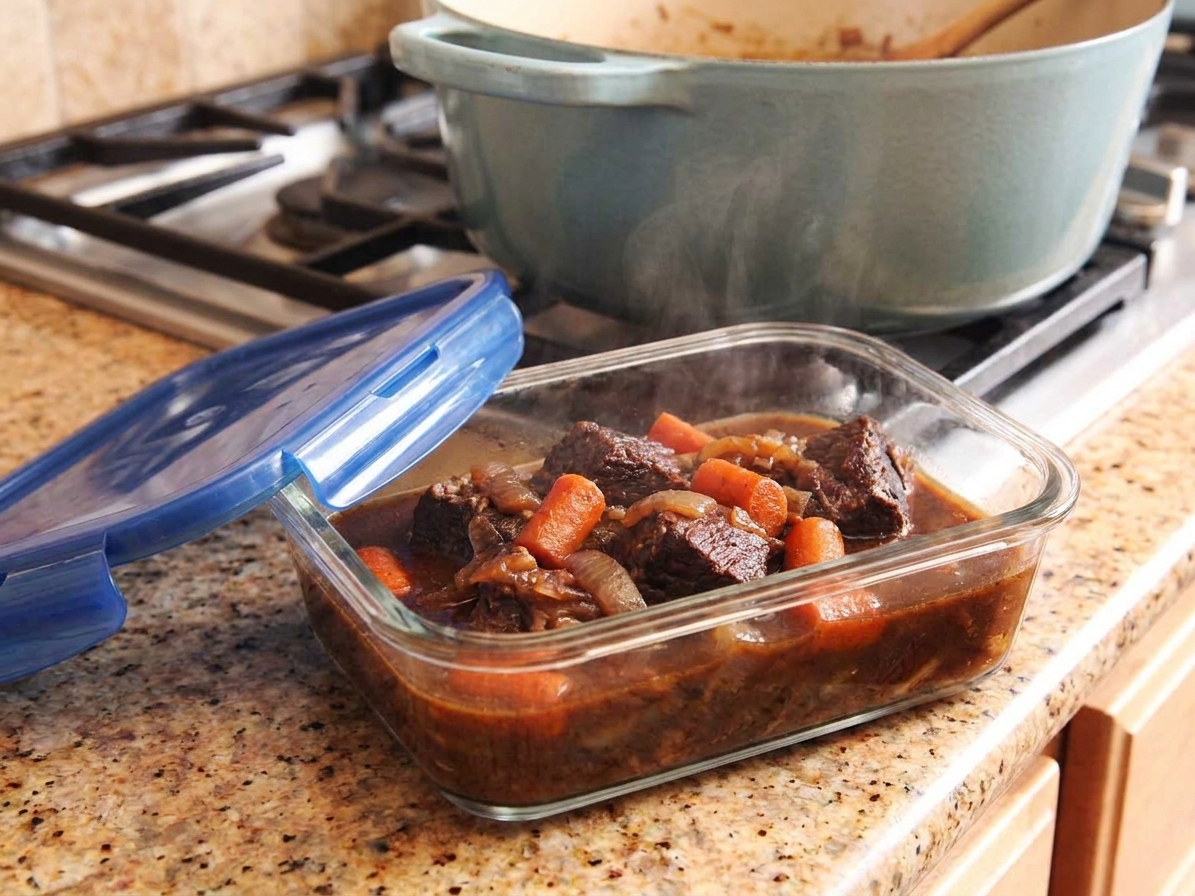
Fridge: Store beef and sauce together in an airtight container for up to 4 days. The flavor gets better overnight, which feels unfair but we will take the win.

Freezer: Freeze in a freezer-safe container for up to 3 months. For best texture, freeze with plenty of sauce covering the meat.

Reheat: Warm gently in a covered saucepan over low heat, adding a splash of broth or water if the sauce has tightened up. Microwave works too, but use 50 to 70 percent power and stir so the edges do not overcook.

A glass meal prep container filled with braised beef and sauce cooling on a kitchen counter with a lid nearby

Common Questions

What cut of beef is best for braising?

Chuck roast is the sweet spot: affordable, flavorful, and it turns buttery with a long, gentle cook. Brisket, short ribs, and bottom round can work too, but chuck is the most forgiving.

Do I have to use red wine?

No. Replace the wine with 1 1/2 cups additional beef broth plus 1 tablespoon balsamic vinegar (or red wine vinegar) to keep the sauce bright. It will taste a little different, still very good.

What kind of red wine should I use?

Use a dry red you would actually drink (Cabernet, Merlot, or a blend). Avoid “cooking wine”, it can be aggressively salty and a little weird.

Why is my braised beef tough?

It usually just needs more time. Braising is not “cook until done,” it is “cook until the connective tissue finally gives up.” Keep it covered and go another 20 to 40 minutes, checking tenderness.

How do I know it is done?

You want fork-tender, meaning a fork slides in easily and you can twist a piece without a fight. If you like numbers, chuck is often tender around 195 to 205°F, but the fork test matters most.

How do I thicken the sauce?

Option 1: Simmer the sauce uncovered for 5 to 15 minutes after the beef is done. Option 2: Mash a tablespoon of softened butter with a tablespoon of flour (a quick beurre manié), whisk it into the simmering sauce, and cook 2 minutes.

Can I make this in a slow cooker?

Yes. Still do the sear and the sauté step first for flavor. Then cook on Low for 8 to 9 hours or High for 4 to 5 hours, until the beef is fork-tender. You can shred it if you want, but it also holds as cozy, spoonable chunks.

Can I make it ahead?

Absolutely. It is even better the next day. Cool, refrigerate overnight, then reheat gently on the stove so the sauce stays silky.

I used to think “braised beef” was code for an all-day, chef-only situation. Then I started chasing practical skills over perfect plans, and I realized braising is basically the friendliest kind of cooking: you show up, do a few solid steps, and let time handle the rest.

This is the dish I make when I want maximum comfort with minimum fuss. It is also the dish that makes people hover near the stove asking, “What smells so good?” which is my favorite kind of kitchen chaos.