Mom's Best Recipes
Recipe

Herb-Garlic Ribeye Roast

A foolproof ribeye roast with a crisp, savory crust and a tender, rosy center, plus a quick pan sauce that makes it feel restaurant-level without the stress.

Author By Matt Campbell
4.8
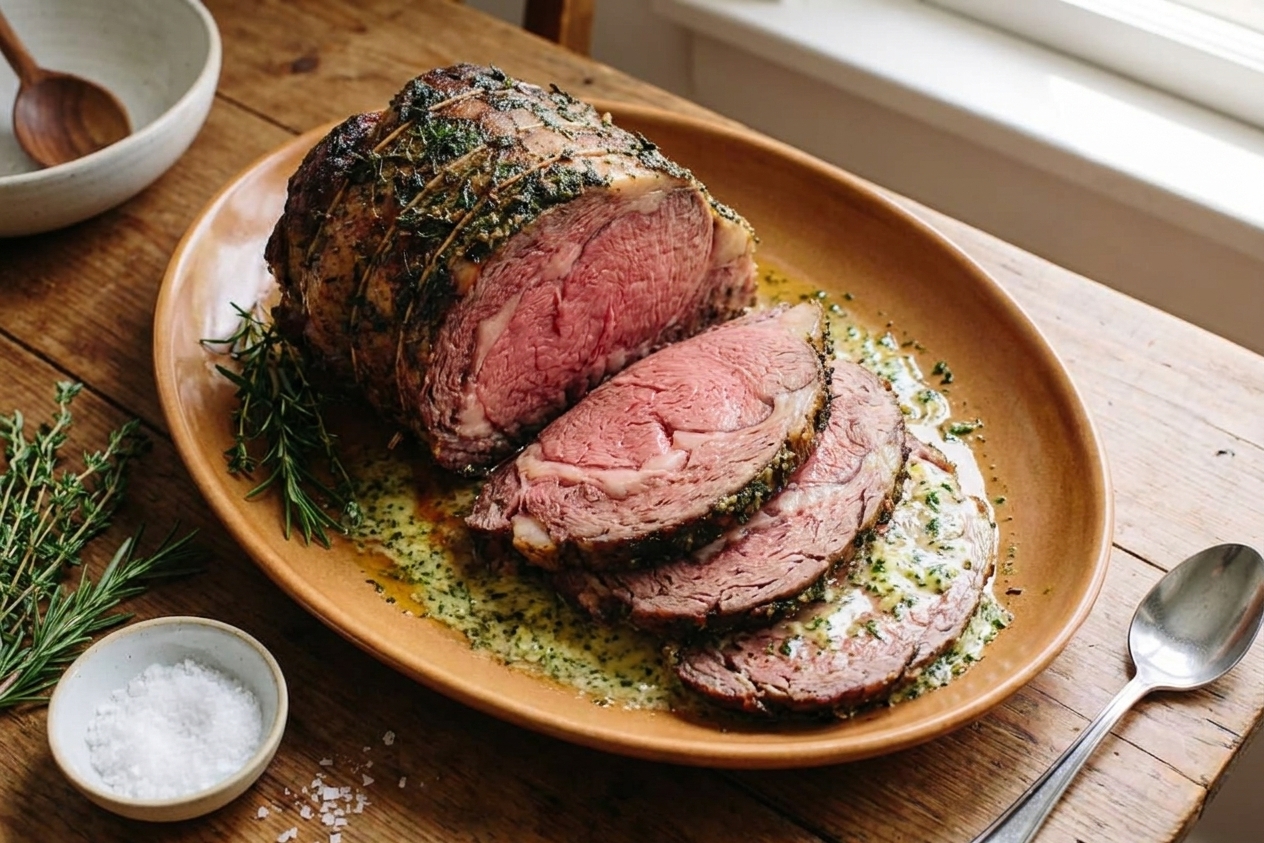
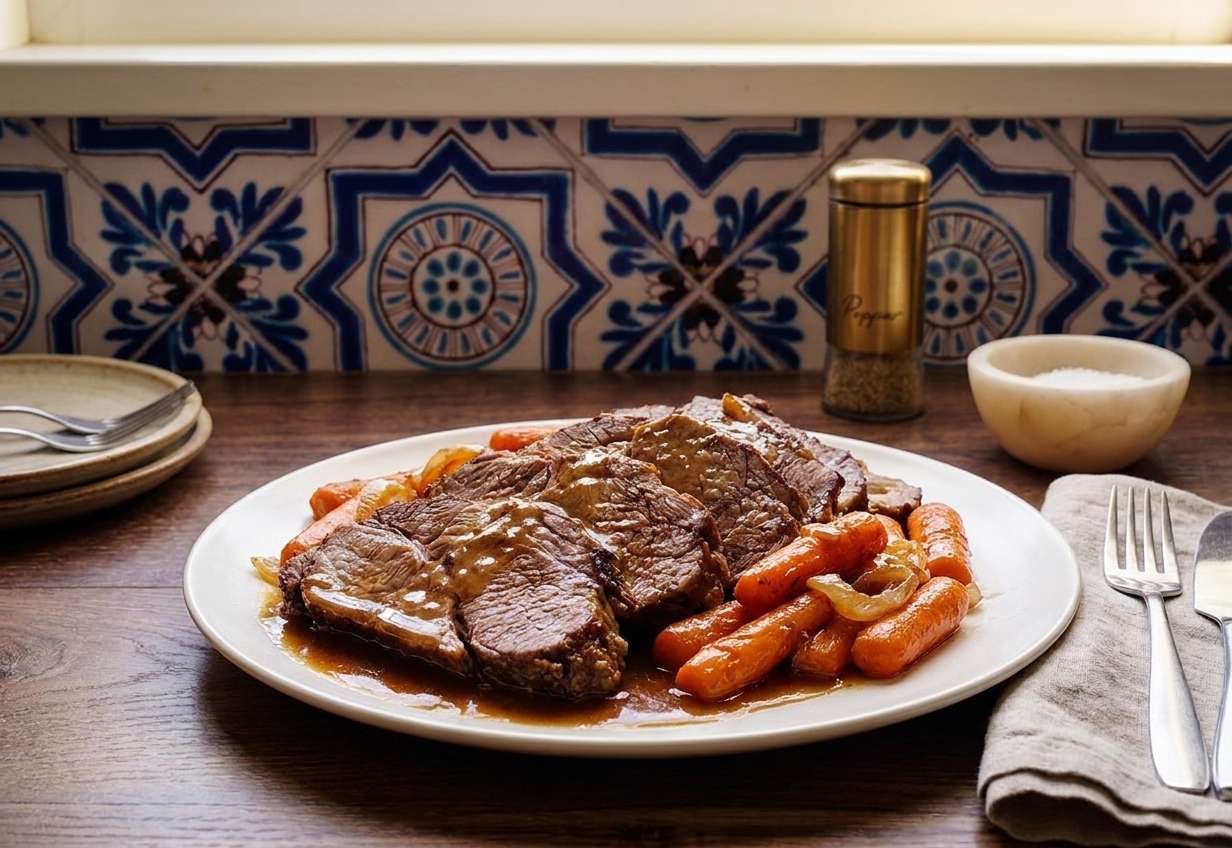
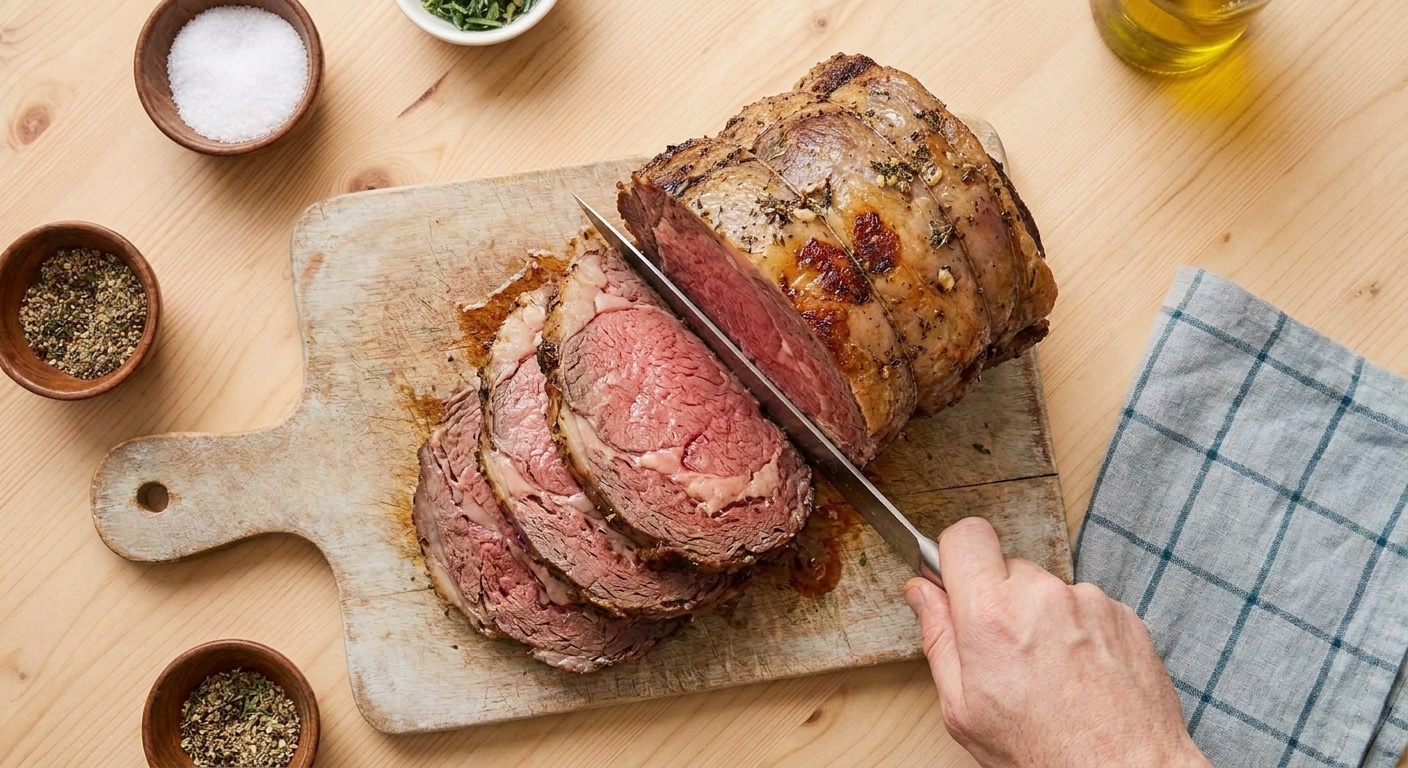
A sliced ribeye roast fanned on a warm platter with a browned crust, rosy medium-rare center, and a small bowl of pan sauce on a cozy dinner table

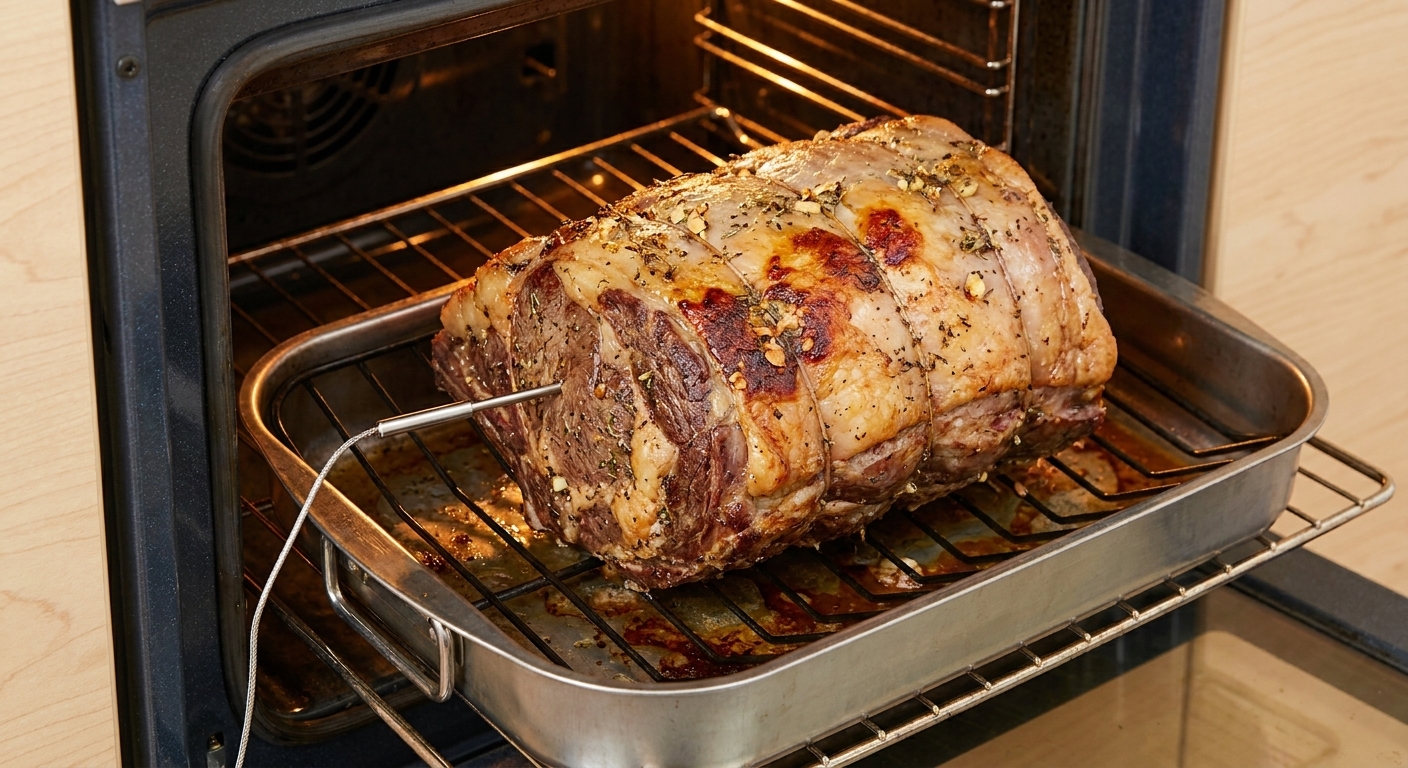
Ribeye roast is basically the cheat code for steakhouse vibes at home. It is rich like a ribeye steak, but way easier to serve to a group because the oven does the heavy lifting. My goal here is simple: crisp edges, juicy center, and a pan sauce you will want to drag a spoon through.

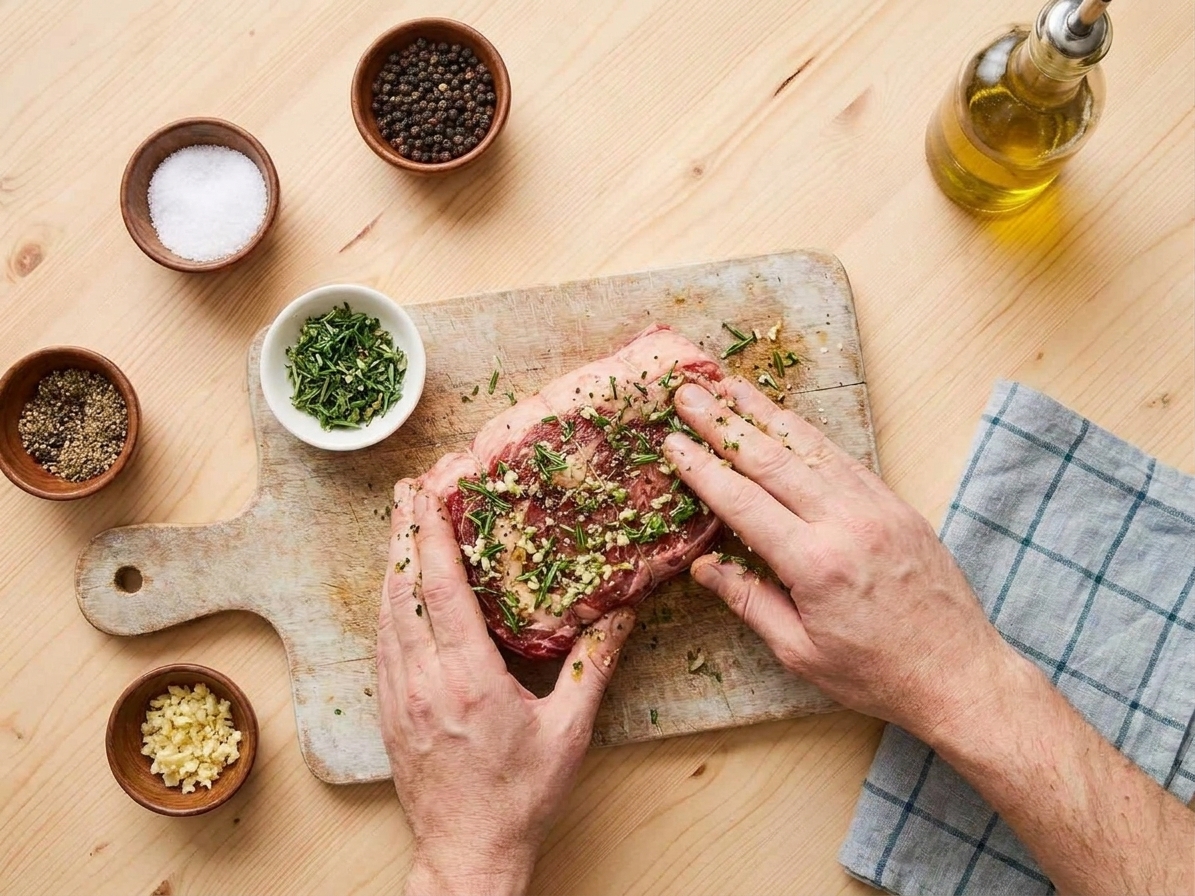
This method keeps ingredients accessible and steps low drama. We season aggressively, roast hot to kick-start the crust, then finish at a gentler temp so the middle stays tender. You do not need fancy gear or a culinary degree. You just need a thermometer and the confidence to let the roast rest.

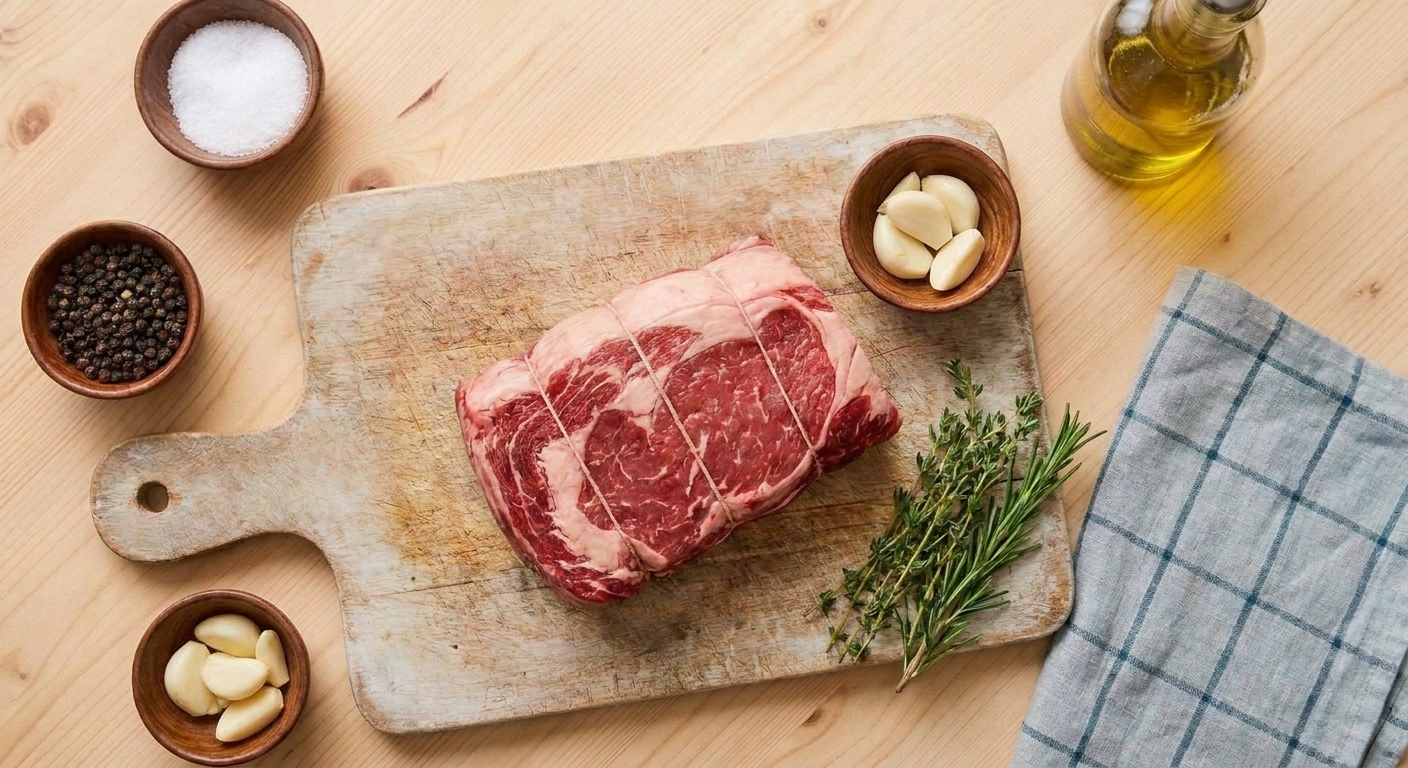
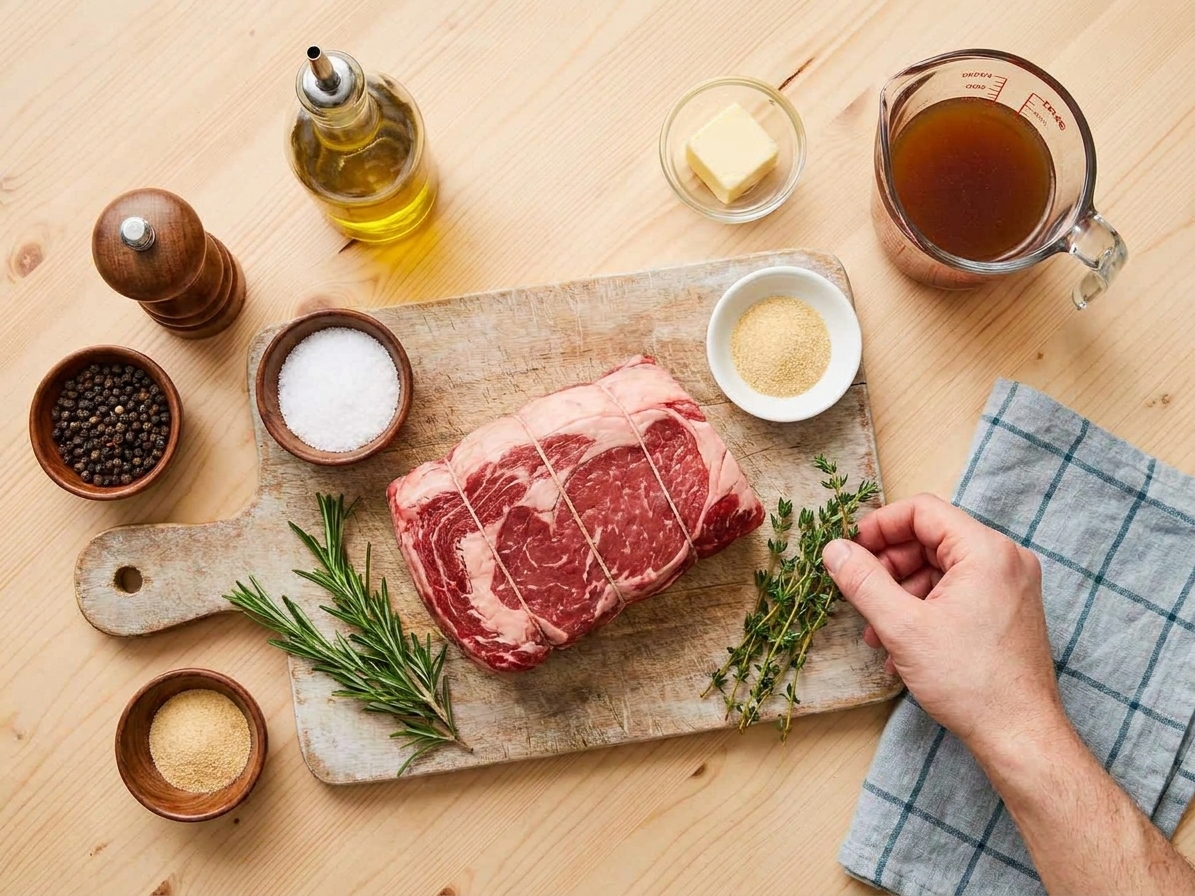
A raw ribeye roast tied with butcher's twine on a cutting board next to kosher salt, black pepper, garlic, and fresh herbs in a home kitchen

Why It Works

  • Big beef flavor, minimal work: Ribeye has enough marbling to stay juicy even if you are not a pro roaster.
  • A real crust: Starting hot jump-starts browning so you get those crisp, savory edges.
  • Even doneness: Finishing at a lower temp keeps the center rosy and tender, not gray and dry.
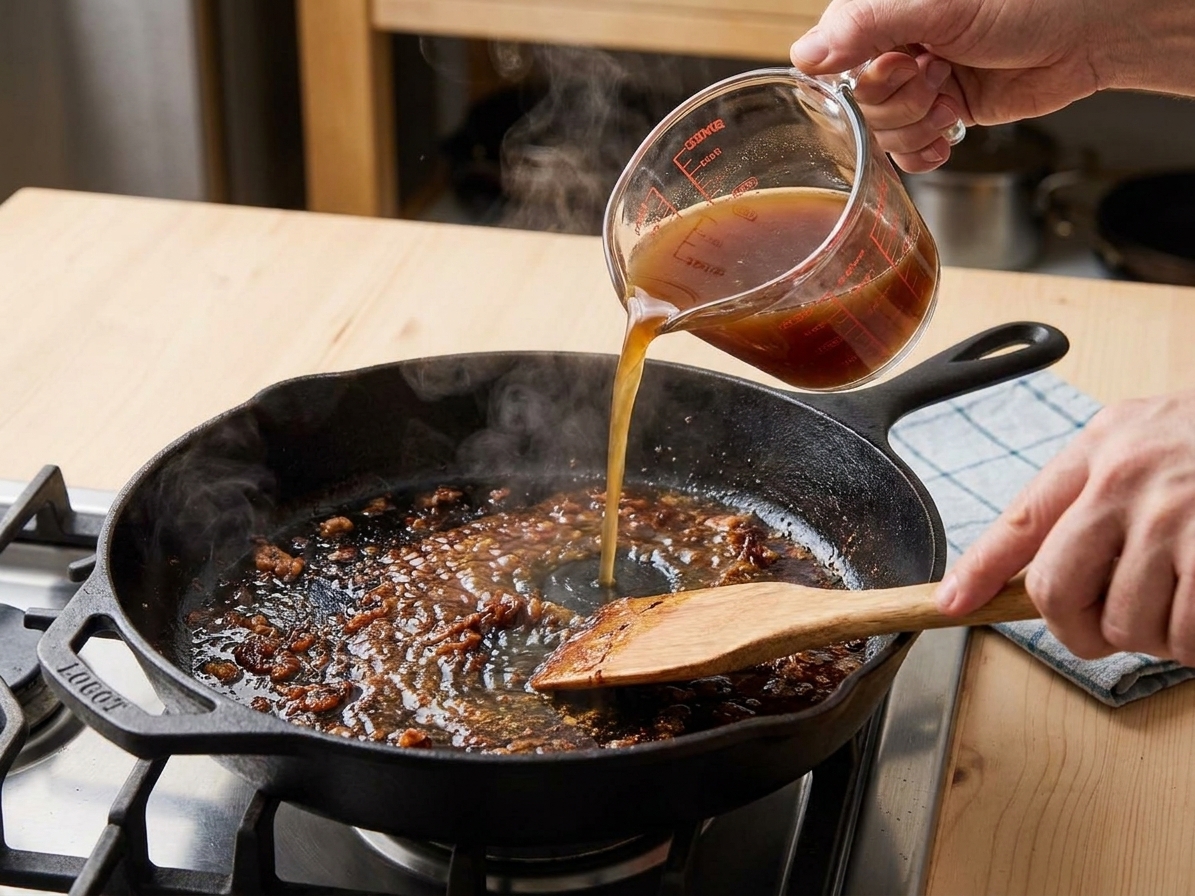
  • Pan sauce that tastes like you tried harder: A splash of broth, the browned bits, and an optional pat of cold butter turn the drippings into something glossy and delicious.

Pairs Well With

Storage Tips

Cool and store: Let leftover ribeye roast cool, then refrigerate in an airtight container within 2 hours.

  • Fridge: 3 to 4 days.
  • Freezer: 2 to 3 months. Wrap slices tightly in plastic wrap, then foil, or use a freezer bag with as much air removed as possible.

Reheat without drying it out: My favorite move is to warm slices in a covered skillet with a splash of broth over low heat until just heated through. Or reheat in a 275°F oven, wrapped in foil, until warm. The microwave works in a pinch, but keep the power low and the time short so you do not turn your beautiful roast into jerky.

Leftover ideas: Steak sandwiches with horseradish mayo, quick fried rice, or a breakfast hash with crispy potatoes and onions.

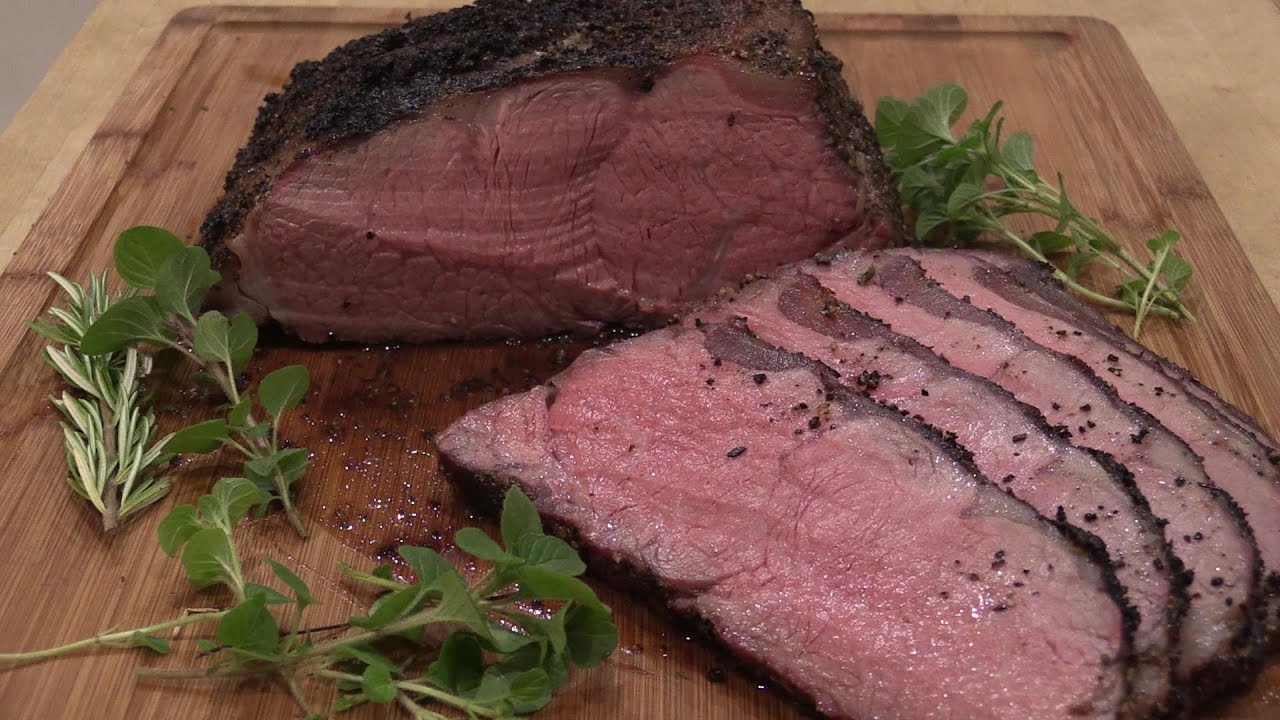
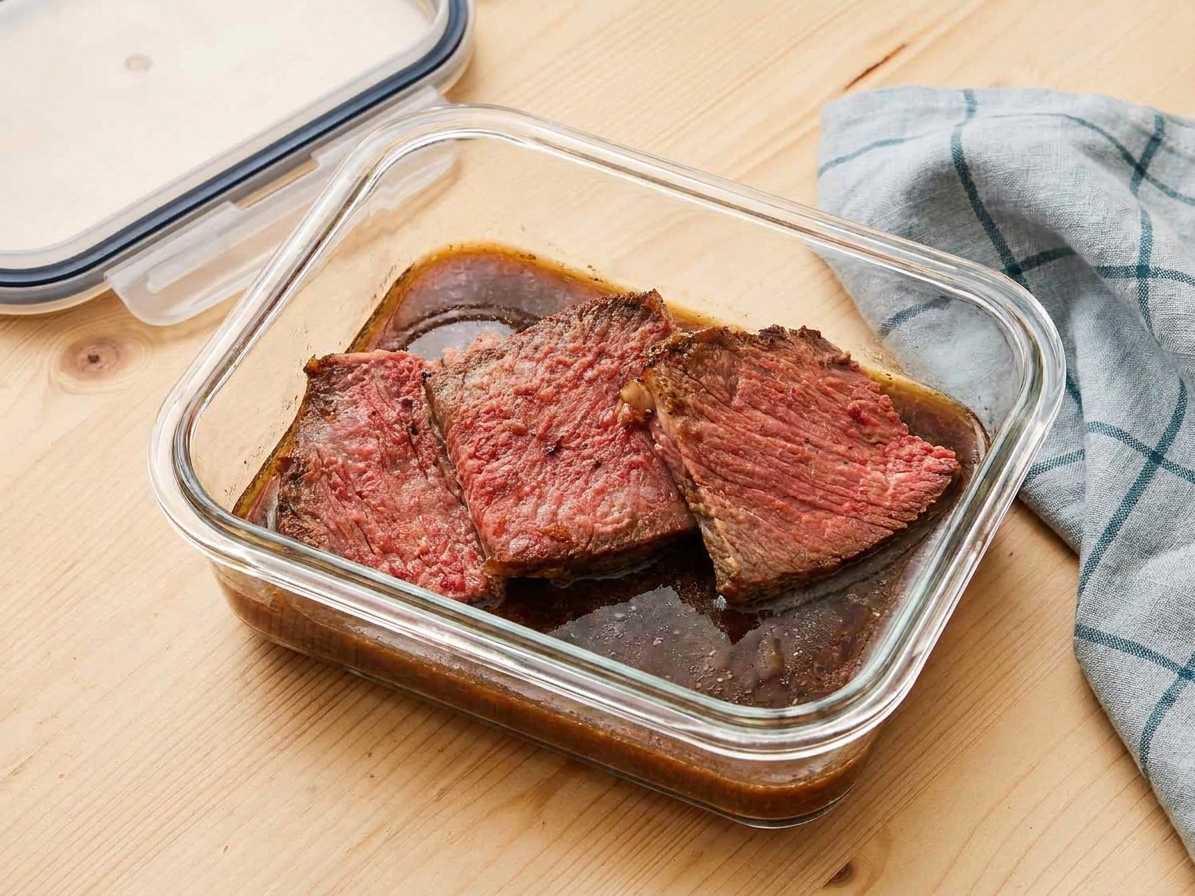
Sliced ribeye roast stored in a glass meal prep container with pan juices, ready for leftovers in the refrigerator

Common Questions

Is a ribeye roast the same as prime rib?

They are closely related and come from the same rib section. Prime rib is a rib roast that is commonly served bone-in (but can be boneless), and the name is more about the cut and preparation than USDA Prime grade. A ribeye roast is typically boneless, so you get the same tenderness and marbling without the bones.

What internal temperature should I cook ribeye roast to?

  • Rare: pull at 120°F (rests to about 125 to 130°F)
  • Medium-rare: pull at 125°F (rests to about 130 to 135°F)
  • Medium: pull at 135°F (rests to about 140 to 145°F)
  • Medium-well: pull at 145°F (rests to about 150 to 155°F)
  • Well: pull at 155°F (rests to about 160 to 165°F)

USDA guidance for steaks and roasts is 145°F followed by a 3-minute rest. Ribeye roast is commonly served medium-rare. Use your comfort level and your thermometer.

Do I need to sear it first?

Not required. The high-heat start does the job. If you want extra crust, you can sear in a hot skillet for 2 to 3 minutes per side before roasting, but it adds smoke and extra steps.

Should I bring the roast to room temperature first?

You do not need to. Taking the chill off for 30 to 45 minutes is fine if it fits your schedule, but the more important thing is using a thermometer and resting the roast.

Why did my roast turn out dry?

Usually one of three things: it cooked past your target temp, it did not rest long enough, or it was sliced too thin and left sitting. Pull earlier next time and let carryover heat finish the job.

How much salt should I use?

As a rule of thumb, use about 1/2 teaspoon Diamond Crystal kosher salt per pound (or about 1/3 teaspoon per pound if using Morton, since it is denser). Then adjust to taste.

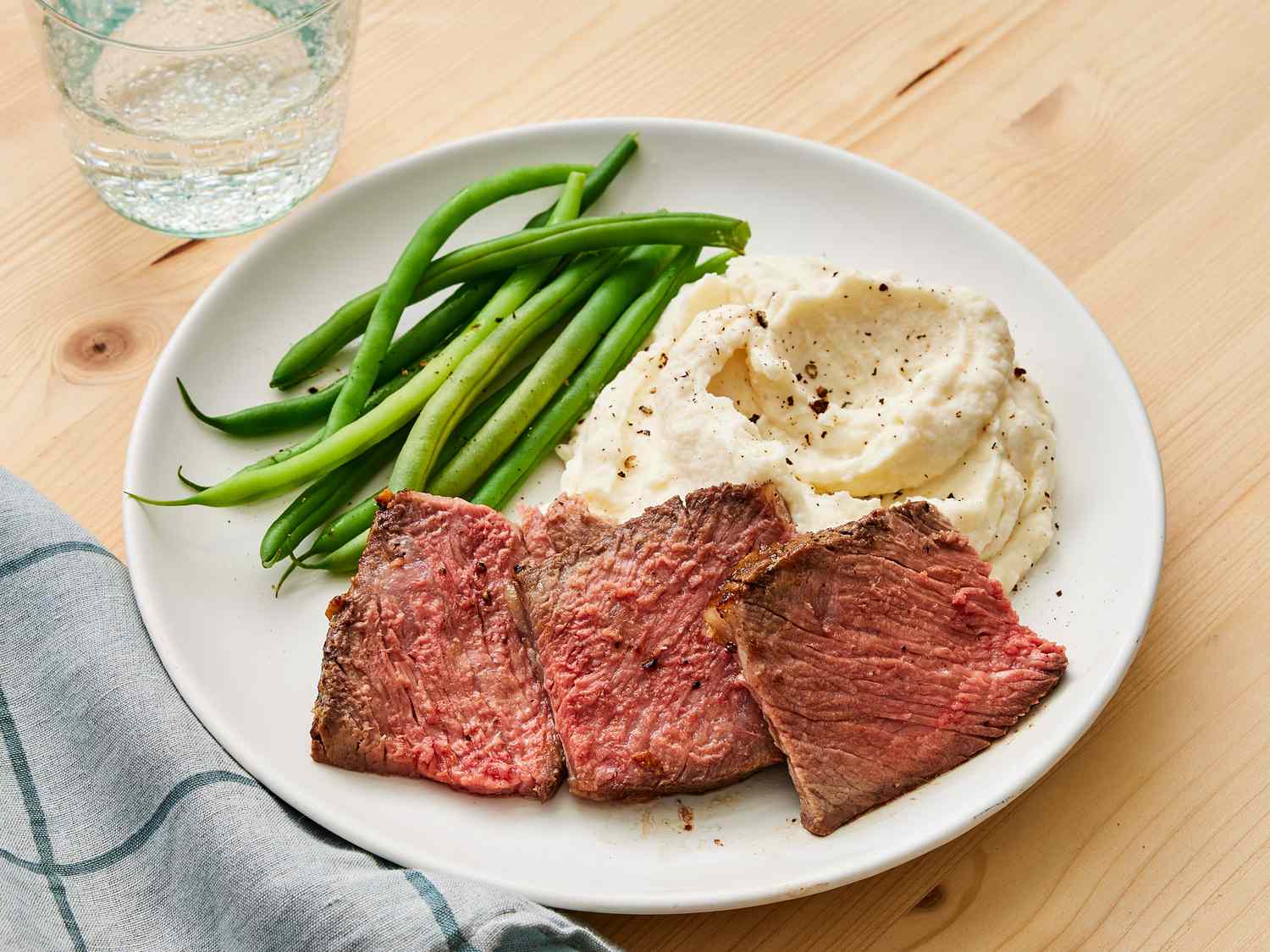
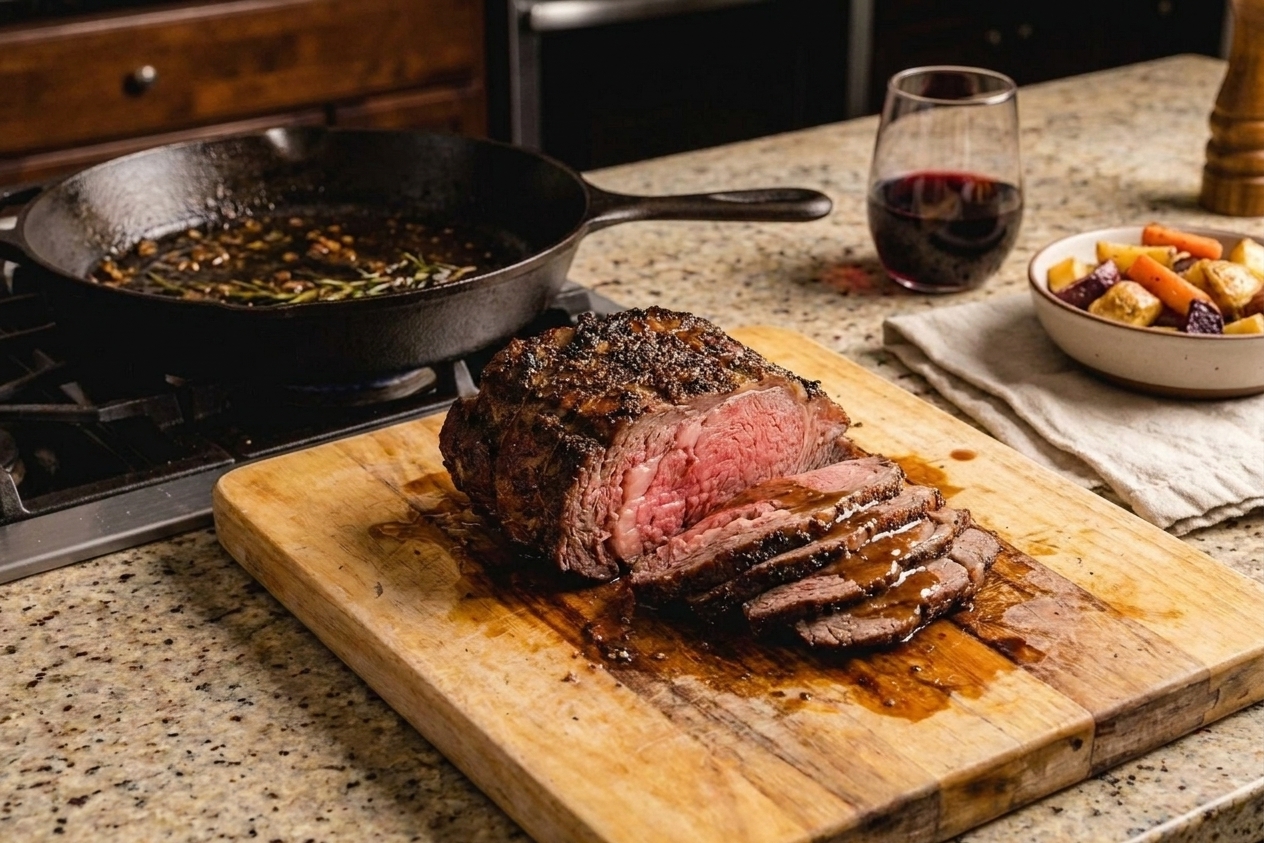
I used to think a ribeye roast was reserved for the kind of people who own matching serving platters and say things like, “shall we carve?” Then I made one on a random weekend and realized it is basically a big, forgiving steak that feeds everyone with zero short-order cooking.

Now it is my go-to when I want dinner to feel special without turning my kitchen into a full-contact sport. I season it like I mean it, roast it until the crust looks smug, and then I stand there slicing little “quality control” pieces while pretending I am waiting for everyone to sit down.