Mom's Best Recipes
Recipe

Ricotta Spinach Ravioli Filling

Creamy ricotta, garlicky spinach, Parmesan, and lemon zest for a filling that tastes like a win even on a weeknight.

Author By Matt Campbell
4.8
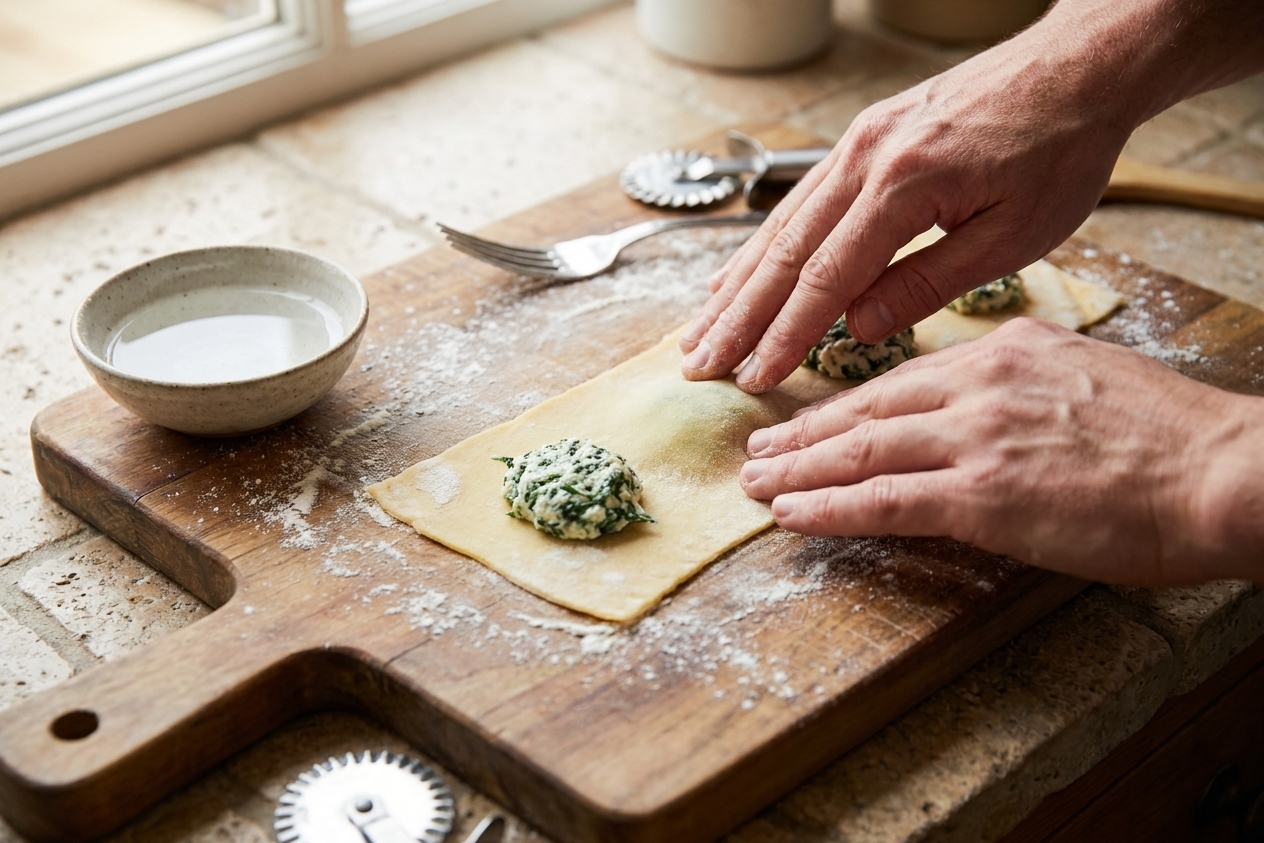
A wooden board of freshly filled ravioli with a piping bag nearby and a bowl of ricotta spinach filling on a bright kitchen counter

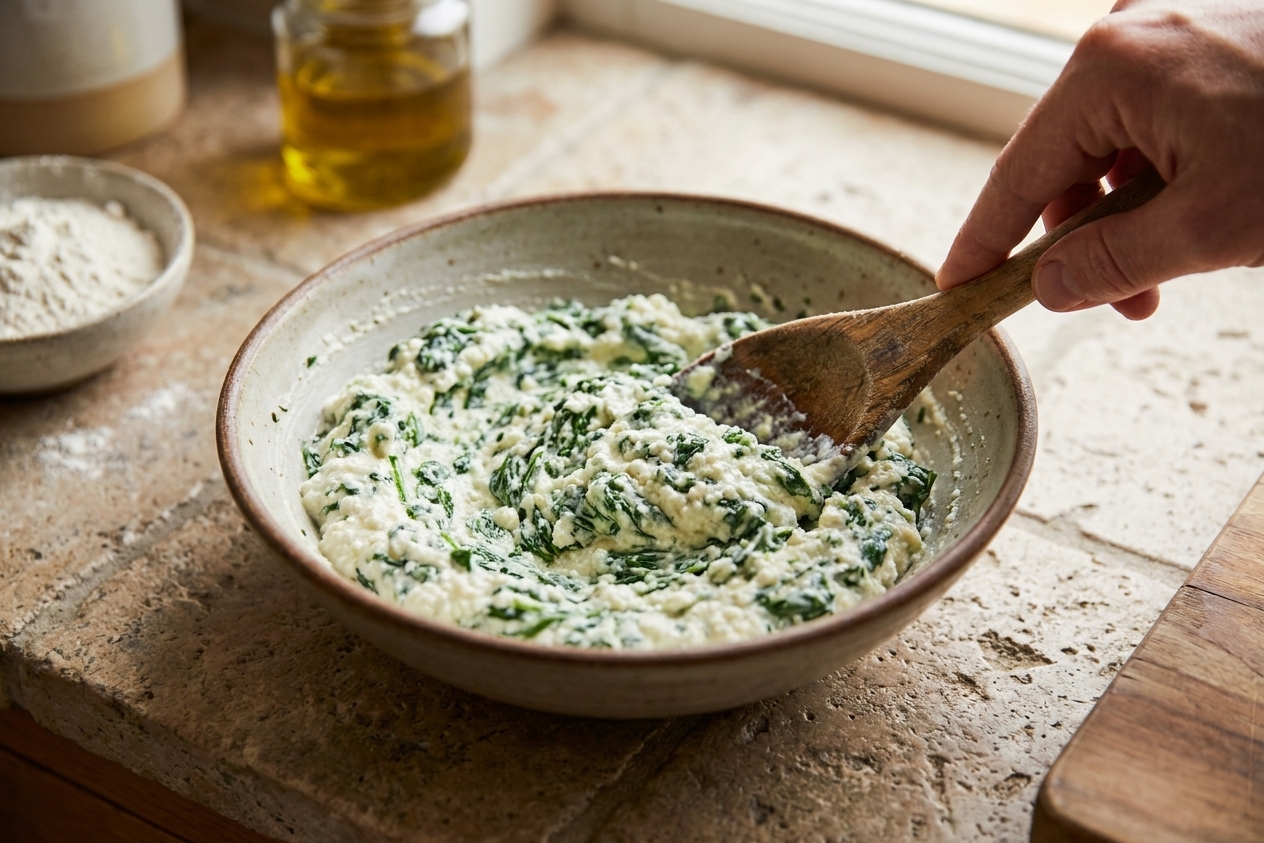
Ravioli filling should be three things: thick enough to stay put, flavorful enough to stand on its own, and forgiving enough that you do not panic halfway through assembly. This ricotta spinach ravioli filling checks all three boxes. It is creamy and cheesy, with a little garlic heat, plenty of black pepper, and a pop of lemon zest that makes the whole thing taste brighter.

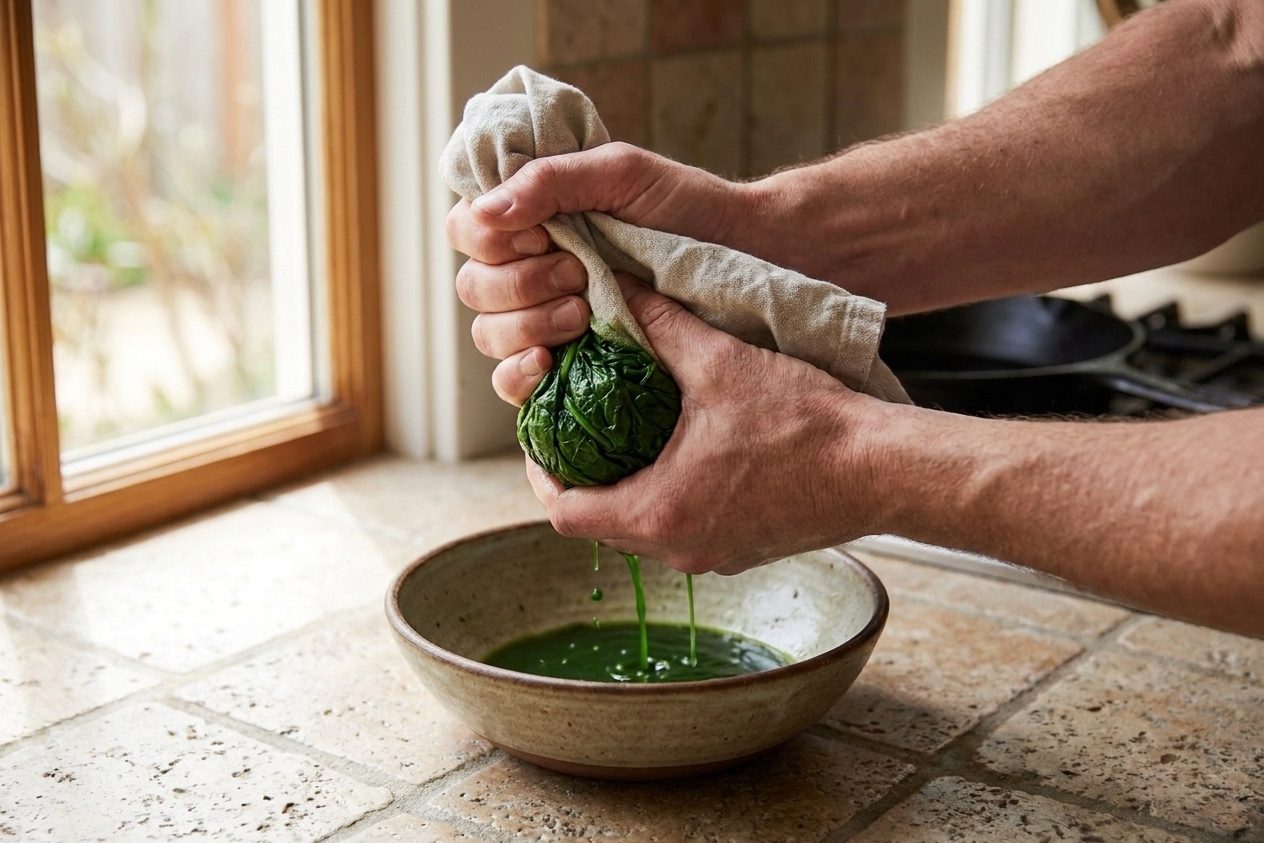
The big home cook problem with ravioli filling is water. Spinach holds water, ricotta can be watery, and suddenly your pasta seams are sliding around like they are on a slip and slide. We are fixing that with one simple move: squeeze the spinach dry and, if needed, drain the ricotta. The result is a filling that pipes cleanly, seals well, and cooks up tender instead of soggy.

Hands squeezing cooked spinach in a clean kitchen towel over a bowl to remove excess water on a light stone countertop

Why It Works

  • Thick, pipeable texture: Drained ricotta and well squeezed spinach keep the filling from weeping and breaking seals.
  • Big flavor with simple ingredients: Parmesan, garlic, lemon zest, and nutmeg do the heavy lifting without a long shopping list.
  • Works with fresh or wonton wrappers: Use homemade pasta sheets, store bought fresh sheets, or wonton wrappers in a pinch.
  • Make ahead friendly: Mix it today, fill tomorrow, or freeze extra filling for the next pasta night.

Pairs Well With

Storage Tips

Storage Tips

Refrigerate

Store filling in an airtight container for up to 3 days. Press a piece of plastic wrap directly on the surface to prevent it from drying out. If a little liquid collects, stir it back in and add 1 to 2 tablespoons Parmesan to tighten the texture.

Freeze

Freeze filling in a zip top bag (pressed flat) or a freezer container for up to 2 months. Thaw overnight in the fridge. After thawing, give it a good stir and taste for salt and pepper. If it loosens a bit, add a spoonful or two of Parmesan to bring it back.

If you already filled ravioli

Arrange uncooked ravioli in a single layer on a parchment lined sheet pan, freeze until firm, then transfer to a bag. Cook from frozen in gently boiling salted water, adding 1 to 2 minutes to the cook time.

Common Questions

Common Questions

How do I keep ravioli filling from getting watery?

Squeeze the spinach very dry and use ricotta that is not swimming. If your ricotta looks wet, drain it in a fine mesh sieve or cheesecloth for 30 to 60 minutes in the fridge. Thick filling seals better and cooks cleaner.

Do I need an egg in ricotta ravioli filling?

It helps. Egg acts like insurance, binding the ricotta so the filling stays cohesive once heated. If you are skipping egg, add an extra 2 to 3 tablespoons Parmesan and make sure everything is well drained.

Can I use frozen spinach?

Yes, and it is honestly convenient. Thaw completely, then squeeze it bone dry. For this recipe you want about 10 oz frozen spinach (thawed and squeezed) to equal roughly 12 to 16 oz fresh spinach once cooked and squeezed. If you prefer to be extra precise, measure the spinach after squeezing and aim for about 1 packed cup.

What is the best ricotta for ravioli filling?

Whole milk ricotta gives the best texture. If you can find a thicker style ricotta (often in a basket), even better. Avoid whipped ricotta here since it tends to be too loose.

How much filling per ravioli?

For standard 2 to 2 1/2 inch ravioli, aim for 1 to 1 1/2 teaspoons filling. Overfilling is the fastest route to blowouts.

What sauces go best with this filling?

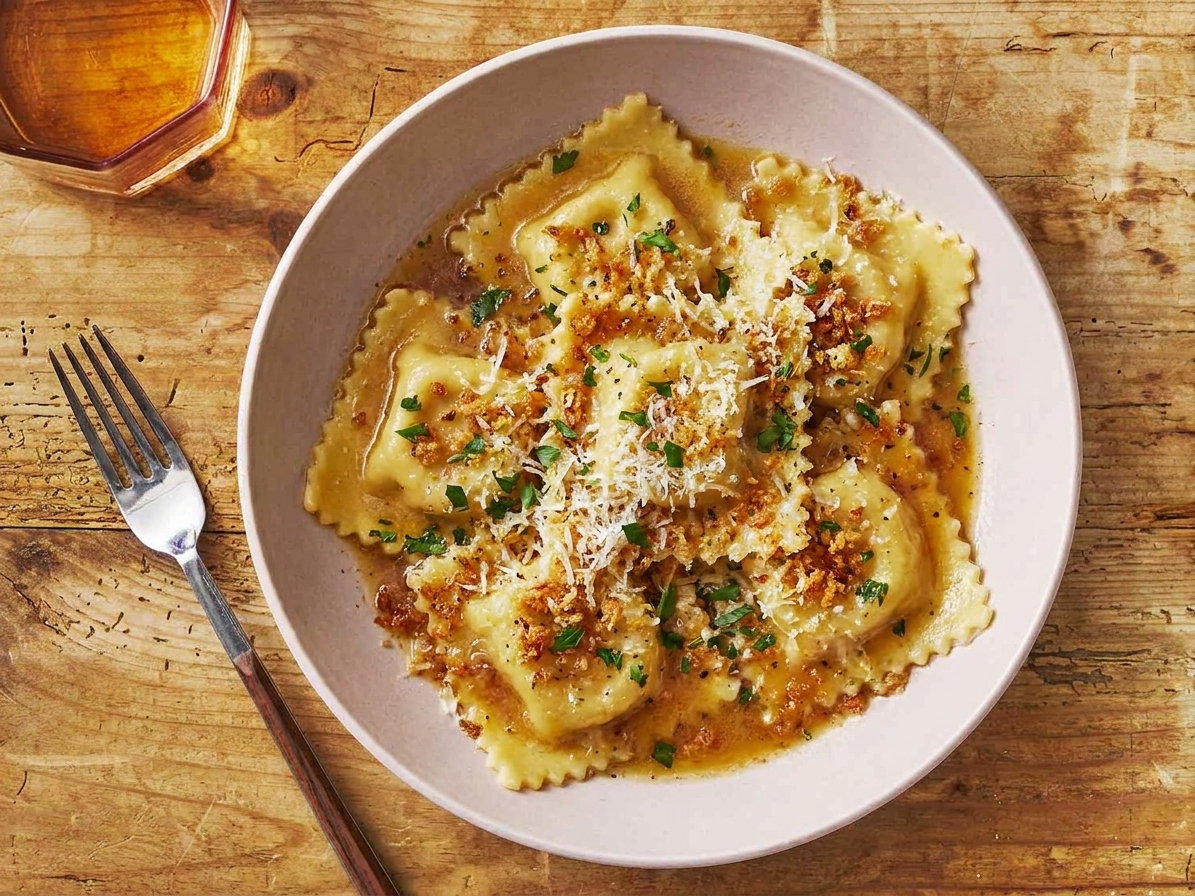
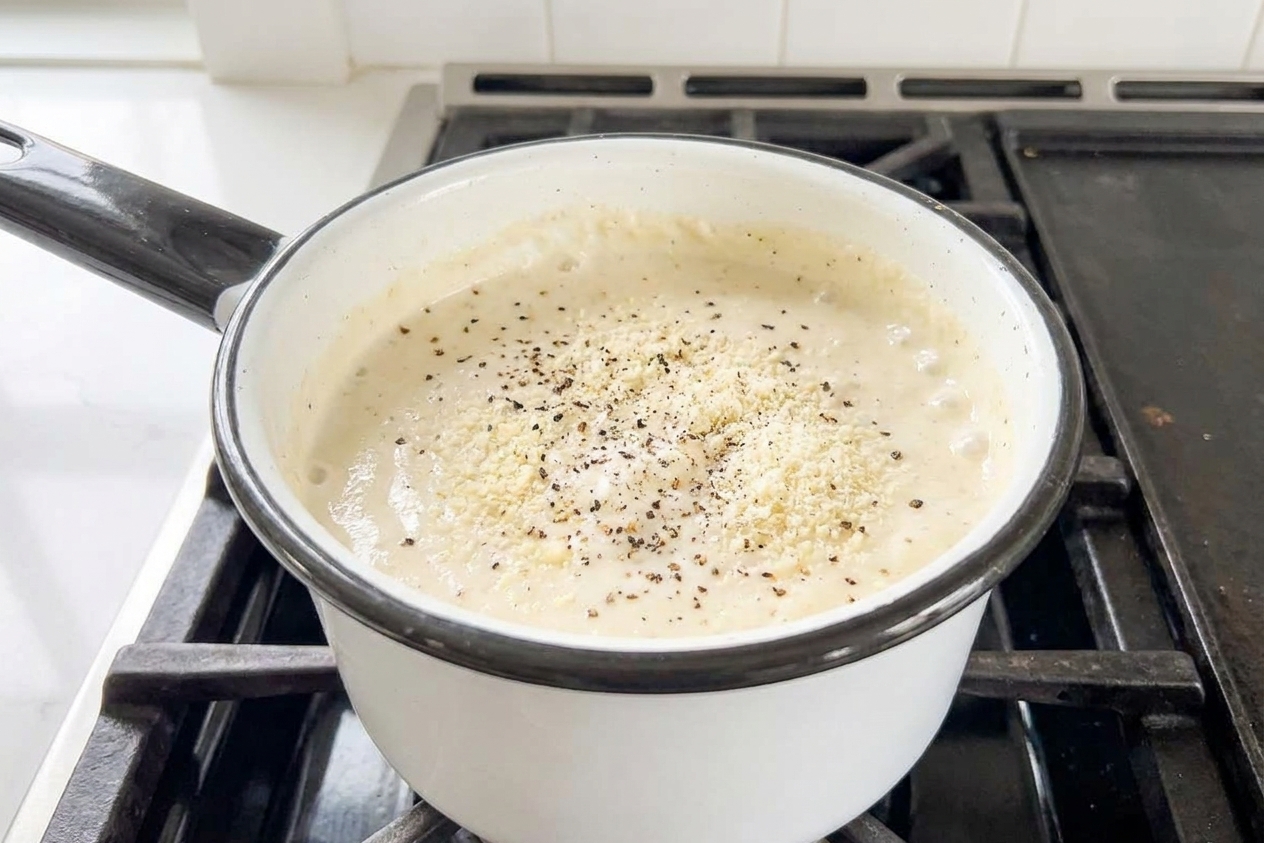
Brown butter and sage, simple marinara, or a lemony cream sauce all work. If your sauce is bold and spicy, keep the filling seasoning on the gentler side so it does not fight back.

Help, I made it too salty or too lemony. Now what?

Easy fix. Stir in a few tablespoons more ricotta (or a small handful of drained, finely chopped spinach) to calm things down. If it gets too loose, add a little more Parmesan to bring it back to a thick, scoopable texture.

Is piping really worth it?

If you are making more than a handful, yes. A piping bag (or zip top bag) keeps the edges cleaner, which means better seals and fewer blowouts. Spooning works too, just wipe any filling off the dough before sealing.

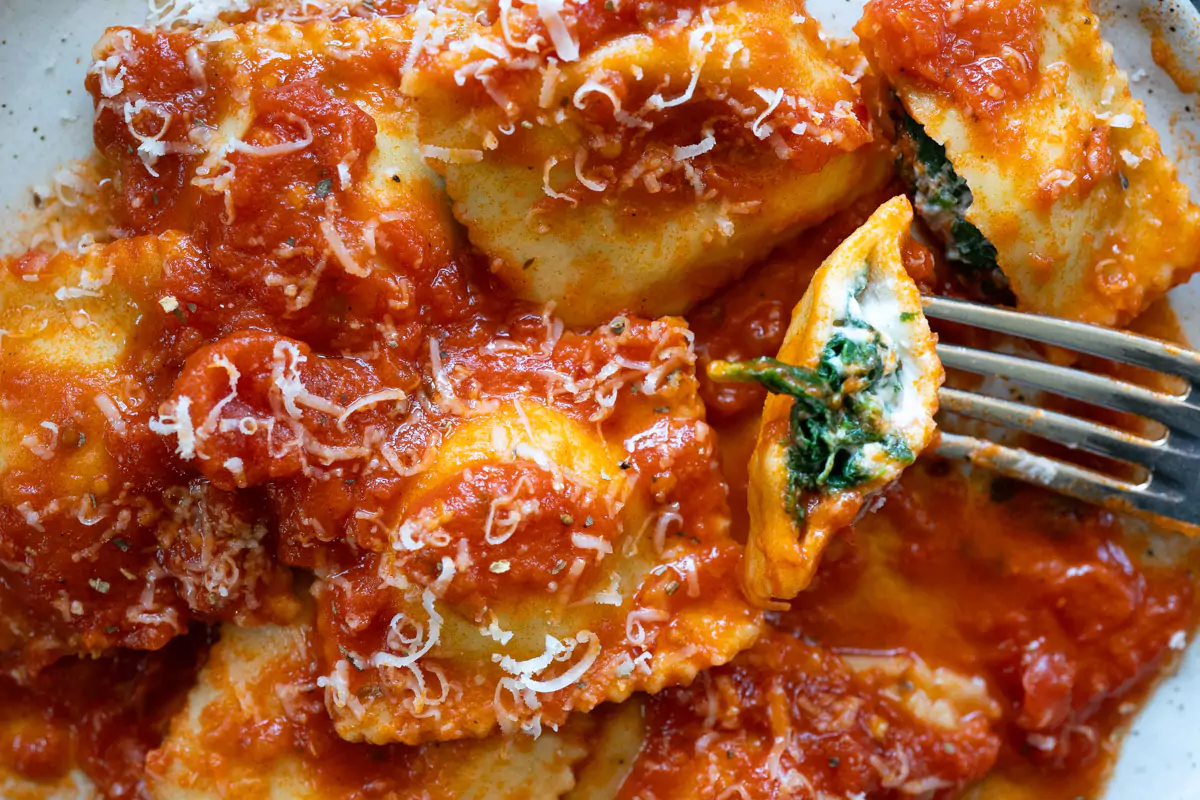
The first time I made ravioli at home, I treated the filling like a vibes only situation. I eyeballed everything, did not squeeze the spinach enough, and then acted surprised when my ravioli started leaking like tiny pasta water balloons. Now I do it the way I should have from the start: squeeze the greens, season like you mean it, and taste the filling before it goes anywhere near dough. It is still a little chaotic, but now it is the fun kind where you end up with dinner instead of a science experiment.