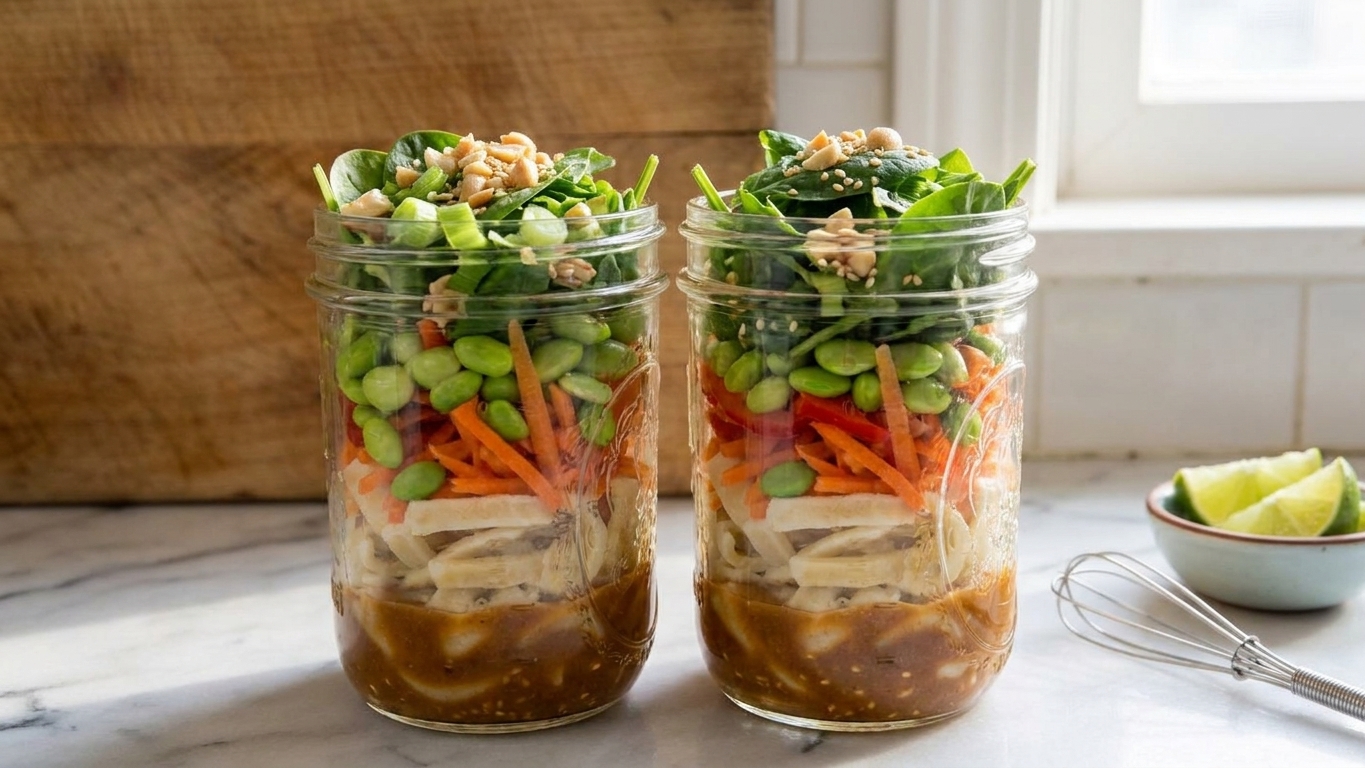
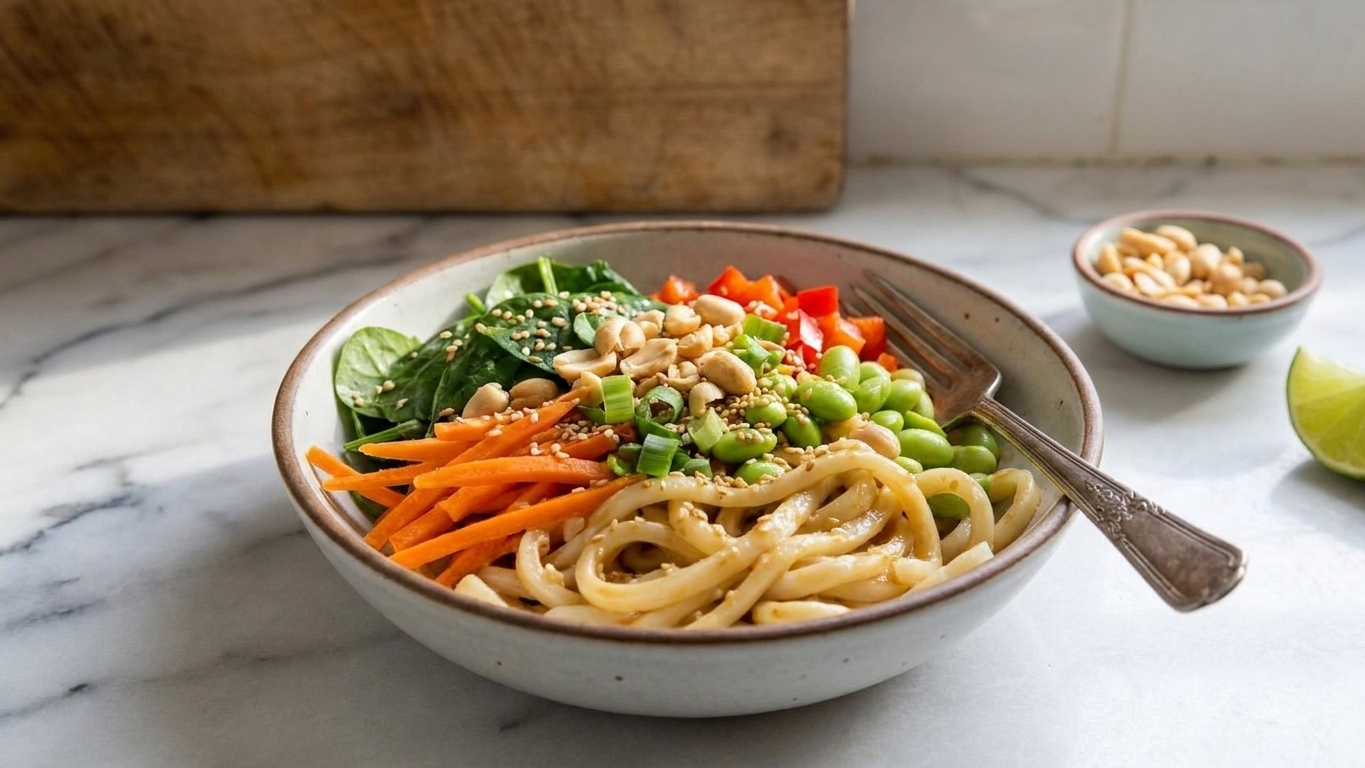
Do I have to use a mason jar?
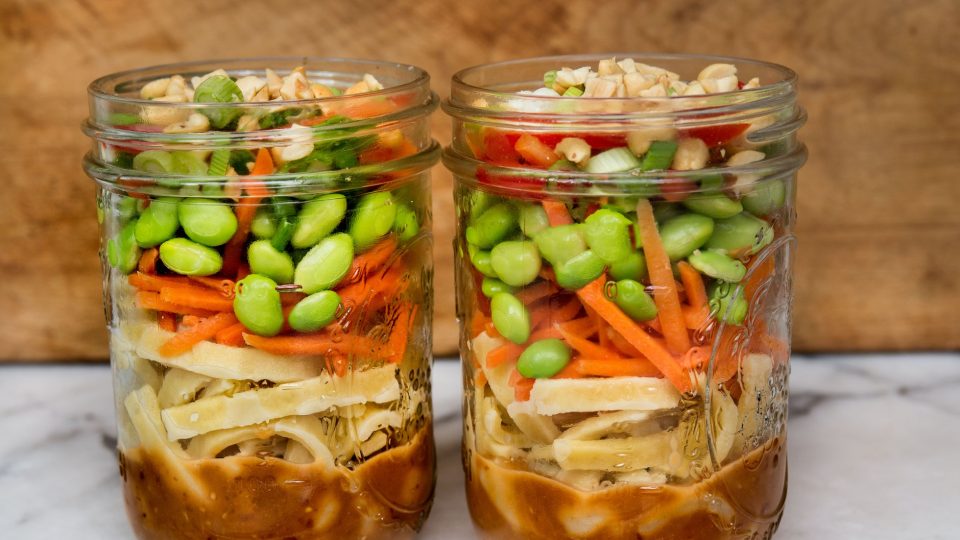
No. A leakproof meal prep container works great. The jar just makes layering obvious and keeps everything tight for travel.
What noodles travel best?
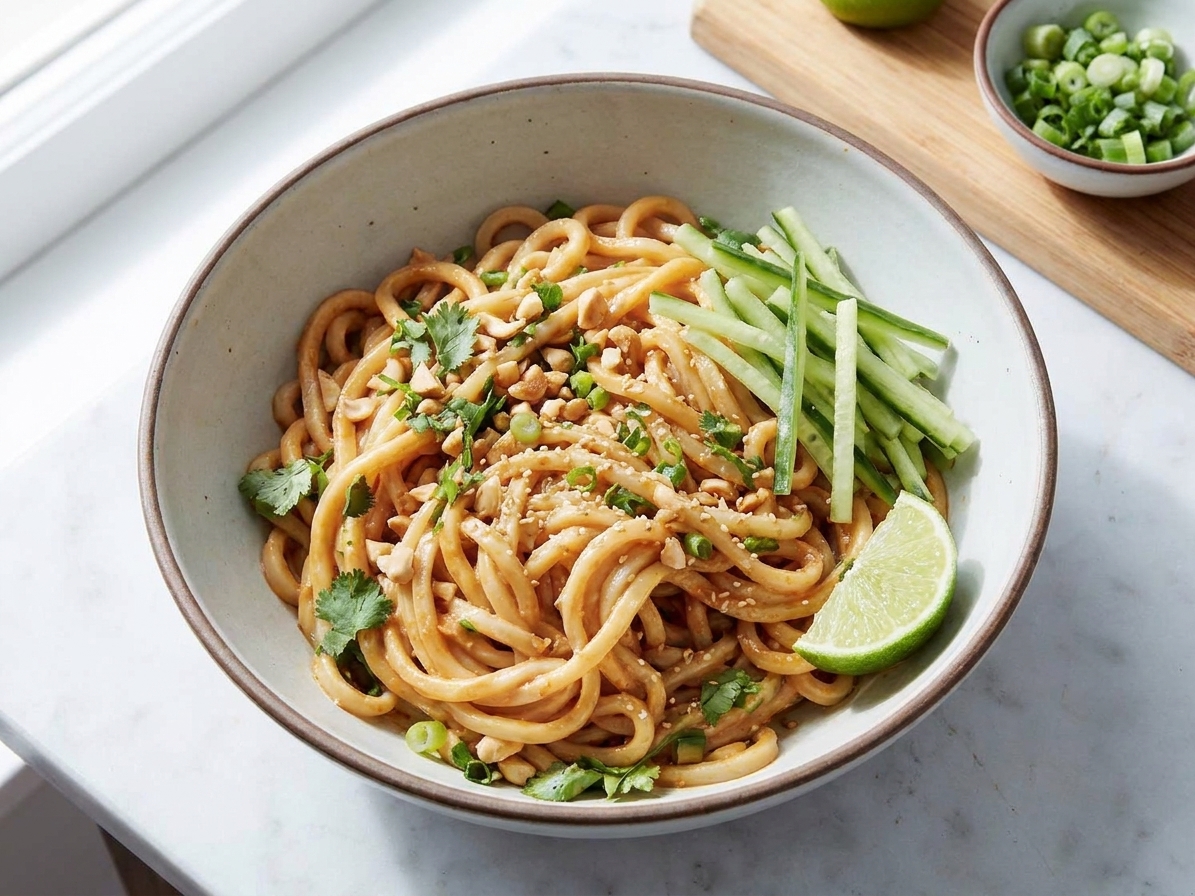
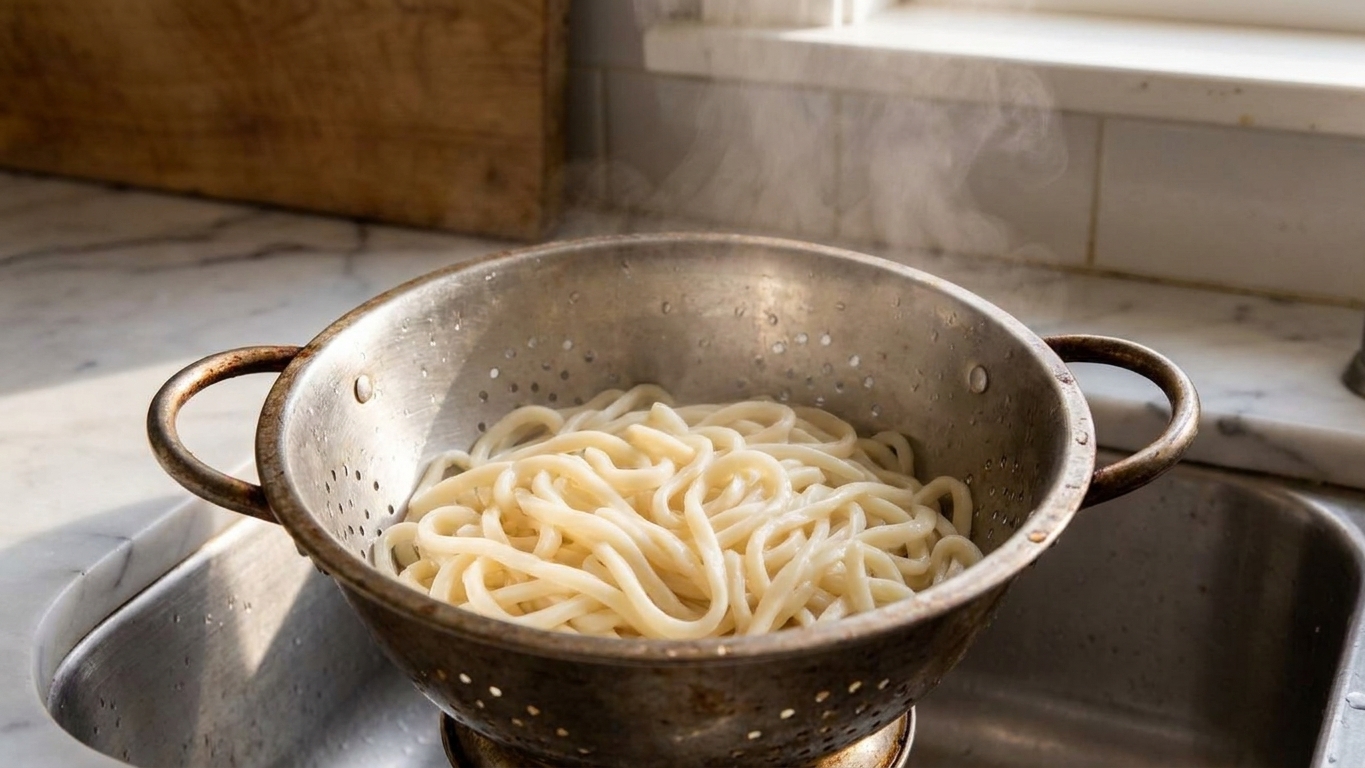
Rice noodles and soba hold up really well. For soba, look for 100% buckwheat (more fragile) or wheat-blend soba (a bit sturdier). For rice noodles, thin vermicelli cooks fast and can clump, while wider rice sticks stay springier. If you use ramen-style wheat noodles, rinse well and toss with a tiny bit of neutral oil so they do not clump.
How do I keep noodles from sticking together?
Rinse under cold water until cool, drain well, then toss with 1 teaspoon neutral oil. Also, do not overcook them. Stop at just tender.
Can I add protein?
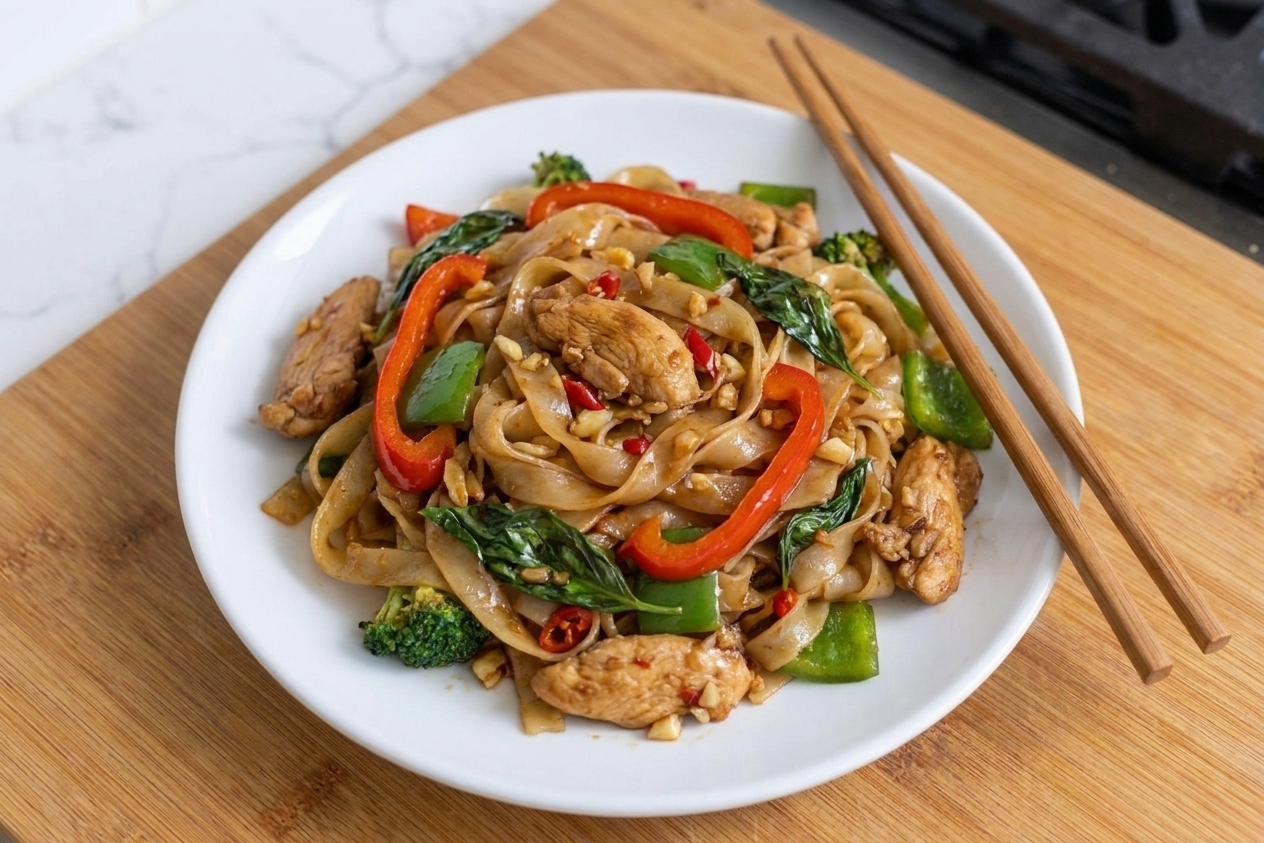
Yes. Add shredded rotisserie chicken, edamame, pan-seared tofu, or cooked shrimp. Chill cooked proteins quickly and keep everything cold during travel.
Is this safe for flights?
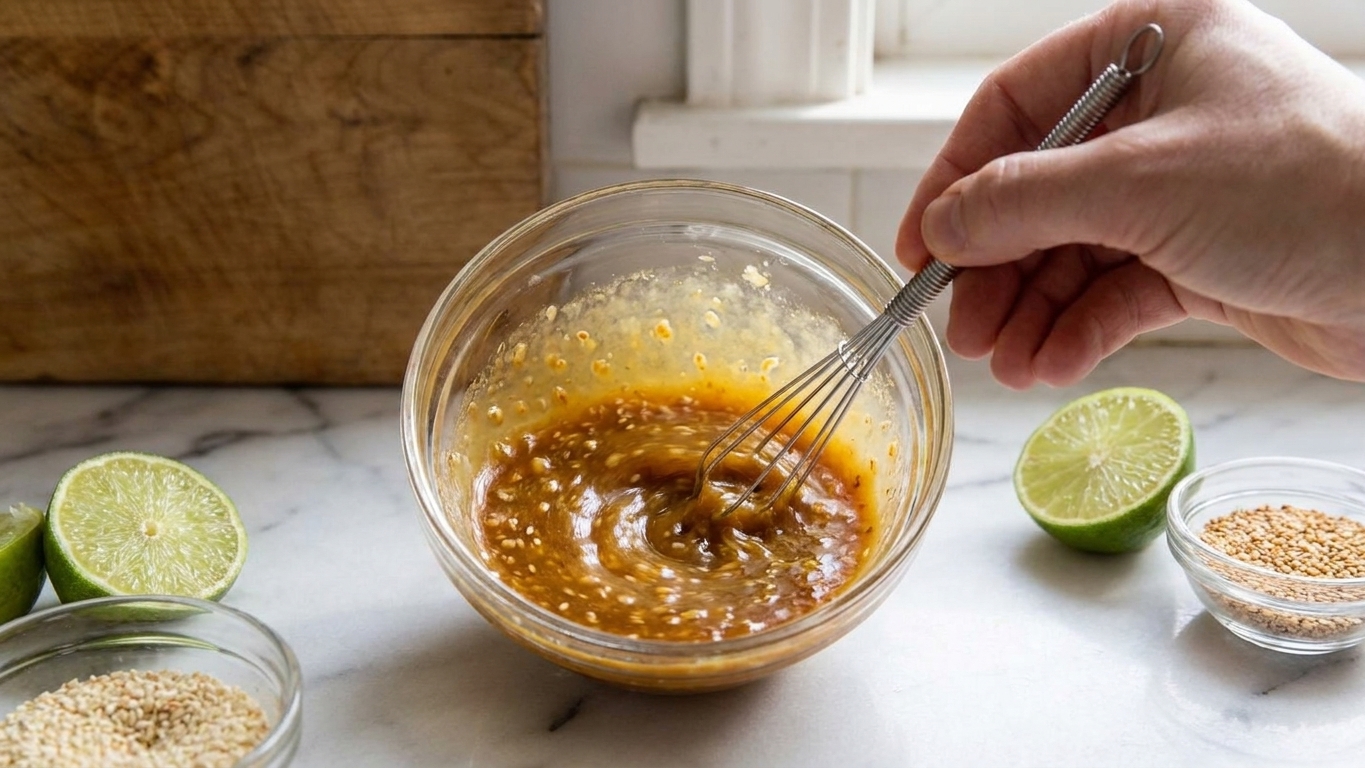
If you are carrying it on, remember liquids matter. TSA’s limit is typically 3.4 oz (100 mL) per container, and your total liquids must fit in your quart-size bag. This recipe uses about 3 to 4 tablespoons dressing per jar (usually under 3.4 oz), but screening is always at agent discretion. If you want zero stress, pack the dressing separately in a compliant container or buy it after security.
What if I cannot find fresh lime?
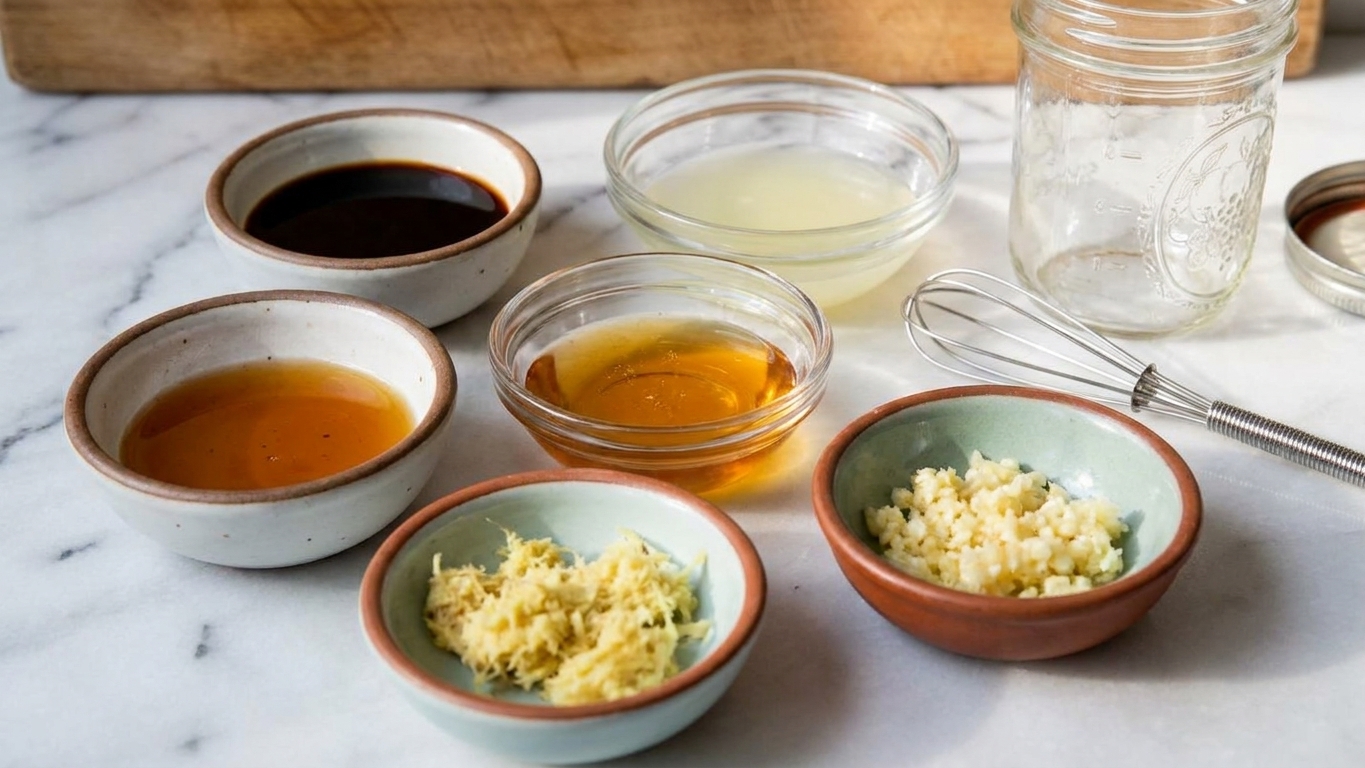
Bottled lime juice works in a pinch. Add a little extra lime zest if you have it, or a splash of rice vinegar to brighten things up.
Can I make it gluten-free?
Yes. Use tamari (instead of soy sauce) and choose rice noodles or 100% buckwheat soba.
Any allergy-friendly swaps?
For soy, try coconut aminos (sweeter, so reduce honey). For peanuts, use sunflower seeds or extra sesame seeds. For sesame, skip sesame oil and use a neutral oil plus extra lime and ginger, and top with toasted pumpkin seeds for crunch.