Mom's Best Recipes
Recipe

Rosca de Reyes

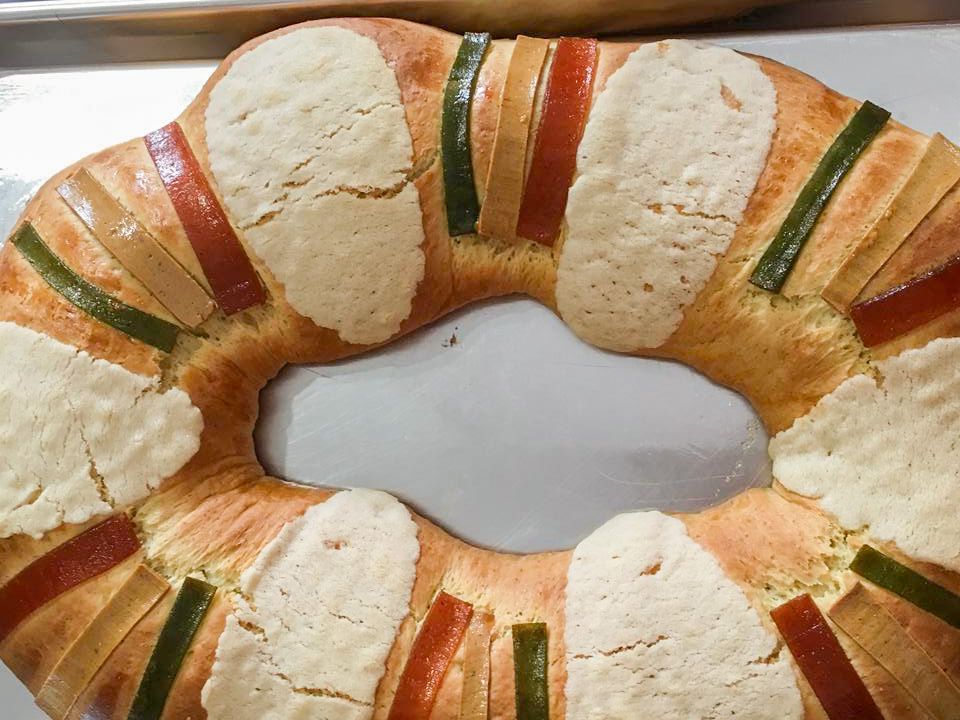
Mexican King Cake with orange scented dough, a buttery crumb, and a sweet sugar topping plus candied fruit.

Author By Matt Campbell
4.8
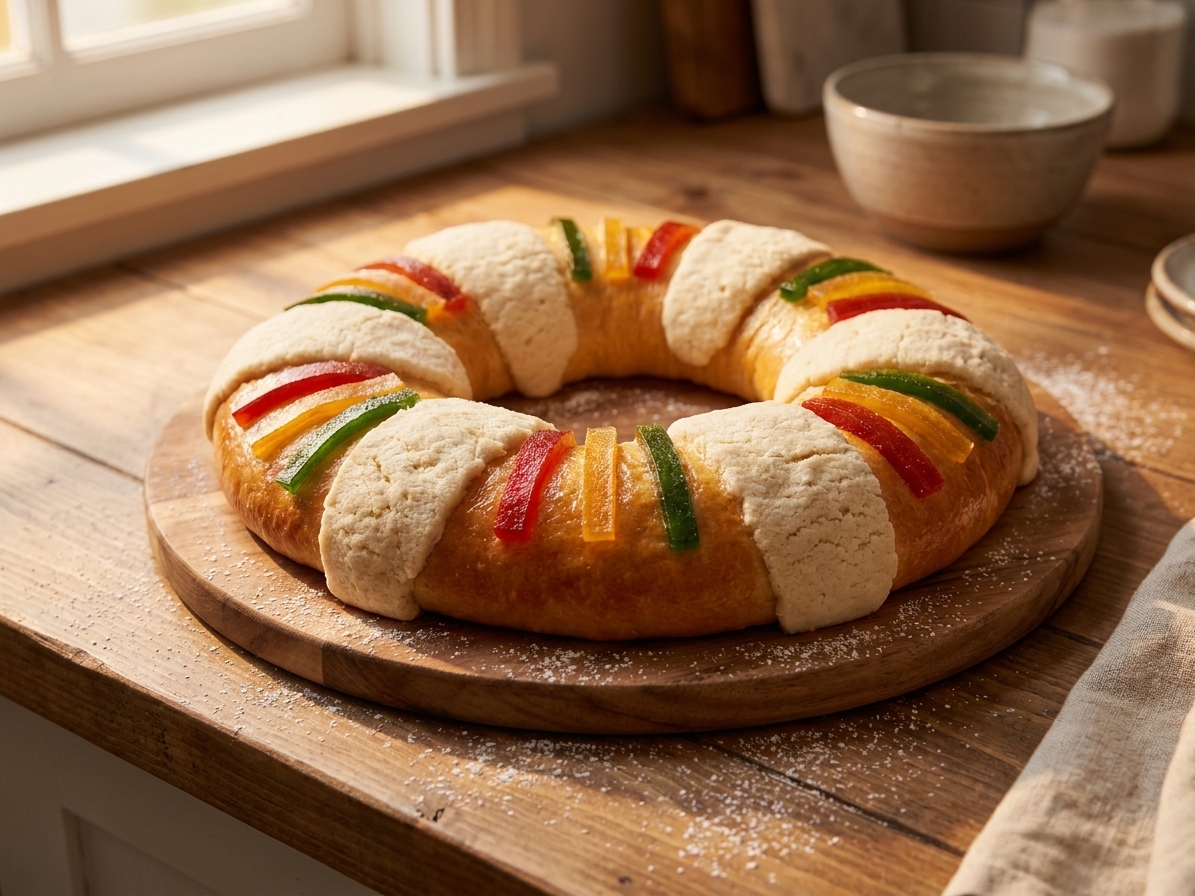
A glazed Rosca de Reyes ring bread on a wooden board, decorated with bright strips of candied fruit and sugar paste, warm kitchen counter lighting

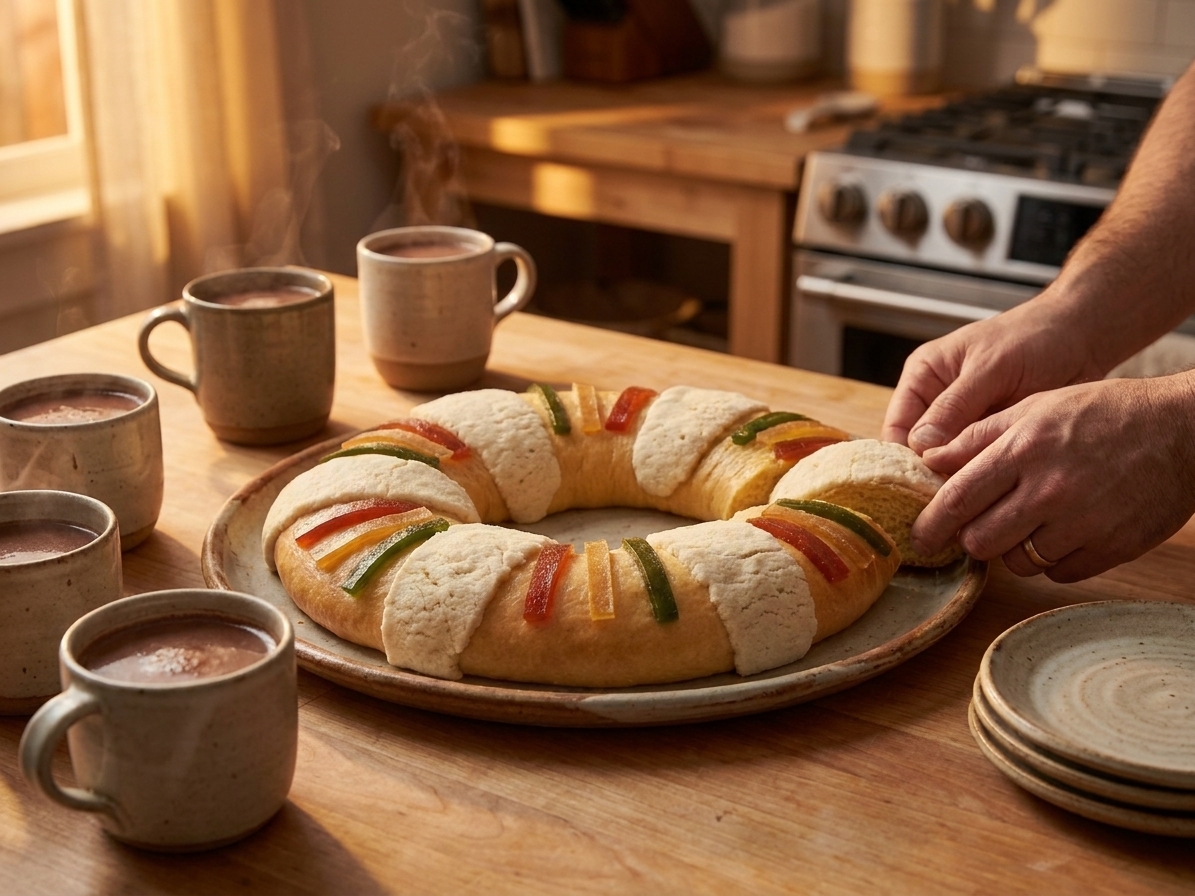
Rosca de Reyes is one of those bakes that looks fancy, tastes like a celebration, and is secretly just bread dough doing its best. You get a tender, lightly sweet crumb that smells like orange zest, plus that classic topping: a buttery sugar crust and jewel toned candied fruit. It is soft, dramatic, and made for slicing at the table with coffee or hot chocolate.

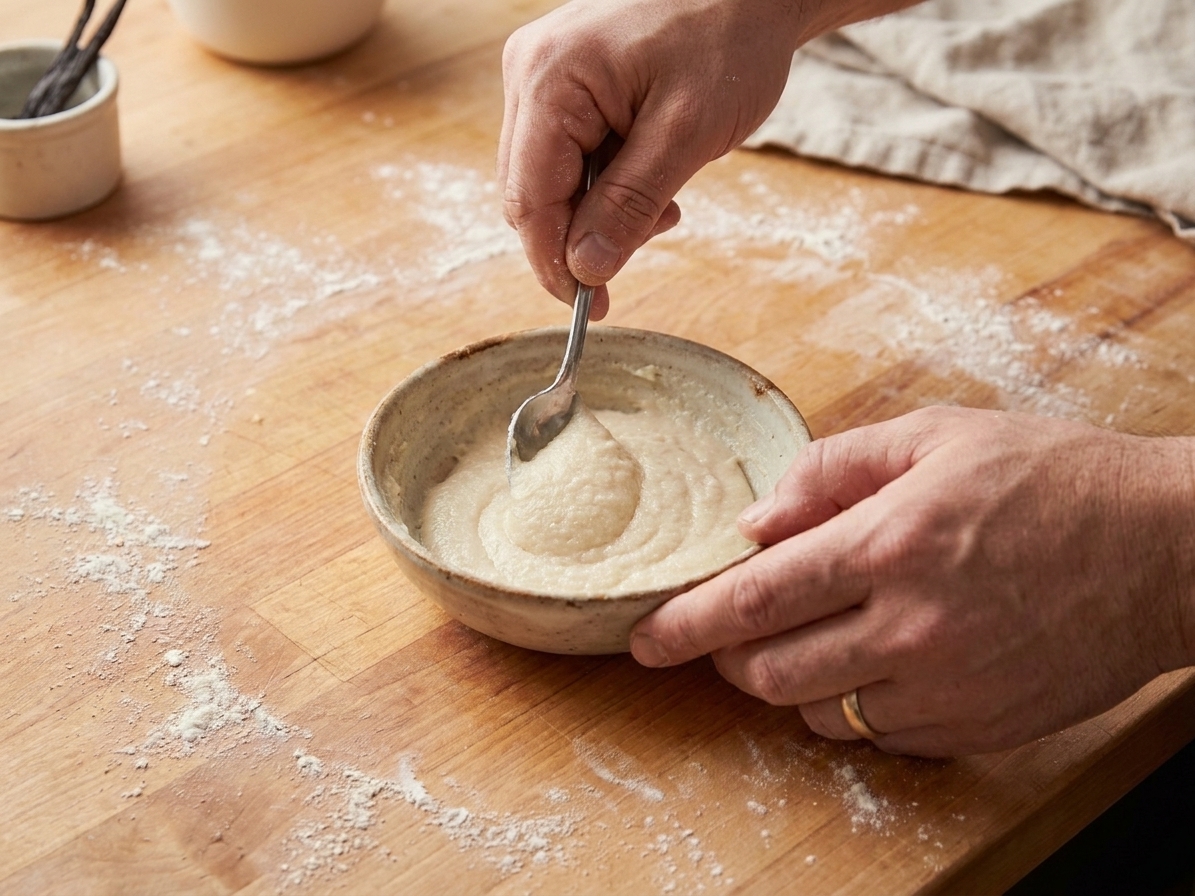
This version is built for home kitchens. The ingredients are easy to find, the steps are clear, and I am giving you the little rescue moves along the way so you end up with a rosca that is fluffy, flavorful, and not dry. Tradition wise, some families bake a small baby figurine (Niño Jesús) inside the bread, and whoever finds it often brings tamales for Día de la Candelaria on February 2. I include a safer, after baking option, and yes, you should warn people before they go in for a big bite.
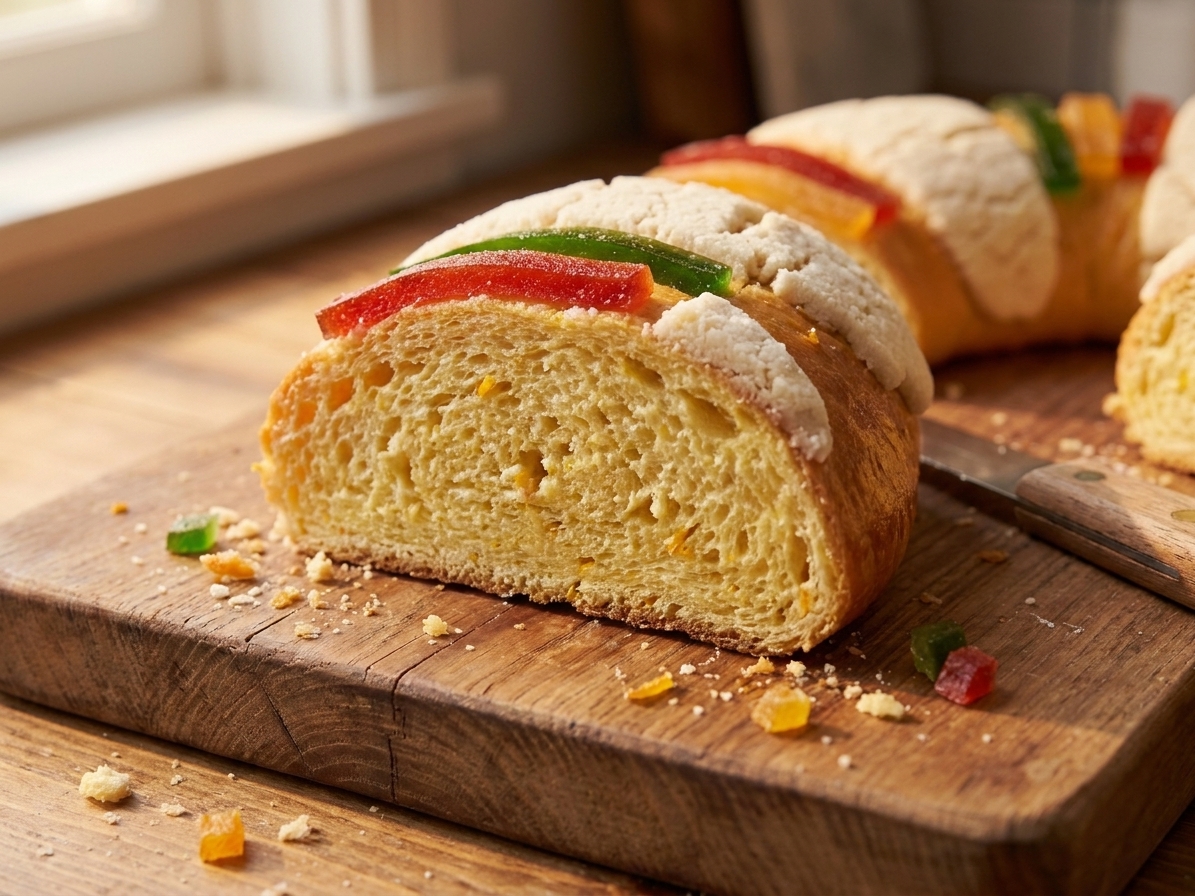
A closeup of a sliced Rosca de Reyes showing a soft, yellow crumb with bits of orange zest, on a cutting board with crumbs scattered

Why It Works

  • Fluffy, rich dough thanks to eggs, butter, and a proper knead that builds structure without turning it tough.
  • Bright citrus flavor from orange zest and a touch of vanilla that makes the whole kitchen smell like a bakery.
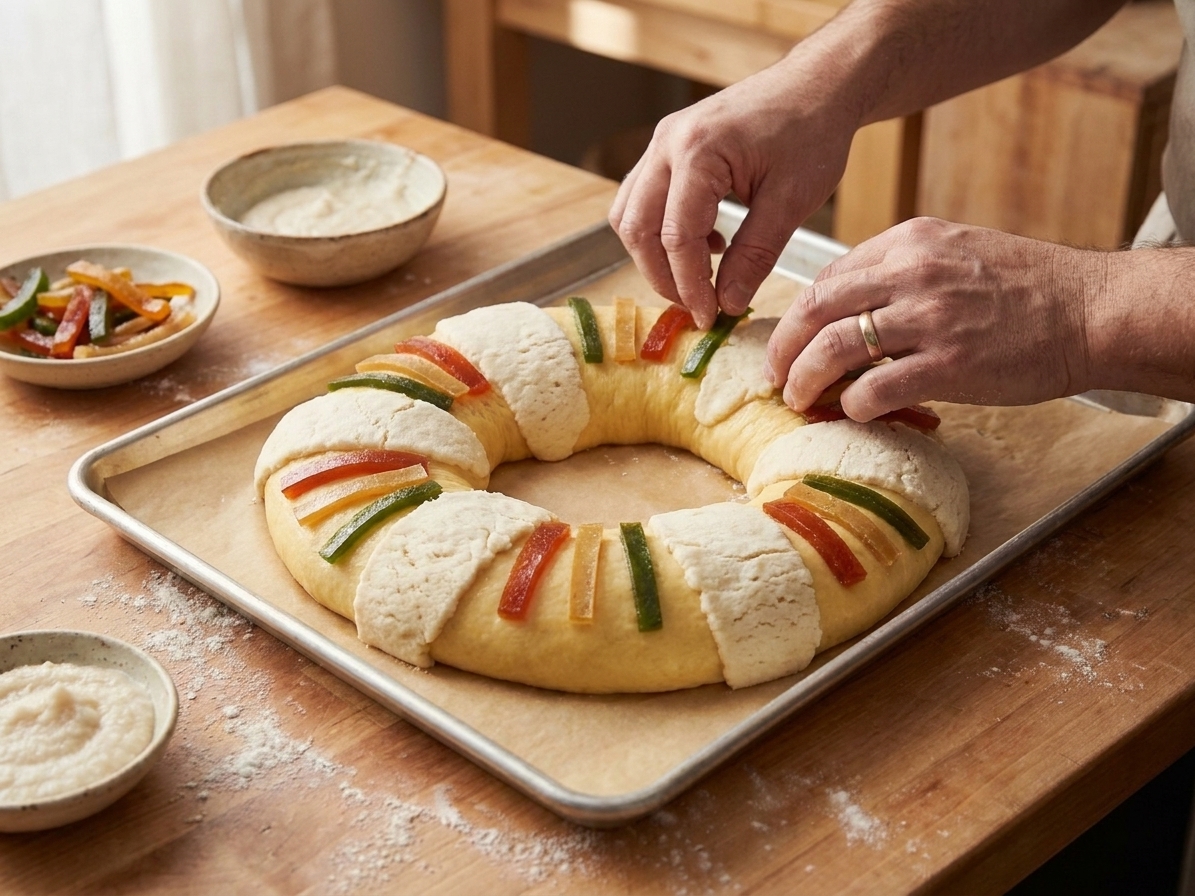
  • Signature topping with a simple sugar paste that bakes up lightly crisp on the outside and tender underneath.
  • Make ahead friendly because you can chill the dough overnight and bake the next day without stress.

Pairs Well With

Storage Tips

Room temperature: Keep rosca tightly wrapped or in an airtight container for up to 2 days. It dries out fast if it is left exposed, so treat it like the soft bread it is.

Refrigerator: Not my first choice because it stales bread, but it works for up to 4 days if your kitchen runs warm. Rewarm slices to bring back the softness.

Freezer: Freeze slices (or the whole ring) wrapped in plastic wrap plus a freezer bag for up to 2 months. Thaw at room temp, then warm in a 300°F oven for 8 to 12 minutes or toast slices lightly.

Best revive trick: Warm a slice, then add a tiny swipe of butter. It sounds obvious, but it makes day two rosca taste like day one again.

Common Questions

What is Rosca de Reyes?

Rosca de Reyes is a Mexican sweet bread traditionally eaten for Día de Reyes (Three Kings Day) on January 6. It is baked in a ring shape and decorated with candied fruit to symbolize jeweled crowns. A small baby figurine (Niño Jesús) is often hidden inside, and whoever finds it typically hosts or brings tamales for Día de la Candelaria on February 2.

Do I have to put a baby inside?

Nope. It is traditional to bake a small baby figurine inside the dough, but you can skip it. For safety (and to avoid surprises with non food safe plastics), I recommend inserting a clean, heat safe figurine after baking by poking it into the bottom of the fully cooled rosca. Either way, tell everyone before serving.

What if I cannot find Mexican candied fruit?

Use what you can find: candied orange peel, glacé cherries, membrillo (quince paste) cut into strips, or dried fruit that has been lightly candied. I do not recommend fresh orange slices, since they can weep and brown oddly in the oven.

Can I make the dough ahead?

Yes. After the first rise, shape the ring, cover well, and refrigerate overnight. Let it sit at room temp until slightly puffy (usually 60 to 90 minutes), then add topping and bake.

Why is my rosca dry?

The usual culprits are too much flour, overbaking, or not wrapping it well after cooling. Use the “tacky but not sticky” dough test, bake until just done, and wrap once fully cooled.

Can I use instant yeast?

Yes. Use the same amount. You can mix it directly with the dry ingredients, or bloom it in warm milk (105°F to 110°F) for a quick proof that the yeast is alive.

The first time I made rosca at home, I treated it like a standard sweet bread and wondered why it felt a little plain. Then I added orange zest like I meant it, pushed the butter a little further, and committed to that weirdly satisfying sugar paste topping. Suddenly it made sense. Rosca is not just bread. It is citrusy, buttery comfort dressed up for a party. Now I bake it when I want the kitchen to feel warm and a little noisy, the kind of day where everyone keeps “checking” the bread like that is a real job.