
Mom's Best Recipes
Recipe

Royal Icing

A smooth, bright white icing that pipes like a dream, floods neatly, and dries hard for stackable decorated cookies.

Author By Matt Campbell
4.9
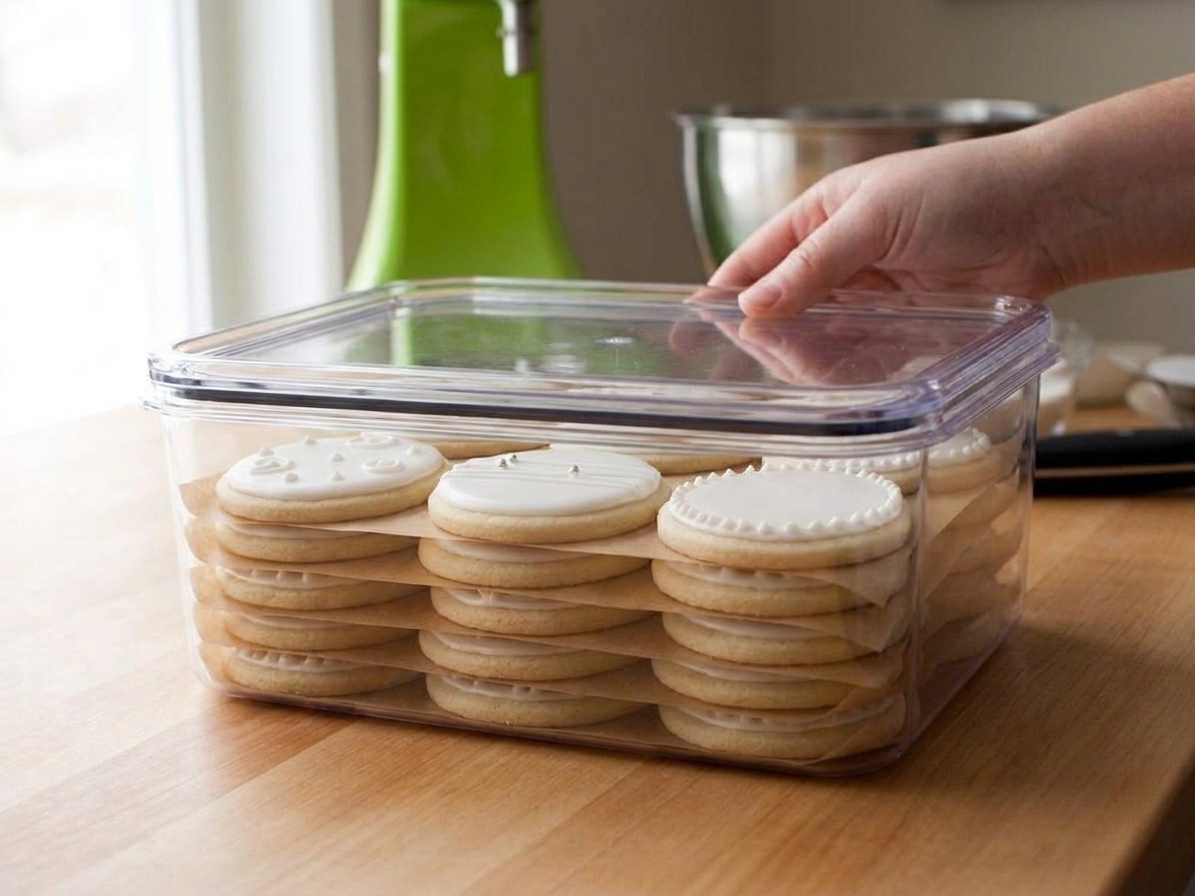
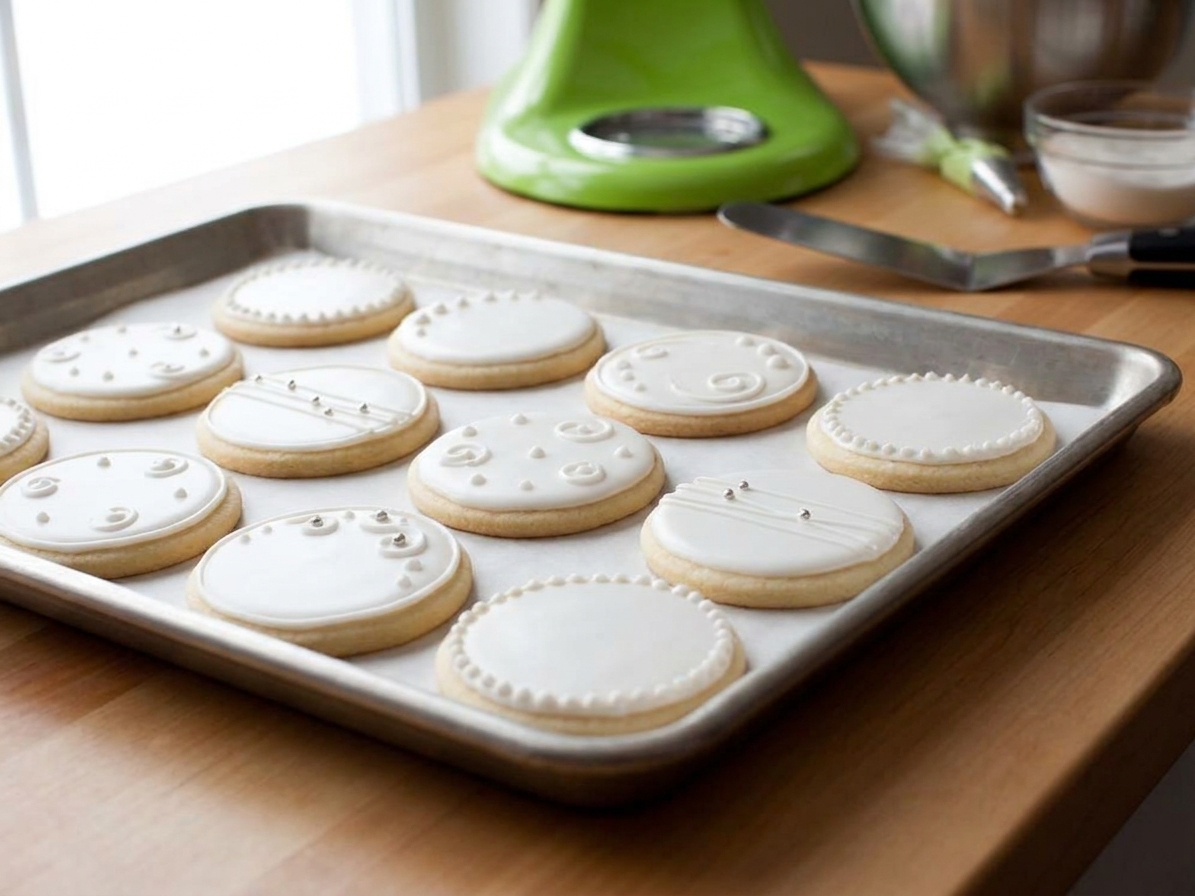
A tray of neatly decorated sugar cookies finished with smooth royal icing and simple piped details on a warm kitchen counter

Royal icing is the quiet hero of cookie season. It looks fancy, but it is basically powdered sugar, a little protein, and some patience. The result is that clean, glossy finish that dries hard so your cookies can be stacked, bagged, and actually survive the trip to school parties, neighbors, and your own late-night snack situation.

This is my go-to royal icing for piping crisp borders and flooding smooth centers. I will walk you through the consistencies, how to color it without wrecking the texture, and the small tricks that keep it from cracking or turning grainy.
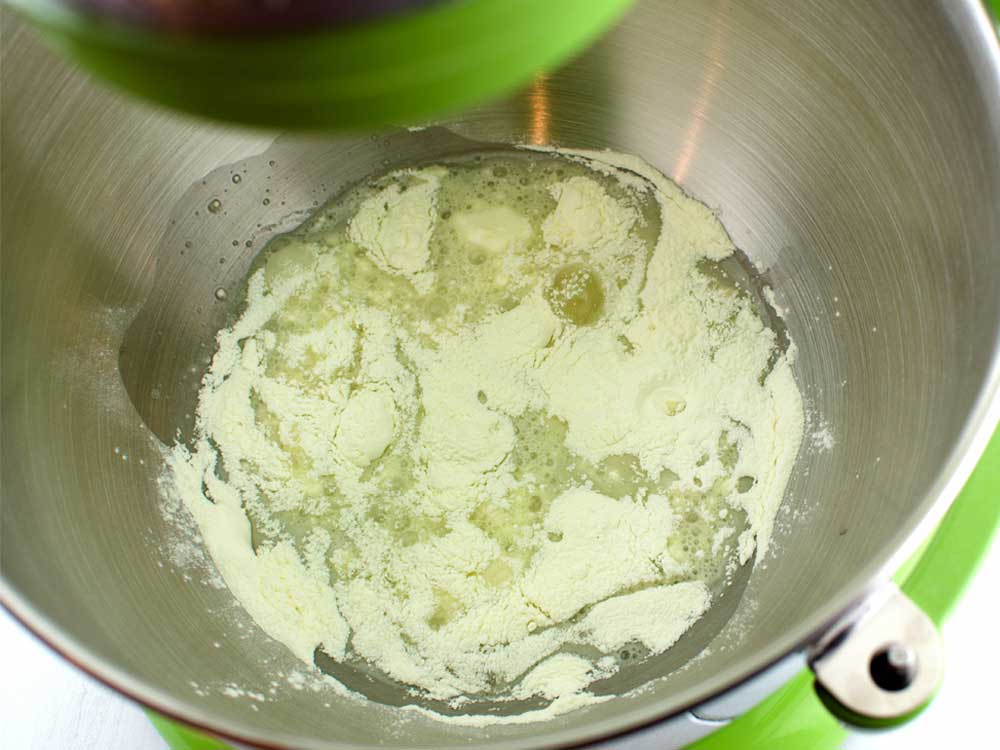
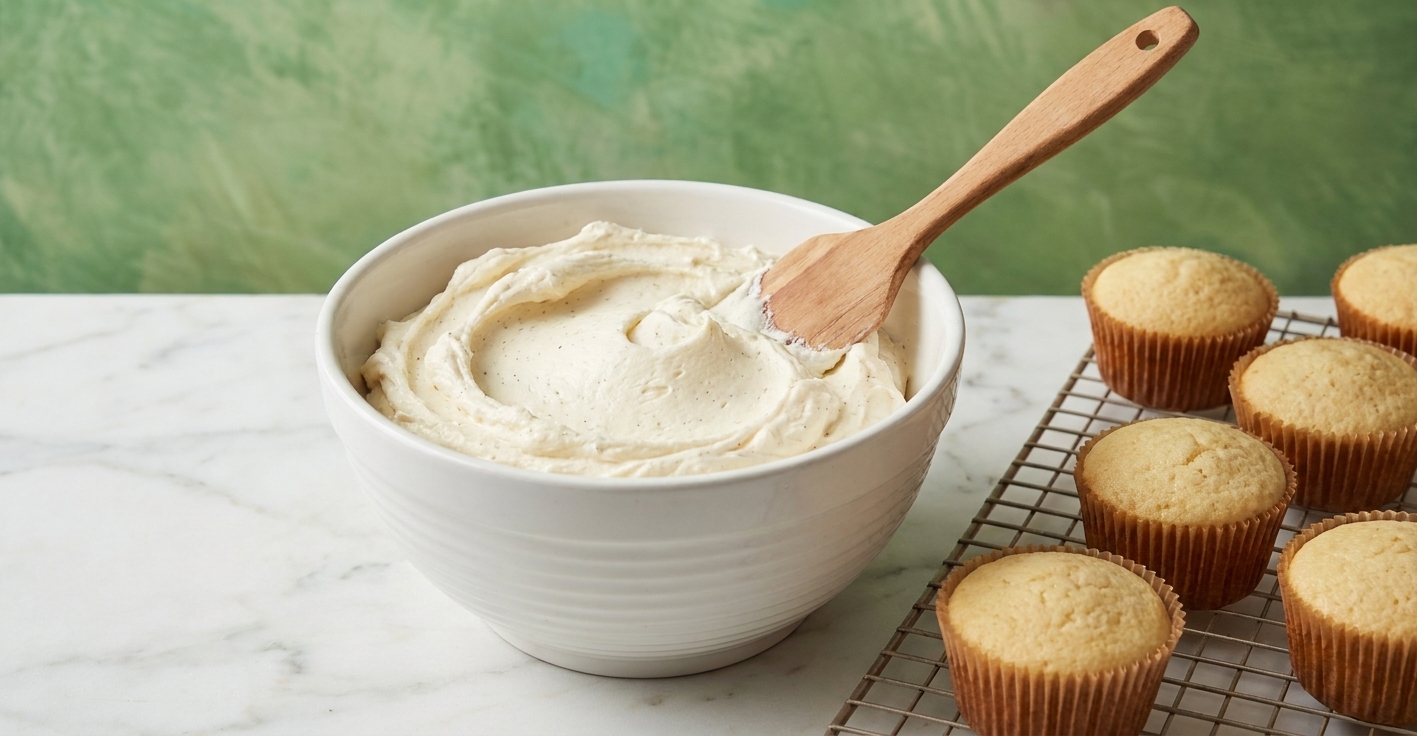
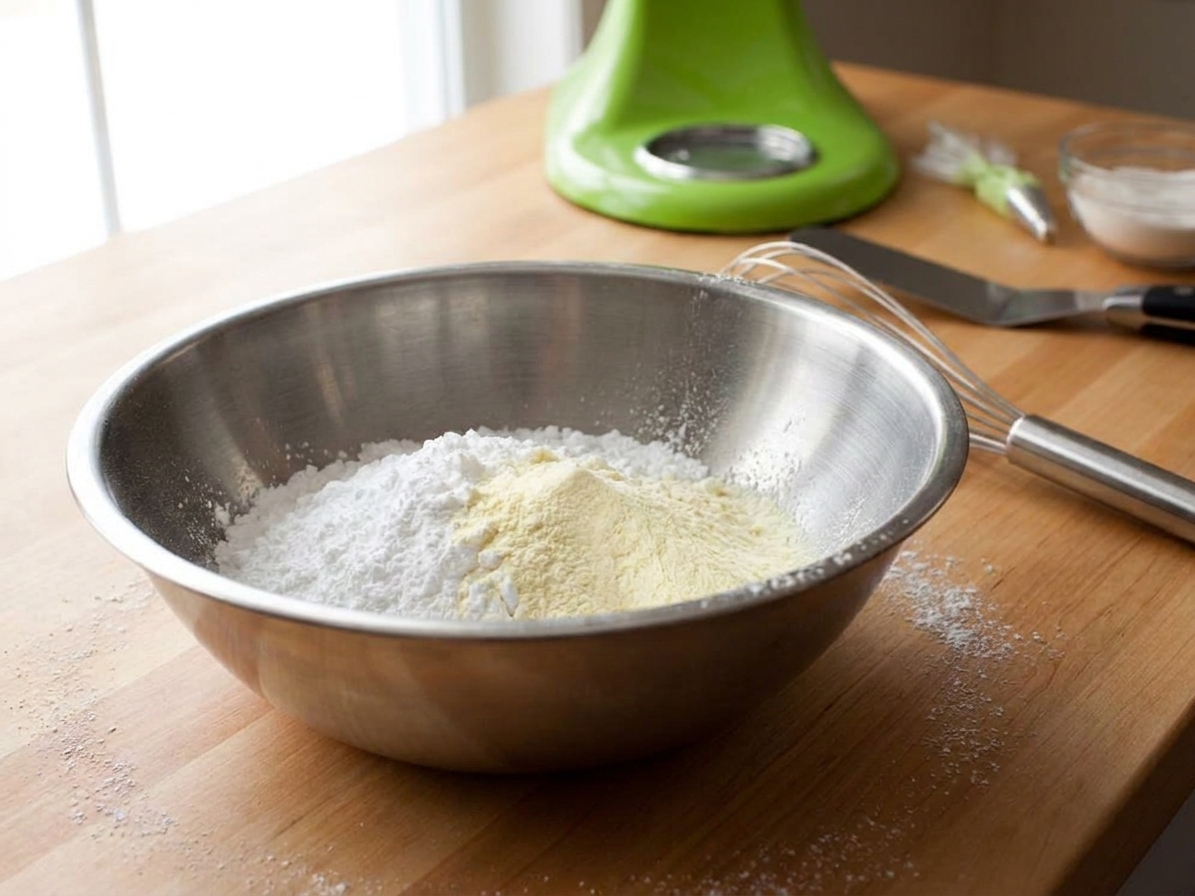
Powdered sugar, meringue powder, and a small bowl of water arranged on a tidy kitchen counter with measuring spoons

Why It Works

  • Dries hard and smooth so cookies are easy to stack and transport.
  • Flexible consistency using the same batch for piping, flooding, and detail work.
  • Beginner friendly with simple timing cues like the 10-second flood test.
  • Stable and bright thanks to meringue powder, no raw egg whites needed.

Pairs Well With

Storage Tips

Short term (same day): Press plastic wrap directly onto the surface of the icing in the bowl, then cover with a lid or another layer of wrap. Royal icing crusts fast when exposed to air.

Refrigerator (up to 5 days): Store in an airtight container with plastic wrap pressed onto the surface. Bring to room temperature, then re-whip briefly. Add a few drops of water if it thickened.

Freezer (up to 2 months): Freeze in an airtight container. Thaw overnight in the fridge, then bring to room temperature and re-whip until smooth.

Decorated cookies: Once fully dry, store cookies in an airtight container at room temperature for 5 to 7 days. Separate layers with parchment. Avoid the fridge, it can cause colors to bleed and surfaces to get sticky.

Common Questions

Can I make royal icing without meringue powder?

Yes. You can use pasteurized egg whites (from a carton) instead of water and meringue powder. For this recipe, swap the water for 6 tablespoons pasteurized egg whites. Beat with the powdered sugar until thick and glossy, then adjust with a few drops of water as needed for piping and flooding.

How do I know if it is flood consistency?

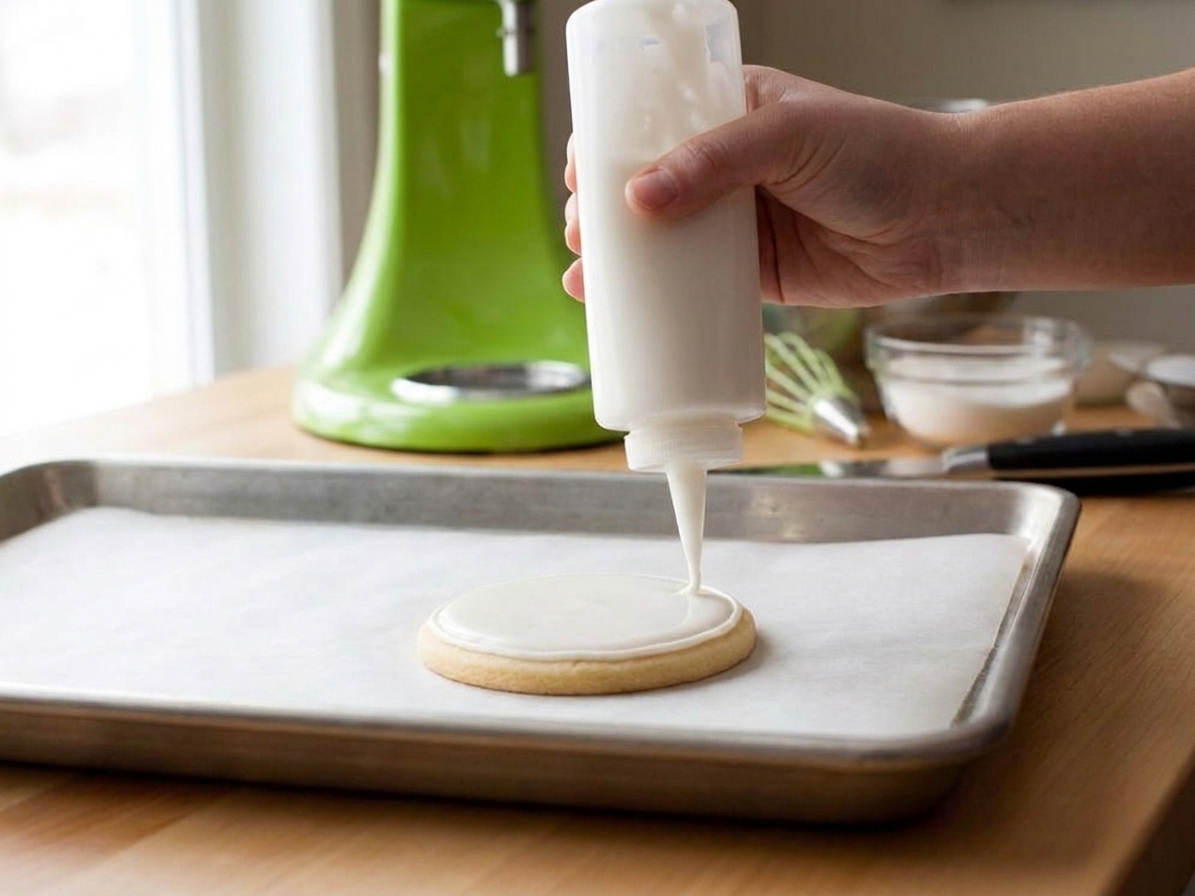
Do the 10-second test: drizzle a ribbon of icing back into the bowl. If the surface looks smooth again in about 10 seconds, it is ready to flood cookies. Faster than that and it can run right off your edges. Slower and you will get bumpy, textured icing.

Why is my royal icing grainy?

Most often it is under-mixed, your powdered sugar is a bit clumpy, or you added too much powdered sugar too fast. Sift the sugar, mix on low to start, then increase speed. If it still feels gritty, let the icing sit 5 minutes, then mix again.

Why did my icing crack after it dried?

Cracking can happen when icing is too thick, dries too quickly, or the cookie flexes underneath. Try adding water a drop at a time for a smoother flood, keep cookies on a flat surface while drying, and avoid strong fans or heat blasting directly on them.

How long does royal icing take to dry?

It depends on humidity and thickness. Piped details crust in 15 to 30 minutes. Flooded cookies usually feel dry on top in 2 to 4 hours, but I like to give them 8 to 12 hours before stacking or bagging.

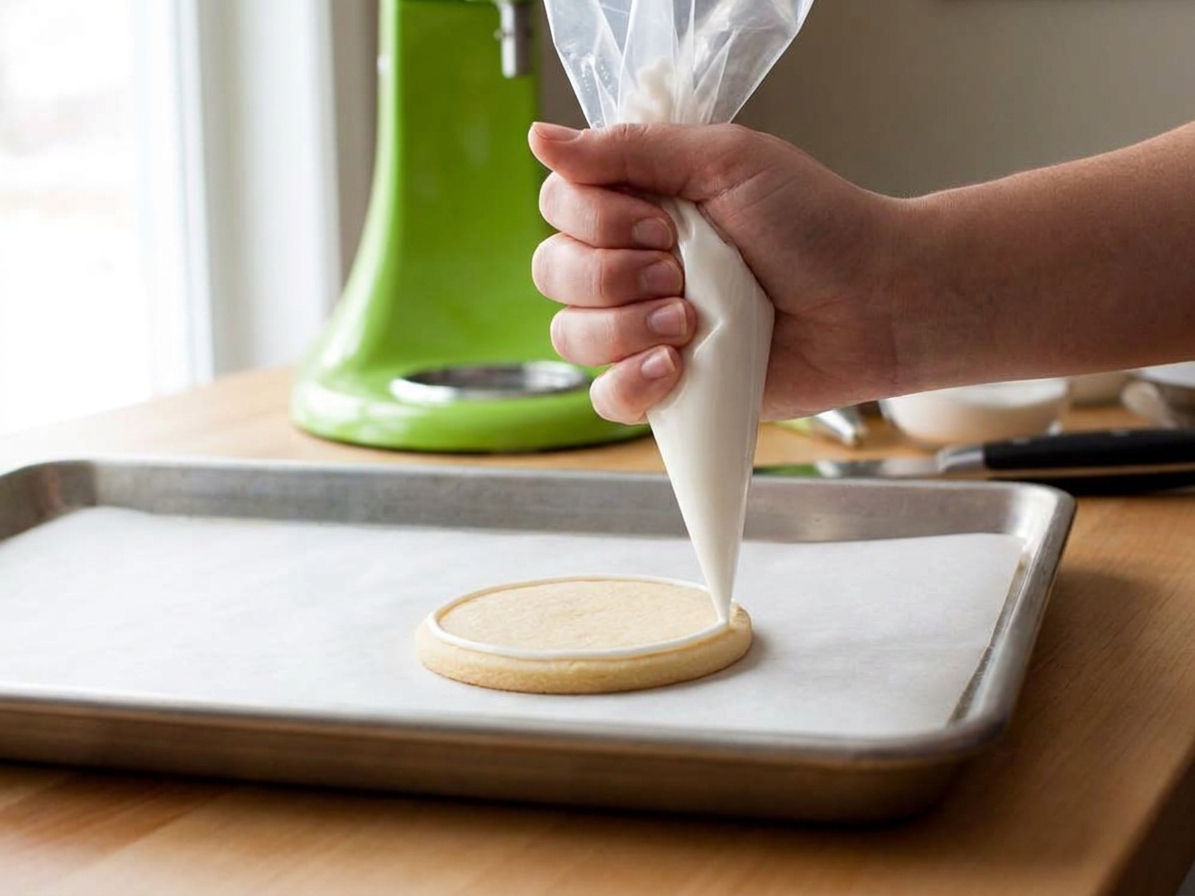
A piping bag held over a cookie as a thin line of royal icing is piped along the edge on a parchment-lined baking sheet

The first time I made royal icing, I treated it like any other frosting and wondered why it was acting moody. Then I learned the secret: it is not moody, it is just specific. Once you understand consistency, it becomes weirdly relaxing. Put on something cozy, line up your piping bags, and suddenly you are the kind of person who makes polka-dot cookies on a Tuesday. That is the magic.