Mom's Best Recipes
Recipe

Creamy Scalloped Potatoes

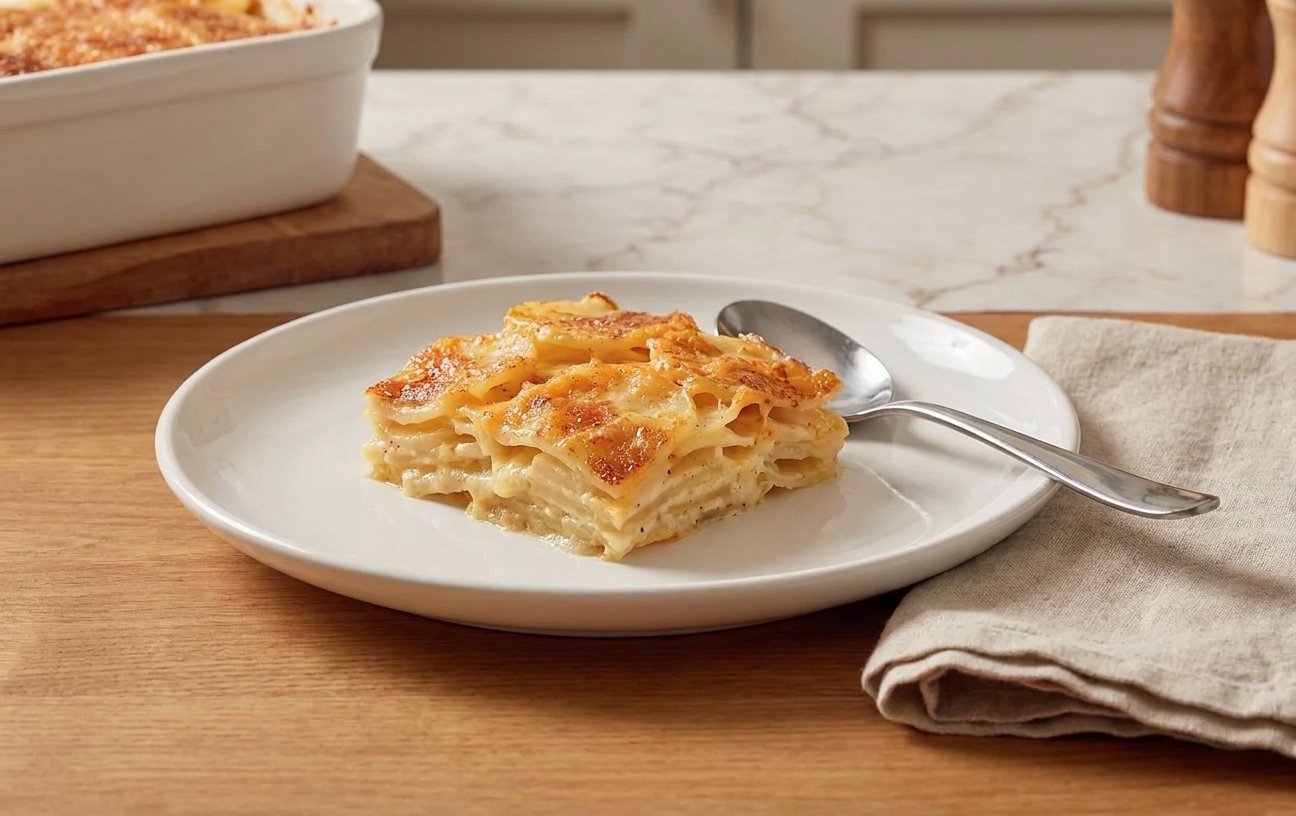
Silky garlic thyme sauce, tender potato layers, and a golden, bubbly top.

Author By Matt Campbell
4.8
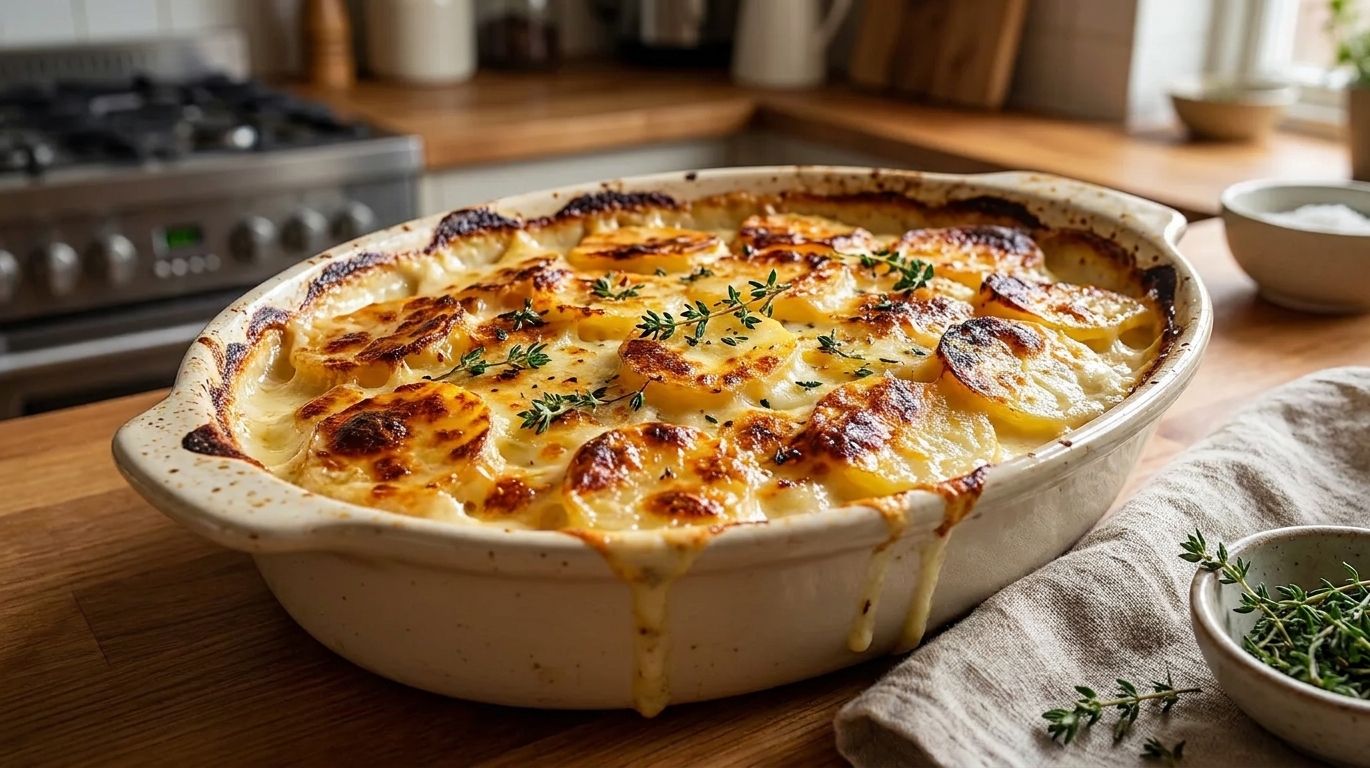
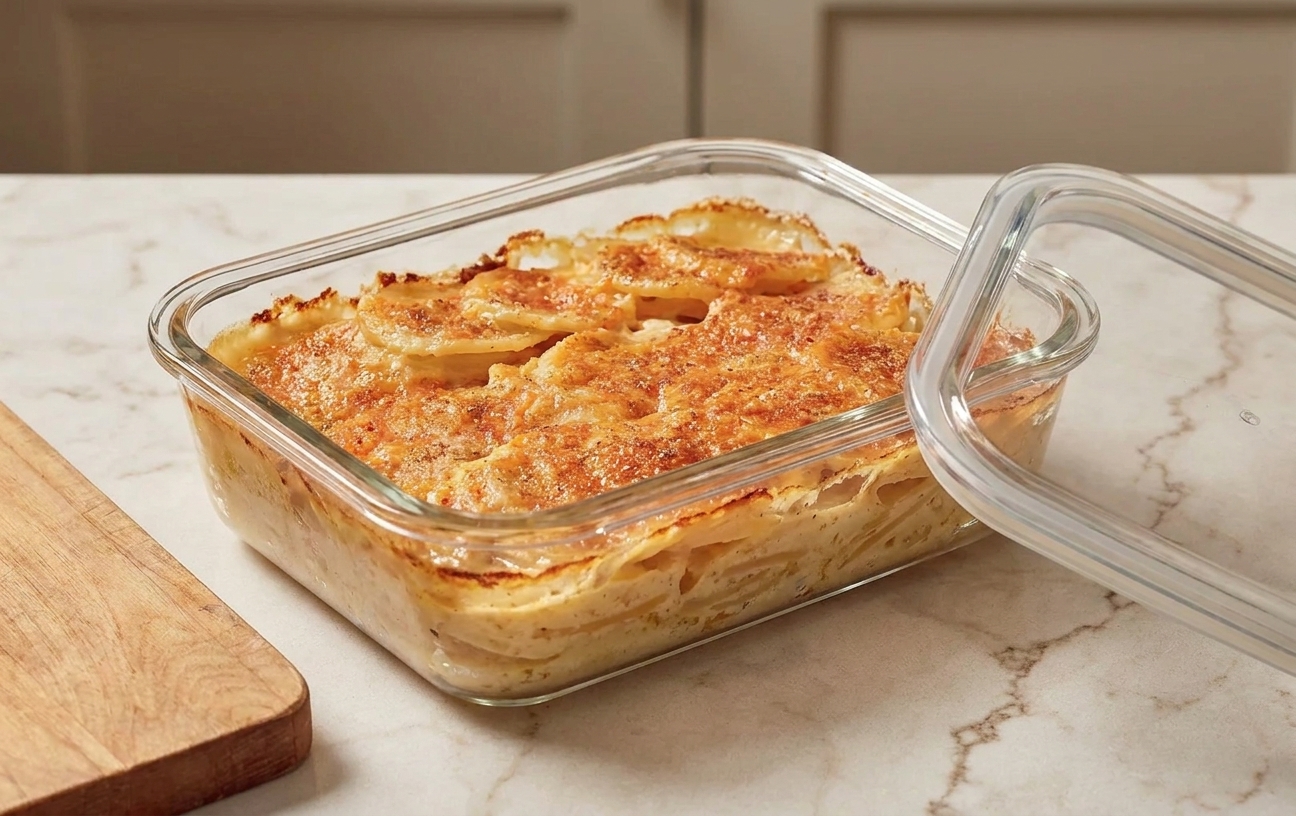
A bubbling casserole dish of creamy scalloped potatoes with a golden browned top on a light kitchen counter

Scalloped potatoes are one of those dishes that look fancy, smell like a hug, and somehow disappear faster than the main protein. It is basically layers of thin-sliced potatoes tucked into a cozy, creamy sauce, then baked until the edges get a little crisp and the center turns spoon-tender.

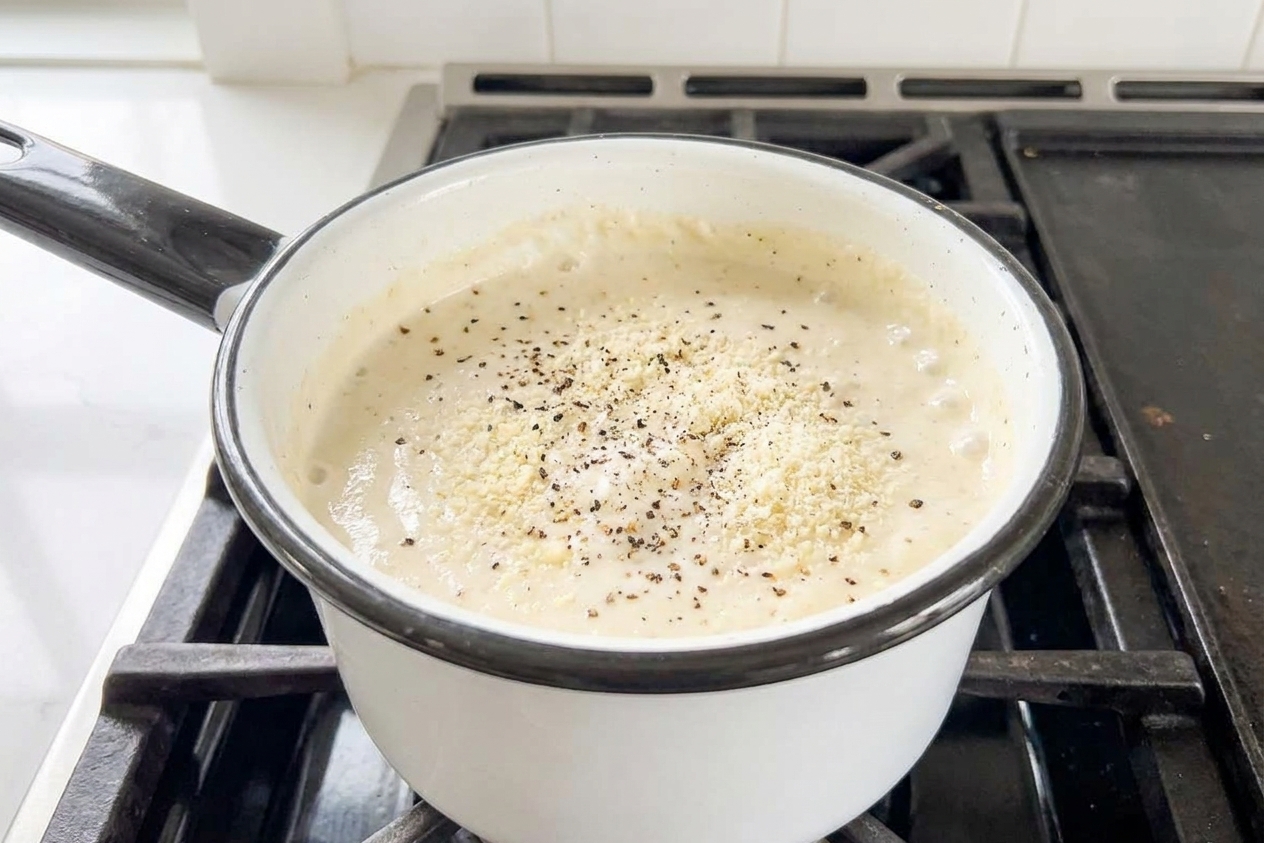
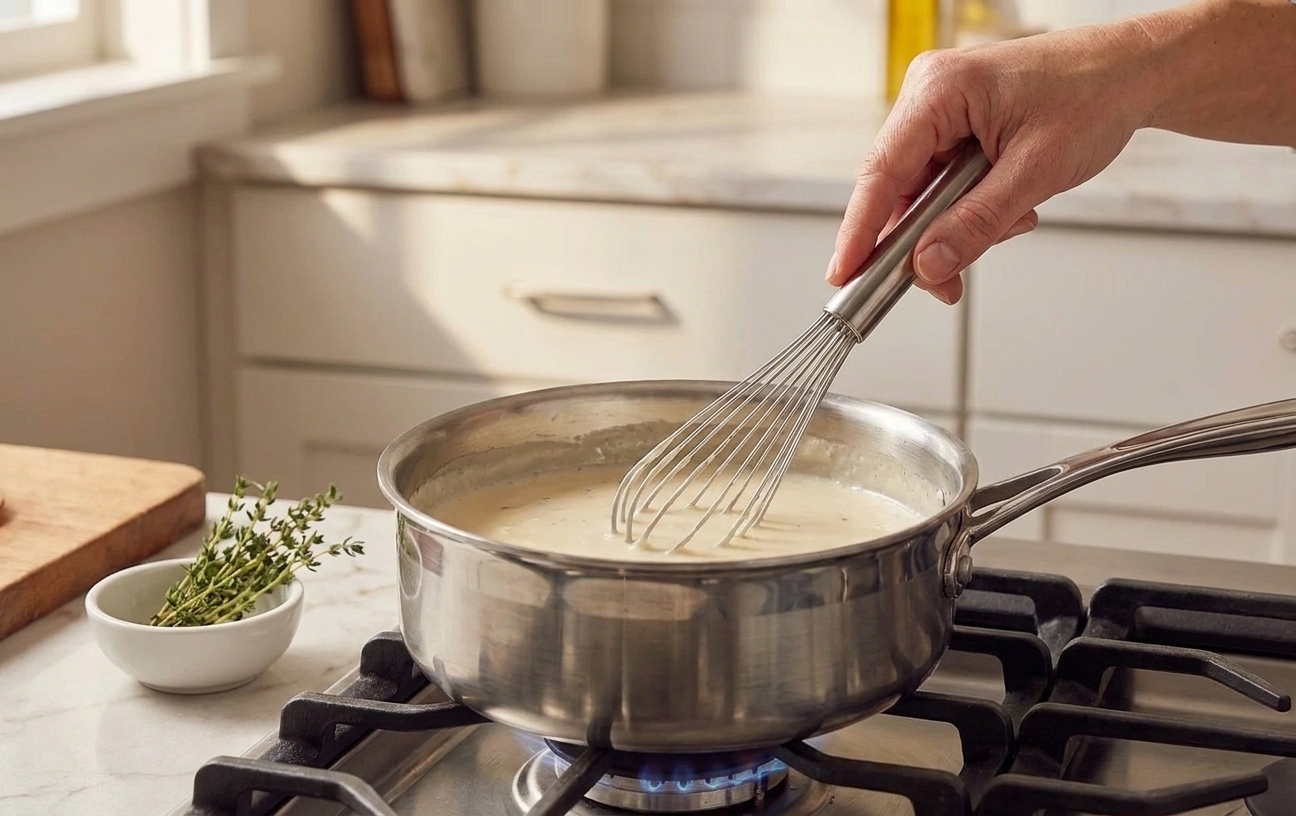
My version keeps the ingredients simple but not boring. We build a quick roux so the sauce stays silky (not grainy, not broken), hit it with garlic and thyme, then bake until the potatoes give up and become the best version of themselves. If you can slice potatoes and whisk without panic, you have got this.

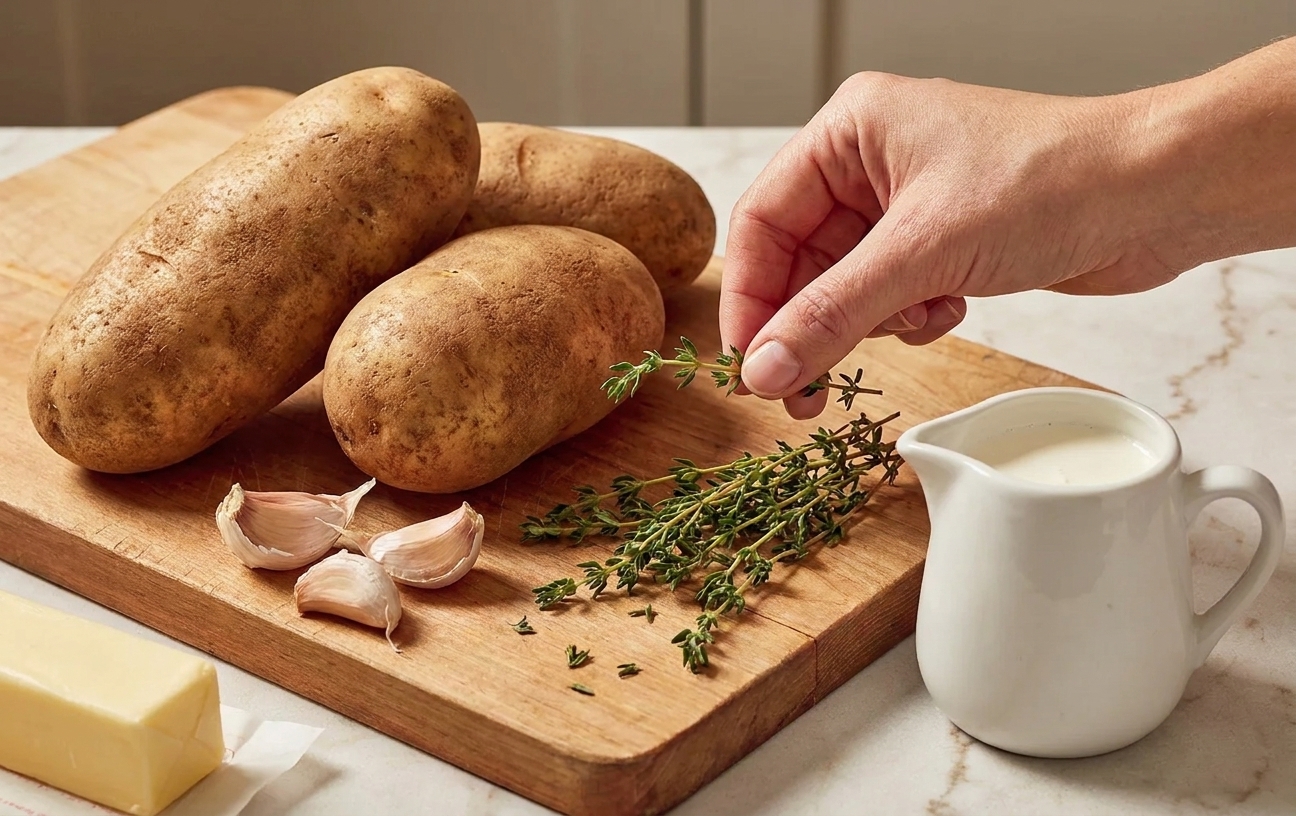
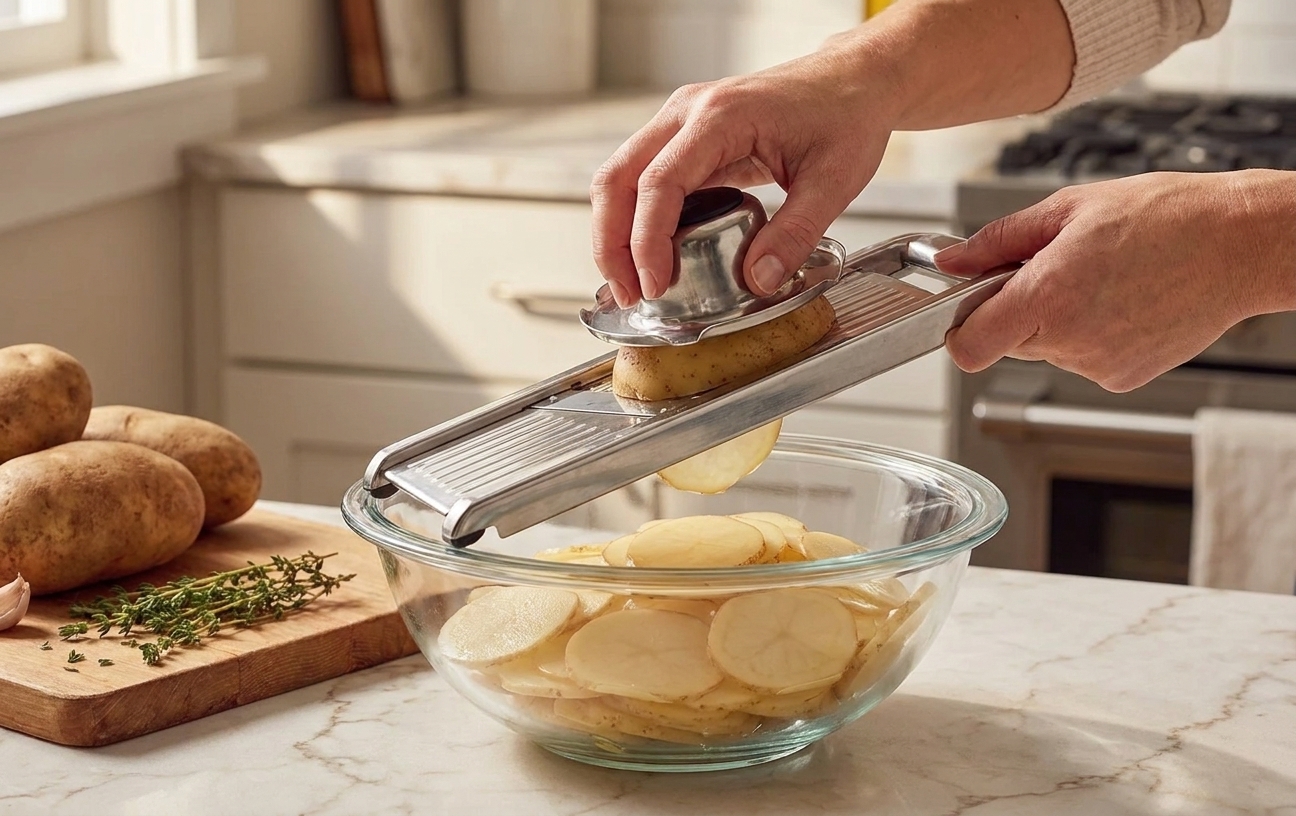
Russet potatoes, garlic, thyme, butter, and a small pitcher of cream arranged on a kitchen counter with warm natural light

Why It Works

  • Ultra creamy, not watery: A quick butter and flour base thickens the sauce so it coats each layer instead of pooling at the bottom.
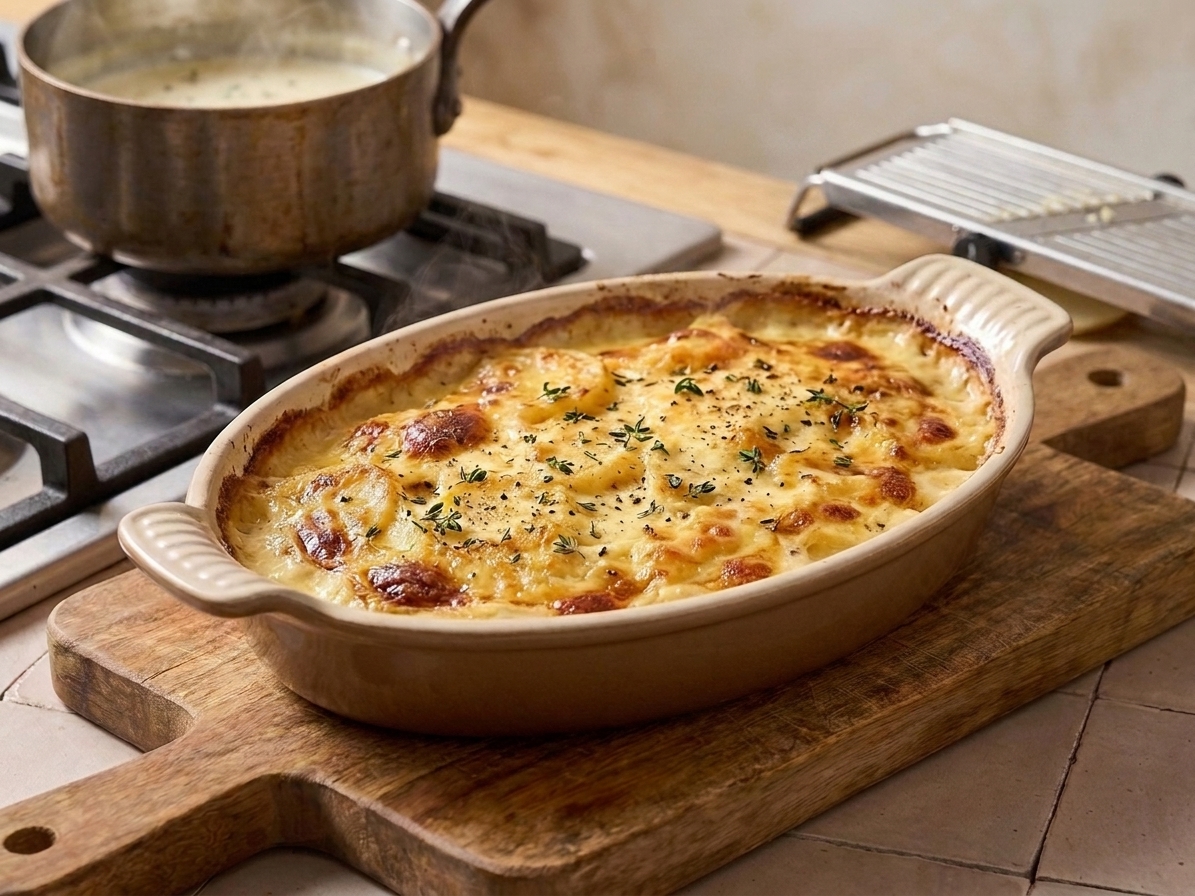
  • Tender layers with structure: Thin slices cook evenly, and a short rest after baking helps everything set up for clean scoops.
  • Big flavor from small moves: Garlic, thyme, and a touch of nutmeg make the sauce taste like it worked harder than it did.
  • Make-ahead friendly: You can assemble earlier, bake later, and reheat without wrecking the texture.

Pairs Well With

Storage Tips

How to Store and Reheat

Refrigerate: Cool completely, then cover the baking dish or transfer to an airtight container. Store up to 4 days.

Freeze: You can freeze scalloped potatoes, but the sauce may loosen a bit when thawed. Freeze tightly wrapped portions up to 2 months. Thaw overnight in the fridge for best texture.

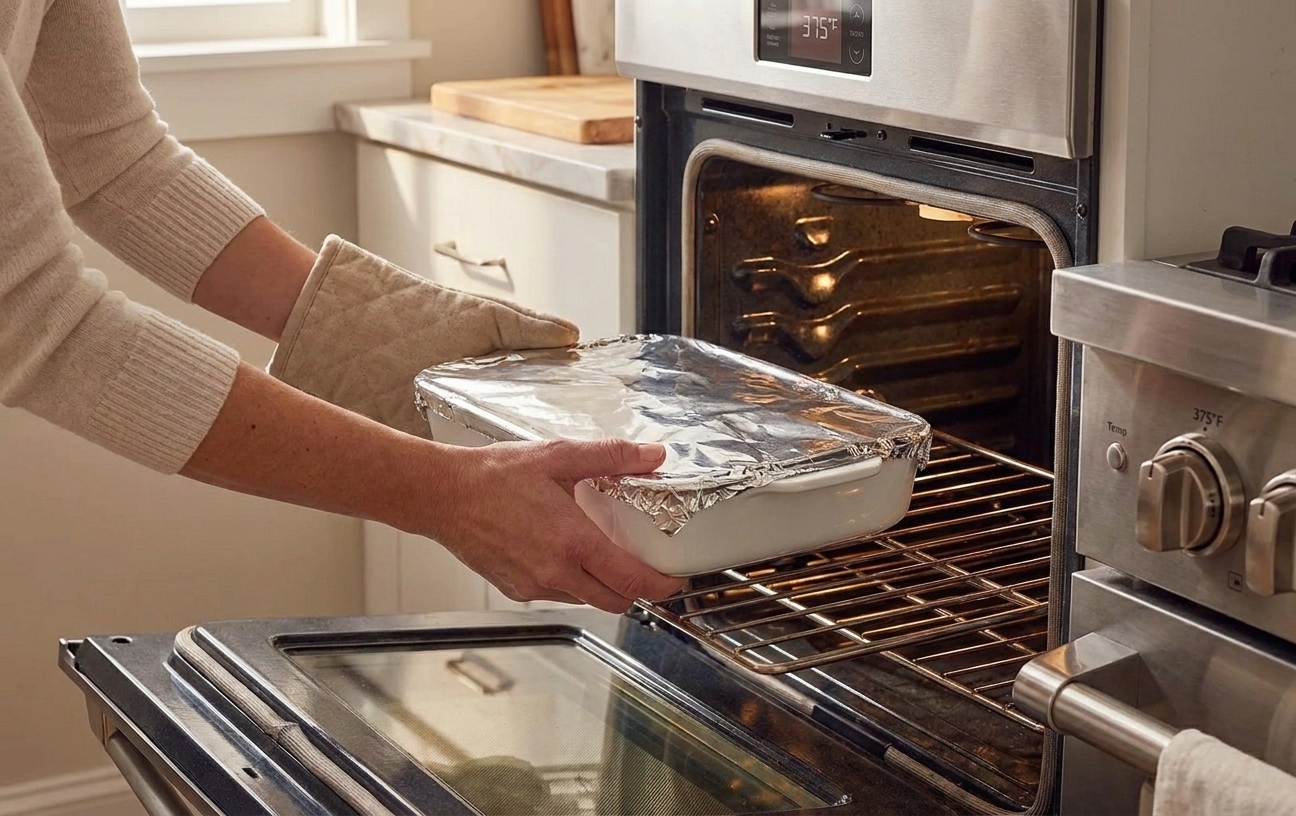
Reheat: For the best creamy texture, reheat in a 350°F oven, covered, for 20 to 30 minutes (longer if cold from the fridge). Uncover for the last 5 minutes to revive the top. Microwave works in a pinch, but do it at 50 to 70% power and stir gently halfway through.

A glass food storage container filled with leftover scalloped potatoes on a kitchen counter next to a lid

Common Questions

Common Questions

What is the difference between scalloped potatoes and potatoes au gratin?

Scalloped potatoes are typically potatoes baked in a creamy sauce, often without cheese. Au gratin often includes cheese (and sometimes breadcrumbs) for a more obvious cheesy crust. This recipe is scalloped-style, but I give you an optional cheese add-in because I support your choices.

Do I have to peel the potatoes?

No. If you are using Yukon Golds, the skins are thin and totally fine. If you are using Russets, peeling gives you a smoother, more uniform texture, but it is not mandatory. I peel Russets, I usually do not peel Golds.

Why are my scalloped potatoes still hard after baking?

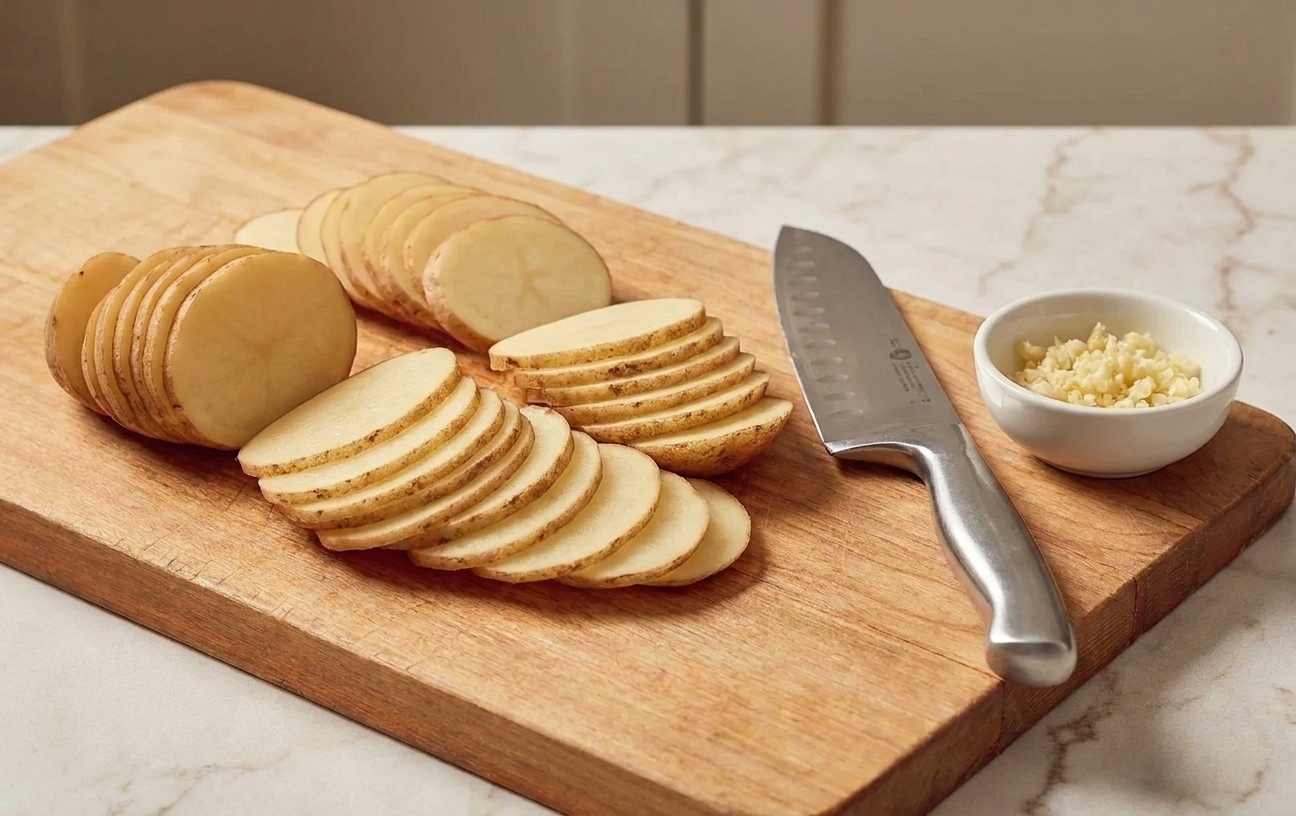
Common culprits are slices that are too thick, a dish that is too deep, or not enough time fully covered. Aim for 1/8-inch slices, keep the layers fairly even, and make sure you bake covered until a knife slides in with very little resistance. (If you swapped to a smaller, deeper pan, plan on extra time.)

Can I make scalloped potatoes ahead of time?

Yes. Assemble the dish, cover, and refrigerate up to 24 hours. Keep it chilled until baking time for food safety. Let it sit at room temp for 30 minutes before baking, or add 10 to 15 minutes to the covered bake time.

Can I use half-and-half instead of heavy cream?

You can. The sauce will be a little lighter and slightly less rich, but still delicious. If you go all milk, keep the roux step and do not rush the simmer, because that is your insurance policy against a thin sauce.

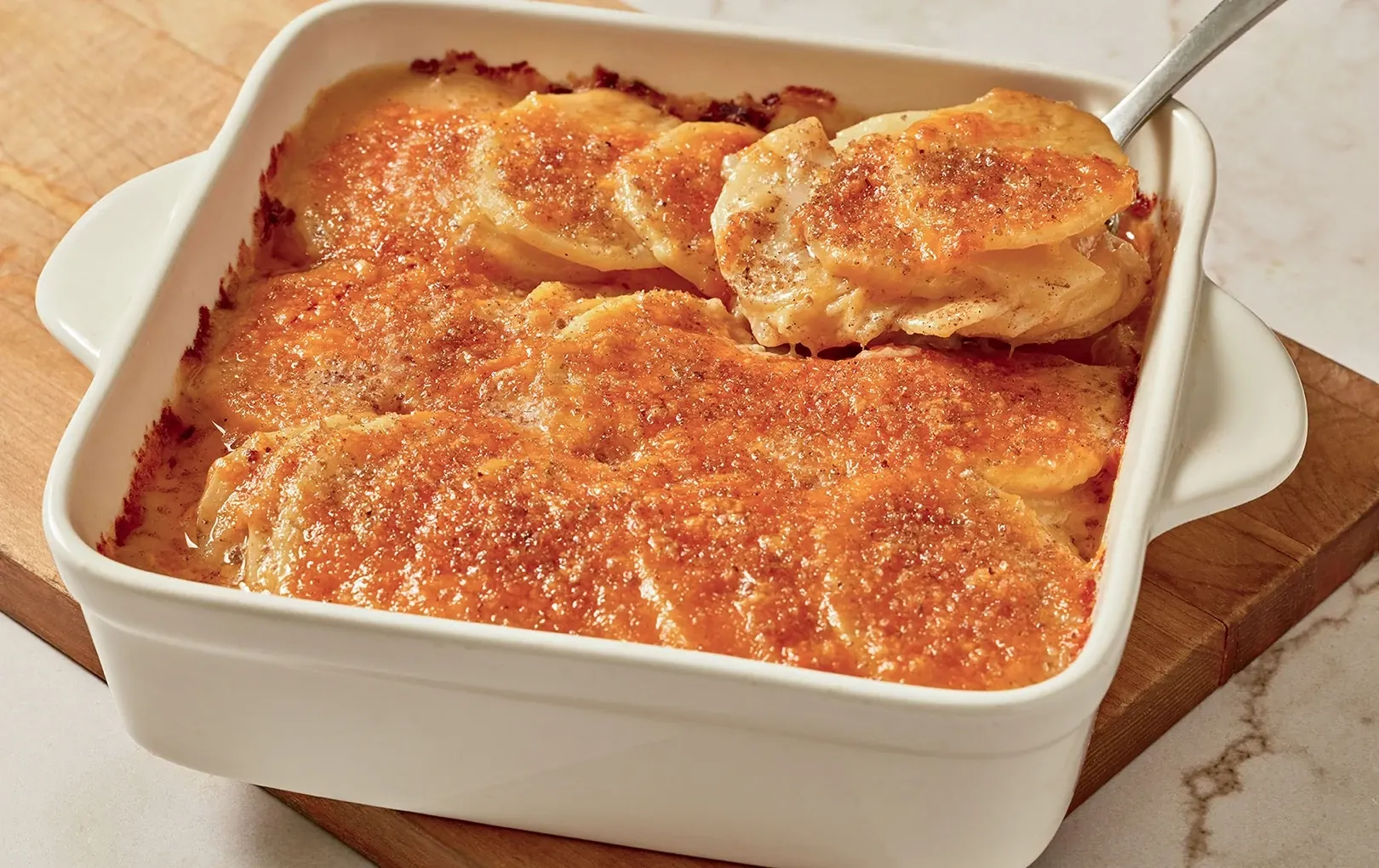
Scalloped potatoes were one of the first “real” side dishes I learned to make without a recipe card breathing down my neck. I loved that it was mostly pantry basics plus a little patience. Also, slicing potatoes is weirdly therapeutic until you realize you have been standing there for ten minutes and have not tasted anything yet. The best part is watching the top go from pale to bubbling to that perfect golden brown, then trying not to burn your mouth because you absolutely ignored the resting time like a reckless optimist.