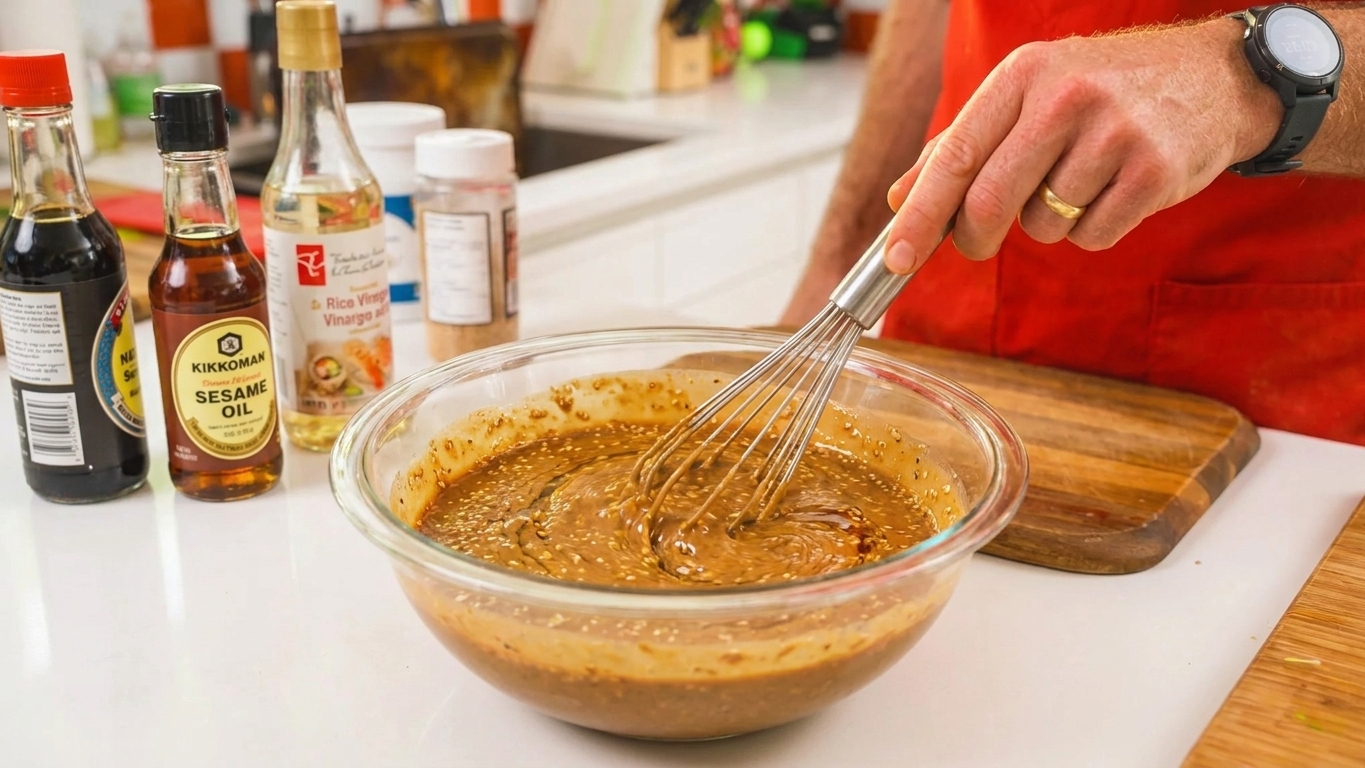
Can I make sesame noodles without peanut butter?
Yes. Use tahini for a more sesame-forward flavor, or sunflower seed butter for a nut-free option. You may need an extra teaspoon of warm water to help it whisk smooth.
How do I keep sesame noodles from clumping?
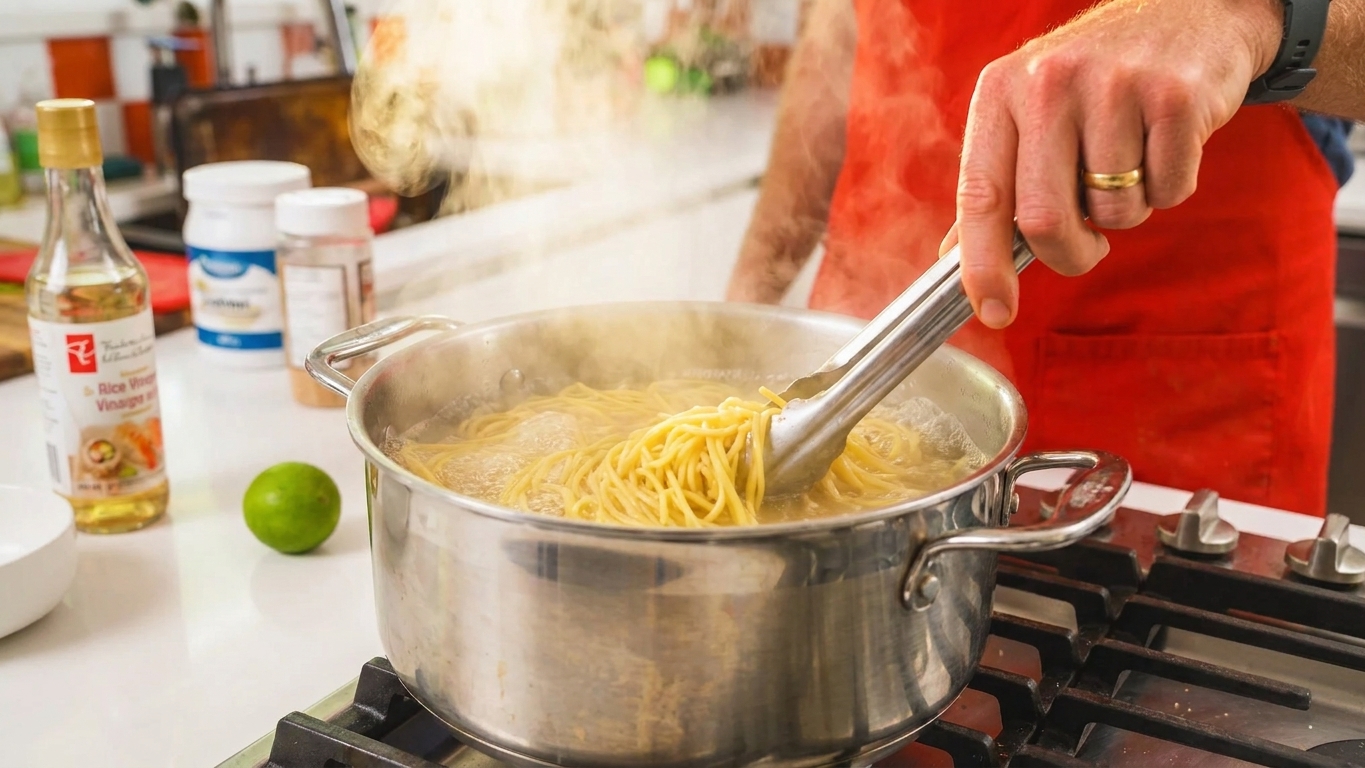
Toss the drained noodles with a tiny splash of neutral oil if they are going to sit, and mix them with sauce while they are still slightly warm. If they clump later, loosen with a splash of warm water (or reserved noodle water) and toss hard for 15 seconds.
What noodles work best?
Spaghetti, linguine, ramen noodles, soba, or rice noodles all work. For soba, rinse briefly after cooking to remove excess surface starch and reduce gumminess or clumping, especially if serving cold. For ramen, keep in mind some brands are saltier than others, so start a little lighter on soy sauce and adjust after tossing. Rice noodles tend to be less starchy, so they may need a slightly thicker sauce or a little less thinning water.
Can I serve these cold?
Absolutely. Chill for at least 30 minutes, then taste and adjust. Cold food mutes seasoning, so you might want an extra splash of vinegar or soy sauce.
How can I add protein?
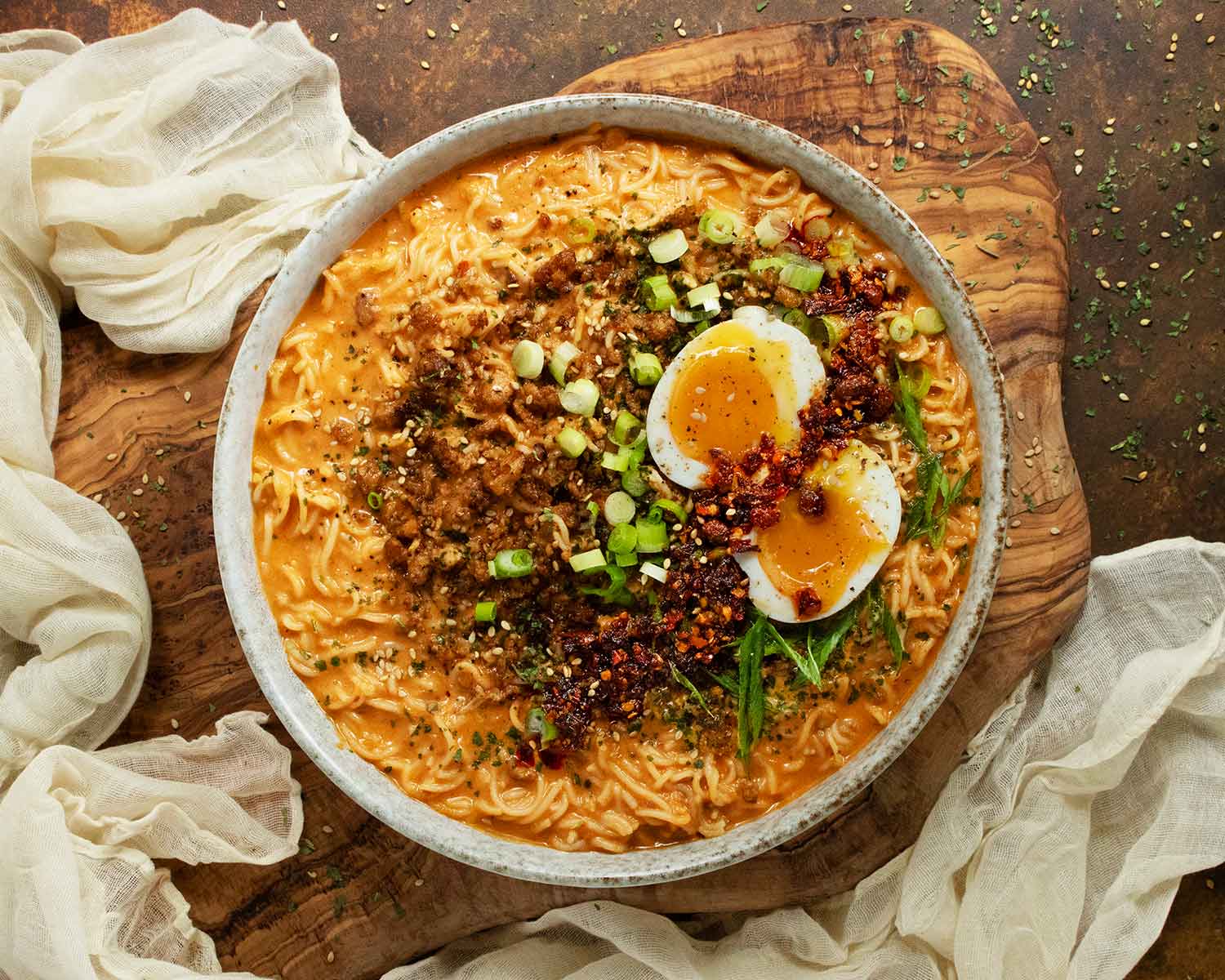
Top with shredded rotisserie chicken, sautéed shrimp, crispy tofu, or a jammy soft-boiled egg. Even a handful of edamame is a win.
Any tips for toasted sesame oil?
Toasted sesame oil is powerful in the best way. If you are sensitive to it, start with 1 tablespoon, toss, then add more to taste.
Allergen note?
This recipe commonly includes soy, sesame, and peanuts. Use tamari for gluten-free, and sunflower seed butter for a nut-free option. Always double-check labels if allergies are in play.