Mom's Best Recipes
Recipe

Sfogliatelle

Crisp, layered Italian pastries with a bright ricotta filling and that signature seashell shape.

Author By Matt Campbell
4.8
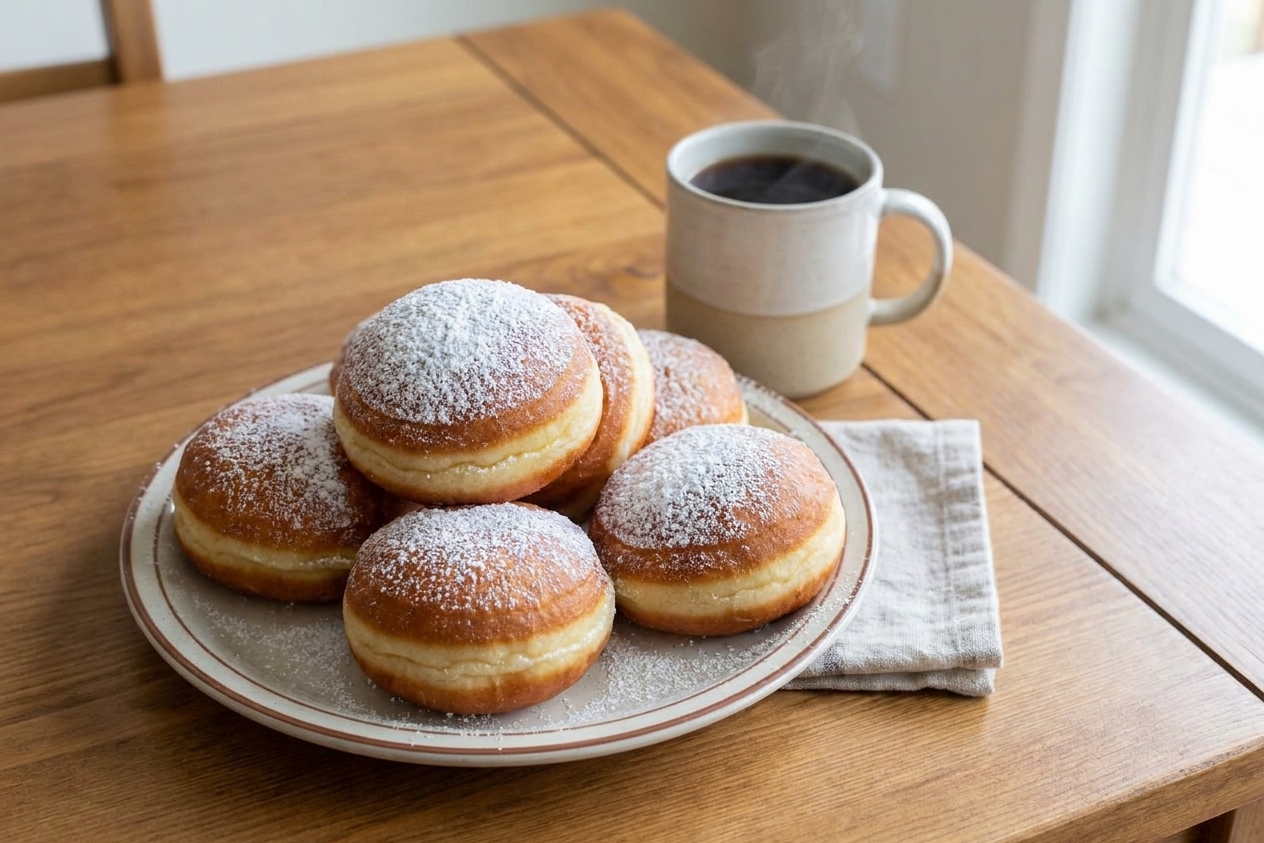
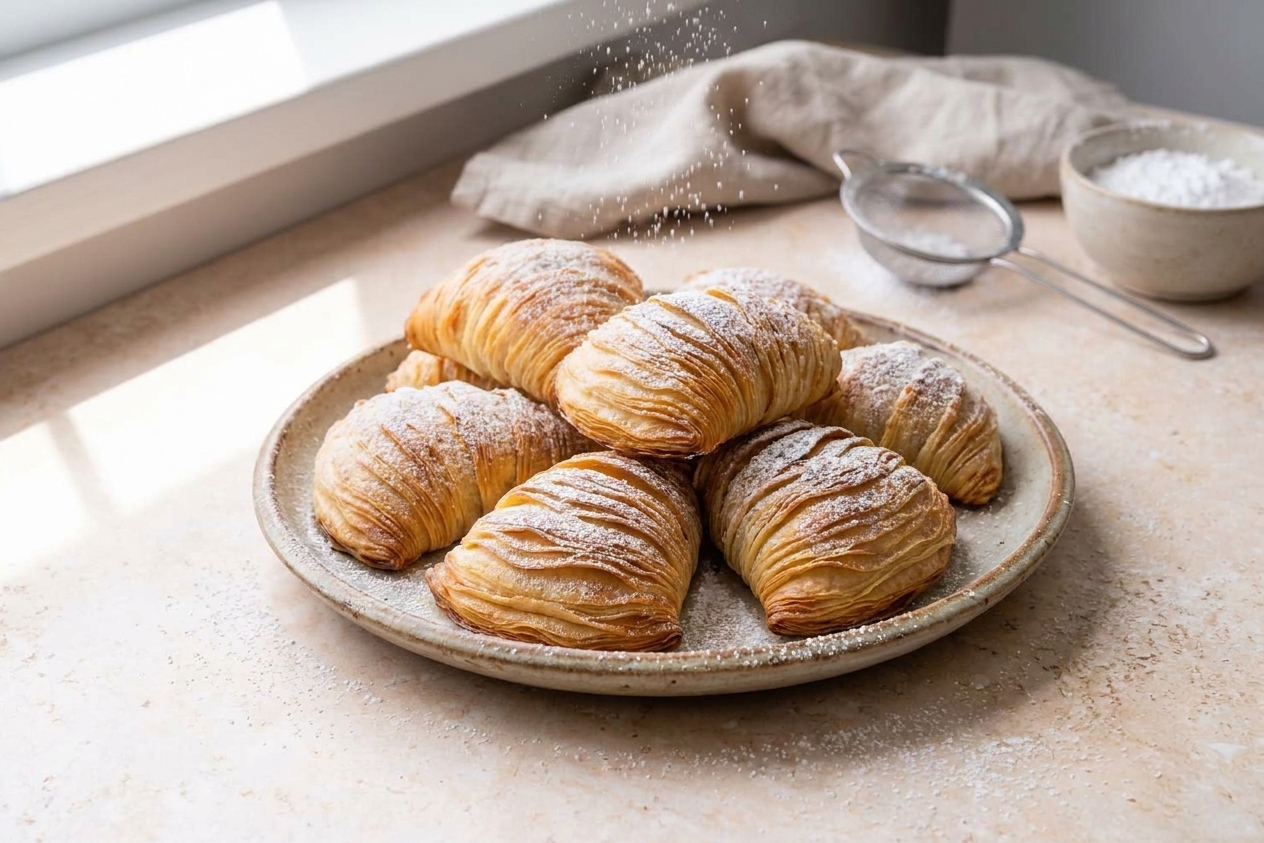
A plate of golden, shell-shaped sfogliatelle pastries dusted with powdered sugar on a rustic kitchen table with soft natural light

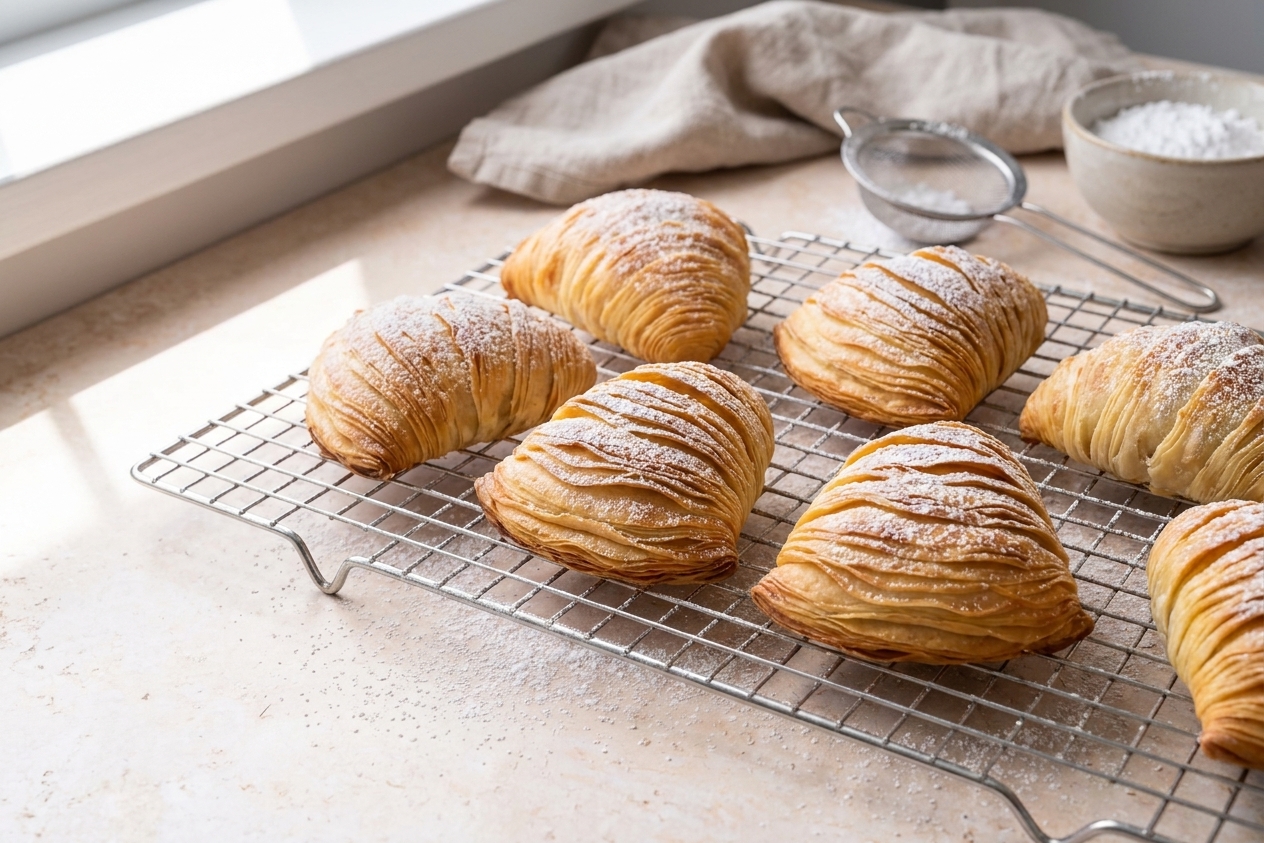
Sfogliatelle (sfo-lya-TELL-eh) are the pastries I make when I want my kitchen to feel like an Italian bakery for an afternoon. They are crisp, loud, and flaky in the best way, with layers that shatter like delicate pastry confetti. Inside, you get a cozy ricotta filling that tastes like citrus, vanilla, and a little bit of sweet calm.

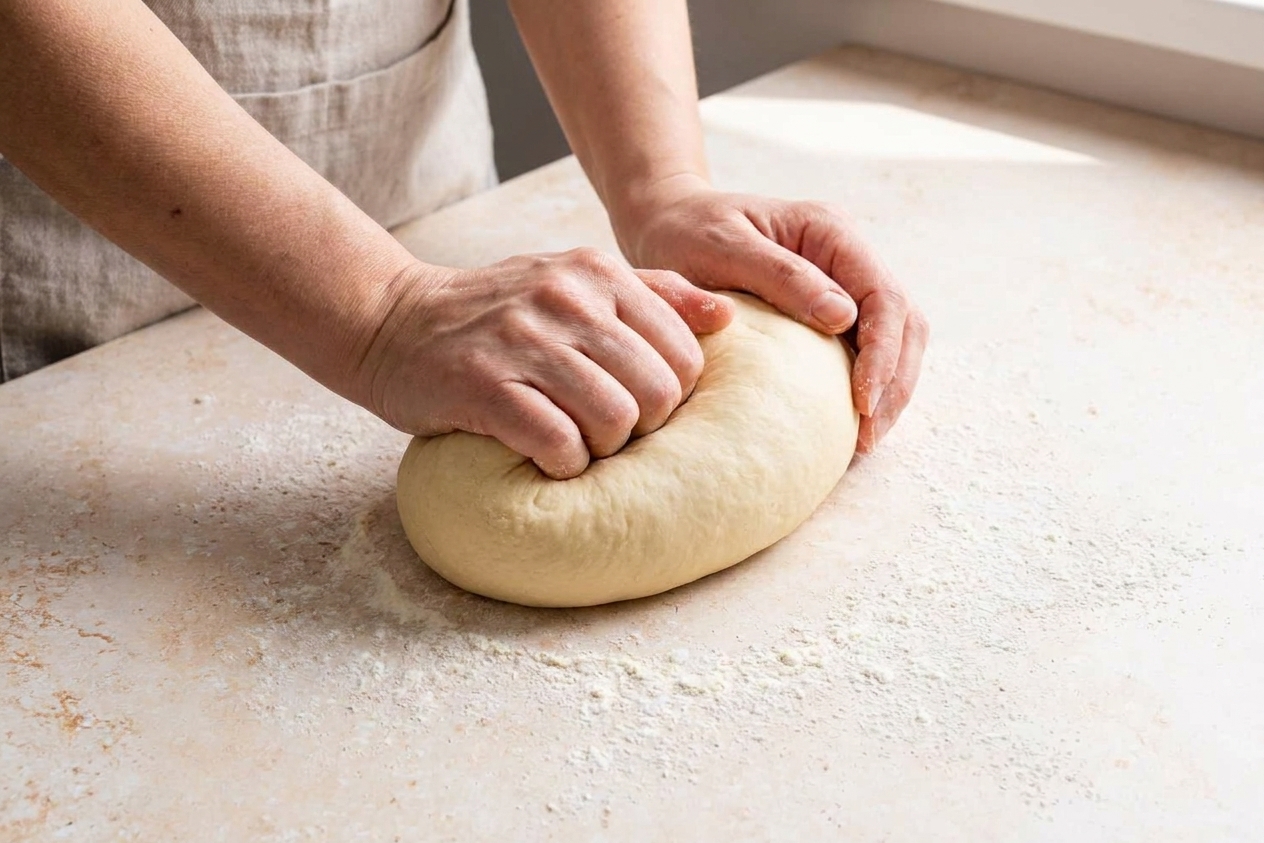
Fair warning: this is not a five-ingredient, five-minute situation. But it is doable at home if you take it one step at a time and embrace a little flour-on-your-shirt energy. I will walk you through the dough, the butter, the shaping, and the bake so you get those signature ridges and a filling that stays creamy, not runny.
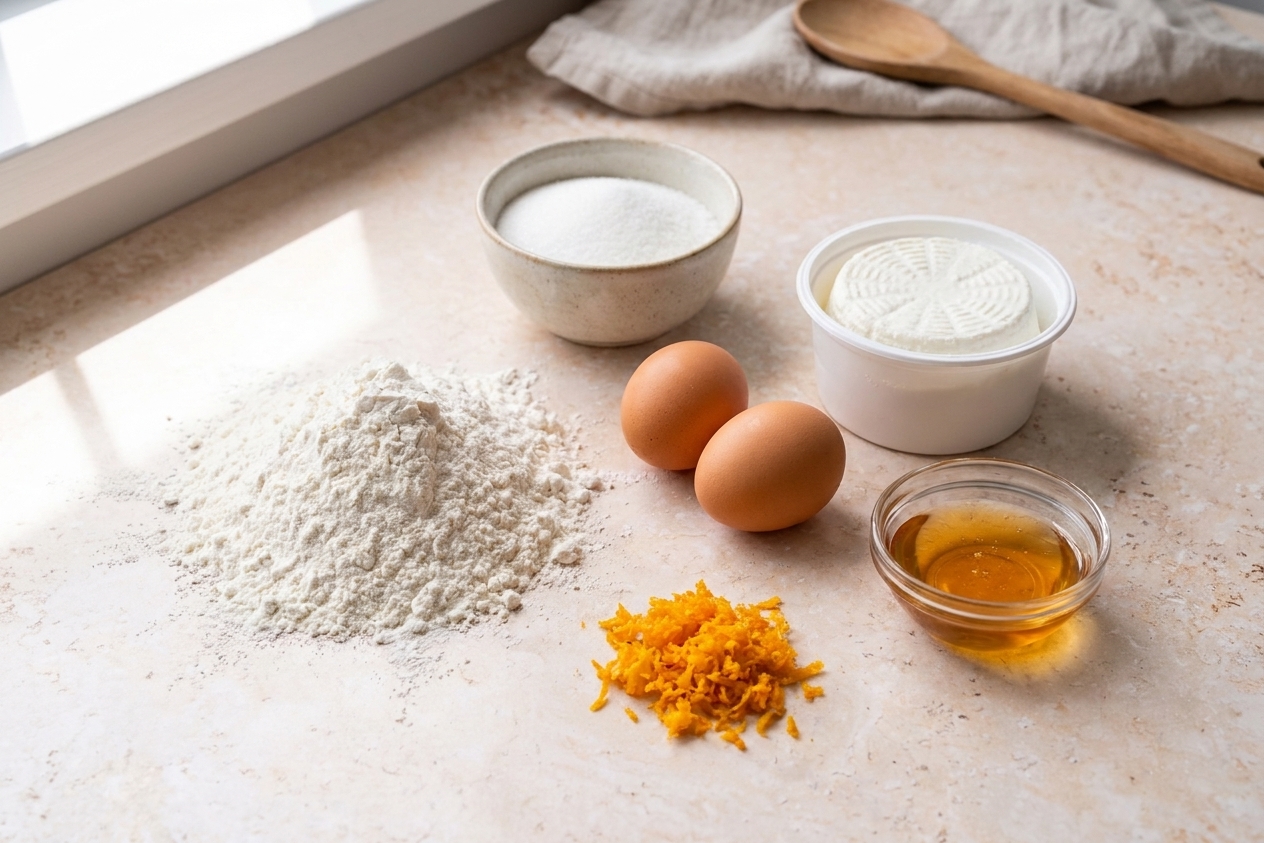
Measured ingredients for sfogliatelle on a kitchen counter, including flour, sugar, eggs, ricotta, orange zest, and a small bowl of honey

Why It Works

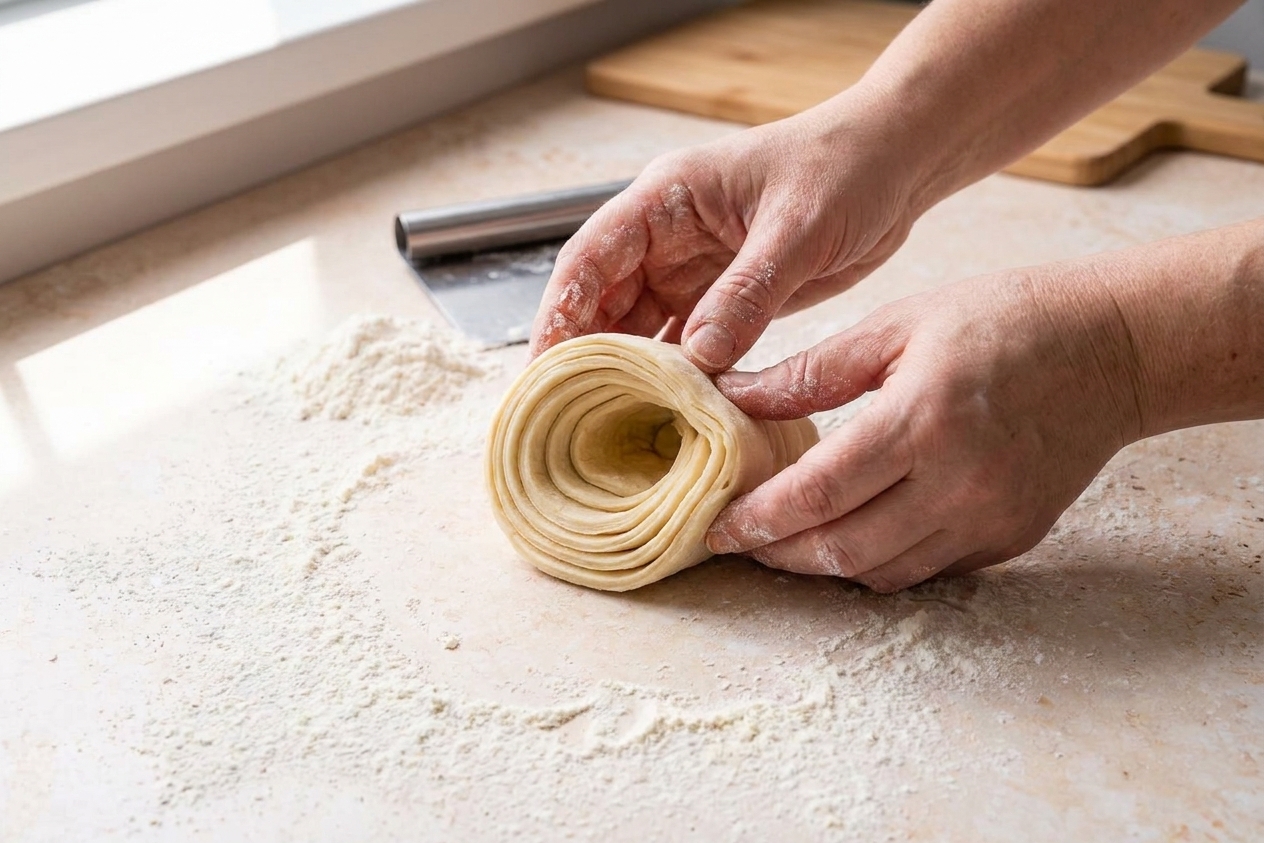
  • That signature crunch: Rolling the dough thin and coating it with fat before coiling creates dozens of delicate layers that bake up crisp.
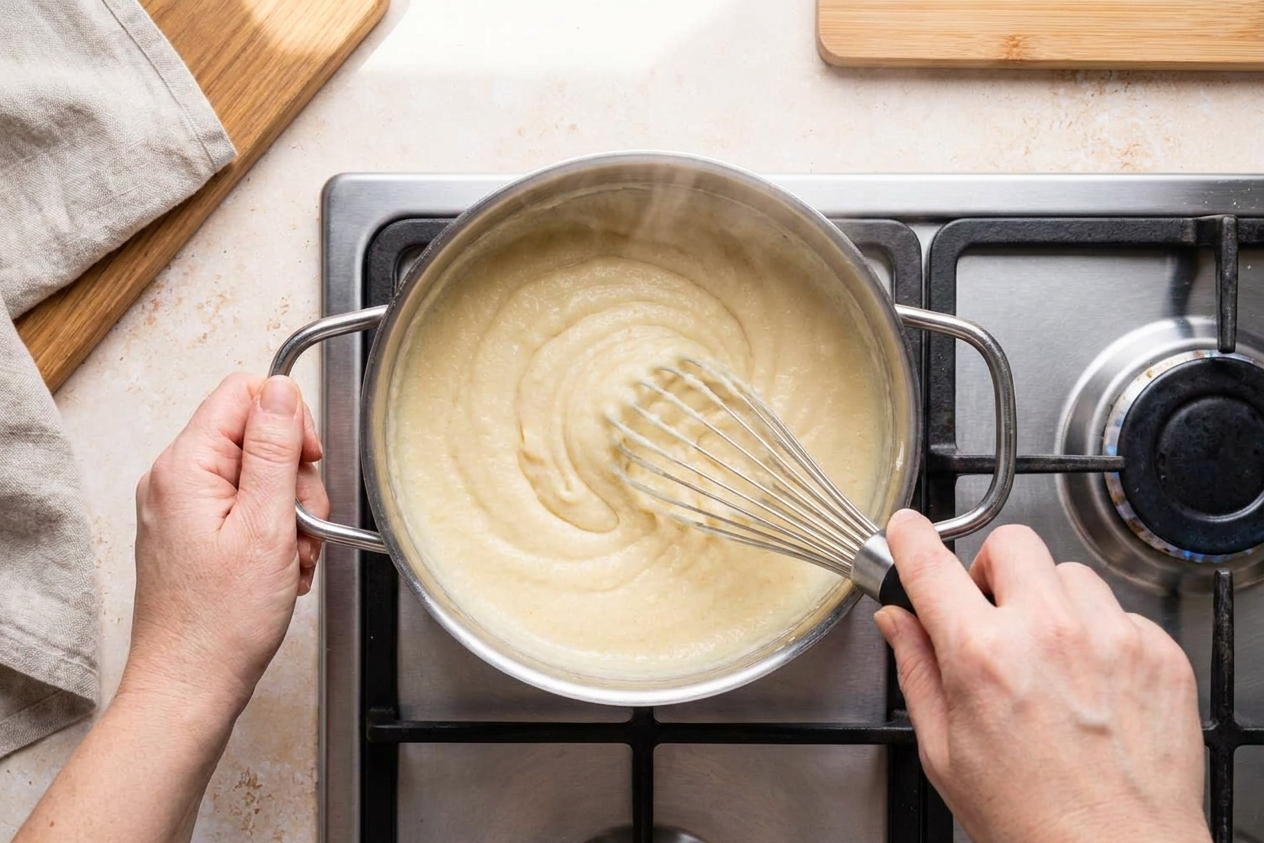
  • Filling that holds its shape: Draining the ricotta and cooling the semolina paste keeps the center creamy, not leaky.
  • Clear shaping cues: You will open each dough disk like a little clam and pinch the top so it puffs into a true shell.
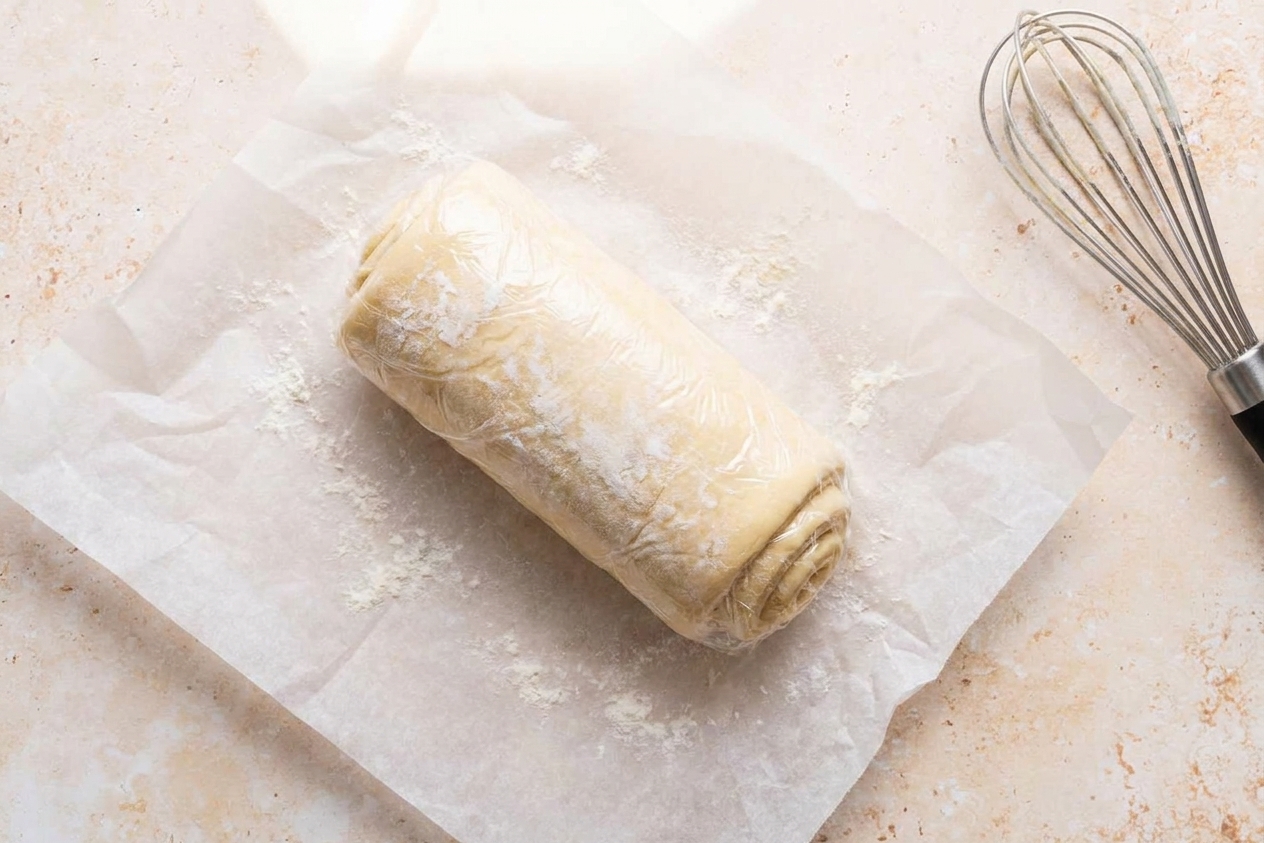
  • Make-ahead friendly: The dough logs and the filling can be prepped ahead, then baked fresh when you want the drama.

Pairs Well With

Storage Tips

Best day to eat: The day they are baked. Sfogliatelle are all about crunch, and that crunch is at peak volume the first few hours.

  • Room temperature (short): If your kitchen is cool, you can keep them loosely covered at room temperature for a few hours. For longer holding, or if your kitchen runs warm, refrigerate.
  • Refrigerate: Store in the fridge up to 3 days. The layers will soften a bit, but they re-crisp well.
  • Re-crisp: Warm in a 350°F oven for 6 to 10 minutes until the outside feels crisp again. Microwaving will soften the layers.
  • Freeze (baked): Freeze on a sheet pan, then bag. Reheat from frozen at 350°F for 12 to 18 minutes.
  • Make ahead (unbaked): Freeze shaped, filled pastries on a sheet pan. Bake from frozen, adding 5 to 8 minutes as needed.
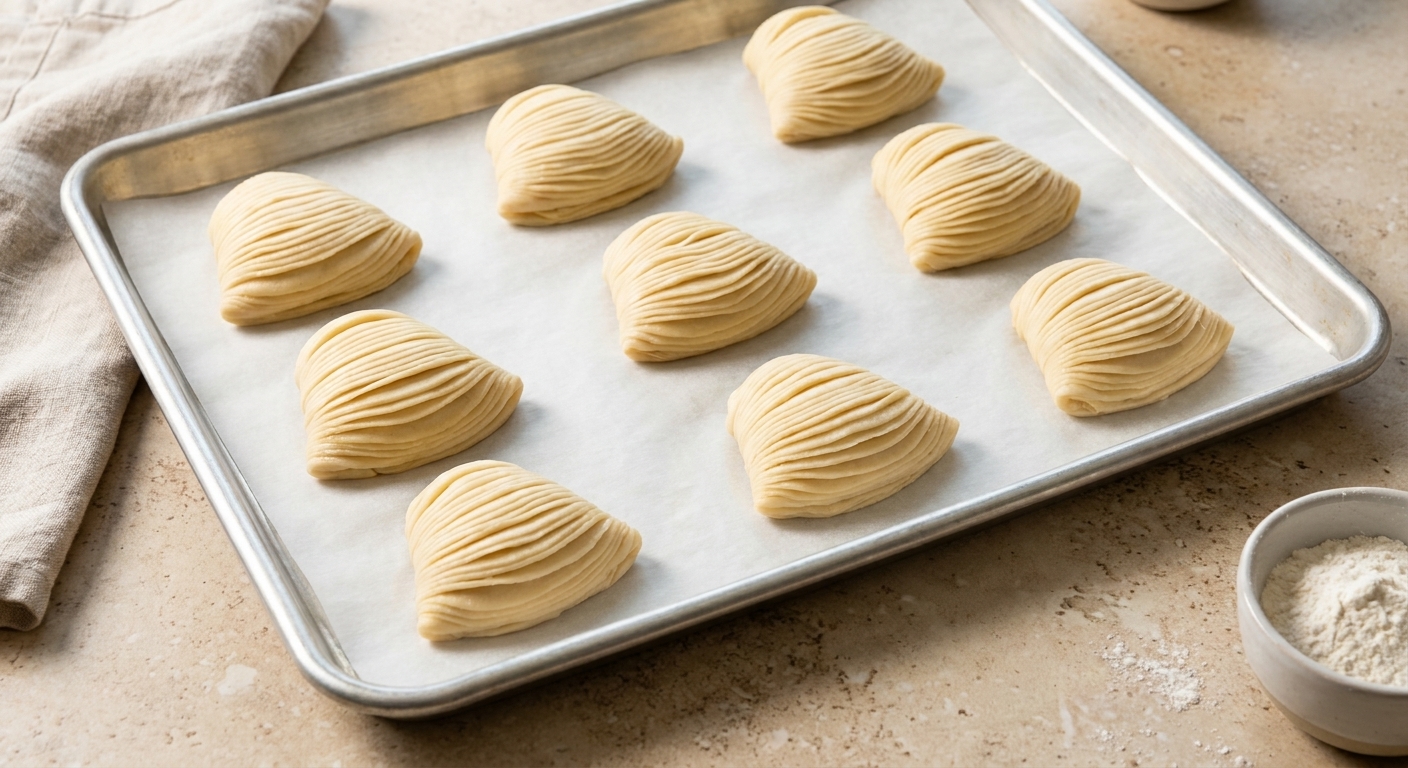
Unbaked sfogliatelle pastries arranged on a parchment-lined baking sheet, showing the ridged shell shape

Common Questions

What is sfogliatelle?

Sfogliatelle are traditional Italian pastries that originated in Campania and became especially famous in Naples. They are known for a crisp, layered shell and a sweet filling, most commonly ricotta with semolina and citrus.

What is the difference between sfogliatelle ricce and frolle?

Ricce are the dramatic, super flaky, laminated “seashell” ones. That is what this recipe makes. Frolle use a tender shortcrust-style dough instead of laminated layers, so they are more cookie-like and less shattery.

Why is my filling runny?

Usually it is ricotta that was not drained well enough, or the semolina mixture was added while still warm. Drain the ricotta overnight if you can, and make sure the semolina paste is fully cooled before mixing.

Can I use cottage cheese instead of ricotta?

You can, but you need to blend it smooth and drain it well. The flavor will be a little different and the texture can be looser, so take extra care with draining.

Do I need a pasta machine?

It helps a lot. You can roll by hand with a long rolling pin, but the dough needs to be extremely thin for true layers. If rolling by hand, work in small pieces and take breaks so the gluten relaxes.

Why did my layers fuse together?

The dough was likely too thick, the fat layer was too sparse, or the logs warmed up before slicing and shaping. Keep the logs chilled so the slices hold their spiral, and be generous and even with the softened butter or lard.

The first time I tried sfogliatelle, I remember thinking, this pastry is aggressively crispy and I mean that as a compliment. It felt like the dessert version of hitting the perfect sear on a potato. When I started testing them at home, my kitchen looked like a flour storm hit a butter factory, but the moment the first tray came out, golden and ridged, I was fully sold. It is the kind of project that makes you better at pastry just by surviving it, and the reward is a dessert that gets quiet at the table because everyone is too busy crunching.