Mom's Best Recipes
Recipe

Cuisinart Bread Machine Sandwich Bread

A soft, slightly sweet everyday loaf made for a Cuisinart bread machine, with a tall rise, tender crumb, and a crust that does not fight your sandwich fillings.

Author By Matt Campbell
4.8
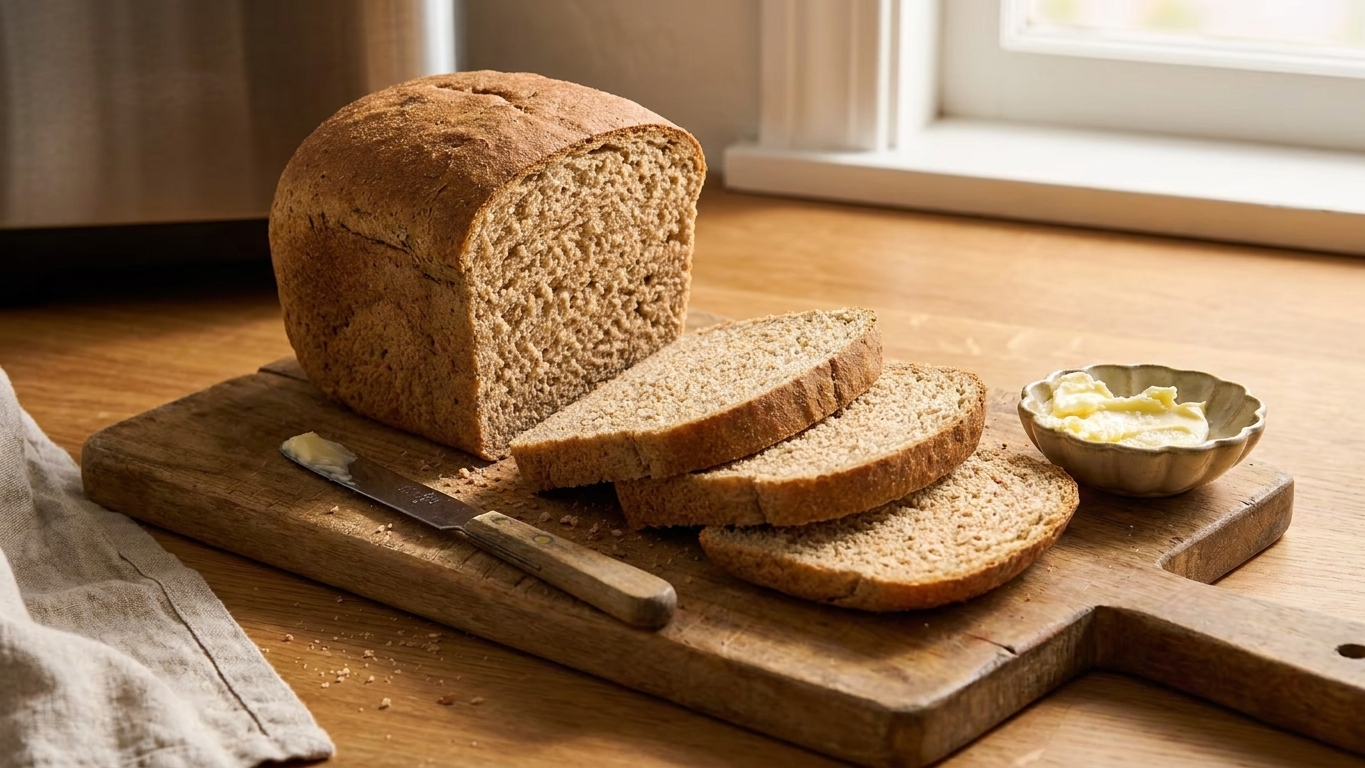
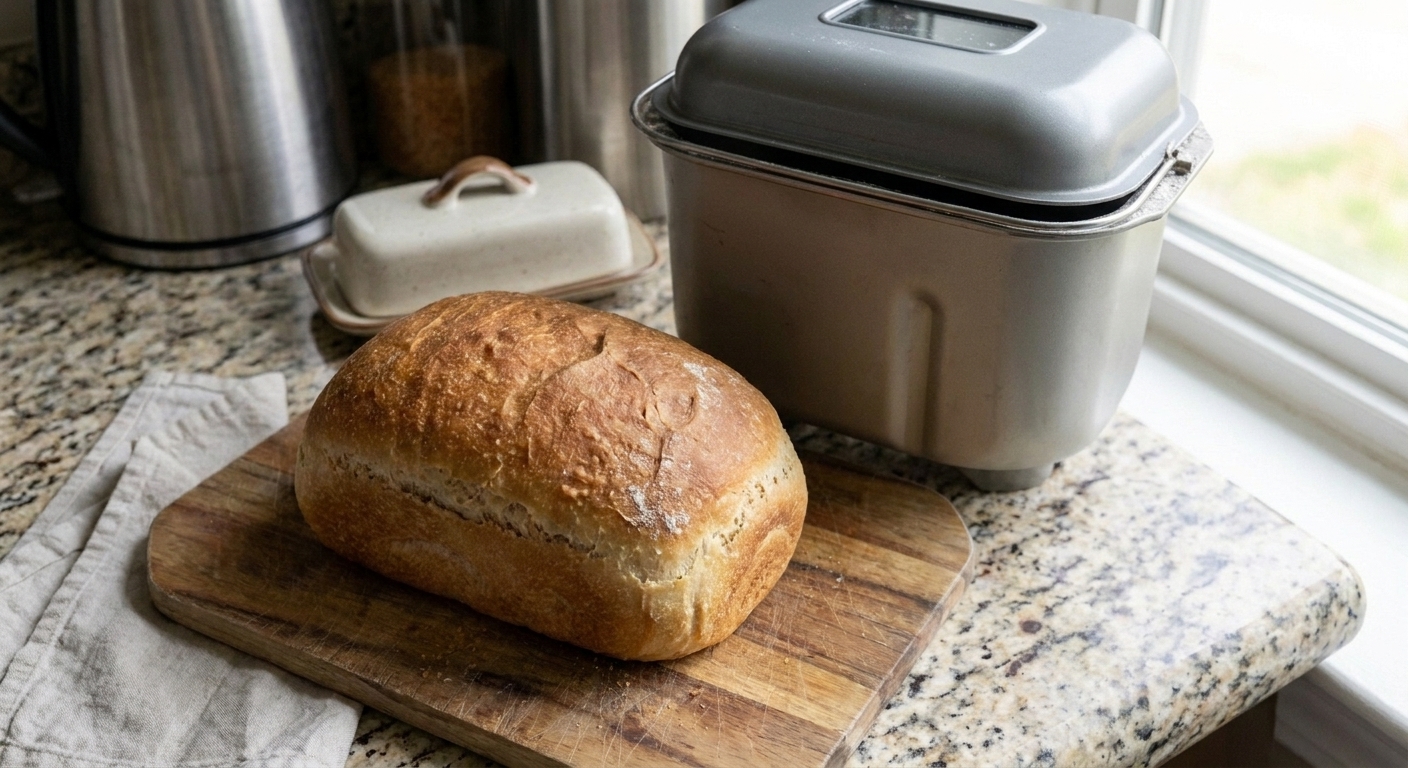
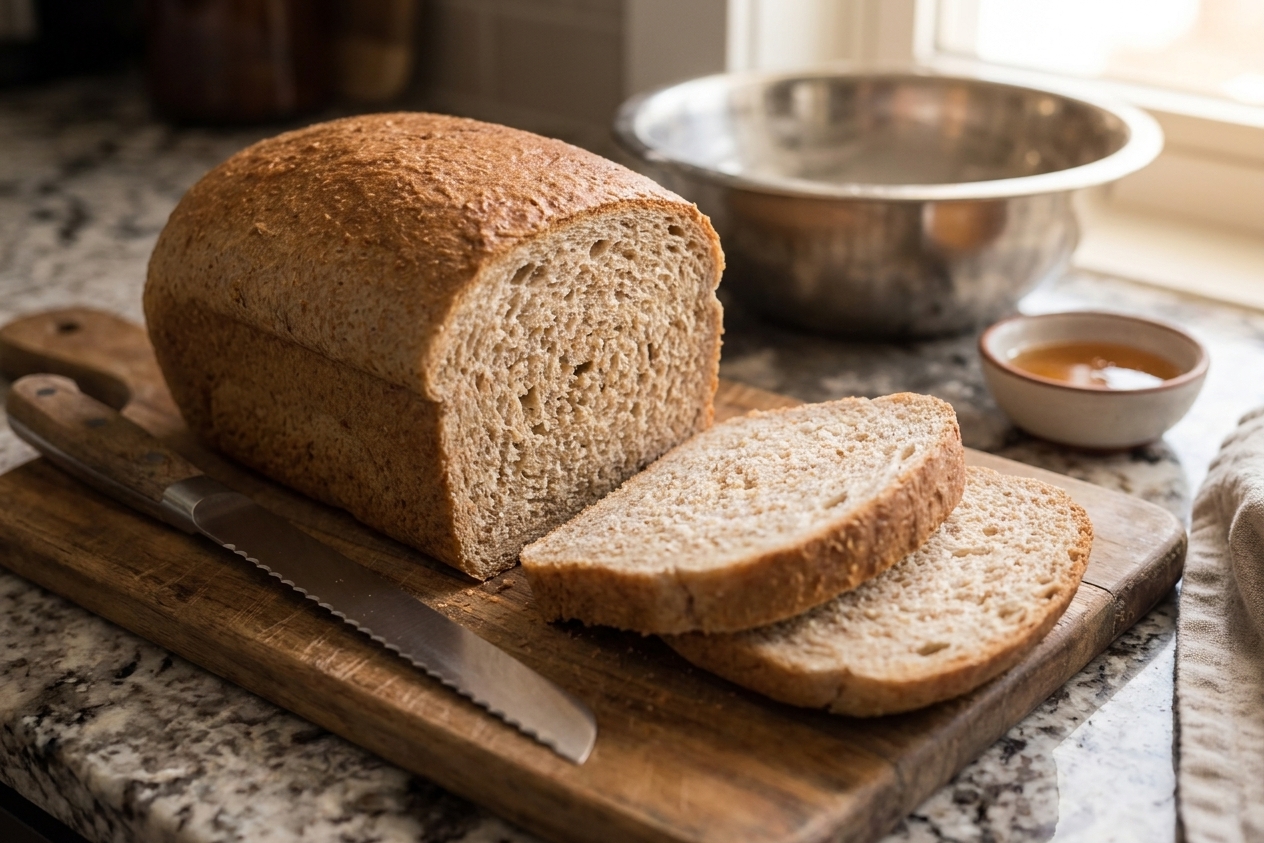
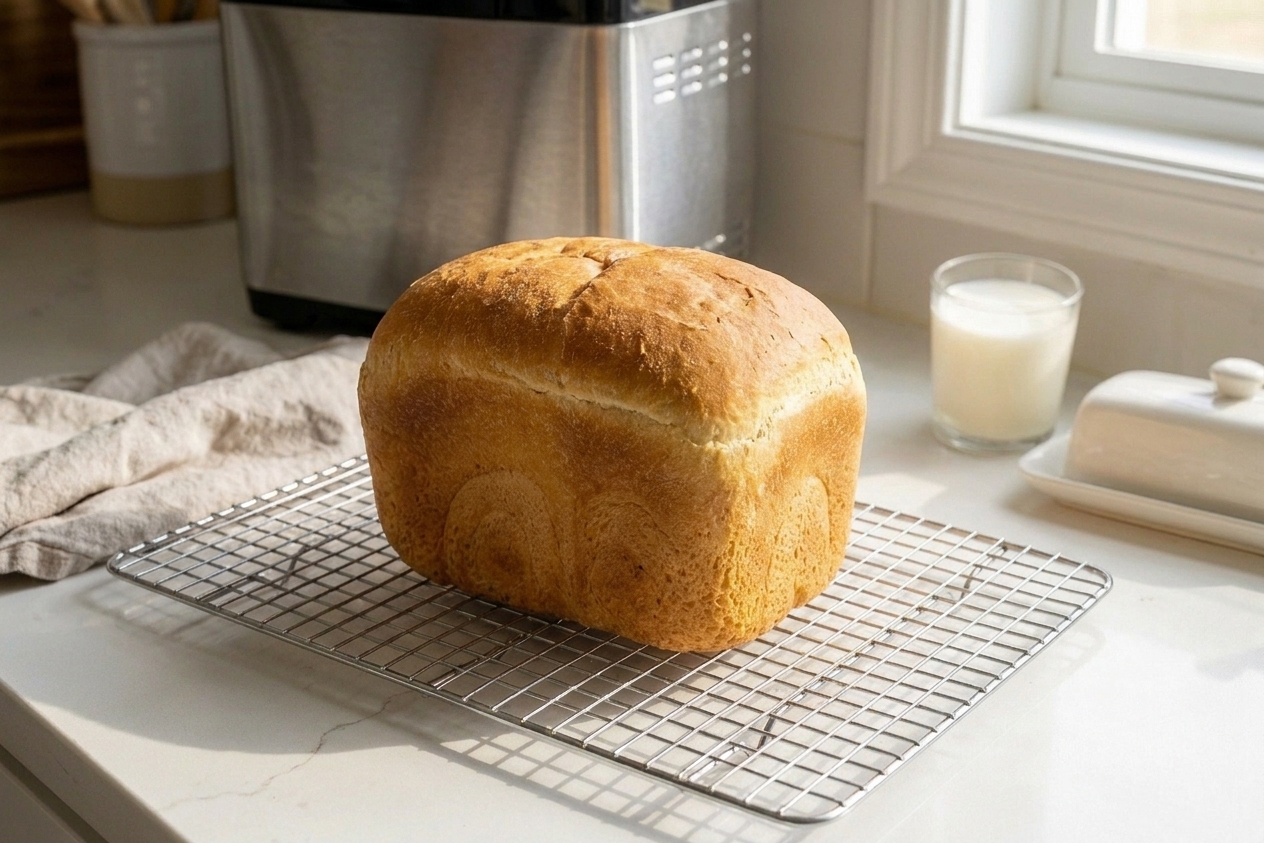
A tall golden sandwich bread loaf sitting next to a bread machine on a bright kitchen counter, with soft sliced pieces fanned out on a cutting board

I love a bread machine for the same reason I love a good weeknight pasta. You get the payoff without turning your whole kitchen into a flour blizzard. If you have a Cuisinart bread machine, this loaf is the one I would keep on repeat: soft enough for PB&J, sturdy enough for grilled cheese, and forgiving if you are not measuring like a lab scientist.

We are making a classic sandwich bread with accessible ingredients and a couple small moves that make a big difference: checking the dough early, adjusting with a spoonful of flour or water, and choosing the right cycle. That is it. Bread that behaves.

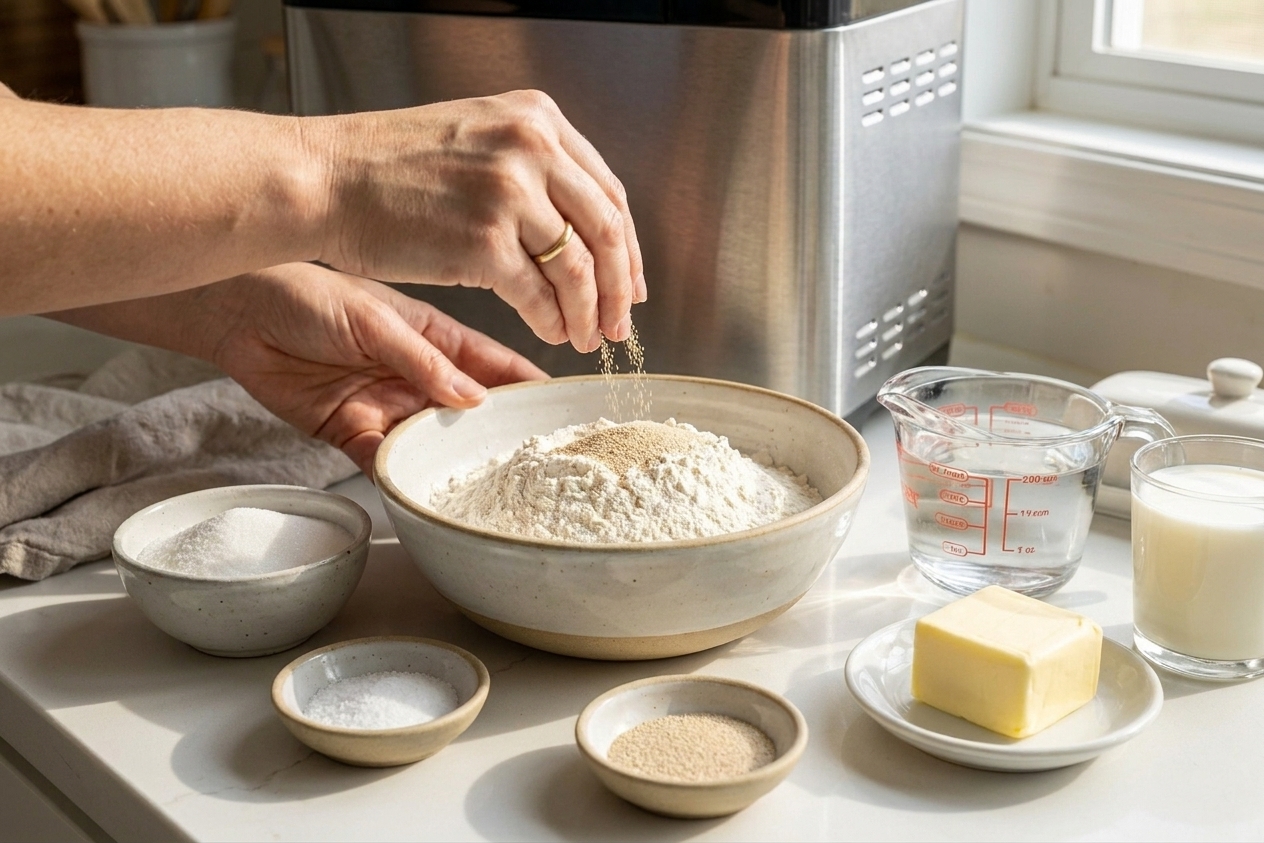
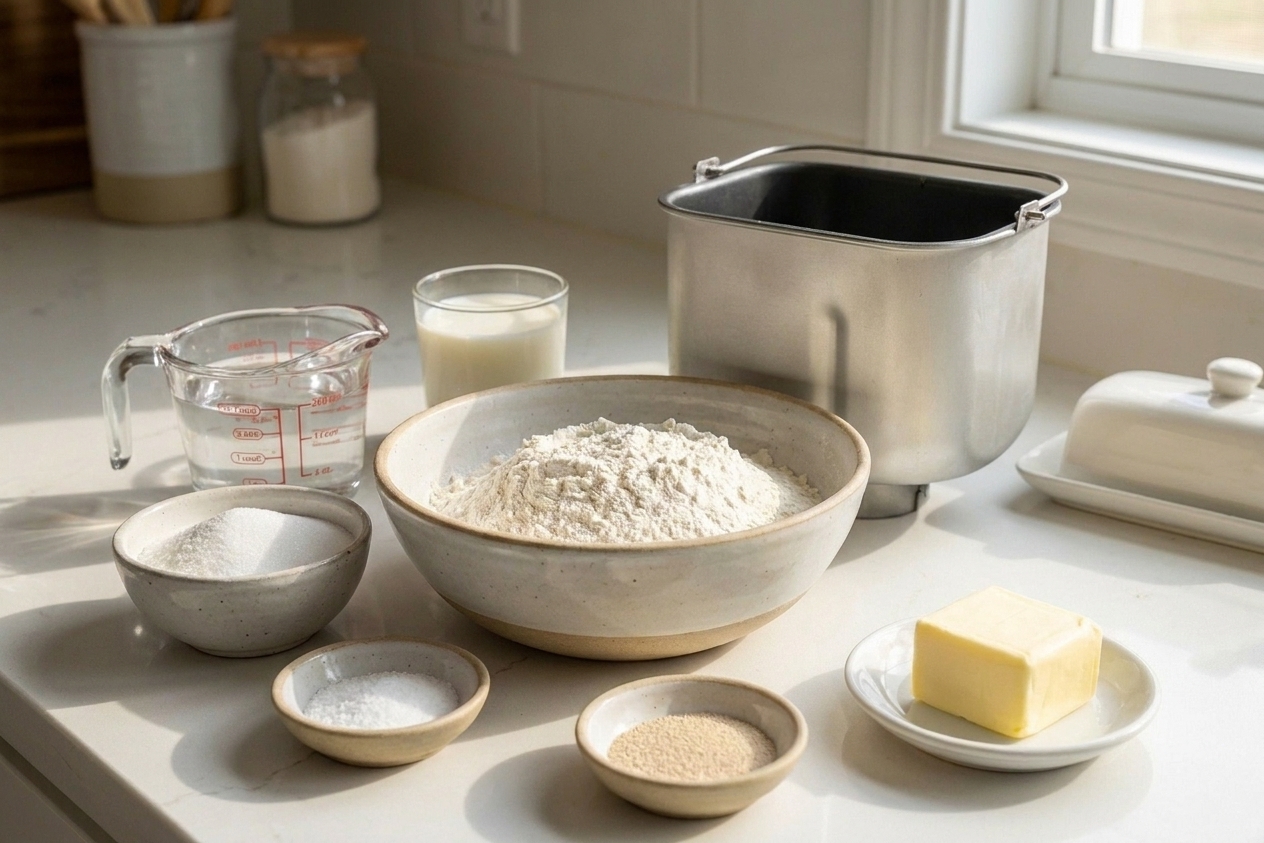
Flour, sugar, salt, instant yeast, butter, milk, and warm water arranged on a clean kitchen counter

Why It Works

  • Reliable rise: Balanced yeast and a correctly hydrated, slightly enriched dough help it climb without collapsing.
  • Soft, sliceable crumb: Milk and butter keep it tender so your sandwiches do not shred.
  • Predictable dough texture: A quick dough check at 5 to 10 minutes prevents the most common bread machine problems.
  • Golden crust control: Choose light, medium, or dark crust depending on how you like it and how punchy your toaster runs.

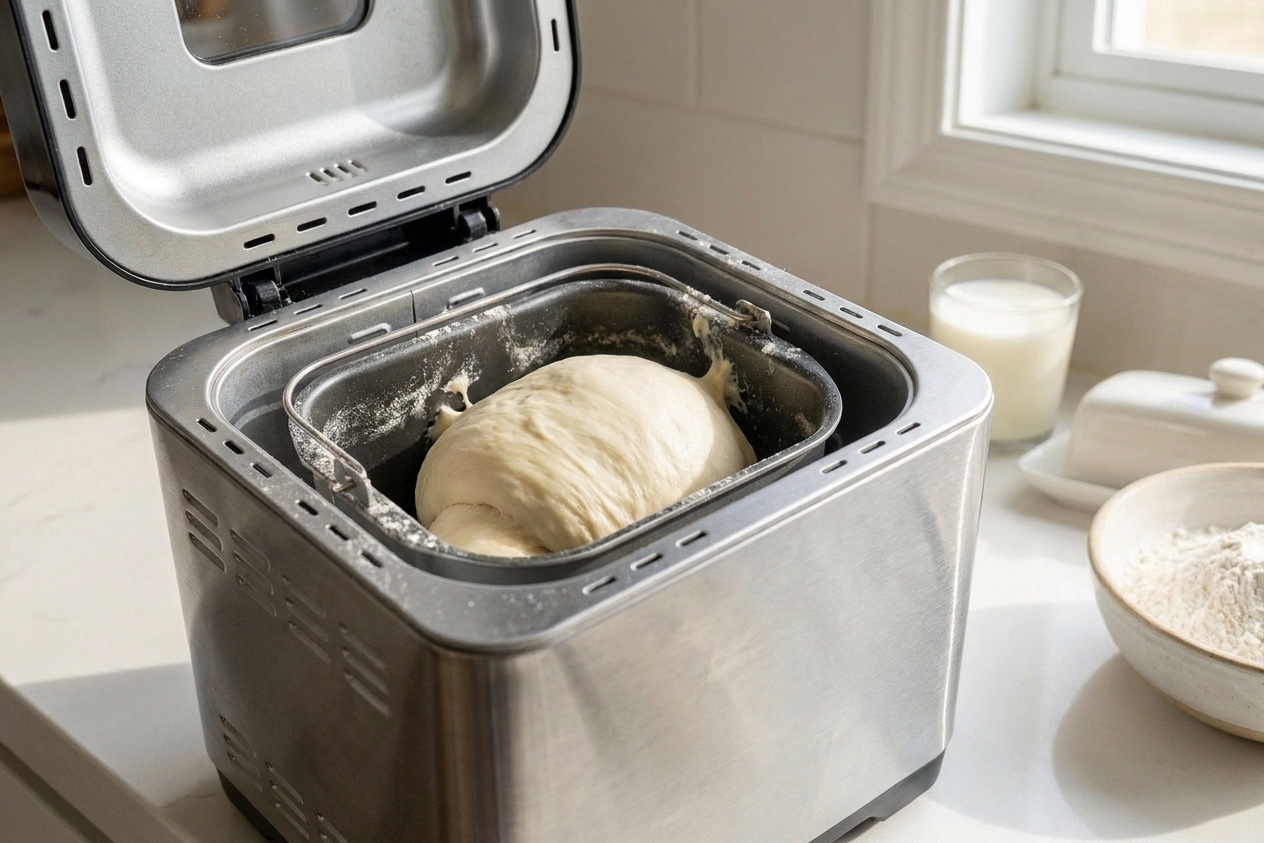
Dough check rule: During the first knead, the dough should look like a smooth, slightly tacky ball that cleans the sides of the pan. If it is a puddle, add flour 1 tablespoon at a time. If it is dry and thumping, add water 1 teaspoon at a time.

Pairs Well With

Storage Tips

How to Store It

  • Room temp (best for 2 to 3 days): Let the loaf cool completely, then store in a bread bag or zip-top bag with as much air pressed out as possible. Keep it out of direct sun.
  • Fridge (not my favorite): Refrigeration dries bread faster. If your kitchen is very warm or humid, you can refrigerate, but expect a slightly staler slice.
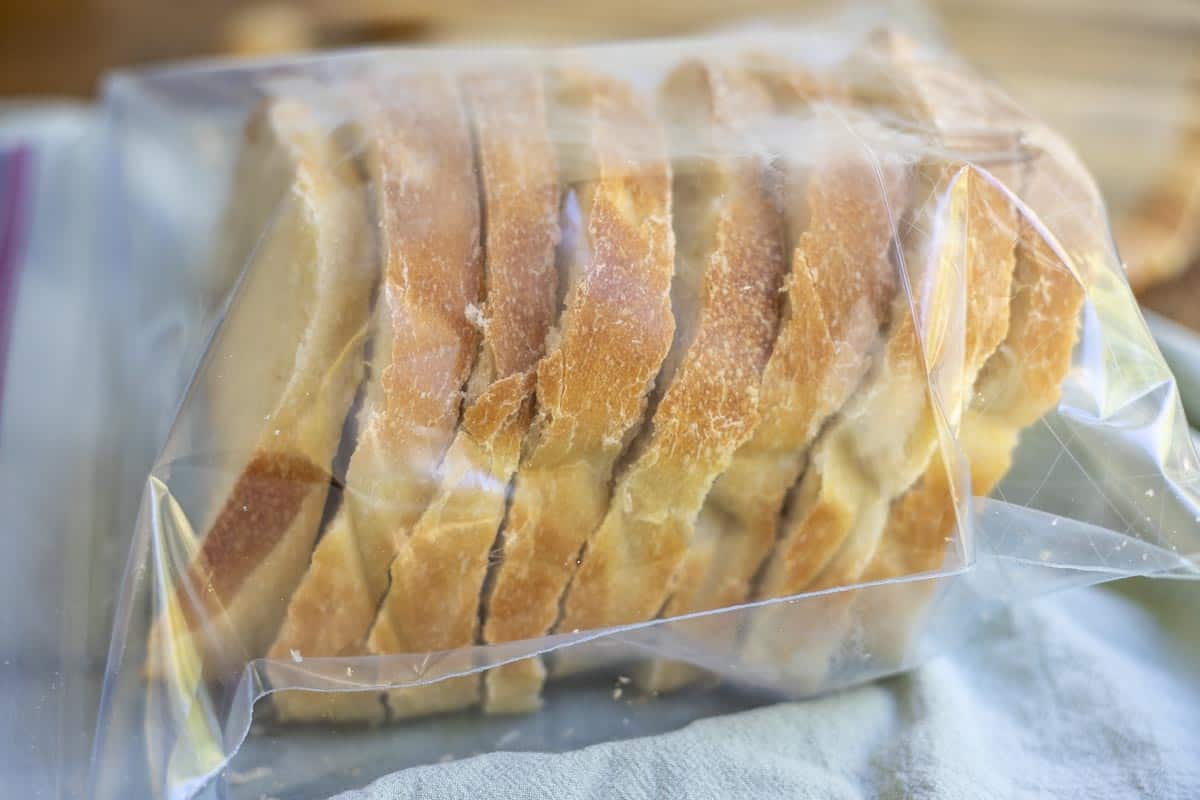
  • Freezer (best for 1 to 2 months): Slice the loaf first, then freeze in a bag. Grab slices as needed and toast straight from frozen.
  • Revive a dry slice: Toast it, then butter it while hot. Instant personality upgrade.
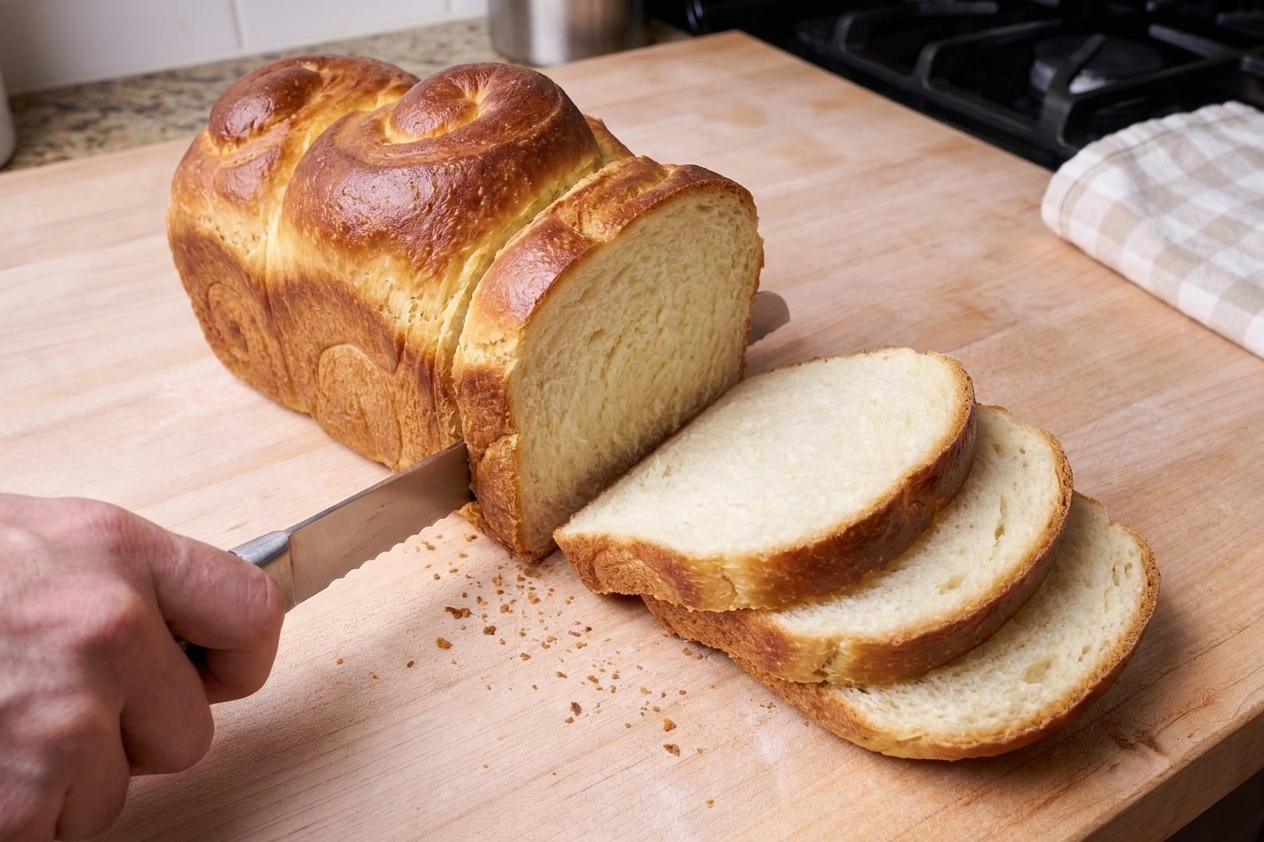
Slices of homemade sandwich bread stacked in a clear freezer bag on a kitchen counter, ready for freezing

Common Questions

Cuisinart Bread Machine Questions

Which setting should I use on a Cuisinart bread machine?

Use the Basic or White bread program (names vary by model), with a 1.5-pound loaf size if your machine asks, and your preferred crust color. This recipe is built for a standard white sandwich loaf profile.

What if my machine only has 1 lb or 2 lb loaf settings?

If you only have 1 lb or 2 lb options, choose 2 lb so the machine gives the dough enough time and space to rise and bake fully. The dough quantity is still in the 1.5 lb neighborhood, so you are not overloading the pan. If the top browns too much on the 2 lb program, pick a lighter crust color next time.

Do I add wet ingredients first or dry ingredients first?

For most Cuisinart machines, you will get the best results adding liquids first, then dry ingredients, with the yeast placed last in a small well on top of the flour so it does not touch the liquids until kneading starts. If your manual instructs differently, follow your manual.

Can I use active dry yeast instead of instant yeast?

Yes. In many bread machines you can use the same amount, but results can vary by brand and kitchen temperature. If your loaf comes out a little short, use about 1/4 teaspoon more active dry yeast next time. If your yeast is older, proof it first: stir it into the warm water with the sugar and let it sit 5 to 10 minutes until foamy, then add that mixture to the pan.

How warm should my water be?

Aim for warm, yeast-friendly water around 100 to 110°F. That said, some bread machine manuals prefer slightly cooler liquids because the machine warms during kneading and rising. If your manual gives a target temp range, use that.

Why did my loaf sink in the middle?

Usually one of these: too much liquid, too much yeast, or the dough over-proofed in a warm room. This recipe is intentionally sized to avoid the classic too-wet issue, but you should still do the dough check and add flour if the dough looks loose. Also make sure your salt is measured correctly because salt helps control yeast activity.

Why is my bread dense?

Common culprits are old yeast, too much flour, or water that is too hot or too cold. Also measure flour by spooning into the cup and leveling, or better yet, weigh it. If your machine tends to run warm and your loaf overproofs, try slightly cooler liquids next time and follow your manual for guidance.

Can I use bread flour?

Absolutely. Bread flour can make the loaf slightly taller and chewier. Start with a 1:1 swap. If the dough seems dry during kneading, add an extra teaspoon or two of water.

How do I avoid a hole from the kneading paddle?

Remove the paddle after the final knead if your machine allows pausing at that point, or just pull it out once the loaf is done and still warm. The hole is cosmetic, and sandwiches forgive a lot.

How do I keep the crust from getting soggy?

When the bake cycle ends, remove the loaf promptly and cool it on a rack. Letting it sit in the pan traps steam, which turns a nice crust into a sad one.

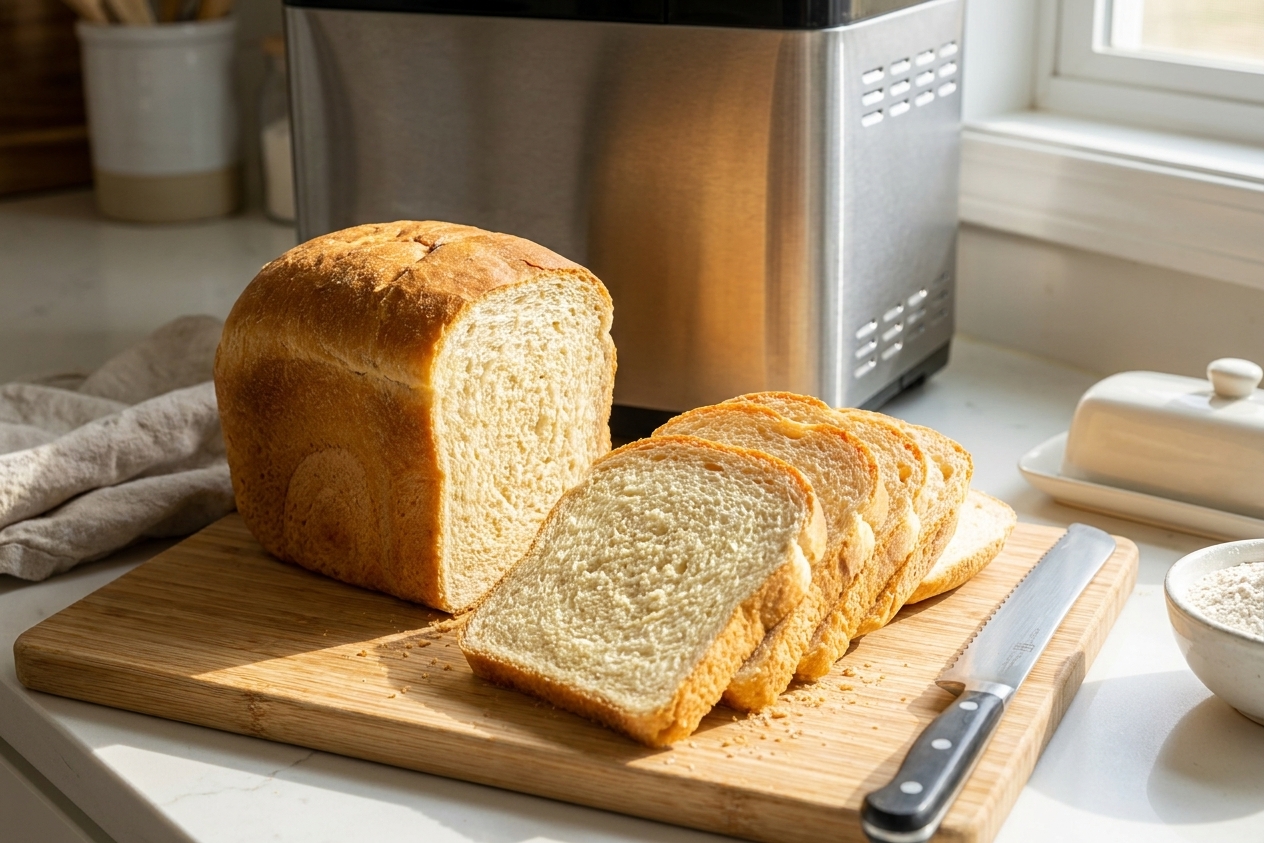
The first time I really fell in love with a bread machine loaf, it was not because it was fancy. It was because it was there. Warm bread on a random Tuesday makes you feel like you have your life together, even if your sink is full and you are wearing the same hoodie you cooked in yesterday.

Now I treat my Cuisinart like a teammate. I dump in ingredients, check the dough once like a responsible adult, then go do literally anything else. And when the loaf pops out, I slice it a little too thick, swipe on butter, and tell myself I am only doing “one taste test.”