Mom's Best Recipes
Recipe

Shrimp Gumbo

Deep roux, tender shrimp, okra, and a savory broth that tastes like you cooked all day.

Author By Matt Campbell
4.8
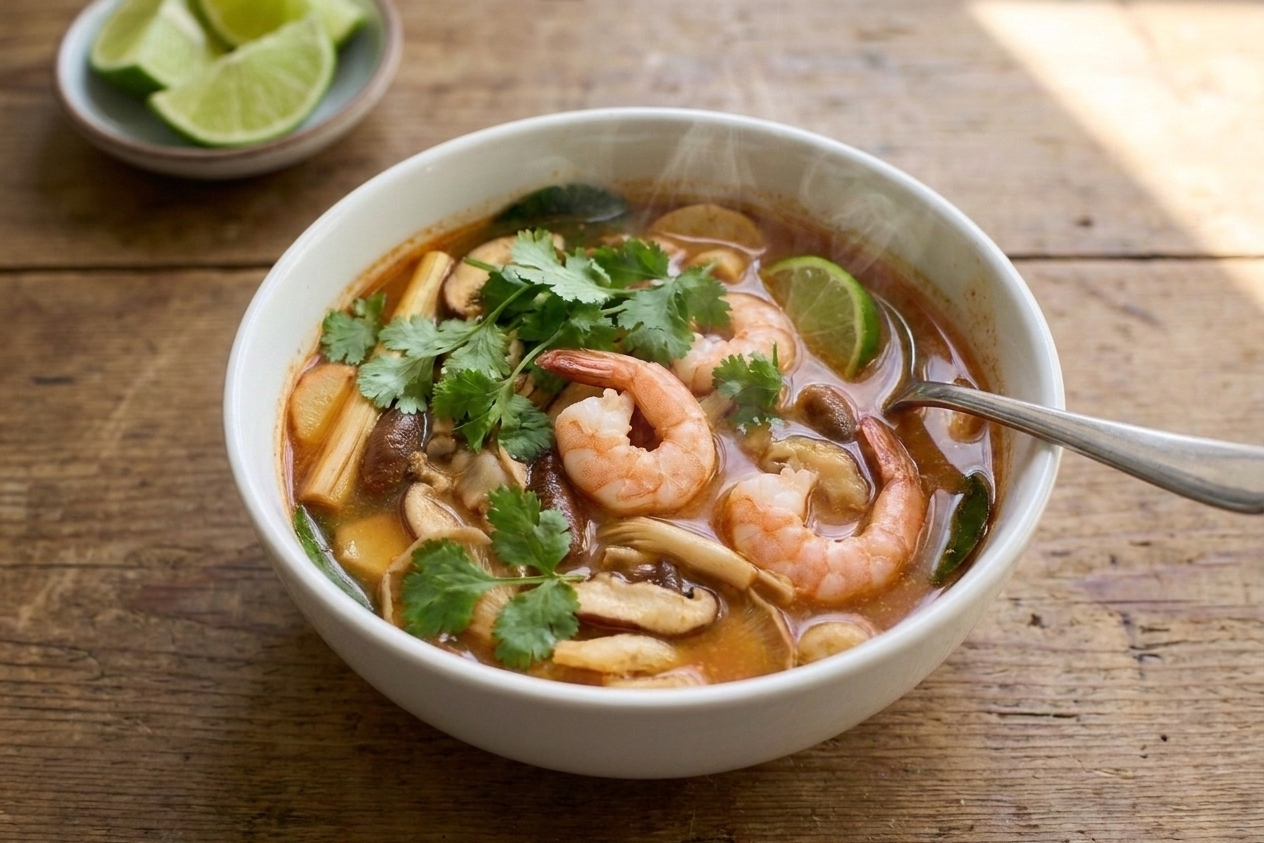
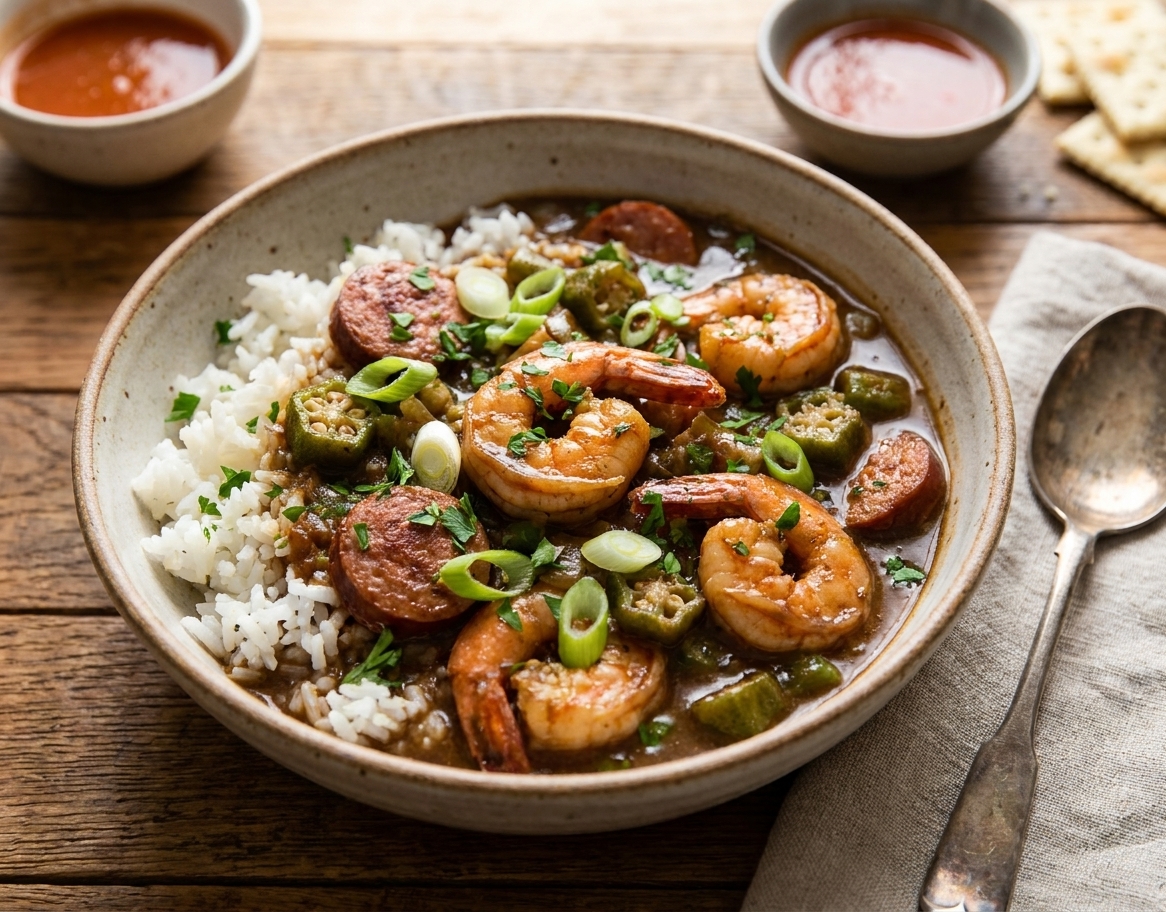
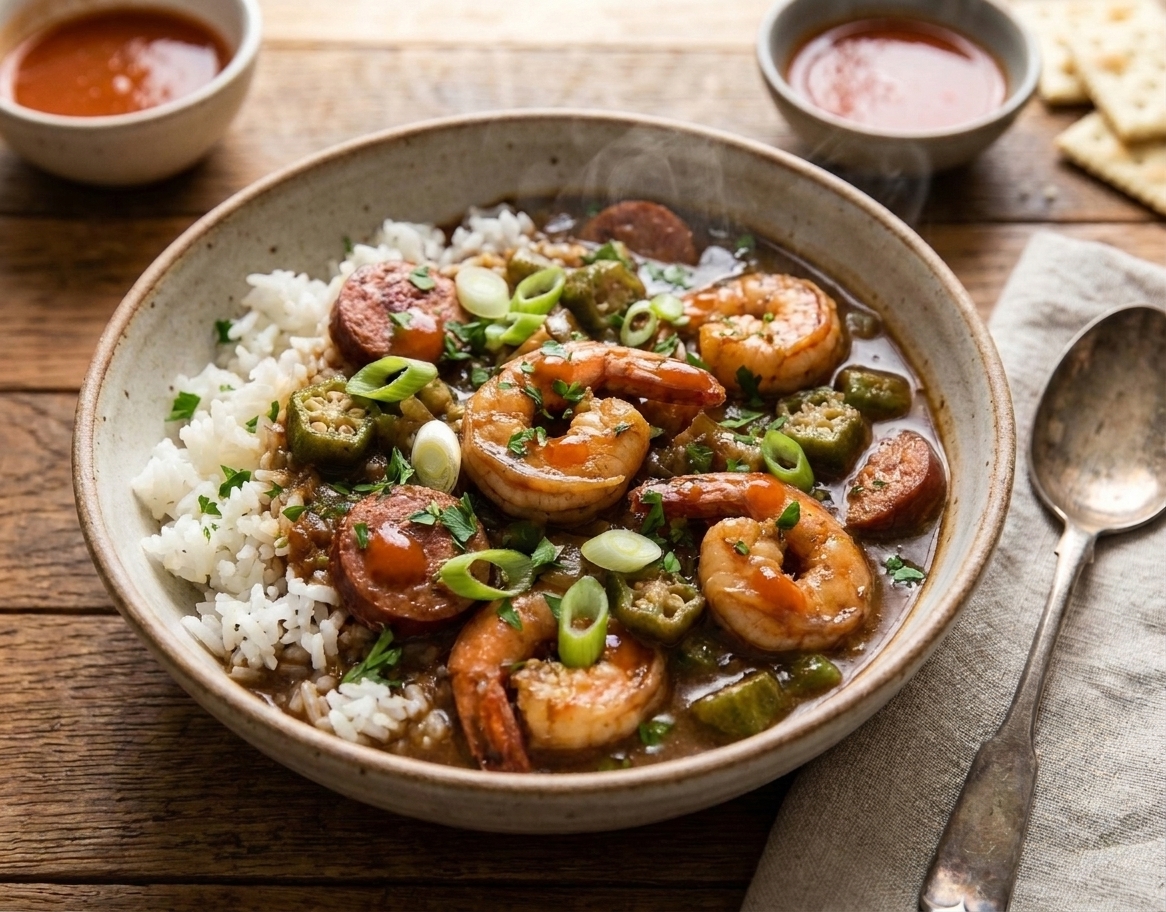
A steaming bowl of shrimp gumbo served over white rice with sliced scallions and a few drops of hot sauce on top, set on a wooden table with a spoon nearby

Shrimp gumbo is one of those dishes that feels like a hug but eats like a celebration. You get that dark, nutty roux aroma, the holy trinity doing its thing, okra adding body, and shrimp that stay tender because we treat them like the VIPs they are.

This version is built for home kitchens. No hard-to-find ingredients, no mystery steps, and no pressure to be “perfect Cajun” or “perfect Creole.” We are making a pot of gumbo that tastes big, warms you up, and makes tomorrow’s leftovers suspiciously better than today’s dinner.

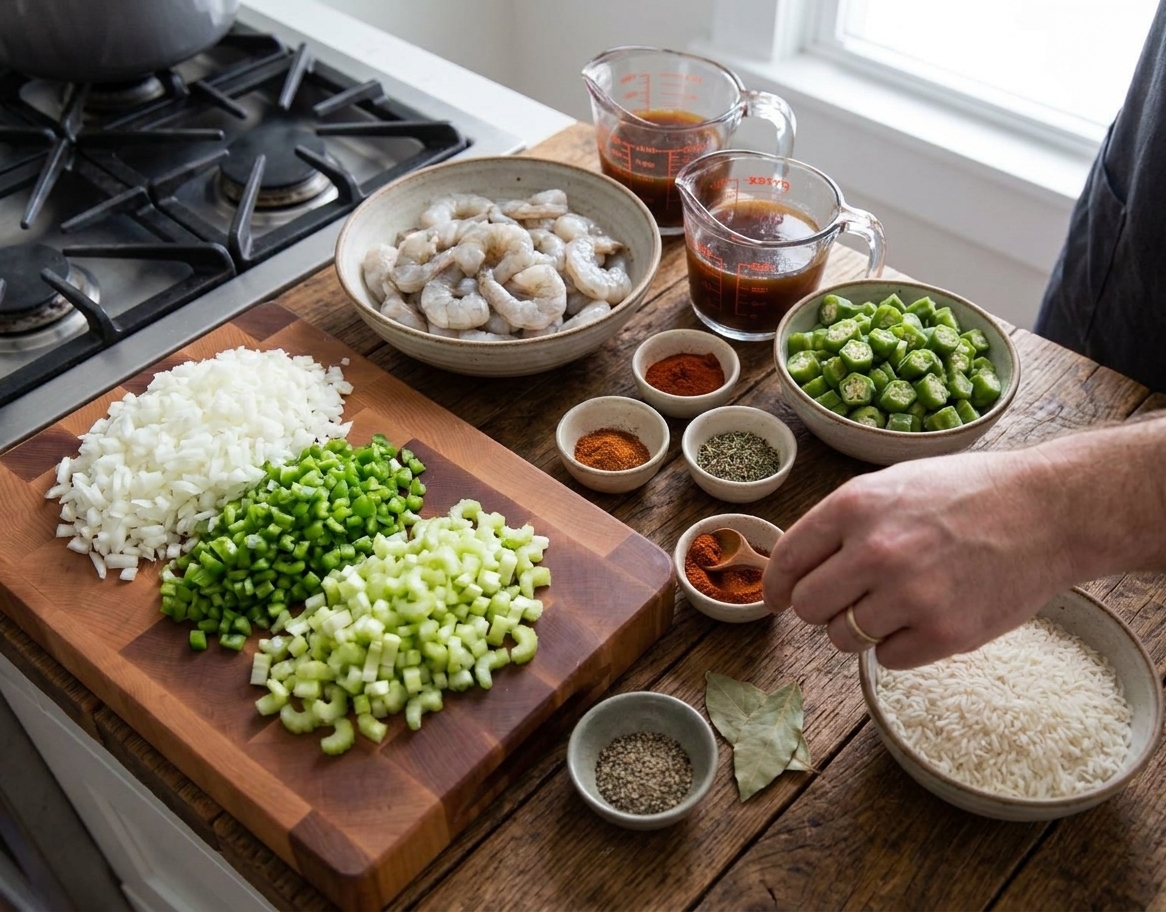
All the shrimp gumbo ingredients arranged on a kitchen counter, including peeled shrimp, okra, onion, celery, bell pepper, stock, spices, and rice

Why It Works

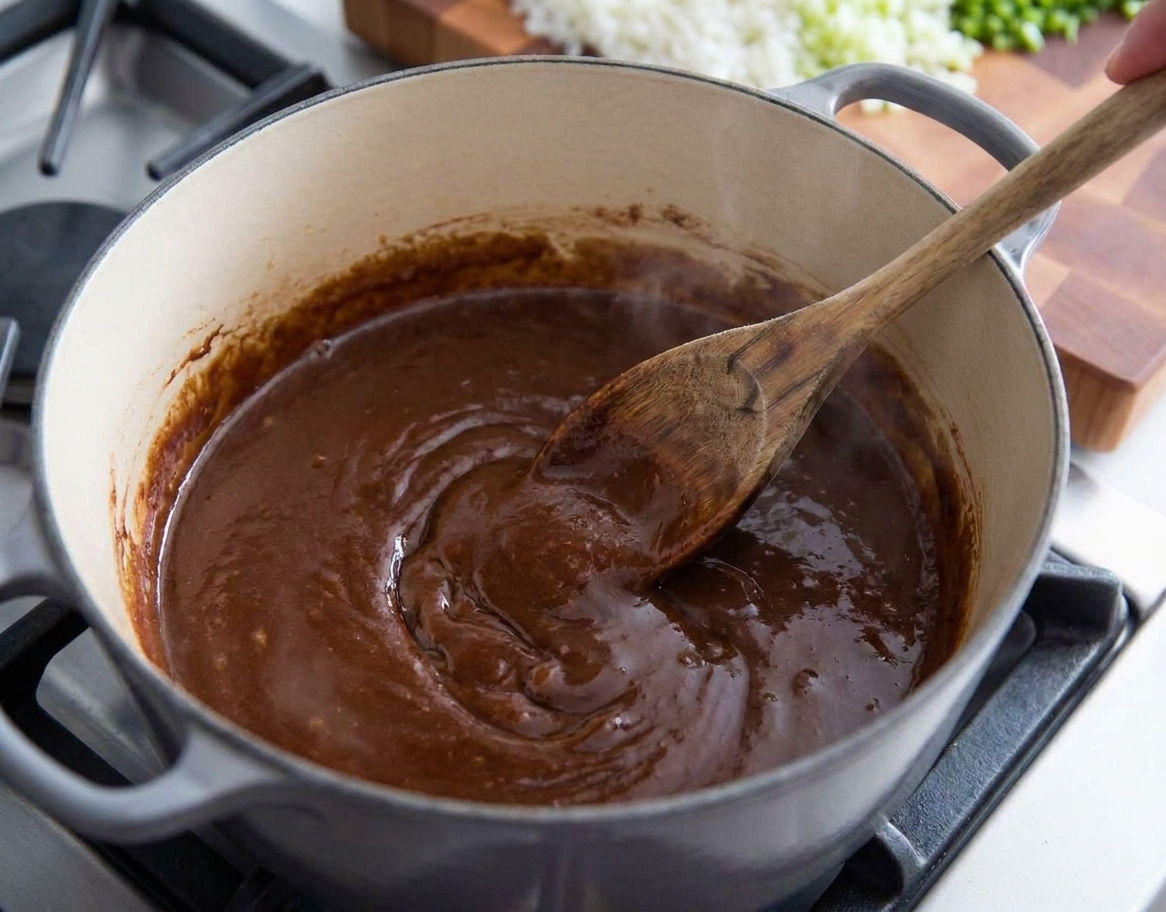
  • A dark, flavorful roux that tastes toasty and deep, not burnt. You will learn what to look for so you can relax.
  • Layered seasoning from sautéed veggies, spices bloomed in the pot, and a broth that simmers into something real.
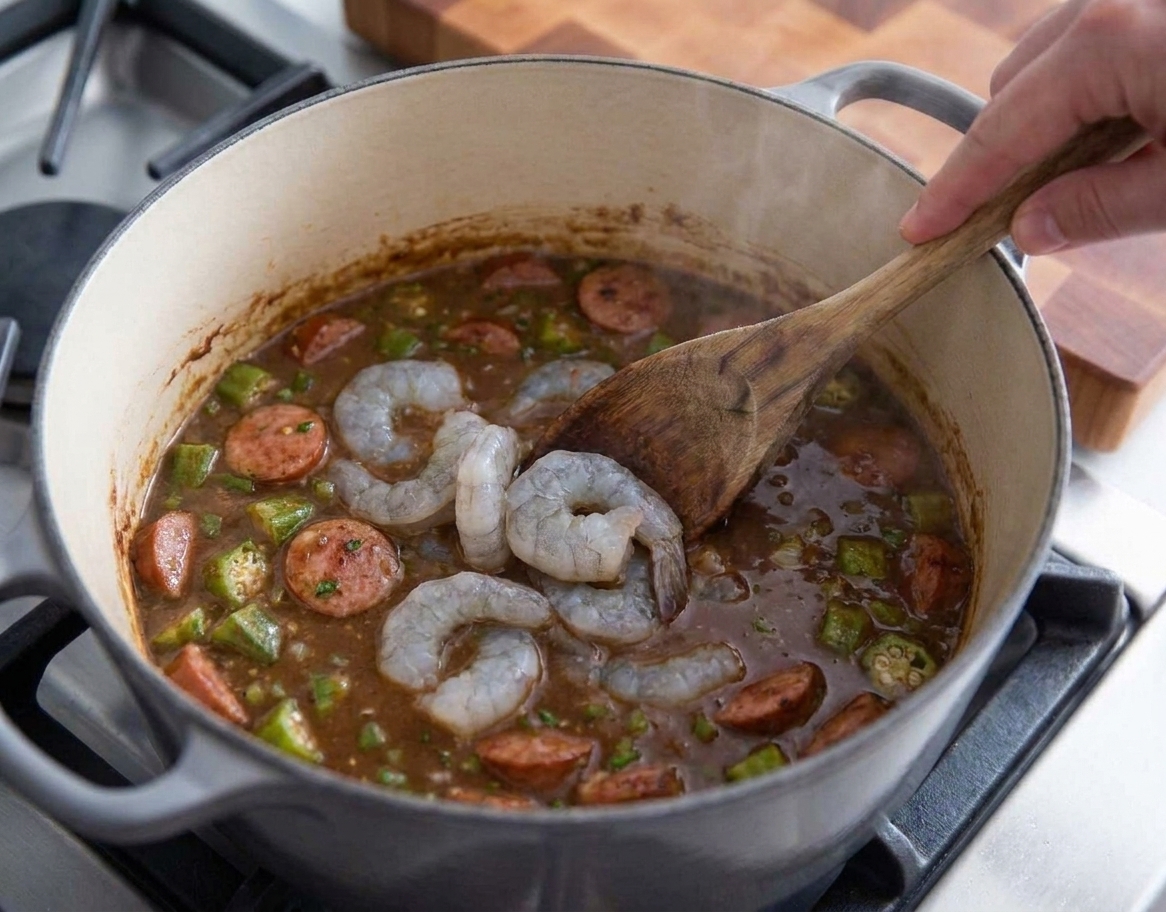
  • Tender shrimp added at the end so they stay juicy and sweet, not rubbery.
  • A gumbo that thickens naturally with roux plus okra, no cornstarch vibes.

Pairs Well With

Storage Tips

How to Store and Reheat

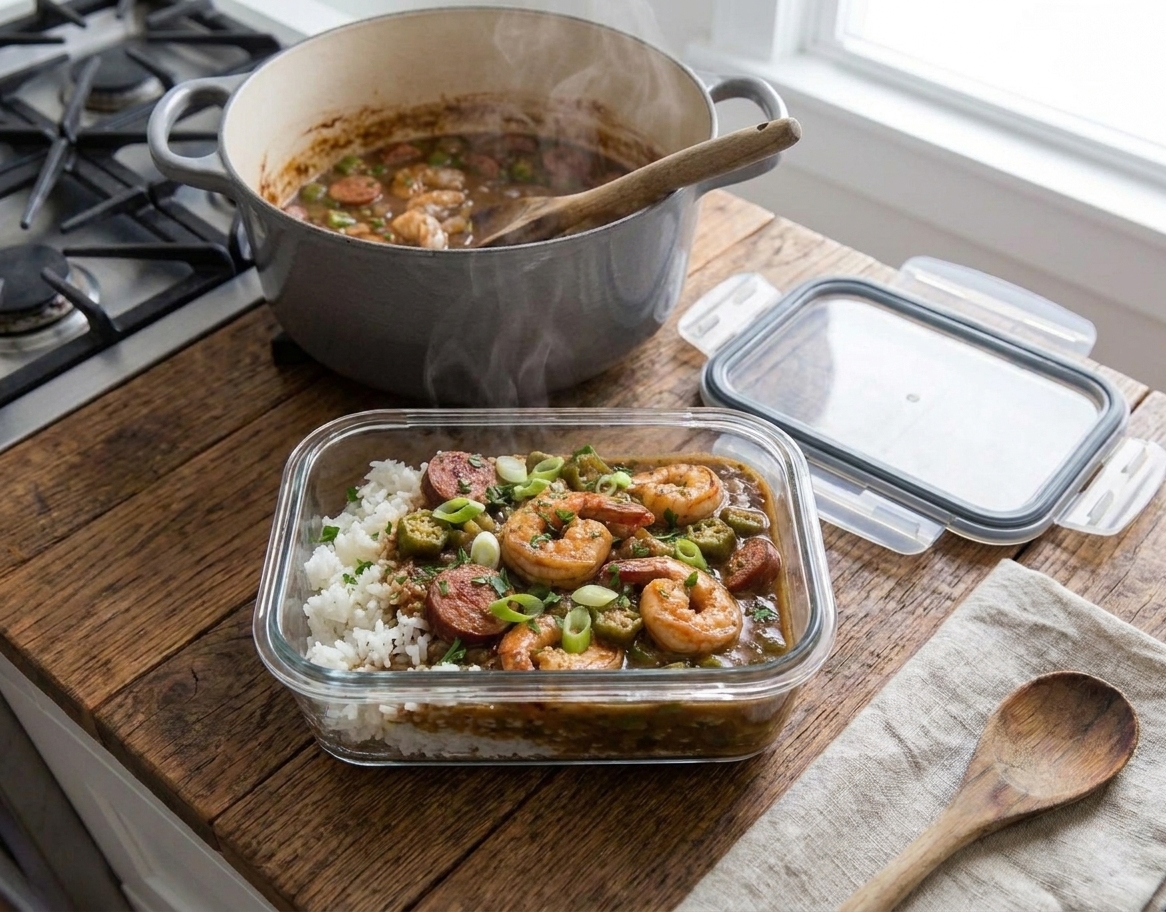
Fridge: Cool gumbo quickly, then store in an airtight container for up to 3 to 4 days. If you can, store the rice separately so it does not soak up all the broth.

Freezer: Gumbo freezes well for up to 2 to 3 months for best quality. For best texture, freeze it without the shrimp if you are planning ahead. Then thaw, reheat, and add fresh shrimp at the end.

Reheat: Warm gently on the stove over medium-low, stirring often. Add a splash of stock or water if it has tightened up. If your shrimp are already in the gumbo, reheat just until hot to avoid overcooking them.

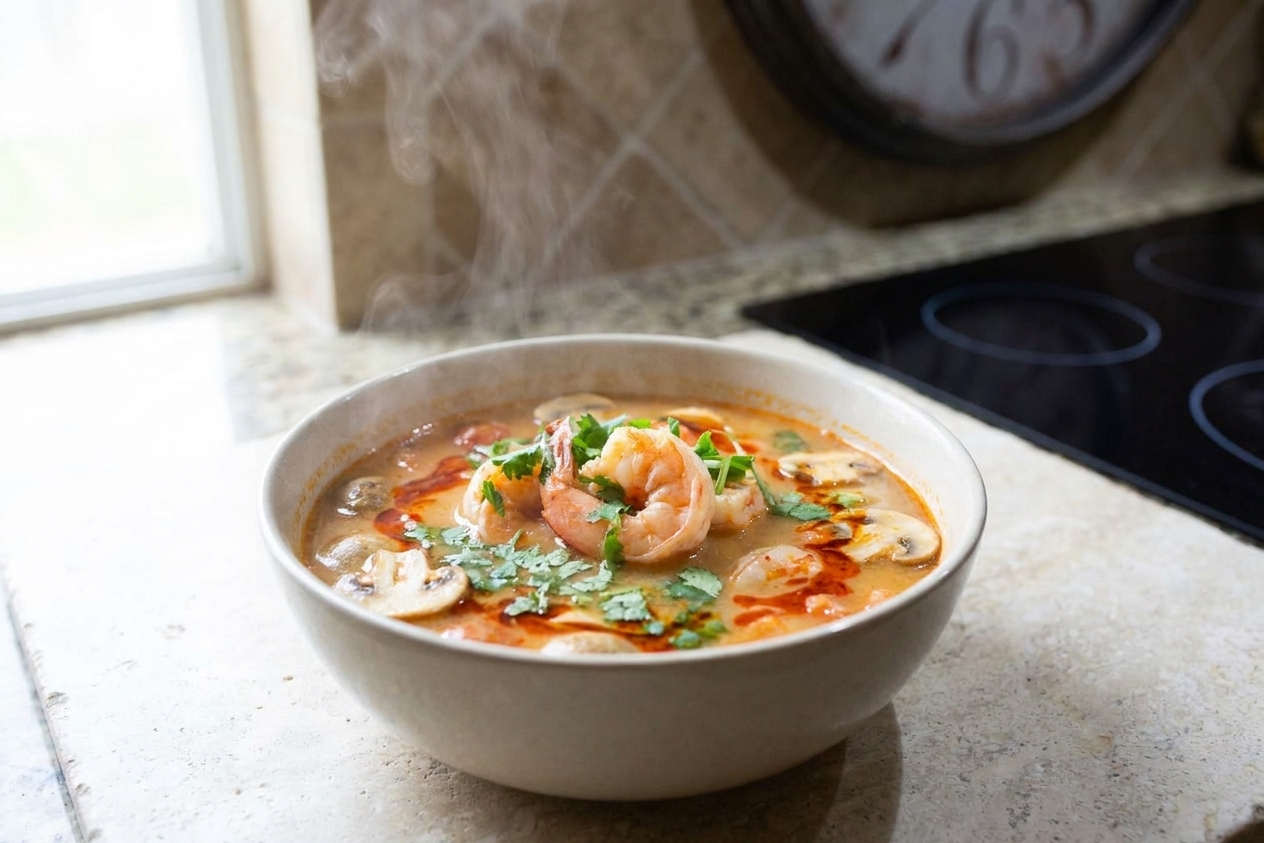
A glass meal prep container filled with shrimp gumbo cooling on a kitchen counter with a lid nearby, ready to store in the refrigerator

Common Questions

Common Questions

What is the difference between Cajun and Creole gumbo?

Both are delicious and both are gumbo. In broad strokes, Creole versions often include tomatoes and can lean a little more city-style, while Cajun gumbo often skips tomatoes and leans on a darker roux and smoky meats. There are plenty of exceptions either way, depending on the cook and the family pot. This shrimp gumbo keeps it tomato-free and roux-forward, but nobody is stopping you from adding a spoonful of tomato paste if that is your comfort zone.

Do I have to use okra?

Okra helps thicken and adds that classic gumbo feel. If you hate it, you have options: use filé powder at the end (off heat) or just let the roux do the thickening. The flavor will still be great.

Can I make this without sausage?

Yes. The sausage adds smoky depth, but you can skip it and bump up flavor with a little extra Creole seasoning, a dash of smoked paprika, or a splash of Worcestershire. If you skip the sausage, just start the roux with your full oil amount.

My roux looks grainy or separated. Did I ruin it?

Probably not. Grainy can happen if the heat is too high or it was not stirred enough. Keep stirring and lower the heat. Once you add the trinity and liquids, it usually smooths out. If it smells burnt, though, that is the one time you should start over.

How spicy is this gumbo?

Mild to medium, depending on your Creole seasoning and hot sauce habits. Keep the cayenne optional and let people spice their own bowls at the table.

Any tips for using filé powder?

Yes: stir it in off heat at the very end. If filé boils, it can turn stringy. Keep it gentle and you will be good.

I love gumbo because it rewards the kind of cooking I’m most comfortable with: pay attention, taste as you go, and do not rush the parts that matter. The first time I made a dark roux on my own, I hovered like a nervous cat. Now it feels like a ritual. Put on a playlist, stir, watch it turn from pale peanut butter to the color of milk chocolate, and suddenly your whole kitchen smells like you know what you’re doing.